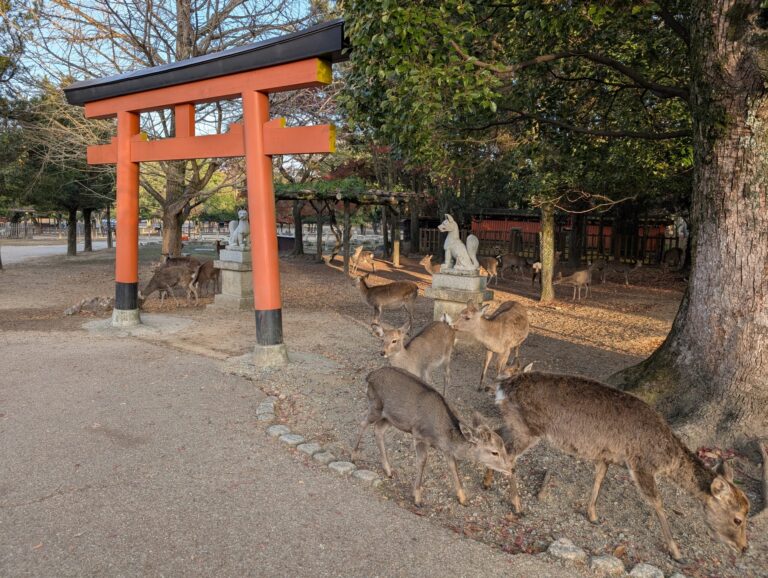

Japanese Wildlife Guide: A Field Guide to Mammals, Birds, Reptiles & More
If you want to explore Japan’s wildlife by species rather than by destination, start here.
This is the main species index for WildWatch Japan, bringing together mammals, birds, reptiles, amphibians, insects, and other wildlife found across the country.
I have photographed many of the animals featured here while exploring Japan, from Hokkaido and the mountains of Honshu to Sado Island, Amami Oshima, and the southern islands.
The aim is simple: to build a practical Japanese wildlife encyclopedia based around original photography, field observations, and detailed species profiles.
Choose an animal group below, browse a few representative species, and follow the links to explore further.
Browse the Japanese Wildlife Guide
Looking for a particular group?
- ▶ Mammals of Japan
- ▶ Birds of Japan
- ▶ Reptiles of Japan
- ▶ Amphibians of Japan
- ▶ Insects of Japan
- ▶ Other Wildlife of Japan
The sections below highlight some of the animals already covered on WildWatch Japan.
Mammals of Japan
Japan’s mammals range from bears and deer to monkeys, foxes, mountain specialists, and rare island endemics.
Here are a few good places to start.
Japanese Black Bear
Ursus thibetanus japonicus
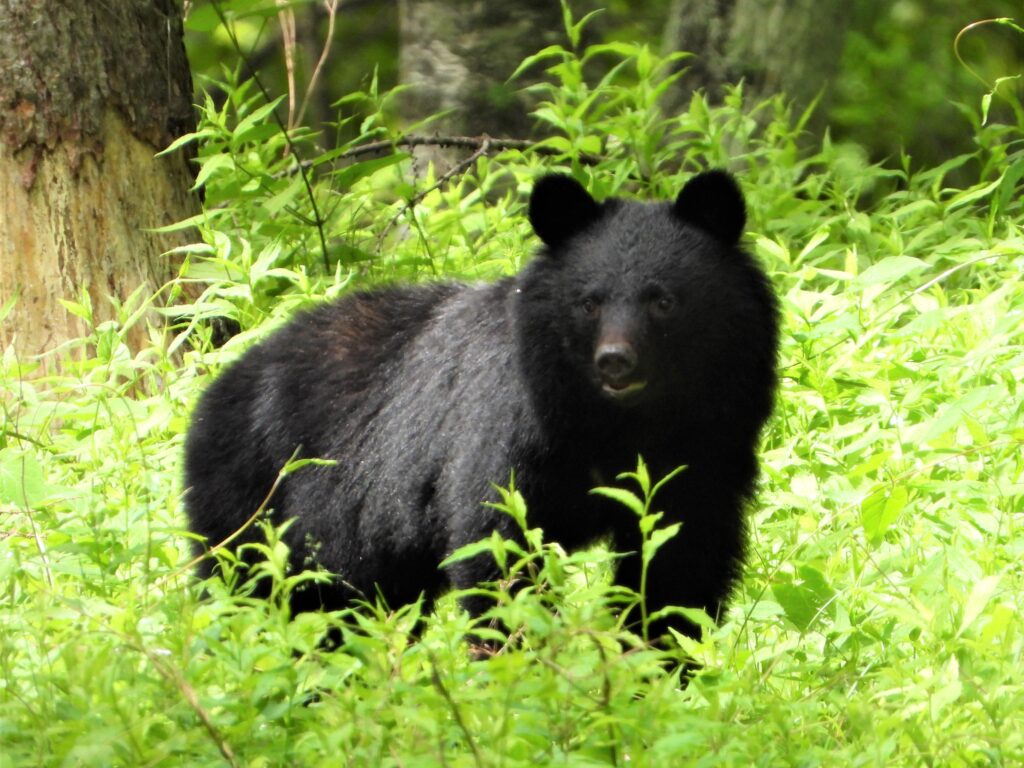
A forest-dwelling bear of Honshu and Shikoku, easily recognized by the pale crescent marking on its chest.
▶ Japanese Black Bear Species Guide
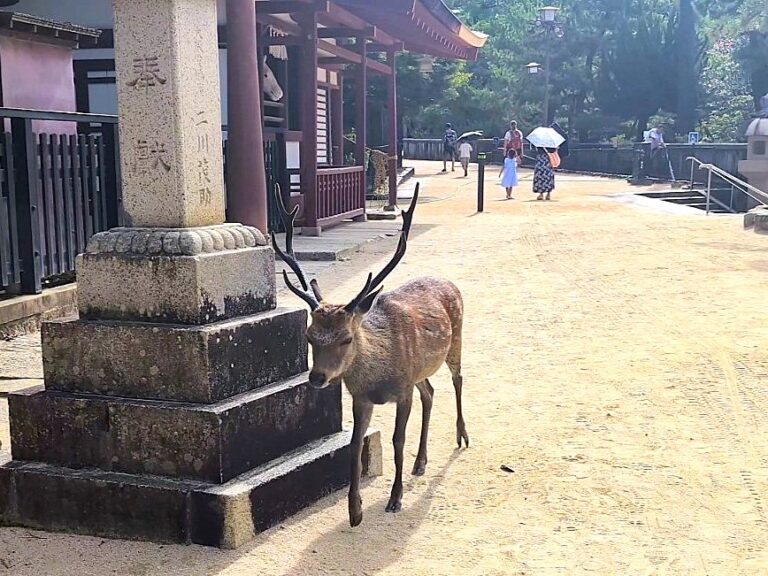
Sika Deer
Cervus nippon
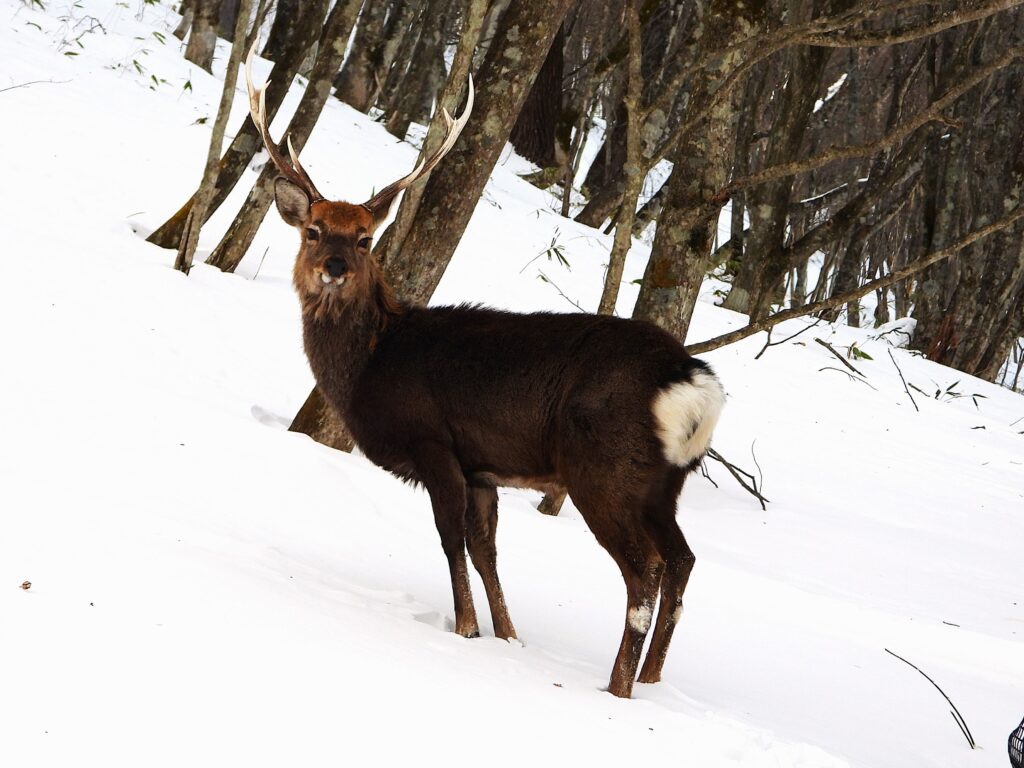
One of Japan’s most familiar large mammals. Sika deer live in a wide range of habitats and can be found from Hokkaido to southern Japan.
Japanese Macaque
Macaca fuscata
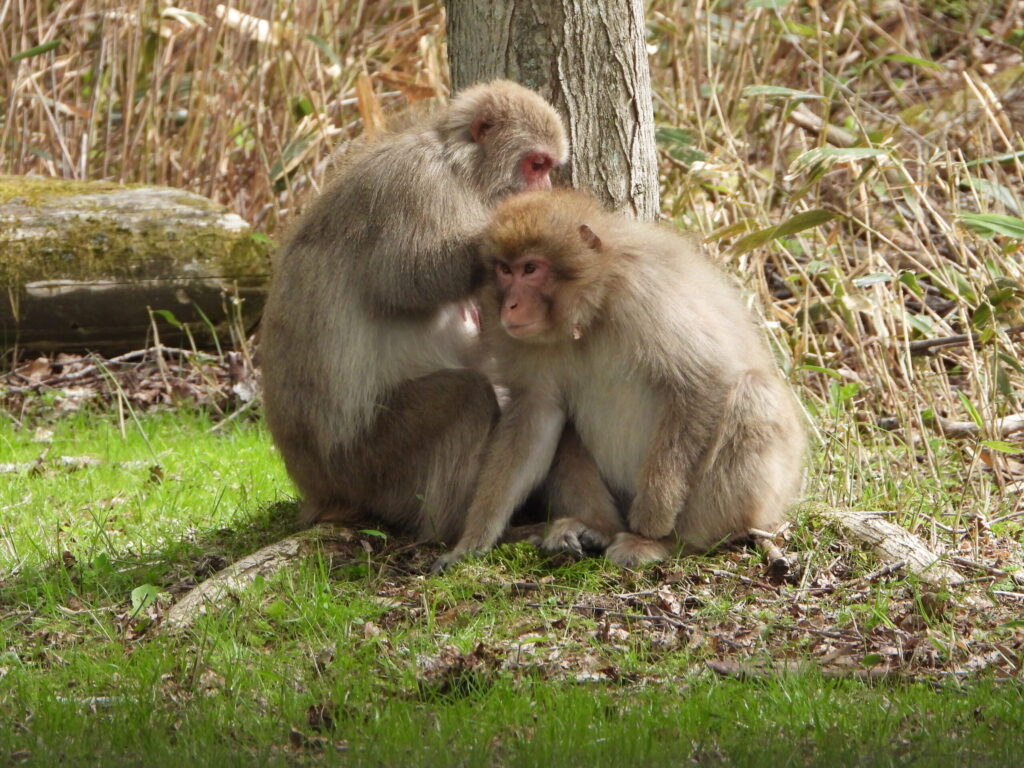
Better known overseas as the snow monkey, the Japanese macaque is the only monkey native to Japan and one of the country’s most recognizable wild animals.
▶ Japanese Macaque Species Guide
Japanese Serow
Capricornis crispus
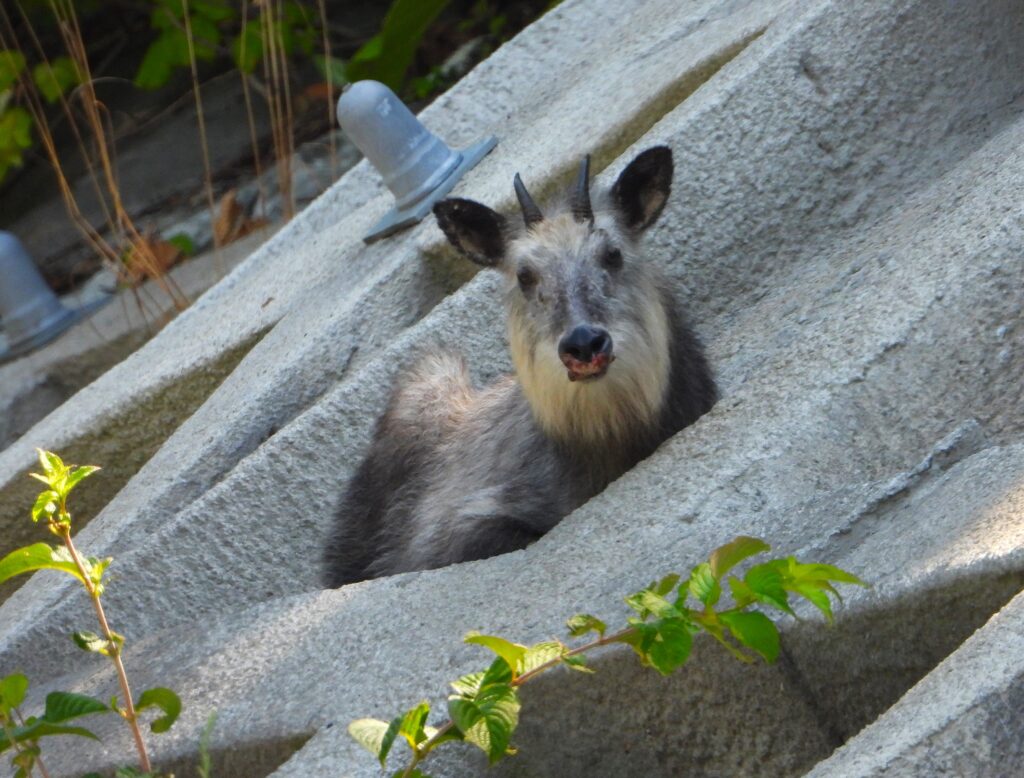
An endemic mountain mammal with a stocky build and short horns. I have encountered serows many times on steep slopes and rocky terrain, where they often stand almost motionless against the hillside.
▶ Japanese Serow Species Guide
Ezo Red Fox
Vulpes vulpes schrencki

The red fox of Hokkaido. I have seen them in both open landscapes and along quiet roads, where their thick coat makes them especially striking in northern Japan.
Amami Rabbit
Pentalagus furnessi
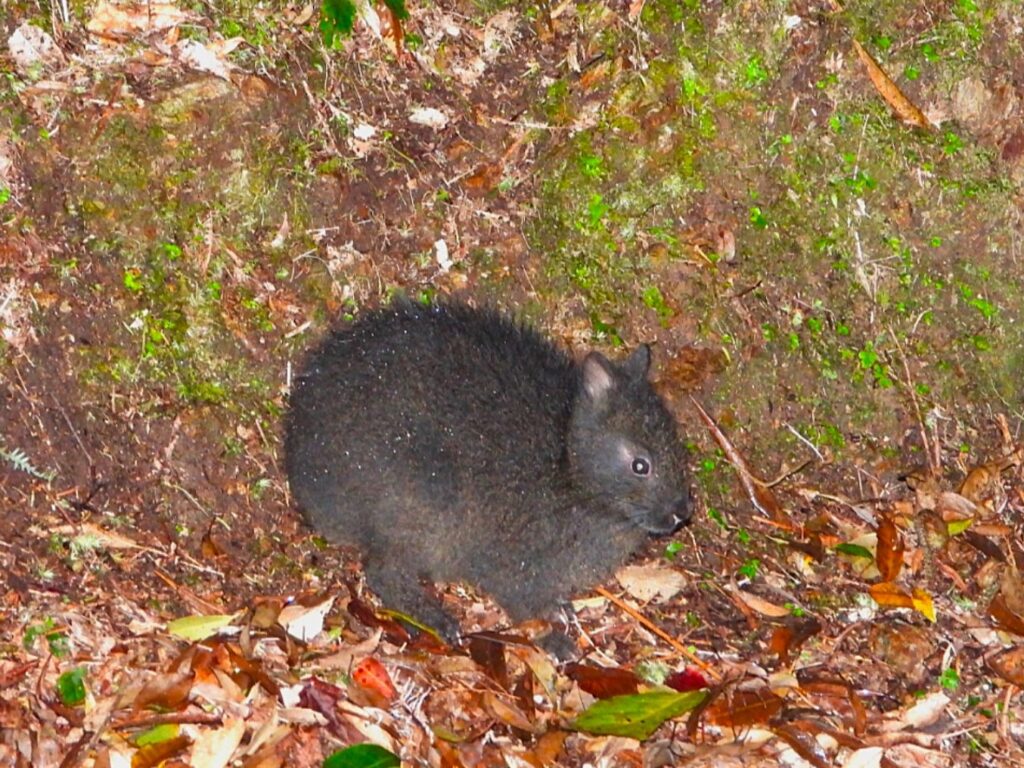
A nocturnal rabbit found only on Amami Oshima and Tokunoshima. I photographed this unusual species at night on Amami Oshima.
There are many more mammals in the collection, including raccoon dogs, martens, weasels, flying squirrels, pikas, wild boar, sea otters, and others.
▶ Browse All Mammal Species Profiles
Birds of Japan
Birdlife makes up one of the largest parts of WildWatch Japan.
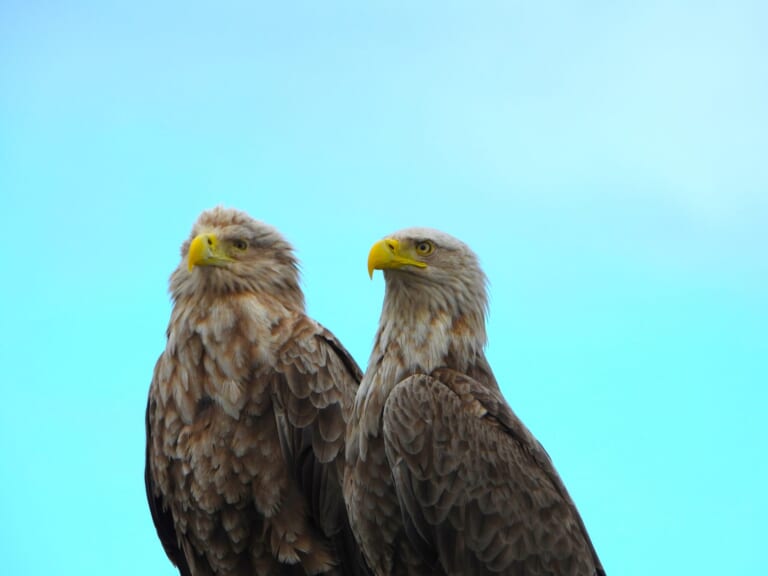
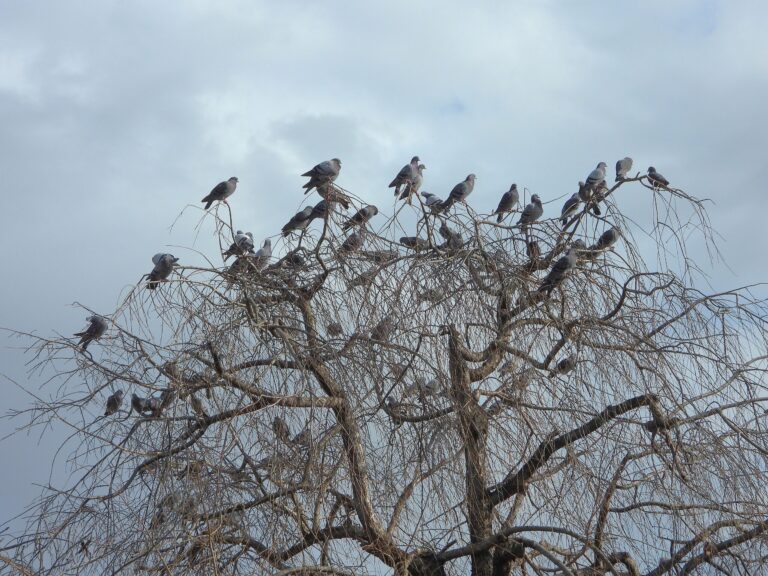
The collection includes familiar park birds, mountain species, summer and winter visitors, water birds, raptors, and birds with very restricted ranges.
Crested Ibis
Nipponia nippon
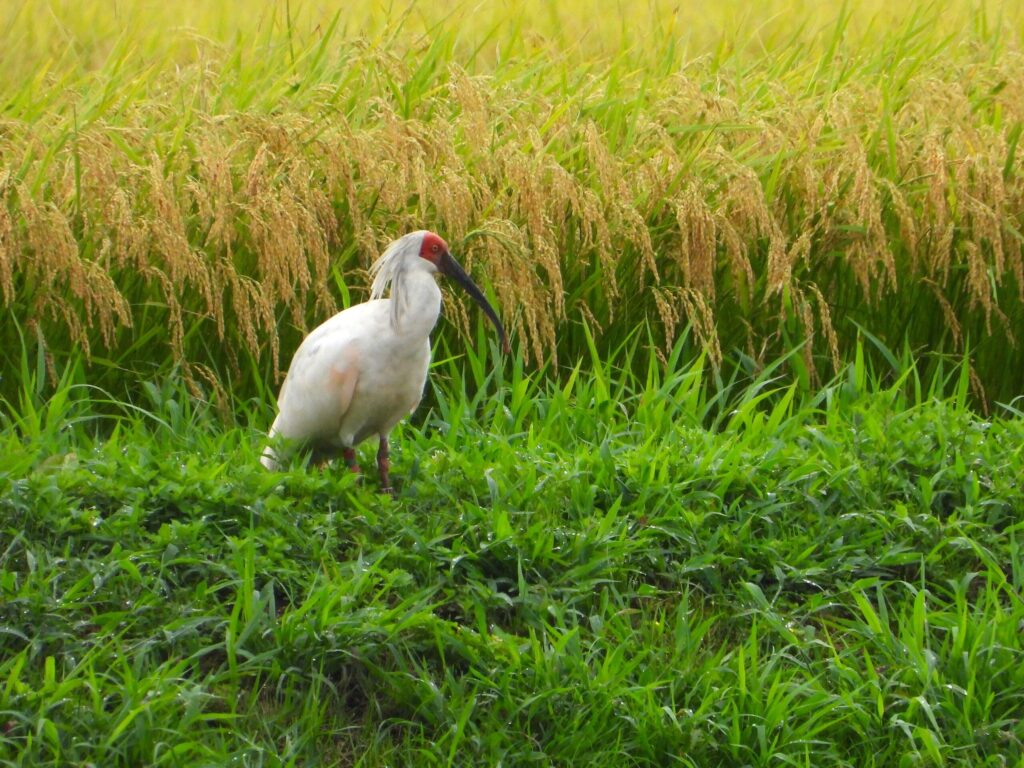
One of the most distinctive birds associated with Japan. I photographed wild Crested Ibises on Sado Island, including birds feeding around rice fields.
Japanese Robin
Larvivora akahige
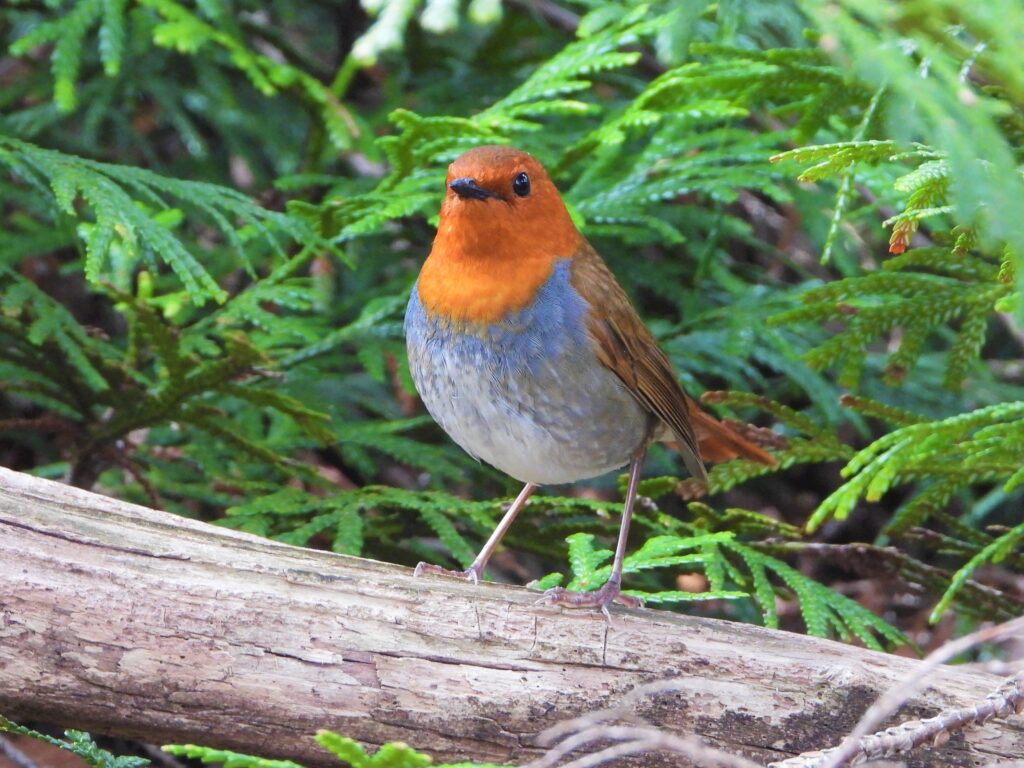
A small forest bird with a vivid orange face and breast. Its clear song is one of the characteristic sounds of Japan’s mountain forests.
▶ Japanese Robin Species Guide
Blue-and-White Flycatcher
Cyanoptila cyanomelana
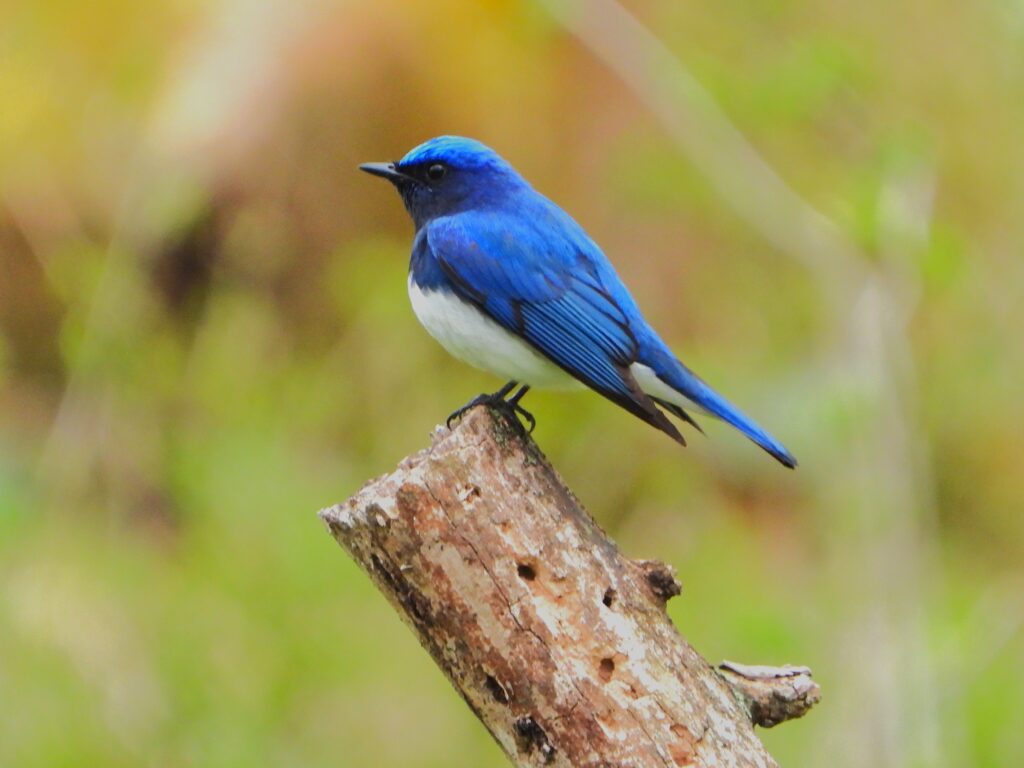
A beautiful summer visitor to wooded mountain areas. I often hear males singing high in the trees before I manage to find the blue bird itself.
▶ Blue-and-White Flycatcher Species Guide
Common Kingfisher
Alcedo atthis
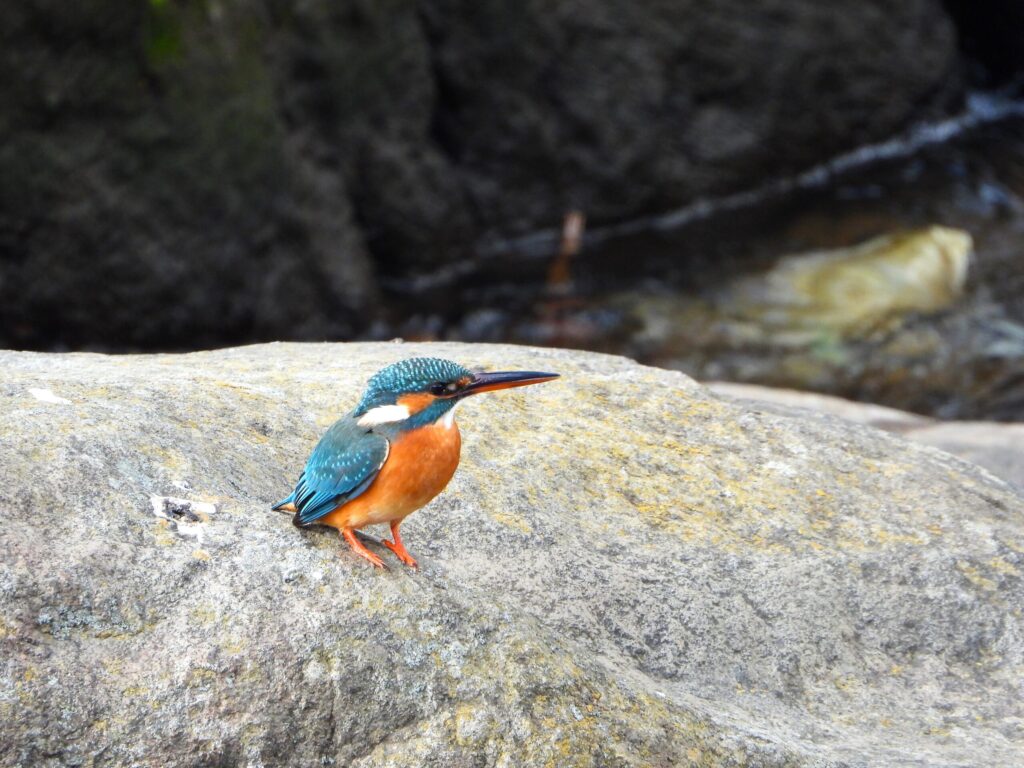
A small but unmistakable waterside bird. Kingfishers can be found along rivers, ponds, lakes, and even some urban waterways.
▶ Common Kingfisher Species Guide
The bird collection is divided into land birds and water birds, with many more individual species profiles in each section.
For a broader introduction to the country’s birdlife:
▶ Birds in Japan: Common, Native & Iconic Species
Reptiles of Japan
Japan’s reptiles change noticeably as you travel south.
The main islands have familiar snakes and lizards, while Amami, Okinawa, and the Yaeyama Islands support a very different subtropical fauna.
Japanese Grass Lizard
Takydromus tachydromoides

A slender, long-tailed lizard often seen around grassland, gardens, field edges, and other sunny places.
▶ Japanese Grass Lizard Species Guide
Far Eastern Skink
Plestiodon finitimus
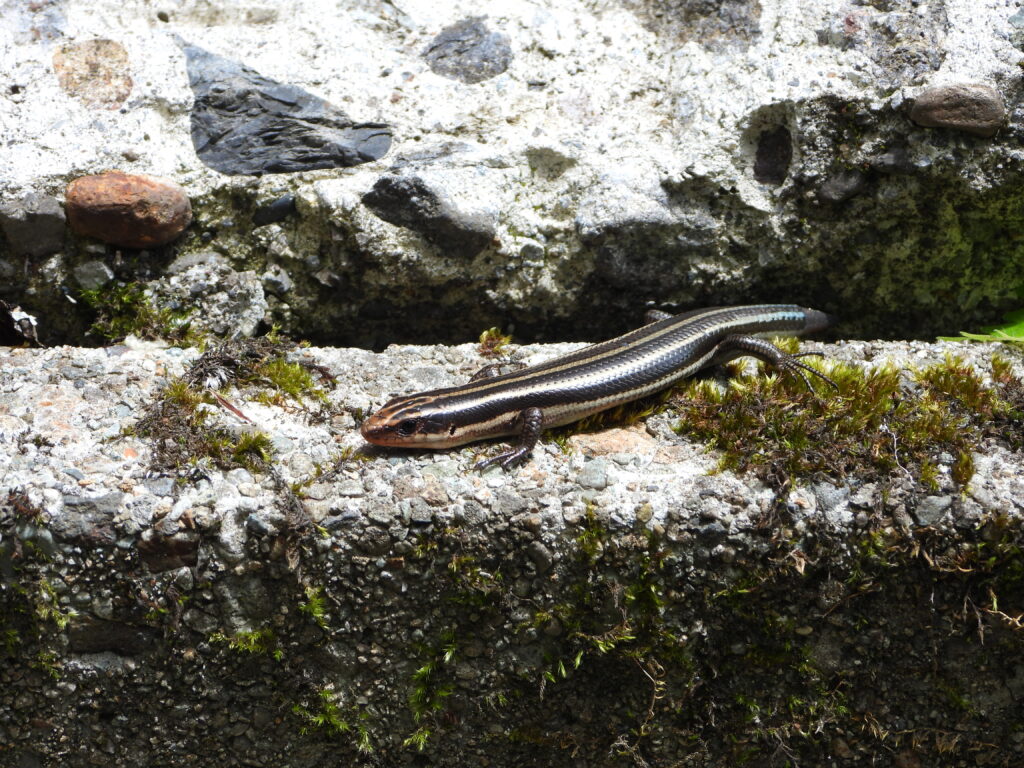
A glossy skink of eastern Japan. Young individuals are especially easy to recognize by their bright blue tails.
▶ Far Eastern Skink Species Guide
Tiger Keelback
Rhabdophis tigrinus
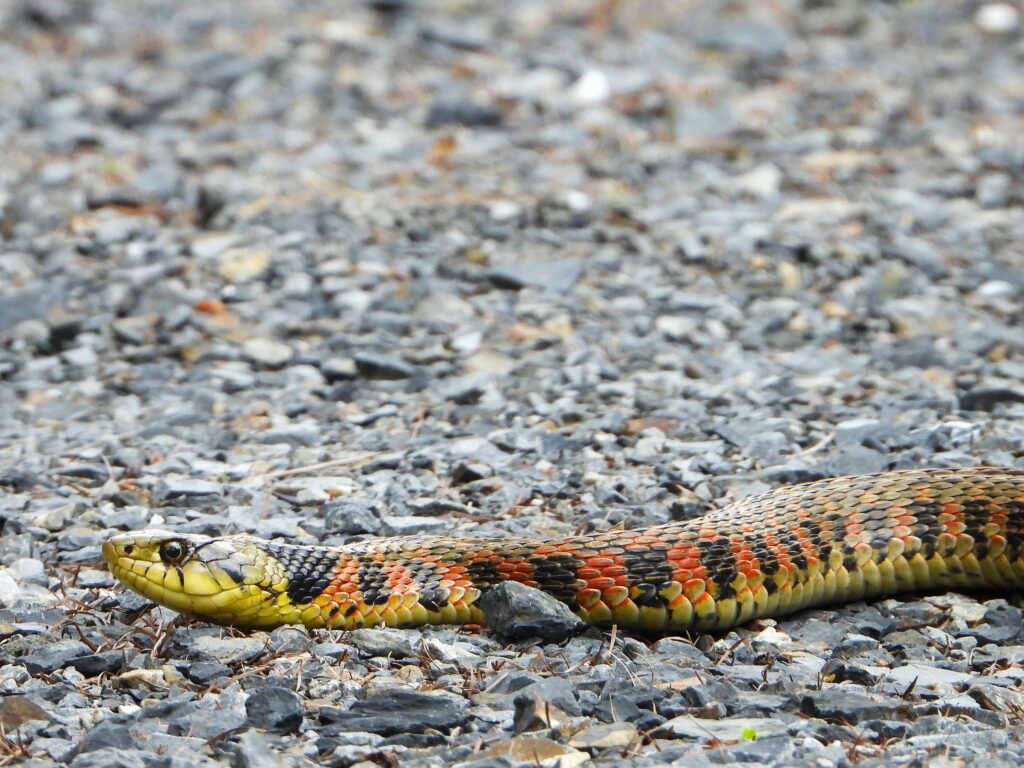
Known in Japan as yamakagashi, this colorful venomous snake is often associated with wetlands, rice fields, ponds, and streams.
▶ Tiger Keelback Species Guide
Habu
Protobothrops flavoviridis
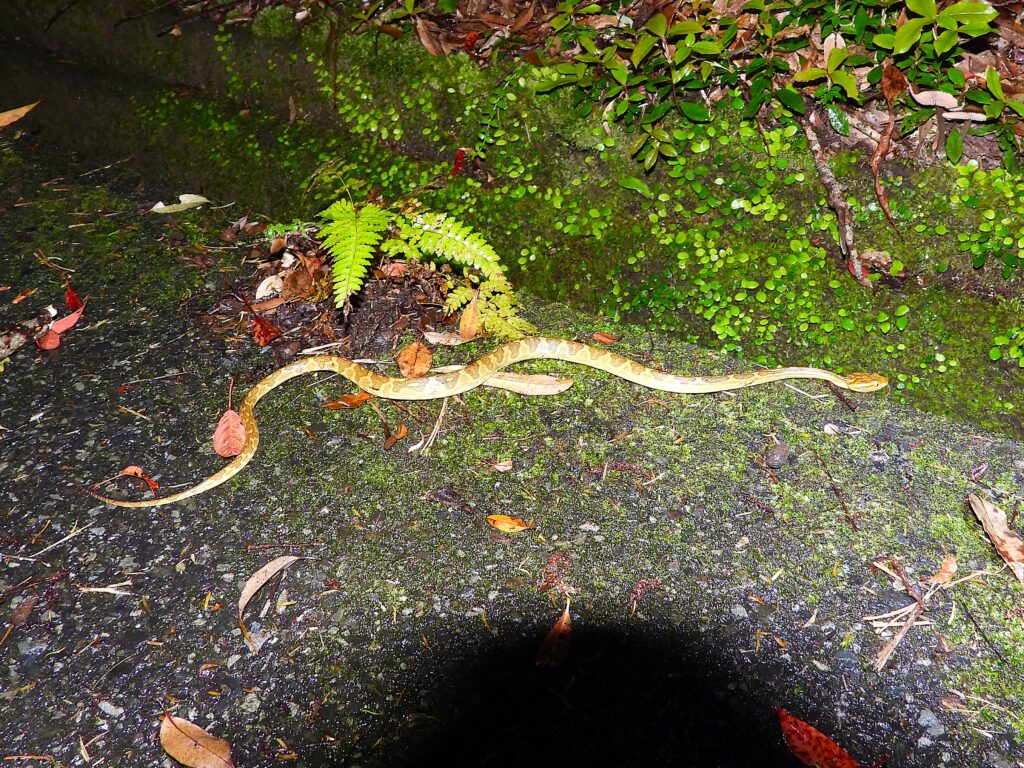
A large venomous pit viper of the Ryukyu Islands. I have encountered habu while exploring Amami Oshima at night.
The reptile collection also includes rat snakes, other pit vipers, geckos, skinks, and island species from southern Japan.
▶ Reptiles in Japan: Snakes, Lizards & Venomous Species
▶ Browse All Reptile Species Profiles
Amphibians of Japan
Rice fields, ponds, mountain streams, wetlands, and humid forests support a surprisingly varied amphibian fauna.
Frogs are the most familiar, but Japan is also rich in newts and salamanders.
Montane Brown Frog
Rana ornativentris
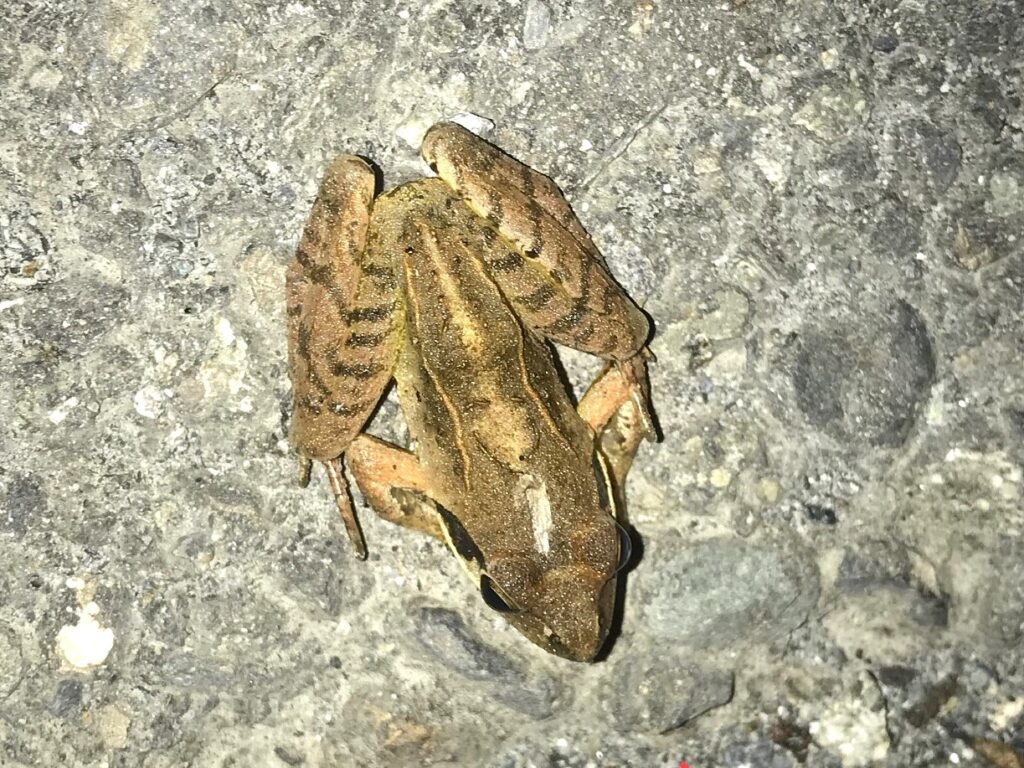
An endemic frog found across much of mainland Japan. One thing that always stands out to me is how early it breeds — I have found its eggs in cold conditions while winter still felt far from over.
▶ Montane Brown Frog Species Guide
Amami Ishikawa’s Frog
Odorrana splendida
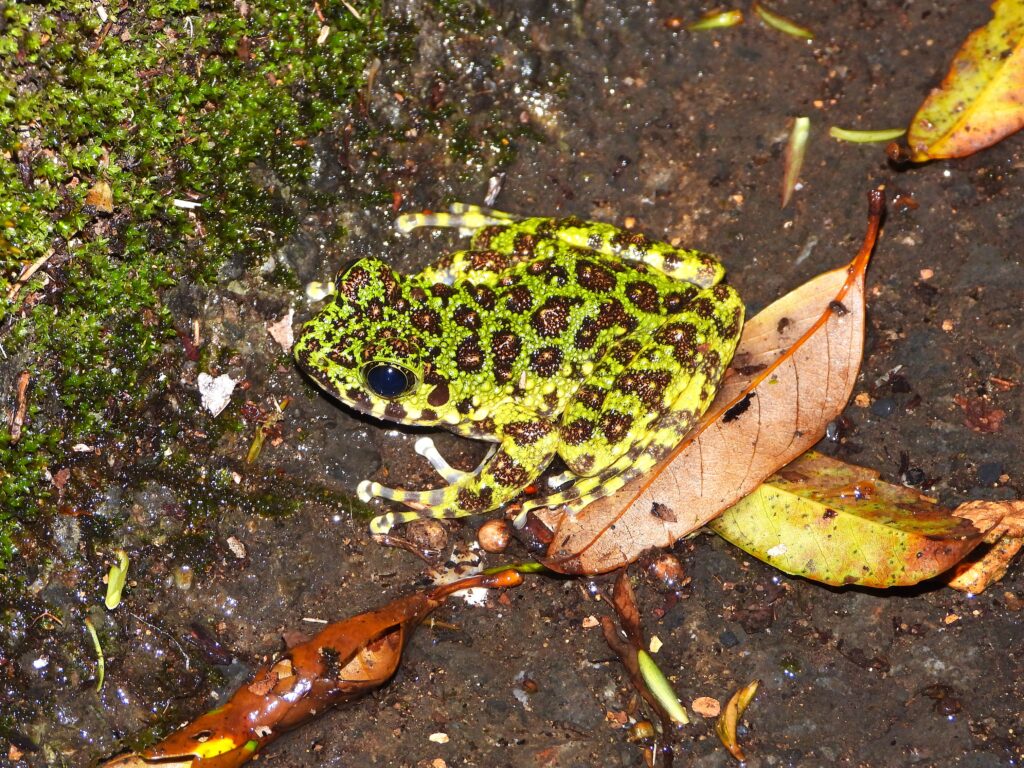
One of Japan’s most striking frogs, with vivid green skin covered in dark markings and golden spots. It is an endemic species of Amami Oshima and is closely associated with clear mountain streams and humid forest.
▶ Amami Ishikawa’s Frog Species Guide
Otton Frog
Babina subaspera
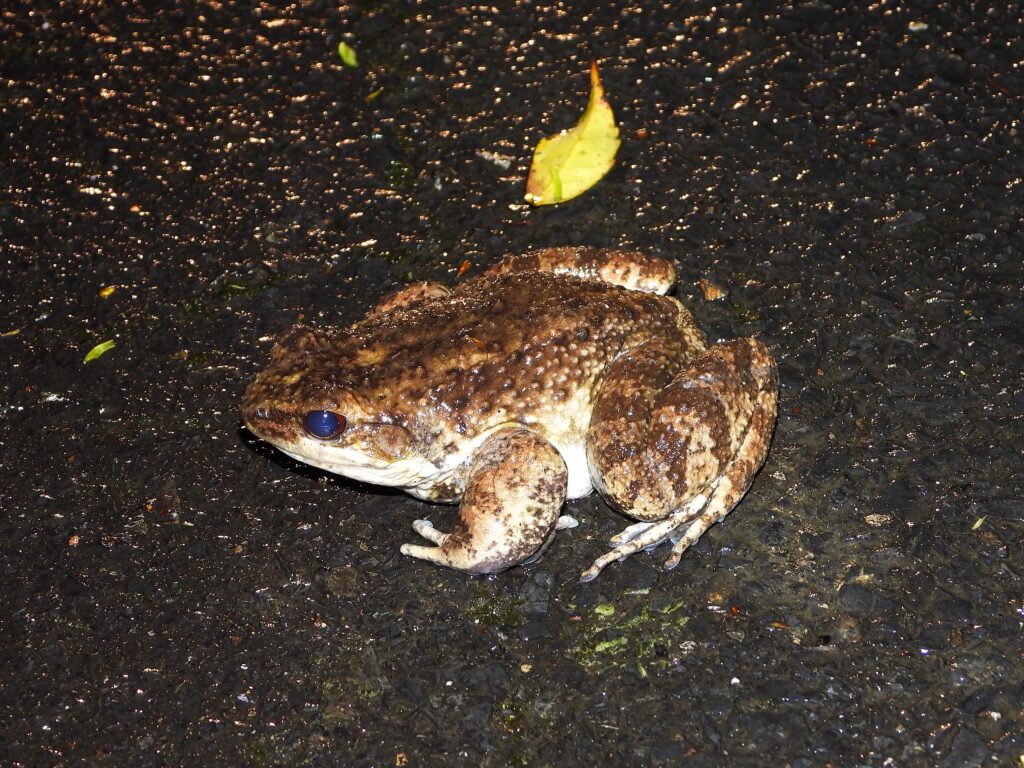
A large endemic frog of the Amami Islands. I encountered this species at night on a wet forest road after rain.
Japanese Fire-bellied Newt
Cynops pyrrhogaster

A familiar Japanese newt with a dark upper body and a vivid orange-red underside. It is typically associated with ponds, marshes, and slow-moving water.
▶ Japanese Fire-bellied Newt Species Guide
There are many more frogs, newts, and salamanders in the full collection.
▶ Amphibians in Japan: Frogs, Newts & Giant Salamanders
▶ Browse All Amphibian Species Profiles
Insects of Japan
Insects are one of the biggest parts of WildWatch Japan.
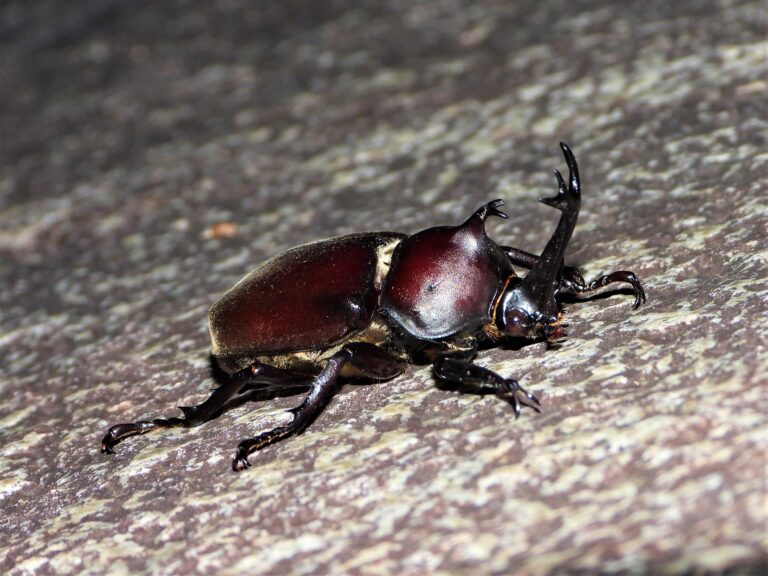
Some are instantly recognizable, such as rhinoceros beetles and giant hornets. Others are tiny species that are easy to walk past without ever noticing.
The insect collection is divided into several groups to make it easier to browse.
Beetles
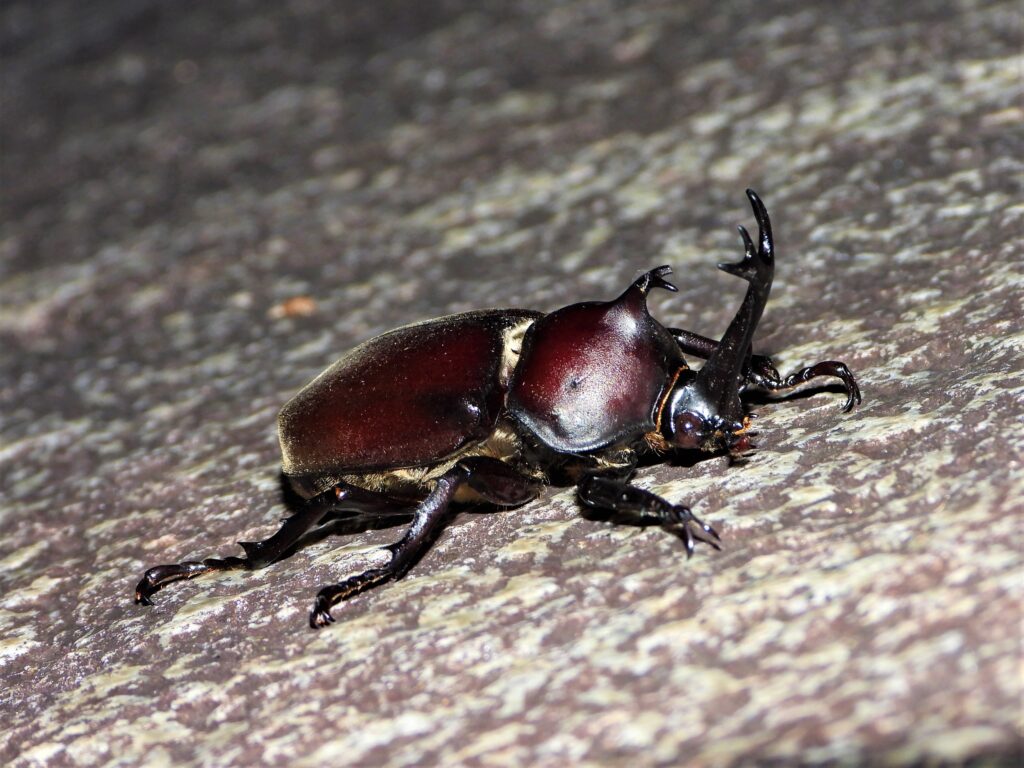
Beetles are a major part of summer wildlife in Japan.
The collection includes rhinoceros beetles, stag beetles, longhorn beetles, flower beetles, ground beetles, carrion beetles, and many other species.
▶ Browse Beetle Species Profiles
Butterflies & Moths
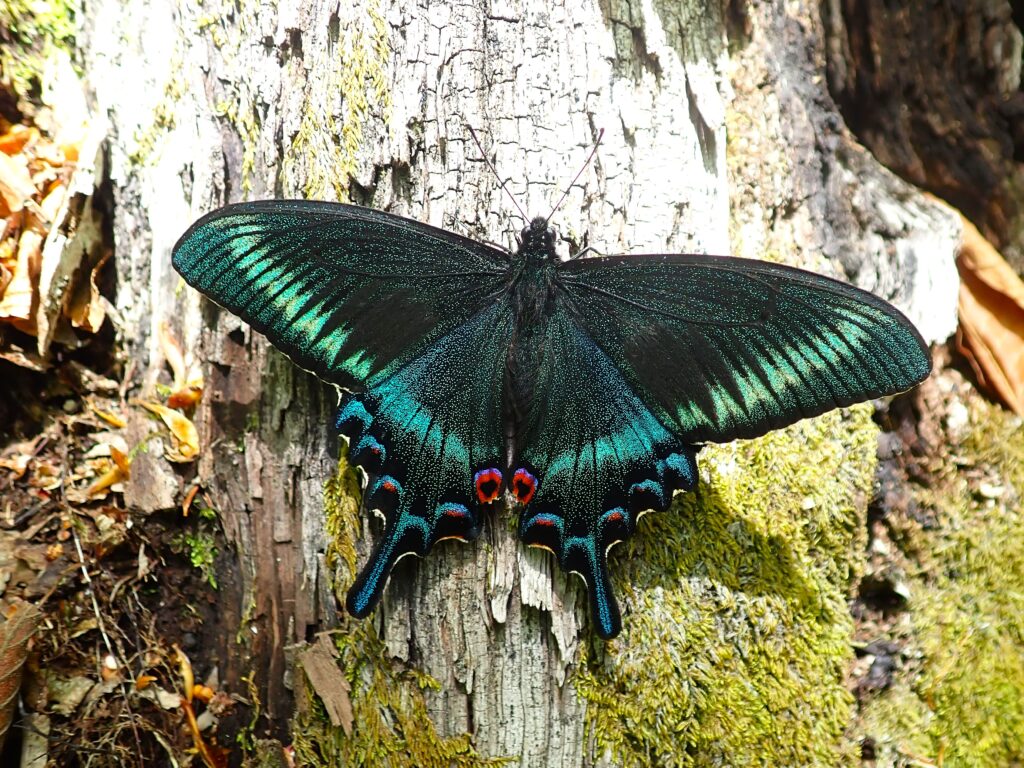
Japan has everything from familiar swallowtails to enormous moths that appear around forest lights at night.
The collection includes Asian Swallowtails, Maack’s Swallowtails, Chestnut Tigers, Japanese Luehdorfia, Blue Admirals, giant moths, and many other species I have photographed in the field.
▶ Browse Butterflies & Moths of Japan
Dragonflies & Aquatic Insects
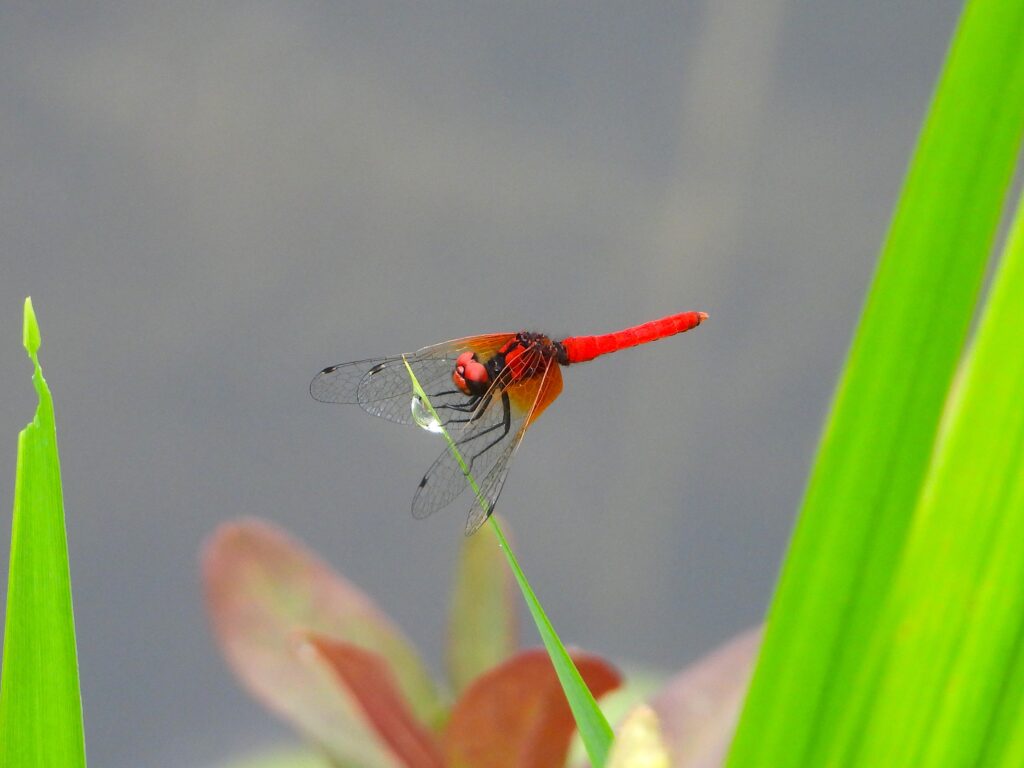
Dragonflies are especially noticeable around wetlands, ponds, rivers, and rice fields.
This section also includes aquatic insects such as giant water bugs and water scorpions.
▶ Browse Dragonflies & Aquatic Insects of Japan
Bees, Wasps & Other Insects
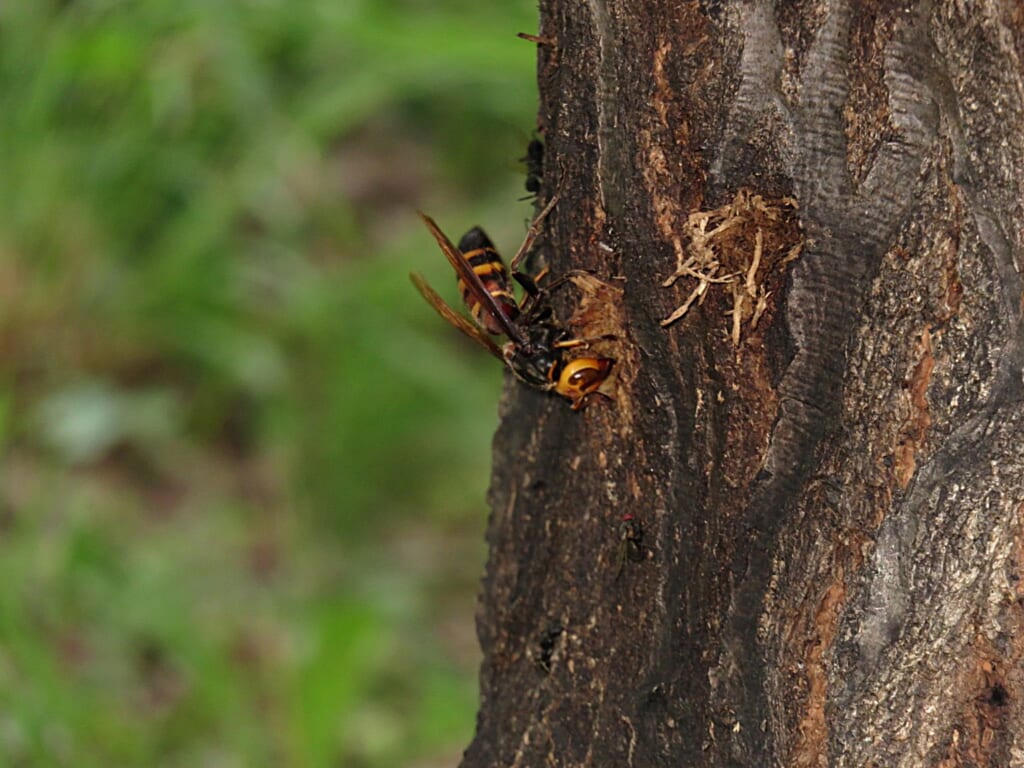
Not every insect fits neatly into the larger groups.
This part of the collection includes hornets, wasps, mantises, stink bugs, cicadas, grasshoppers, crickets, and many other species.
▶ Browse Bees, Wasps & Other Insects
For a broader introduction:
▶ Insects in Japan: Common, Seasonal & Dangerous Species
Other Wildlife of Japan

Some of the animals photographed for WildWatch Japan fall outside the main groups above.
Spiders, whip scorpions, ticks, and freshwater crustaceans all have their own place in the collection.
This section currently includes species such as the Joro Spider, Amami Whip Scorpion, Taiwan Whip Scorpion, Japanese Crayfish, and several ticks.
▶ Browse Other Wildlife of Japan
More Wildlife Guides to Japan
This page is designed for browsing wildlife by animal group and species.
If you are looking for something different, these guides take the next step.
Want a broader introduction to the animals that live in Japan?
▶ Animals in Japan: Native, Endemic & Iconic Species
Want to know which wild animals you may realistically see?
▶ Wild Animals You Can See in Japan
Looking for wildlife by region?
▶ Wildlife in Japan: Where to See Wild Animals by Region
Interested specifically in birds?
▶ Birdwatching in Japan: Best Places, Seasons & Birds
Want to know about potentially dangerous wildlife?
WildWatch Japan will keep growing as I photograph and document more species across the country. This page will remain the main field guide and species index for that expanding collection.