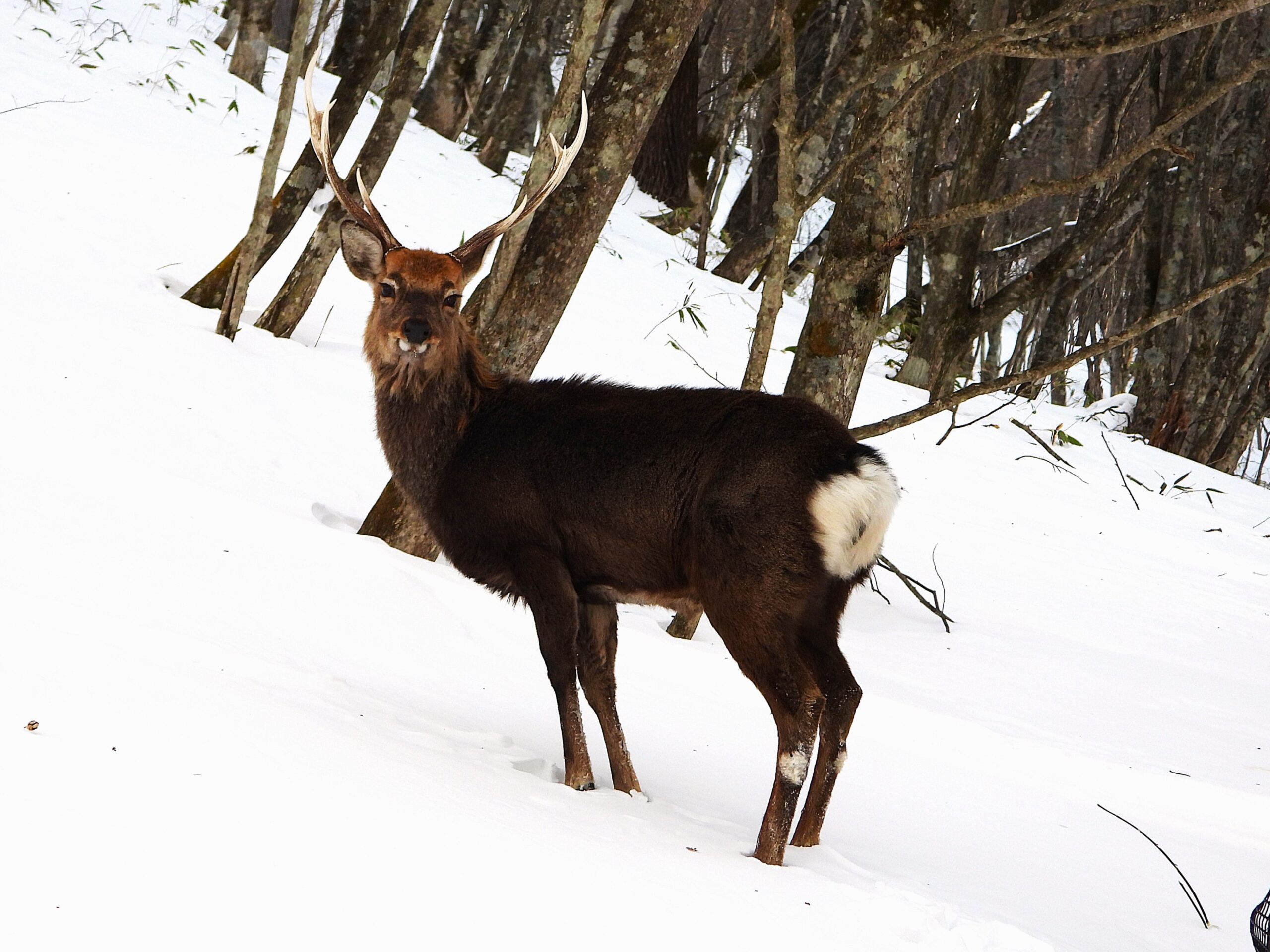
Sika Deer in Japan (Cervus nippon): Identification, Habitat & Behavior

The sika deer (Cervus nippon) is one of the most familiar large wild mammals in Japan.
It lives across a remarkable range of environments, from the snowy landscapes of Hokkaido to the mountains and forests of Honshu and the warmer islands of southern Japan. Its appearance also changes noticeably through the year, from a spotted reddish-brown summer coat to a darker winter coat.
I have encountered sika deer many times in different parts of Japan, including Nikko and Hokkaido. Depending on the location, the experience can be completely different—from deer moving through mountain forests to large Ezo deer standing in open coastal landscapes.
This guide focuses on the animal itself, including identification, distribution, habitat, diet, behavior, breeding, antlers, seasonal changes, and its relationship with people and ecosystems in Japan.
Name and Taxonomy
The scientific name of the sika deer is Cervus nippon.
It belongs to the deer family, Cervidae. The English word “sika” comes from the Japanese word shika, meaning deer.
Sika deer are native to East Asia, and Japan supports widespread populations across Hokkaido, Honshu, Shikoku, Kyushu, and several surrounding islands.
There is considerable geographic variation within Japan.
The Ezo deer of Hokkaido is the largest Japanese form, while the Yaku deer of Yakushima is much smaller.
These regional differences mean that sika deer can look noticeably different depending on where you see them.
How to Identify a Sika Deer
One of the easiest ways to recognize a sika deer is by its coat.
During summer, adults usually have a reddish-brown coat covered with distinct white spots. In winter, the coat becomes thicker and more grayish-brown, and the spots become much less noticeable.
Another useful feature is the large white rump patch, which is often clearly visible when the animal turns away.
Only males normally grow antlers.
Body size varies greatly across Japan. Deer in Hokkaido can be considerably larger than deer from southern island populations.
Young fawns also have prominent white spots.
Seasonal Changes in Appearance
Sika deer can look surprisingly different between summer and winter.
During spring, the thick winter coat is replaced by shorter summer fur. By summer, the reddish-brown color and white spots are usually at their clearest.
During autumn, the coat begins changing again. By winter, deer become darker and more grayish-brown, while the white spots become difficult to see.
Adult males also change dramatically through the year because their antlers are shed and regrown annually.
These seasonal changes are one reason photographs of the same species taken only a few months apart can look very different.
Where Do Sika Deer Live in Japan?
Sika deer use a wide range of habitats.
They are strongly associated with forests, but areas where woodland is mixed with grassland, clearings, or forest edges can provide especially good feeding habitat.
In Japan, they occur in environments ranging from lowland forests and satoyama landscapes to mountain slopes, coastal areas, and high-elevation habitats.
Some populations also live close to roads, farmland, towns, and major tourist destinations.
However, the human-habituated deer seen in places such as Nara should not be considered typical of all sika deer in Japan. In many mountain and forest areas, deer remain cautious and may disappear quickly when they detect people.
Sika Deer Behavior
Sika deer are social animals, although group structure changes with age, sex, season, and location.
Females and their young commonly form family-based groups. Female offspring may remain with their mothers, while young males eventually leave these groups.
Outside the breeding season, adult males may live alone or associate with other males.
Their behavior changes significantly during autumn.
During the rut, males become much more active and compete for access to females. Some males establish breeding areas, call repeatedly, and challenge rivals.
Even deer that normally appear calm should be given extra space during this period.
What Do Sika Deer Sound Like?
One of the most distinctive wildlife sounds in Japan during autumn is the call of a male sika deer.
During the breeding season, males produce high, carrying calls that can travel a considerable distance through forests and mountains.
You may hear a deer long before you see it.
In autumn, I sometimes hear male deer calling near my home. At night, the sound carries across the surrounding landscape and is very different from the quieter behavior deer show during much of the rest of the year.
These calls are closely associated with the breeding season.
What Do Sika Deer Eat?
Sika deer are herbivores with a flexible diet.
They feed on grasses, leaves, shoots, bamboo grasses, fruits, nuts, and parts of woody plants.
What they eat changes with the season and the vegetation available in each habitat.
During winter and other periods when fresh vegetation is limited, deer may also feed more heavily on twigs, bark, evergreen plants, and other available vegetation.
This ability to use many different food sources helps sika deer survive in a wide variety of environments.
However, it can also create conflict with people. Deer may feed on crops, young plantation trees, and other vegetation important to agriculture and forestry.
Breeding and Fawns
The main breeding season occurs in autumn, generally from late September through November.
During this period, males become more vocal and competitive. Some establish territories or breeding areas and compete with other males for access to females.
Females are pregnant for roughly seven and a half months.
Most births occur from late May through early July, and a female usually gives birth to a single fawn.
Newborn fawns have strongly spotted coats and spend much of their early life in vegetation.
Females with young can become defensive, so fawns should always be observed from a distance.
How Sika Deer Antlers Grow
Only male sika deer normally grow antlers.
Unlike permanent horns, deer antlers are shed and regrown every year.
Old antlers are generally shed in spring. New antlers then begin growing and are initially covered with soft skin known as velvet.
Throughout spring and summer, the antlers continue to develop and eventually harden.
By the autumn breeding season, adult males carry hard antlers that can be used when competing with rivals.
After winter, the antlers are eventually shed and the annual cycle begins again.
A naturally shed antler can sometimes be found in deer habitat, providing evidence that male deer use the area even when no animals are visible.
Field Observations in Japan
One of the most interesting things about sika deer is how different an encounter can feel depending on the landscape.
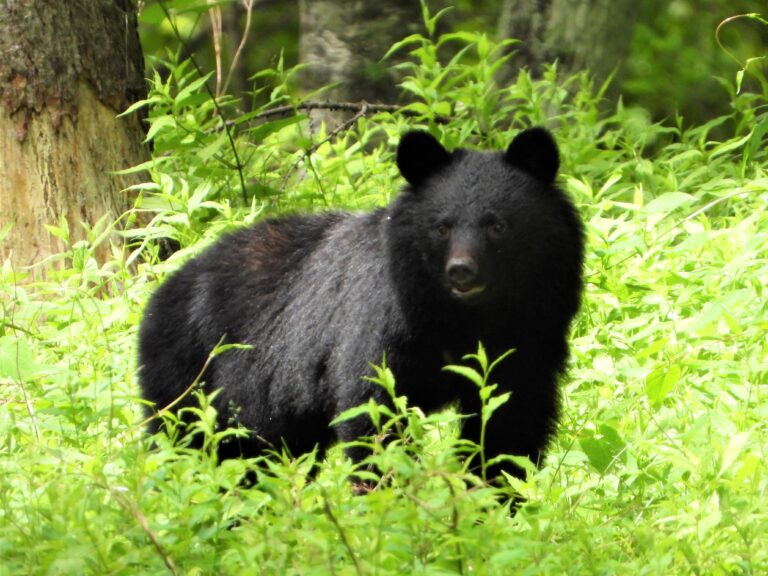
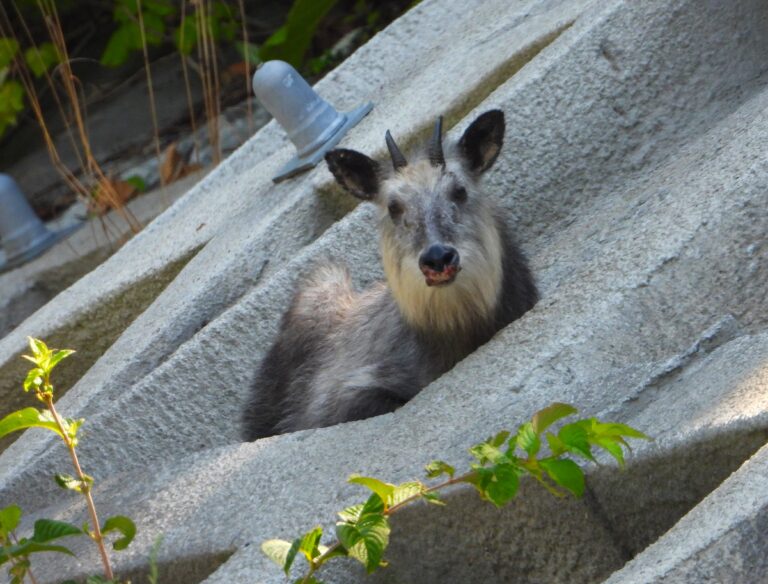
I have seen wild sika deer many times in the Nikko area, where they live in mountain and forest environments alongside other wildlife such as Japanese macaques, Japanese serows, and Asian black bears.
Hokkaido offers a very different experience.
Ezo deer are much larger than many deer seen farther south, and the open landscapes of eastern Hokkaido can make them especially impressive to watch.
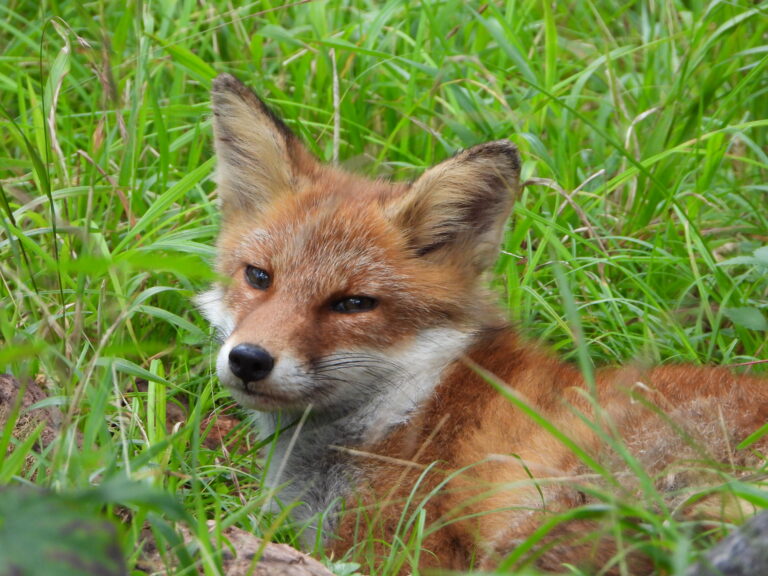
At Notsuke, I have even watched Ezo deer and Ezo red foxes in the same coastal landscape.
Encounters like these are very different from seeing human-habituated deer around famous tourist destinations.
They are a reminder that sika deer are not simply “the deer of Nara.” They are one of Japan’s major native wild mammals.
Sika Deer and People in Japan
Sika deer have a complicated relationship with people in Japan.
In Nara, deer have deep cultural and religious significance and have lived closely alongside people for centuries.
In many other regions, however, high deer densities have become an important wildlife-management issue.
Heavy browsing can reduce forest understory vegetation, prevent young trees from growing, damage rare plant communities, and affect crops and forestry.
Sika deer have also expanded their distribution considerably in Japan over recent decades.
As a result, deer management may include population control, monitoring, fencing, and other measures designed to reduce damage to ecosystems and agriculture.
The sika deer is classified globally as Least Concern, but that does not mean deer management is unnecessary in Japan. In some regions, maintaining a healthy ecosystem requires reducing the impacts of high deer densities.
Are Sika Deer Dangerous?
Sika deer should always be treated as wild animals.
Adult males can be particularly risky during the autumn rut, when they are more active and competitive. Females with young should also be given plenty of space.
Do not touch wild deer, approach a fawn, surround an animal, or block its escape route.
The deer of Nara require some additional precautions because many are accustomed to people and may approach visitors closely, especially when food is involved.
For detailed safety advice specifically for Nara Park:
▶ Are Nara Deer Dangerous? What Tourists Need to Know
Where to See Sika Deer in Japan
Sika deer can be found in many parts of Japan, but the experience varies greatly depending on the destination.
Nara and Miyajima offer accessible encounters with human-habituated wild deer, while places such as Yakushima, Nikko, and Hokkaido offer more traditional wildlife-watching experiences.
I cover the destinations, seasons, and differences between these locations in a separate guide rather than repeating them here.
▶ Best Places to See Sika Deer in Japan
FAQ
Are sika deer native to Japan?
Yes. Sika deer are native to Japan as well as other parts of East Asia.
Japan has geographically distinct populations, including the large Ezo deer of Hokkaido and much smaller Yaku deer of Yakushima.
Do female sika deer have antlers?
Females normally do not have antlers.
Antlers are a characteristic of males and are shed and regrown every year.
Do sika deer have spots all year?
The white spots are most obvious during summer.
As the darker winter coat develops, the spots usually become much less visible.
When is the sika deer breeding season?
The main breeding season occurs from late September through November.
During this period, males become more vocal, active, and competitive.
When are sika deer fawns born?
Most fawns in Japan are born from late May through early July.
Females usually give birth to a single fawn.
Are sika deer endangered?
The sika deer is currently classified globally as Least Concern.
However, population conditions differ greatly across its native range. In Japan, many areas are dealing with high deer densities and the resulting impacts on forests, agriculture, and other ecosystems.
Conclusion
The sika deer is much more than the familiar animal seen around some of Japan’s famous temples and tourist destinations.
It is a highly adaptable native mammal that lives from the snowy landscapes of Hokkaido to the forests and islands of southern Japan. Its appearance changes with the seasons, its social behavior changes during the autumn rut, and its growing populations have become an important part of wildlife management in many regions.
After seeing sika deer repeatedly in different parts of Japan, what stands out most to me is how much the landscape changes the experience.
A deer walking through a busy historic destination and a large Ezo deer standing in an open Hokkaido landscape are the same species, but they can feel completely different to observe.
Understanding that wider picture makes seeing a wild sika deer in Japan far more interesting.
Related Guides
▶ Best Places to See Sika Deer in Japan
▶ Are Nara Deer Dangerous? What Tourists Need to Know
Video