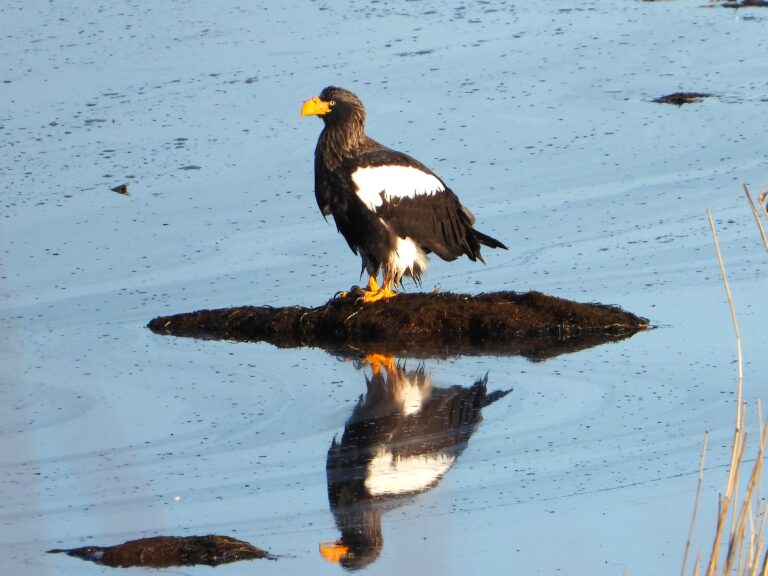
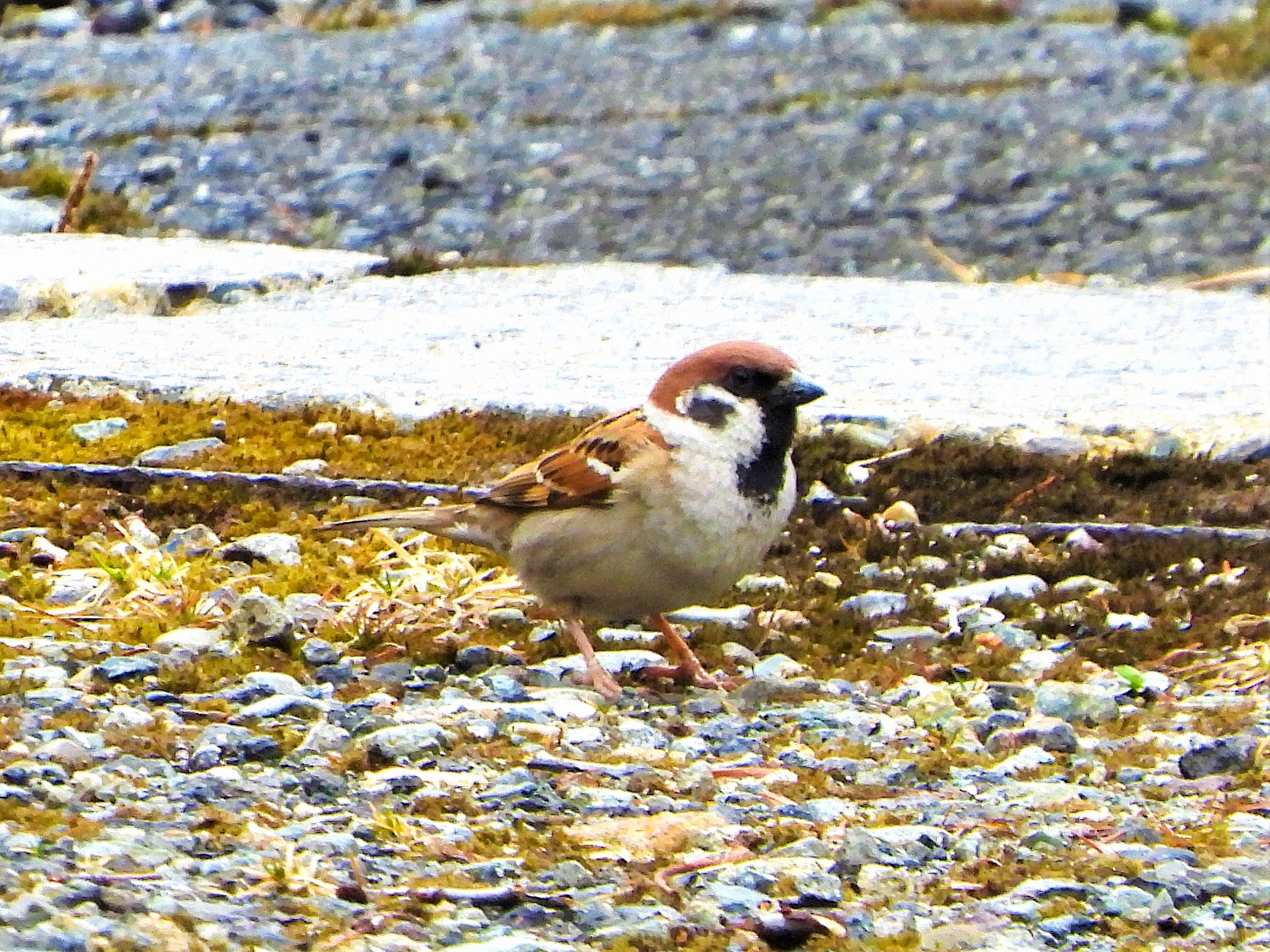
Easy Wildlife to See in Japan Without Hiking
Introduction
Looking for easy animals to see in Japan without hiking?
You can find a surprising variety of wildlife in cities, parks, riversides, and even quiet residential areas.
When people imagine wildlife in Japan, they often picture mountain trails, dense forests, or remote wilderness.
In reality, many wild animals live much closer to everyday human life and can be observed without long hikes or difficult travel.
City parks, riversides, shrine and temple grounds, tree-lined streets, and quiet neighborhoods all provide good opportunities for wildlife watching.
These accessible locations are often the easiest places for first-time visitors to encounter wildlife in Japan.
In this guide, you’ll learn which animals you can realistically see without hiking, where to look for them, and the best environments for wildlife watching in everyday Japan.
For a broader overview of urban wildlife, see:
▶Wildlife You Can See Around Japanese Cities
What “Without Hiking” Means in This Article
IIn this guide, “without hiking” refers to wildlife spots that are easy to access and do not require serious mountain climbing or long forest trails.
These locations usually include one or more of the following:
- Flat or paved walking paths
- Easy access by public transportation
- Little or no elevation change
- Suitable for casual walking or sightseeing
Wildlife sightings are never guaranteed, but these environments often provide good chances to encounter common birds, insects, and even small mammals during everyday travel in Japan.
Birds You May Encounter Without Hiking
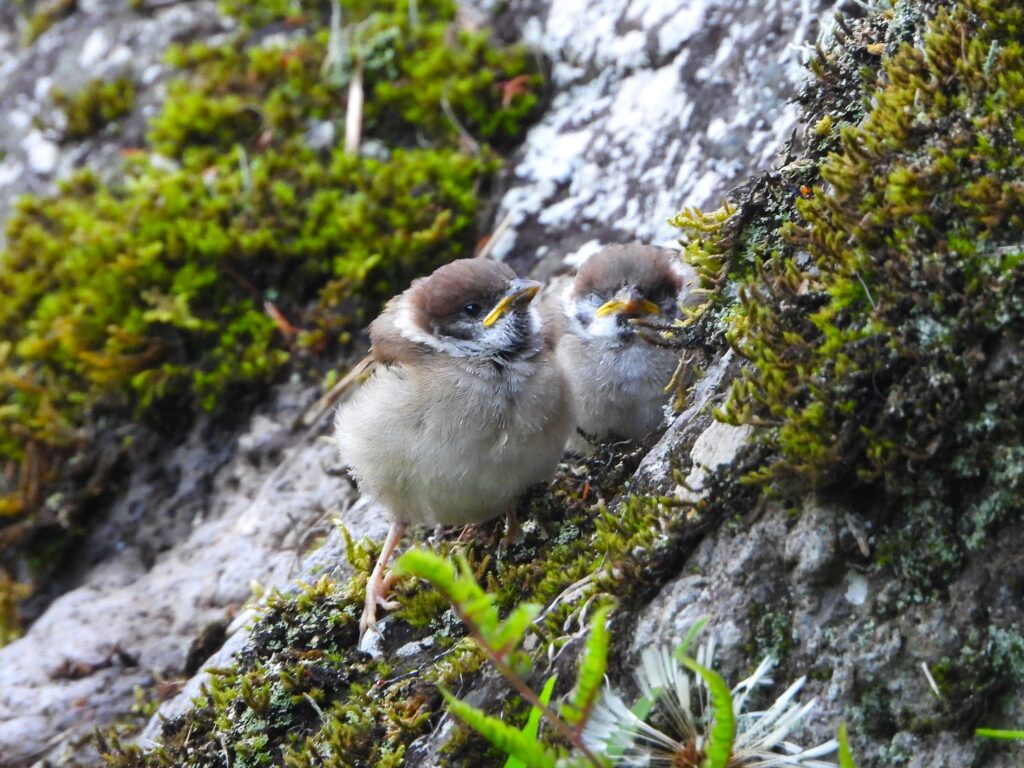
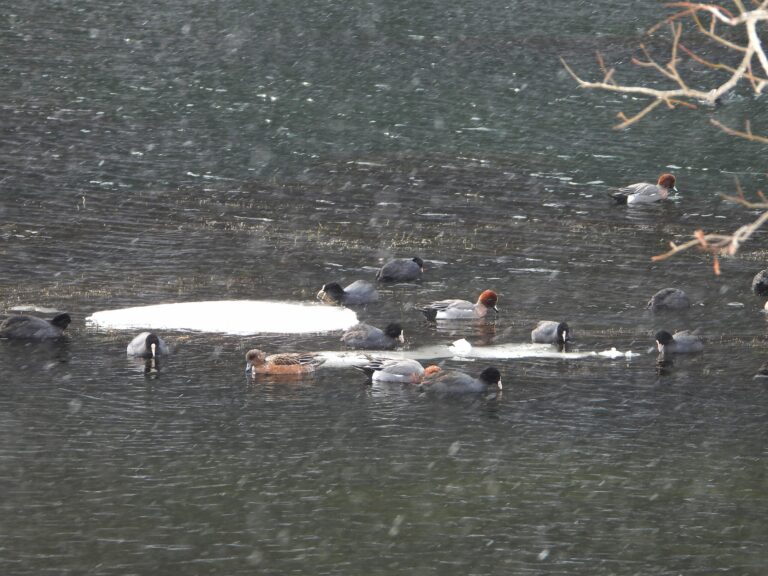
Birds represent the wildlife group most commonly encountered without hiking.
Urban rivers, parks, street trees, and shrine grounds provide suitable habitat for bird species that tolerate human presence.
Especially representative species commonly seen in flat, accessible environments include:
Other birds that may also be encountered depending on location, season, and local habitat conditions include:
- White-cheeked Starling
- Japanese Tit
- White Wagtail
- Spot-billed Duck
These birds occur widely across Japan and appear regularly in human-modified landscapes.
As a result, quiet observation and careful listening often reveal their presence.
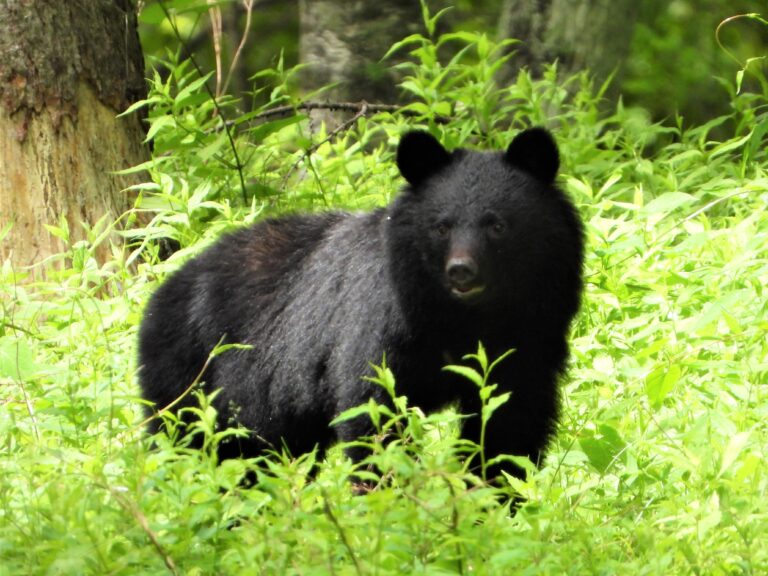
Mammals That May Appear Near Urban Areas
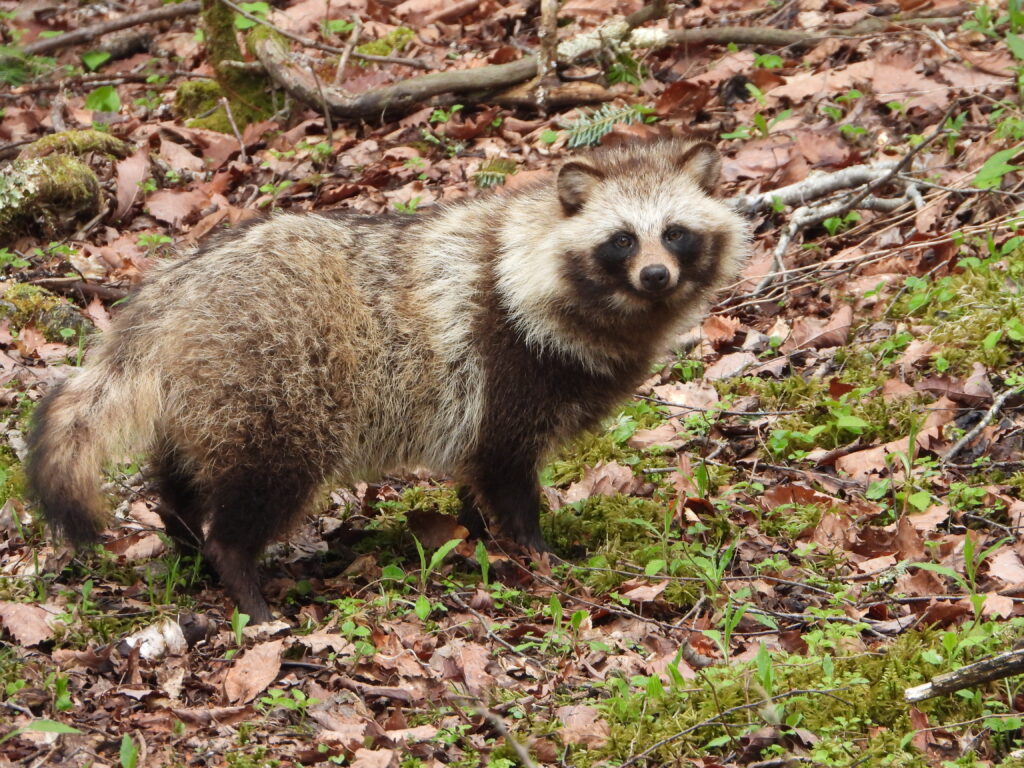
Mammals generally show more cautious behavior than birds.
Even so, several species actively use urban-adjacent habitats.
Among mammals found in flat and accessible environments, the most representative species is:
Other mammals that may also be encountered depending on region and local conditions include:
- Masked Palm Civet (introduced species)
- Raccoon (introduced species)
Most of these mammals are nocturnal or crepuscular.
Therefore, encounters tend to remain brief and should be considered incidental rather than expected.
Insects Commonly Seen Without Hiking
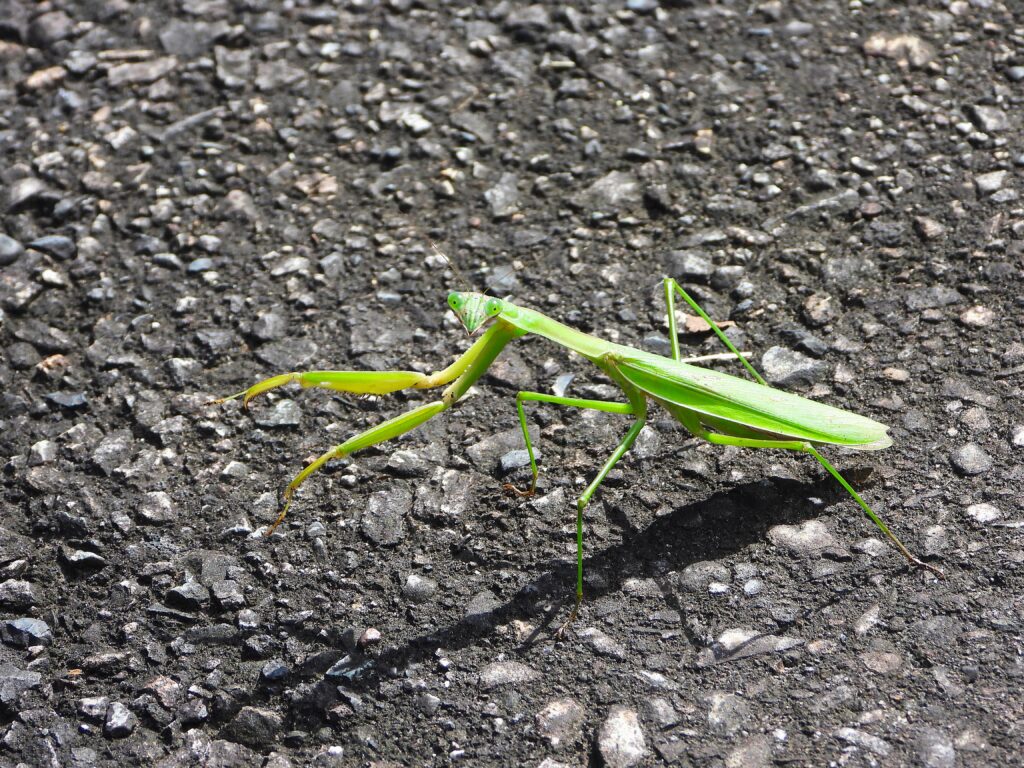
Insects show the greatest diversity among wildlife visible without hiking.
During warmer months, parks, riversides, and street trees often support:
- Cicadas
- Dragonflies
- Butterflies
- Praying mantises
These insects regularly appear in urban green spaces and do not require access to remote natural areas.
In many cases, simply observing vegetation closely reveals their activity.
Best Places to Find Wildlife Without Hiking in Japan
Urban Parks
Large city parks often attract birds, insects, and small mammals.
Ponds, lawns, and tree-lined walking paths provide surprisingly good wildlife habitat even in major cities.
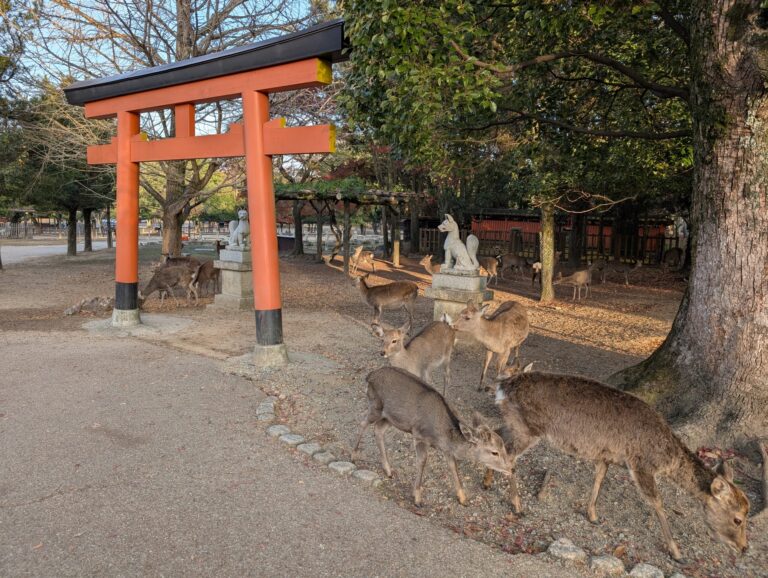
Shrine and Temple Grounds
Shrines and temples are often surrounded by mature trees and quieter environments.
Sparrows, tits, wagtails, squirrels, and seasonal insects are commonly seen in these areas.
Riversides and Lakesides
Rivers, ponds, and lakes attract many animals because of stable water sources.
Ducks, herons, dragonflies, frogs, and other wildlife are often easier to observe near water.
Quiet Residential Areas and Countryside Roads
In quieter areas near forests or farmland, wildlife sometimes appears surprisingly close to human settlements.
Early mornings and evenings often provide the best chances for observation.
Best Times of Day for Observation
Time of day often influences wildlife activity more strongly than location.
In general, the following periods show increased activity:
- Early morning, when human activity remains low
- Late afternoon to early evening
- Warm summer nights, particularly for insects and mammals
That said, season, weather, and local habitat conditions strongly affect these patterns.
Responsible Wildlife Observation
Even in urban environments, wildlife remains wild.
For this reason, responsible observation practices include:
- Do not feed wild animals
- Maintain an appropriate distance
- Avoid chasing or attempting to touch animals
- Follow local rules and posted guidance
These practices help minimize disturbance and reduce risks to both animals and people.
Continue Exploring Wildlife in Japan
This article forms part of our urban wildlife series.
For a comprehensive overview of wildlife found near Japanese cities, see:
▶Wildlife You Can See Around Japanese Cities
For a nationwide overview of Japanese wildlife, visit:
▶Japan Animals – Complete Guide to Wildlife in Japan
Final Thoughts
In Japan, meaningful wildlife encounters do not always require hiking or travel into remote areas.
Instead, many species live close to human environments, particularly where water, trees, and quiet green spaces remain.
By approaching observation with realistic expectations, patience, and respect, wildlife becomes noticeable even during an ordinary walk.