Spring Birdwatching in Japan: 15 Birds You Can See
Spring is the best time of year for birdwatching in Japan.
As winter ends, migratory birds return, breeding begins, and bird activity increases quickly.
With more flowers and insects available, birds become easier to find and observe.
If you’re wondering what birds you can see in Japan during spring and where to look, this guide will give you a clear answer.
Spring is one of the best seasons to experience Japan’s changing birdlife. For a broader guide to common, native, endemic, and seasonal birds across the country:
▶ Explore the complete Birds in Japan guide
Why Spring Is the Best Season for Birdwatching
Spring is when birds are most active.
Many species start singing, which makes them easier to locate even if they are hidden in trees.
At the same time, migratory birds arrive from other parts of Asia, so the number of species you can see increases.
Another advantage is visibility. Before trees are fully covered with leaves, birds are easier to spot than in late spring or summer.
15 Birds You Can See in Japan in Spring
Blue-and-white Flycatcher
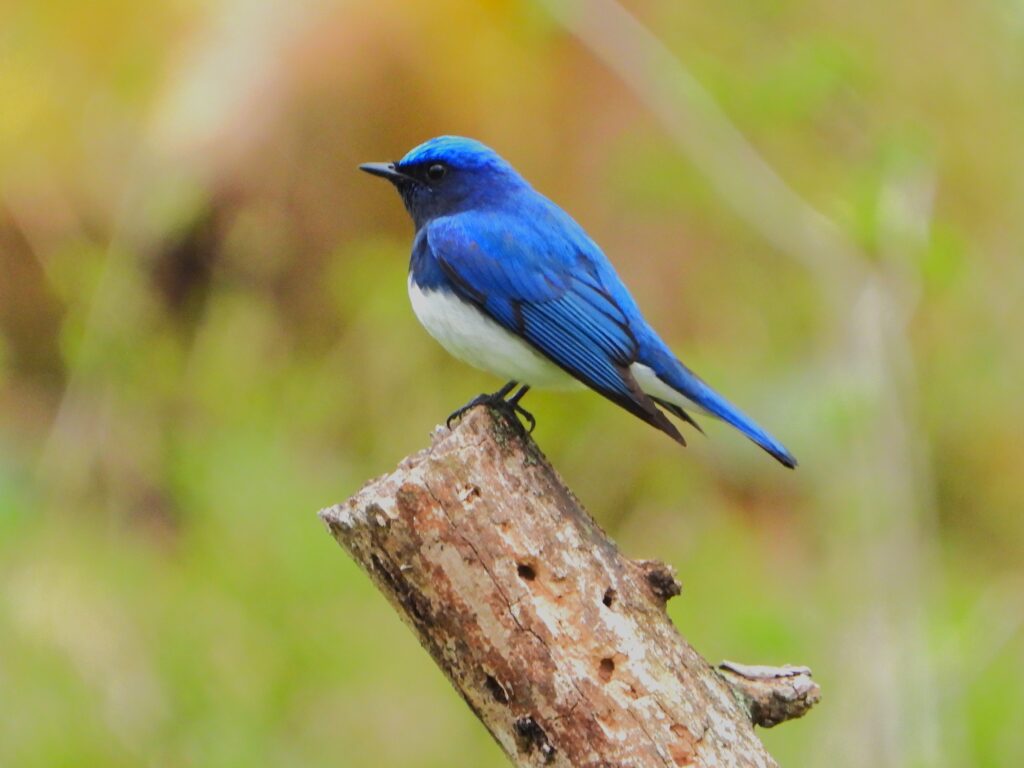
A beautiful bird with bright blue plumage.
It arrives in Japan in spring and is often seen singing from branches in forested areas.
▶ Learn more: Blue-and-white Flycatcher
Narcissus Flycatcher
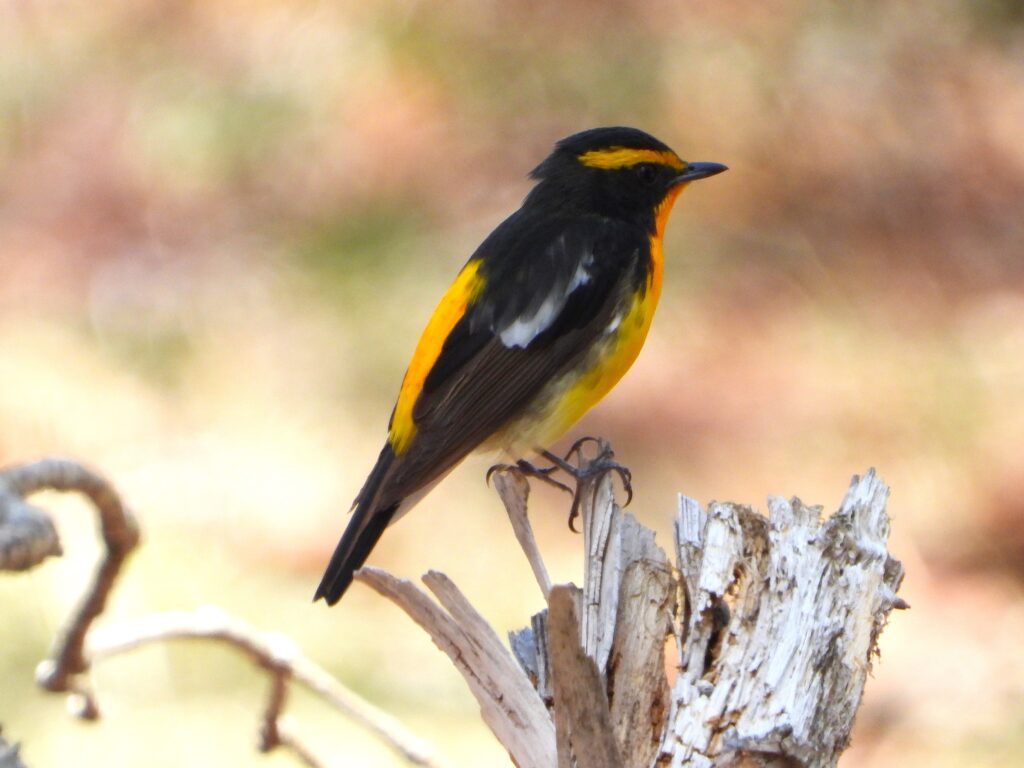
This bird stands out with its strong yellow and black contrast.
It migrates to Japan in spring and can be found in woodland environments.
▶ Learn more: Narcissus Flycatcher
Japanese Robin
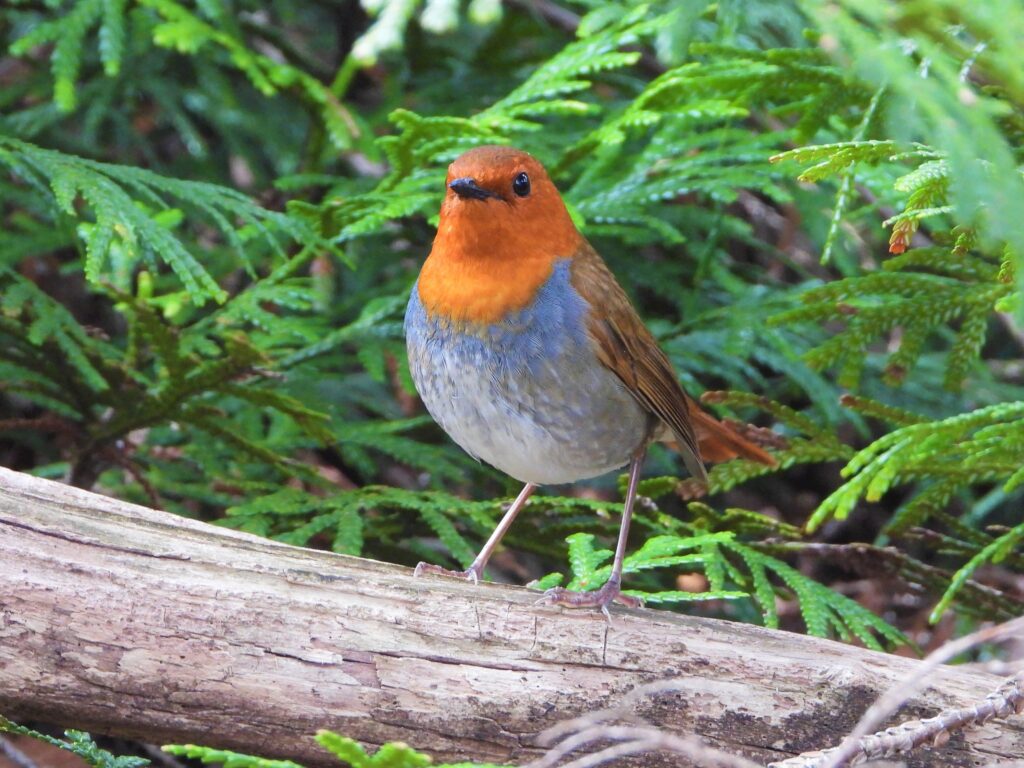
A small bird with a warm orange chest.
In spring, it sings frequently and becomes easier to find in mountain forests.
▶ Learn more: Japanese Robin
Siberian Stonechat
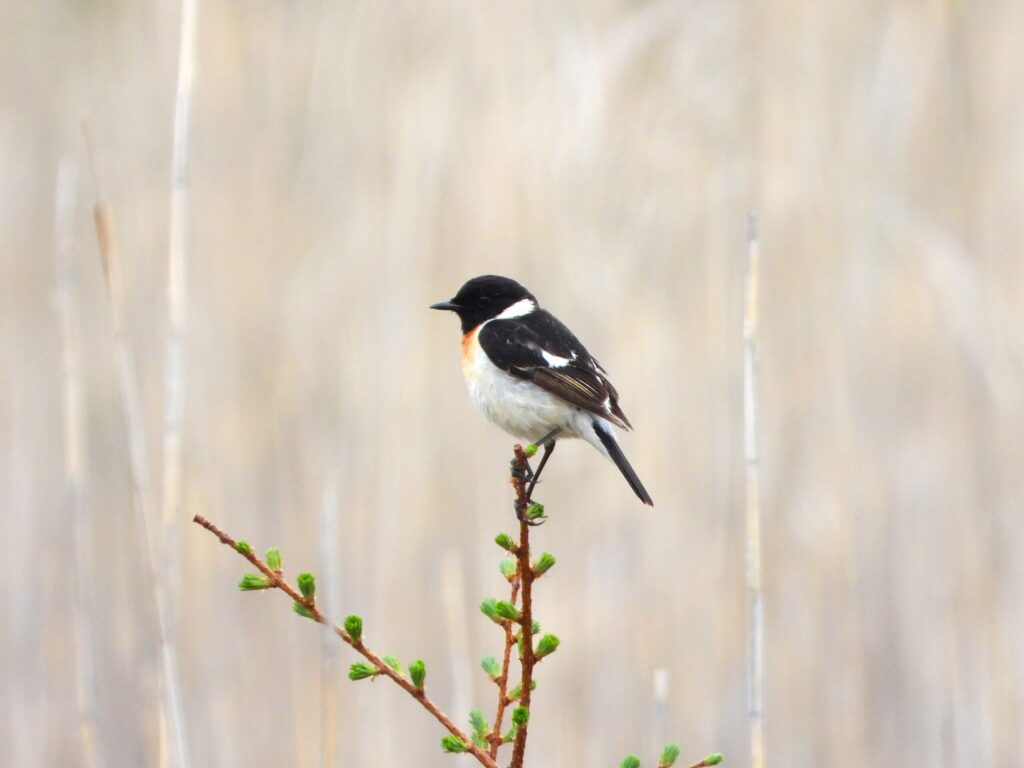
Often seen in open fields and grasslands.
It arrives in Japan in spring and tends to perch in visible places, making it easy to observe.
▶ Learn more: Siberian Stonechat
Asian Brown Flycatcher
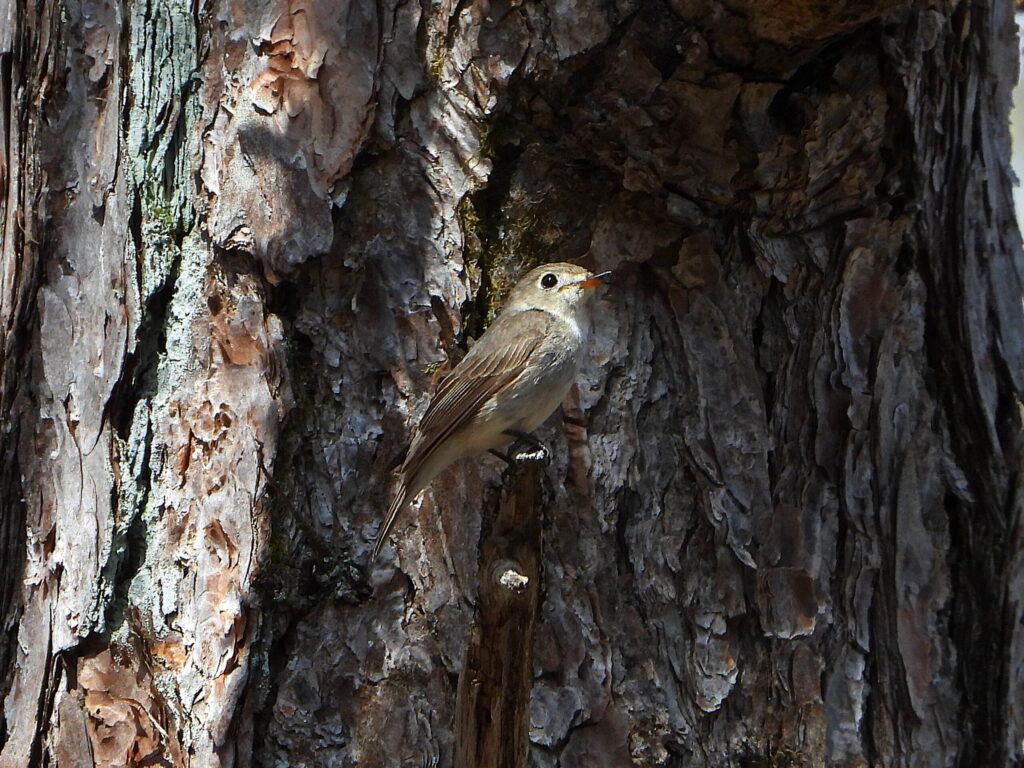
A small bird that catches insects in mid-air.
It migrates to Japan in spring and is commonly found in wooded areas.
▶ Learn more: Asian Brown Flycatcher
Common Kingfisher
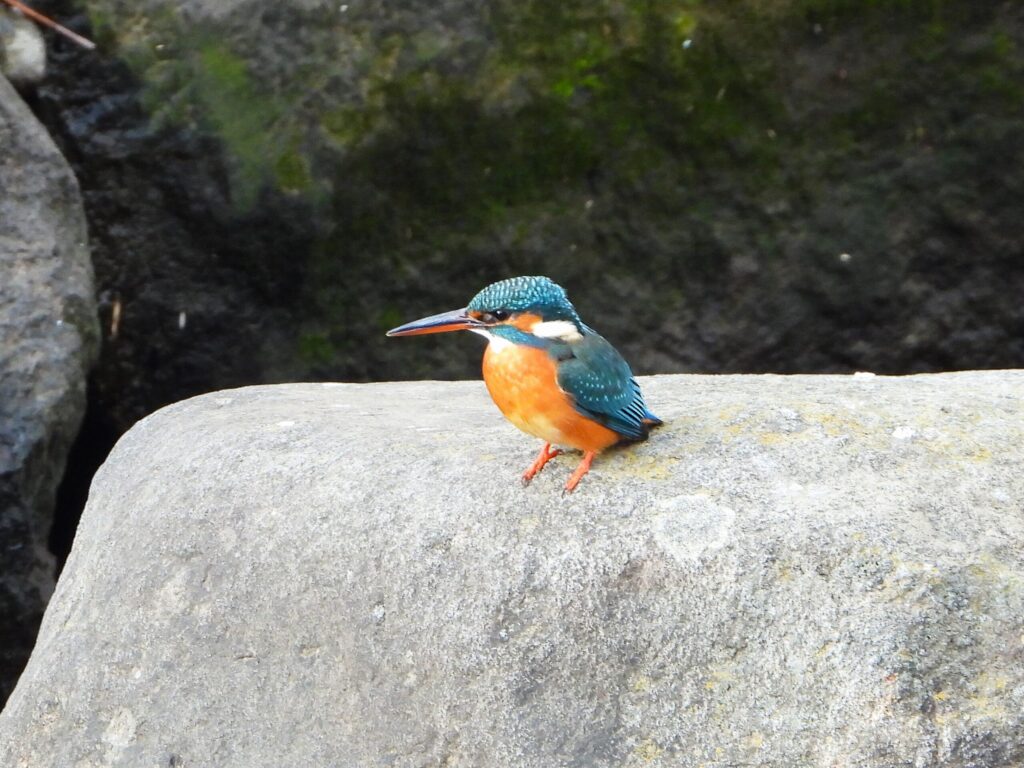
A popular bird known for its vivid blue color.
It can be seen year-round, but in spring it becomes more active and easier to observe.
▶ Learn more: Common Kingfisher
Japanese White-eye
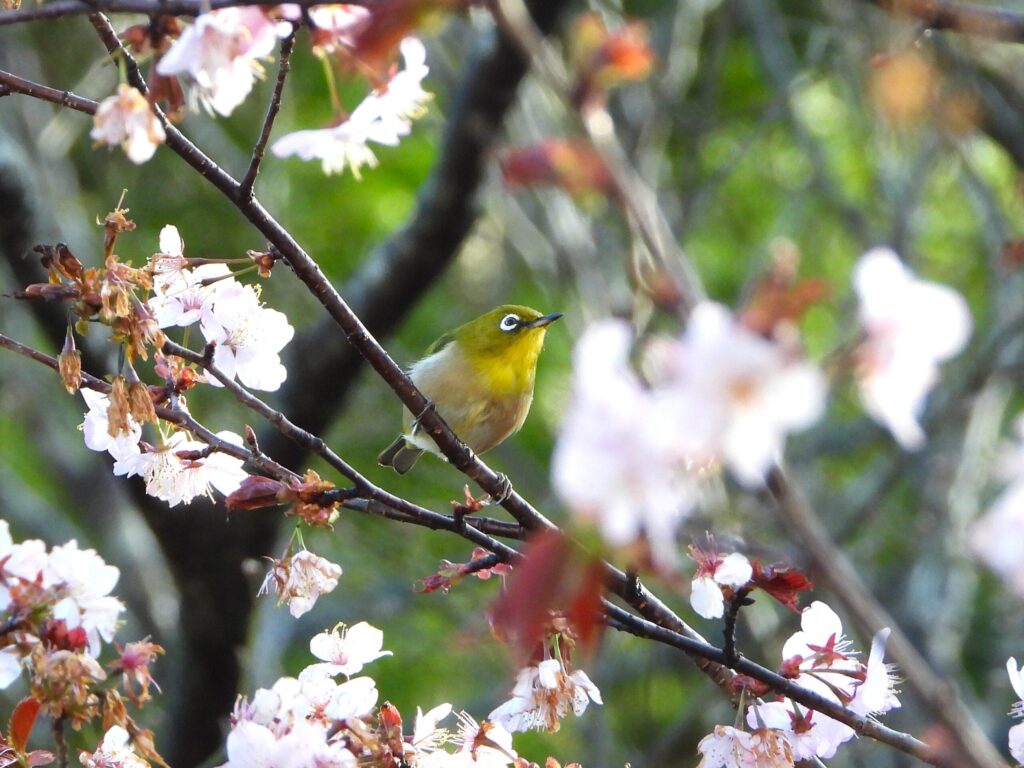
A small green bird that feeds on nectar.
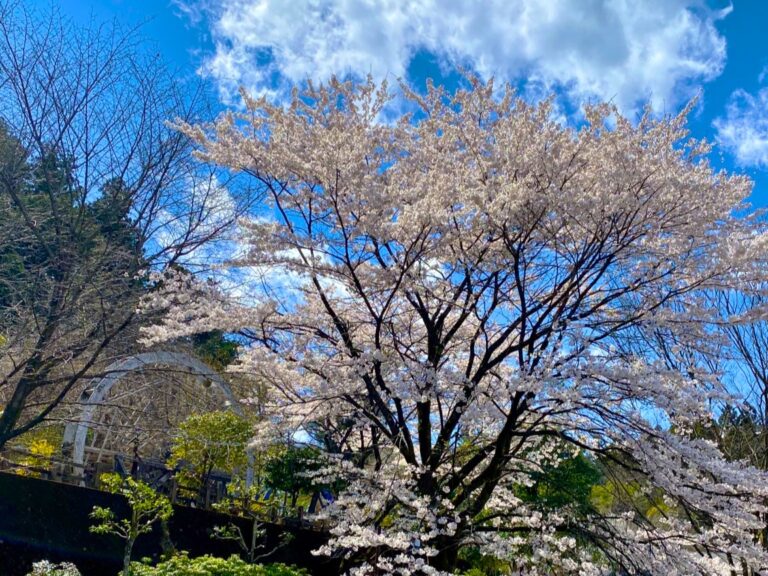
In spring, it gathers around cherry blossoms, making it especially easy to spot.
▶ Learn more: Japanese White-eye
Japanese Bush Warbler
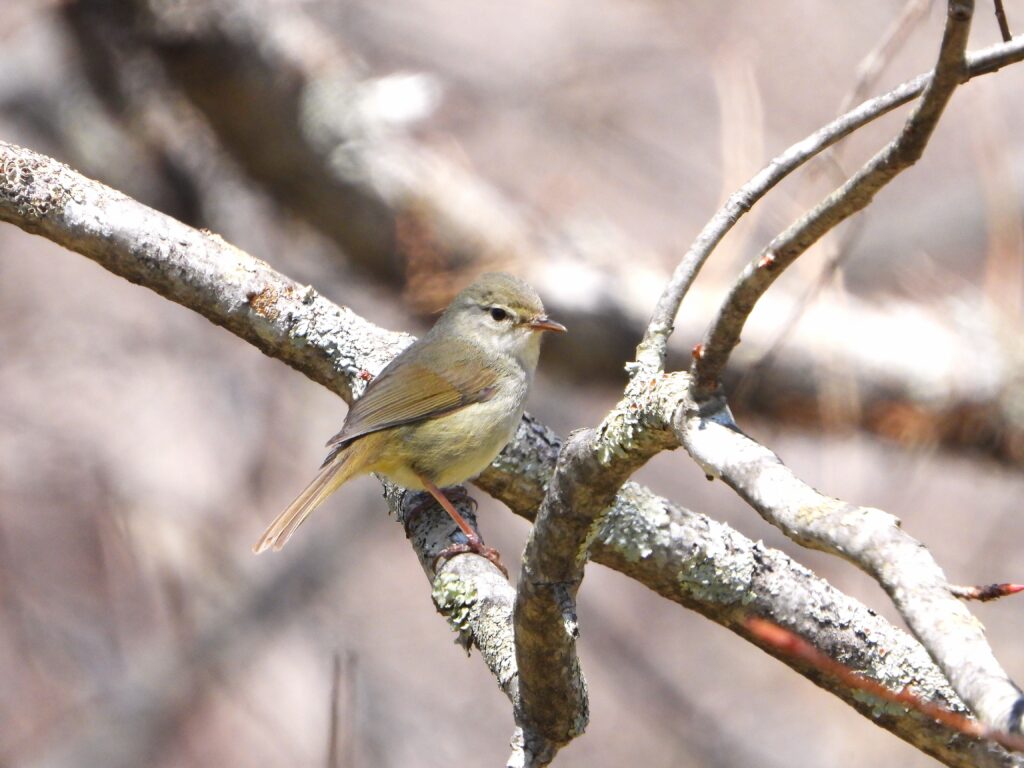
Best known for its clear spring song.
It is often hidden, but its call makes it easier to detect.
▶ Learn more: Japanese Bush Warbler
Barn Swallow
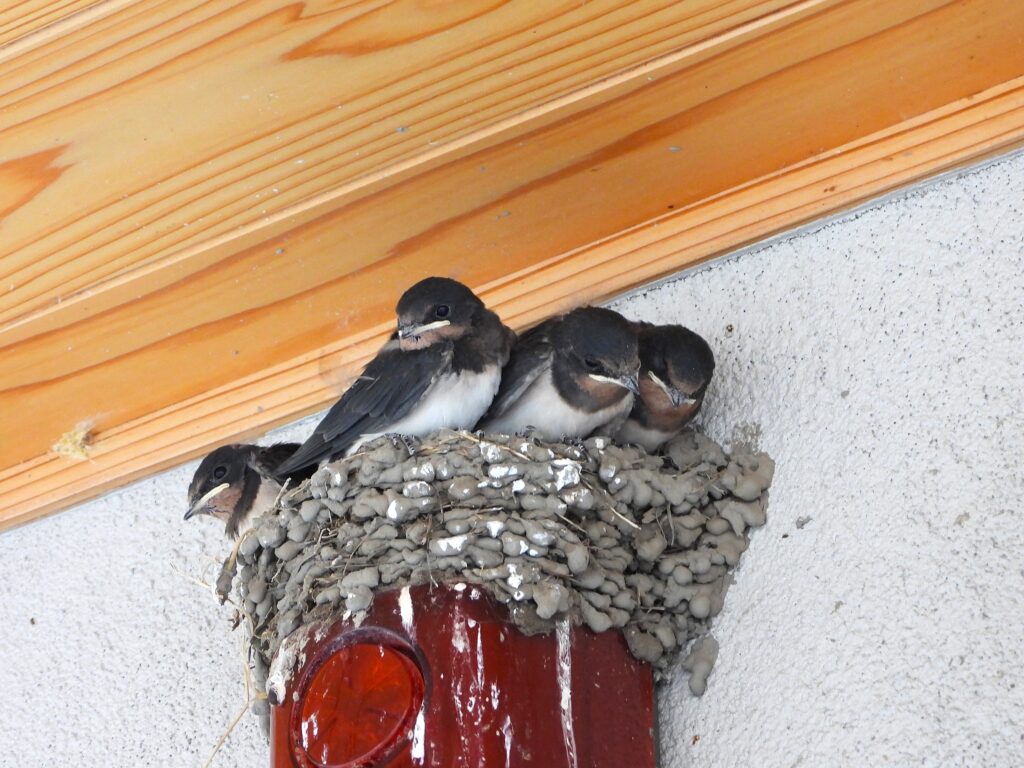
A migratory bird that returns to Japan in spring.
It builds nests close to human activity, so it can be easily seen in towns and cities.
▶ Learn more: Barn Swallow
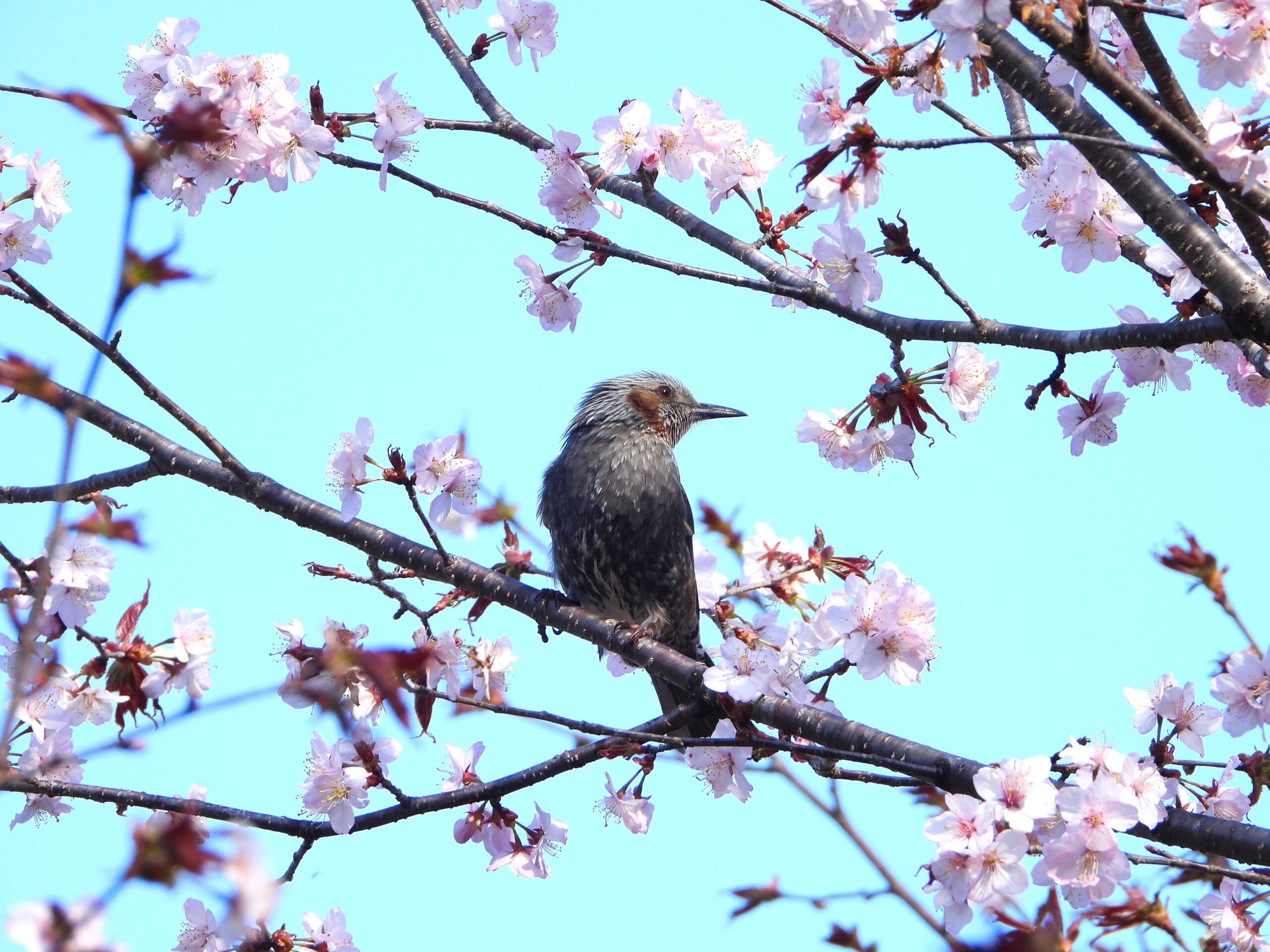
Brown-eared Bulbul
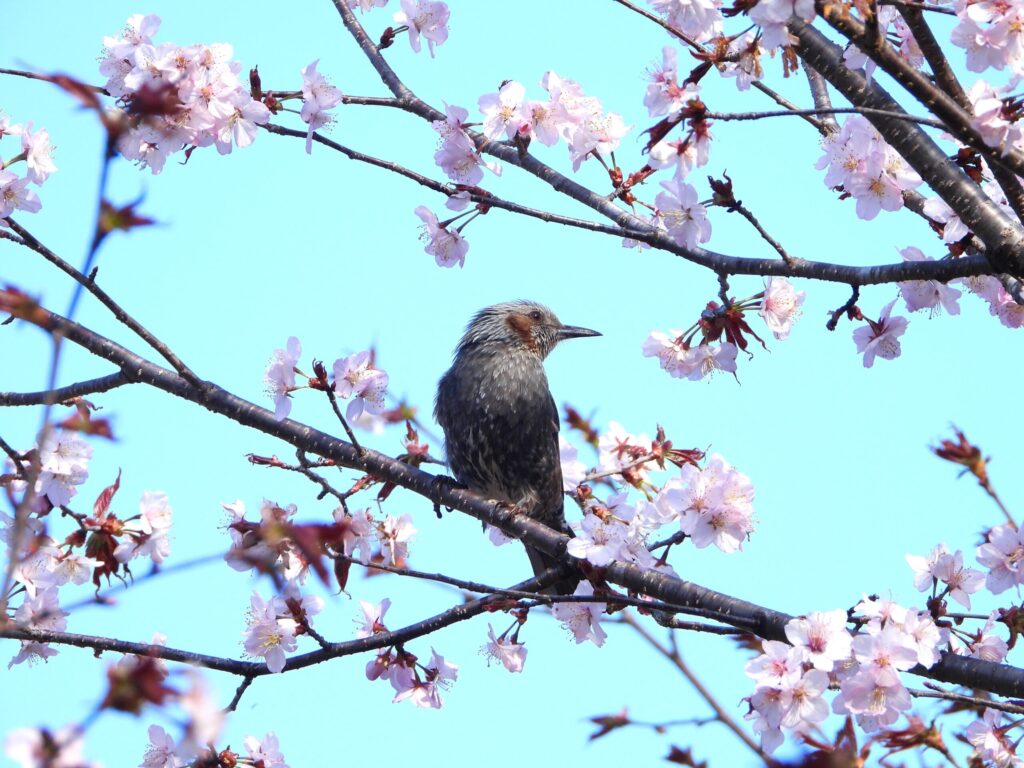
A common bird found even in urban areas.
In spring, it is often seen feeding on flowers.
▶ Learn more: Brown-eared Bulbul
Japanese Tit
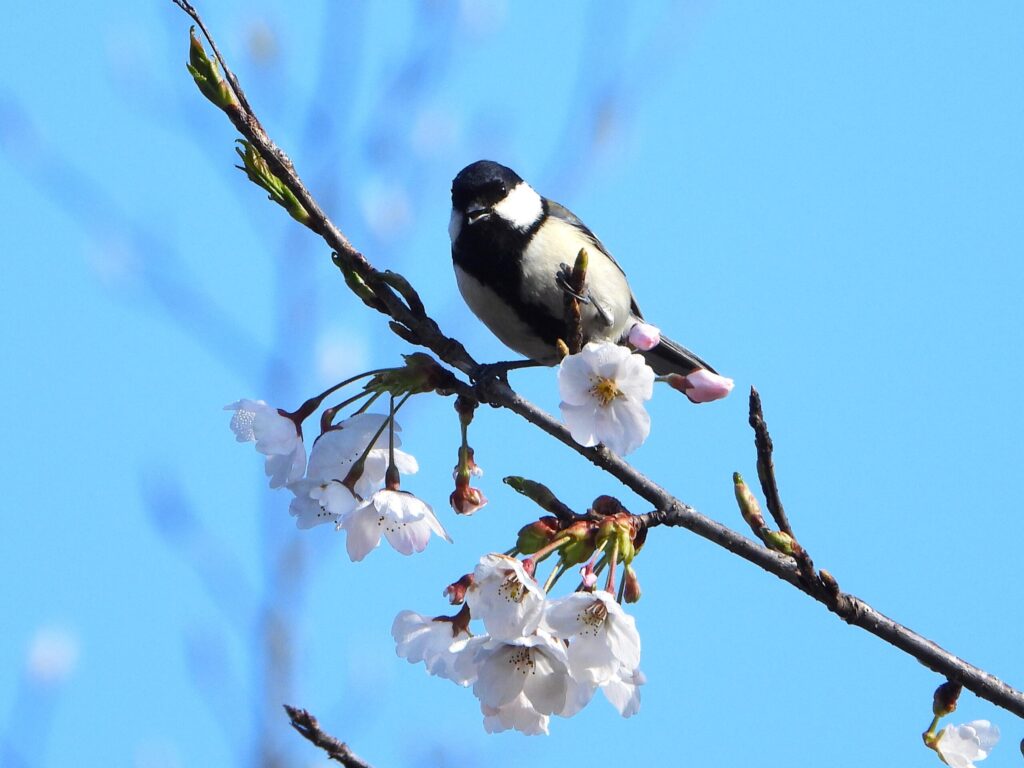
A small bird with a black-and-white pattern.
It becomes very active during the spring breeding season.
▶ Learn more: Japanese Tit
Varied Tit
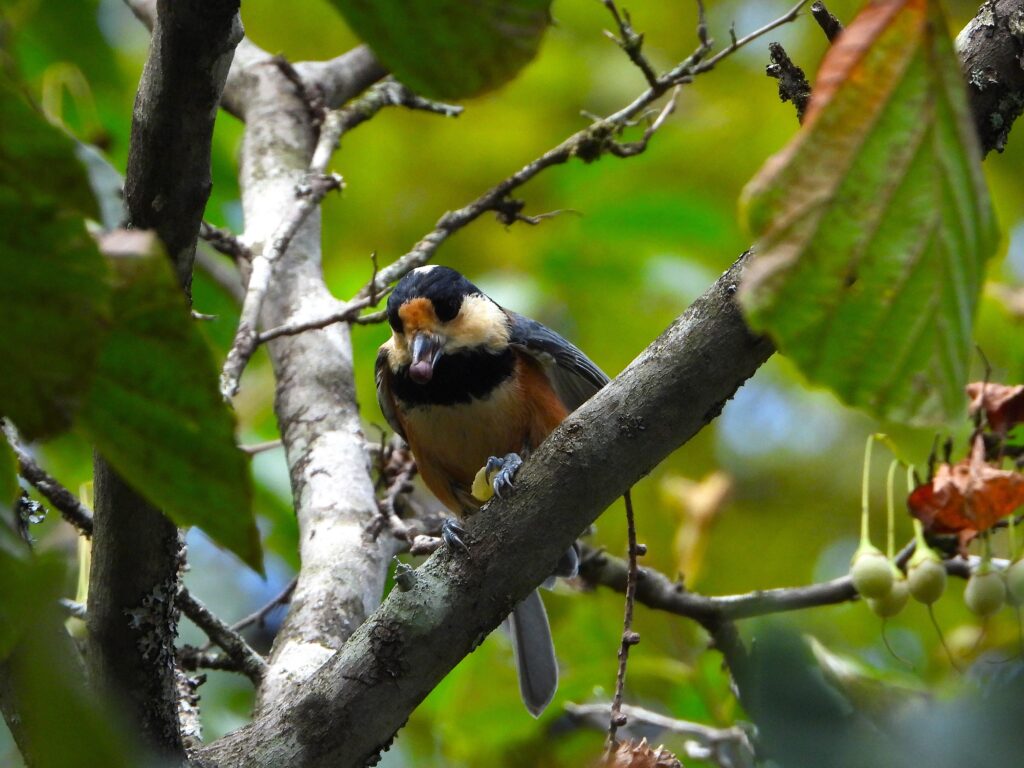
A colorful bird with orange tones.
It is active and relatively easy to find in forests and parks.
▶ Learn more: Varied Tit
Japanese Pygmy Woodpecker
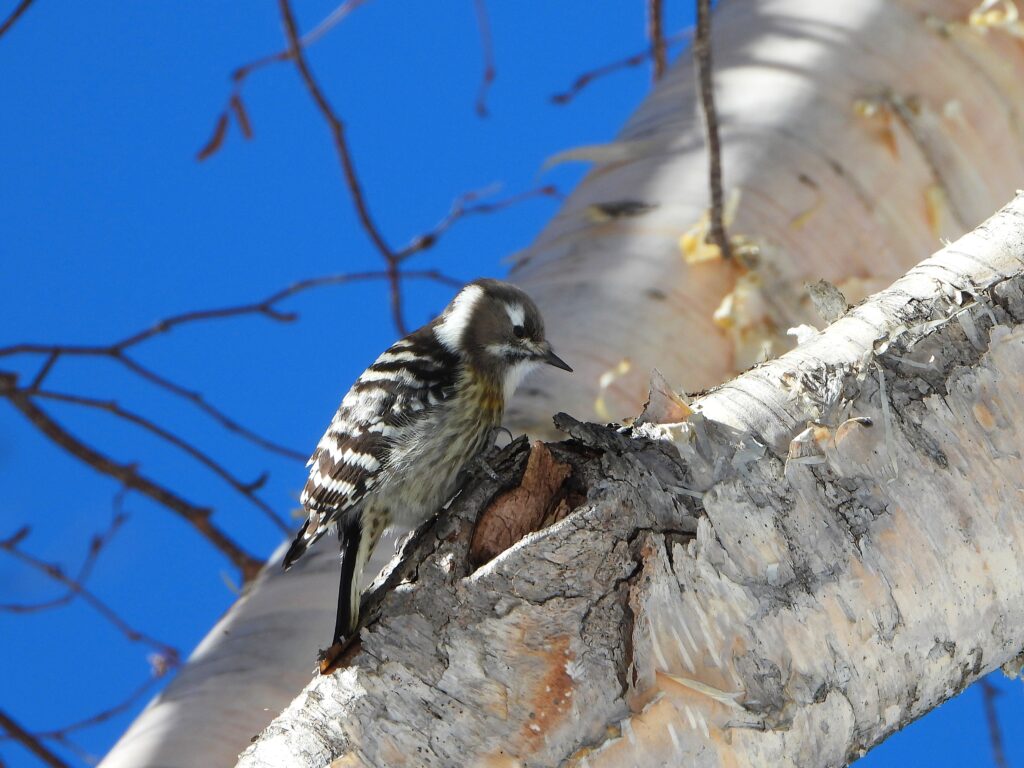
A small woodpecker often noticed by its tapping sound.
Its drumming increases in spring, making it easier to locate.
▶ Learn more: Japanese Pygmy Woodpecker
Grey Heron
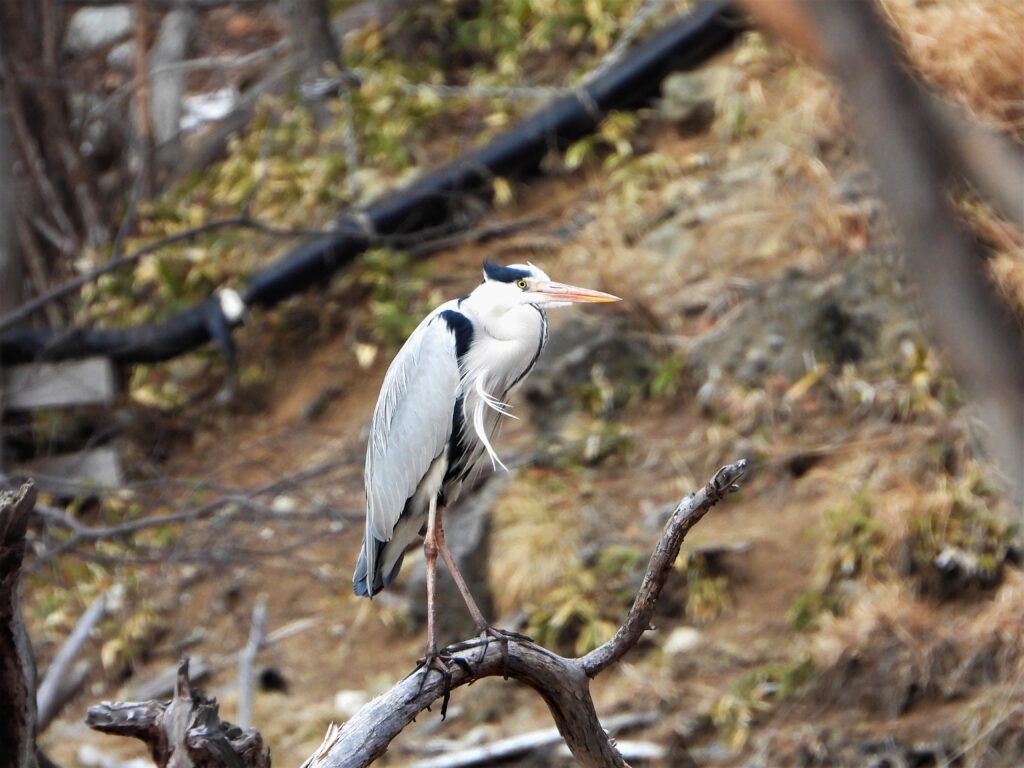
A large waterbird that is easy to spot from a distance.
It becomes more active during the spring breeding season.
▶ Learn more: Grey Heron
Eastern Spot-billed Duck
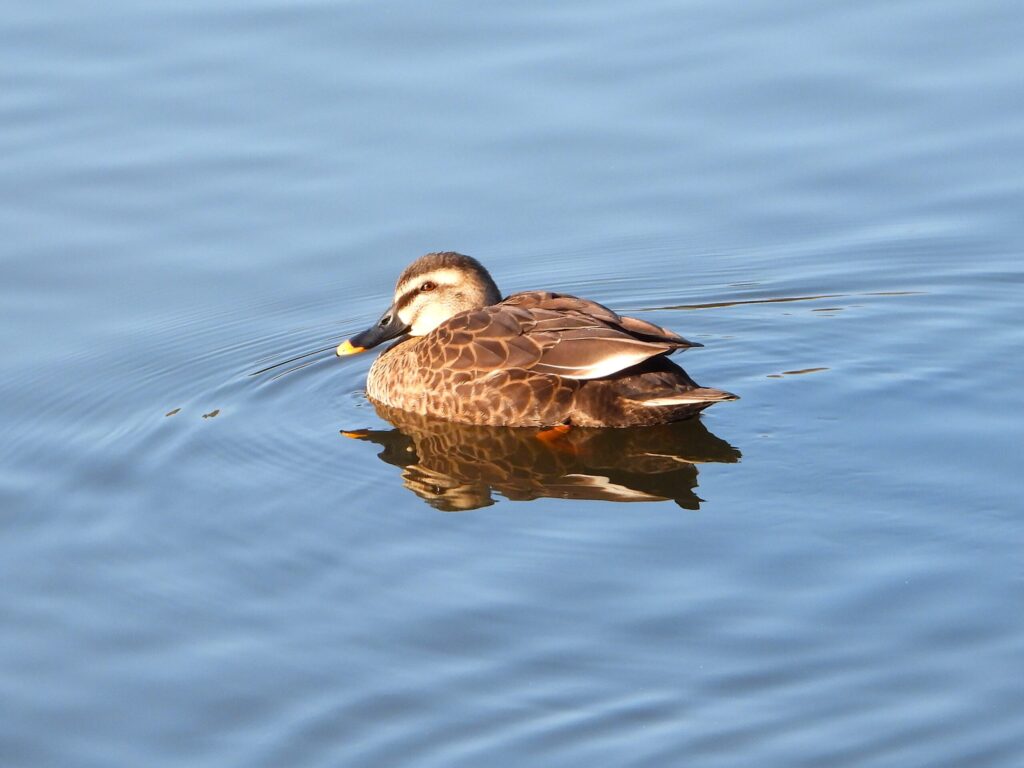
A familiar duck seen in rivers and ponds.
In spring, you may see them with chicks, which makes birdwatching even more enjoyable.
▶ Learn more: Eastern Spot-billed Duck
Best Time for Spring Birdwatching in Japan
March marks the beginning of migration, but the number of birds is still limited.
April is the best time for birdwatching.
Many migratory birds have arrived, and trees are not fully covered with leaves yet, making birds easier to see.
By May, more species are present, but dense foliage can make observation more difficult.
For the best balance, early to mid-April is ideal.
Birdwatching in Japan by Month (March, April, May)
March
Migration begins, but the number of birds is still limited.
April
The best month for birdwatching in Japan.
Many migratory birds arrive, and trees are not fully covered with leaves yet, making birds easier to spot.
May
More species are present, but dense foliage can make birds harder to see.
Best Places for Birdwatching in Spring
The types of birds you can see depend on the environment.
Forests are good for flycatchers and robins, open fields attract birds like stonechats, and rivers or ponds are ideal for kingfishers and ducks.
If you want to explore real birdwatching spots in Japan, these guides will help:
▶ Birdwatching in Nikko National Park: Best Spots & Birds You Can See
▶ What Wildlife at Meiji Jingu? Tokyo Birdwatching Guide
▶ Wildlife in Kamikochi: Animals You Can See in Japan’s Mountain Paradise
Tips for Spring Birdwatching
Early morning is the best time, as birds are most active.
Listening for bird calls is one of the easiest ways to find them.
Areas with flowers or fresh greenery attract more birds because food is abundant.
If you are new to birdwatching, starting in a city park is a simple and effective way to begin.
Conclusion
There are many more bird species you can see in Japan during spring beyond the ones listed here.
Because migration timing and locations vary, every visit offers something new to discover.
Related Articles
This article is about birds in cherry blossom trees
▶ 3 Birds You Can See in Cherry Blossom Trees in Japan
Explore birdwatching in other seasons
▶ Summer Birdwatching in Japan: 15 Birds You Can See
▶ Autumn Birdwatching in Japan: 15 Birds You Can See
▶ Winter Birdwatching in Japan: 15 Birds You Can See