
Summer Wildlife in Japan: Animals You Can See in July and August
Summer in Japan Feels Alive
Summer in Japan is hot, humid, loud, and full of life.
Cicadas scream from the trees all day long. Frogs call from ponds after dark. On humid nights, insects gather around glowing streetlights deep in the countryside.
During July and August, nature in Japan becomes incredibly active. From beetles and birds to frogs and snakes, summer is one of the best seasons to experience Japanese wildlife.
What makes Japanese summer nature special is not just the animals themselves, but the atmosphere surrounding them. The sound of insects echoing through forests, the heavy air after rain, and the feeling of walking down a quiet mountain road at night all become part of the experience.
Every summer, I spend time exploring forests and highland areas in Japan, and even now, the atmosphere still feels unique every time.
Why Summer Is Great for Wildlife Watching in Japan
Warm temperatures make many animals far more active during summer.
Insects appear in huge numbers, frogs become easier to hear and find, and snakes often emerge onto warm roads and forest paths. Birds are also highly active during the cooler hours of the morning.
Unlike winter, wildlife in summer can feel everywhere at once.
Some of the best places for summer wildlife watching include:
- Forests and woodlands
- Wetlands and ponds
- Mountain roads
- Highland areas
- Riversides
- Rural satoyama landscapes
Even a short walk near nature can lead to unexpected wildlife encounters during summer in Japan.
Summer Insects in Japan
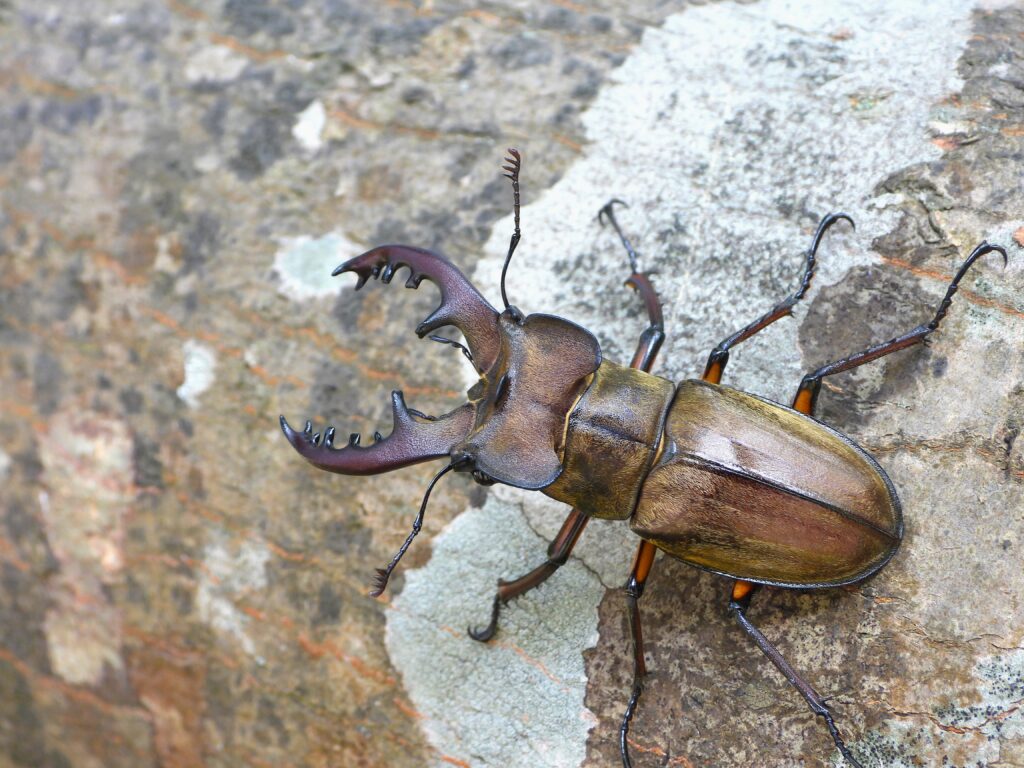
Summer insects are one of the most iconic parts of Japanese nature.
Japanese rhinoceros beetles and stag beetles are especially famous and are deeply connected to summer culture in Japan.
On warm nights, insects gather around streetlights, vending machines, and trees producing sap. In mountain areas, even a single light can attract dozens of species.
Some of the insects commonly seen during Japanese summer include:
- Japanese rhinoceros beetles
- Stag beetles
- Scarab beetles
- Longhorn beetles
- Giant silk moths
- Cicadas
Humid nights after rain are often the most active.
I sometimes walk along mountain roads looking for insects during summer nights, and the atmosphere can feel incredible. Giant moths resting on glowing vending machines, stag beetles crawling near roadside lights, and endless insect sounds in the darkness all feel deeply connected to summer in rural Japan.
Summer Birds in Japan
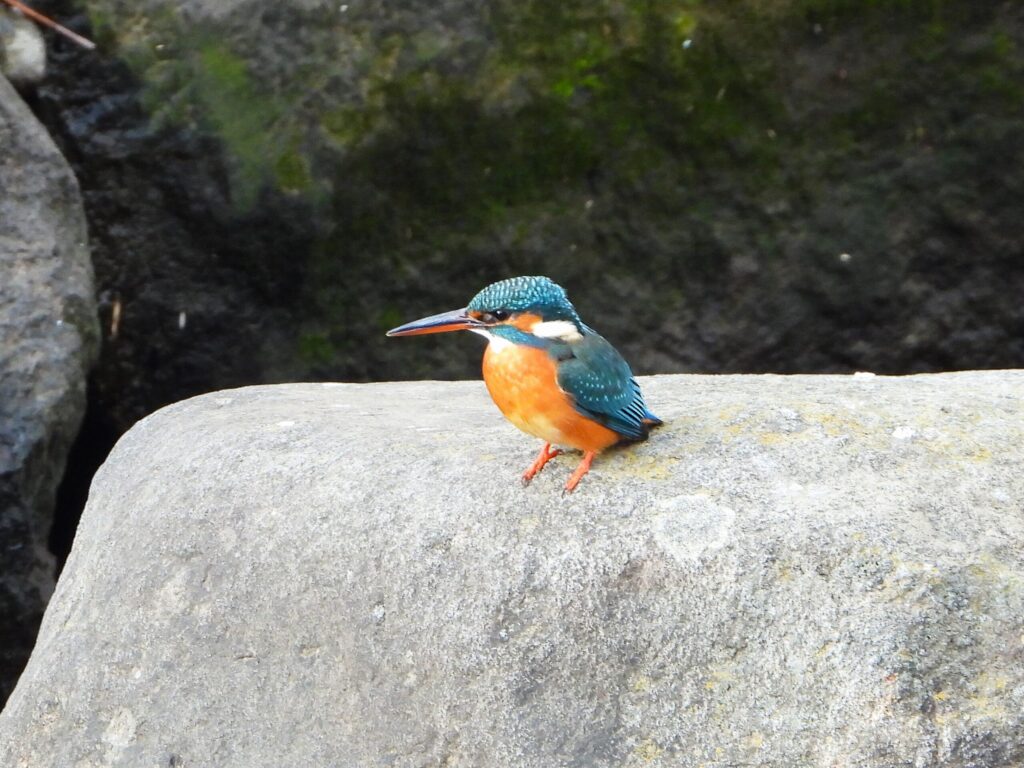
Summer may not have as many birds as winter, but it still offers excellent birdwatching opportunities.
Mountain forests become filled with birdsong during the early morning hours. Species such as the Narcissus Flycatcher and Blue-and-white Flycatcher can often be heard singing deep in the woods.
Near rivers and wetlands, you may also encounter:
- Kingfishers
- Egrets and herons
- Spot-billed ducks
- Brown Dippers
- Wagtails
Early morning is usually the best time for birdwatching in summer because temperatures are cooler and bird activity is much higher.
Even city parks and shrine forests can hold surprising birdlife during this season.
▶Autumn Birdwatching in Japan: 15 Birds You Can See
Frogs and Snakes in Summer
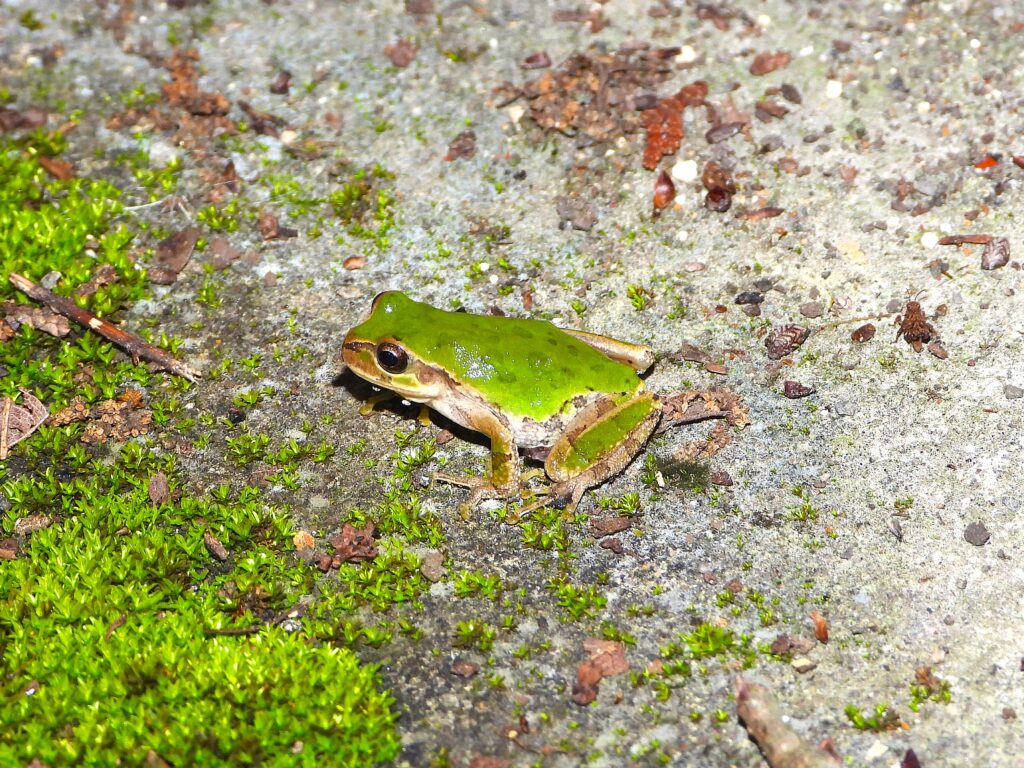
Summer is also one of the most active seasons for amphibians and reptiles in Japan.
At night, ponds and rice fields become filled with frog calls. Japanese tree frogs and other frog species are often heard long after sunset.
Snakes also become more active during warm weather and are sometimes seen crossing roads or resting near forest paths.
Japan is home to venomous snakes such as the mamushi pit viper, so it is important to stay cautious in areas with tall grass or rocks.
Extra care should be taken around:
- Tall grass
- Rocky areas
- Wetlands
- Forest roads
Observing wildlife from a respectful distance is always important.
Summer Nights in Japan Feel Completely Different
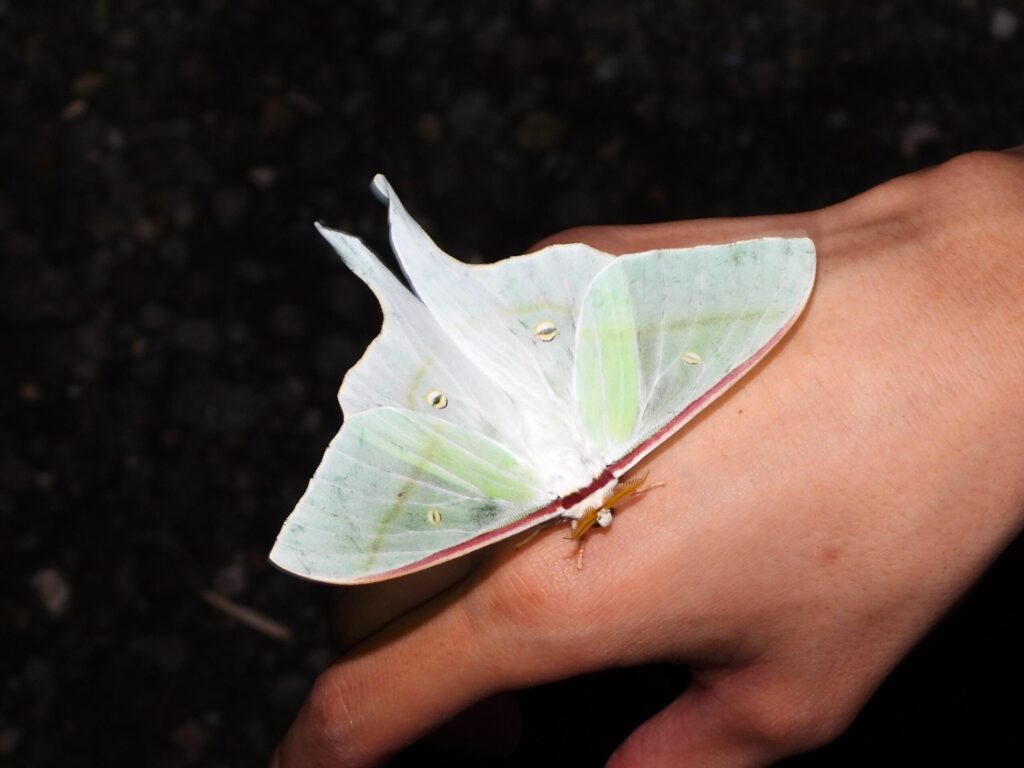
Japanese summer nights have a special atmosphere that feels completely different from daytime.
Wildlife can often be found around:
- Streetlights
- Vending machines
- Forest roads
- Ponds and wetlands
- Forest edges
At night, the sounds of insects and frogs echo through the darkness.
Sometimes, while walking through forests at night, I suddenly hear a bird call from very close by. Even after years of exploring nature in Japan, moments like that still surprise me.
On quiet mountain roads, a single streetlight surrounded by insects can feel almost unreal. Those small scenes are part of what makes summer wildlife watching in Japan so memorable.
Recommended Places for Summer Wildlife Watching in Japan
Hokkaido
Hokkaido is cooler than much of Japan, making it one of the most comfortable places for summer wildlife watching. Ezo deer and many species of birds can be observed there.
▶ Hokkaido wildlife guide
“Hokkaido Wildlife Guide|Wild Animals You Can See in Hokkaido”
Oku-Nikko
Oku-Nikko is known for its wetlands, forests, lakes, and cool summer climate. It is one of the best places in Japan for birdwatching and summer nature walks.
▶ Oku-Nikko wildlife guide
“Oku-Nikko Wildlife Guide|Animals and Birds You Can See”
Kamikochi
Kamikochi is famous for mountain scenery, forest birds, and peaceful walking trails surrounded by nature.
▶ Kamikochi wildlife guide
“Kamikochi Wildlife Guide|Animals and Birds in Kamikochi”
Tips for Watching Wildlife During Summer in Japan
Summer wildlife watching can be incredibly rewarding, but preparation matters.
The following items are especially useful:
- Insect repellent
- Drinking water
- Long sleeves
- A headlamp or flashlight
- Comfortable walking shoes
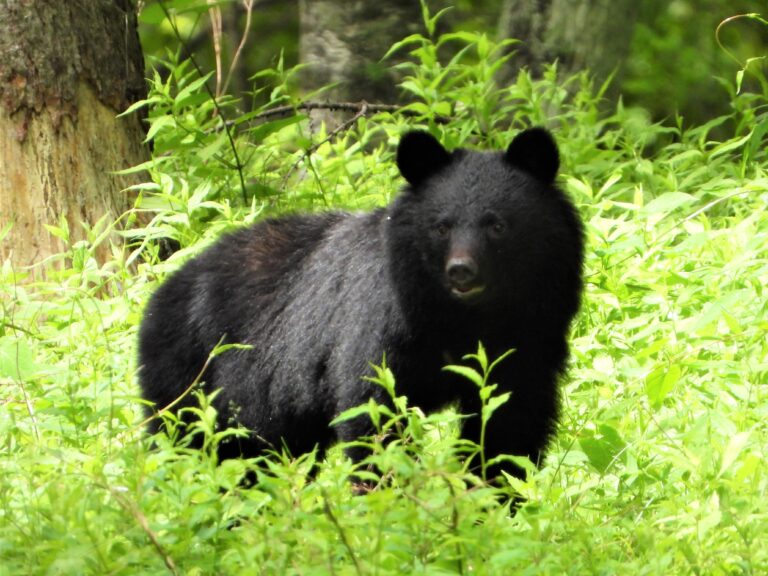
Some mountain areas in Japan are also home to bears, so checking local wildlife information beforehand is always recommended.
At night, paying attention to your surroundings is especially important because snakes and larger animals may sometimes be nearby.
My Experience Watching Summer Wildlife in Japan
Every summer, I find myself returning to forests and highland areas across Japan.
What stays with me the most is not just the wildlife itself, but the atmosphere surrounding it. The endless sound of cicadas, frogs calling through the darkness, and birds singing deep in the forest create a feeling that only exists during Japanese summer.
Even simply checking streetlights at night can become memorable.
Summer in Japan can be exhausting because of the heat and humidity, but it is also the season when nature feels most alive.
Conclusion
Summer is one of the best times to experience wildlife in Japan.
From beetles and birds to frogs and snakes, many animals become far more active during July and August. The atmosphere also changes dramatically between daytime and nighttime, making summer nature feel unique and unforgettable.
Places such as Hokkaido, Oku-Nikko, and Kamikochi offer excellent opportunities for wildlife watching, but even quiet rural areas can hold surprising encounters.
If you visit Japan during summer, take some time to step into nature. The sounds, atmosphere, and wildlife may become one of the most memorable parts of your trip.
Related Articles
▶ Winter Wildlife in Japan: Animals You Can See in Winter
▶ Spring Wildlife in Japan: Animals You Can See in Spring