Spring Wildlife in Japan: Animals You Can See in Spring
Introduction
Spring is one of the best seasons for wildlife watching in Japan.
As winter fades, forests, wetlands, and rivers come alive with activity. Migratory birds return from their wintering grounds, frogs begin breeding, and many animals become more active after the cold season.
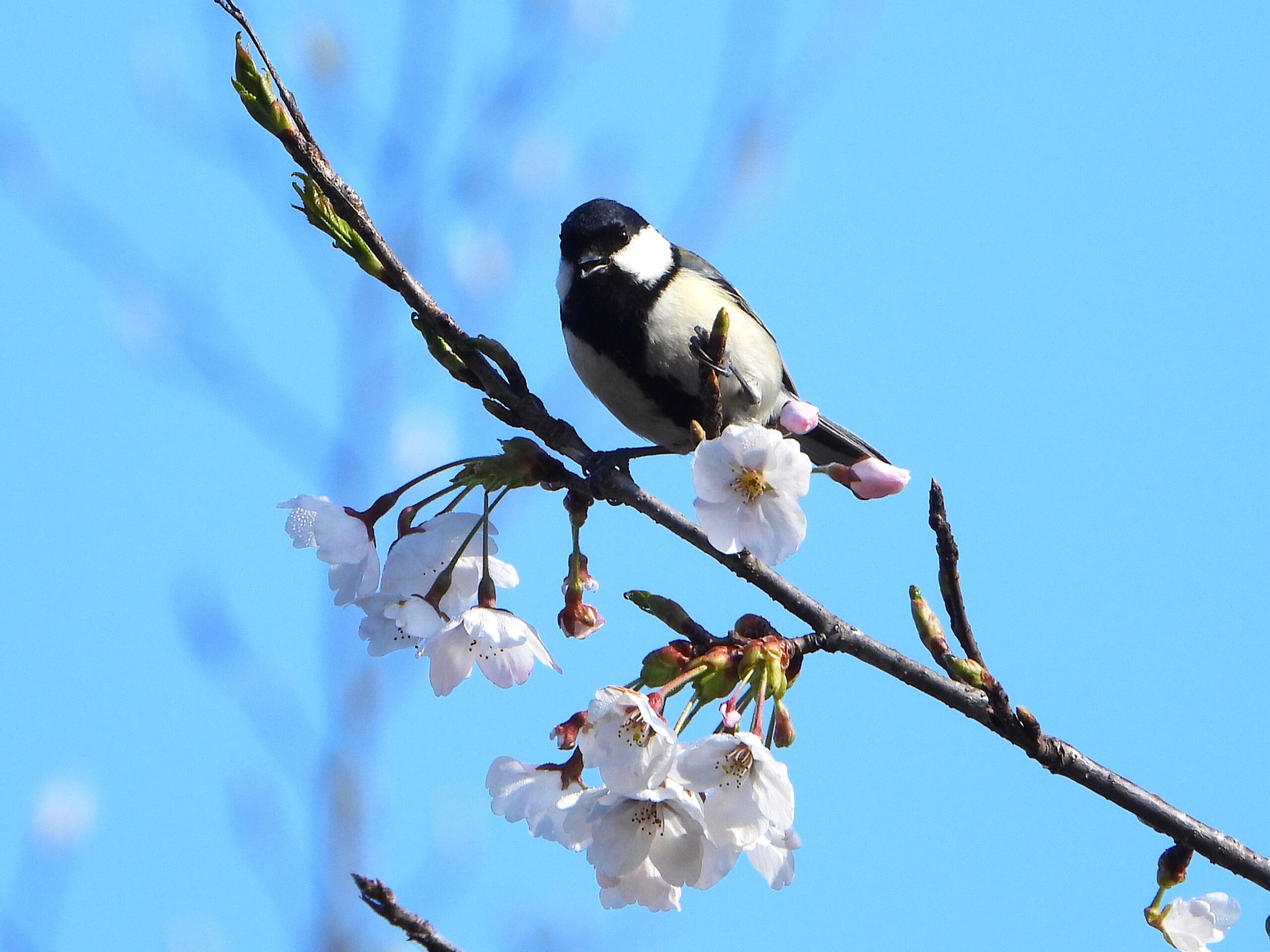
Spring is also the season of cherry blossoms. The combination of wildlife and blooming sakura creates some of the most iconic natural scenes in Japan. Whether you are visiting famous parks or exploring mountain forests, spring offers excellent opportunities to experience Japanese wildlife.
In this guide, you’ll discover some of the best animals to see in Japan during spring and where to find them.
Why Spring is a Great Season for Wildlife Watching in Japan
Spring marks the beginning of a new wildlife season across Japan.
Many birds return from migration, mammals become more active, and amphibians begin their breeding season. Forests fill with birdsong, ponds become busy with frogs, and fresh green leaves transform the landscape.
The weather is also comfortable for outdoor activities. Unlike the heat of summer or the snow of winter, spring allows visitors to spend long hours exploring nature trails, parks, and wildlife hotspots.
For many wildlife enthusiasts, spring is the most rewarding season of the year.
Spring Birds in Japan
Japanese Bush Warbler
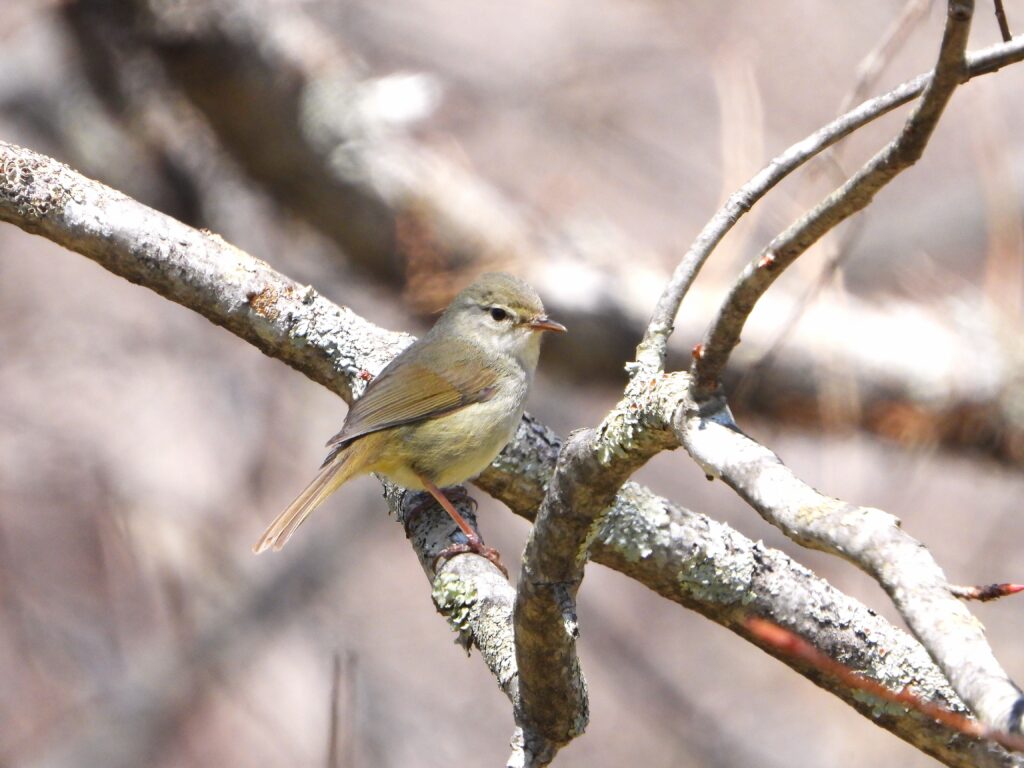
The Japanese Bush Warbler is one of the most recognizable birds of spring.
Its famous song, often translated as “Hoo-hokekyo,” is considered a symbol of the season in Japan. Although the bird can be difficult to see among dense vegetation, its voice can be heard in parks, forests, and rural areas throughout spring.
▶ Japanese Bush Warbler (Horornis diphone)
Barn Swallow
Barn Swallows return to Japan each spring after spending the winter farther south.
They often build nests under the eaves of houses, train stations, and other buildings. Their arrival is one of the clearest signs that spring has begun.
Watching swallows flying over fields and towns is a familiar part of spring in Japan.
▶ Barn Swallow (Hirundo rustica)
Blue-and-white Flycatcher
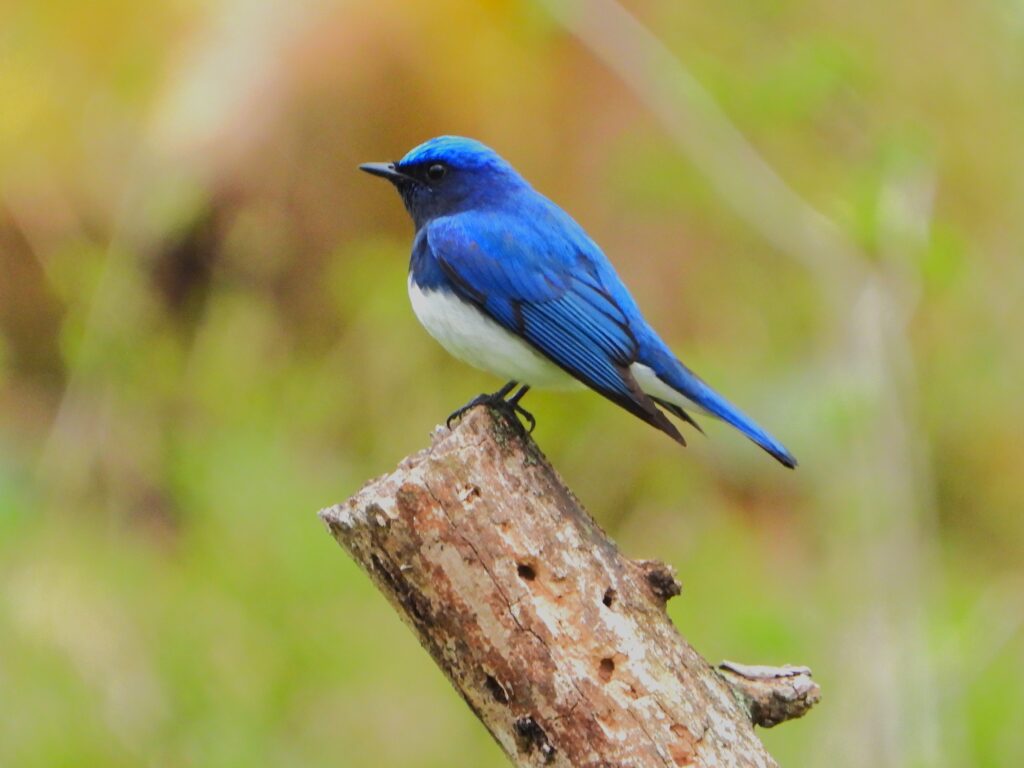
The Blue-and-white Flycatcher is one of Japan’s most beautiful migratory birds.
Males have brilliant blue plumage and a clear, melodic song. They usually arrive during April and May and can be found in forests across much of Japan.
For many birdwatchers, hearing the first Blue-and-white Flycatcher of the year is a highlight of spring.
▶ Blue-and-white Flycatcher (Cyanoptila cyanomelana)
Narcissus Flycatcher
The Narcissus Flycatcher is another popular spring migrant.
Its bright yellow and black plumage stands out against fresh green leaves, making it one of the most attractive birds of the season. Its beautiful song can often be heard deep within woodland habitats.
▶ Narcissus Flycatcher (Ficedula narcissina)
Japanese Robin
The Japanese Robin is famous for its rich and musical voice.
Found mainly in mountain forests, it is one of Japan’s three celebrated songbirds. Although it can be difficult to spot, its song often reveals its presence before the bird is seen.
▶ Japanese Robin (Larvivora akahige)
Spring Mammals in Japan
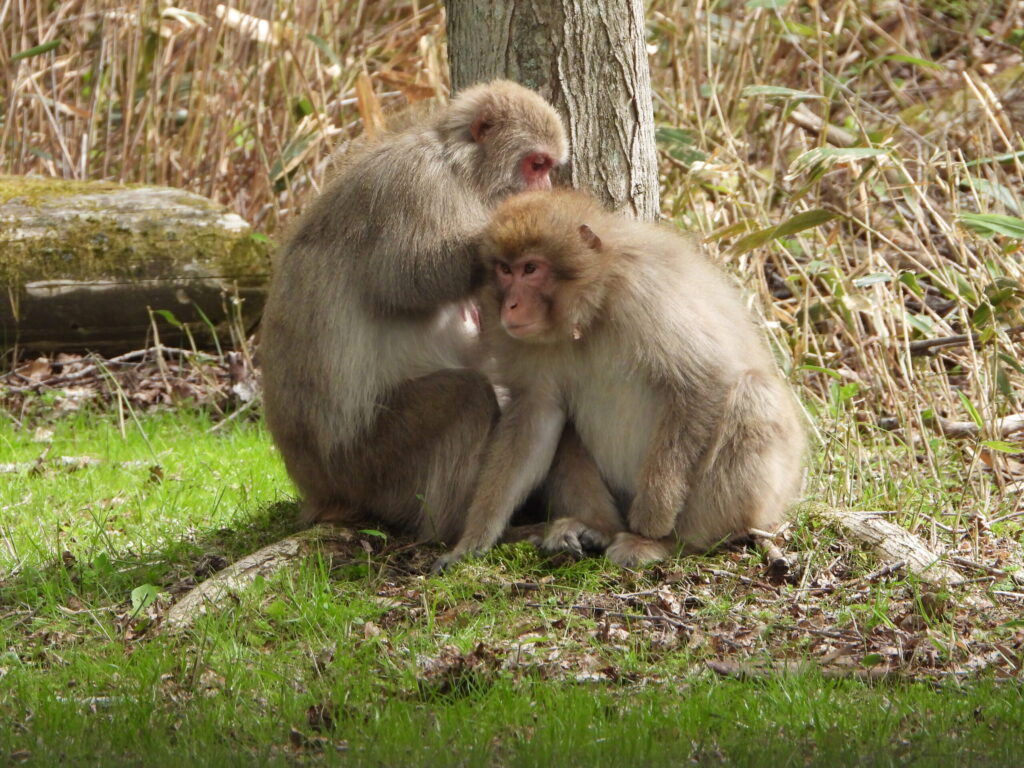
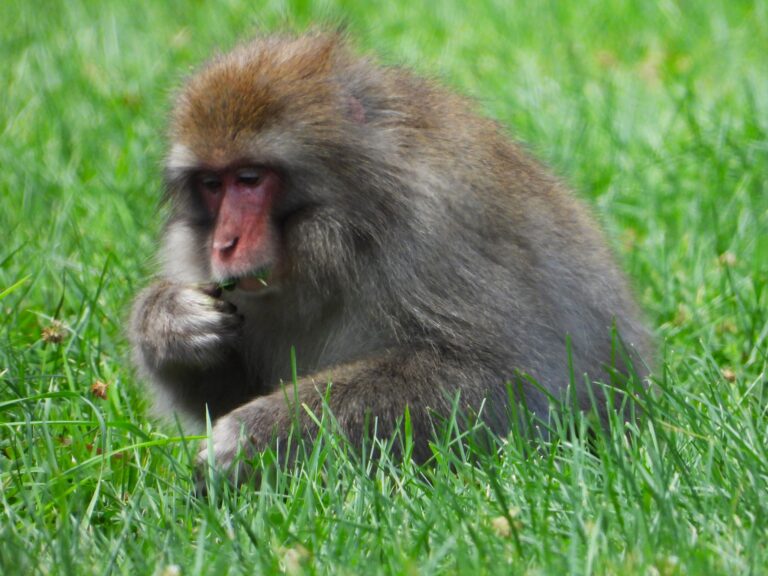
Japanese Macaque
Spring is the season when many young Japanese Macaques can be seen.
Watching baby monkeys play, explore, and stay close to their mothers is one of the most enjoyable wildlife experiences in Japan. This is especially true in areas where macaques are accustomed to visitors.
▶ Japanese Macaque (Macaca fuscata)
Sika Deer
Sika Deer become increasingly active as temperatures rise.
In some locations, deer can be seen among blooming cherry trees, creating a scene that feels uniquely Japanese. They are common throughout much of the country and can often be observed in parks, forests, and mountain areas.
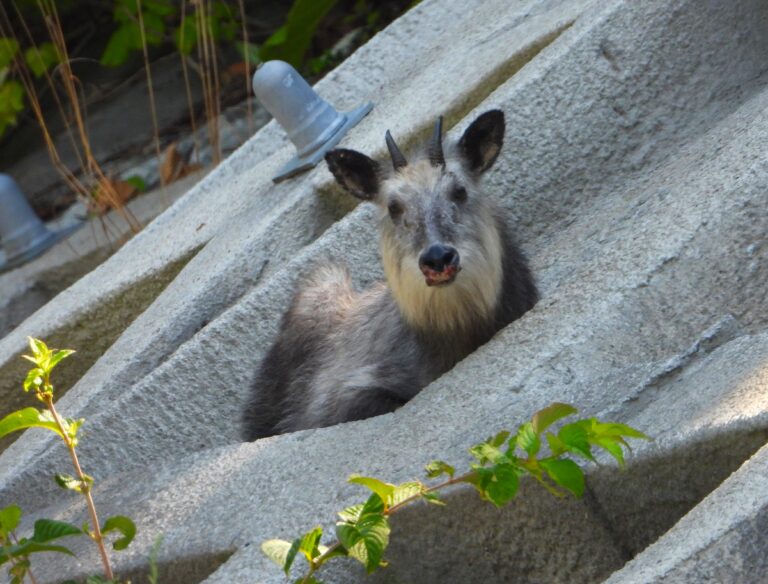
Japanese Serow
The Japanese Serow is one of Japan’s most iconic mammals.
As mountain snow begins to melt, serows become easier to observe along forested slopes and rocky hillsides. Seeing one standing quietly among fresh spring greenery is an unforgettable wildlife experience.
▶ Japanese Serow (Capricornis crispus)
Spring Frogs and Snakes in Japan
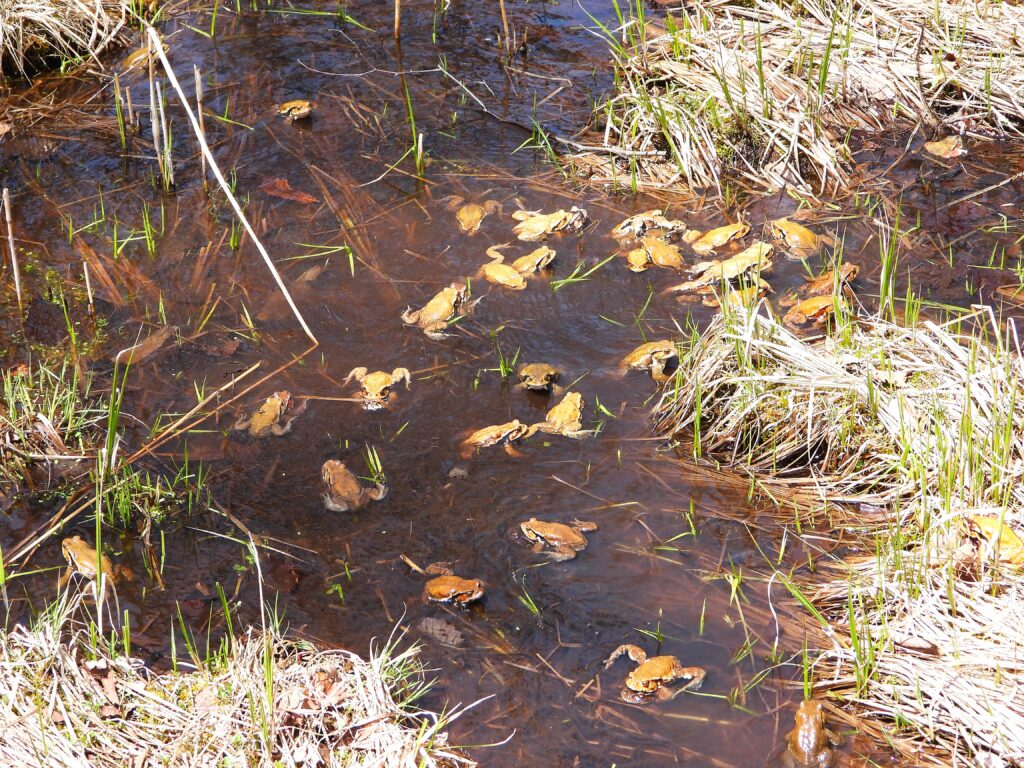
Eastern Japanese Toad
The Eastern Japanese Toad is one of the most iconic amphibians of early spring in Japan.
During the breeding season, large numbers gather at ponds and wetlands. This often leads to a remarkable behavior known as “Gama Kassen,” or “Toad Battles,” where many males compete for access to females.
The sight of dozens of toads gathering in a single pond is one of spring’s most memorable wildlife spectacles.
▶ Eastern Japanese Toad (Bufo japonicus formosus)
Japanese Tree Frog
The Japanese Tree Frog becomes active as temperatures rise in spring.
These small frogs are commonly found around rice fields, ponds, and wetlands. Their calls are a familiar sound during the breeding season.
▶ Japanese Tree Frog (Dryophytes japonicus)
Japanese Rat Snake
The Japanese Rat Snake is one of the most common snakes in Japan.
As spring temperatures increase, these snakes can often be seen basking in the sun or moving through grasslands and forest edges while searching for food.
▶ Japanese Rat Snake (Elaphe climacophora)
Cherry Blossoms and Wildlife in Japan
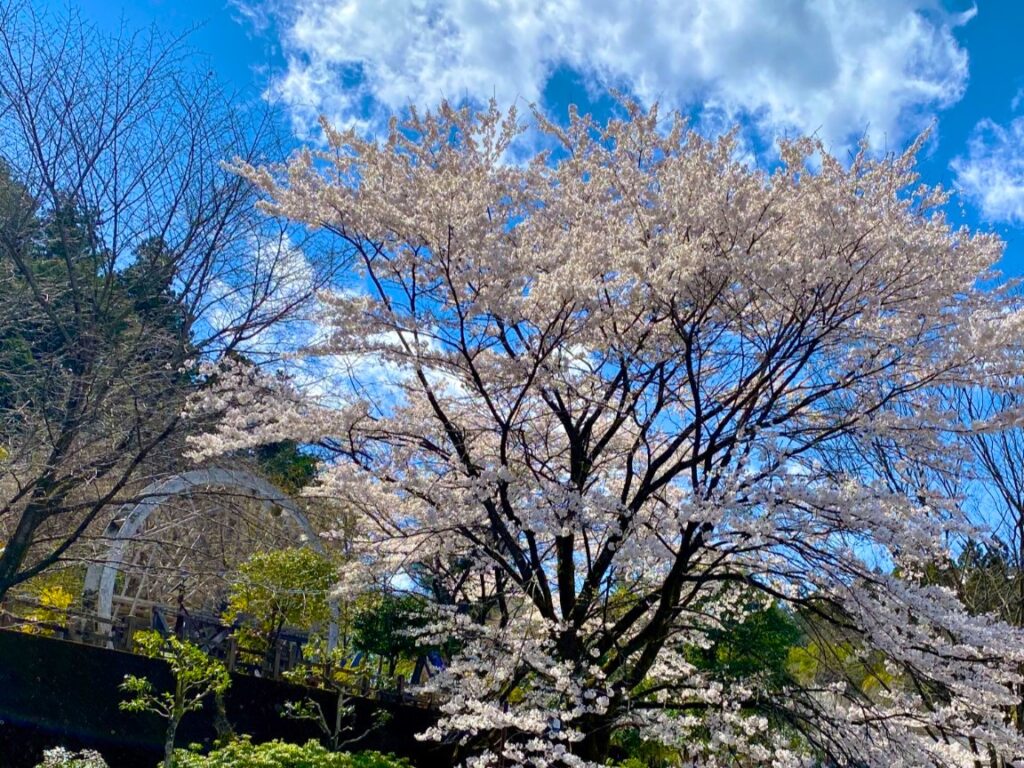
No symbol of Japanese spring is more famous than the cherry blossom.
Cherry trees attract a variety of birds, including Japanese White-eyes, Brown-eared Bulbuls, and Eurasian Tree Sparrows. Watching birds feed among the blossoms is one of the highlights of the season.
In some areas, visitors may also see deer or other wildlife against a backdrop of blooming sakura trees. These scenes combine two of Japan’s greatest natural attractions: wildlife and cherry blossoms.
For photographers, spring offers some of the most beautiful wildlife opportunities of the year.
▶ 3 Birds You Can See in Cherry Blossom Trees in Japan
Recommended Places for Spring Wildlife Watching in Japan
Nara
Nara is one of the best places to enjoy cherry blossoms and wildlife together.
During spring, visitors can see Sika Deer resting beneath blooming cherry trees, creating one of Japan’s most iconic seasonal landscapes.
▶ Where to See Wild Deer in Japan: Nara Park Guide
Oku-Nikko
Oku-Nikko is one of the best destinations in Japan for spring wildlife.
Migratory birds such as Blue-and-white Flycatchers, Narcissus Flycatchers, and Japanese Robins return to the forests, while Japanese Serows and Sika Deer can also be found in the surrounding mountains.
Wildlife Around Mount Fuji
The Mount Fuji area combines wildlife, fresh green forests, and spectacular scenery.
Visitors may encounter birds, deer, and other wildlife while exploring one of Japan’s most famous natural regions.
Wildlife in Japan by Month
March
Spring begins to emerge across Japan.
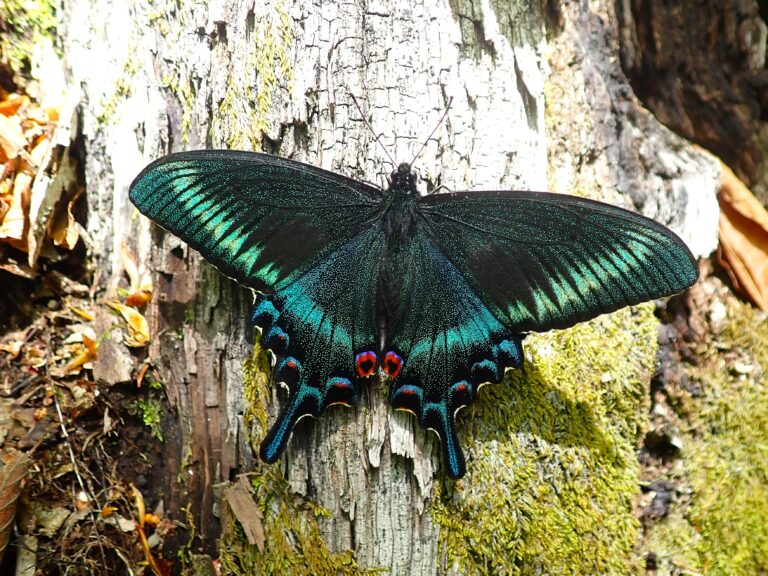
Japanese Bush Warblers become more vocal, Azuma Toads gather to breed, and overwintering butterflies start to appear on warm days.
April
Cherry blossom season reaches its peak.
Barn Swallows return, migratory birds begin arriving, and wildlife activity increases throughout the country.
May
Fresh green forests dominate the landscape.
Blue-and-white Flycatchers, Narcissus Flycatchers, and Japanese Robins are actively singing, making May one of the best months for birdwatching in Japan.
Spring Wildlife Watching Tips
Early morning is usually the best time for wildlife observation.
Birds are most active shortly after sunrise, and many animals are easier to find before popular tourist areas become busy.
Spring is also a breeding season for many species. Always keep a respectful distance from nests, eggs, and young animals, and avoid disturbing wildlife for photographs.
A good pair of binoculars can greatly improve your wildlife watching experience.
My Experience Watching Wildlife in Spring
Spring is my favorite season for wildlife watching in Japan.
I often visit the forests of Oku-Nikko and other areas in Tochigi Prefecture during April and May. The arrival of migratory birds such as Blue-and-white Flycatchers and Narcissus Flycatchers makes every walk through the forest exciting.
I have also observed gatherings of Azuma Toads during their breeding season. Seeing so many individuals gathered around a single pond is a remarkable reminder of how active nature becomes after winter.
Even local parks become rewarding places to watch wildlife in spring. With cherry blossoms overhead and birds singing throughout the day, it is one of the most enjoyable times of year to explore Japan’s natural world.
Conclusion
Spring is one of the most rewarding seasons for wildlife watching in Japan.
Migratory birds return, frogs begin breeding, mammals become more active, and cherry blossoms transform the landscape. From mountain forests to city parks, opportunities for wildlife observation can be found throughout the country.
If you want to experience Japan’s wildlife at its most vibrant, spring is an excellent time to visit.
Related Articles
▶ Winter Wildlife in Japan: Animals You Can See in Winter
▶ Summer Wildlife in Japan: Animals You Can See in July and August