Endemic Animals of Japan: 10 Species Found Nowhere Else on Earth
Japan is home to some of the world’s most unique wildlife. Stretching from the snowy mountains of northern Honshu to the subtropical forests of the Ryukyu Islands, the country supports a remarkable variety of animals found nowhere else on Earth.
These species evolved in isolation over thousands of years, creating a fascinating collection of mammals, birds, and amphibians that are uniquely Japanese.
In this guide, you’ll discover 10 of Japan’s most iconic endemic animals, learn where they live, and find out where you might see them in the wild.
What Are Endemic Animals?
An endemic species is a plant or animal that naturally occurs in only one geographic region.
For example, the Japanese macaque lives only in Japan and is considered an endemic species. In contrast, animals such as the Red-crowned Crane or Steller’s Sea Eagle occur in multiple countries and are not endemic to Japan.
Because of its island geography and diverse landscapes, Japan has one of the highest levels of endemism in East Asia.
Why Does Japan Have So Many Endemic Species?
Japan’s geography has played a major role in shaping its wildlife.
The Japanese archipelago has been separated from mainland Asia for long periods, allowing many animals to evolve independently. At the same time, the country stretches across several climate zones, from cool temperate forests in the north to subtropical rainforests in the south.
In addition, remote islands such as Amami Oshima, Okinawa, and Iriomote have provided ideal conditions for isolated populations to develop into unique species over thousands of years.
As a result, Japan is considered one of the world’s biodiversity hotspots for endemic wildlife.
Endemic Mammals of Japan
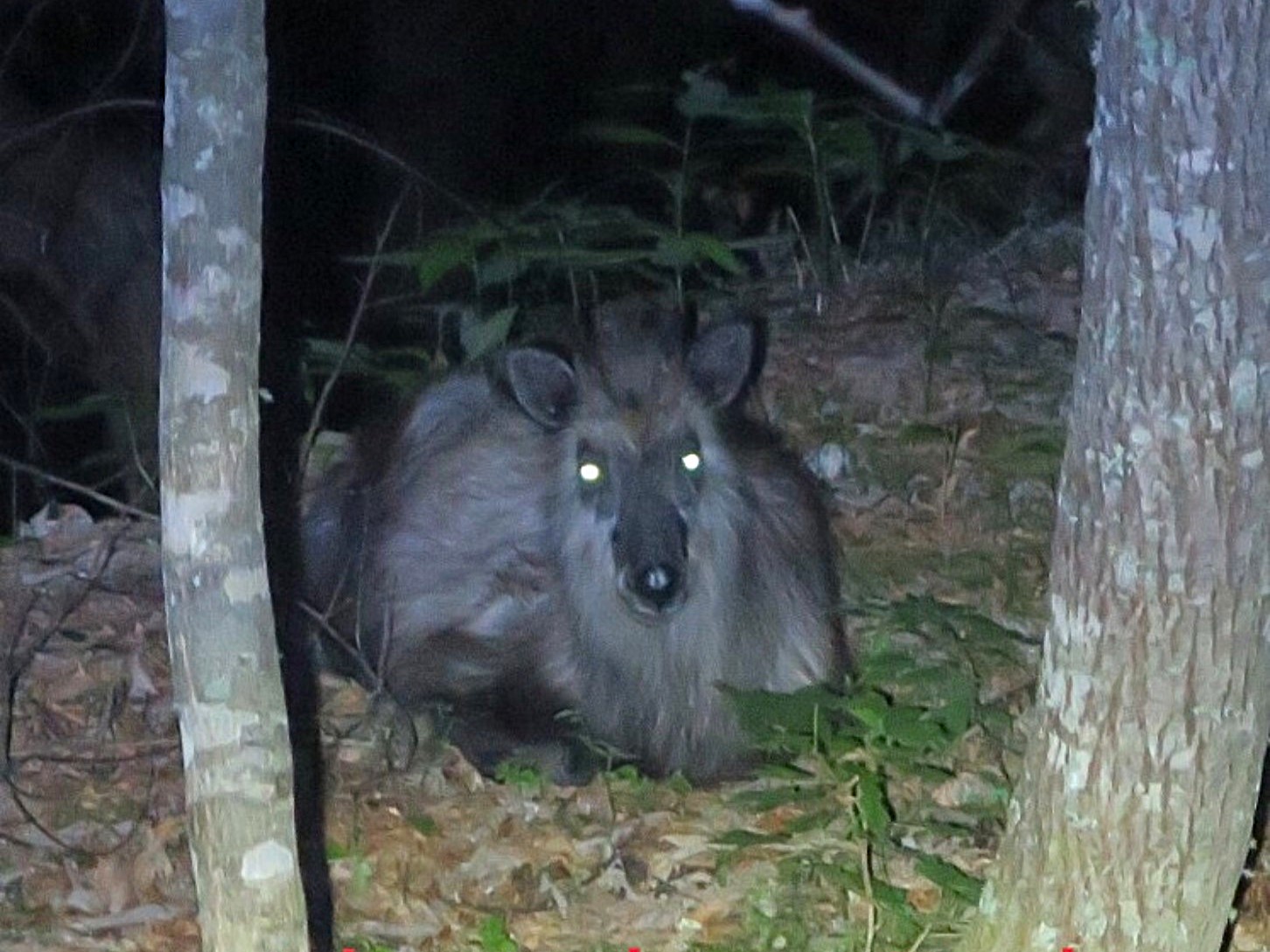
Japanese Serow (Capricornis crispus)
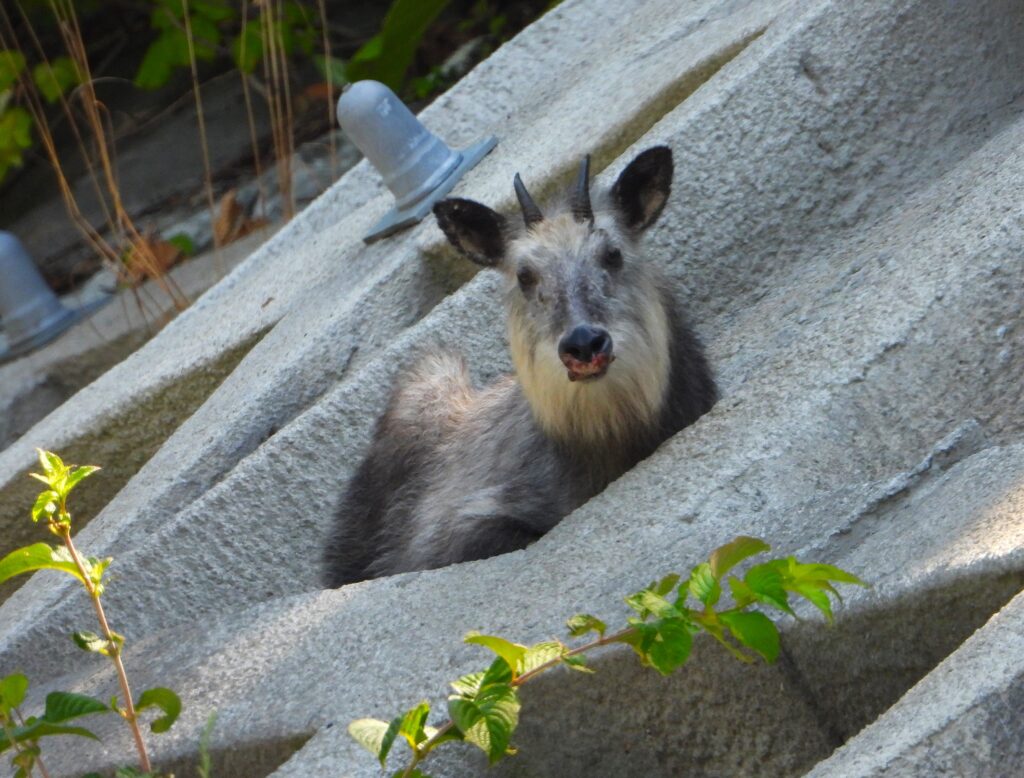
The Japanese serow is one of Japan’s most famous endemic mammals. This goat-antelope inhabits forested mountains across Honshu, Shikoku, and Kyushu and is designated as a Special Natural Monument of Japan.
Unlike deer, serows are usually solitary and often inhabit steep slopes and rocky terrain.
Some of the best places to see Japanese serows include Nikko National Park, the Japanese Alps, and the forests of northern Honshu.
I have personally encountered Japanese serows several times around Nikko. Watching them move effortlessly across steep mountain slopes is always impressive.
Japanese Macaque (Macaca fuscata)
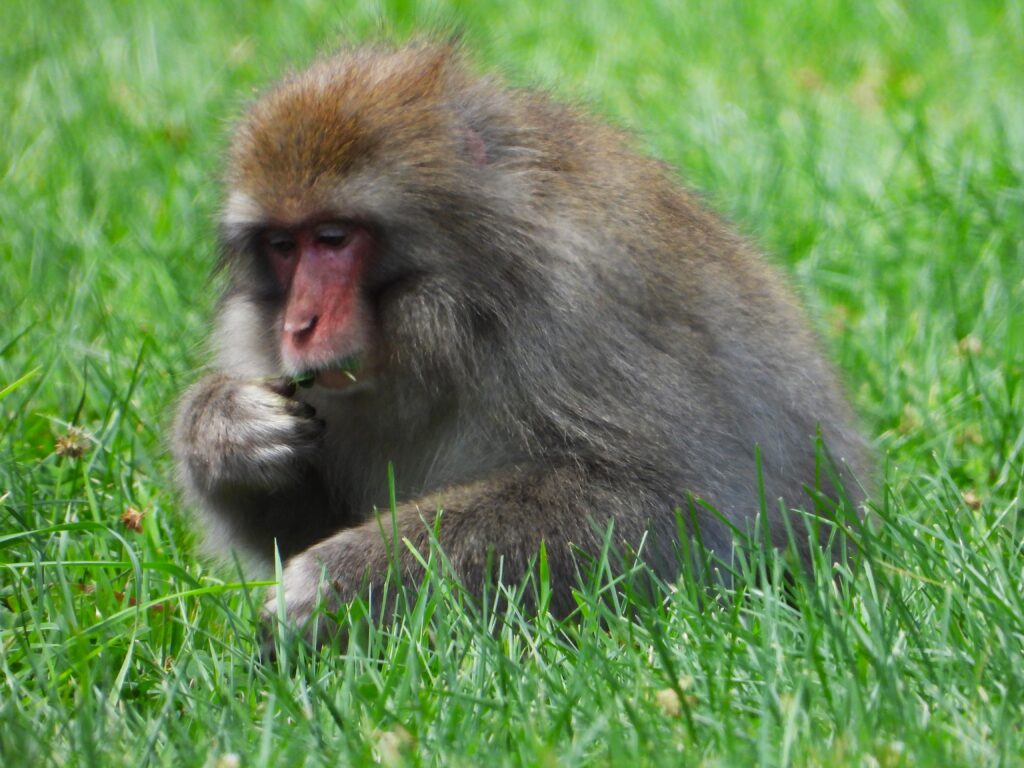
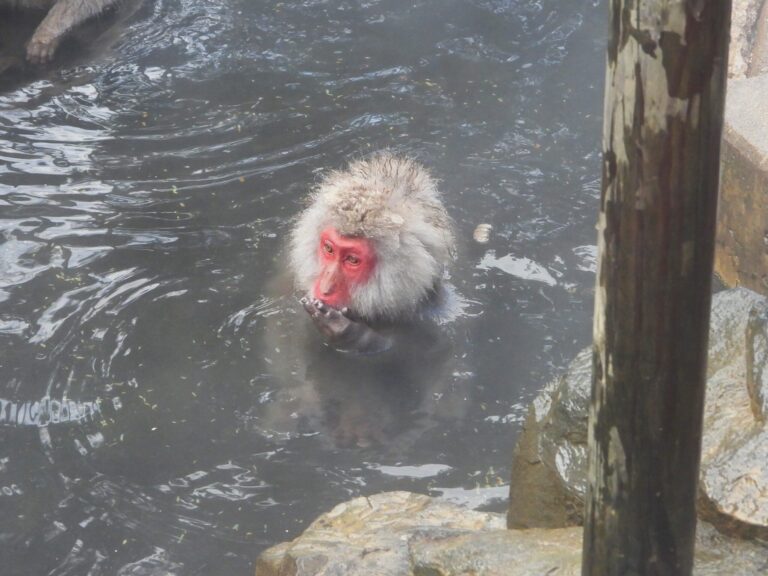
Known as the northernmost-living monkey in the world, the Japanese macaque survives in environments that would challenge most other primates.
Found throughout Honshu, Shikoku, and Kyushu, these adaptable monkeys can withstand heavy snowfall and harsh winter conditions.
They are famous worldwide for the snow monkeys of Jigokudani in Nagano, where they bathe in natural hot springs during winter.
Japanese macaques can also be seen in many mountain regions, including parts of Nikko National Park.
Amami Rabbit (Pentalagus furnessi)
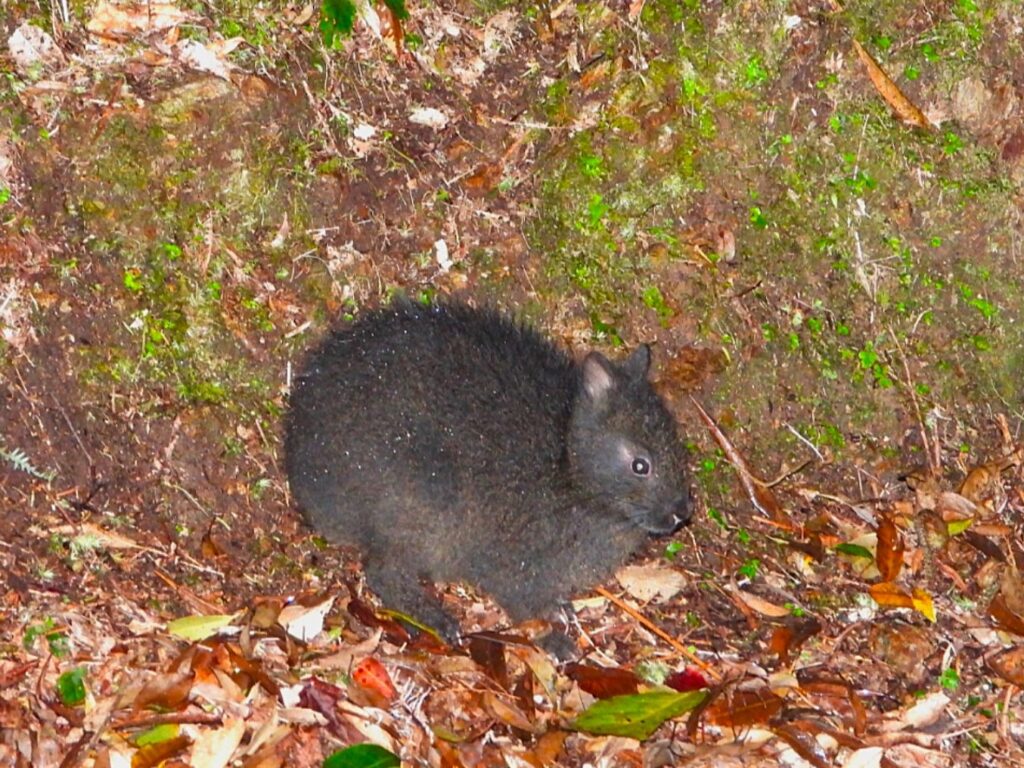
Hidden within the forests of Amami Oshima and Tokunoshima, the Amami rabbit is one of Japan’s most unique mammals.
Often described as a “living fossil,” this primitive rabbit retains characteristics that disappeared from most modern rabbit species long ago.
Because it is nocturnal, sightings during the day are rare. Wildlife night tours on Amami Oshima offer the best opportunity to observe this remarkable animal.
Iriomote Cat (Prionailurus bengalensis iriomotensis)
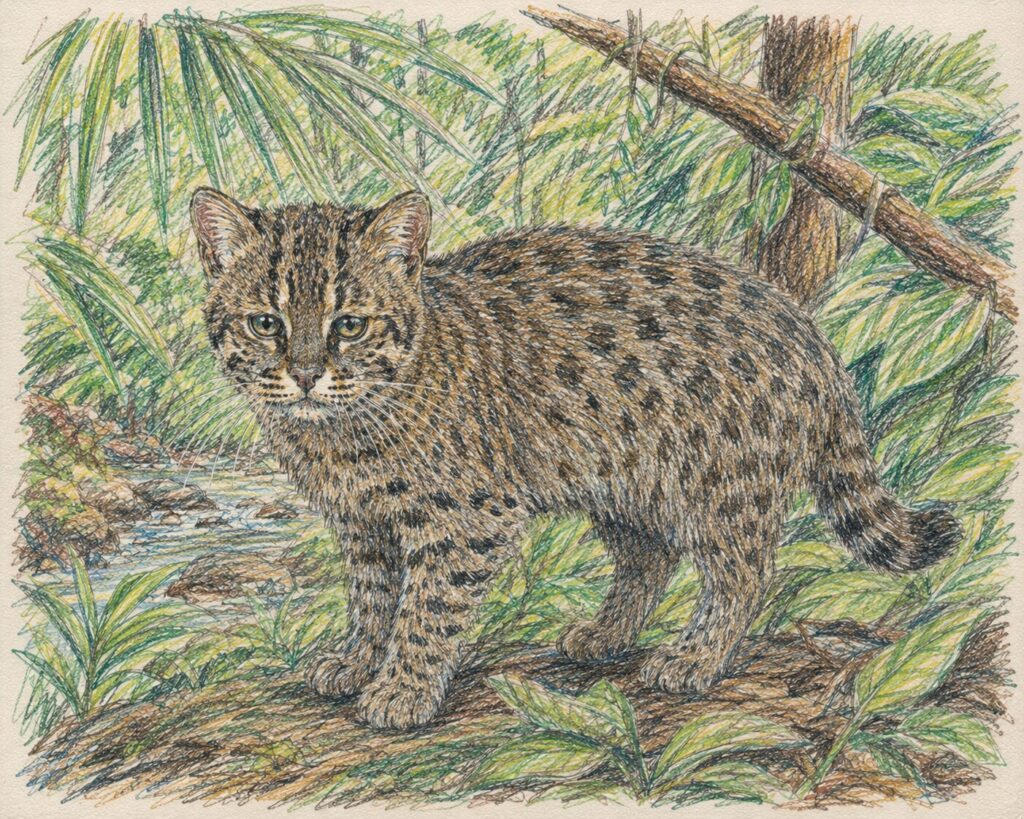
Found nowhere except Iriomote Island, the Iriomote cat is one of the rarest wild cats in the world.
The species was first scientifically described in the 1960s and remains one of Japan’s most iconic endangered animals.
Today, habitat loss and road mortality continue to threaten its survival.
Endemic Birds of Japan
Okinawa Rail (Hypotaenidia okinawae)
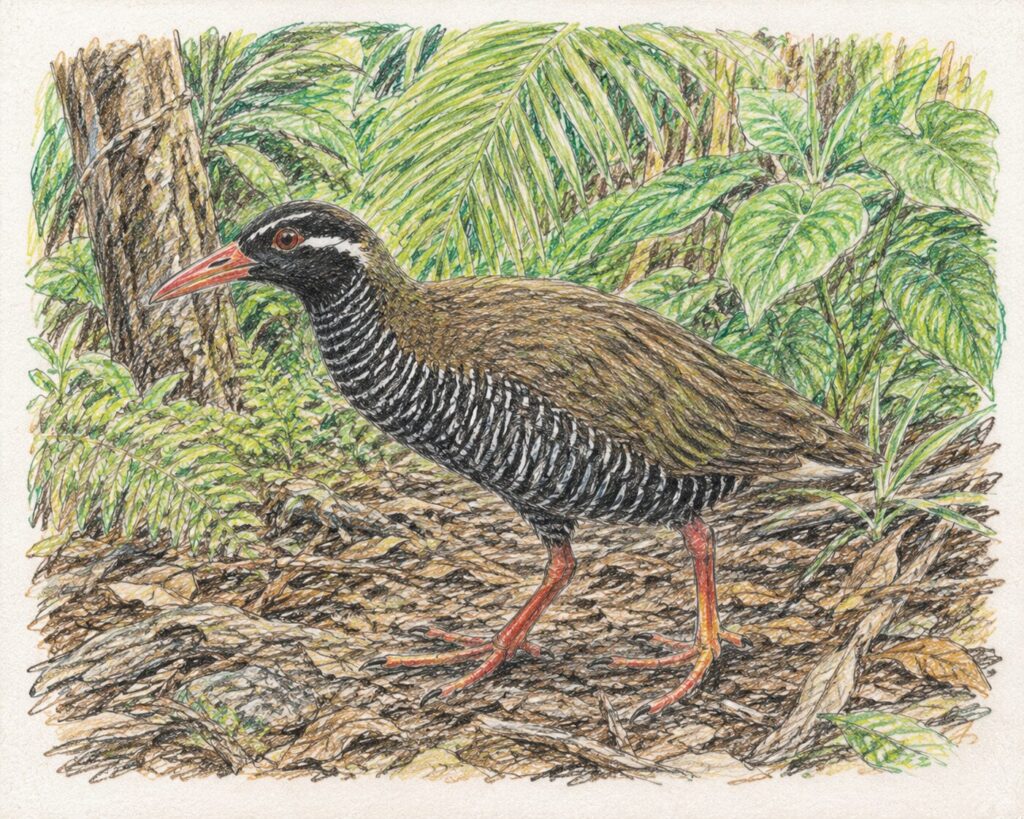
The Okinawa rail is a flightless bird found only in the forests of northern Okinawa.
Described as a new species in 1981, it quickly became one of Japan’s most famous endemic birds.
With its dark plumage, red bill, and strong legs, the Okinawa rail is perfectly adapted to life on the forest floor.
Lidth’s Jay (Garrulus lidthi)
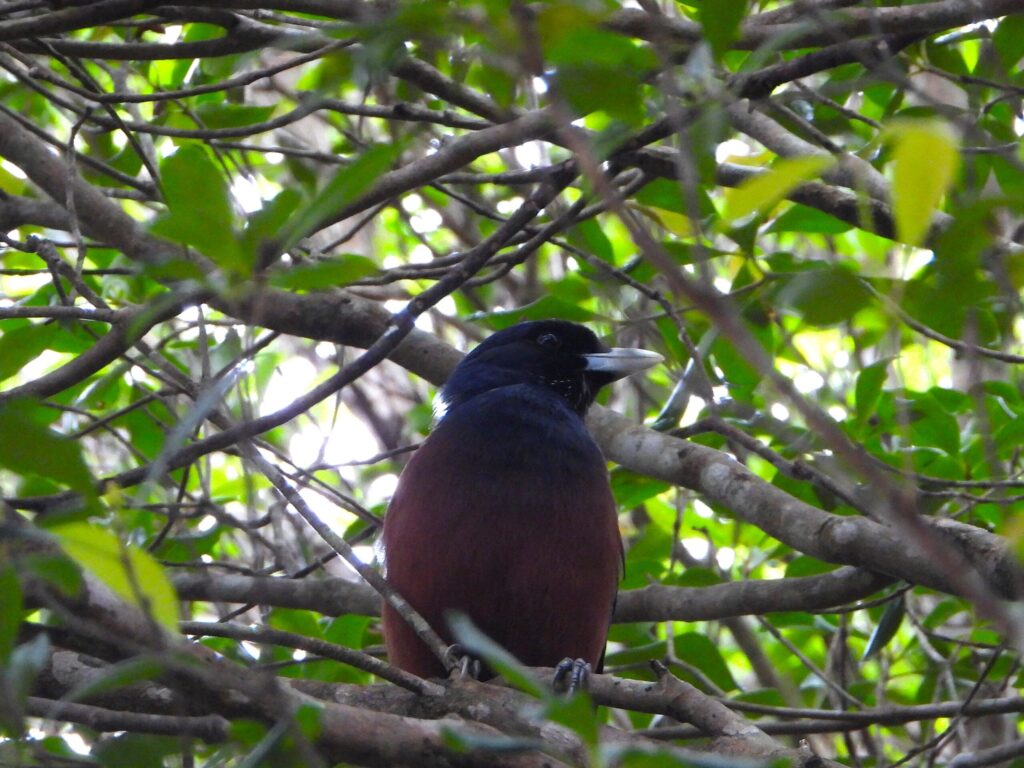
Among Japan’s most colorful birds, Lidth’s jay is a striking member of the crow family.
Its vivid blue and chestnut plumage makes it one of the most beautiful endemic birds in the country.
Although globally rare, it can often be observed in forests and even around villages on Amami Oshima.
Okinawa Woodpecker (Dendrocopos noguchii)
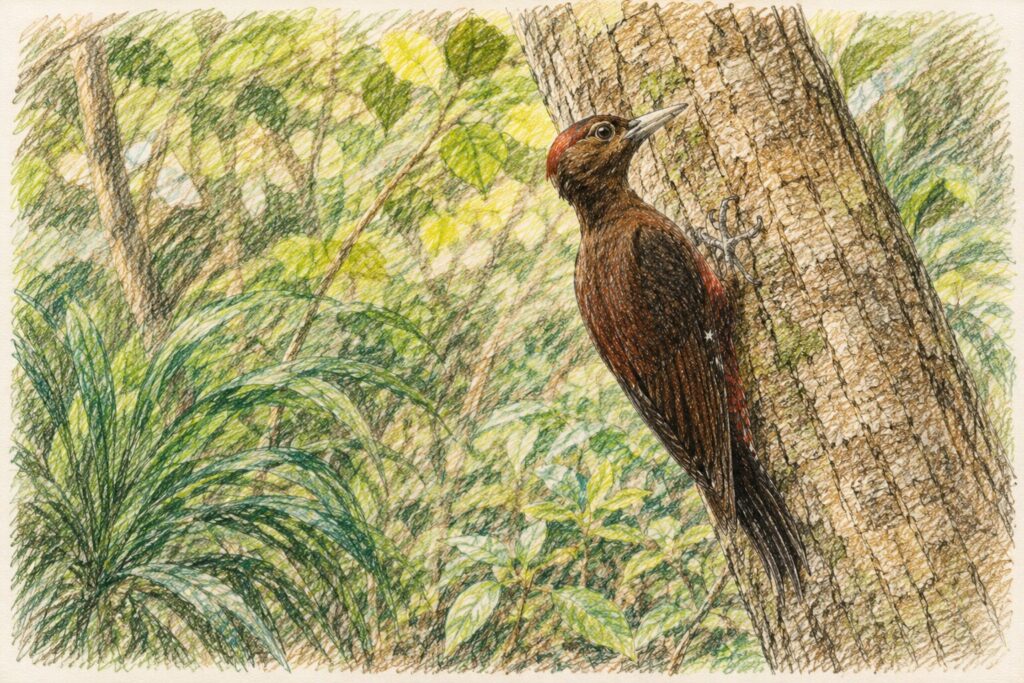
The Okinawa woodpecker is one of the rarest woodpeckers on Earth.
Restricted to the Yanbaru forests of northern Okinawa, it depends on mature native woodland for survival.
Because of its extremely limited range and declining habitat, it is considered one of Japan’s most threatened bird species.
Japanese Green Woodpecker (Picus awokera)
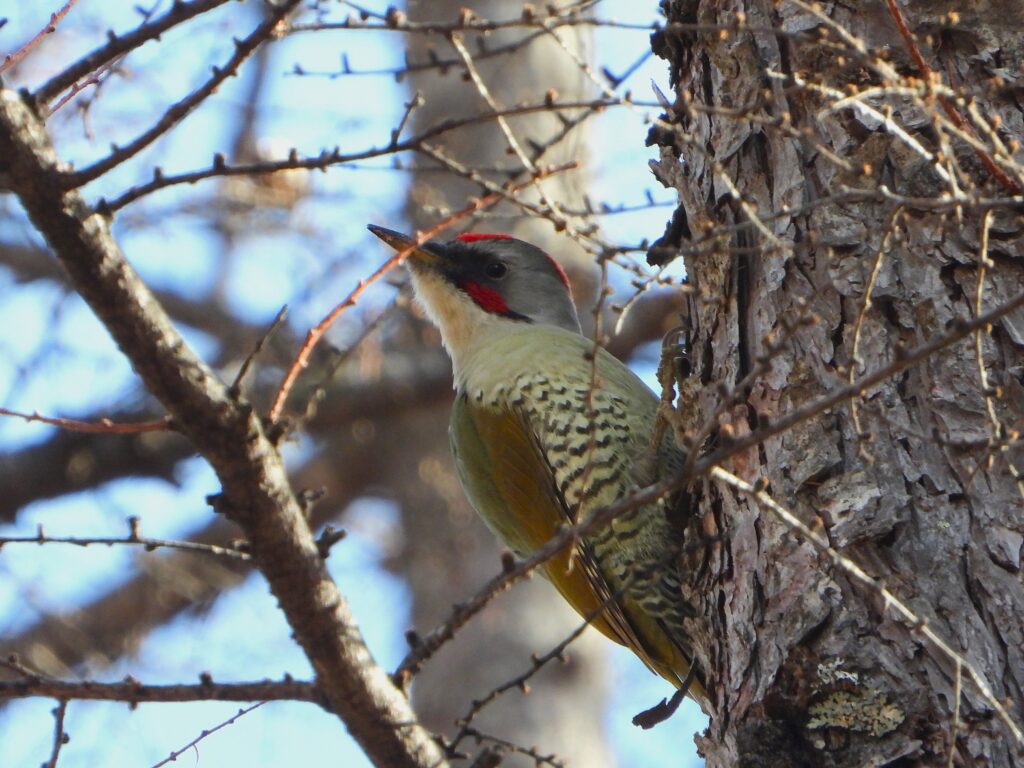
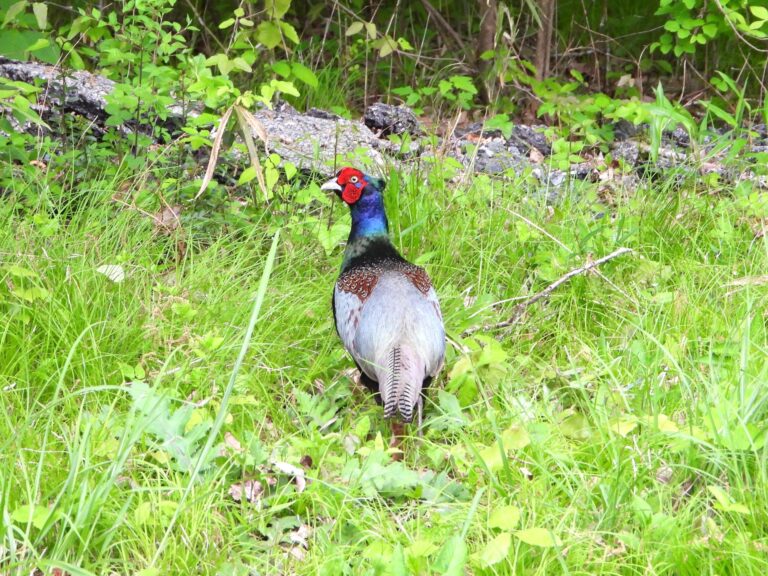
Endemic to Japan, the Japanese green woodpecker is one of the country’s most widespread endemic birds.
Its green plumage and distinctive call make it a favorite among birdwatchers.
The species occurs in forests across much of Honshu, Shikoku, and Kyushu.
▶ Japanese Green Woodpecker Guide
Endemic Amphibians of Japan
Japanese Giant Salamander (Andrias japonicus)
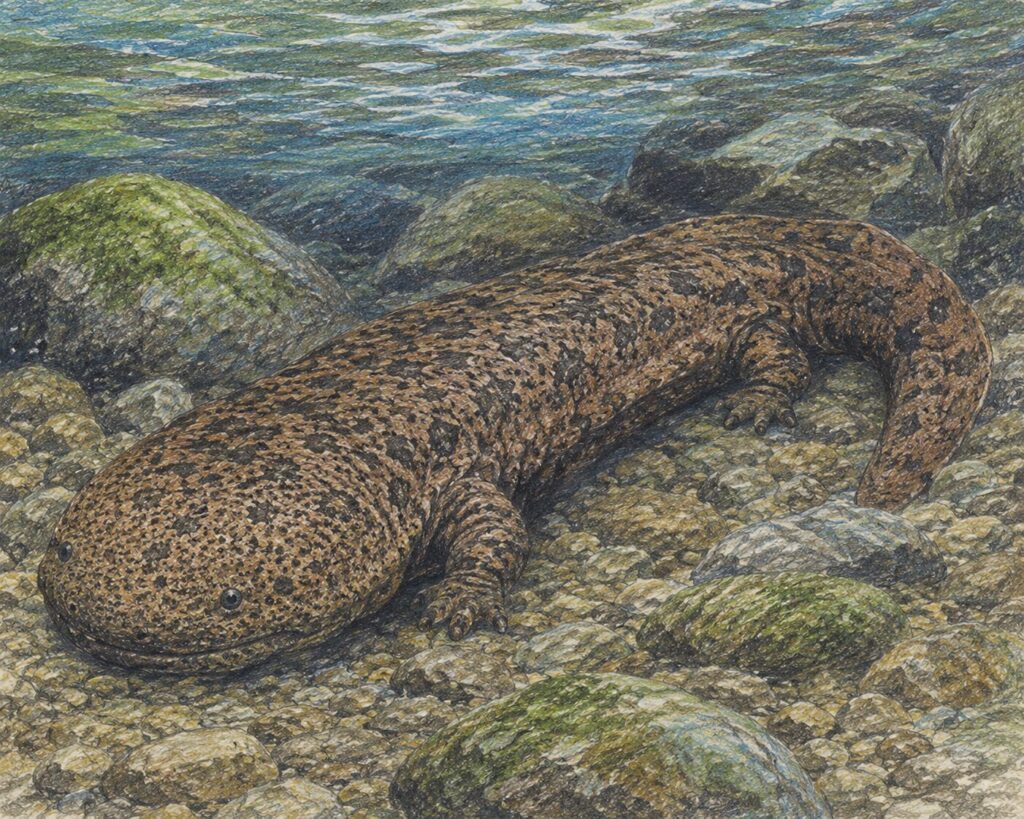
The Japanese giant salamander is one of the largest amphibians on Earth.
Adults can exceed one meter in length and inhabit cool, clean rivers in western Japan.
This remarkable species has changed little over millions of years and is designated as a Special Natural Monument of Japan.
Amami Ishikawa’s Frog (Odorrana splendida)
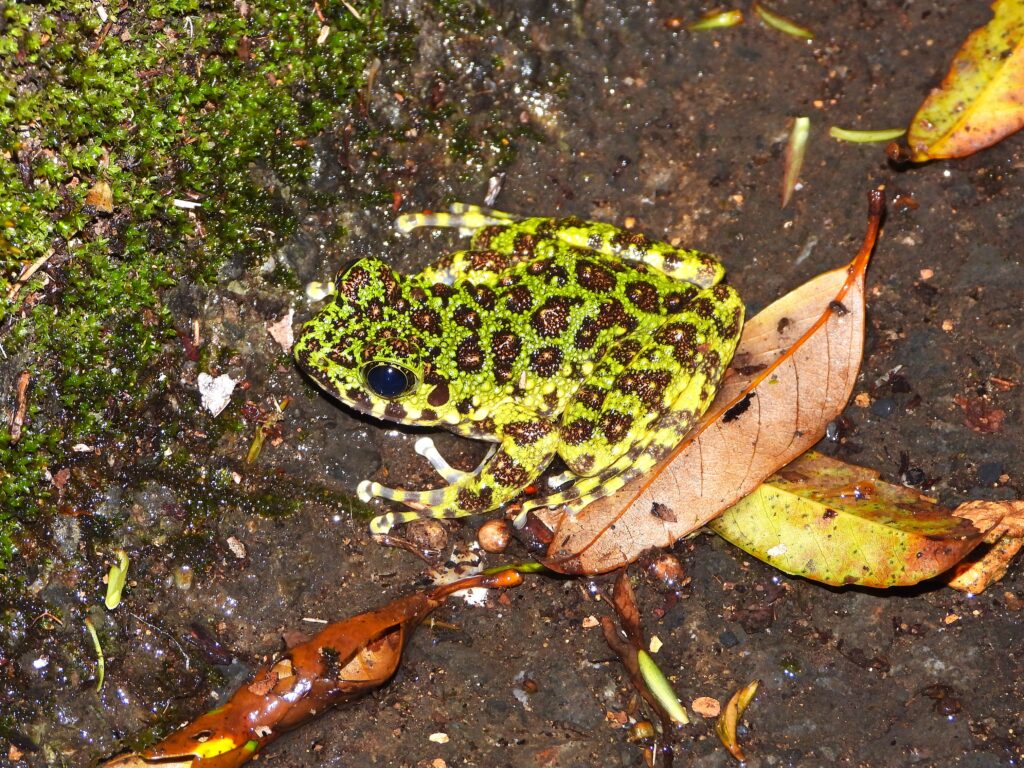
Widely regarded as one of Japan’s most beautiful frogs, the Amami Ishikawa’s frog is endemic to Amami Oshima.
It inhabits forest streams and is primarily active at night.
Its vivid green coloration and intricate markings make it one of the most distinctive amphibians in the country.
Best Places to See Endemic Wildlife in Japan
Nikko and the Mountains of Honshu
Nikko is one of the best destinations for observing endemic wildlife in mainland Japan.
Species that may be seen include:
- Japanese Serow
- Japanese Macaque
- Japanese Green Woodpecker
The combination of mountains, forests, and protected areas provides excellent wildlife-watching opportunities.
Amami Oshima
Amami Oshima is one of Japan’s most important biodiversity hotspots.
Species found here include:
- Amami Rabbit
- Lidth’s Jay
- Amami Ishikawa’s Frog
For many wildlife enthusiasts, Amami is the top destination for endemic species in Japan.
Yanbaru Forest, Okinawa
The Yanbaru region of northern Okinawa contains one of the country’s most important subtropical forests.
Here you may encounter:
- Okinawa Rail
- Okinawa Woodpecker
The area was recognized as part of a UNESCO World Heritage Site because of its exceptional biodiversity.
Iriomote Island
Iriomote Island is famous for its dense forests, mangrove rivers, and unique wildlife.
Most visitors hope to catch a glimpse of the elusive Iriomote cat, one of Japan’s most iconic endemic mammals.
▶ Wildlife in Iriomote Island
Japan’s Endemic Wildlife Is Still Full of Surprises
I have spent years observing wildlife across Japan, from the forests of Nikko to remote mountain areas.
During that time, I have been fortunate enough to encounter animals such as the Japanese serow and Japanese macaque in the wild. However, even now, there are several endemic species on this list that I have not yet seen for myself.
That is what makes Japan’s wildlife so fascinating. From the mountains of Honshu to the forests of Amami Oshima, Okinawa, and Iriomote Island, each region is home to its own unique species.
Even after years of wildlife watching, Japan continues to surprise me. There are always new animals to discover and new places to explore, which is one of the reasons I enjoy observing wildlife so much.
Threats Facing Japan’s Endemic Wildlife
Many endemic species are found in only a small area and are especially vulnerable to environmental change.
Major threats include:
- Habitat loss
- Invasive species
- Road mortality
- Climate change
Conservation efforts are essential to ensure that these unique animals continue to survive for future generations.
Final Thoughts
Japan’s endemic animals are among the most fascinating wildlife species in Asia.
From the mountain-dwelling Japanese serow to the elusive Iriomote cat and the colorful birds of the Ryukyu Islands, these animals showcase the incredible diversity of Japan’s natural heritage.
Whether you are a wildlife photographer, birdwatcher, or nature traveler, Japan offers countless opportunities to encounter species found nowhere else on Earth.