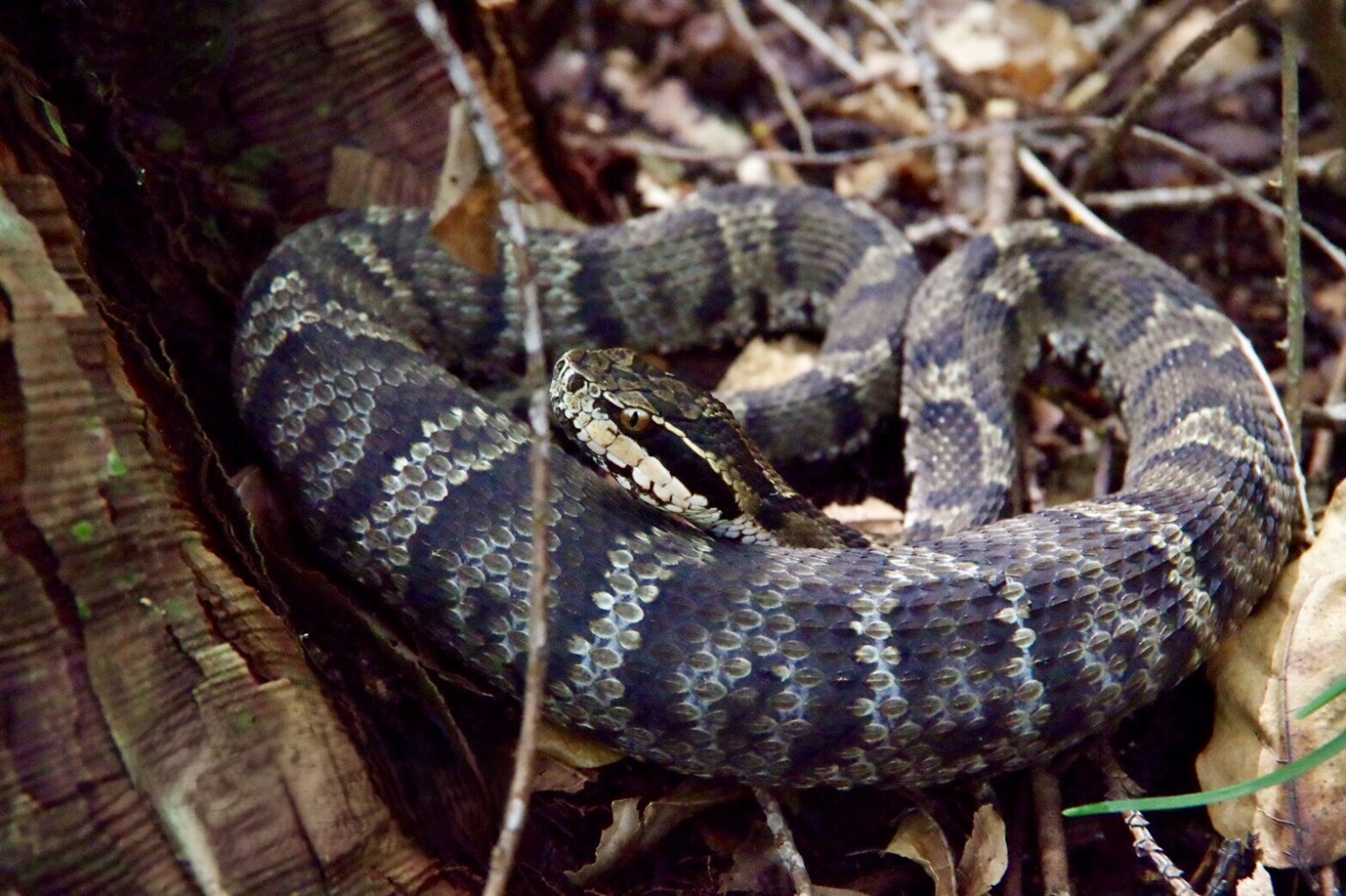
Mamushi Snake Bite: Symptoms, First Aid & Emergency Care
The Japanese Mamushi (Gloydius blomhoffii) is a venomous pit viper found across much of Japan. A bite can cause increasing pain and swelling, and some cases develop serious complications.
The severity cannot be judged from the size of the wound or the number of visible fang marks. Symptoms may worsen after initially appearing mild, so anyone who has been bitten—or may have been bitten—should seek emergency medical care immediately.
For information about the snake’s appearance, habitat, and behavior, see the Japanese Mamushi guide.
How Dangerous Is a Mamushi Bite?
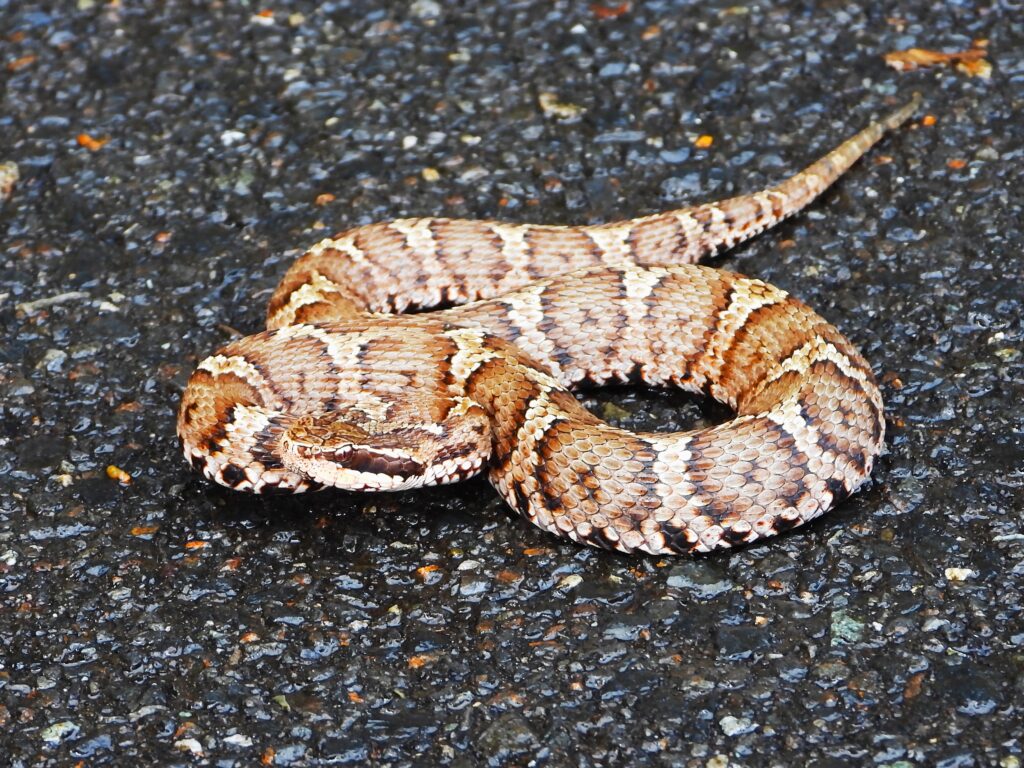
A Mamushi bite can range from localized pain and swelling to serious envenomation that requires hospital treatment.
Pain and swelling often spread gradually from the bite site. In severe cases, the venom may cause muscle damage, kidney problems, changes in platelet levels, or visual symptoms such as double vision.
The wound may look small at first, and the number of visible fang marks does not reliably show how serious the bite will become. Anyone with a suspected Mamushi bite should be evaluated at a hospital as soon as possible.
How Mamushi Venom Affects the Body
Mamushi venom contains several substances that damage tissue and affect the blood around the bite site. This commonly causes increasing pain, redness, swelling, and bruising.
In severe cases, the venom can contribute to muscle breakdown and kidney injury. The effects vary depending on factors such as the amount of venom injected, the location of the bite, and the person’s condition.
Because symptoms may progress over time, a suspected Mamushi bite requires prompt medical assessment even when the wound initially appears minor.
Symptoms of a Mamushi Bite
Pain and swelling around the bite are the most common early symptoms. The swelling may gradually spread from the bite site along the hand, foot, arm, or leg.
Other possible symptoms include:
- Redness or bruising around the wound
- Increasing pain or tightness
- Nausea, dizziness, or weakness
- Double vision or other visual problems
- Reduced urine output in severe cases
Serious envenomation may cause muscle damage, abnormal blood platelet levels, or acute kidney injury. Not every bite produces the same symptoms, and the condition may worsen after the injury initially appears mild.
Do not wait for severe symptoms to develop. A suspected Mamushi bite should be assessed at a hospital immediately.
What to Do If You Are Bitten by a Mamushi
If you are bitten—or may have been bitten—by a Mamushi, call 119 or arrange immediate transport to a hospital. Do not wait to see whether swelling develops.
- Move away from the snake and sit or lie down safely.
- Keep unnecessary movement to a minimum while help is arranged.
- Remove rings, watches, or tight clothing before swelling increases.
- Do not cut the wound or attempt to suck out the venom.
- Do not apply a tight tourniquet or pressure bandage.
- Do not try to catch or kill the snake.
Tell emergency services when and where the bite occurred and which part of the body was bitten. Follow the instructions given by the emergency dispatcher and medical staff.
How to Reduce the Risk of a Mamushi Bite

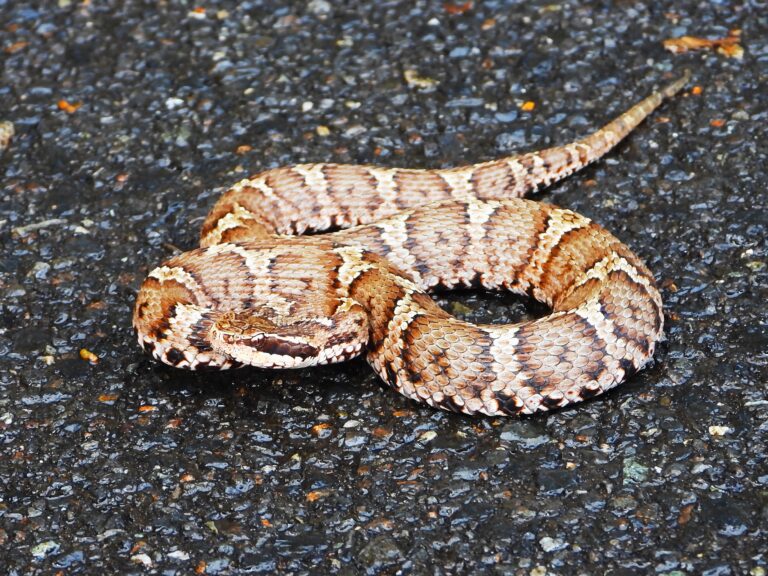
Mamushi can remain motionless and blend into grass, stones, and fallen leaves, so many encounters happen when someone accidentally steps near one or reaches into its hiding place.
- Stay on visible paths and avoid walking through dense grass when possible.
- Do not place your hands under logs, rocks, or into gaps that you cannot see clearly.
- Watch where you step around riverbanks, rice fields, forest edges, and stone walls.
- Use a flashlight when walking outdoors at night.
- Wear closed shoes and long pants in suitable Mamushi habitat.
- Never approach, touch, or attempt to move a snake.
Protective clothing cannot prevent every bite, but careful movement and avoiding hidden spaces can reduce the risk of accidental contact.
Where Mamushi Encounters Are More Likely

Mamushi are not limited to remote mountains. They may also occur in rural and semi-rural places used regularly by people.
Encounters are more likely around:
- Riverbanks and waterside grass
- Rice field edges and farmland
- Bamboo groves and forest margins
- Stone walls, fallen logs, and roadside vegetation
- Areas covered with thick grass or fallen leaves
Mamushi may remain motionless and rely on camouflage, so they can be difficult to notice before someone steps close to them. Watch the ground carefully and never place your hands into vegetation, gaps, or other places you cannot see clearly.
Japanese Mamushi are widely distributed across Hokkaido, Honshu, Shikoku, and Kyushu. For detailed information about their range and habitat, see the Japanese Mamushi guide.
Hospital Treatment for a Mamushi Bite
Treatment depends on how the symptoms progress after the bite.
At the hospital, medical staff may monitor the spread of swelling, check blood and kidney function, and provide intravenous fluids, pain relief, and other supportive care when needed.
Mamushi antivenom may be considered when swelling is extensive or other signs of severe envenomation develop. Because antivenom can cause allergic reactions, the decision to use it is made by medical professionals after assessing the patient’s condition.
Symptoms can continue to worsen after arrival, so observation or hospitalization may be necessary even when the bite initially appears mild.
Key Takeaway
A suspected Mamushi bite should always be treated as a medical emergency. Pain and swelling may spread over several hours, and serious complications can develop even when the wound initially looks minor.
Do not wait at home for symptoms to worsen. Call 119 or seek hospital care immediately, keep unnecessary movement to a minimum, and follow the instructions of emergency services and medical staff.
For information about the snake’s identification, habitat, and behavior, see the Japanese Mamushi guide.
Frequently Asked Questions
Can a Mamushi Bite Be Fatal?
Severe Mamushi bites can be life-threatening, although deaths are uncommon. Complications may include extensive swelling, muscle damage, kidney injury, shock, or abnormal blood clotting.
How Quickly Do Mamushi Bite Symptoms Appear?
Pain and swelling usually begin around the bite site and may spread gradually over several hours. The wound can initially appear minor, so do not wait for symptoms to become severe before seeking medical care.
Is Antivenom Used for Mamushi Bites in Japan?
Yes. Mamushi antivenom is available in Japan and may be considered when severe swelling or other signs of serious envenomation develop. It is not automatically given for every bite; medical professionals decide based on the patient’s symptoms and condition.
What Should I Do If I Am Not Sure the Snake Was a Mamushi?
Treat any suspected venomous snakebite as an emergency. Call 119 or seek hospital care immediately. Do not delay treatment while trying to identify, catch, or photograph the snake.
Related Japanese Snake Guides
For more information about Japanese snakes, identification, and venomous species, see: