Winter Birdwatching in Japan: 15 Birds You Can See
Winter is one of the easiest seasons for birdwatching in Japan.
With no leaves on the trees, birds are much easier to spot.
At the same time, many migratory birds arrive from the north, increasing the number of species you can see.
You don’t need to go deep into the mountains. Many birds can be found in city parks, rivers, and lakes.
Another key feature of winter is mixed flocks.
Small birds often move together, so once you find one group, you may see several species at once.
In this guide, you’ll learn about 15 birds you can actually see in Japan during winter, along with simple tips to help you find them.
Winter brings many migratory birds to Japan, including ducks and other species that are much easier to find at this time of year. For a broader guide to common, native, endemic, and seasonal birds:
▶ Explore the complete Birds in Japan guide
Why Winter Is a Great Season for Birdwatching in Japan
Winter makes birdwatching easier and more predictable.
Without leaves, visibility improves, especially in forests.
Birds are easier to spot, even for beginners.
Food is limited in winter, so birds gather around water and feeding areas.
If you know where to look, you can find them more easily.
Many winter visitors, such as thrushes and redstarts, are also present.
This increases the variety of birds you can see.
Small birds often form mixed flocks and move together through trees.
Finding one flock can lead to spotting several species at once.
15 Birds You Can See in Japan in Winter
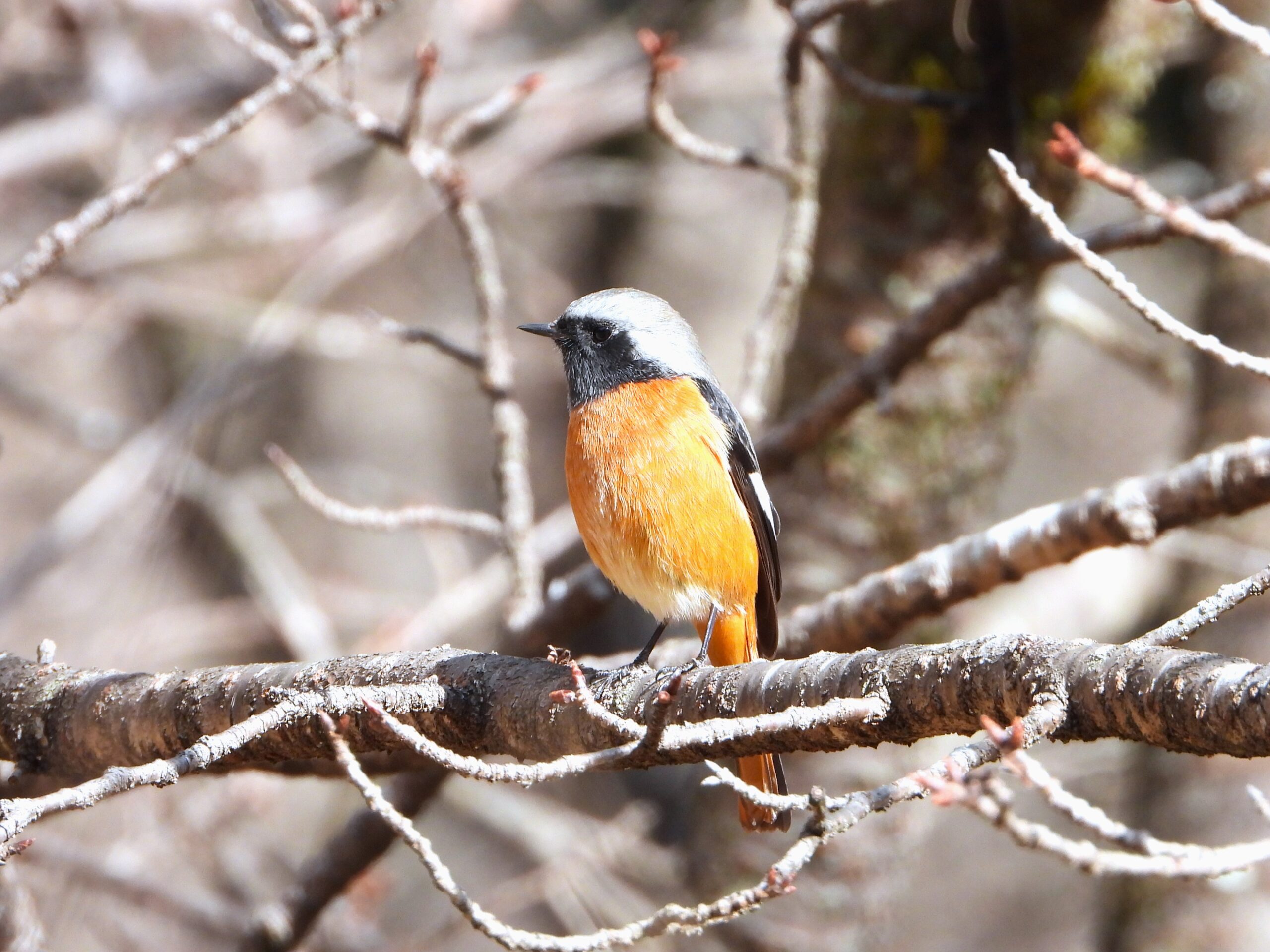
Daurian Redstart
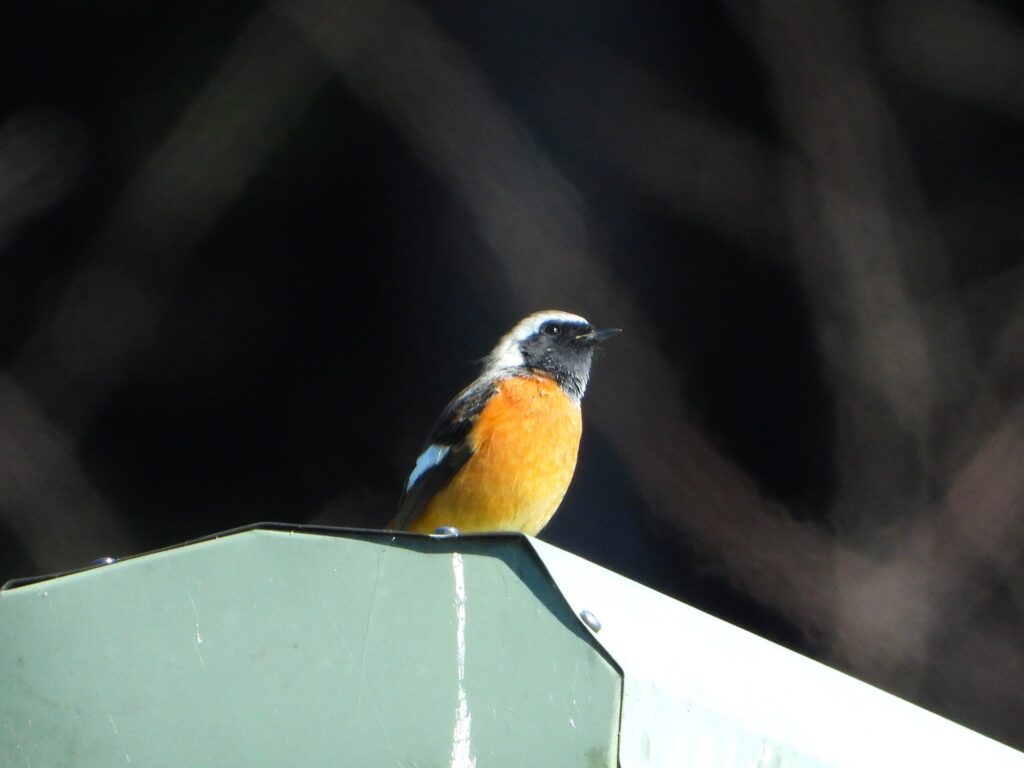
A classic winter bird in Japan.
Often seen in parks, open spaces, and even residential areas.
▶ Learn more about Daurian Redstart
Red-flanked Bluetail
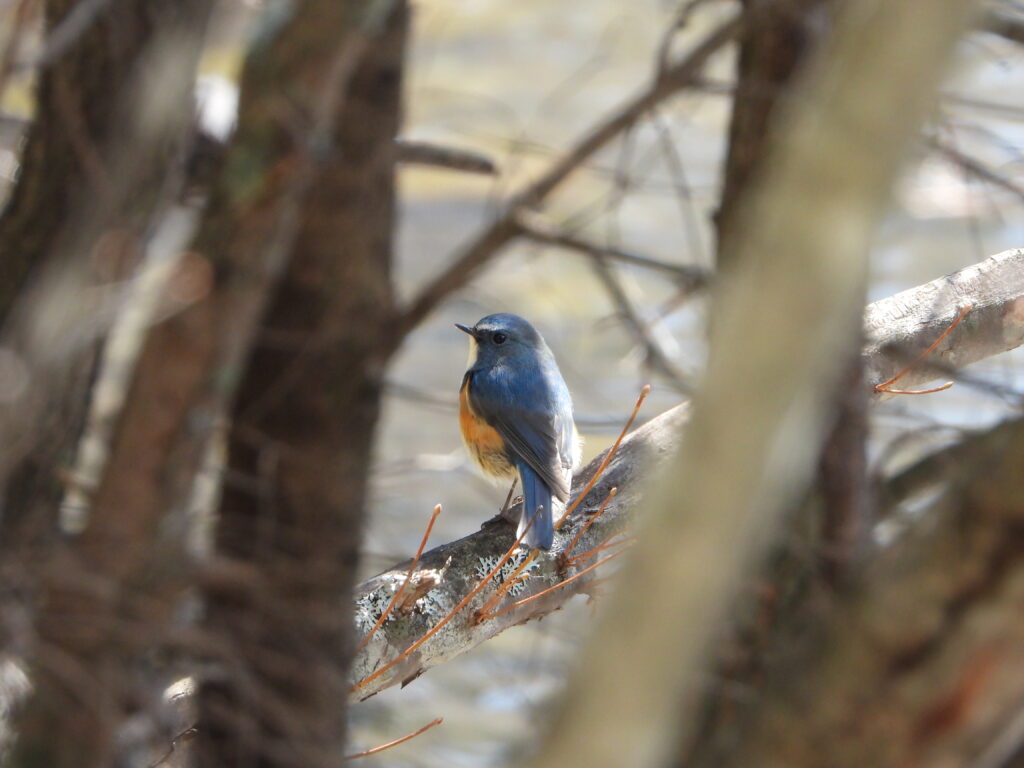
A popular winter bird with bright blue plumage.
Usually found in forests or at forest edges, often near the ground.
▶ Learn more about Red-flanked Bluetail
Dusky Thrush
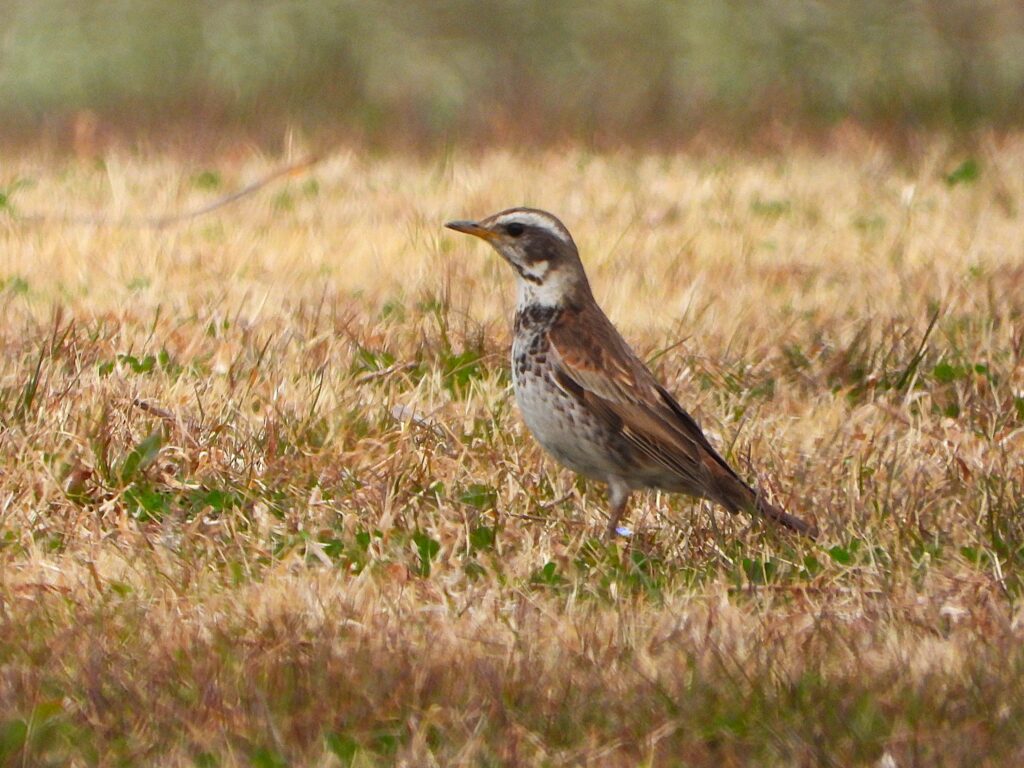
Very common in winter.
Often seen walking on the ground in parks and grassy areas.
▶ Learn more about Dusky Thrush
Bull-headed Shrike
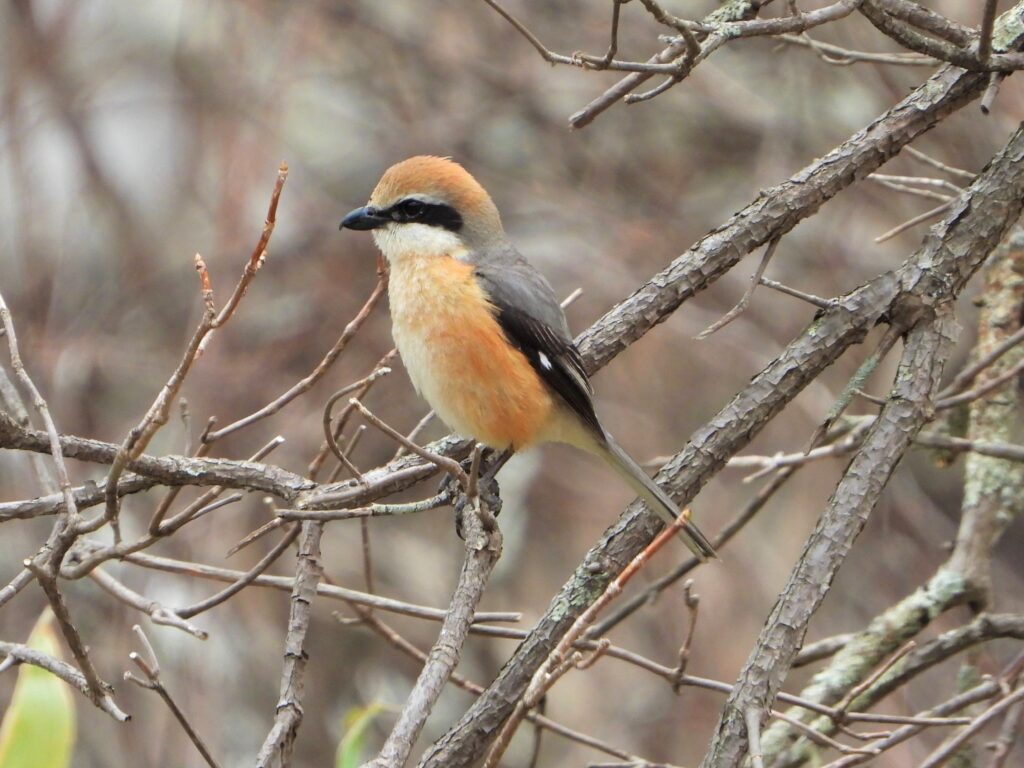
Often perched in open areas, watching for prey.
Easy to spot on wires, branches, or exposed perches.
▶ Learn more about Bull-headed Shrike
Brambling
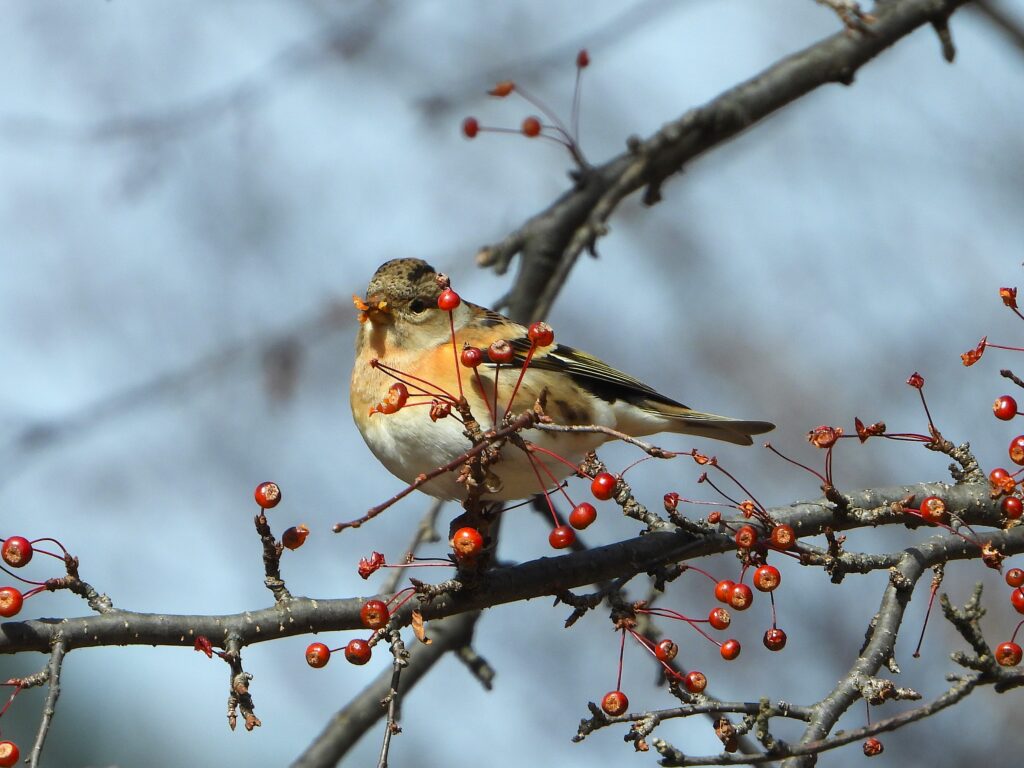
Often seen in flocks during winter.
Found in parks and woodlands, feeding on seeds.
Long-tailed Rosefinch
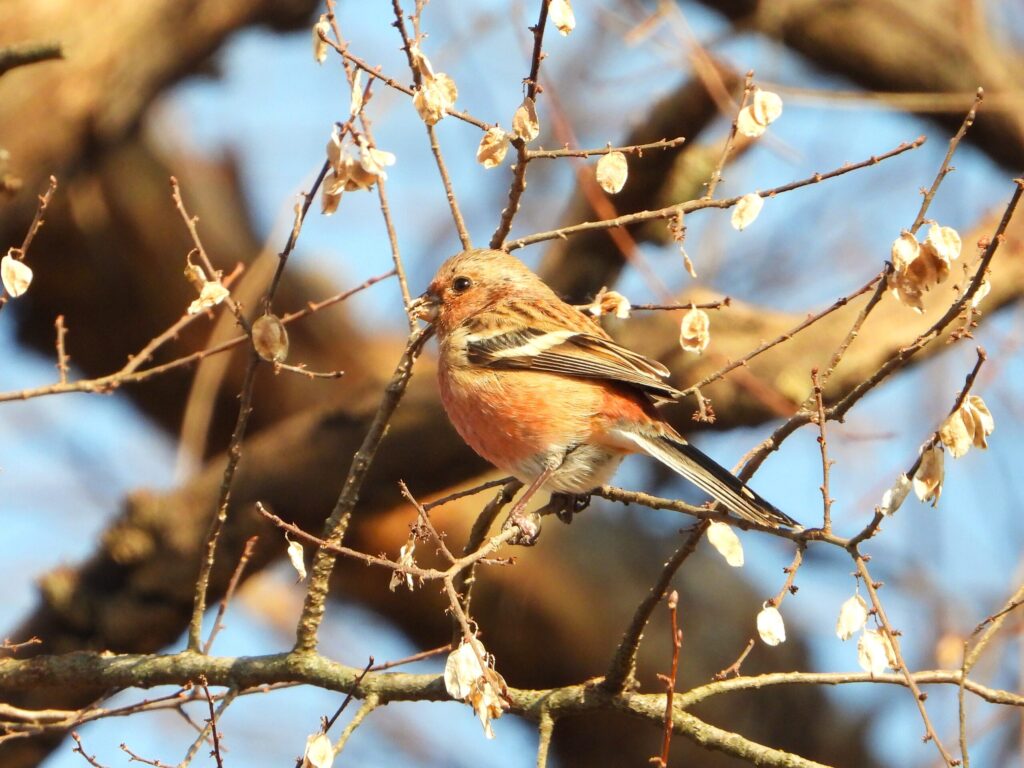
A small finch with reddish coloring.
Often found in grasslands and riverbanks.
▶ Learn more about Long-tailed Rosefinch
Eurasian Siskin
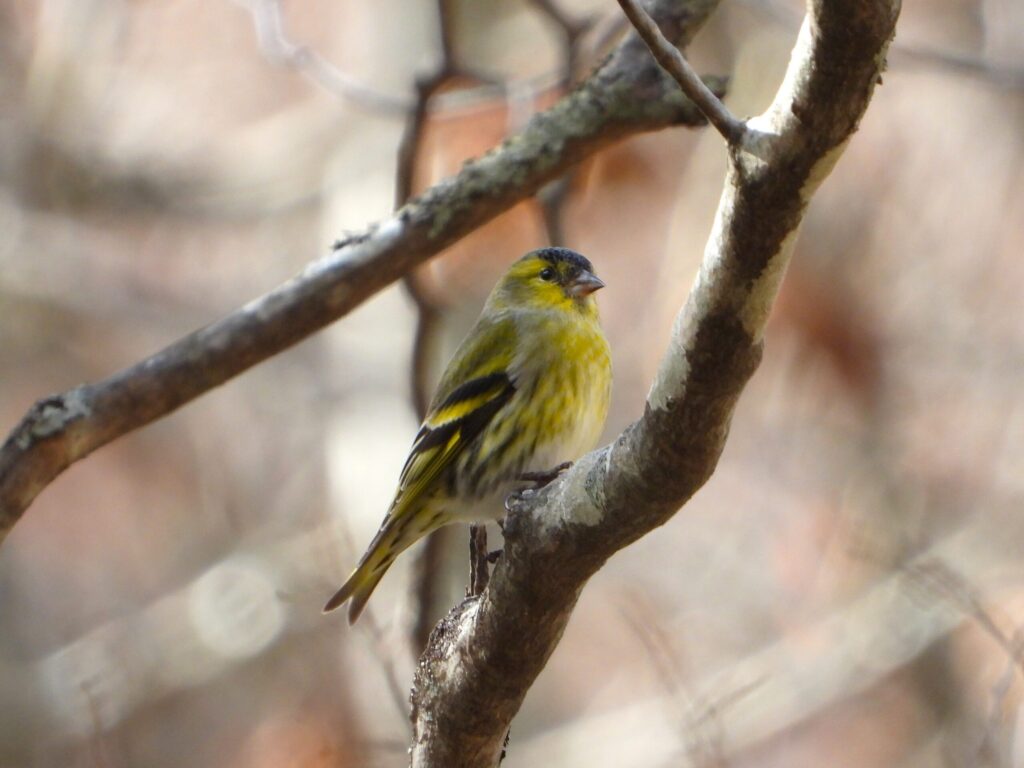
A small, active bird that moves in flocks.
Usually seen feeding in trees.
▶ Learn more about Eurasian Siskin
Mallard
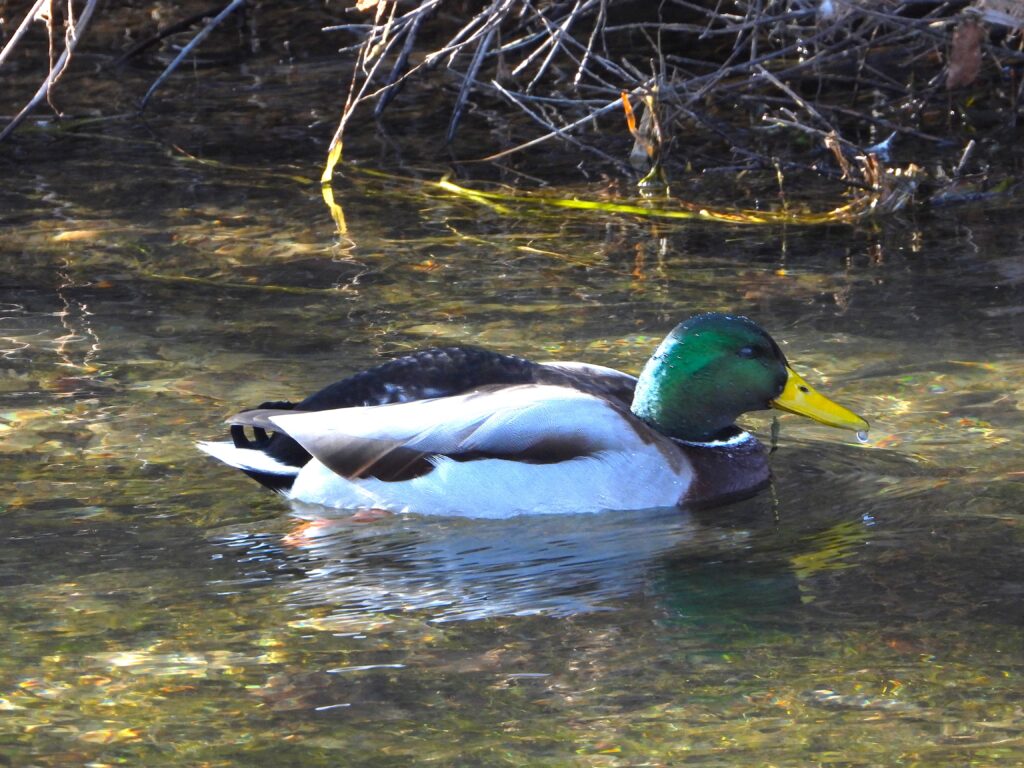
A common duck found in lakes and ponds.
Males are easy to recognize with their green heads.
Northern Pintail
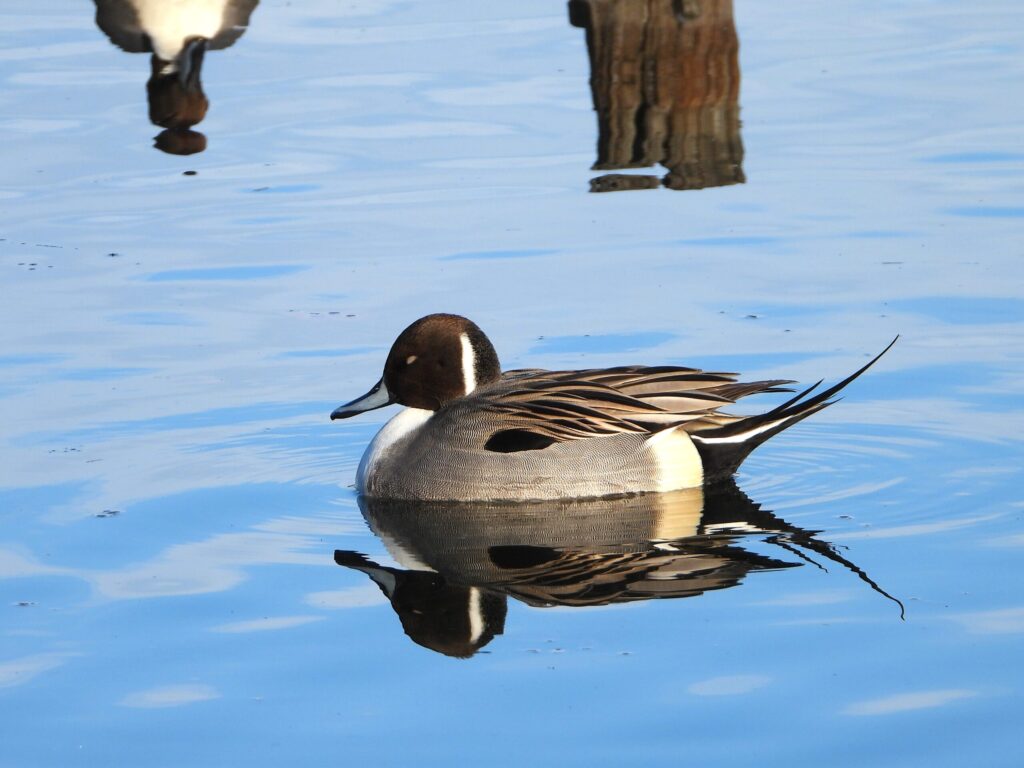
A slender duck with a long tail.
Often seen in groups on rivers and lakes.
▶ Learn more about Northern Pintail
Tufted Duck
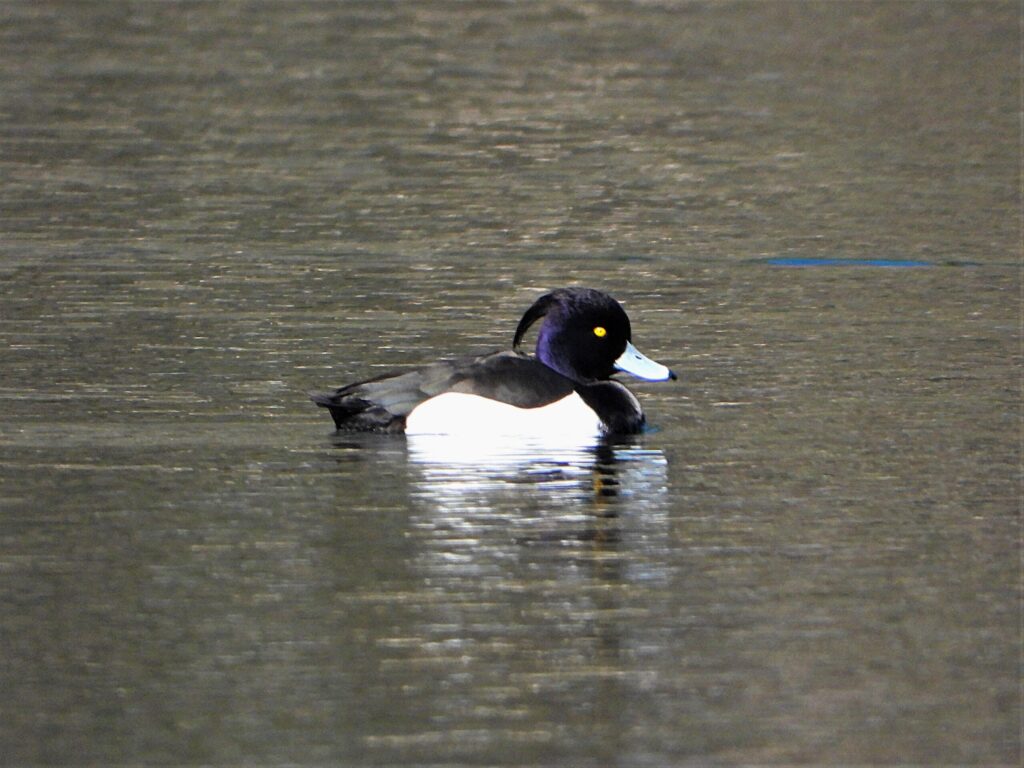
A diving duck that feeds underwater.
Common in urban ponds as well.
▶ Learn more about Tufted Duck
Japanese Tit
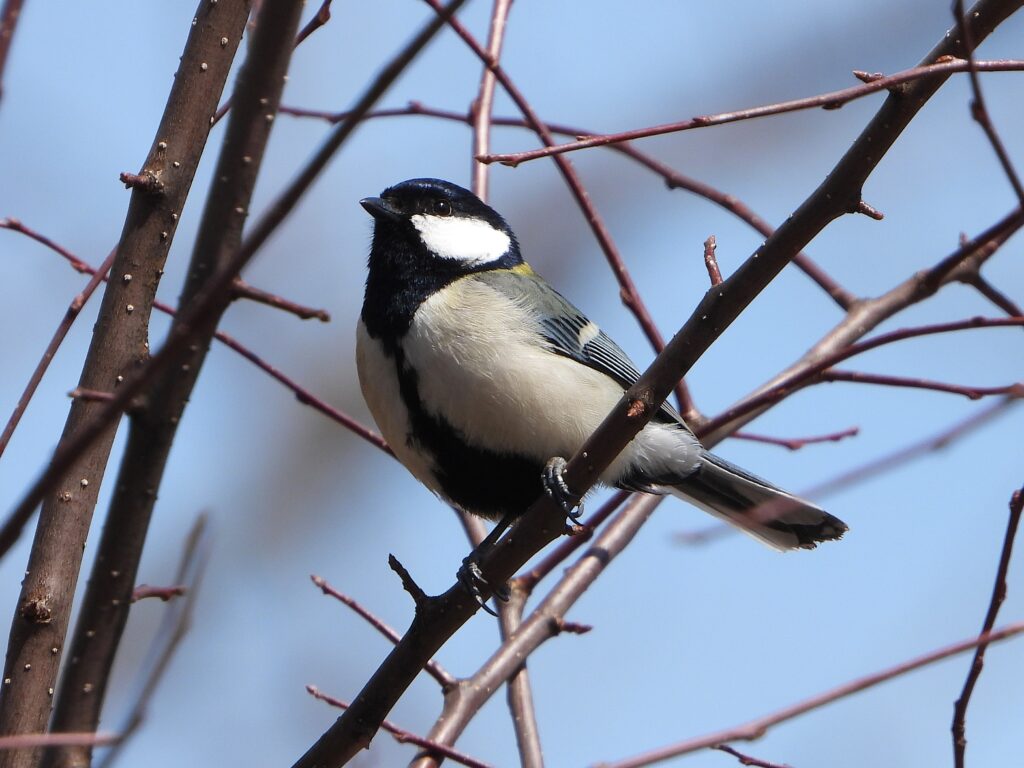
A common small bird and a key member of mixed flocks.
Its calls can help you locate other birds.
▶ Learn more about Japanese Tit
Long-tailed Tit
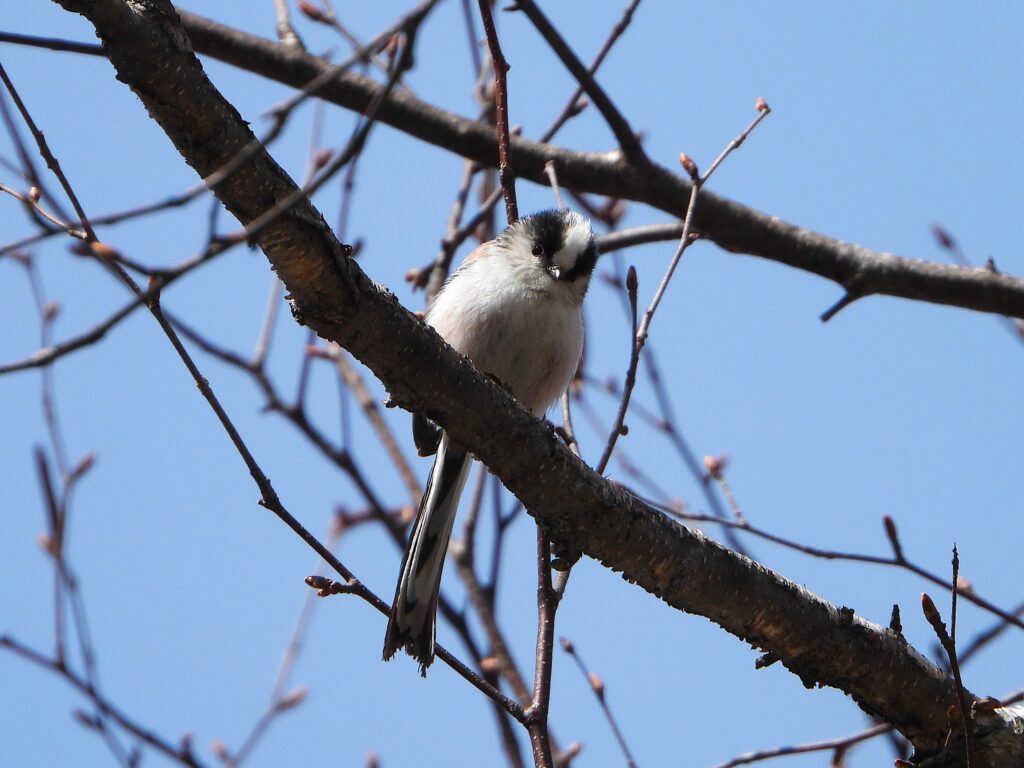
A small bird with a long tail, usually moving in groups.
Often seen together with other small birds.
▶ Learn more about Long-tailed Tit
Varied Tit
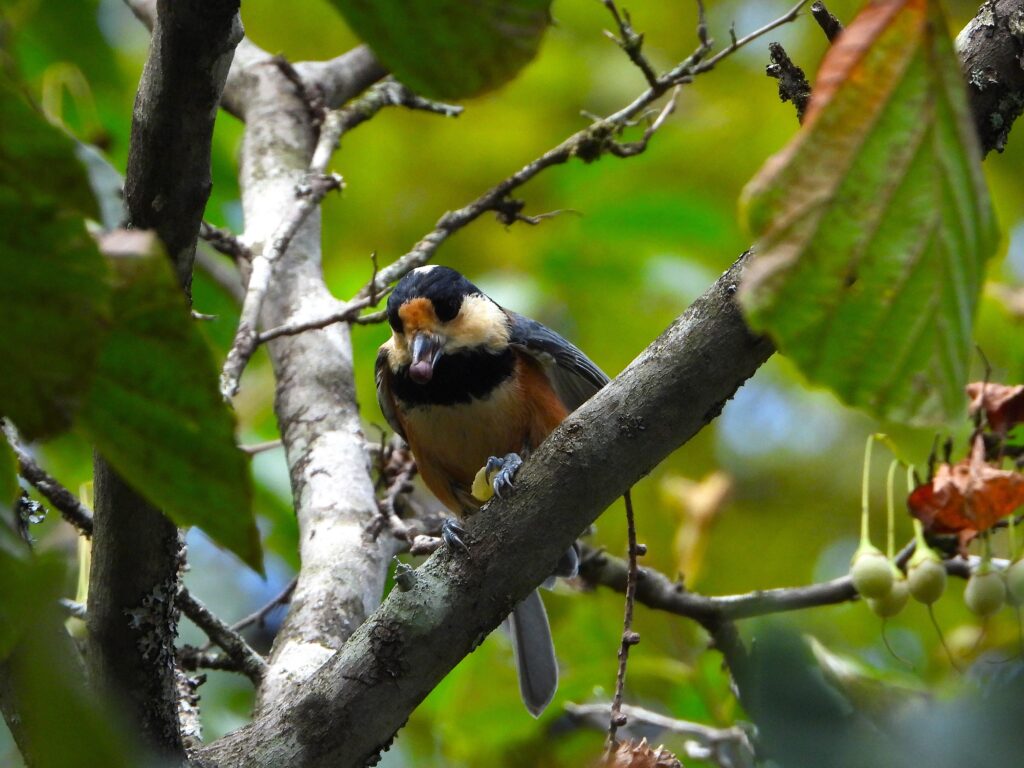
A colorful small bird often found in wooded areas.
Sometimes joins mixed flocks.
Japanese Pygmy Woodpecker
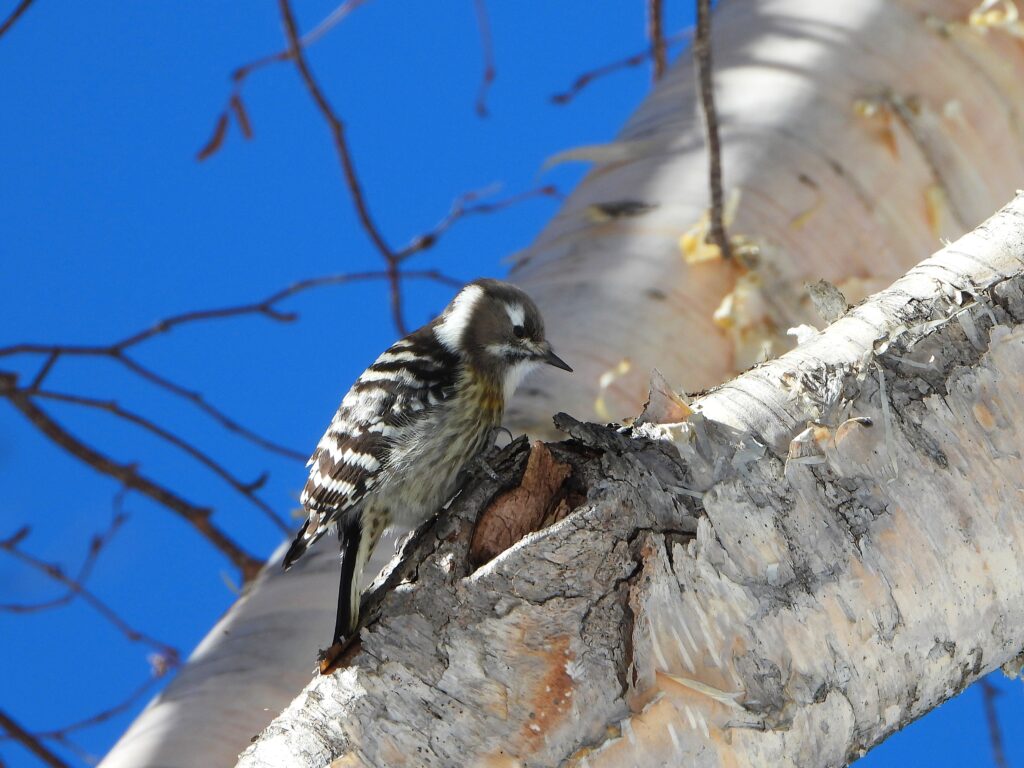
Japan’s smallest woodpecker.
Often noticed by its tapping sound on trees.
▶ Learn more about Japanese Pygmy Woodpecker
Brown-eared Bulbul
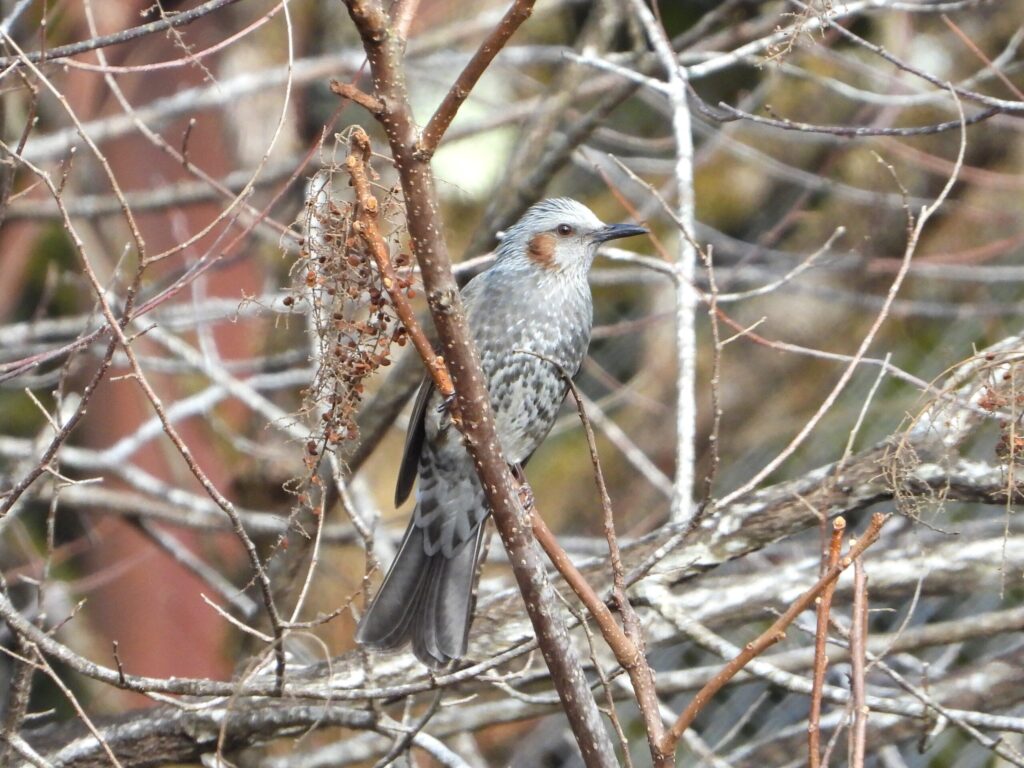
A common resident bird in Japan.
Its loud calls make it easy to notice.
▶ Learn more about Brown-eared Bulbul
Best Time of Day for Winter Birdwatching
Bird activity changes throughout the day.
Early morning is usually the best time.
Birds are more active in the cold and easier to find.
During the day, water areas are especially productive.
Ducks and other waterbirds are easy to observe.
In the evening, some birds become active again.
However, daylight is short, so time is limited.
Overall, winter offers good visibility throughout the day.
Birdwatching in Japan by Month
December
Winter birds begin to arrive.
In some areas, numbers may still be low.
January
The best and most reliable month.
Many winter birds are present and easy to observe.
February
Bird behavior starts to change as the season shifts.
You may notice more movement than in mid-winter.
Best Places for Winter Birdwatching in Japan
Bird species vary depending on the environment.
Good places to look include:
- Urban parks
- Rivers
- Lakes and ponds
- Forest edges
- Grasslands
Water areas are especially productive.
Many ducks gather in these places.
In forests, look for small bird flocks.
These groups often include several species.
Open areas are good for birds like shrikes and finches.
Even in a large city like Tokyo, many winter birds can be seen in parks and along rivers.
▶ Wildlife You Can See Around Japanese Cities
▶ Birdwatching in Tokyo: 10 Best Spots for Travelers
Tips for Winter Birdwatching
Here are some simple tips to help you find birds.
Listen for bird calls.
Flocks often make noise as they move.
When you find one bird, check nearby.
There may be more species around.
Focus on water areas.
You can often see many birds in a short time.
Dress warmly so you can stay outside longer.
Conclusion
Winter is one of the easiest seasons for birdwatching in Japan.
Birds are easier to see, and many species are present.
Even beginners can enjoy finding a variety of birds.
Focus on flocks and water areas, and you’ll quickly spot many species.
Related Articles
Explore birdwatching in other seasons:
▶ Spring Birdwatching in Japan: 15 Birds You Can See
▶ Summer Birdwatching in Japan: 15 Birds You Can See
▶ Autumn Birdwatching in Japan: 15 Birds You Can See