Reptiles in Japan: Snakes, Lizards and Venomous Species
Introduction
Japan is home to many reptiles, from small lizards living near houses to venomous snakes hidden in mountain forests.
Although reptiles are less famous than Japan’s birds or mammals, they are an important part of the country’s wildlife.
Reptiles can be found in many places across Japan, including rice fields, stone walls, forest trails, parks, and the subtropical forests of the southern islands.
If you look carefully while walking outdoors, you may be surprised by how often you spot them.
This guide introduces common reptiles in Japan, where they live, dangerous species to know about, and tips for finding them safely.
If you would like to see more reptiles with photos, check out:
▶ Reptiles of Japan
Are There Reptiles in Japan?
Yes — Japan has many reptile species.
Because the country stretches from cool northern regions to subtropical southern islands, the reptiles found in each area can be very different.
On mainland Japan, common reptiles include Japanese grass lizards and Japanese rat snakes.
Meanwhile, Okinawa and the Ryukyu Islands are home to many subtropical species not found elsewhere in Japan.
Snakes, lizards, geckos, and turtles can all be found throughout the country.
Most reptiles avoid humans, but venomous snakes such as mamushi and habu also live in certain regions.
Reptiles are most active from spring to autumn.
Summer is usually the best season for reptile watching.
What Reptiles Live in Japan?
Snakes
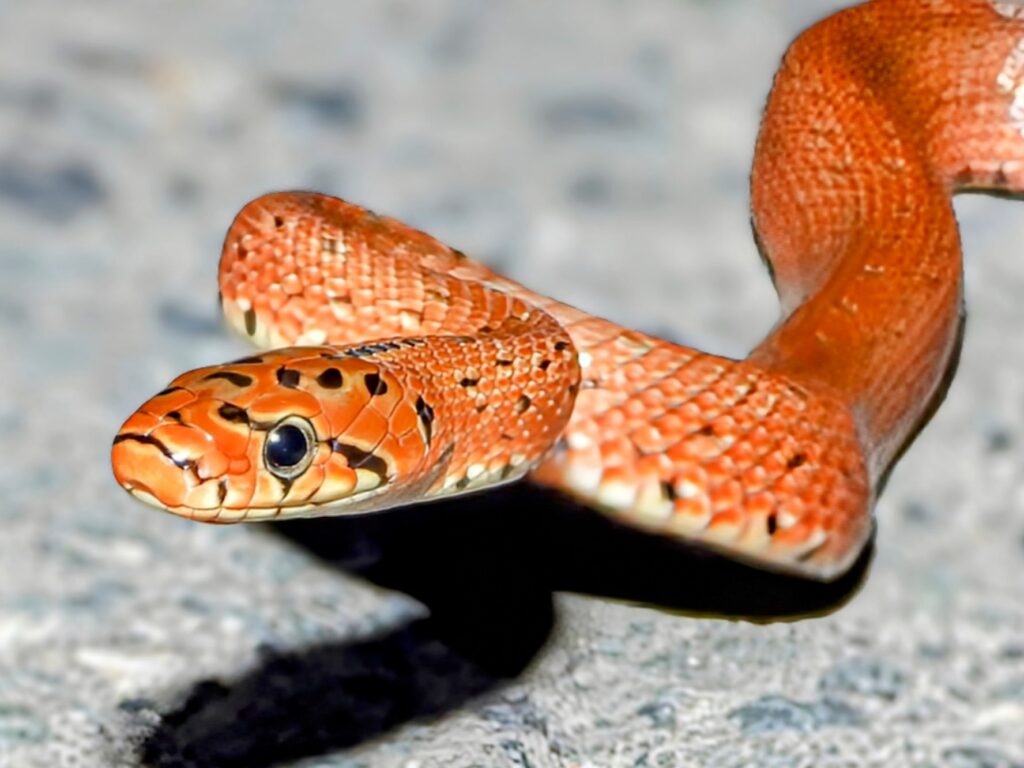
Japan has many kinds of snakes, from harmless species to venomous pit vipers.
Common non-venomous snakes include the Japanese rat snake and Japanese striped snake.
Different species live in forests, grasslands, wetlands, farmland, and riversides.
Snakes are sometimes seen near rice fields or quiet rural roads.
Most snakes are shy and quickly escape when people approach.
Lizards
Lizards are among the most commonly seen reptiles in Japan.
They prefer warm sunny places such as stone walls, roadsides, forest edges, and farmland.
On warm days, they are often seen basking on rocks or pavement.
Japanese skinks and Japanese grass lizards are especially common during summer.
Geckos
Geckos are often found around houses and buildings.
They are active at night and feed on insects attracted to lights.
They are commonly seen on walls, near entrances, or around vending machines.
Japanese geckos are harmless and are sometimes considered lucky animals in Japan.
Turtles
Freshwater turtles live in ponds, rivers, and wetlands across Japan.
During warm weather, they are often seen resting on rocks or fallen logs.
Some species are native to Japan, while others were introduced from overseas.
Turtles can even be found in city parks.
Sea Turtles
Sea turtles visit the warmer coastal areas of Japan.
Loggerhead turtles are especially well known and sometimes nest on sandy beaches in southern Japan.
Some nesting beaches are protected to help conserve these animals.
Common Reptiles in Japan
Japanese Skink
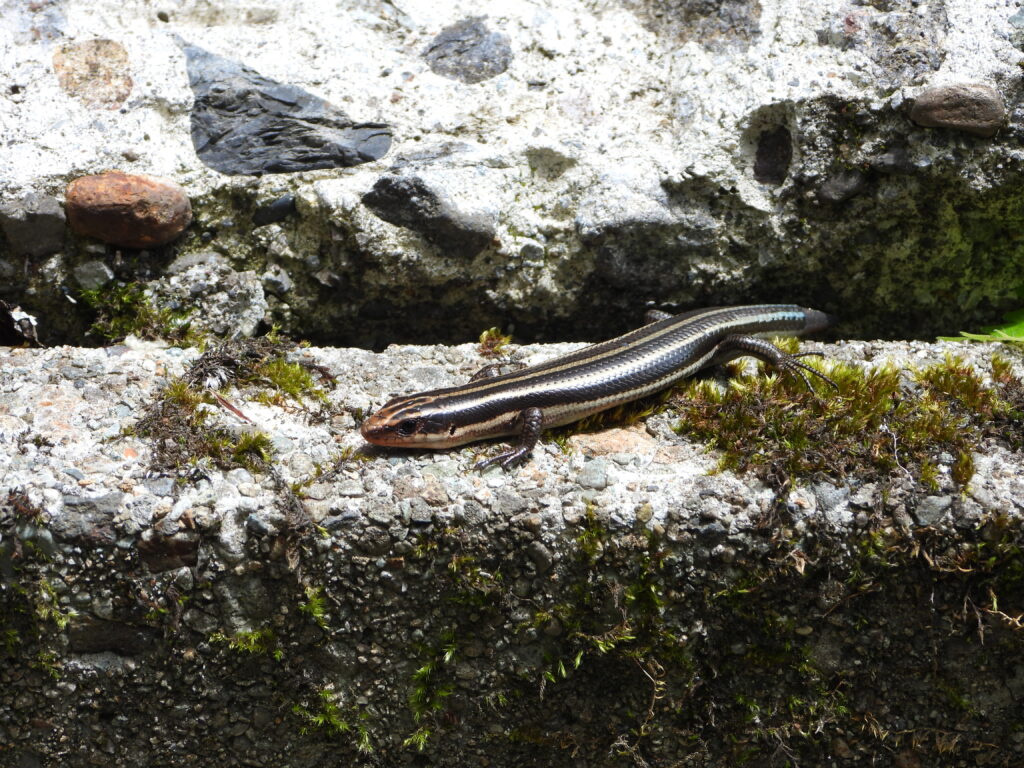
The Far Eastern skink is one of the most familiar lizards in Japan.
Young skinks are easy to recognize because of their bright blue tails.
They are often found around stone walls, gardens, roadsides, and forest edges.
On warm days, they can be surprisingly easy to spot.
▶ Japanese Skink — Species guide
Japanese Grass Lizard

The Japanese grass lizard is a slender reptile commonly found in grasslands, farmland, and parks.
It is very active during warm weather.
These lizards often dart quickly through grass and low vegetation.
▶ Japanese Grass Lizard — Species guide
Japanese Rat Snake
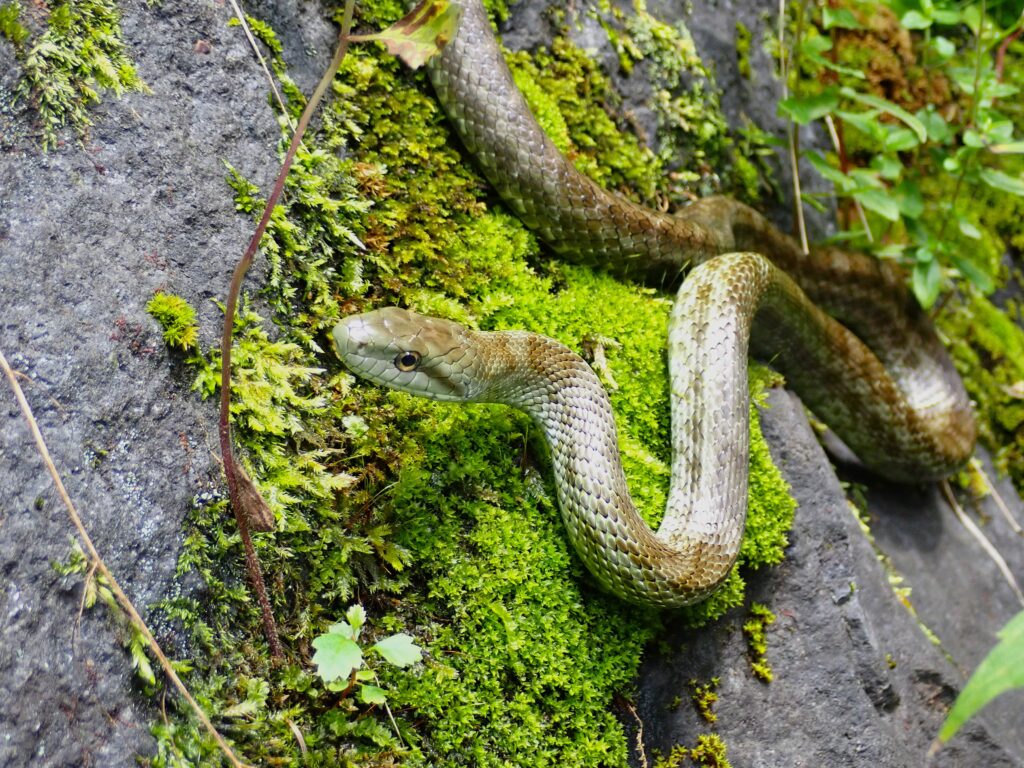
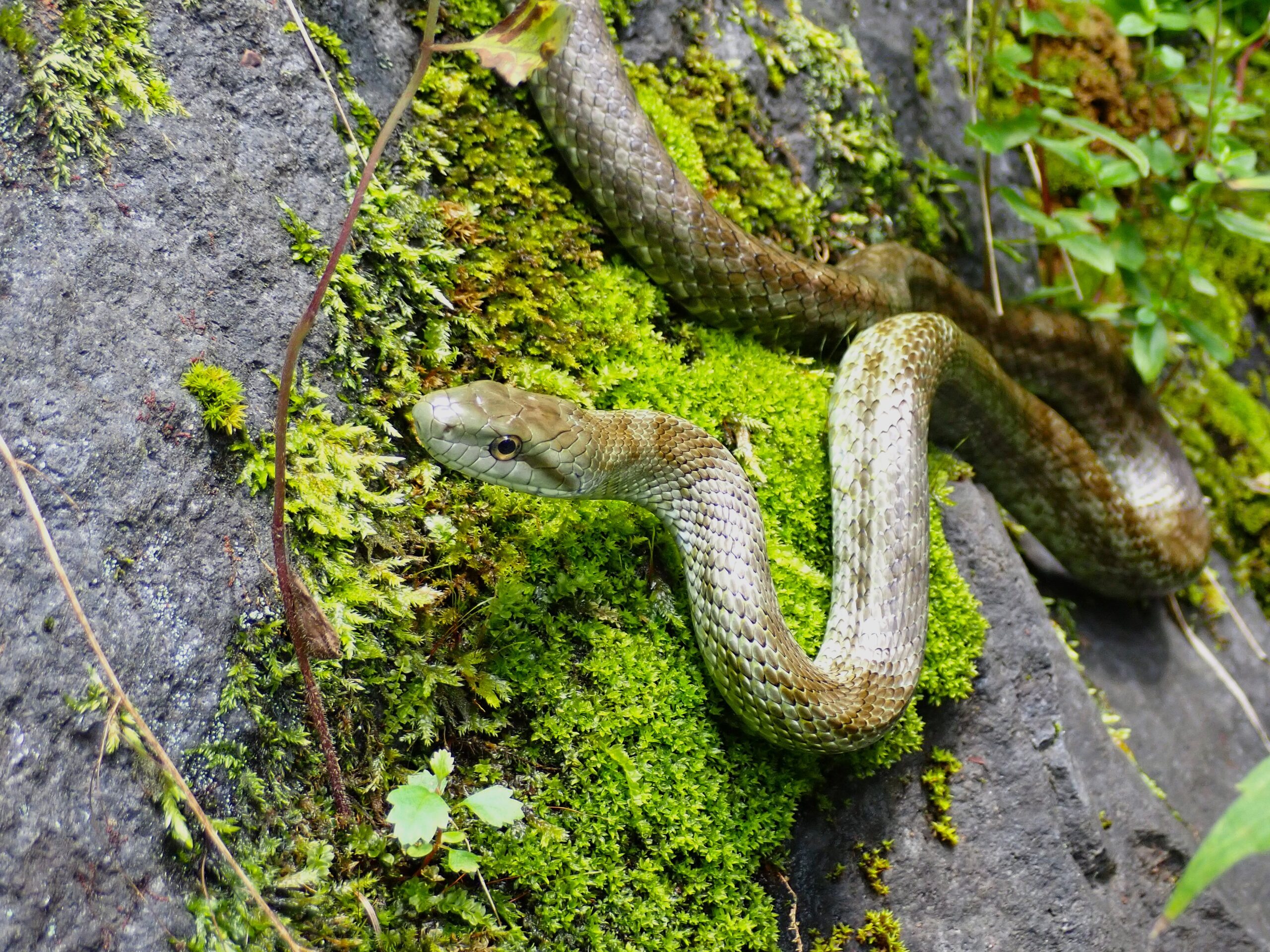
The Japanese rat snake is a large non-venomous snake found across much of Japan.
It helps control rodent populations and plays an important role in the ecosystem.
It is sometimes seen along forest roads or near farmland, and it occasionally climbs trees.
Despite its size, it is generally calm and non-aggressive.
▶ Japanese Rat Snake — Species guide
Mamushi
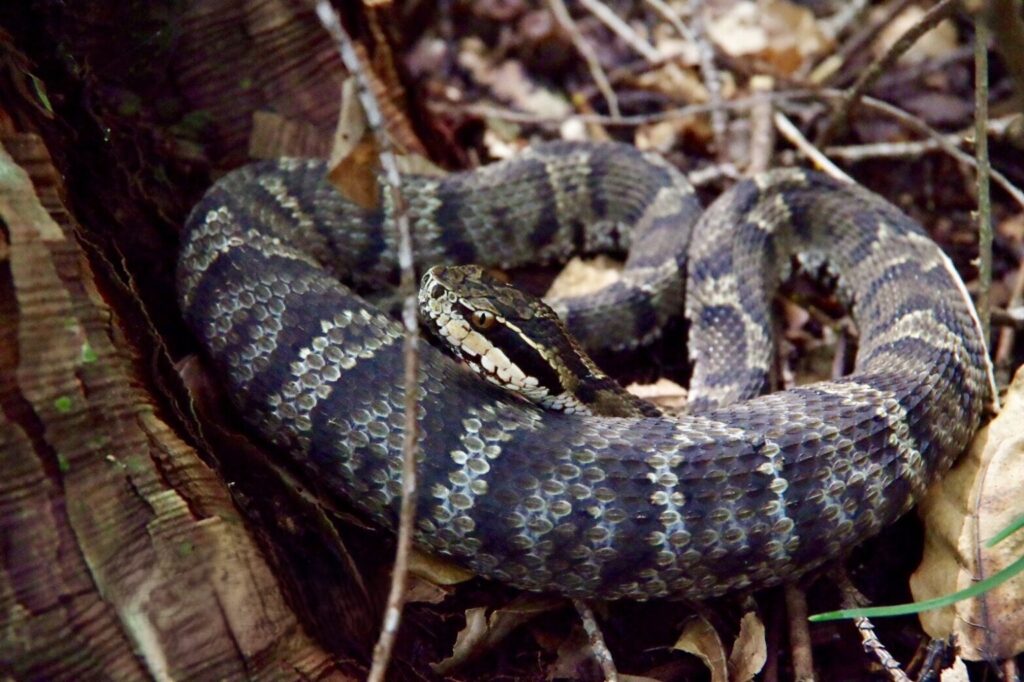
Mamushi is one of Japan’s best-known venomous snakes.
It lives in forests, grasslands, wetlands, and riversides.
Its camouflage helps it blend into leaves and vegetation, making it difficult to notice.
▶ Mamushi Snake — Species guide
Habu
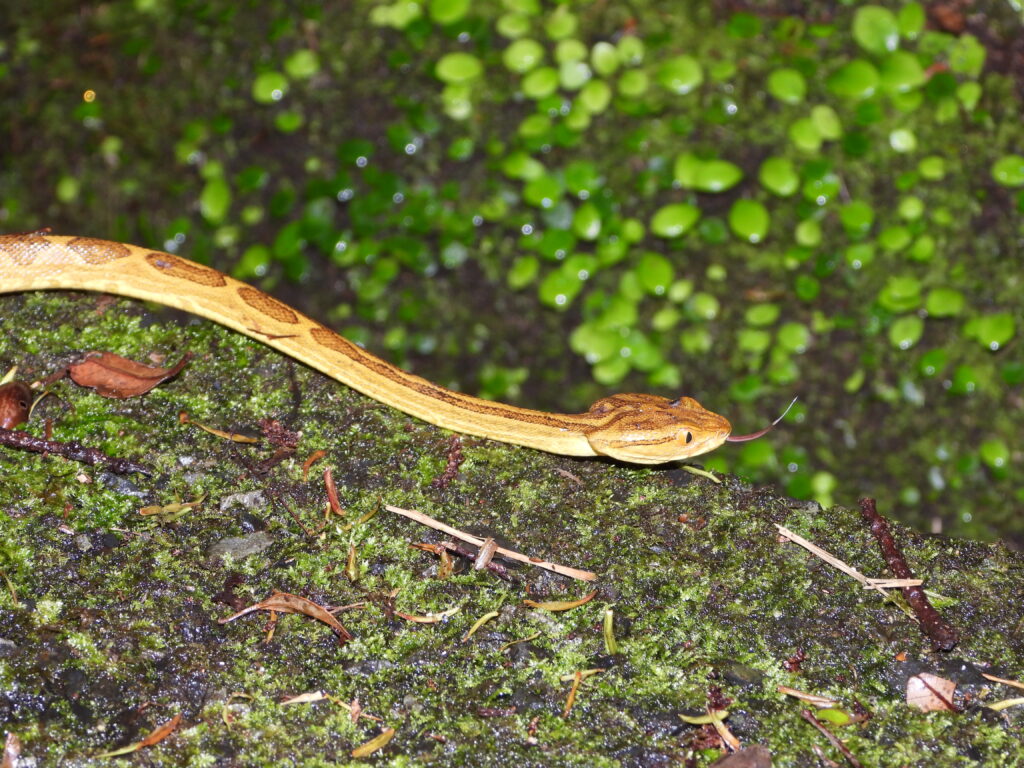
The habu is a large venomous snake found mainly in Okinawa and the Ryukyu Islands.
It is common in warm subtropical environments and is sometimes active at night.
It is one of the most famous dangerous animals in southern Japan.
Dangerous Reptiles in Japan
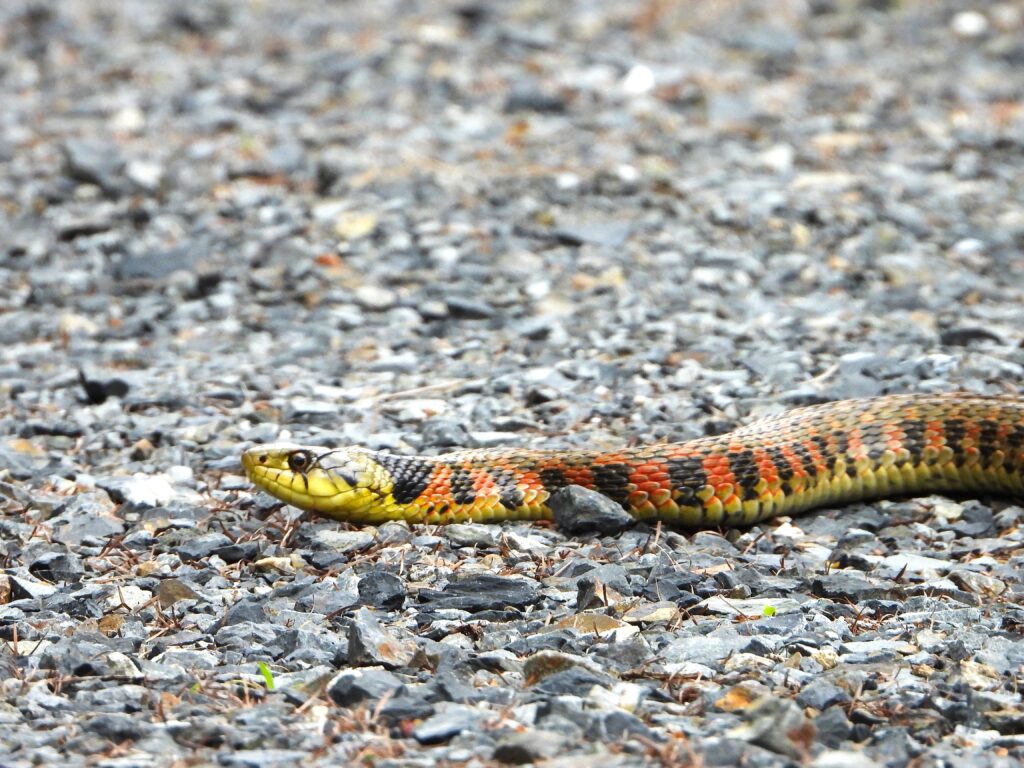
Mamushi
Mamushi bites are reported every year in Japan.
Extra caution is important in grassy areas, mountain trails, and near rivers.
Avoid placing your hands into thick vegetation or walking carelessly through tall grass.
Habu
Habu is well known for its strong venom.
It has been feared in Okinawa and nearby islands for generations.
Because habu may appear on roads or in grassy areas at night, extra caution is necessary in the Ryukyu Islands.
Tiger Keelback
The tiger keelback, known in Japan as yamakagashi, was once believed to be harmless.
It is now recognized as a venomous species.
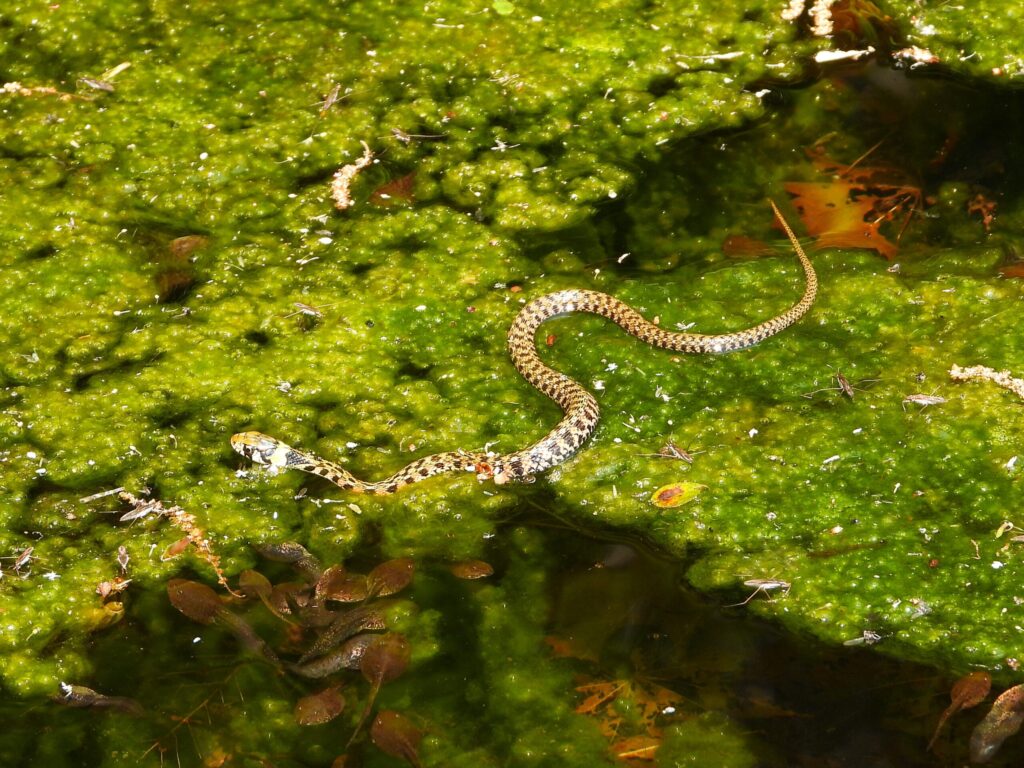
This snake is often found near wetlands, rice fields, and riversides.
Although generally calm, wild individuals should never be handled.
If you would like to learn more about Japan’s venomous snakes, see:
▶ Venomous Snakes in Japan: Complete Dangerous Species Guide
Where Can You See Reptiles in Japan?
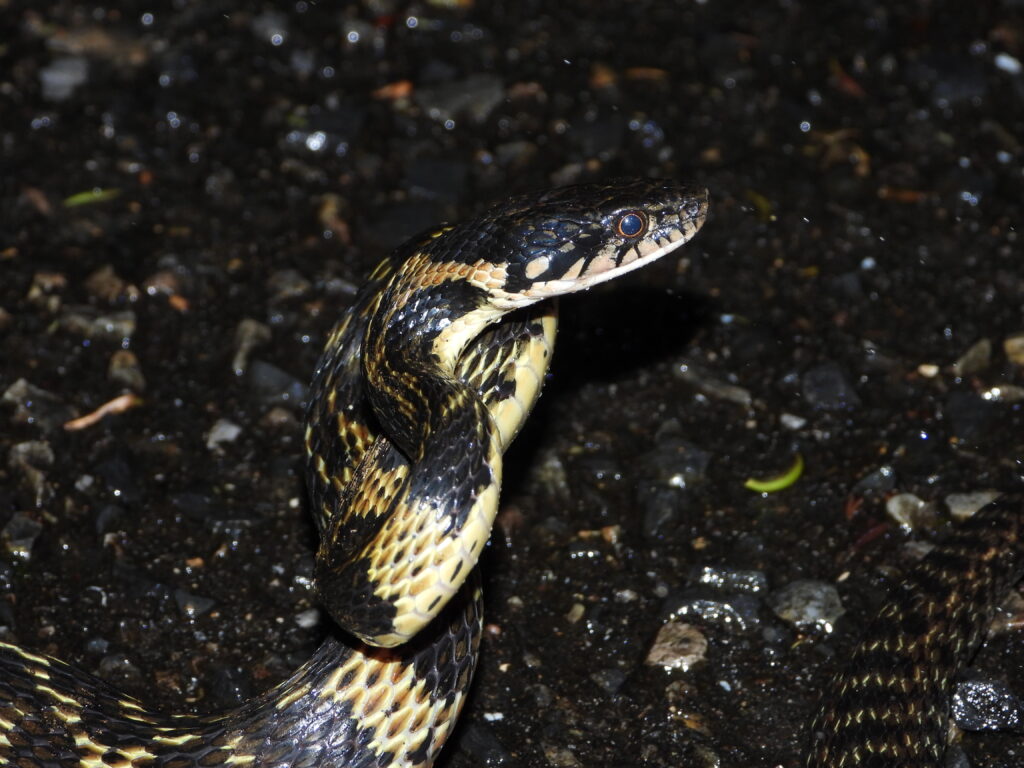
Forests and Mountains
Snakes and lizards are commonly found in mountain forests and woodland trails.
They are often seen basking on rocks, roads, or fallen trees.
Rivers and Wetlands
Wetlands and riversides are good places to find turtles and snakes such as yamakagashi.
Reptile activity increases during warm weather.
Parks and Urban Areas
Even cities can support reptiles.
Geckos, skinks, and grass lizards are sometimes found around parks, gardens, and older buildings.
The Ryukyu Islands
Okinawa and the Ryukyu Islands are home to many reptiles not found on mainland Japan.
These southern islands are especially rich in reptile diversity.
Best Season to See Reptiles in Japan
Reptiles in Japan are most active from spring to autumn.
Warm sunny mornings and evenings are often the best times for observation.
During the hottest part of summer, many reptiles hide from the heat.
However, warm evenings can be excellent for finding snakes and lizards on roads or rocks.
In winter, reptile activity decreases significantly, especially in colder regions.
Are Reptiles in Japan Dangerous?
Most reptiles in Japan are not dangerous and will quickly flee when they notice humans.
Attacks on people are extremely rare.
However, venomous snakes should always be treated with caution.
When walking through grassy or rocky areas, it is important to watch your footing carefully.
In the Ryukyu Islands especially, paying attention at night is very important.
Tips for Finding Reptiles in Japan
On sunny days, reptiles are often seen basking on rocks, pavement, or roads.
Walking slowly and carefully scanning the ground greatly improves your chances of spotting them.
Forest roads, stone walls, riversides, and farmland edges are especially good places to search.
Interestingly, many snakes in Japan are at least partly nocturnal.
On warm nights, snakes sometimes emerge onto quiet forest roads or rural roads, making nighttime road searches surprisingly effective.
However, venomous snakes are also active at night.
Always use a flashlight carefully and never handle wild reptiles directly.
Rare and Protected Reptiles in Japan
Japan is home to several rare and regionally unique reptiles.
The Ryukyu Islands in particular contain many endemic species found nowhere else in the world.
Some reptiles are threatened by habitat loss, invasive species, and environmental changes.
Protected areas and conservation efforts exist in several regions.
Wild reptiles should never be collected or removed from nature.
Observing them responsibly is the best way to appreciate these animals.
Field Notes(Author’s Impression)
Reptiles are not encountered as often as birds or mammals.
Because of this, finally finding a species you have been searching for can feel especially rewarding.
Some snakes are genuinely difficult to find, and observing them often requires patience and persistence.
At the same time, the Ryukyu Islands are incredibly rich in reptile diversity and offer a very different experience from mainland Japan.
Of course, caution is also necessary in areas where venomous snakes live.
Understanding the species and their behavior beforehand is important for safe observation.
If you would like to learn more about Japan’s reptiles, please explore my reptile guide as well.
▶ Reptiles of Japan
Related Articles
▶ Reptiles of Japan
A photo guide introducing reptiles found across Japan.
▶ Venomous Snakes in Japan: Species, Regions & Safety
Learn about Japan’s dangerous venomous snakes and how to stay safe around them.
▶ Animals in Japan: Native, Endemic & Iconic Species
Explore Japan’s major animal groups, including mammals, birds, reptiles, amphibians, insects, and marine life.