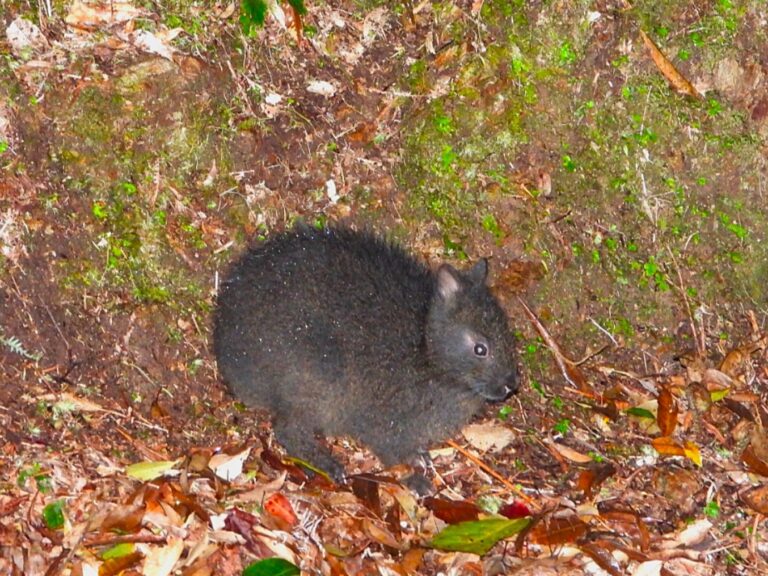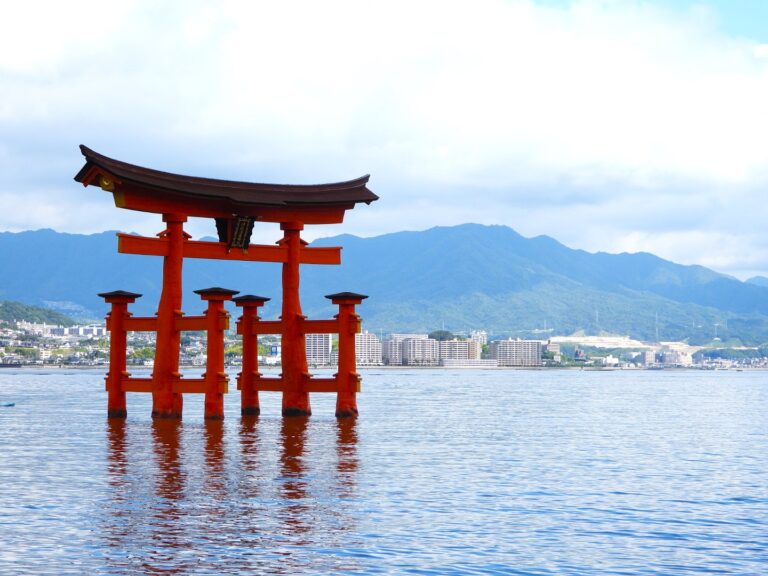
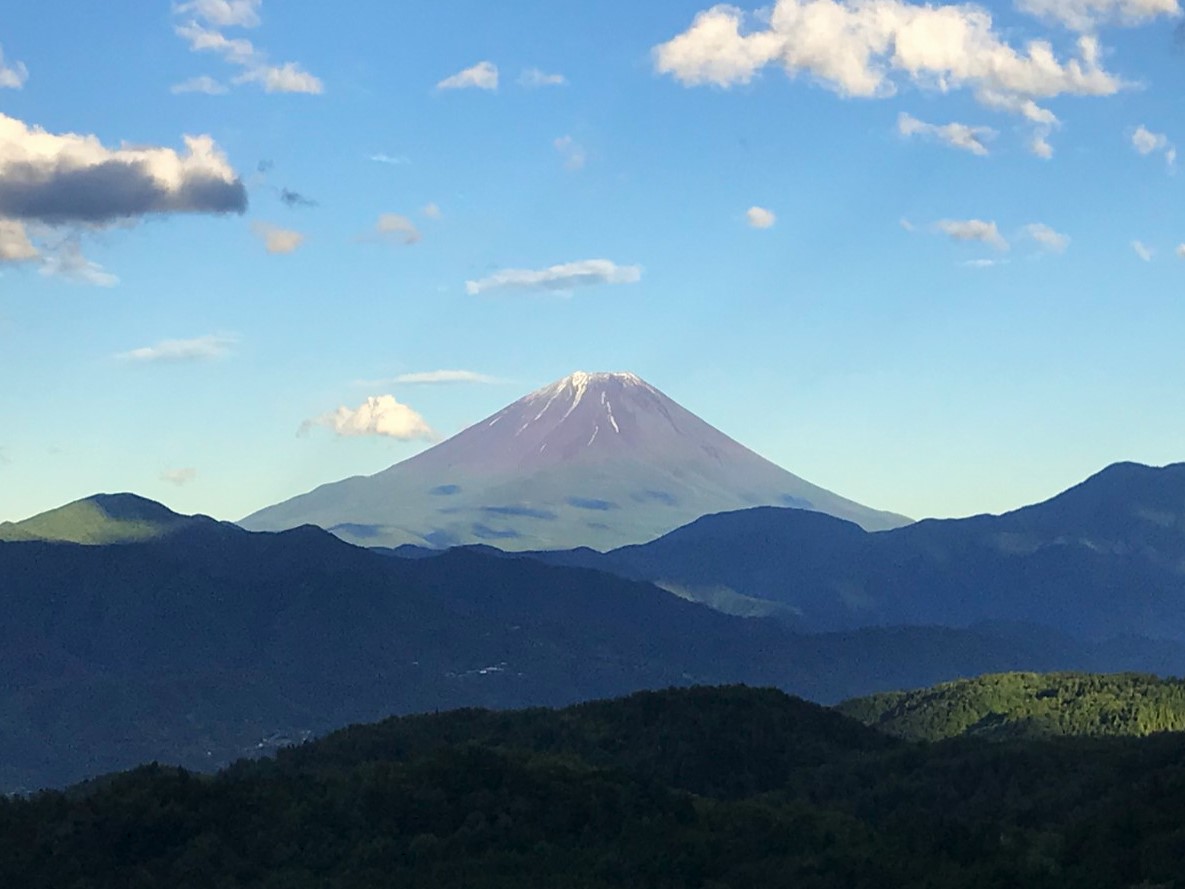
Wildlife Around Mount Fuji
Introduction
Mount Fuji is the most famous mountain in Japan, but the area around it is also rich in nature, with forests, grasslands, and lakes.
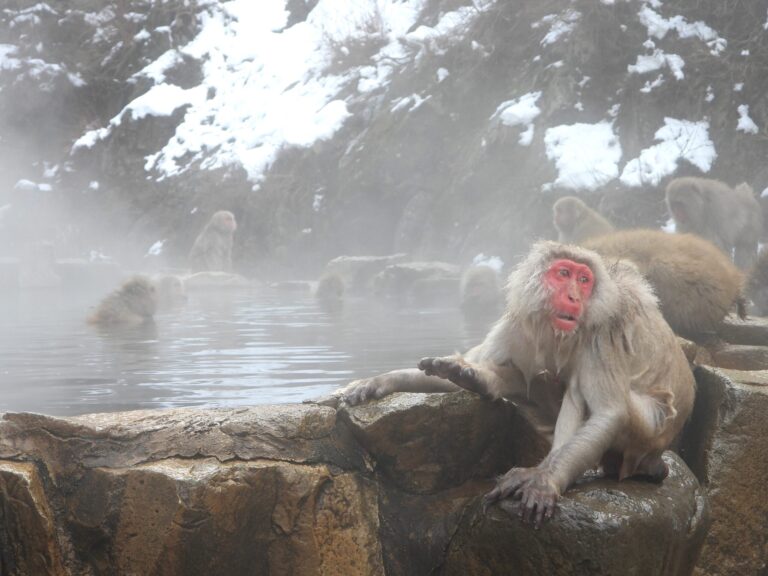
Around the Fuji Five Lakes and the forests near Mount Fuji, visitors may encounter mammals such as sika deer and Japanese macaques, as well as many bird species. The wildlife you are likely to see varies depending on the habitat and the area you visit.
I often visit this region for camping and wildlife observation, and I have seen many animals and birds around its forests and lakes.
Quiet mornings and evenings are often the best times for wildlife watching. This guide introduces the main animals and birds found around Mount Fuji, along with the best areas to look for them.
Planning to explore wildlife beyond the Mount Fuji area? Compare Japan’s major wildlife regions and the animals you can see in each one.
▶ Wildlife in Japan: Where to See Wild Animals by Region
Wildlife Around Mount Fuji : Animals You Can See

The forests, grasslands, and foothills around Mount Fuji provide habitats for a variety of mammals.
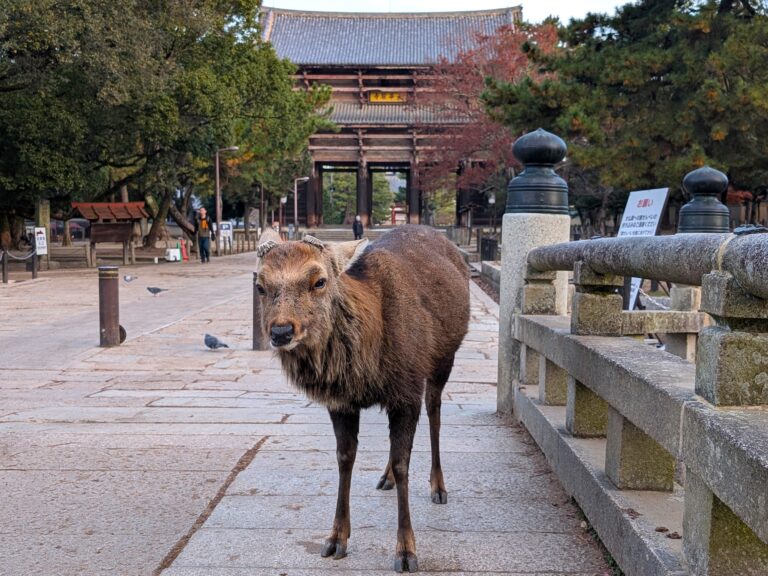
Sika deer are among the animals most often seen in the region, particularly around forest edges and quiet mountain roads. Other mammals live deeper in the surrounding forests and are much more difficult to observe.
Animals found around the Mount Fuji area include:
The presence of these animals does not mean that sightings are guaranteed. Some species, especially Asian black bears and Japanese serows, are rarely encountered by ordinary visitors.
Early morning and evening generally offer the best opportunities, but visitors should always observe wildlife from a safe distance.
Birds Around Mount Fuji
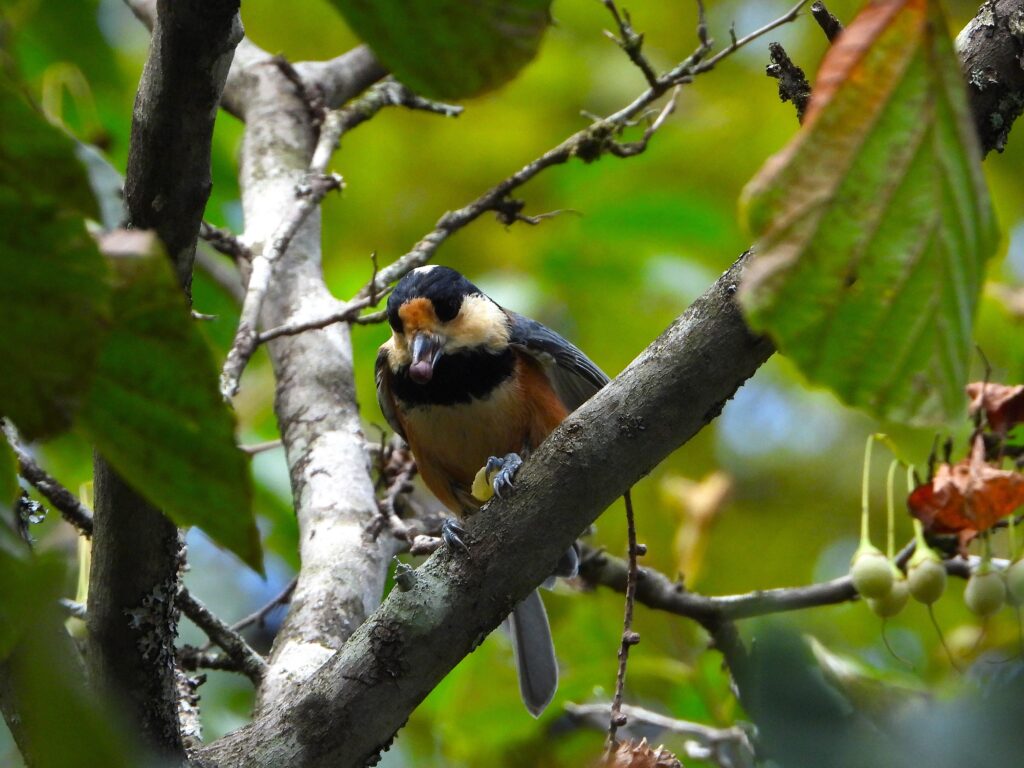
The forests, lakes, grasslands, and higher slopes around Mount Fuji provide habitats for a wide variety of bird species.
In forested areas, small birds are often heard calling among the trees before they are seen. Birds found in the wider Mount Fuji region include:
- Varied Tit
- Japanese Tit
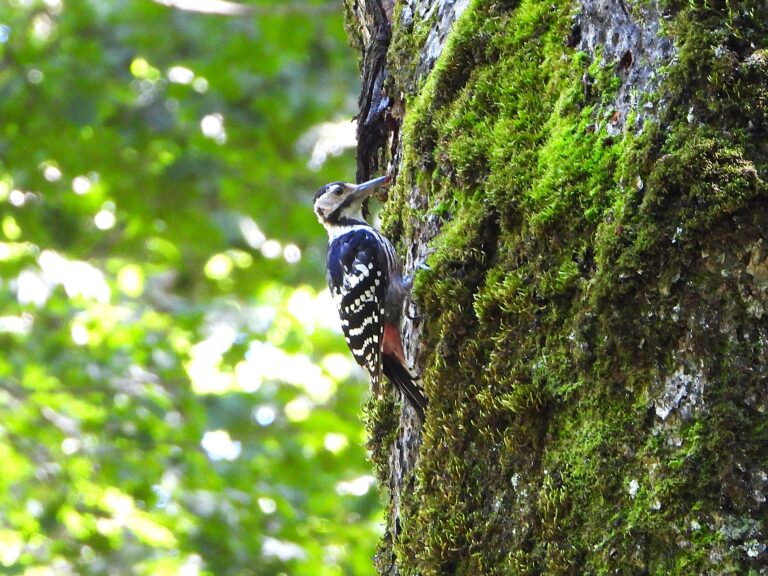
- Japanese Pygmy Woodpecker
- Brown-eared Bulbul
- Japanese Bush Warbler
- Large-billed Crow
- Spotted Nutcracker
These birds do not all live in the same type of habitat. Varied Tits and Japanese Pygmy Woodpeckers are mainly associated with wooded areas, while Spotted Nutcrackers are more likely to be found at higher elevations.
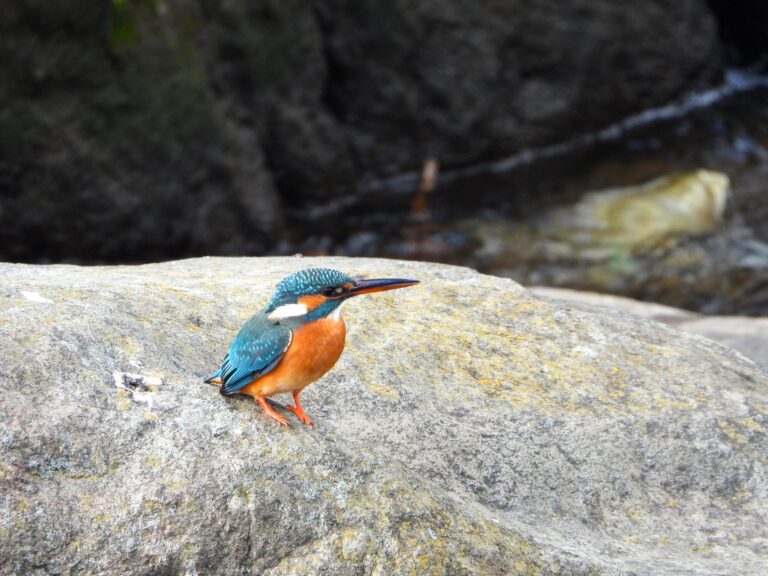
The Fuji Five Lakes also attract waterbirds, particularly during the colder months. More detailed information about birds around each lake can be found in the separate Fuji Five Lakes wildlife guide.
▶ Wildlife Around the Fuji Five Lakes
Birdwatching Around Mount Fuji
The Mount Fuji area offers several different environments for birdwatching, including lakeshores, forests, grasslands, and wooded mountain slopes.
In forested areas, birds are often easier to locate by listening for their calls before looking for movement among the trees. Early morning is usually the best time to visit, when the surroundings are quieter and birds are more active.
The Fuji Five Lakes are a convenient choice for visitors who want to explore both lakeside and forest habitats. For a quieter woodland experience, the trails around Aokigahara Forest offer a closer look at the natural forest environment near Mount Fuji.
Bring binoculars, walk quietly, and remain on established trails to avoid disturbing birds and their habitats.
▶ Wildlife in Aokigahara Forest | Nature Guide Near Mount Fuji
Best Places to See Wildlife Around Mount Fuji
The Mount Fuji region includes several different wildlife-watching areas. The best place to visit depends on whether you prefer lakes, quiet forests, or a combination of nature and sightseeing.
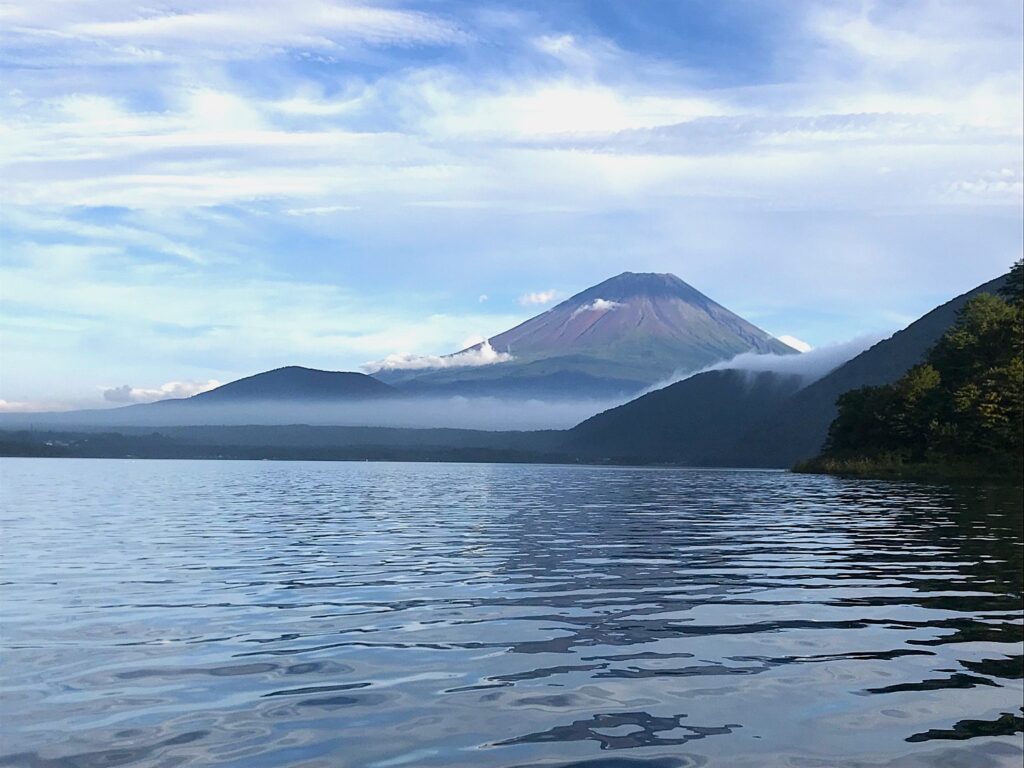
Fuji Five Lakes – Best All-Around Choice
The Fuji Five Lakes are the best all-around choice for most first-time visitors. Lakeshores, forests, wetlands, and open areas can all be explored within the same region.
Lake Yamanaka is particularly suitable for observing waterbirds, while Lake Saiko and the surrounding forests offer a quieter environment for birdwatching and nature walks. The five lakes have different characteristics, so the best choice depends on the habitat and experience you are looking for.
▶Wildlife Around the Fuji Five Lakes | Nature & Birdwatching Guide
Aokigahara Forest – Best for Quiet Forest Walks
Aokigahara Forest is better suited to visitors who enjoy quiet woodland walks and observing nature at a slower pace.
Large mammals are difficult to see, but visitors may hear forest birds or find tracks, feathers, feeding signs, and other evidence of wildlife. The moss-covered lava landscape also makes Aokigahara very different from the more open environments around the lakes.
Always remain on established trails when exploring the forest.
▶Wildlife in Aokigahara Forest | Nature & Wildlife Guide Near Mount Fuji
Hakone – Best for Combining Nature and Sightseeing
Hakone is a convenient choice for travelers who want to combine nature with hot springs, museums, and other sightseeing attractions.
Forests, walking trails, and Lake Ashi provide opportunities to observe birds and enjoy the natural environment. Hakone is generally busier than Aokigahara, but quiet areas can still be found away from the main tourist spots.
▶What Animals Can You See in Hakone? Wildlife Guide
Which Area Should You Choose?
Choose the Fuji Five Lakes if you are visiting the Mount Fuji region for the first time or want to explore both lakes and forests.
Choose Aokigahara Forest if you prefer quiet woodland trails, bird calls, and signs of wildlife.
Choose Hakone if wildlife watching is one part of a broader sightseeing trip.
No location can guarantee wildlife sightings, but choosing an area that matches your interests will make your visit more rewarding.
If you’d prefer to explore the Mount Fuji area with a local guide, you can also find guided tours and nature experiences around the region.
Best Time to See Wildlife
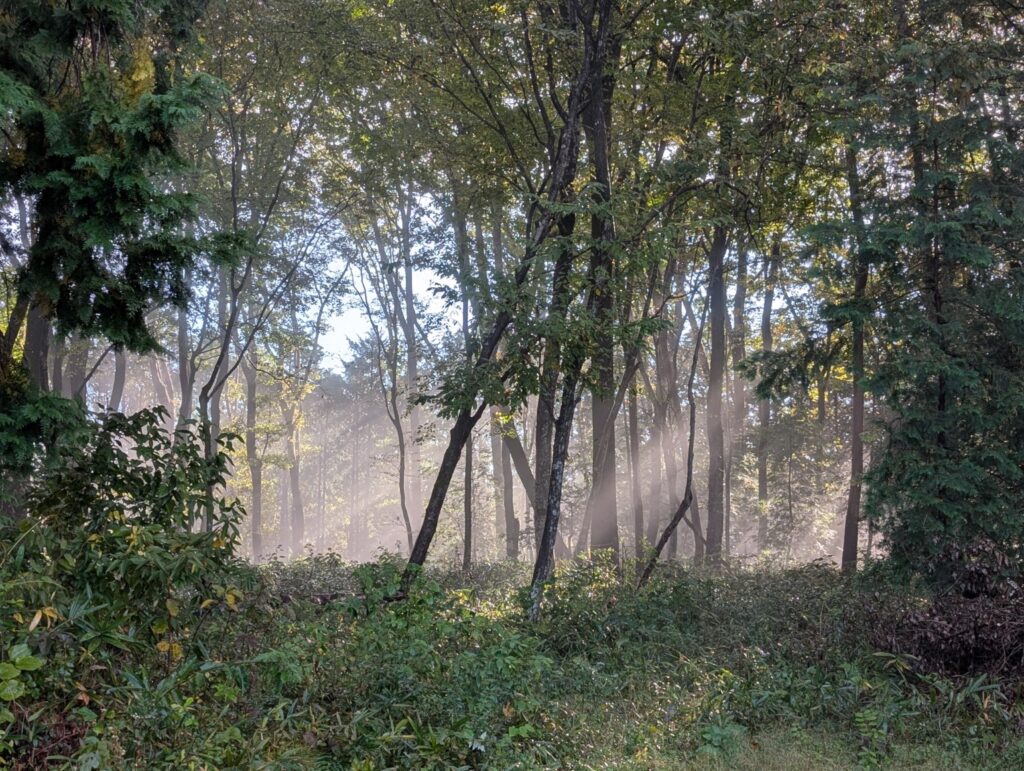
Early morning is generally the best time for wildlife watching around Mount Fuji. The forests and lakesides are quieter, birds are more active, and mammals may appear near forest edges or quiet roads.
Evening can also offer good opportunities, especially for mammals. However, visibility decreases quickly, so take extra care when walking or driving on mountain roads.
Wildlife changes with the seasons. Forest birds are particularly active and vocal from spring to early summer, while autumn can provide better visibility as the leaves begin to fall. In winter, the Fuji Five Lakes are especially interesting for waterbird watching.
Whatever the season, quiet observation and careful timing are more important than covering a large area quickly.
Wildlife Watching Tips
When observing wildlife around Mount Fuji, it is important to avoid disturbing both the animals and their habitats.
- Keep a safe distance and never approach or chase wild animals.
- Do not feed or touch wildlife.
- Stay on established trails and avoid entering sensitive habitats.
- Keep your voice low and avoid sudden movements.
- Drive carefully on quiet mountain roads, especially in the early morning and evening.
- Take all food and litter home with you.
Binoculars and a camera with a zoom lens allow you to observe animals without getting too close. If an animal notices you or changes its behavior, quietly move farther away.
Respectful observation protects wildlife and also makes encounters safer for visitors.
Frequently Asked Questions About Wildlife Around Mount Fuji
What animals can you see around Mount Fuji?
Wildlife found around Mount Fuji includes sika deer, Japanese macaques, Japanese hares, Japanese serows, and Asian black bears. Many species of forest birds and waterbirds also live in the surrounding forests and lakes.
Sika deer and common birds are more likely to be seen than secretive mammals such as bears and Japanese serows.
Are there bears around Mount Fuji?
Yes. Asian black bears live in the forests around Mount Fuji, but sightings by ordinary visitors are uncommon.
When walking in forested areas, stay on established trails, remain aware of your surroundings, and never approach a bear if you encounter one.
▶ Hiking in Japan? Don’t Miss These Bear Safety Tips
Where is the best place to see wildlife around Mount Fuji?
The Fuji Five Lakes are the best all-around choice for most visitors because the area includes lakeshores, forests, wetlands, and open habitats.
Aokigahara Forest is better for quiet forest walks and birdwatching, while Hakone is suitable for travelers who want to combine nature with sightseeing.
What is the best time to see wildlife around Mount Fuji?
Early morning and evening are generally the best times to look for wildlife. Birds are often most active in the morning, while mammals may appear near forest edges and quiet roads around dawn or sunset.
The wildlife you can see also changes depending on the season and habitat.
Conclusion
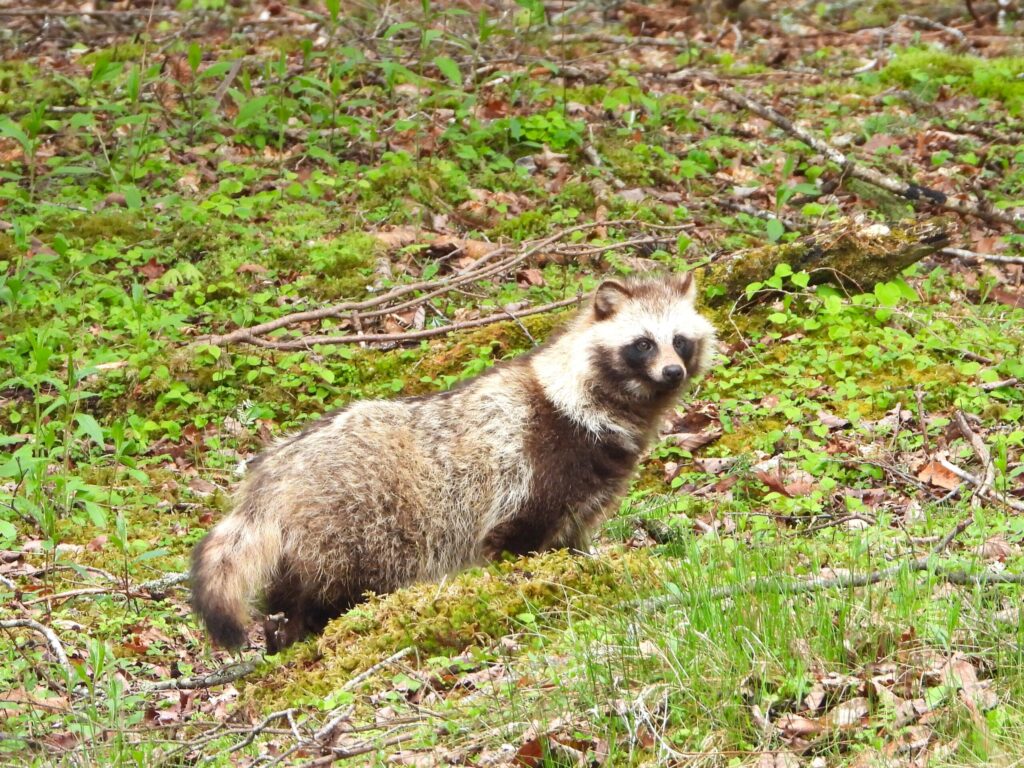
The area around Mount Fuji is home to a wide variety of wildlife, from sika deer and Japanese macaques to forest birds and waterbirds.
The Fuji Five Lakes are the best all-around choice for most visitors, while Aokigahara Forest offers a quieter woodland experience. Hakone is a convenient alternative for travelers who want to combine nature with sightseeing.
Wildlife sightings are never guaranteed, but visiting during the early morning or evening and observing quietly can improve your chances. Always keep a safe distance and avoid disturbing animals or their habitats.
Related Articles
▶ Wildlife in Aokigahara Forest | Nature & Wildlife Guide Near Mount Fuji
Explore the moss-covered forests of Aokigahara and discover the wildlife hidden beneath Mount Fuji.
▶ Wildlife Around the Fuji Five Lakes | Nature & Birdwatching Guide
Discover the best lakes, birds, and wildlife habitats around Mount Fuji.