Mammals in Japan: 7 Animals You Can See & Where to Find Them
Introduction
Japan is home to a wide variety of mammals, ranging from large forest animals to species that live surprisingly close to human settlements. From iconic animals like monkeys and deer to elusive predators and nocturnal species, the diversity of mammals in Japan is greater than many people expect.
This guide introduces the most common mammals in Japan, along with their characteristics, habitats, and where you can actually see them. Whether you are exploring mountains, forests, or rural areas, many of these animals can be observed with the right approach.
For a complete list of mammals in Japan, including detailed species profiles, see:
▶ Mammals of Japan (Species List)
Types of Mammals in Japan
Mammals in Japan can be introduced by their habitat and lifestyle rather than by strict scientific classification. This makes it easier to understand where different animals live and how they are usually observed.
Forest and mountain mammals
Many well-known mammals in Japan live in forests and mountain areas. Japanese macaques, sika deer, Japanese serows, wild boars, and black bears are typical examples. These animals are often associated with wooded slopes, national parks, and rural mountain regions.
Rural and urban-edge mammals
Some mammals live close to human settlements, especially around farmland, riversides, forest edges, and suburban green spaces. Raccoon dogs, foxes, badgers, and weasels may appear near villages or city edges, although they are often active at night.
Small mammals
Japan is also home to many small mammals, including rodents, moles, shrews, and bats. These animals are not always easy to see, but they play important roles in forests, fields, and urban ecosystems.
Marine mammals
Japan’s surrounding seas are home to marine mammals such as whales, dolphins, porpoises, and seals. These animals are usually observed from boats, coastlines, or through whale-watching tours.
Mammals You Can See in Japan
Japan is home to many mammals, but only a limited number are commonly seen in the wild. The following species are among the most recognizable and relatively easier to observe if you visit the right habitats.
Japanese Macaque (Snow Monkey, Macaca fuscata)
The Japanese macaque lives across much of the country and forms large, social troops. People around the world admire them for bathing in hot springs during snowy winters.
👉 Learn more in the full article.
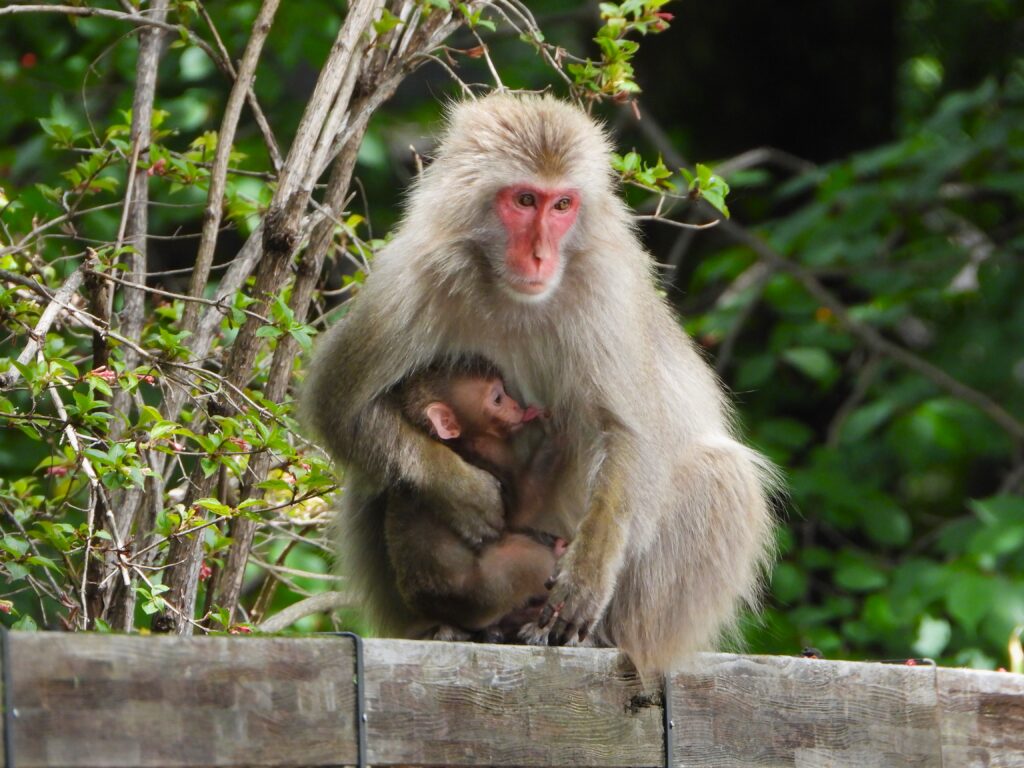
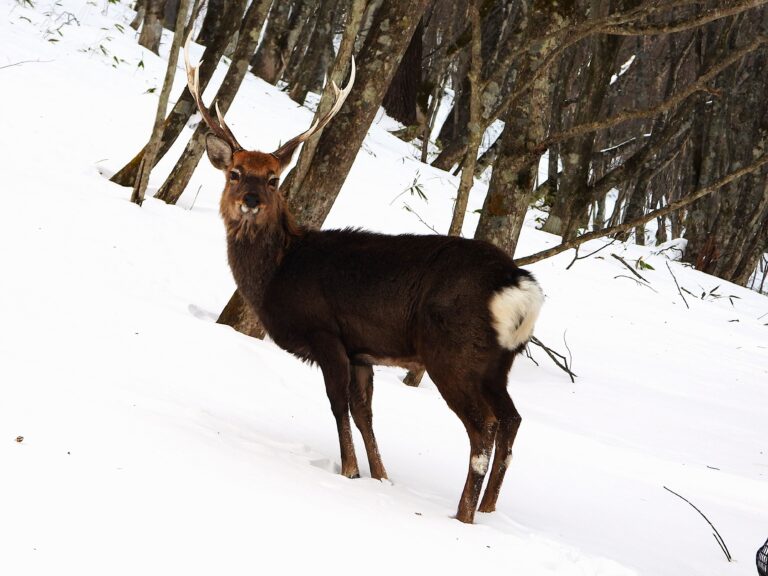
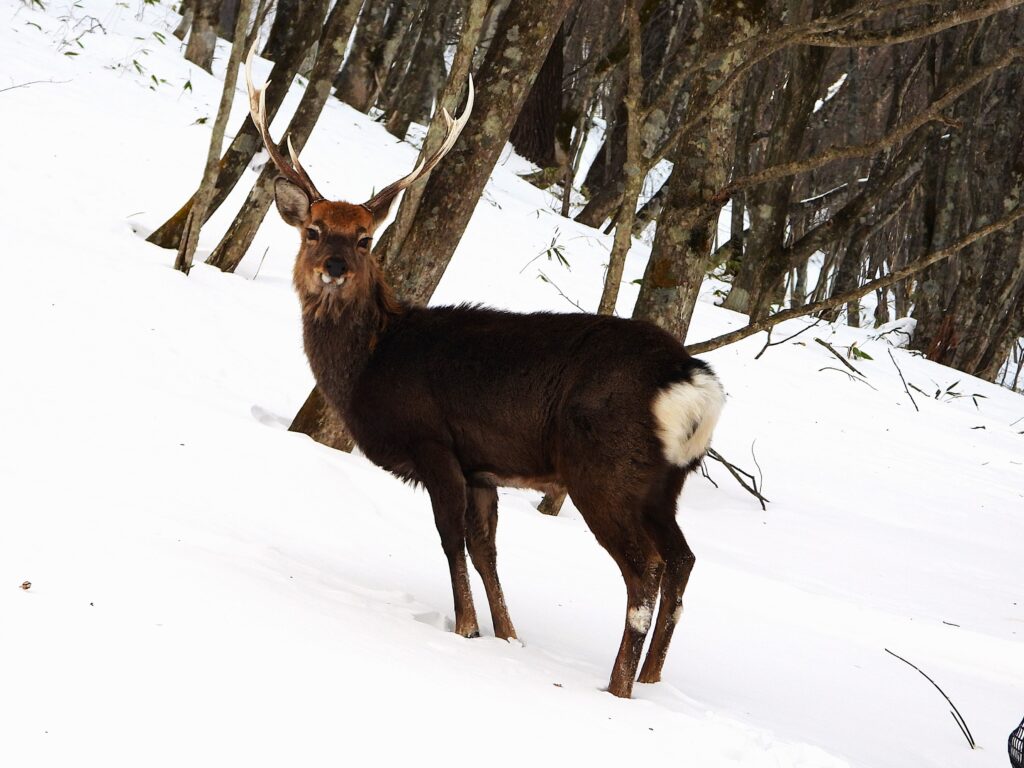
Japanese Sika Deer (Cervus nippon)
Japanese culture strongly values the sika deer, especially in Nara and Miyajima where they freely roam among visitors. Their spotted coats and graceful behavior make them one of the easiest mammals to observe.
👉 Learn more in the full article.
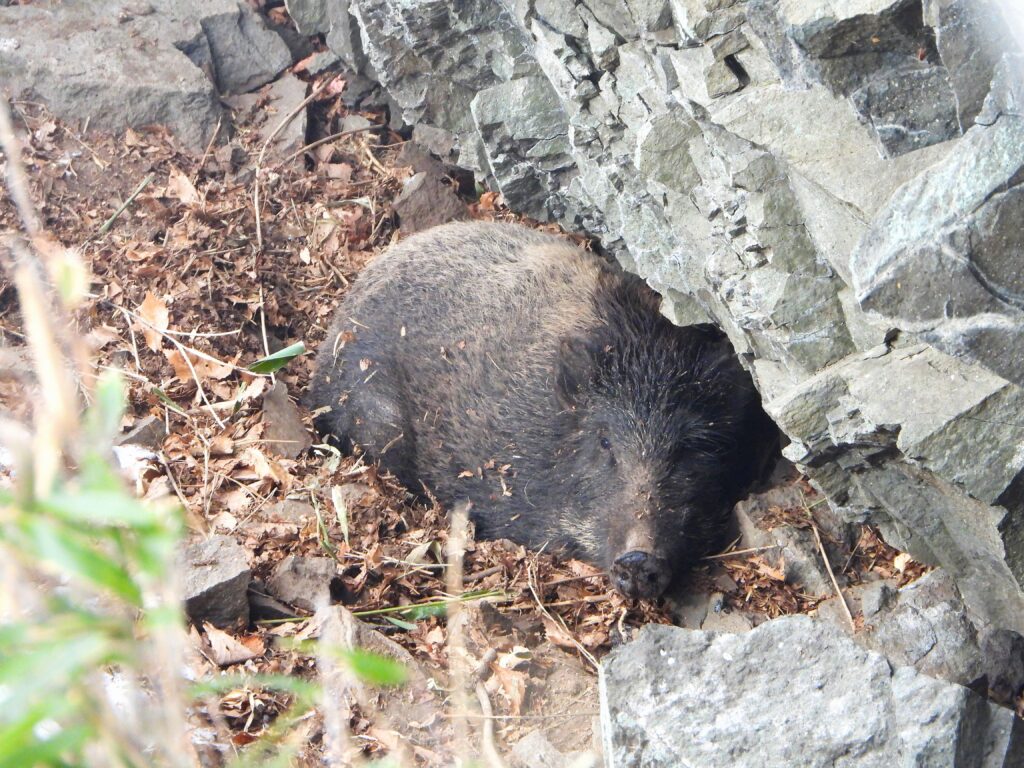
Wild Boar (Sus scrofa leucomystax)
Wild boars dig through forests and fields across rural Japan. They shape ecosystems as omnivores but also cause conflicts with farmers.
👉 Learn more in the full article.
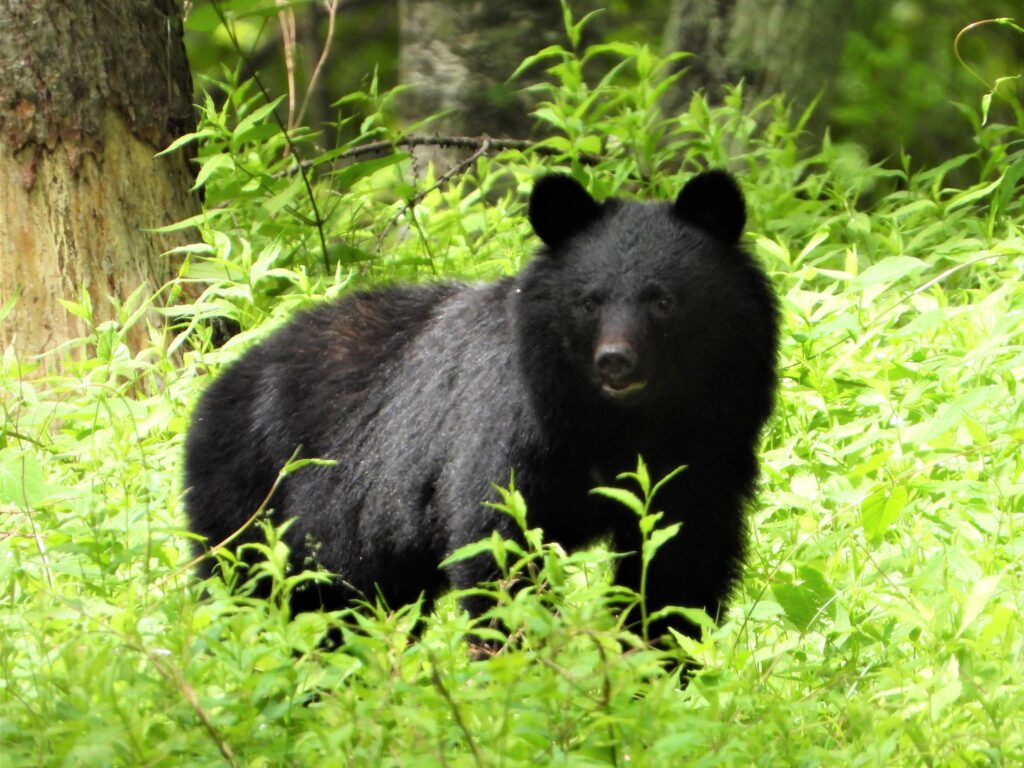
Japanese Black Bear (Ursus thibetanus japonicus)
The Japanese black bear roams the forests of Honshū and Shikoku. As the country’s largest predator, it symbolizes mountain wilderness. Hikers should carry bells and take precautions to avoid dangerous encounters.
👉 Learn more in the full article.
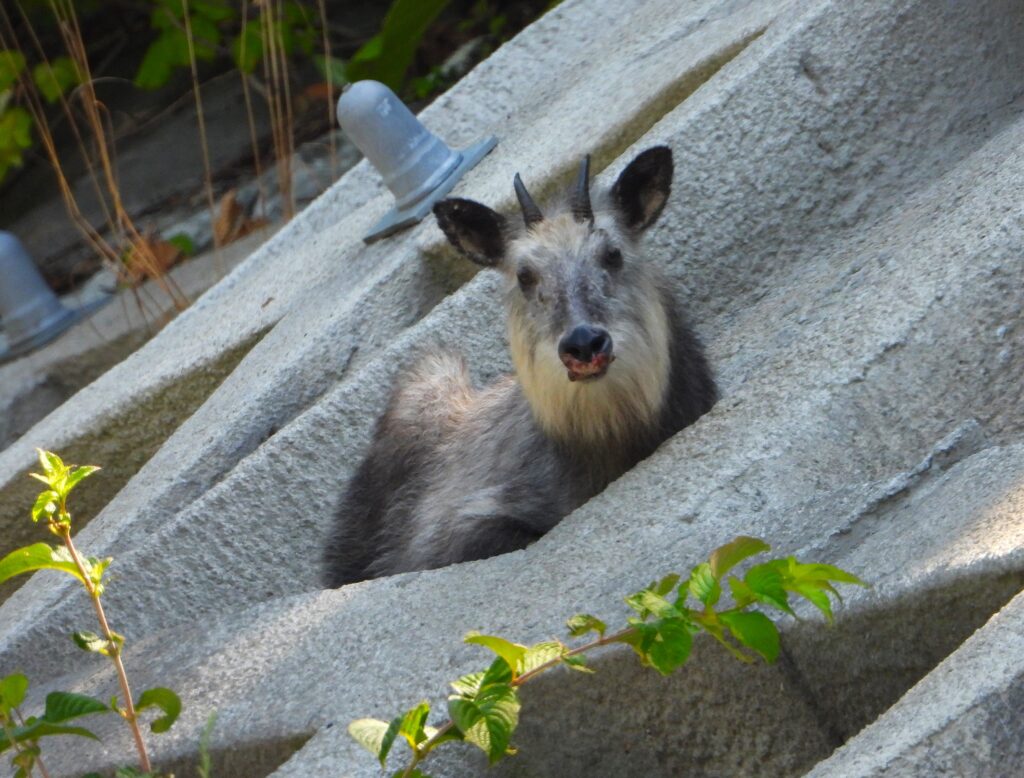
Japanese Serow (Capricornis crispus)
Japan recognizes the serow as a Special Natural Monument and a symbol of its mountain wildlife. This goat-like mammal usually lives alone in steep forests.
👉 Learn more in the full article.
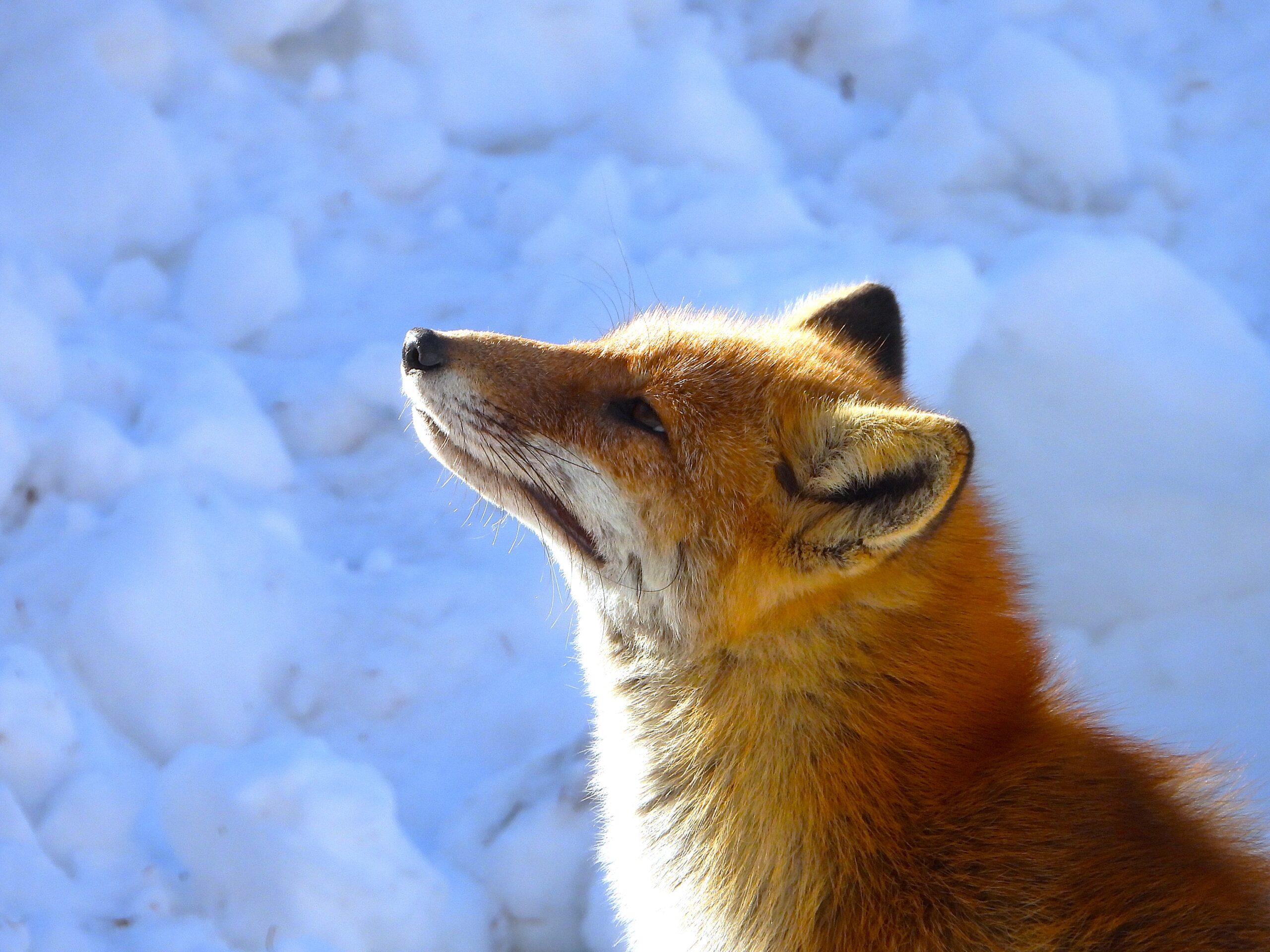
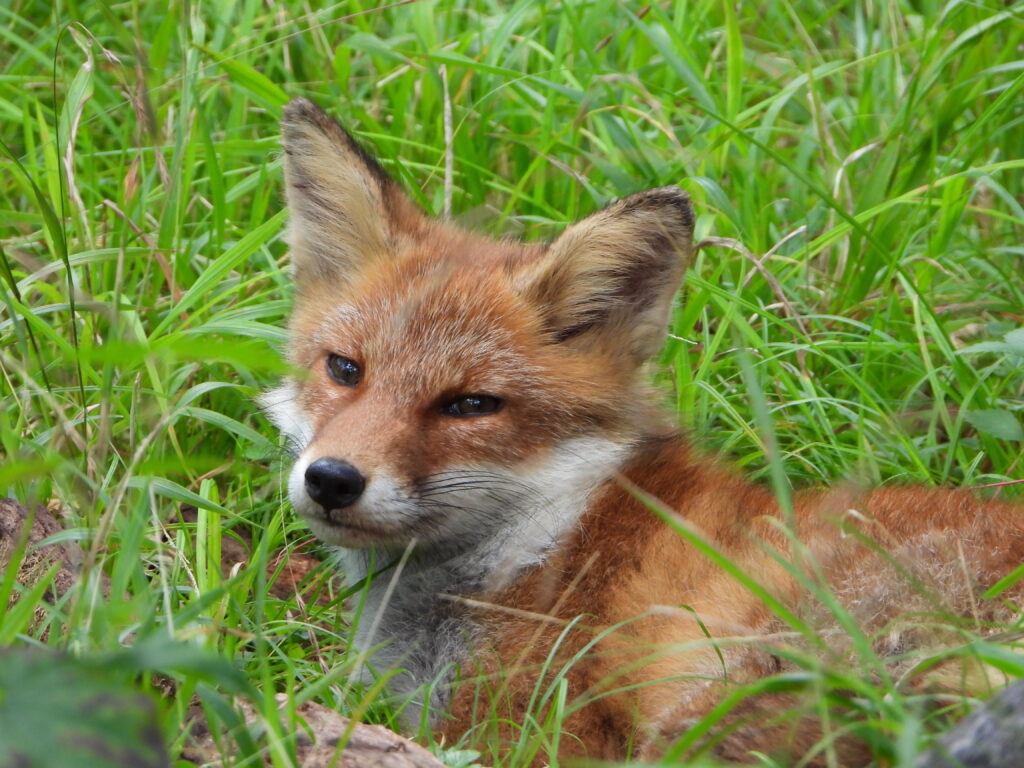
Red Fox (Vulpes vulpes japonica)
Folklore often celebrates the red fox as a mystical figure linked to shrines and legends. In the wild, foxes hunt cleverly in forests, grasslands, and even near villages.
👉 Learn more in the full article.
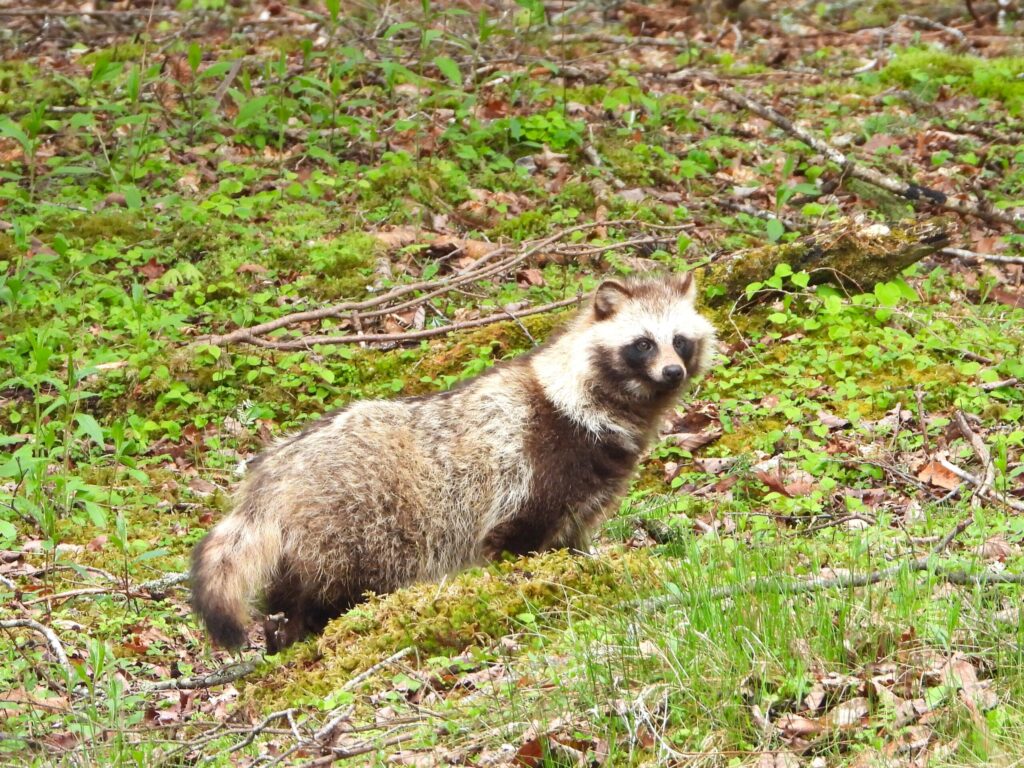
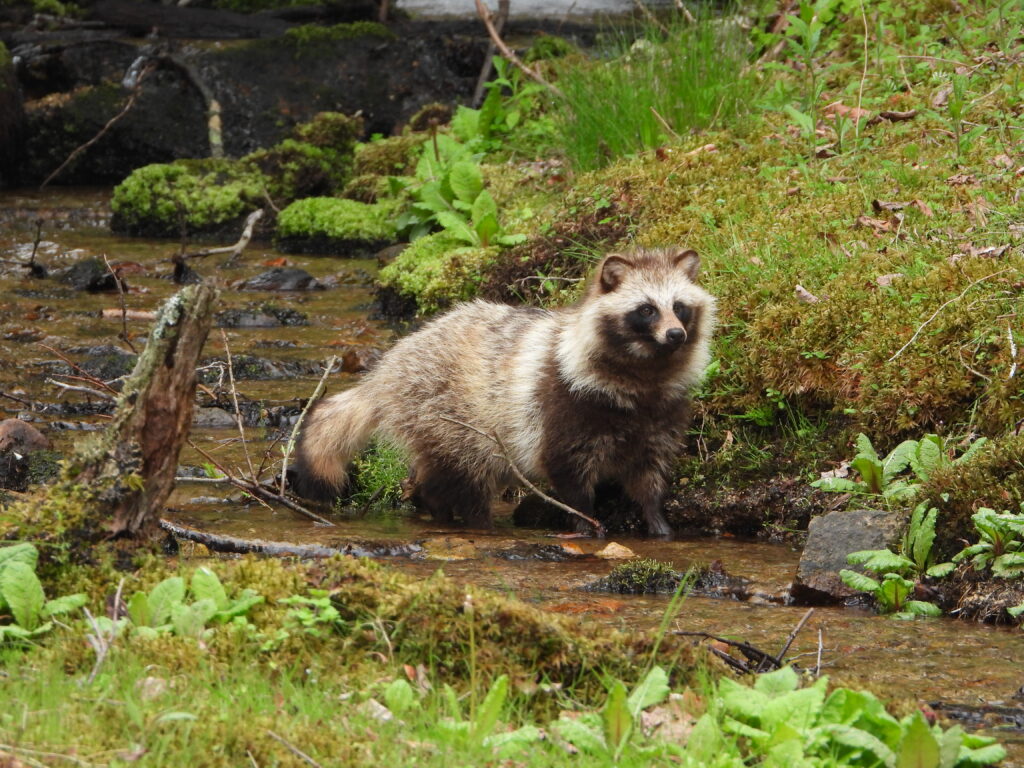
Japanese Raccoon Dog (Tanuki, Nyctereutes procyonoides viverrinus)
Japanese folklore frequently features the tanuki, and statues across the country portray it as a cheerful trickster. In reality, tanuki thrive in woodlands and farmlands, feeding on a wide variety of foods.
👉 Learn more in the full article.
Other Mammals Found in Japan
Japan is home to many more mammals beyond the commonly seen species, although they are not always easy to encounter.
These include animals such as the Japanese badger, Japanese marten, weasels, and various species of bats. Many of them are nocturnal, shy, or live in less accessible habitats, which makes sightings relatively rare.
In Hokkaido, you can also find unique species such as the brown bear and the Ezo red fox. These animals are adapted to colder climates and are not found in most other parts of Japan.
While they may be harder to see, these mammals are an important part of Japan’s wildlife and add to its overall diversity.
Where to See Mammals in Japan
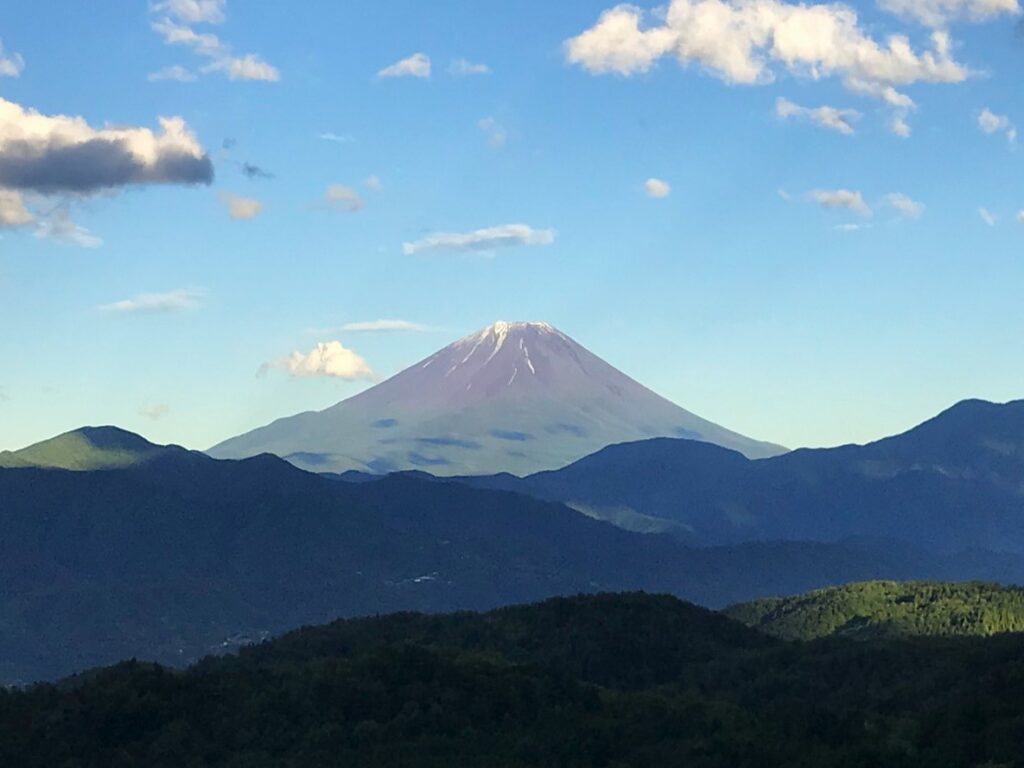
Mammals in Japan can be found in a wide range of environments, from remote mountains to areas close to human settlements. Knowing where to look greatly increases your chances of seeing them.
Forests and mountains
Many large mammals, such as macaques, deer, boars, and bears, live in forested and mountainous areas. National parks and less disturbed forests offer the best chances for observation.
Rural areas and farmland
Animals like raccoon dogs, foxes, and sometimes deer can be seen around farmland, riversides, and village edges. These areas often provide a good balance between wildlife and accessibility.
National parks and well-known locations
Places such as Nikko, Nagano, and other national parks are known for wildlife observation. These areas have a mix of suitable habitats and established access routes, making them ideal for beginners.
Night observation
Many mammals in Japan are nocturnal. Walking quietly at night in safe areas, or observing from a distance with proper lighting, can increase your chances of spotting species that are rarely seen during the day.
Safety Tips for Watching Mammals
Observing mammals in the wild can be a rewarding experience, but it is important to do so safely and responsibly.
Keep a safe distance
Always observe animals from a distance. Getting too close can stress wildlife and may lead to dangerous situations, especially with large mammals like bears and wild boars.
Do not feed wild animals
Feeding wildlife can change their natural behavior and make them dependent on humans. It can also increase the risk of aggressive encounters.
Be aware of your surroundings
In forested and mountainous areas, always stay alert. Look for signs of animals such as tracks, droppings, or sounds, and avoid entering dense areas without visibility.
Take extra caution in bear habitats
In regions where bears are present, make noise while walking to avoid surprising them. Carrying a bear bell or spray is recommended in some areas.
Conservation and Observation Tips
Respecting wildlife and their habitats is essential when observing mammals in Japan. Responsible behavior helps protect both animals and the natural environments they depend on.
Respect natural habitats
Avoid entering restricted areas or damaging vegetation. Staying on trails helps preserve fragile ecosystems and reduces disturbance to wildlife.
Observe quietly
Many mammals are sensitive to noise and movement. Moving slowly and quietly increases your chances of observing natural behavior.
Do not disturb or chase animals
Trying to approach or follow animals too closely can cause stress and may alter their behavior. Always prioritize the well-being of wildlife over getting a closer look.
Leave no trace
Take all trash with you and leave the environment as you found it. Protecting nature ensures that future visitors can enjoy the same experience.
Conclusion
From playful snow monkeys to the sacred deer of Nara, from the mystical fox to the formidable black bear, Japan’s mammals are a window into the country’s natural heritage. These species not only shape ecosystems but also appear in folklore, culture, and daily life. Explore the full articles to discover Japan’s remarkable wildlife in more depth.
When you visit Japan, be sure to include wildlife observation as part of your journey—it will be an unforgettable experience.
Explore More Wildlife in Japan
Looking for more Japanese wildlife? Check these guides.
▶ Mammals of Japan (Species List)
▶ Wildlife You Can See Around Japanese Cities
▶ Animals in Japan: Native, Endemic & Iconic Species