Where to See Japanese Serow in Japan (Best Places & Spotting Tips)
The Japanese serow is one of the most unique wild animals you can see in Japan’s mountains.
However, you won’t easily spot one just by walking along a trail.
In this guide, you’ll learn where to see Japanese serows, how to find them, and how to tell them apart from deer—all in a simple, easy-to-follow way.
Quick Answer
Japanese serows are most often found on steep mountain slopes and rocky terrain.
To spot one, focus on hillsides rather than the trail, especially in the early morning or late afternoon.
What Is a Japanese Serow?
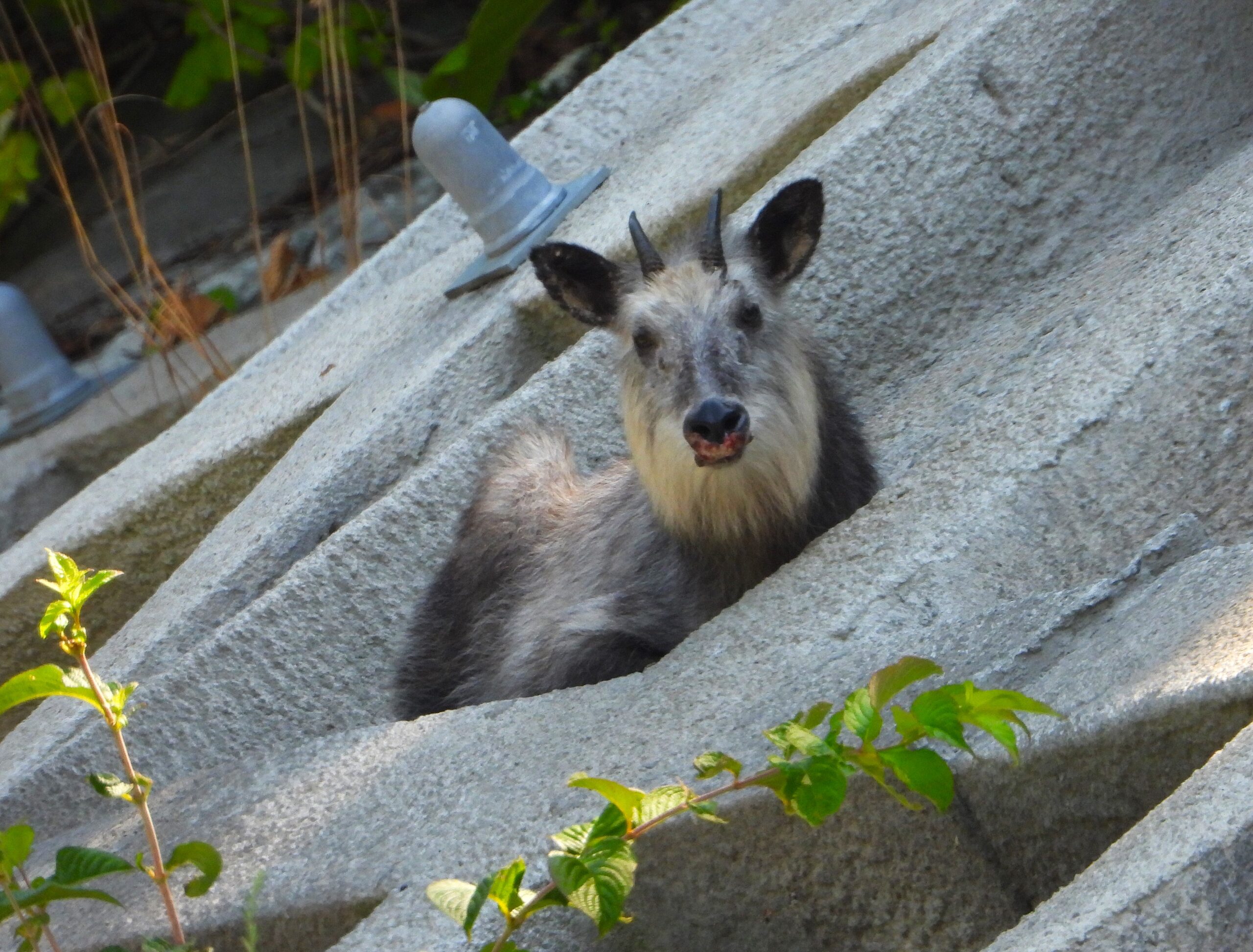
The Japanese serow is a goat-antelope found only in Japan.
It is also protected as a Special Natural Monument.
It has a sturdy, stocky body and looks more like a goat than a deer.
Both males and females have short, straight horns.
Serows usually live alone and tend to stay within the same area.
▶ Go to the Japanese Serow species article
Where Do Japanese Serows Live in Japan?
Japanese serows are widely distributed across Honshu, Shikoku, and Kyushu, mainly in mountainous regions.
Although they are found throughout Japan, they are not easy to see.
Choosing the right environment is key to finding one.
Where You Can See Japanese Serows (Examples)
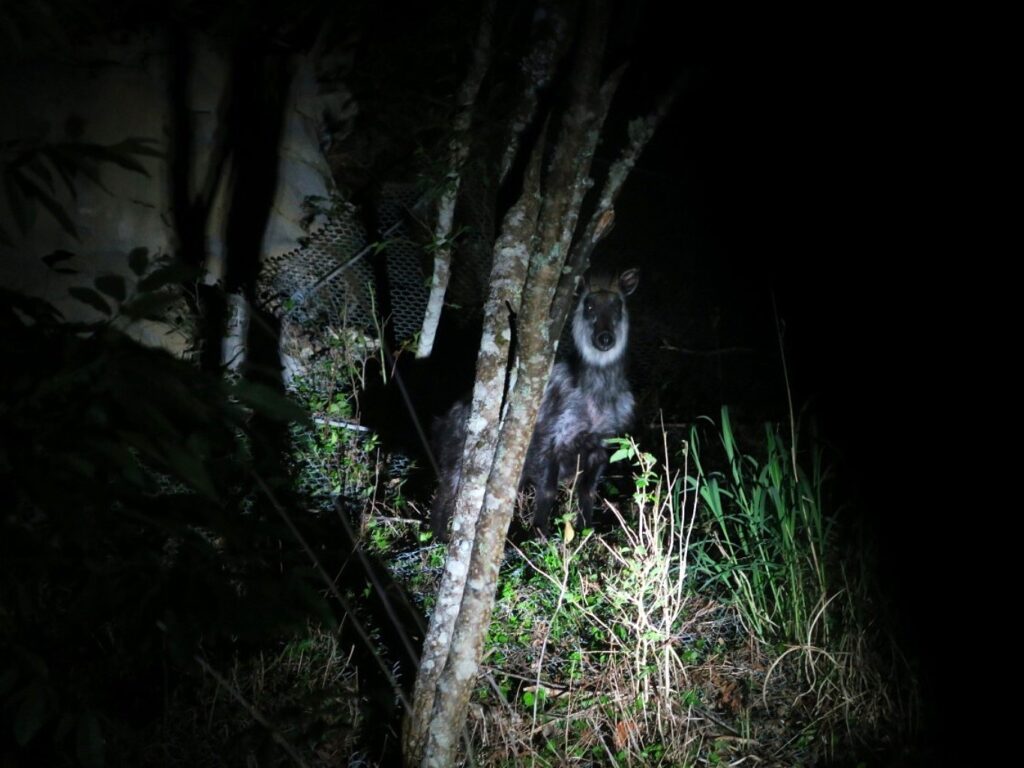
Sightings are never guaranteed, but serows are known to live in mountainous areas such as:
- Nikko (Tochigi)
- The Japanese Alps (Nagano / Gifu)
- The Hakusan area (Ishikawa / Gifu)
- Okutama (Tokyo)
Rather than busy tourist spots, look for quiet trails and steep slopes.
Best Time of Day
Japanese serows are active during the day, so you may see them at any time.
That said, you may have better chances:
- Early in the morning
- Late in the afternoon
These quieter periods can make wildlife easier to notice.
Best Season to See Them
Season plays a big role in visibility:
- Winter: Easier to spot (fewer leaves)
- Spring to Autumn: Harder to see due to thick vegetation
Late winter to early spring is generally the best time.
How to Spot a Japanese Serow
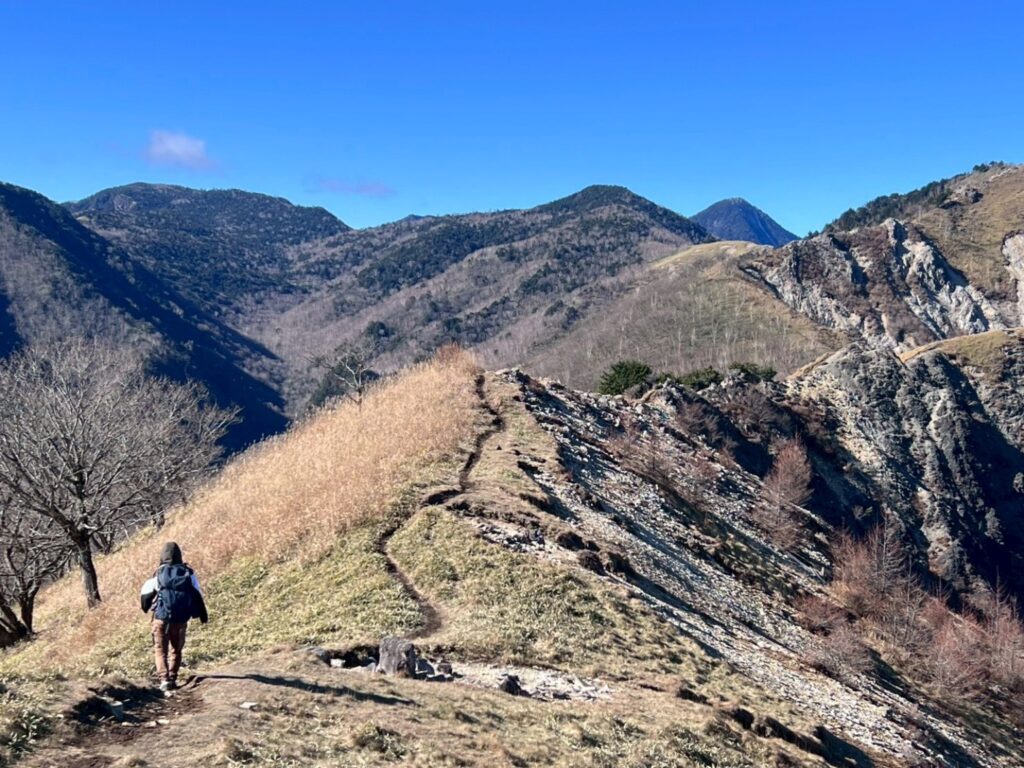
Here are some practical tips:
- Look at slopes instead of flat ground
- Check rocky areas and cliffs
- Watch for anything that looks slightly out of place
- Stop often and scan carefully
- Move quietly
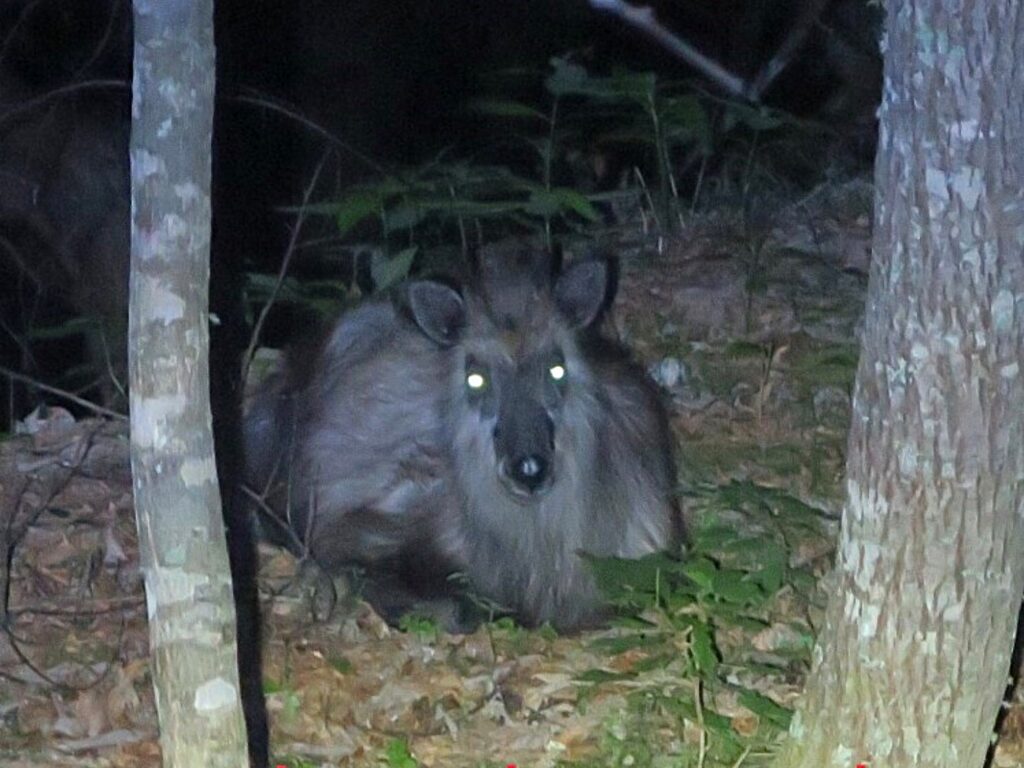
Serows often stand still and blend into rocks.
You’re more likely to notice them by shape than by movement.
Japanese Serow vs Deer
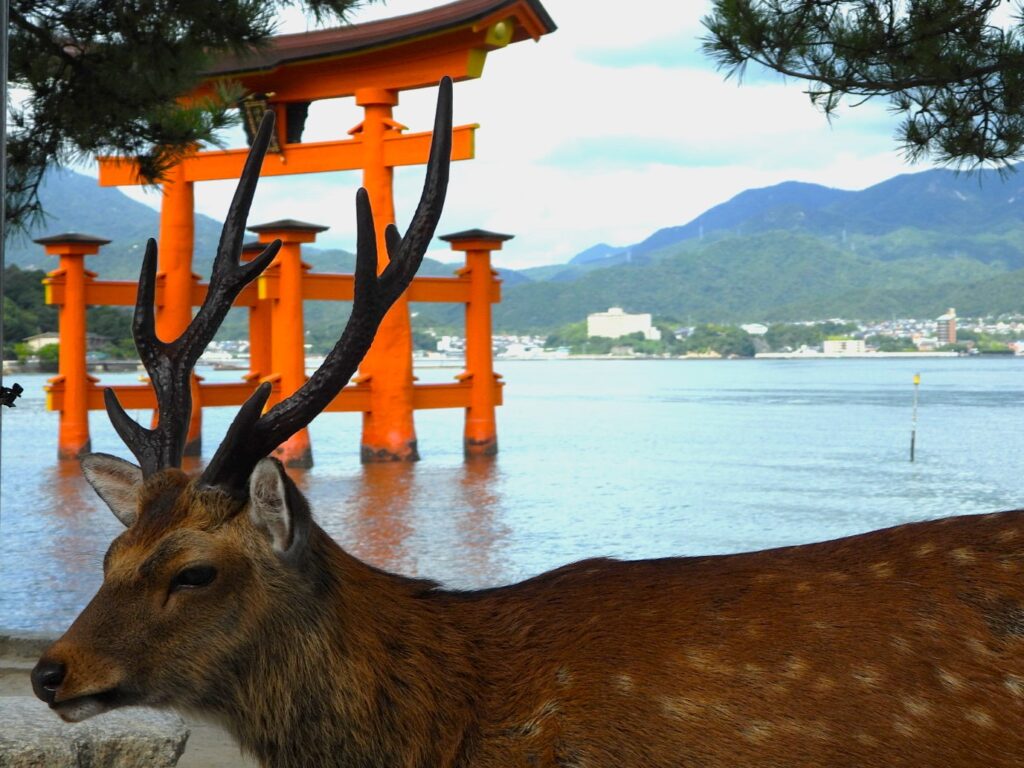
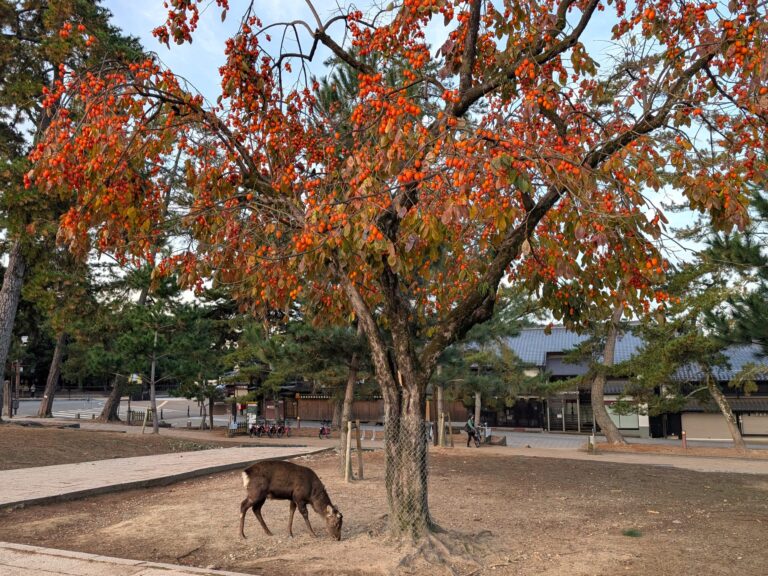
Despite the name, the Japanese serow is not a deer.
Here’s an easy way to tell them apart:
- Serow: Stocky body, short horns (both sexes), usually alone
- Deer: Slender body, branching antlers (mainly males), often in groups
In simple terms:
- A thick-bodied animal standing on a slope → likely a serow
- A slim animal that quickly runs away → likely a deer
Why You Might Not See One
If you can’t find a serow, common reasons include:
- Looking only at flat areas
- Not checking the slopes
- Being out at the wrong time
- Only watching for movement
Where you look matters more than luck.
What They’re Like in the Wild
From experience, serows behave quite differently from deer.
Deer tend to run away quickly.
Serows often stay still and quietly watch you.
Sometimes what looks like a rock turns out to be a serow.
They can be hard to find at first, but once you spot one, you may be able to observe it for a while.
Watching Safely and Respectfully
Japanese serows are generally calm, but they are still wild animals.
Keep these points in mind:
- Do not get too close
- Avoid sudden movements
- Do not block their escape route
Be especially careful if young animals are nearby.
Conclusion
To find a Japanese serow:
- Look at steep slopes and rocky terrain
- Go in the morning or late afternoon
- Move quietly and observe carefully
They are not easy to spot, but that’s part of what makes the experience special.
Next time you hike in Japan, don’t just watch the trail—look up the slopes.
Want to explore more wildlife in Japan?
If you’re interested in other animals you can see in Japan, check out this guide:
▶ Japan Animals – Complete Guide to Wildlife in Japan
If you want to see more unique mammals, learn more about one of Japan’s most iconic mountain animals:
▶ Japanese Serow (Capricornis crispus) – Wildlife of Japan