Birdwatching in Japan: Best Places, Seasons & Birds to See
Birdwatching in Japan changes dramatically depending on where you go and when you visit.
If you want Red-crowned Cranes and sea eagles, eastern Hokkaido is the obvious place to start. For forest birds, Nikko and Karuizawa are excellent choices. Sado Island is the best-known destination for wild Crested Ibises, while Okinawa and the Amami Islands are home to birds found nowhere else in Japan.
You do not always need to travel deep into the countryside, either. Tokyo has parks, rivers, wetlands, and wooded areas where you can enjoy birdwatching without changing your travel plans.
I have watched and photographed wild birds across Japan, from Hokkaido and Honshu to Sado Island and Amami Oshima.
This guide will help you decide where to go birdwatching in Japan, when to visit, and what kinds of birds you can realistically hope to see.
More than 600 bird species have been recorded in Japan, with habitats ranging from the cold landscapes of Hokkaido to the subtropical forests of the Nansei Islands.
▶ Birds in Japan: Common, Native & Iconic Species
Where Should You Go Birdwatching in Japan?
The easiest way to choose a destination is to start with the birds you want to see.
- Red-crowned Cranes and sea eagles: Eastern Hokkaido
- Easy birdwatching during a Tokyo trip: Tokyo
- Forest and mountain birds: Nikko or Karuizawa
- Wild Crested Ibis: Sado Island
- Birdwatching around Mount Fuji: Fuji Five Lakes
- Large wintering crane flocks: Izumi, Kyushu
- Endemic birds: Okinawa, Amami and the Nansei Islands
Japan stretches a long way from north to south, and altitude also makes a big difference.
Instead of looking for one single “best” birdwatching destination, it is usually better to choose a region based on your target birds and the season of your trip.
Best Places for Birdwatching in Japan
Hokkaido — Cranes, Sea Eagles and Winter Birding

If you want to see some of Japan’s most iconic winter birds, eastern Hokkaido should be near the top of your list.
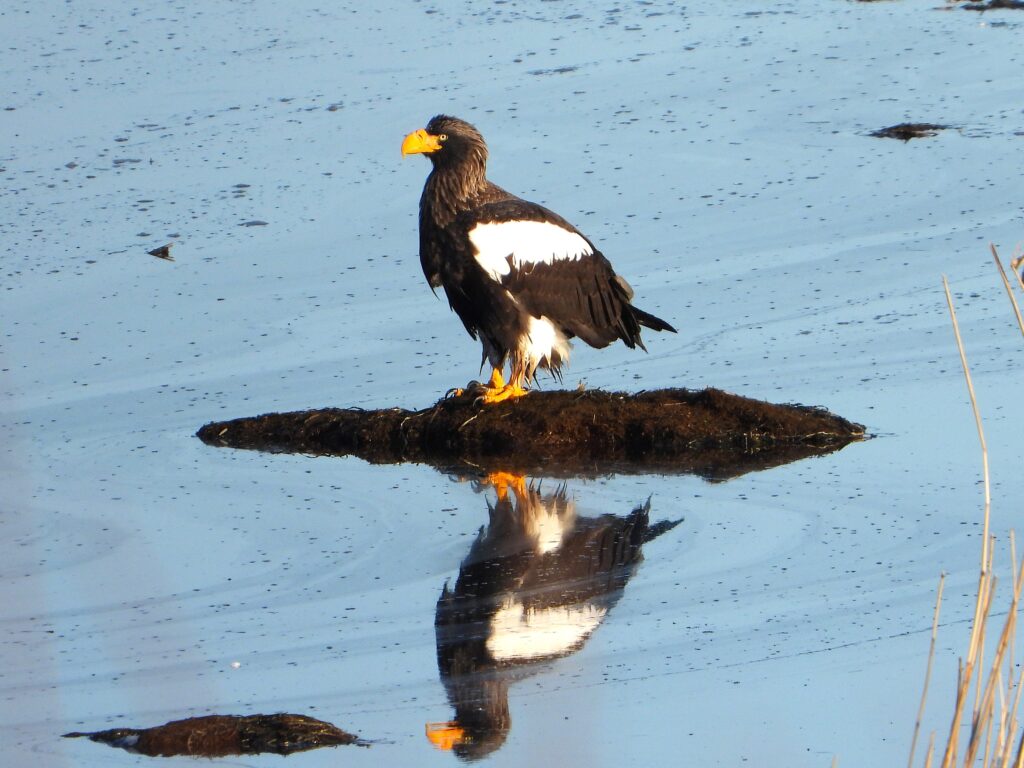
The region is especially famous for Red-crowned Cranes around Kushiro and Tsurui, Steller’s Sea Eagles and White-tailed Eagles around Rausu and Shiretoko, and winter birding around Nemuro, Lake Furen and the Notsuke Peninsula.
I have watched groups of wild Red-crowned Cranes in Hokkaido myself.
Many people picture them standing in deep snow, but there was no snow on the ground when I saw them. Even without the classic winter scenery, watching several cranes together and hearing their calls carry across the landscape was unforgettable.
Red-crowned Cranes live in eastern Hokkaido throughout the year, but winter is particularly useful for visitors because they gather in more concentrated areas.
▶ Where to See Red-crowned Cranes in Hokkaido
I have also watched both Steller’s Sea Eagles and White-tailed Eagles in Hokkaido, including on the Notsuke Peninsula.
Both species are enormous, and in the right wintering areas they can be surprisingly noticeable even from a long distance.
When I look for them, I do not just scan the tops of large trees. I also check the shoreline, open water, ice, distant posts and the sky.
You also do not necessarily need to take a boat cruise. Places such as Nemuro and the Notsuke Peninsula offer opportunities to see sea eagles from land.
▶ Where to See Sea Eagles in Hokkaido
If your Hokkaido trip is based around Sapporo, there are also good birdwatching areas in and around the city.
Tokyo — Easy Birdwatching for Travelers
Tokyo is one of the easiest places to add birdwatching to a normal Japan itinerary.
You do not need a car or a long hike.
Parks, ponds, rivers, shrine forests and the Tokyo Bay area all provide different habitats within easy reach of public transport.
At Kasai Rinkai Park, you can look for wetland and coastal birds. Meiji Jingu offers woodland habitat, while places such as Shinobazu Pond attract waterbirds.
Even in a huge city, the birdlife changes quickly once you reach a patch of woodland or open water.
I have watched plenty of birds in urban parks and around waterways close to residential areas. You really do not need to travel into remote wilderness every time you want to go birding in Japan.
For travelers with limited time, Tokyo is one of the most practical places to start.
▶ Birdwatching in Tokyo: 10 Best Spots for Travelers
Nikko — Forest and Mountain Birding Near Tokyo
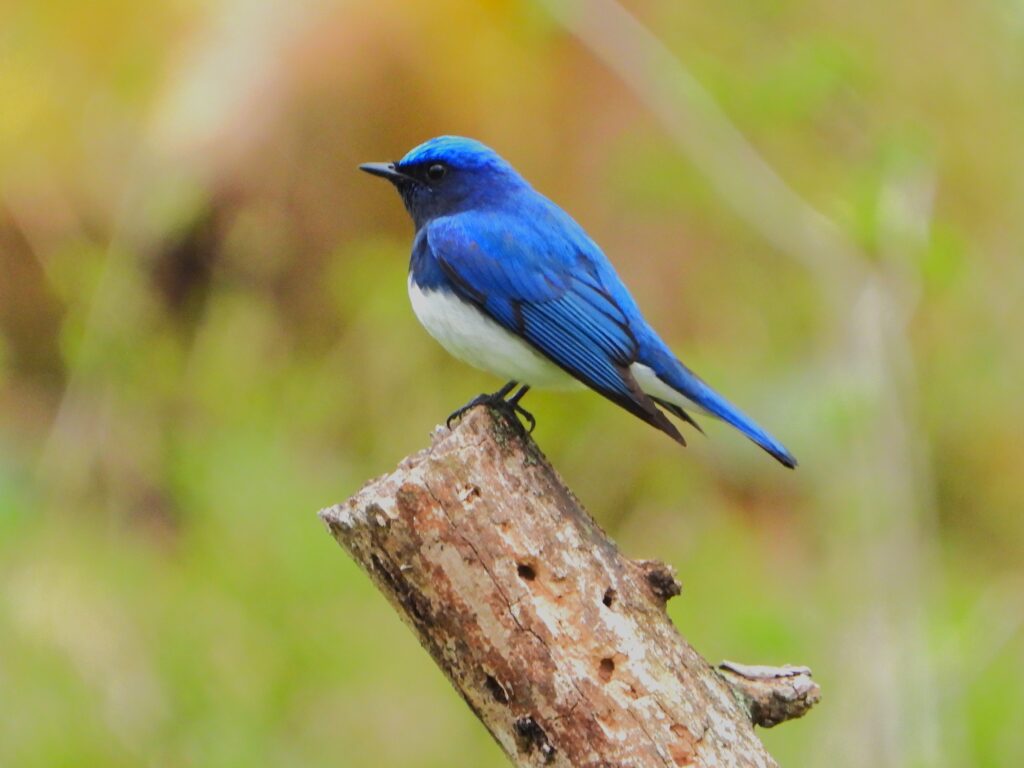
Nikko is one of the areas I visit most often for forest and mountain birds.
Oku-Nikko packs several different habitats into a relatively small area, including the Senjogahara marshland, Lake Yunoko, Lake Chuzenji, mountain streams such as the Yukawa River, and high-elevation forests.
That variety makes it easy to change habitats without travelling very far.
I have watched Blue-and-white Flycatchers around Nikko many times.
More often than not, I hear them before I see them. A song comes from high in the trees, and only after searching the canopy do I finally pick out the blue bird itself.
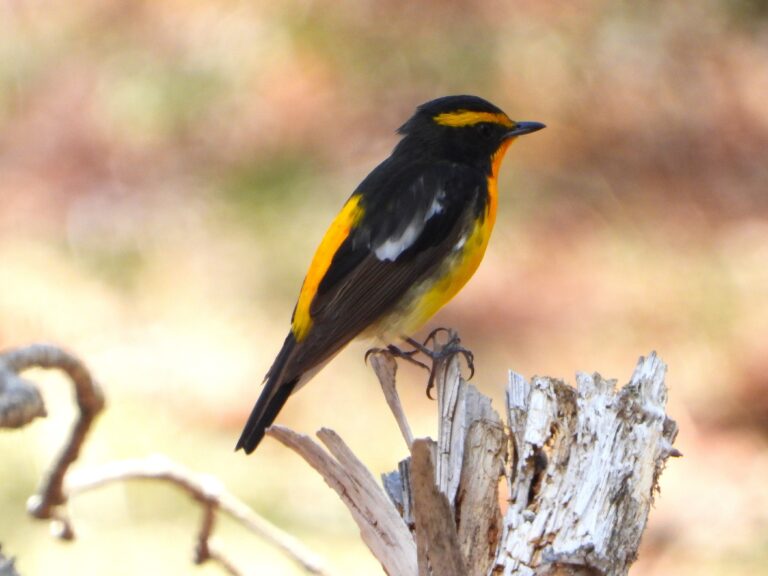
Other summer forest birds, including Narcissus Flycatchers, also arrive in the warmer months, while streams are good places to look for Brown Dippers and other waterside birds.
Combining open areas such as Senjogahara with forest around Yumoto and nearby streams can give you a very different birding experience within the same day.
Nikko is already a famous sightseeing destination, but it also offers genuinely good mountain birdwatching within reach of Tokyo.
▶ Wildlife Watching in Nikko National Park
Karuizawa and Nagano — Classic Forest Birding
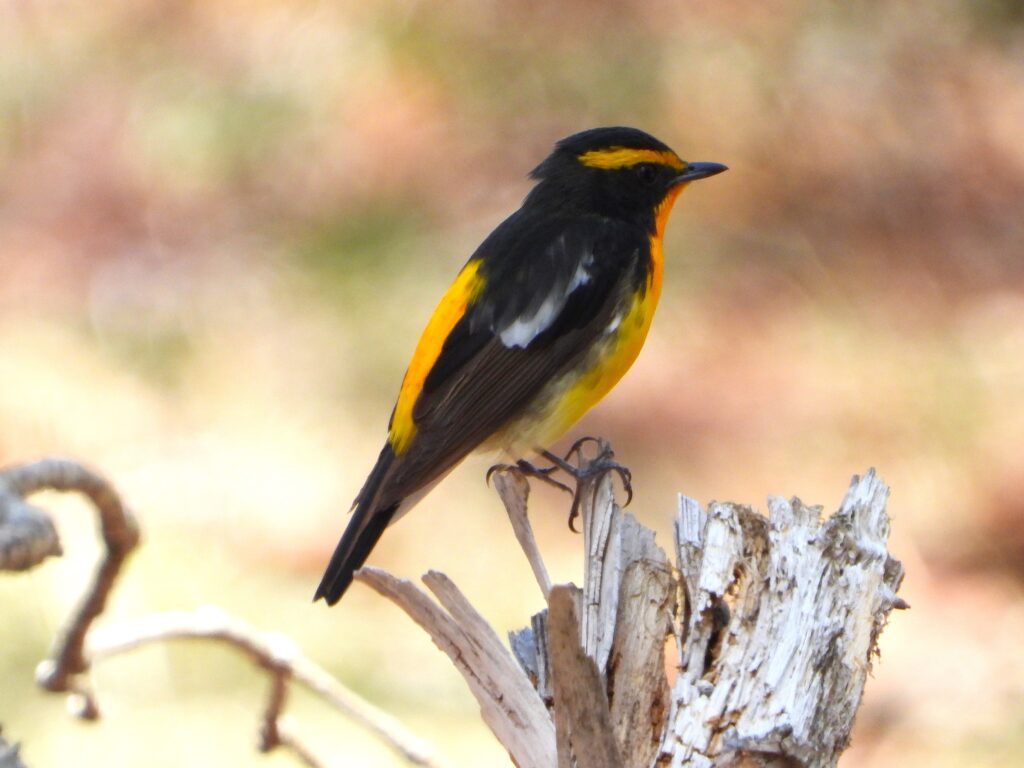
Karuizawa is another well-known destination for forest birding on Honshu.
The forests around Karuizawa Wild Bird Sanctuary provide opportunities to look for summer visitors such as Blue-and-white Flycatchers and Narcissus Flycatchers.
It is also easy to combine with a Tokyo trip thanks to the shinkansen connection.
If you are travelling through Nagano or want a classic woodland birding destination that is easy to reach from Tokyo, Karuizawa is a strong option.
Sado Island — Crested Ibis
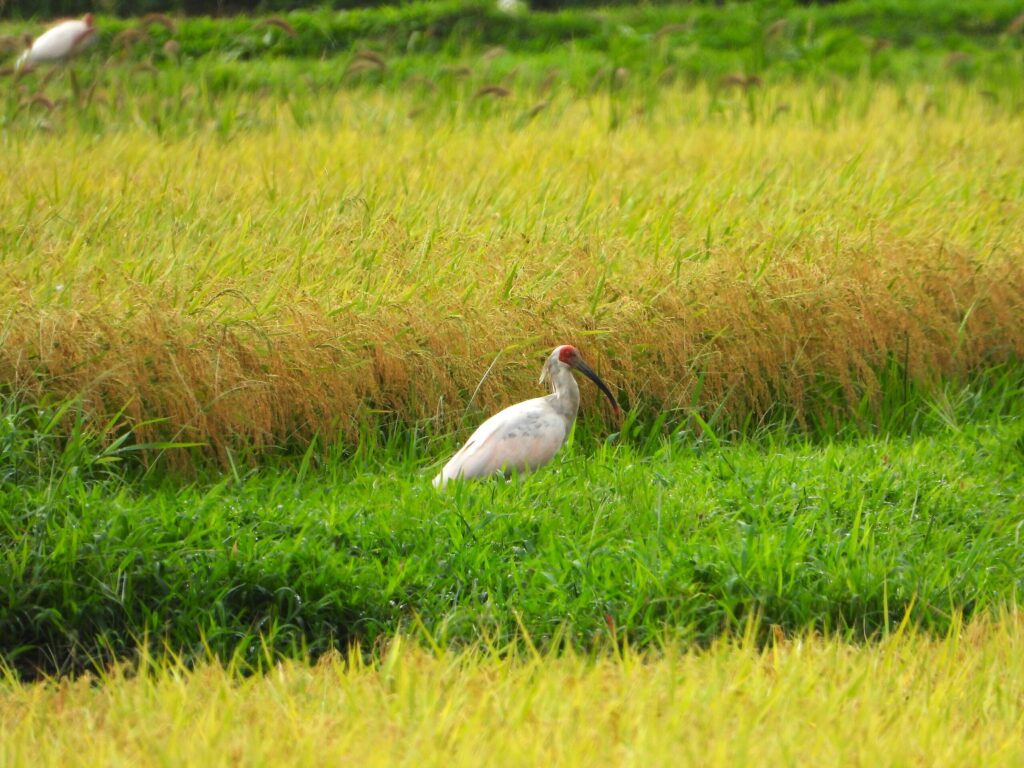
If Crested Ibis is your main target, Sado Island is the place to think about first.
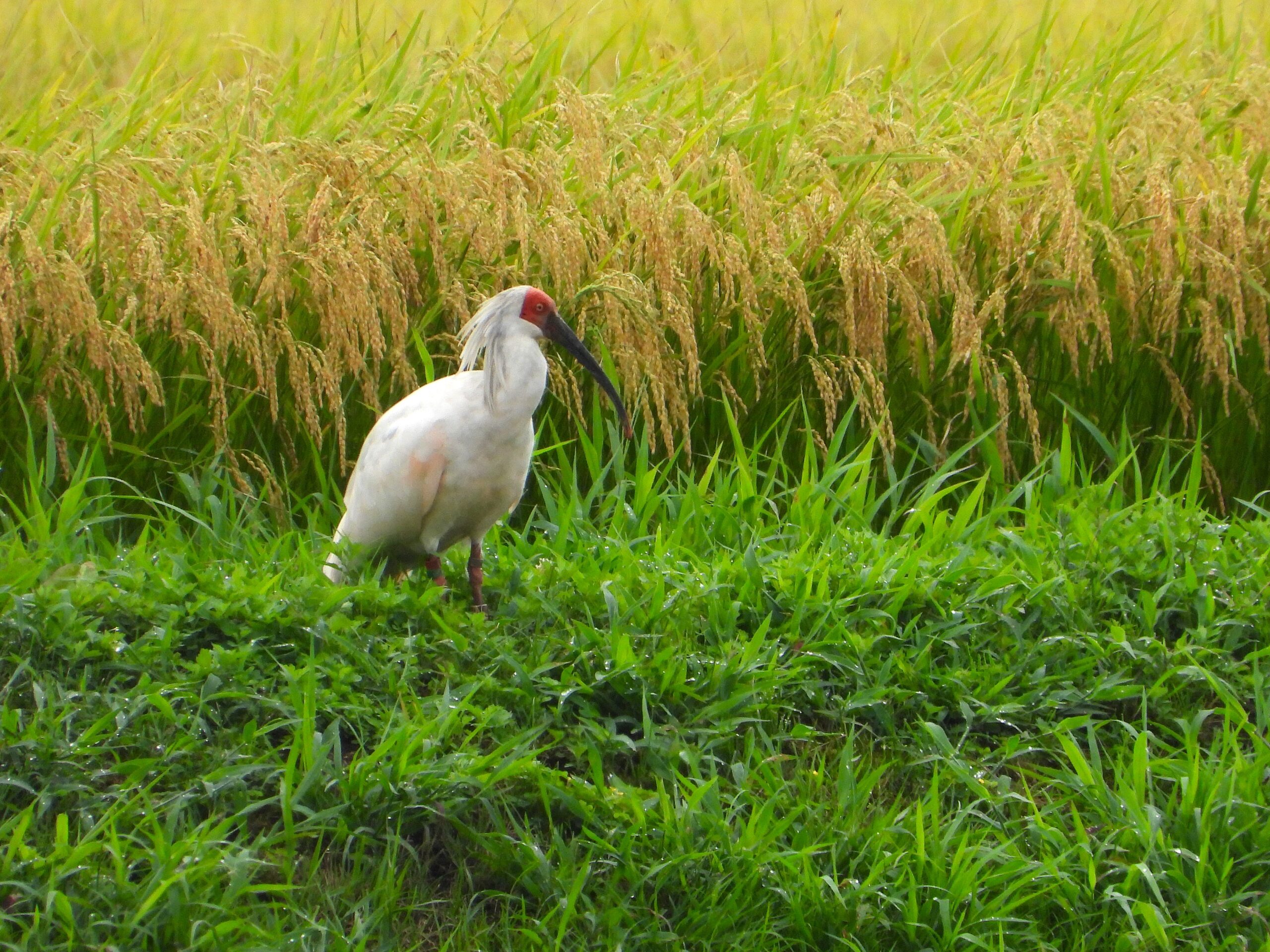
I visited Sado in September and spent time looking for wild ibises around rice fields.
One thing that surprised me was how difficult they could be to spot once the rice had grown tall.
The fields made a beautiful background for photographs, but birds feeding on the ground could almost disappear behind the rice.
I found it more useful to scan a wider area instead of staring at one field. Field edges, irrigation channels and more open patches were especially worth checking.
Another thing that stood out was their colour.
On the ground, Crested Ibises can look surprisingly pale. When they take flight, however, the soft pinkish colour in the wings suddenly becomes much more obvious.
That was one of the most memorable things about watching them in the wild.
There is never a guarantee with wild birds, but Sado remains Japan’s best-known destination for looking for wild Crested Ibises.
▶ Where to See Wild Crested Ibis on Sado Island
Fuji Five Lakes — Birdwatching Around Mount Fuji
The Fuji Five Lakes area is a good choice if you want to combine birdwatching with a Mount Fuji trip.
I have visited the Mount Fuji area many times for camping and wildlife watching.
Although the five lakes are close together, the surrounding habitats are not identical.
Lake Yamanaka has more open water and can be useful for looking for waterbirds.
Lake Saiko is surrounded by more forest, making it better suited to woodland species.
Lake Kawaguchiko is the easiest to include in a standard sightseeing itinerary.
The Fuji Five Lakes work best if birding is part of a wider Mount Fuji trip.
▶ Wildlife Around the Fuji Five Lakes
Kyushu — Winter Cranes at Izumi
Izumi in Kagoshima is one of Japan’s most famous winter crane destinations.
The main species here are Hooded Cranes and White-naped Cranes rather than the Red-crowned Cranes of Hokkaido.
Large numbers gather in the area during winter, creating a very different experience from crane watching in northern Japan.
If you are travelling through Kyushu in winter, Izumi is one of the birding destinations worth remembering.
Japan’s crane watching is not limited to Hokkaido.
Okinawa and the Nansei Islands — Endemic Birds
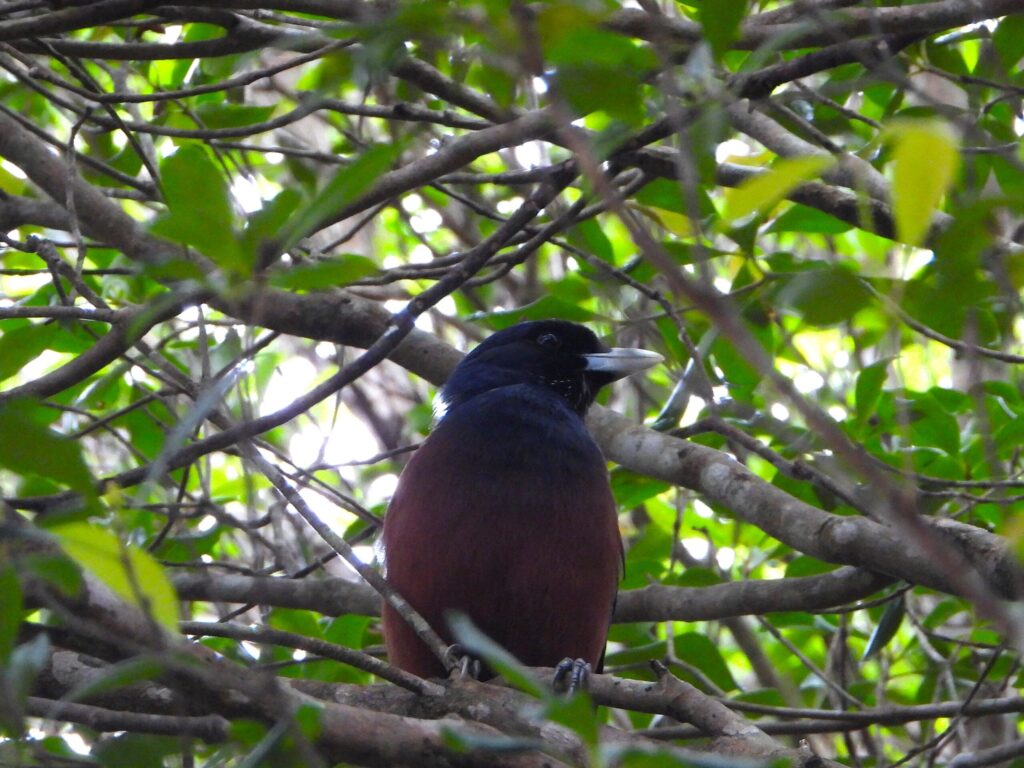
For endemic birds, head south to Okinawa and the Amami Islands.
Northern Okinawa is home to the Okinawa Rail, one of Japan’s best-known endemic birds.
It spends most of its time on the ground and is naturally restricted to northern Okinawa Island.
The Amami Islands are also home to birds you will not find on mainland Japan, including Lidth’s Jay and the Amami Woodcock.
I have seen Amami Woodcocks in the wild on Amami Oshima.
They are mainly active at night, so looking for them feels very different from normal daytime birdwatching.
They may appear along forest roads after dark, which means you need to think not only about disturbing the birds but also about road safety.
Other Birding Destinations Worth Knowing
Japan has plenty of other birding destinations worth knowing about.
Toyooka in Hyogo is famous for the reintroduced Oriental Storks that now live and breed in the area.
The Izu Islands have island-specific bird communities, as well as seabirds and species that are harder to see on mainland Honshu.
The Ogasawara Islands lie far south of mainland Japan and are home to highly localized birds, including the Bonin White-eye on Hahajima.
You do not need to visit every famous birding location on your first trip.
For most travelers, choosing one or two regions and spending more time there is far more realistic.
Best Time for Birdwatching in Japan
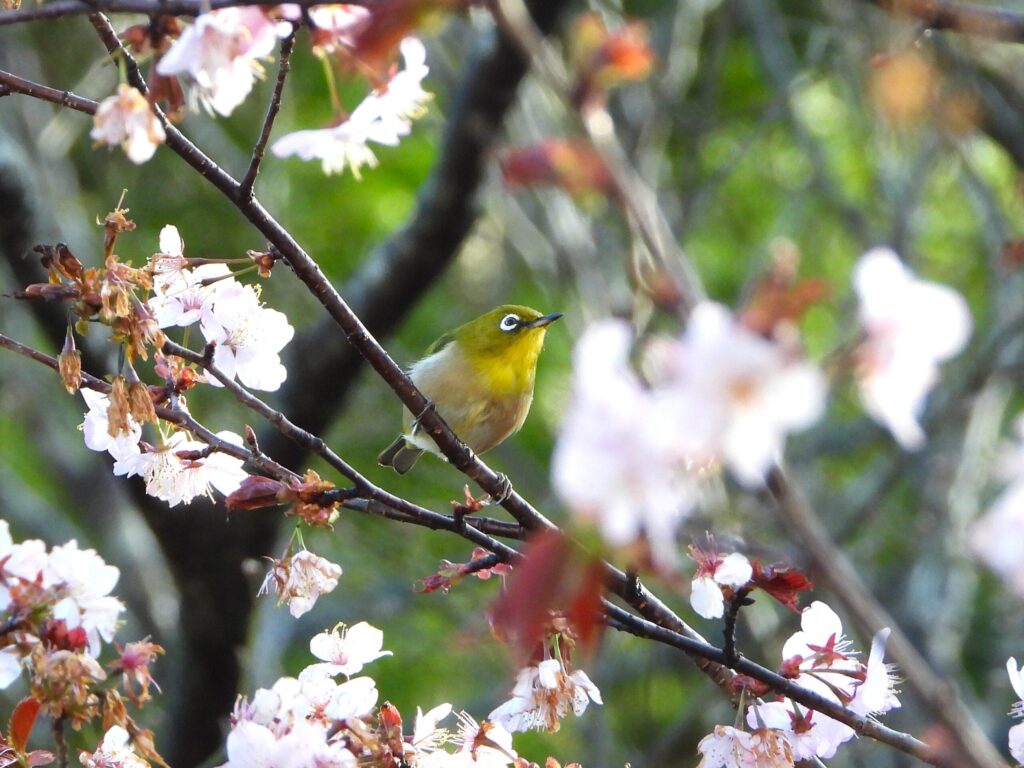
There is no single month that is best for birdwatching everywhere in Japan.
Hokkaido and Okinawa have very different climates, and even within Honshu the season changes with elevation.
It is better to think about the region and the birds you want to see at the same time.
Spring — Forest Birds and Birdsong
Spring into early summer is one of the most enjoyable times for forest birding.
Summer visitors such as Blue-and-white Flycatchers and Narcissus Flycatchers return to Japan, and their songs become much more noticeable during the breeding season.
In woodland, you will often hear a bird before you see it.
Earlier in the season, before the leaves become too dense, it can also be easier to spot birds sitting in the canopy.
▶ Spring Birdwatching in Japan
Summer — Mountains and Northern Japan
Birdwatching is still possible in summer, but lowland Honshu can be hot and humid.
Dense leaves also make small forest birds harder to see.
Higher-elevation areas such as Oku-Nikko, along with northern regions such as Hokkaido, can be more comfortable choices.
In summer forests, listening becomes even more important than simply scanning with your eyes.
▶ Summer Birdwatching in Japan
Autumn — Migration
Autumn is a season of movement.
Small birds pass through forests, shorebirds move along coasts and wetlands, and raptors can sometimes be seen migrating in large numbers at established watch points.
I have watched raptor migration at both Shirakaba Pass and Irago.
One thing you quickly learn is that every day is different.
Some days bring a steady stream of birds. On others, almost nothing passes overhead.
Migration depends heavily on weather, wind and timing, so even a famous location does not guarantee a spectacular day.
That unpredictability is part of what makes migration watching so interesting.
▶ Autumn Birdwatching in Japan
Winter — Cranes, Eagles and Waterbirds
Winter is one of the most exciting seasons for birdwatching in Japan, especially if you are travelling for iconic species.
Eastern Hokkaido is known for Red-crowned Cranes, Steller’s Sea Eagles and White-tailed Eagles.
Kyushu has major wintering areas for cranes.
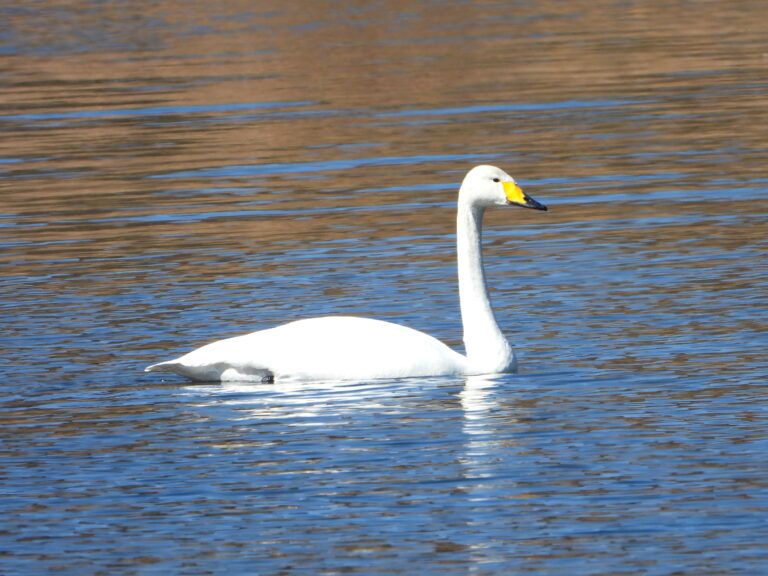
Across the rest of Japan, lakes, rivers, ponds and coastlines attract ducks and many other winter visitors.
Leafless deciduous forests can also make smaller birds easier to spot.
You do not have to travel to Hokkaido to enjoy winter birding. City parks, rivers and ponds throughout Japan can be excellent at this time of year.
▶ Winter Birdwatching in Japan
What Birds Can You See in Japan?
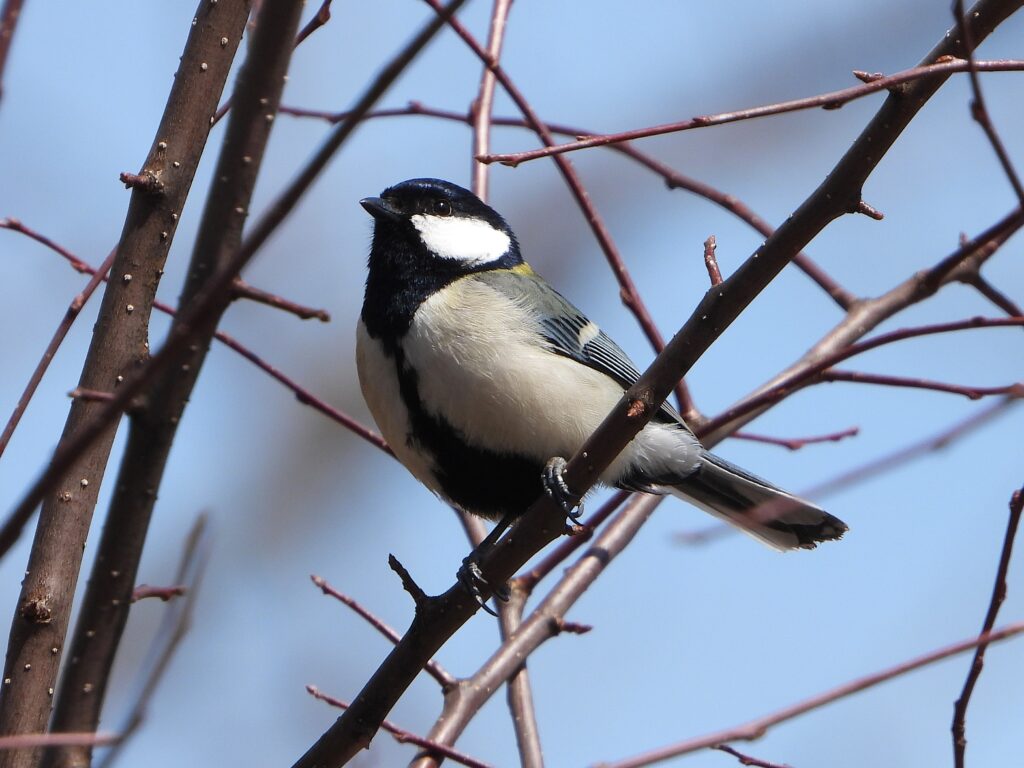
Trying to list every bird you might see would make this guide much harder to use.
Some of the most distinctive birds to look for include the Red-crowned Crane in eastern Hokkaido, Steller’s Sea Eagle in winter, Crested Ibis on Sado Island, Japanese Pheasant across parts of the country, Blue-and-white Flycatcher in forest during the warmer months, Okinawa Rail in northern Okinawa, and Amami Woodcock in the Amami Islands.
But birdwatching in Japan is not only about rare or famous species.
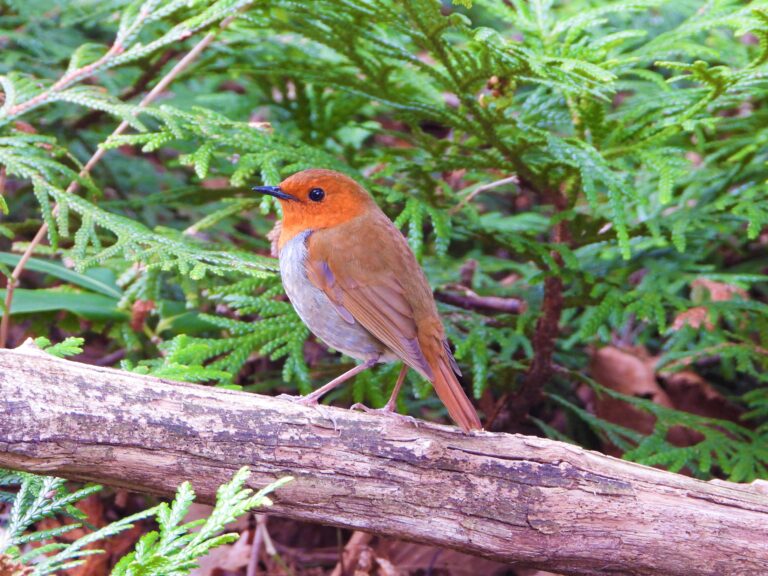
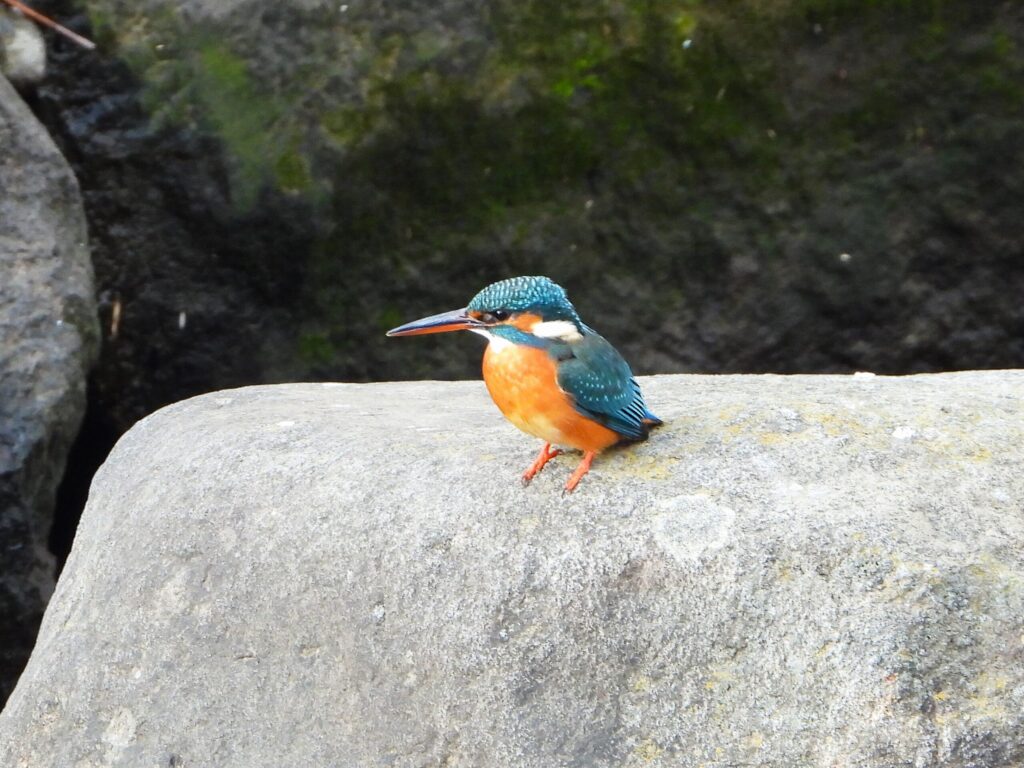
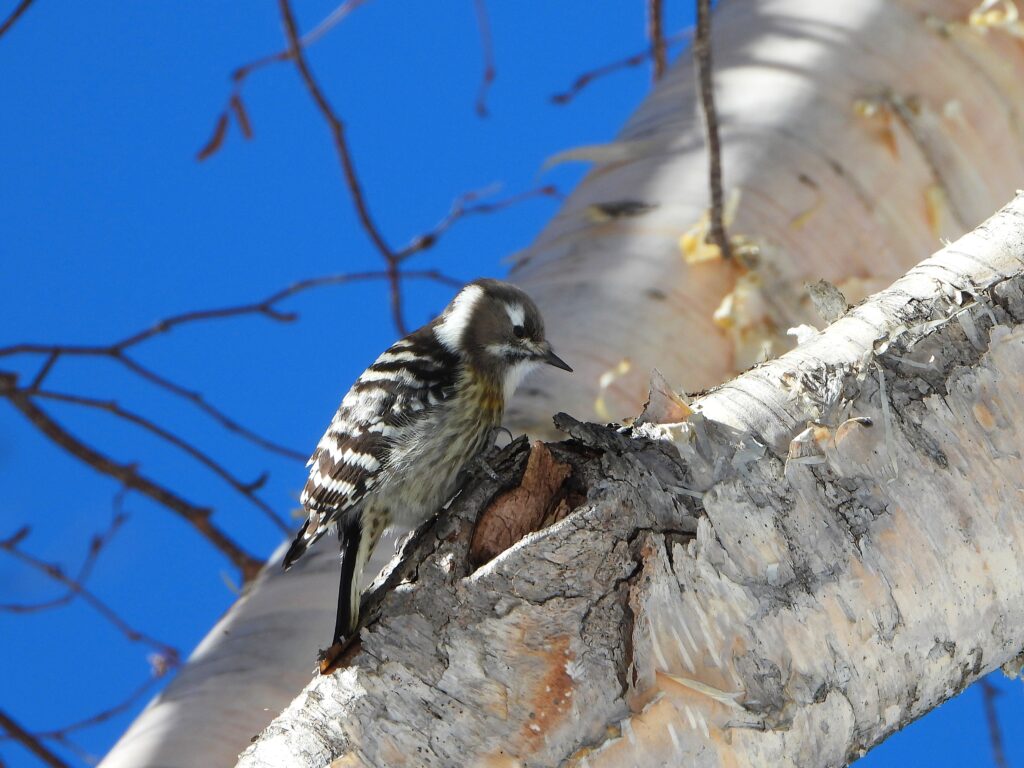
Japanese Tits, Japanese White-eyes, Brown-eared Bulbuls, Japanese Pygmy Woodpeckers and Common Kingfishers can all be part of an enjoyable day in a city park or along a local river.
For a broader guide to the birds themselves:
▶ Birds in Japan: Common, Native & Iconic Species
How to Plan a Birdwatching Trip in Japan
If Birdwatching Is the Main Purpose of Your Trip
If birds are the main reason for your trip, start with your target species rather than choosing a destination first.
For example, Red-crowned Cranes point you toward eastern Hokkaido. Steller’s Sea Eagles and White-tailed Eagles also lead you to eastern Hokkaido in winter.
If Crested Ibis is the priority, look at Sado Island.
For Okinawa Rail, northern Okinawa is the obvious region.
Once you have chosen your target bird, check when it is easiest to see and build the rest of the trip around that.
If Birdwatching Is Part of a Regular Japan Trip
If birdwatching is only one part of your Japan holiday, there is no need to make a long detour.
Staying in Tokyo? Spend a few hours in a city park or around Tokyo Bay.
Going to Nikko? Add birdwatching in Oku-Nikko.
Visiting Mount Fuji? Spend some time around the Fuji Five Lakes.
Staying in Sapporo? Look at local parks and nearby forests.
Even a few free hours can be enough.
Osaka also has parks, rivers, coastal habitat and woodland areas where you can look for birds without turning the entire trip into a birding tour.
Check Recent Sightings Before You Go
Wild birds do not stay in exactly the same place every day.
Even during the same season, conditions can change with weather, food availability, water levels and migration.
Checking recent records on eBird can help you understand what has been seen in an area recently.
Just remember that a recent record does not mean the bird will still be there when you arrive.
For rare birds, avoid using sighting information in a way that leads to birds, nests or sensitive locations being surrounded by people.
What to Bring for Birdwatching in Japan
You do not need specialist equipment to start birdwatching.
Binoculars are the most useful item, followed by a camera or telephoto lens if you want photographs.
Comfortable walking shoes, rain protection, suitable clothing and a field guide or identification app are also useful.
The most important thing is to prepare for the local conditions.
Winter in Hokkaido and summer on Honshu require completely different clothing.
Check the temperature, weather and possible snow conditions before worrying about camera equipment.
Birdwatching Etiquette in Japan
When you find a bird, it is tempting to move closer.
You do not need to approach until the bird becomes nervous or flies away.
Keep a reasonable distance, especially around nests.
Do not chase birds for photographs, use playback to repeatedly attract them, or use food to bring wild birds closer.
Never enter private farmland or other private property without permission.
This is especially important in rural Japan, where rice fields and farmland may also be excellent bird habitat.
They are still working landscapes.
Avoid blocking roads, paths and access points, and think carefully before sharing exact locations of rare birds.
When large numbers of people gather around a single bird, it can create problems not only for the wildlife but also for local residents and other visitors.
Giving birds space usually allows you to watch more natural behaviour for longer.
FAQ About Birdwatching in Japan
What is the best time of year for birdwatching in Japan?
It depends on what you want to see.
Spring into early summer is excellent for forest birds and birdsong. Spring and autumn are important migration periods, while winter is particularly good for cranes, sea eagles, ducks and other winter visitors.
Because Japan has such a wide range of climates, there is no single best month for the entire country.
Where is the best place for birdwatching in Japan?
There is no single best destination.
Eastern Hokkaido is excellent for cranes and sea eagles. Nikko and Karuizawa are good for forest birds. Sado Island is the main destination for Crested Ibis, while Okinawa and Amami are important for endemic birds.
Tokyo is also a good option if you want easy birdwatching during a normal sightseeing trip.
Is winter good for birdwatching in Japan?
Yes.
Winter is one of the best seasons for iconic Japanese birds.
Hokkaido has Red-crowned Cranes and sea eagles, Kyushu has large wintering crane flocks, and lakes, rivers, ponds and coastlines across Japan attract many winter visitors.
Leafless forests can also make smaller birds easier to spot.
Can you go birdwatching in Tokyo?
Yes.
Tokyo has large parks, woodland, rivers, wetlands and coastal areas that can all be reached by public transport.
It is easy to add a few hours of birdwatching to a normal Tokyo itinerary.
What endemic birds can you see in Japan?
Japan has several birds with very restricted natural ranges.
Examples include Okinawa Rail, Amami Woodcock and Japanese Pheasant.
Many island species have particularly limited distributions, so choosing the right region is essential if endemic birds are your main goal.
Do I need a birding guide in Japan?
Not necessarily.
Well-known parks and established birdwatching areas can usually be visited independently.
A local guide can be useful, however, when looking for highly localized species, nocturnal birds or wildlife on islands you have never visited before.
Final Thoughts
Birdwatching in Japan is about much more than Red-crowned Cranes and Steller’s Sea Eagles in Hokkaido.
You might listen for a Blue-and-white Flycatcher in the forests of Oku-Nikko.
You might scan rice fields for Crested Ibises on Sado Island.
You might spend a few hours looking for familiar birds in a Tokyo park.
Or you might encounter an Amami Woodcock on a dark forest road.
Each experience feels completely different.
You do not need to find the single “best” birdwatching location in Japan.
Choose a region that matches the birds you want to see and the season you are travelling in.
And remember that even at famous birding sites, wild birds are never guaranteed.
That is exactly why finding one for yourself can become one of the most memorable parts of a trip to Japan.
For a broader guide to Japanese bird species: