Jigokudani Snow Monkey Park Guide: Tickets, Access & Winter Tips
Introduction
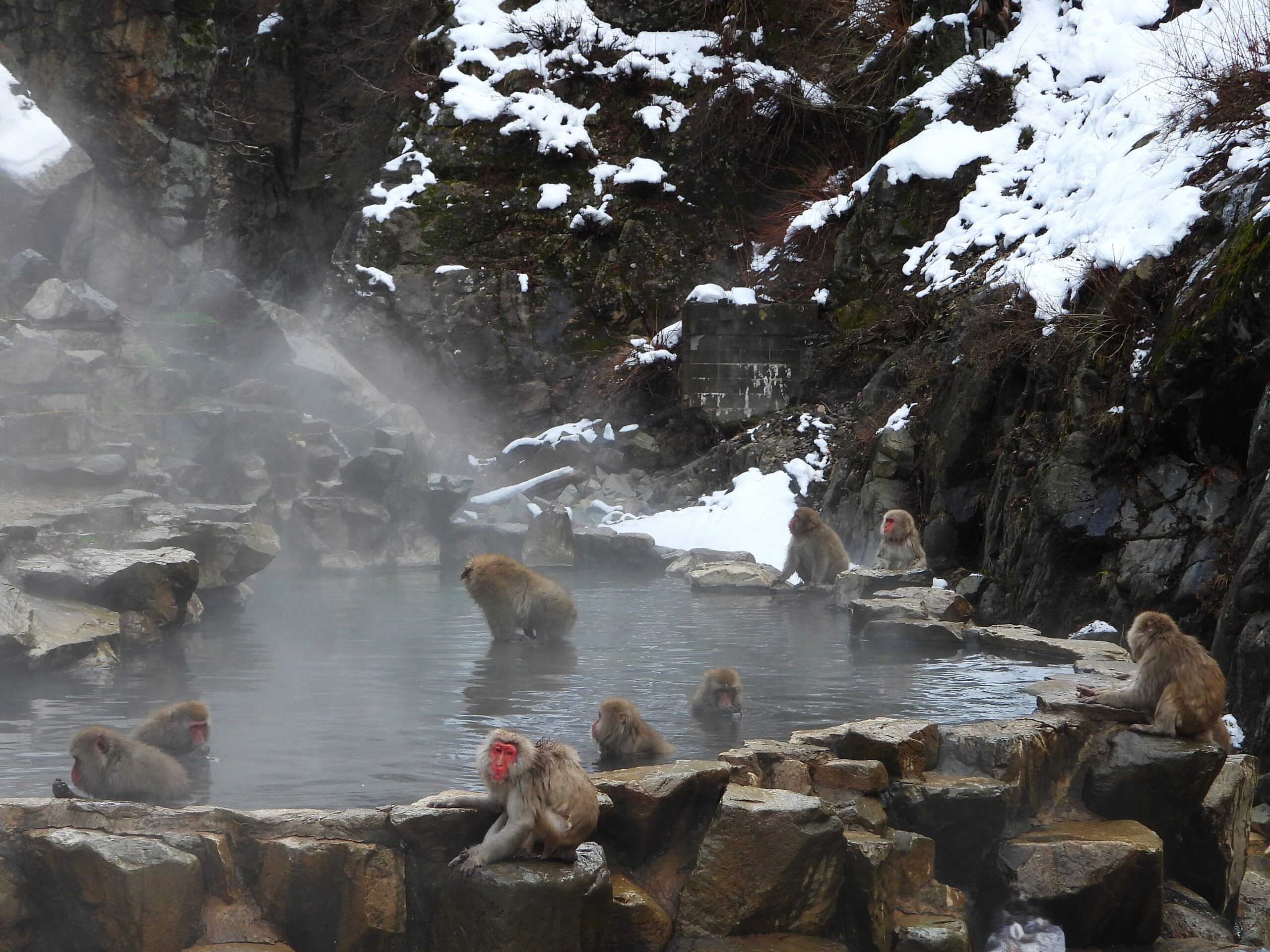
Jigokudani Snow Monkey Park in Nagano is one of Japan’s most famous places to see wild Japanese macaques, widely known as snow monkeys.
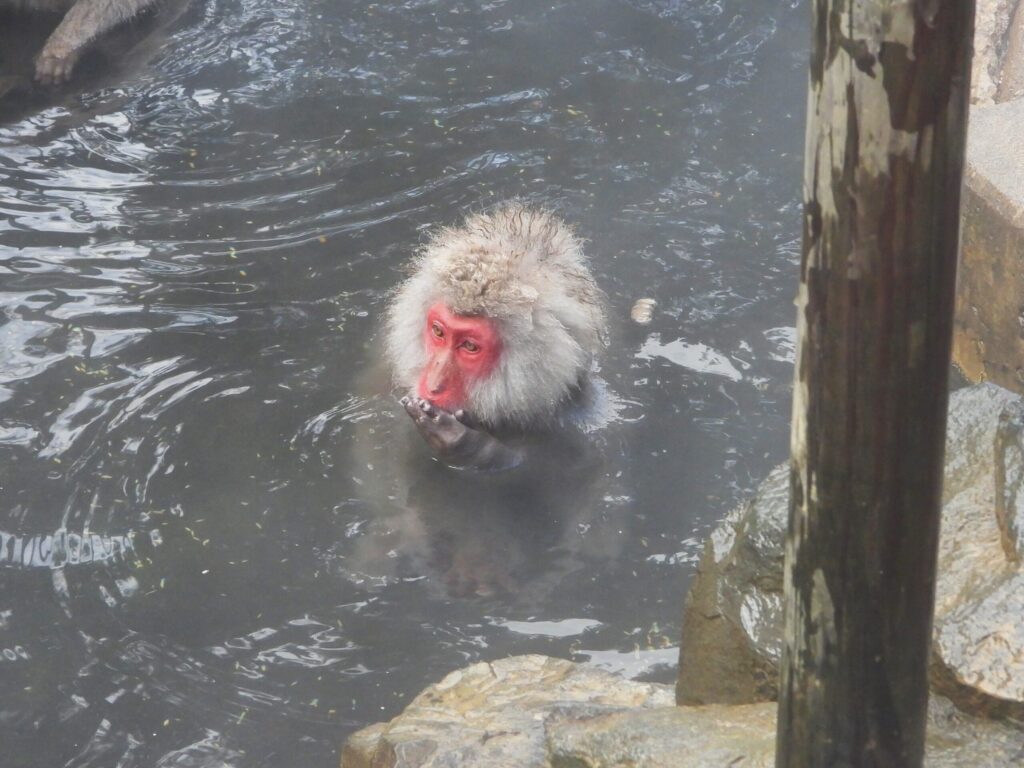
The park is especially popular in winter, when deep snow surrounds the valley and some monkeys may enter the hot spring. However, the monkeys are wild, so neither their appearance nor hot spring bathing is guaranteed.
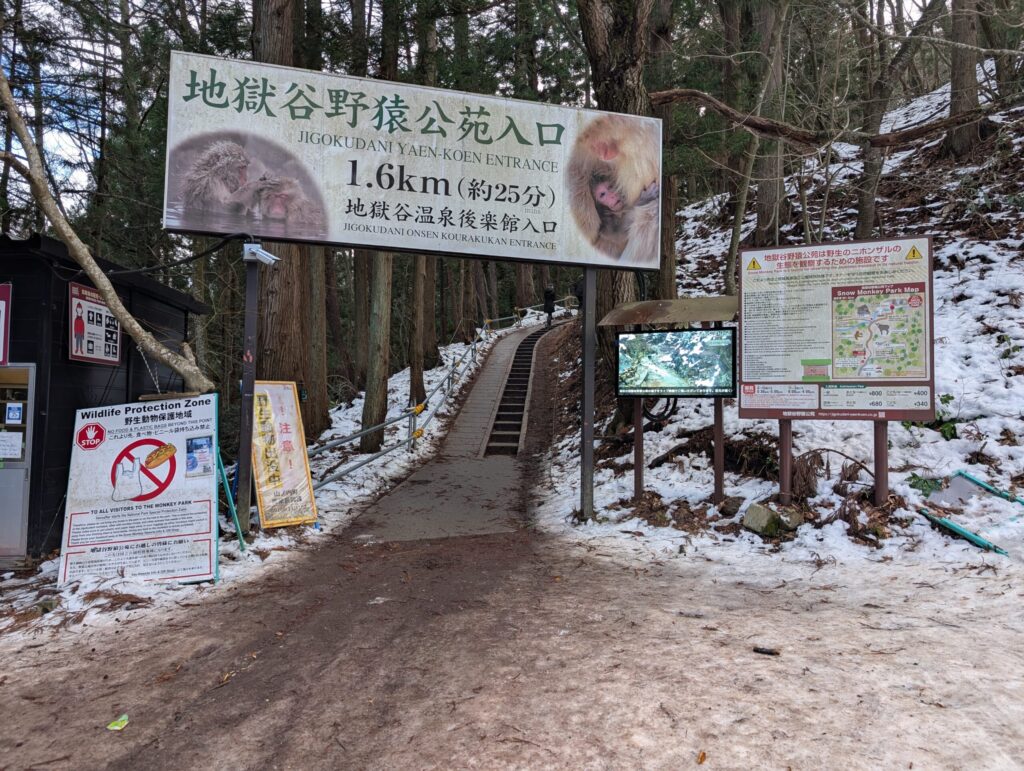
Reaching the park also requires some preparation. Visitors usually walk about 30 minutes along an unpaved forest trail, which can become snowy and icy in winter.
This guide covers how to get to Jigokudani Snow Monkey Park, tickets and opening hours, the best time to visit, winter conditions, and what you can realistically expect to see.
What Is Jigokudani Snow Monkey Park?
Jigokudani Snow Monkey Park, officially known as Jigokudani Yaen-Koen, is a wildlife observation park in the mountains of Yamanouchi, Nagano Prefecture. It sits at an elevation of about 850 meters in the Yokoyu River valley, an area known for steep cliffs, heavy winter snow, and natural hot springs.
The park was established in 1964 as a place to observe wild Japanese macaques in an environment kept as natural as possible.
The monkeys are not kept in cages or enclosed within the park. They live freely in the surrounding mountains and forests and come and go as part of their normal daily movements.
However, the park does use a regulated feeding routine to encourage the monkeys to visit the observation area. This makes close observation possible while allowing the macaques to remain wild and free-ranging.
Because the monkeys are free to leave, their presence is never completely guaranteed.
Tickets, Admission Fees & Opening Hours
Jigokudani Snow Monkey Park is open year-round, although opening hours change between the summer and winter seasons.
Admission Fees
Current general admission fees are:
- Adults (18 and over): ¥800
- Children (ages 6–17): ¥400
- Children age 5 and under: Free
Credit cards and some electronic payment methods are accepted at the park.
Opening Hours
Opening hours are generally:
- April–October: 8:30 a.m.–5:00 p.m.
- November–March: 9:00 a.m.–4:00 p.m.
There are no regular closing days. However, opening hours may be shortened or the park may temporarily close because of severe weather, natural disasters, or conditions involving the wild monkeys.
Visitors should aim to arrive at least 30 minutes before closing.
Online Tickets
Jigokudani Snow Monkey Park introduced online ticket sales in August 2026.
Online tickets are date-specific, and advance purchase is recommended, especially during the busy winter season. Visitors without an advance ticket may need to wait, and entry may be restricted when the park is particularly crowded.
Before visiting, check the official website for the latest opening hours, ticket information, and possible temporary changes.
▶ Check official Jigokudani Snow Monkey Park information
How to Get to Jigokudani Snow Monkey Park
Most visitors reach Jigokudani Snow Monkey Park via Nagano Station.
From Tokyo via Nagano
The simplest route is:
Tokyo → Nagano Station → Snow Monkey Park bus stop → Jigokudani Snow Monkey Park
The Hokuriku Shinkansen connects Tokyo and Nagano in as little as about 80 minutes.
From Nagano Station, express buses run toward the Snow Monkey Park area. The ride takes about 40 minutes. After getting off at the Snow Monkey Park bus stop, allow around 35 minutes to walk to the park entrance.
This is usually the easiest option for visitors coming from Tokyo, especially in winter.
Via Yudanaka Station
Another option is to take the Nagano Electric Railway from Nagano Station to Yudanaka Station.
The limited express journey takes about 40 minutes. From Yudanaka, take a local bus to the Snow Monkey Park bus stop, followed by the same walk of around 35 minutes.
This route can be convenient if you are staying overnight around Yudanaka Onsen or Shibu Onsen.
Driving to Jigokudani
Driving is possible, but winter visitors should think carefully before choosing a rental car.
Parking is limited, and the roads around the park can become congested during the busy winter season. The official park strongly recommends using public transportation whenever possible in winter.
There are two main parking approaches. The free parking area at Kanbayashi Onsen requires a walk of about 30–35 minutes to the park.
A closer paid parking area can be reached via Shibu Onsen outside winter, but the narrow access road is closed during the winter season. During winter, drivers should use the Kanbayashi Onsen parking area instead.
Whichever route you choose, remember that visiting Jigokudani still involves walking on an unpaved mountain path.
Prefer an easier way to visit Jigokudani? Guided snow monkey tours are available from Nagano and other nearby areas, which can be especially convenient in winter.
The 30-Minute Walk to the Park
Reaching Jigokudani Snow Monkey Park involves a walk through the forest before you see the monkeys.
From Kanbayashi Onsen and the Snow Monkey Park bus stop area, the main trail is about 2 km long and usually takes around 30–35 minutes each way.
Most of the trail is relatively gentle, but it is not a paved city walkway. There are unpaved sections, uneven ground, stairs, and a few hills along the route.
Walking in Winter
Winter conditions can make the trail much more challenging.
Snow and ice are common, so waterproof snow boots or other footwear with good grip are strongly recommended. The park also recommends simple crampons for safer walking when the trail is icy.
Allow extra time in poor conditions and avoid rushing, especially on the return walk.
Accessibility
The trail is not suitable for wheelchairs, strollers, or carts because of the unpaved surface, steps, and uneven terrain.
If you are visiting with small children, keep in mind that the walk itself is part of the Jigokudani experience and should be included when planning your day.
What to Wear in Winter
Winter at Jigokudani can be much colder and snowier than visitors expect.
Temperatures regularly fall below freezing, and during the coldest part of winter they can drop to around −10°C (14°F). Snow can also accumulate quickly, especially in January and February.
For a winter visit, prepare for both the cold and the snowy forest trail.
- Wear waterproof snow boots or other winter footwear with good grip.
- Simple crampons can be useful when the trail is icy.
- Dress in warm layers rather than relying on a single heavy jacket.
- Bring gloves, a warm hat, and a waterproof outer layer.
- Avoid footwear with smooth soles, even if the weather looks clear when you leave Nagano.
Remember that you will spend about 30 minutes walking to the park and may then spend considerable time standing outside watching the monkeys.
Dressing for mountain winter conditions will make the visit much more comfortable.
When Is the Best Time to Visit Jigokudani?
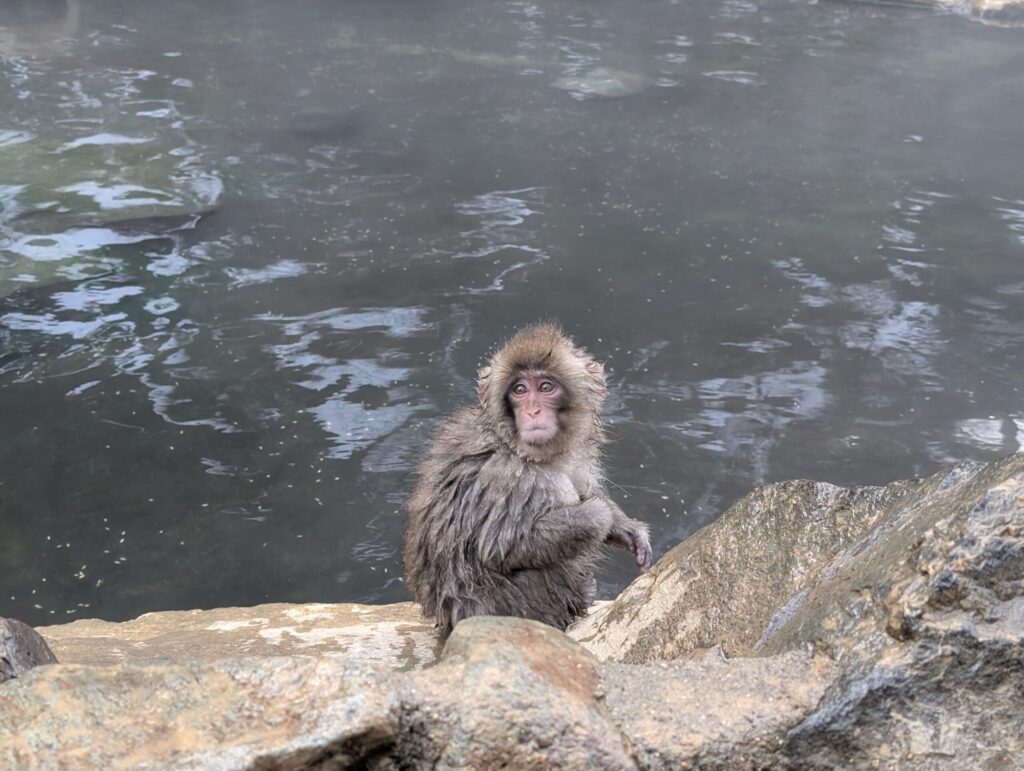
For the classic snow monkey experience, winter is the best time to visit Jigokudani Snow Monkey Park.
From December to March, cold temperatures and snowfall create the conditions most associated with Jigokudani, and this is also the main period when the macaques use the hot spring. January and February usually offer the deepest snow and the most dramatic winter scenery.
However, winter is also the busiest season, and neither snow conditions nor hot spring bathing can be guaranteed on a specific day.
The park is open year-round, and other seasons offer different experiences. Spring brings newborn macaques, summer is green and much quieter, while autumn can be less predictable because the monkeys spend more time feeding on natural foods in the surrounding mountains.
▶ Read the full guide: Best Time to Visit Jigokudani Snow Monkey Park
Do Snow Monkeys Always Bathe?
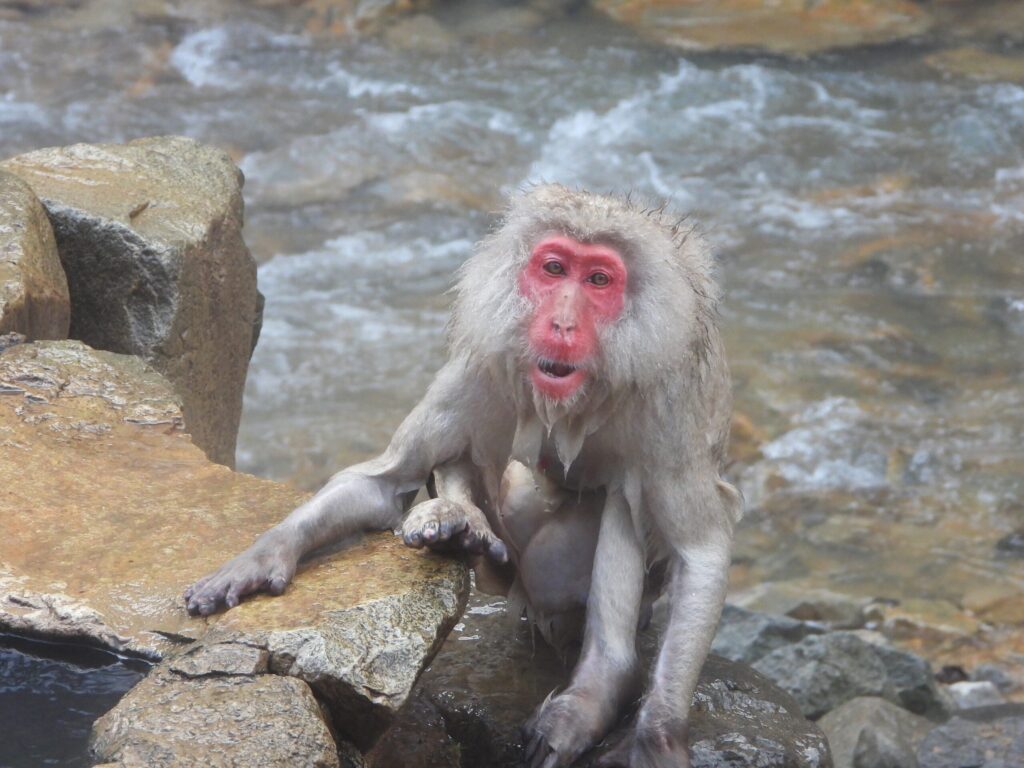
No. Seeing snow monkeys in the hot spring is never guaranteed.
The macaques mainly use the hot spring during the coldest months, generally from December to March. Even in winter, however, they do not stay in the water all day, and some visits may pass without any monkeys entering the bath.
That is because hot spring bathing is a behavior the monkeys choose rather than something arranged for visitors.
It is better to visit Jigokudani expecting to observe wild Japanese macaques in a snowy mountain environment—and consider seeing them in the hot spring a bonus.
▶ Why Do Snow Monkeys Bathe in Hot Springs?
The Snow Monkeys: Japanese Macaques
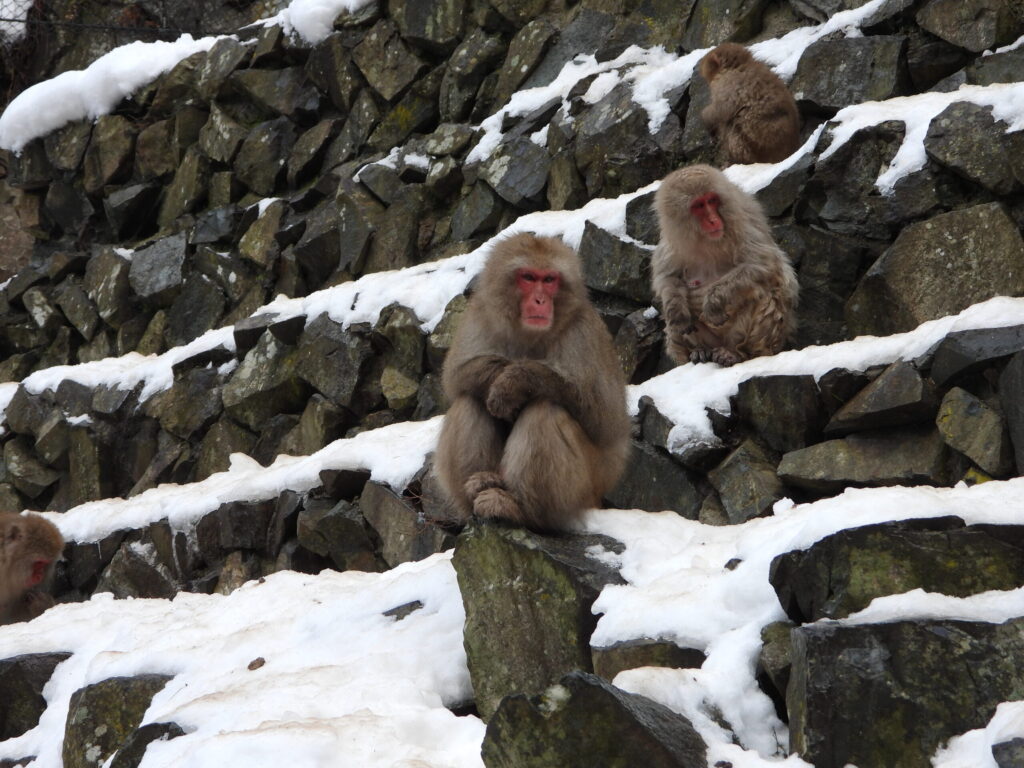
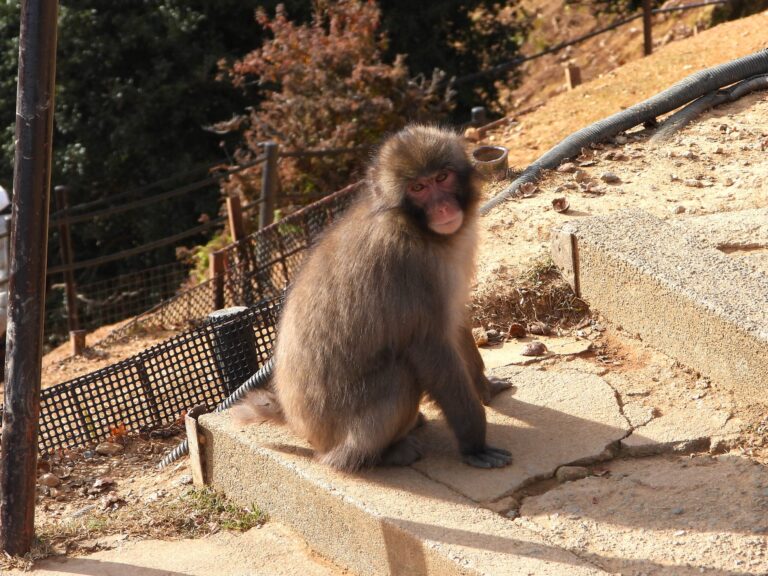
The snow monkeys at Jigokudani are Japanese macaques (Macaca fuscata), a species native to Japan and well adapted to cold, snowy environments.
They live in social groups and spend much of their day moving through the forest, foraging, grooming, resting, and interacting with other members of the troop.
At Jigokudani, visitors can observe these behaviors at close range. In winter, you may also see the monkeys huddling together or moving through deep snow—scenes that reveal much more about their lives than hot spring bathing alone.
▶ Learn more: Japanese Macaque (Snow Monkey) Guide
What You Can Realistically See
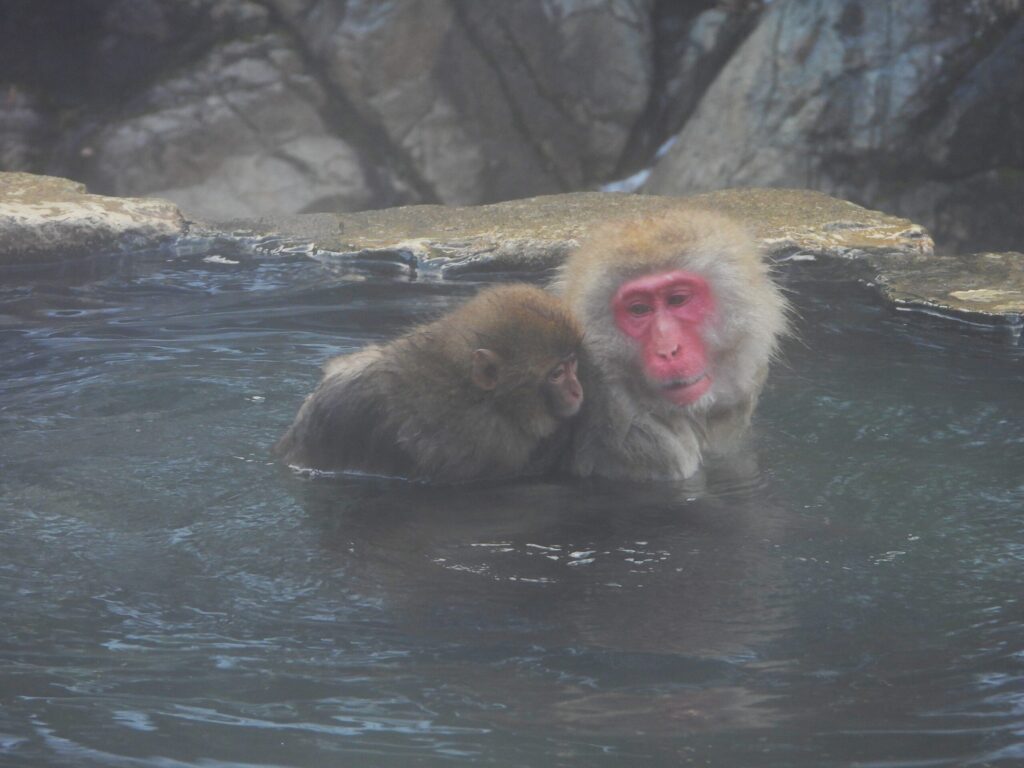
When the troop is present, Jigokudani offers much more than the famous image of monkeys sitting in a hot spring.
Visitors may see:
- Japanese macaques moving through the valley and surrounding forest
- Grooming, resting, foraging, and other social behavior
- Adults carrying or caring for young monkeys
- Juveniles playing and interacting with one another
- Monkeys walking through deep snow or huddling together in cold weather
- Some individuals entering or resting beside the hot spring in winter
Spring is an especially good time to see newborn macaques, with most births occurring from late April through June.
Other wildlife also lives in the surrounding mountains, but Japanese macaques are the main focus of a visit to Jigokudani.
Photography Tips
Jigokudani offers excellent opportunities to photograph Japanese macaques at relatively close range, especially in winter.
A short-to-medium telephoto or zoom lens is useful because it allows you to frame the monkeys without moving too close. Snow, steam, grooming, and interactions between adults and juveniles can all make strong photographs, so it is worth looking beyond the famous hot spring shots.
In winter, protect your camera from snow and moisture, and keep spare batteries warm, as cold temperatures can reduce battery life.
Photography and flash photography are permitted inside the park. However, do not move your camera or smartphone too close to the monkeys.
Selfie sticks and drones are prohibited, and cameras must never be placed inside the hot spring.
Above all, let the monkeys move naturally rather than approaching them for a photograph.
Rules, Etiquette, and Safety
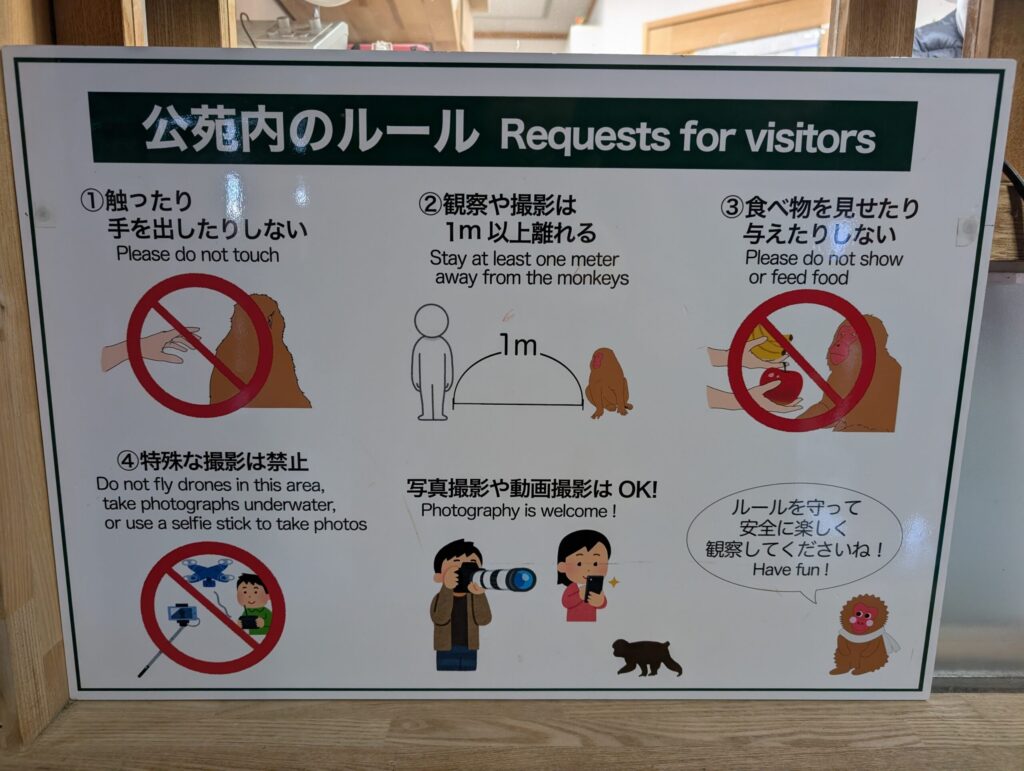
Jigokudani Snow Monkey Park has no fences separating visitors from the monkeys, so following the observation rules is essential.
- Do not feed the monkeys or show them food.
- Do not touch them, even if a monkey comes close.
- Do not stare directly into a monkey’s eyes or move too close.
- If a curious young monkey approaches you, calmly step away and give it space.
- Do not shout or make sudden movements around the monkeys.
- Pets are not allowed inside the park.
Food and drinks should not be consumed around the monkeys. Visitors carrying food or drinks are asked to leave them in the lockers at the park entrance.
The best approach is simple: keep a respectful distance and allow the monkeys to decide how close they want to be.
These are wild animals, not pets, and respecting their space makes the experience safer for both visitors and monkeys.
Check the Monkeys Before You Go
Because the macaques are wild and free to move through the surrounding mountains, they may not be at Jigokudani throughout the entire day.
Before leaving for the park, especially if you are making a day trip from Nagano or Tokyo, check the latest information from the official website.
The park provides:
- A weekly monkey appearance forecast based on recent activity and past trends
- Same-day updates through its official social media accounts
- A live camera showing current conditions around the observation area
The forecast is only a guideline and cannot guarantee that the monkeys will be present when you arrive. Conditions can change during the day.
Checking the latest updates on the morning of your visit can help you better plan your arrival time and see what conditions are like at the park.
▶ Check the latest monkey status and live camera
Is Jigokudani Worth Visiting?
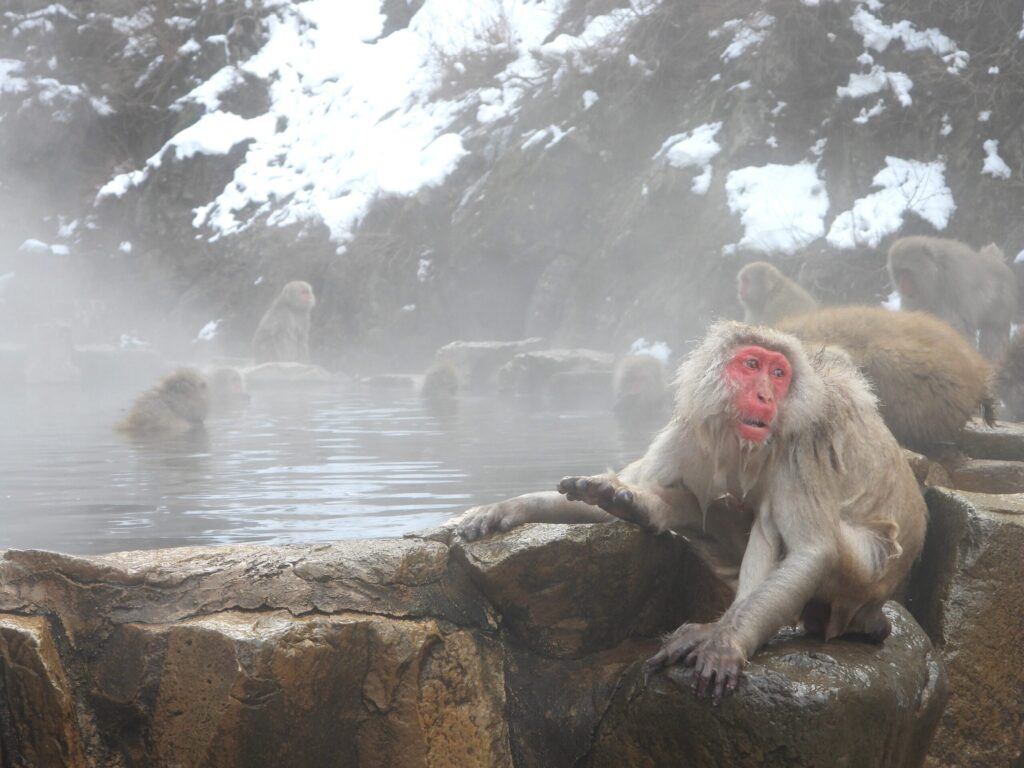
For wildlife lovers, Jigokudani Snow Monkey Park is one of the most distinctive animal-watching experiences in Japan.
Few places allow visitors to observe wild Japanese macaques this closely in a snowy mountain environment. Winter can be especially memorable, with monkeys moving through deep snow, grooming, resting, and sometimes entering the hot spring.
However, Jigokudani is not a guaranteed “hot spring monkey” experience. The monkeys may not enter the water, winter can be crowded, and reaching the park requires a walk of about 30 minutes each way.
If your main goal is to see Japanese macaques behaving naturally in a mountain setting, Jigokudani is well worth considering.
If you are visiting only for a perfect photo of monkeys bathing in the snow, keep your expectations flexible.
Author’s Impression
I have visited Jigokudani Snow Monkey Park myself and watched wild Japanese macaques using the hot spring.
One thing I remember clearly is the walk to the park. It does not look particularly difficult on paper, but after walking through the forest for around 30 minutes, I was more tired than I expected by the time I reached the monkey area.
There were also quite a few visitors around the hot spring when I arrived. The monkeys can still be observed at relatively close range, but if you want a quieter experience and more time to watch their natural behavior, I would personally recommend arriving early in the day.
Seeing the monkeys in the hot spring was memorable, but what impressed me most was being able to watch the troop as a whole—moving around, resting, grooming, and interacting naturally.
For me, that was the real appeal of Jigokudani.
Related Snow Monkey Guides
Want to learn more about snow monkeys in Japan? These guides cover their behavior, the best season to visit, and other places where Japanese macaques can be seen.
▶ Best Time to Visit Jigokudani Snow Monkey Park
▶ Why Do Snow Monkeys Bathe in Hot Springs?