Japanese Countryside Wildlife: Animals in Rural Japan
Introduction
One of the best things about rural Japan is that you do not need to visit a national park or remote wilderness area to see wildlife.
Across the country, rice fields, forests, rivers, and traditional satoyama landscapes provide habitats for a wide variety of animals. Many species live surprisingly close to towns and villages, making wildlife encounters a normal part of life in the Japanese countryside.
I live in rural Japan, where encounters with wildlife are a normal part of everyday life. In autumn, I can often hear deer calling in the distance, and every spring swallows return to nest around buildings. Experiences like these are one of the reasons I enjoy living close to nature.
In this guide, I will introduce some of the animals you may see while exploring rural Japan.
What Makes Rural Japan a Great Place for Wildlife?
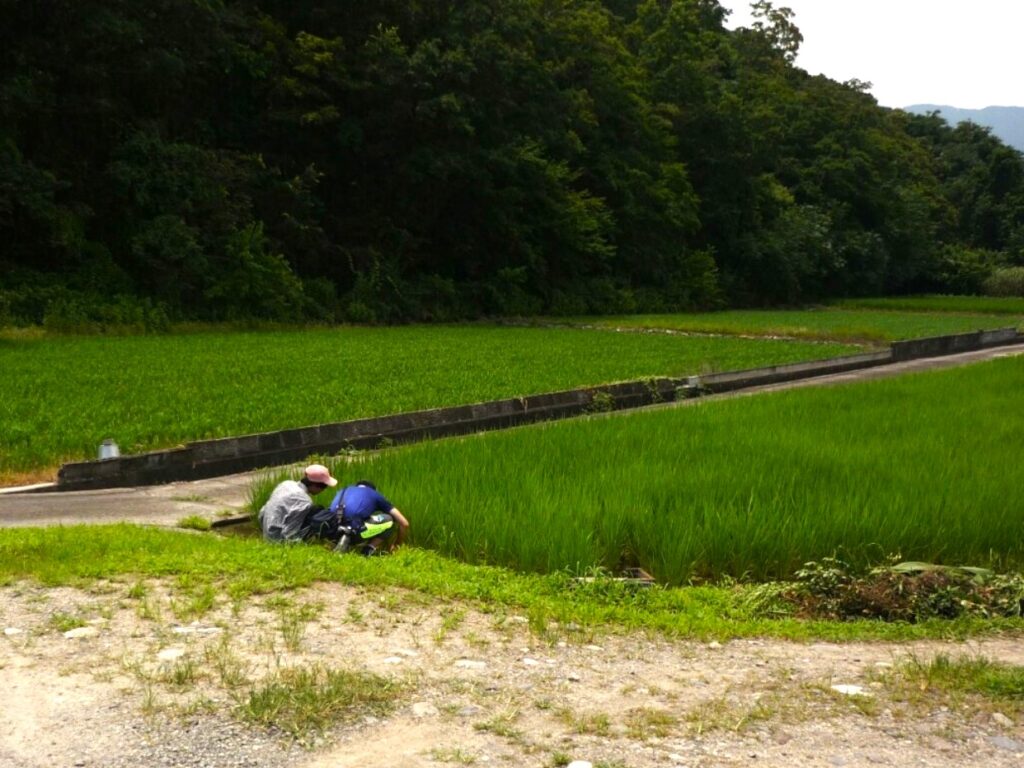
Rural Japan contains a unique mix of habitats within a relatively small area.
You may find:
- Forests
- Rivers and streams
- Rice fields
- Farmland
- Satoyama landscapes
This variety of environments supports a remarkable diversity of wildlife. Depending on the region, it is possible to encounter mammals, birds, reptiles, amphibians, and insects during a single walk.
Unlike some countries where wildlife is concentrated in large protected areas, many Japanese animals can be seen surprisingly close to human settlements.
Common Mammals in Rural Japan
Sika Deer
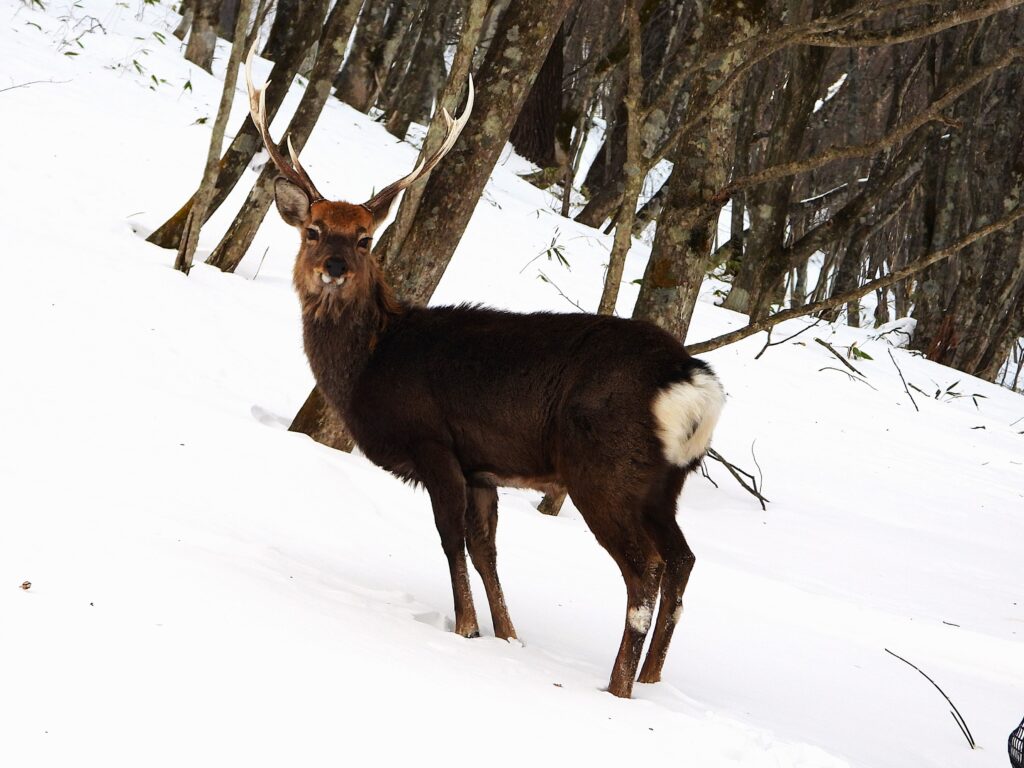
The Sika Deer is one of the most frequently seen large mammals in Japan.
Populations have increased in many regions, and deer can now be found not only in forests but also near farmland and rural roads. During autumn, males become especially active during the breeding season, and their calls can often be heard across the countryside.
Japanese Red Fox
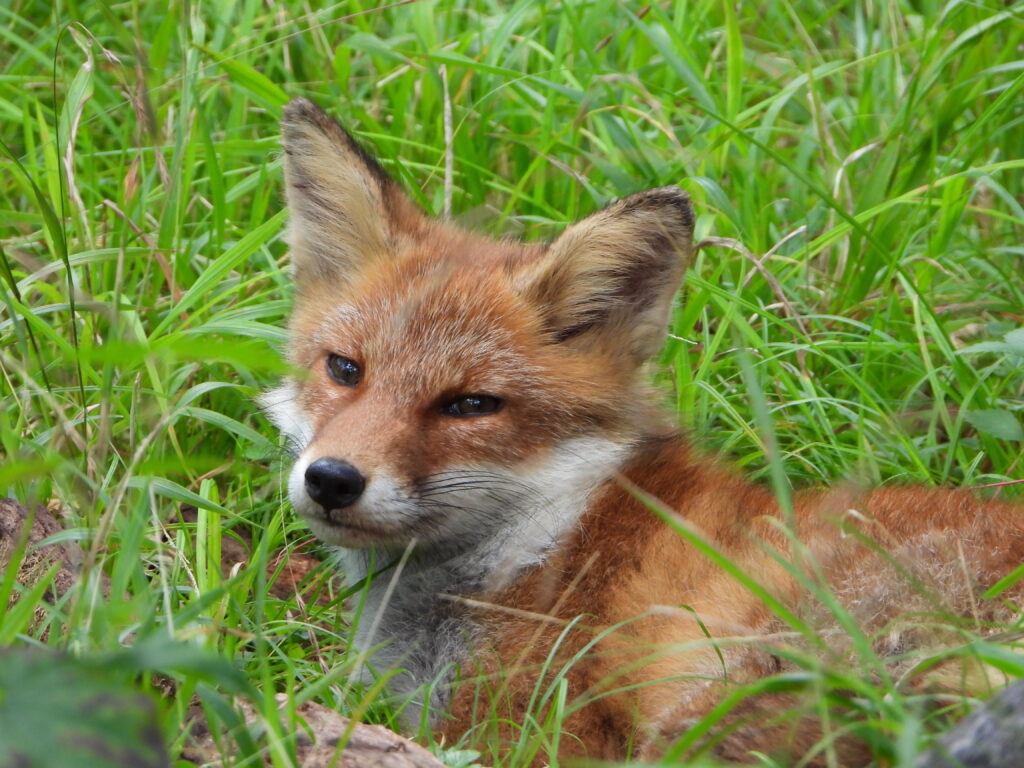
Foxes are often associated with Hokkaido, but they can also be found throughout much of mainland Japan.
They are most commonly seen during the early morning or evening along quiet roads, forest edges, and agricultural areas.
Japanese Raccoon Dog (Tanuki)
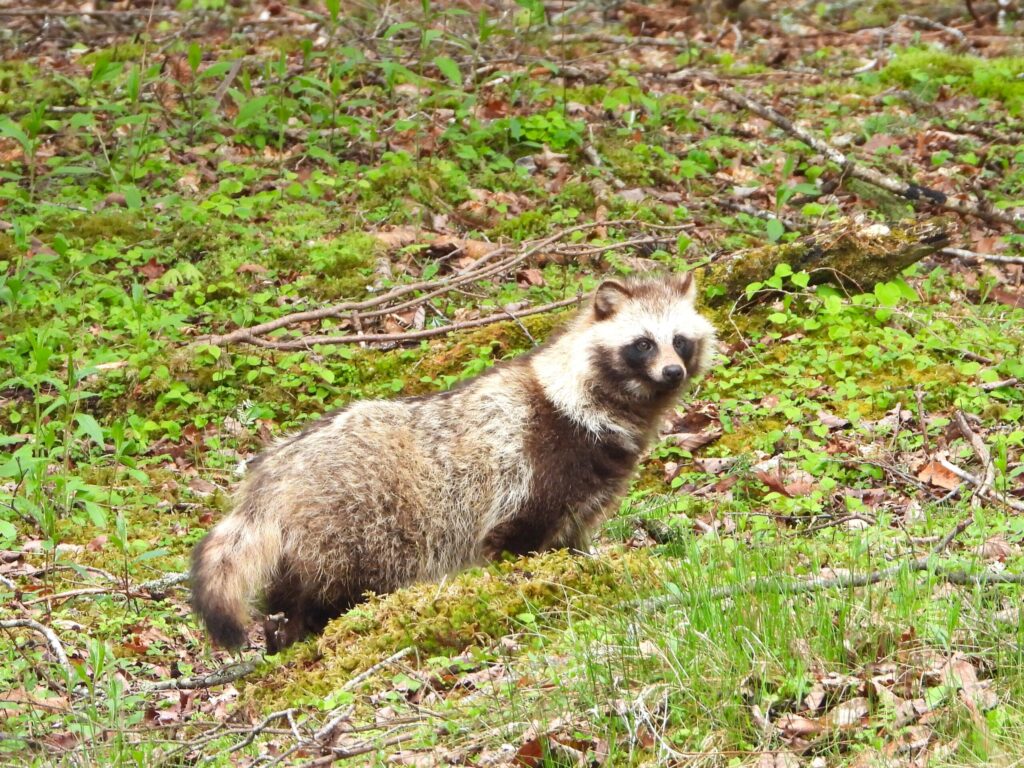
Few animals are more closely associated with Japan than the Tanuki.
Despite their resemblance to raccoons, Tanuki belong to the dog family and are known as raccoon dogs. They are primarily nocturnal and may appear near villages, farmland, and woodland edges after dark.
For many international visitors, seeing a wild Tanuki is a memorable experience.
▶ Japanese Raccoon Dog (Tanuki)
Japanese Macaque
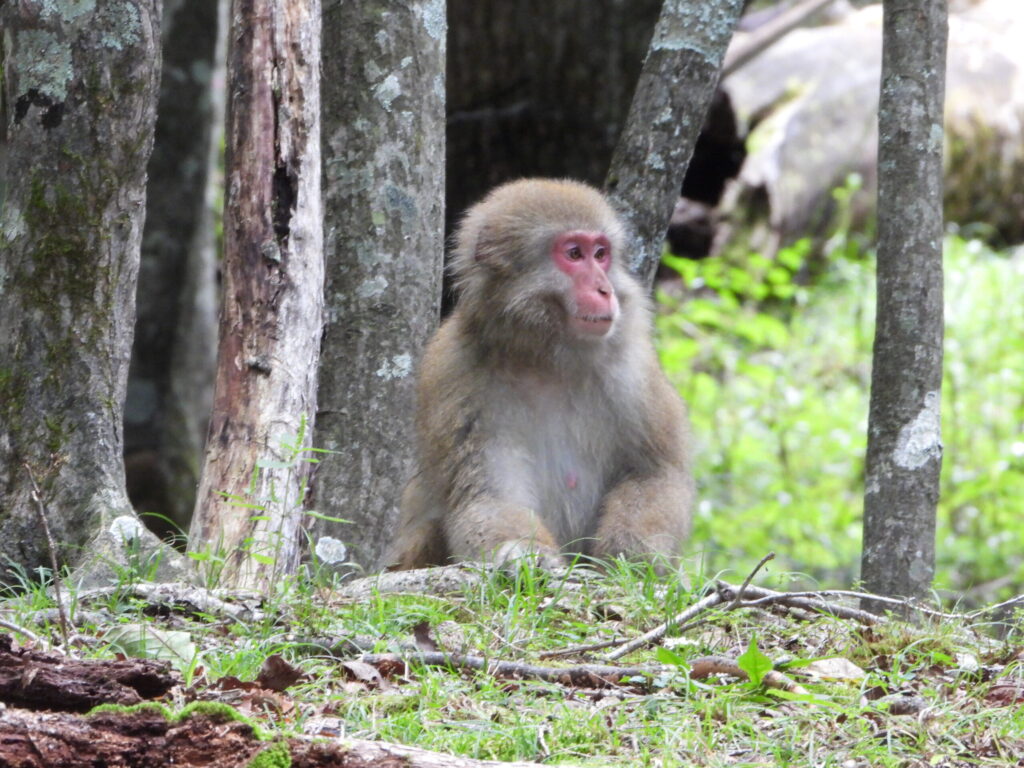
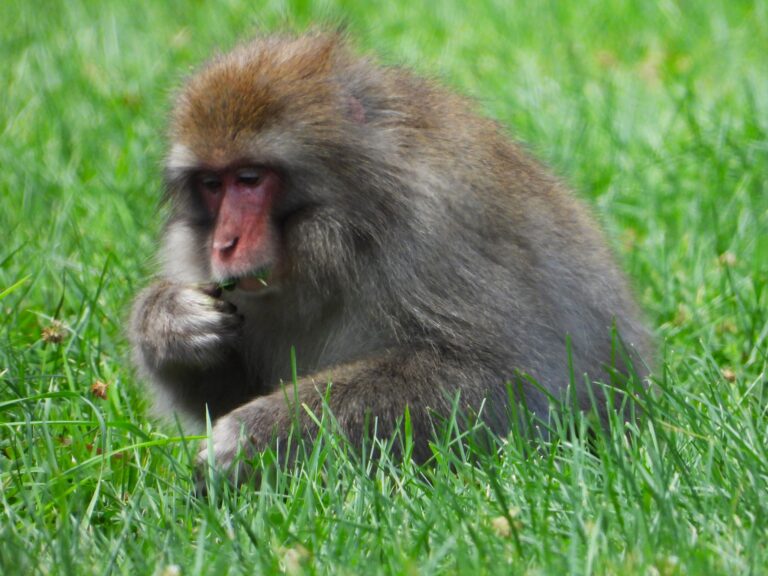
The Japanese Macaque is the world’s northernmost-living wild monkey.
They can often be seen in mountainous rural areas and sometimes enter farmland in search of food. Because they live in groups, visitors occasionally encounter entire troops rather than a single animal.
Japanese Serow
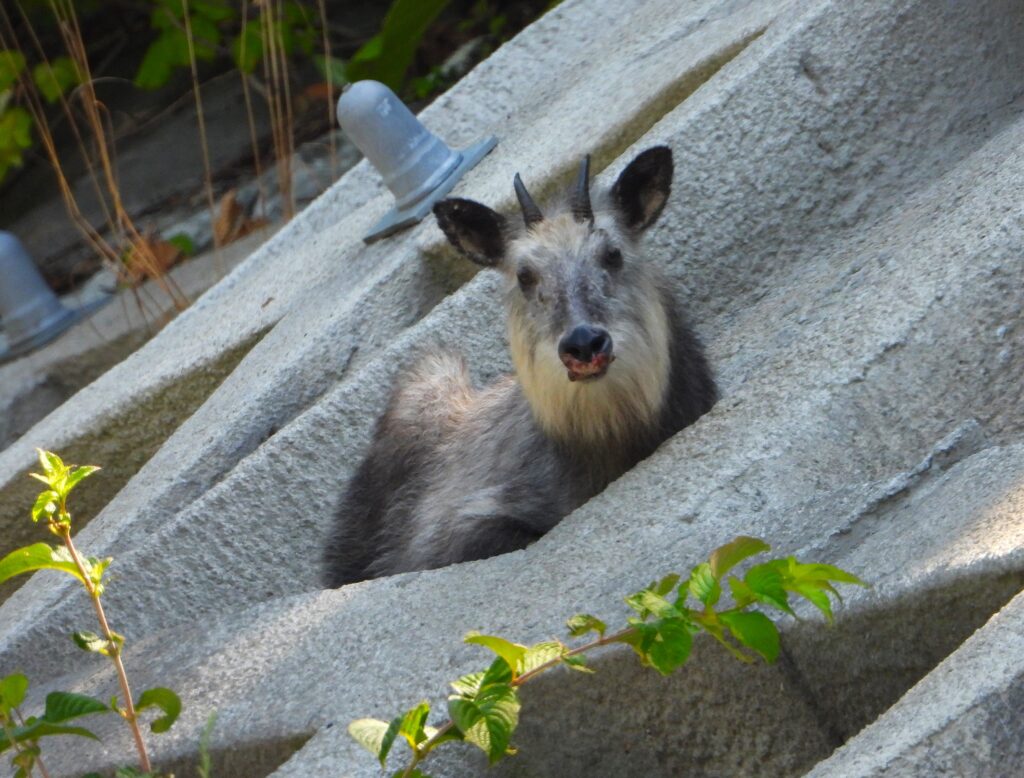
The Japanese Serow is one of Japan’s most unique mammals and is designated as a Special Natural Monument of Japan.
Although it prefers steep forested mountains, it can sometimes be seen along quiet mountain roads and forest trails.
Common Birds in Rural Japan
Barn Swallow
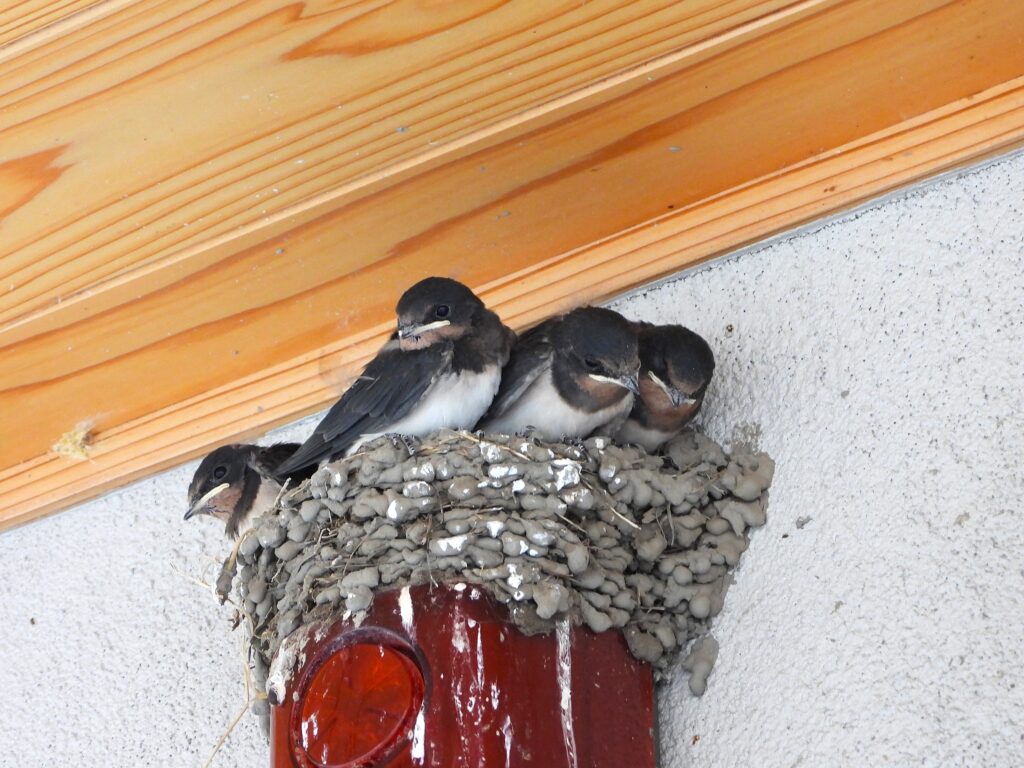
The Barn Swallow is one of the most familiar birds in Japan.
Every spring, these migratory birds return from their wintering grounds and build nests on houses, train stations, and other structures.
Japanese Pheasant
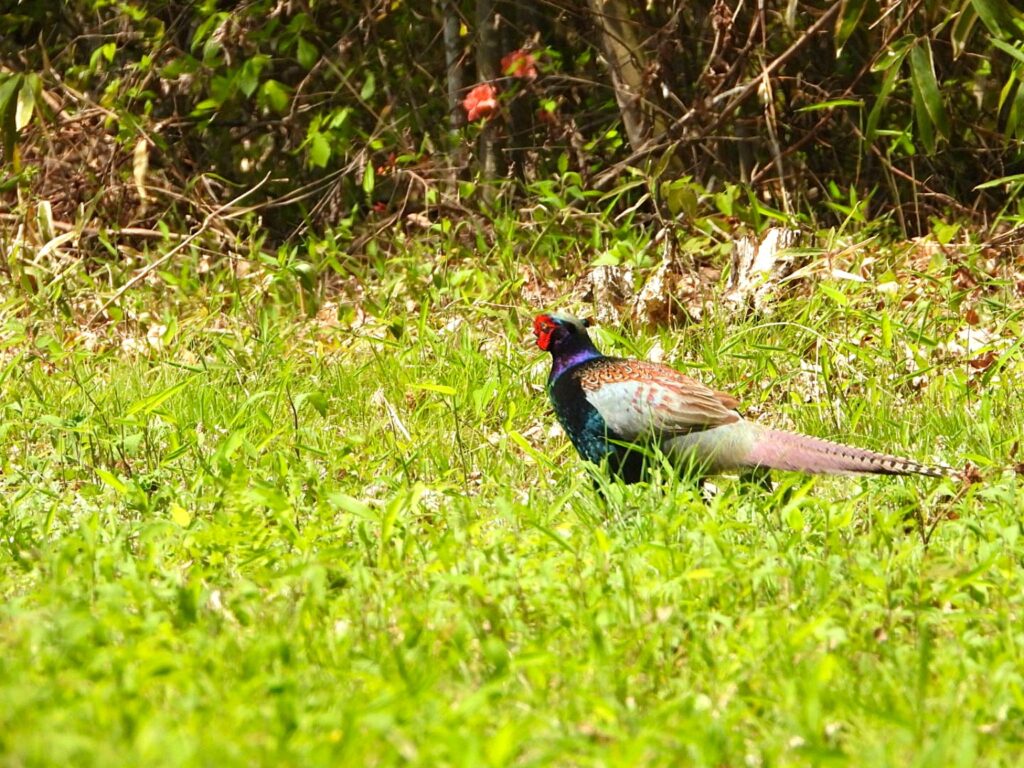
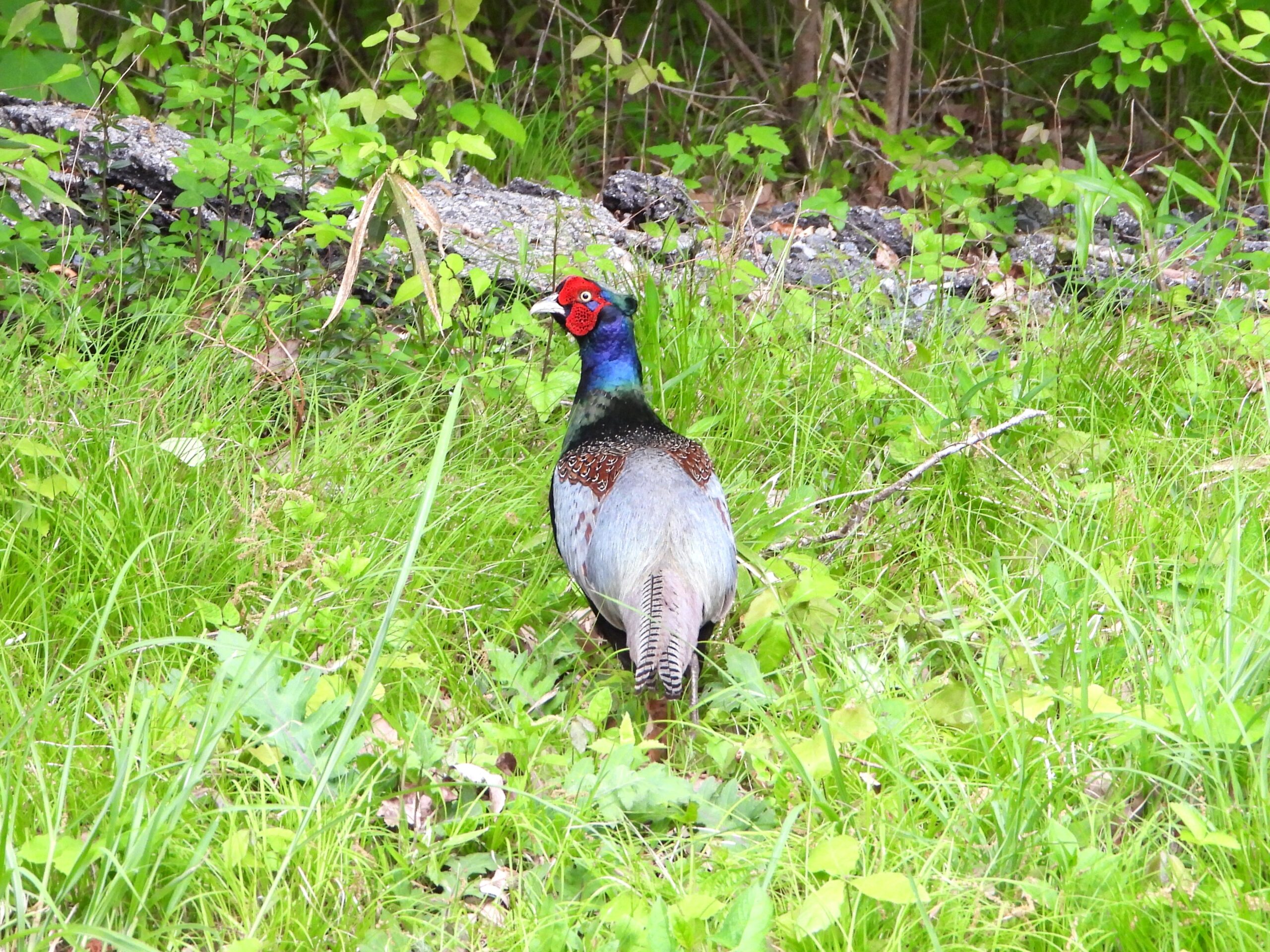
The Japanese Pheasant is Japan’s national bird and is native to Japan.
It is commonly seen in rural areas, especially around farmland, grasslands, and riverbanks. Males are particularly striking, with colorful plumage and long tails that make them easy to recognize.
Although often shy, they can sometimes be spotted walking through fields or crossing quiet country roads.
White Wagtail
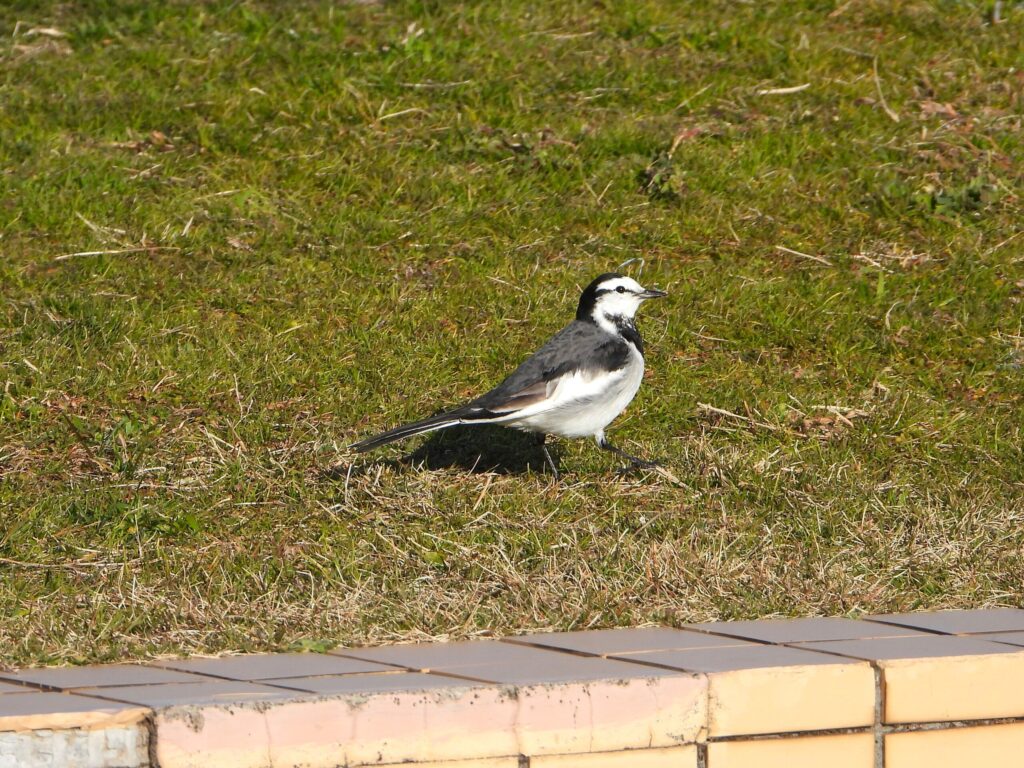
The White Wagtail is commonly seen in parking lots, farm roads, and open fields.
It is easy to recognize by its habit of constantly wagging its tail while walking.
Oriental Turtle Dove
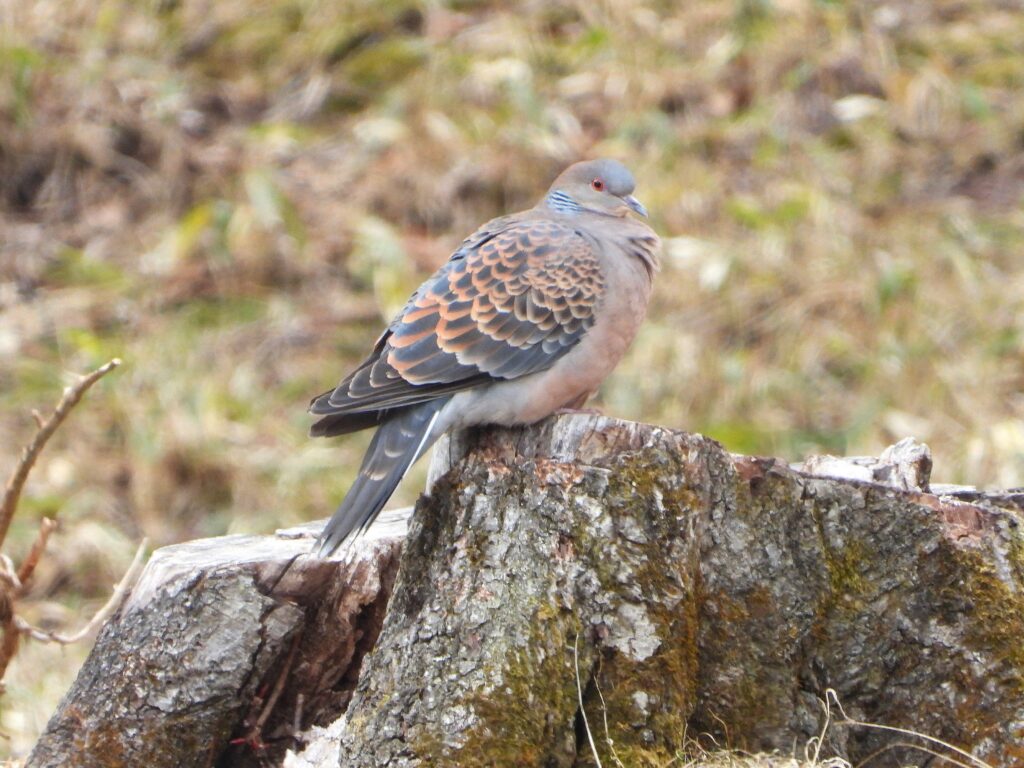
The Oriental Turtle Dove is one of Japan’s most widespread birds.
Its soft, repeating call is a familiar sound in many rural areas and is often heard from forests, farmland, and villages.
Japanese Green Woodpecker
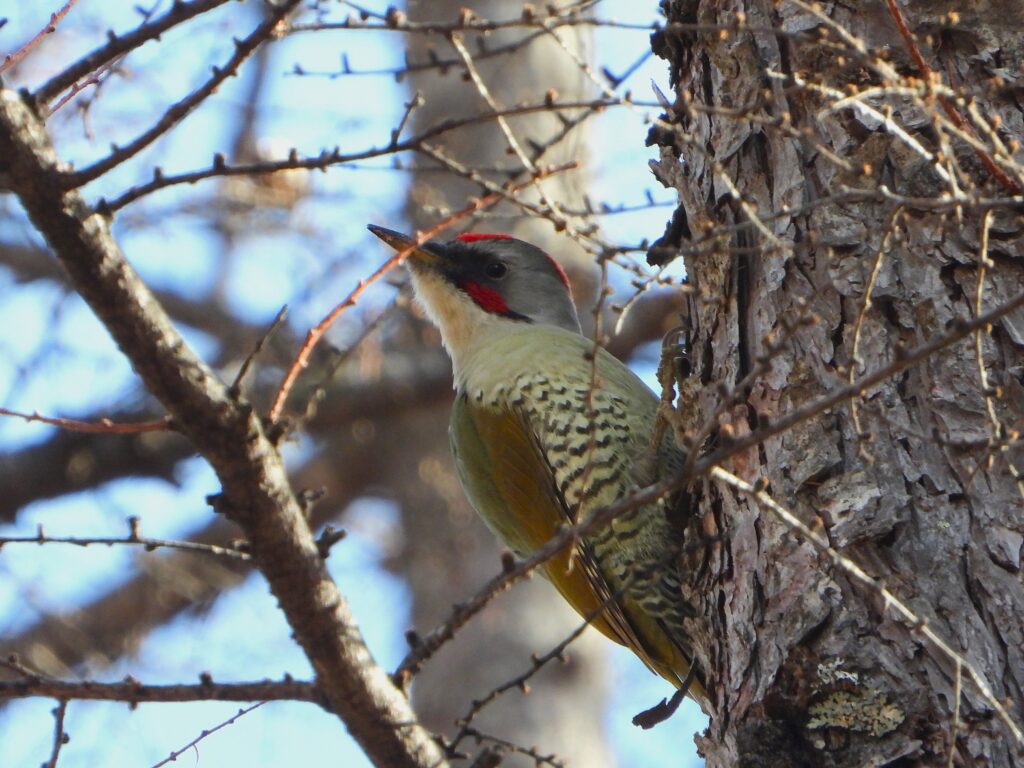
The Japanese Green Woodpecker is a bird found only in Japan.
While it is usually heard before it is seen, visitors exploring forested countryside areas may be lucky enough to spot one searching for insects on tree trunks.
Reptiles and Amphibians
Japanese Rat Snake
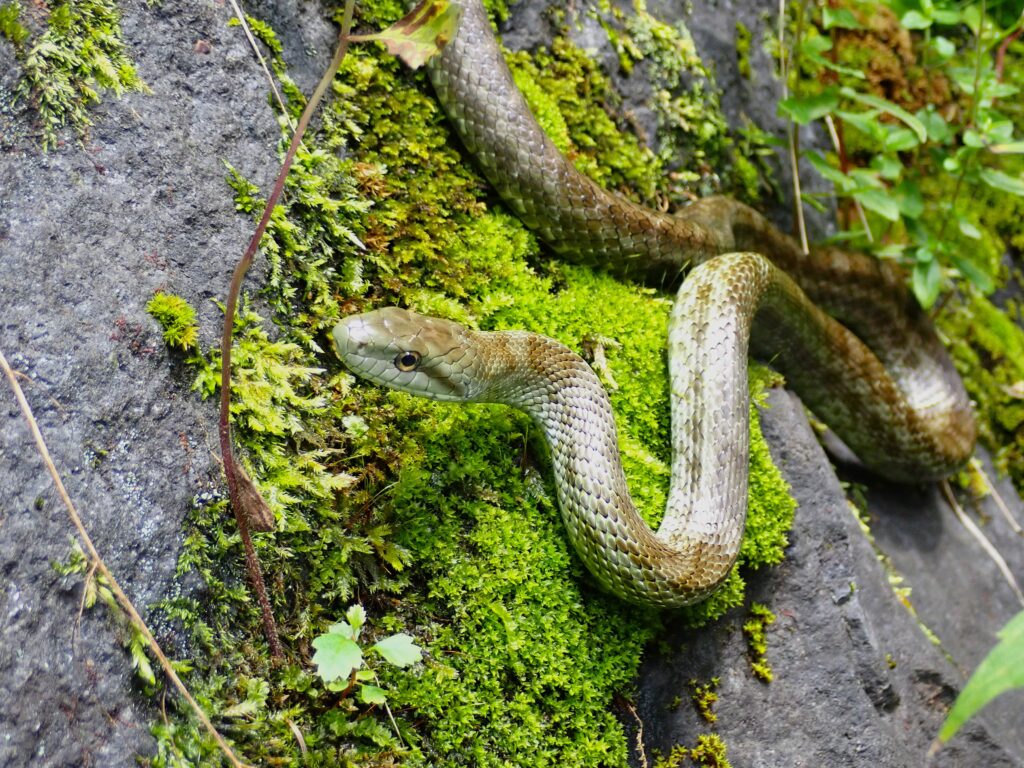
The Japanese Rat Snake is one of the most common snakes in Japan.
It is non-venomous and plays an important role in controlling rodent populations. These snakes occasionally appear near houses, farms, and wooded areas.
Japanese Tree Frog
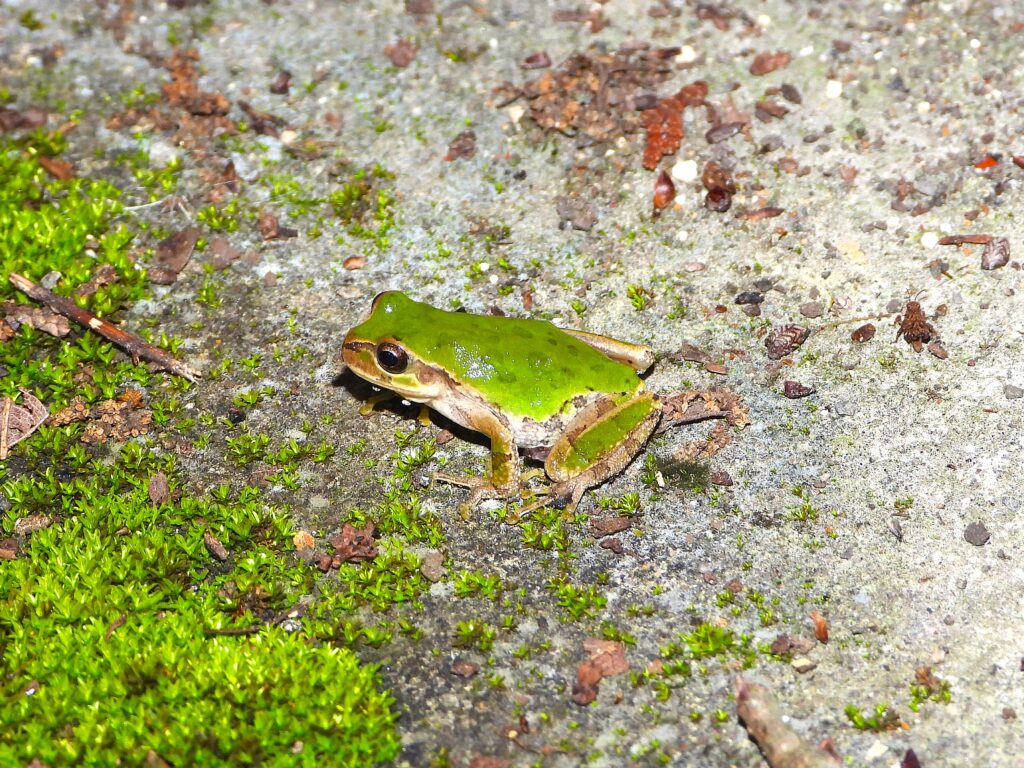
The Japanese Tree Frog is a small frog commonly found around rice fields, ponds, and wetlands.
Its calls are especially noticeable during the rainy season.
Eastern Japanese Toad
The Eastern Japanese Toad is a large amphibian commonly found in eastern Japan.
It inhabits forests, farmland, parks, and rural gardens, and is most active during wet weather and at night. During the breeding season, adults gather around ponds and other freshwater habitats to reproduce.
Insects You May Encounter
Japanese Rhinoceros Beetle
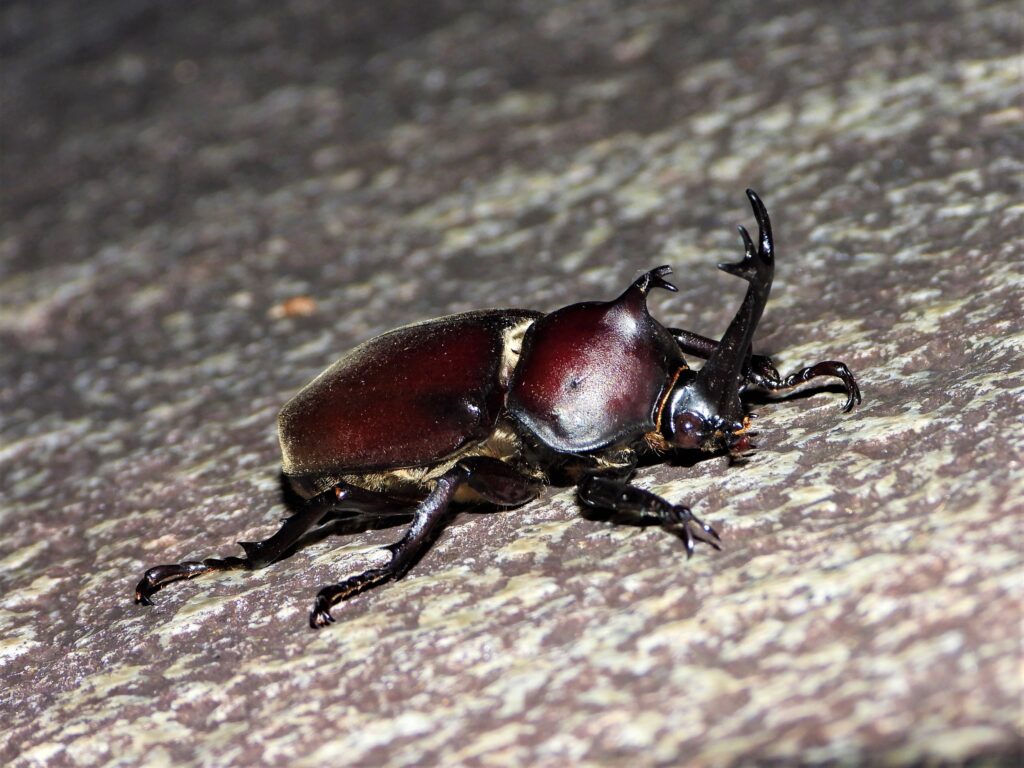
The Japanese Rhinoceros Beetle is one of the country’s most famous insects.
During summer, adults gather around tree sap and are a favorite among nature enthusiasts and children alike.
Stag Beetles
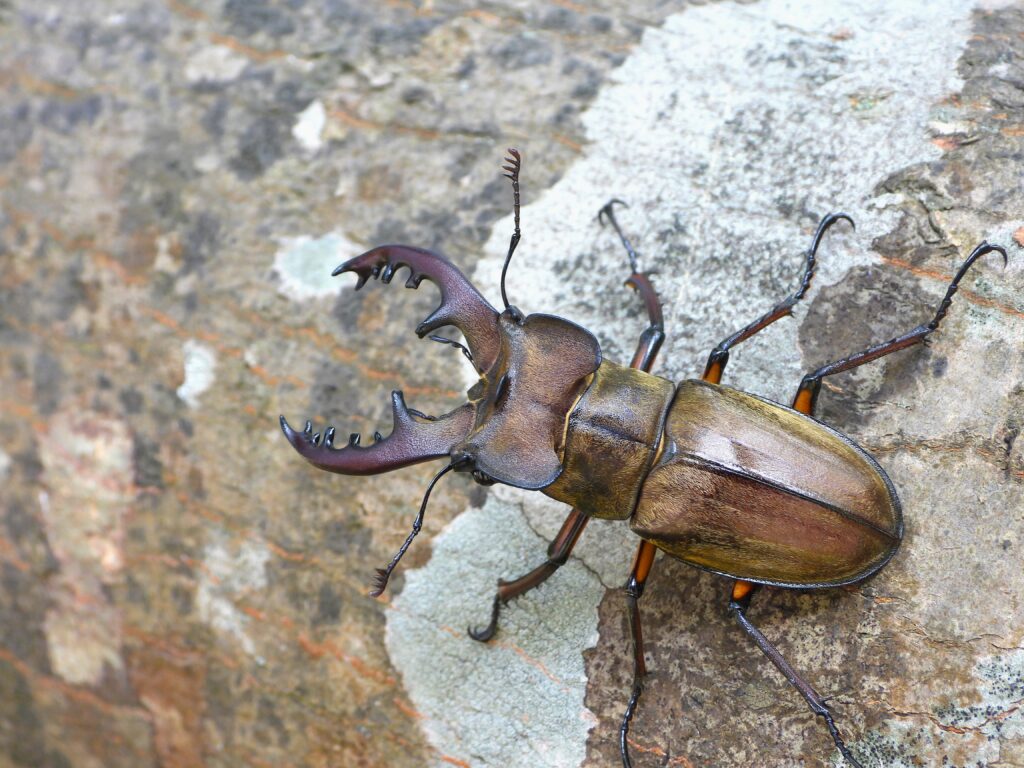
Japan is home to numerous species of stag beetles.
Many can be found in woodland habitats during the warmer months.
▶ 6 Iconic Beetles in Japan: Where to Find Them (Stag & Rhino)
Giant Silk Moths
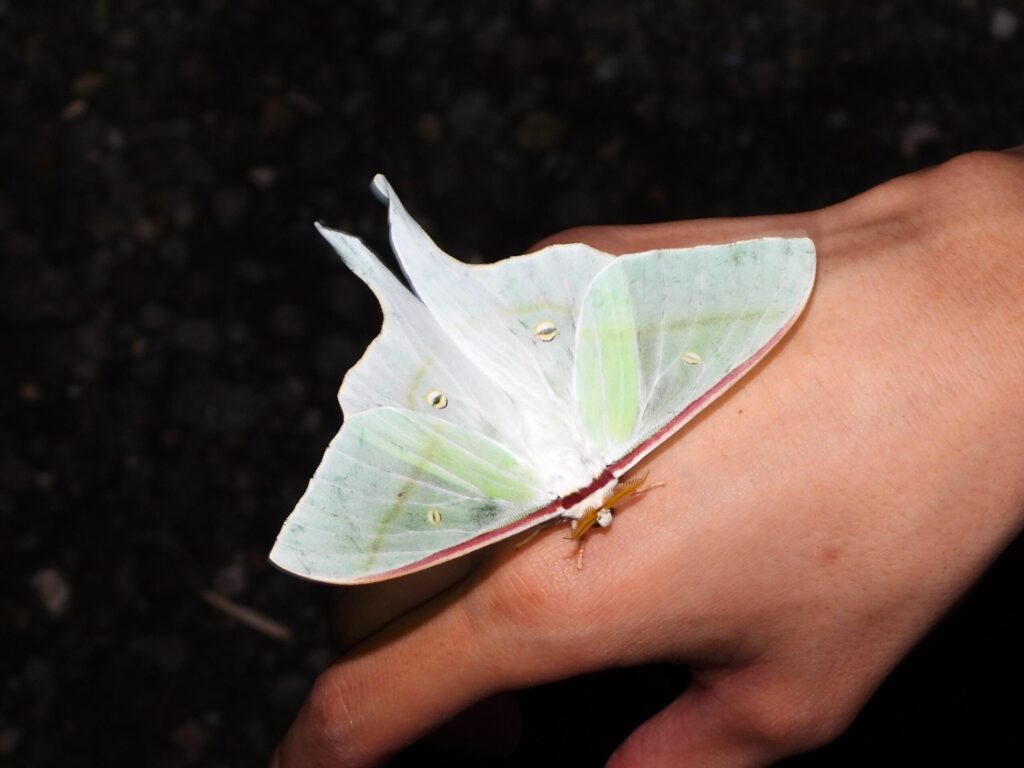
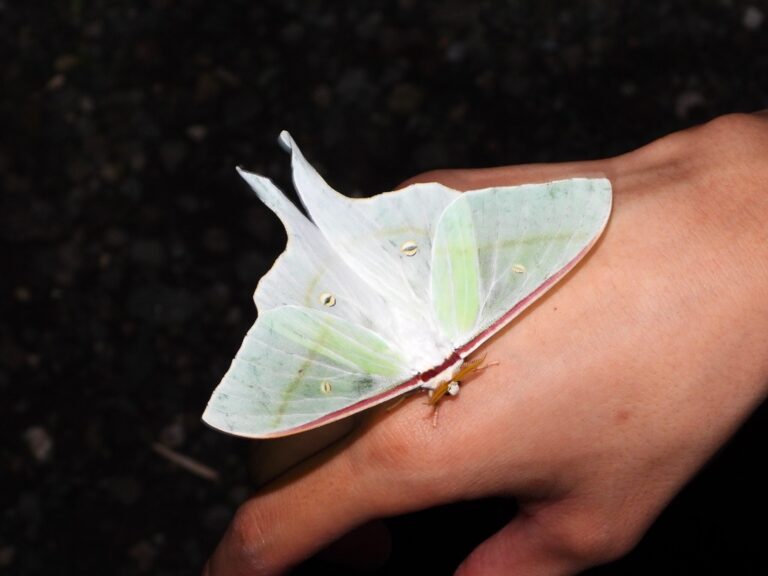
Large silk moths, including the beautiful Japanese Moon Moth (Actias artemis), can occasionally be seen in rural areas.
Their impressive size and delicate colors make them some of Japan’s most striking insects.
▶ Giant Moths of Japan: The Largest Moths You Can See
Wildlife That Surprises Many Visitors
International visitors are often surprised by how close wildlife can be to everyday life in Japan.
Animals that frequently leave a strong impression include:
- Sika Deer
- Japanese Raccoon Dogs (Tanuki)
- Japanese Macaques
- Giant Hornets
For many travelers, encountering these animals becomes one of the most memorable parts of visiting rural Japan.
Wildlife Through the Seasons
Spring
Spring is one of the most active seasons for wildlife in Japan.
As temperatures rise, birds begin nesting, frogs gather around ponds and rice fields to breed, and many mammals become easier to spot after winter.
Common wildlife in spring includes swallows, tree frogs, Japanese macaques, and a variety of forest birds.
Summer
Summer brings the greatest diversity of wildlife.
Insects such as rhinoceros beetles and stag beetles become active, frogs can be heard around wetlands, and many birds are busy raising their young.
Warm evenings are also an excellent time to look for nocturnal animals and insects.
Autumn
Autumn is one of the best seasons for observing large mammals.
Male Sika Deer become highly active during the breeding season, and their calls can often be heard across forests and rural valleys.
The cooler weather also makes hiking and wildlife watching more comfortable.
Winter
Although many people assume winter is a quiet season, it can actually be one of the best times to spot wildlife.
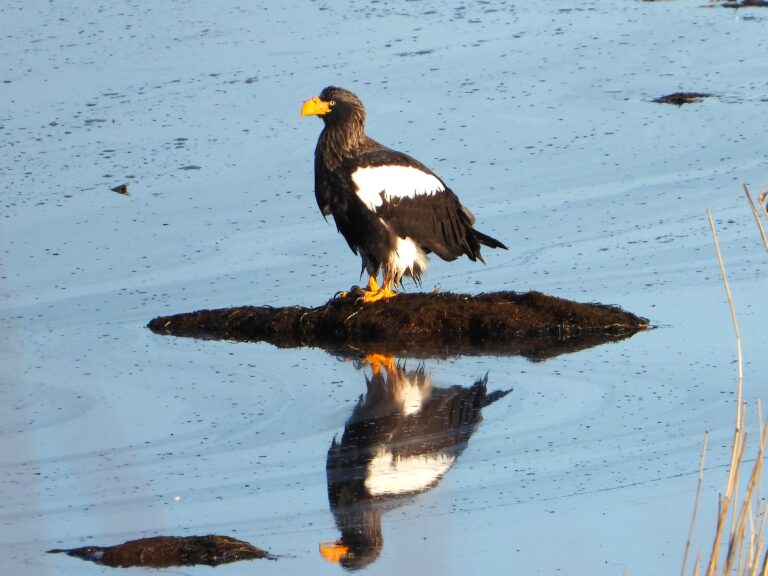
With leaves gone from the trees, birds and mammals are often easier to see. In northern Japan, winter also brings opportunities to observe iconic species in snowy landscapes.
Tips for Watching Wildlife Responsibly
- Observe animals from a respectful distance.
- Never feed wild animals.
- Stay on marked trails whenever possible.
- Avoid entering private farmland or restricted areas.
- Take all litter home with you.
Responsible wildlife watching helps protect both animals and their habitats.
Final Thoughts
Rural Japan offers excellent opportunities to experience wildlife without traveling deep into remote wilderness.
From deer and foxes to Tanuki, monkeys, and rare endemic birds, many fascinating species live alongside rural communities throughout the country.
The next time you visit the Japanese countryside, take a closer look at the surrounding landscape. You may be surprised by how much wildlife is hiding in plain sight.
Want to explore wildlife beyond rural Japan? Compare the best wildlife regions across the country and what you can see in each area.
▶ Wildlife in Japan: Where to See Wild Animals by Region