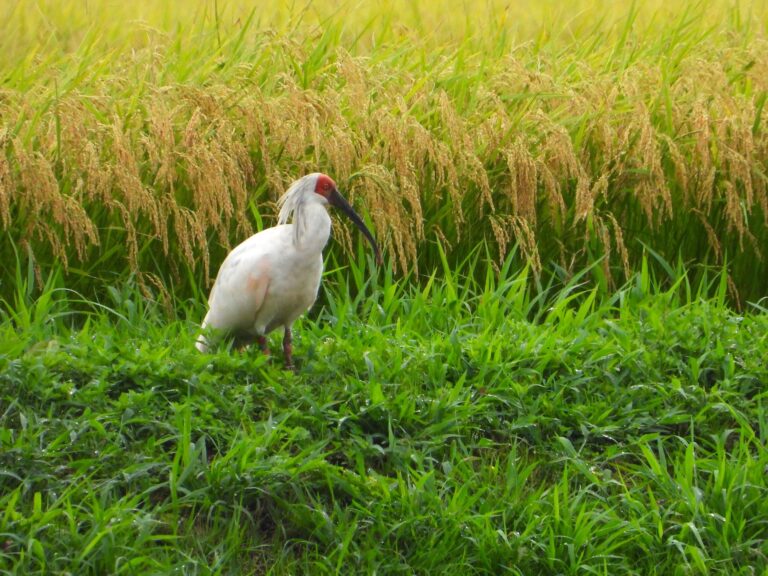

Winter Wildlife in Japan: Animals You Can See in Winter
Winter Wildlife in Japan at a Glance
Winter may seem like a quiet season for nature, but it is actually one of the best times to watch wildlife in Japan.
Snow-covered landscapes and leafless forests can make animals easier to spot, while winter visitors such as cranes, sea eagles, swans, and thrushes add species that are difficult or impossible to see during other seasons.
From snow monkeys in Nagano to giant sea eagles in Hokkaido, winter offers some of Japan’s most memorable wildlife experiences.
This guide covers the animals you can see, the best areas for winter wildlife watching, and what to expect from December through February.
Why Winter is a Great Season for Wildlife Watching in Japan
Winter changes the way wildlife can be found and observed in Japan. Leafless forests make it easier to notice animals moving between trees, while fresh snow can reveal tracks left by mammals that are difficult to see directly. Winter also brings migratory birds to Japan, adding swans, ducks, thrushes, sea eagles, and many other seasonal species to the wildlife you can encounter. This combination of better visibility, animal tracks, and winter visitors makes the colder months especially rewarding for both birdwatching and mammal watching.
Winter Mammals in Japan
Japanese Macaque
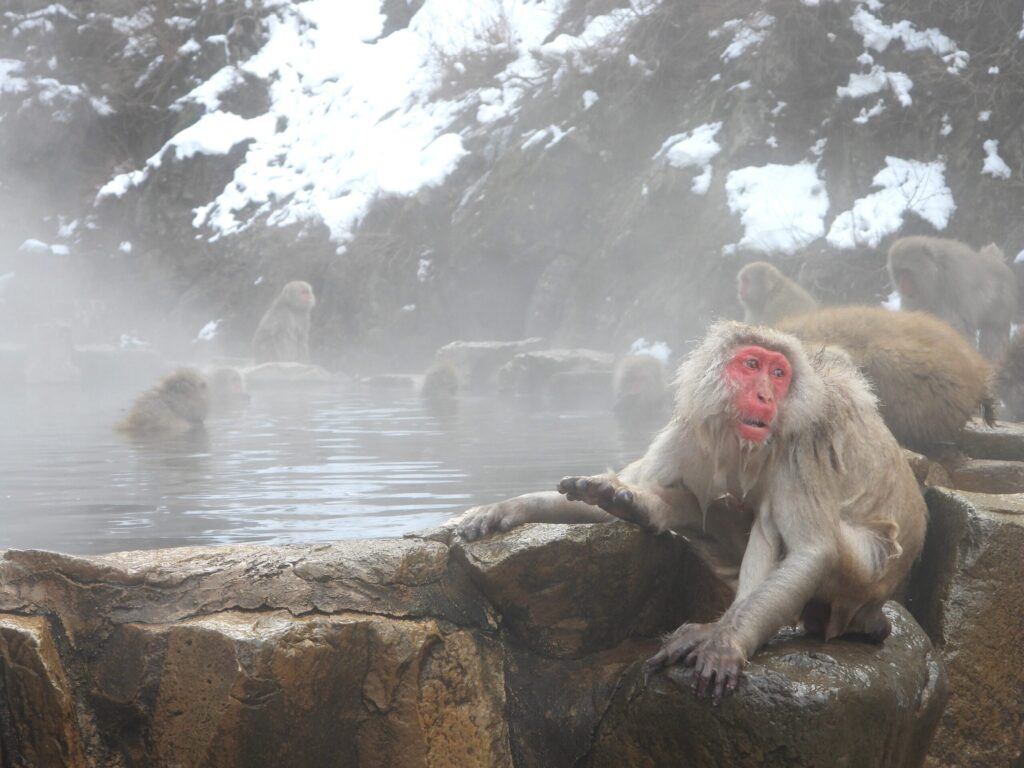
The Japanese Macaque is one of Japan’s most famous winter animals.
Many visitors travel to Nagano to see the snow monkeys of Jigokudani Monkey Park. In cold weather, some macaques use the park’s hot spring, creating one of Japan’s most recognizable winter wildlife scenes.
However, not every monkey enters the water, and bathing is never guaranteed at a particular time.
▶ Japanese Macaque (Macaca fuscata)
Red Fox
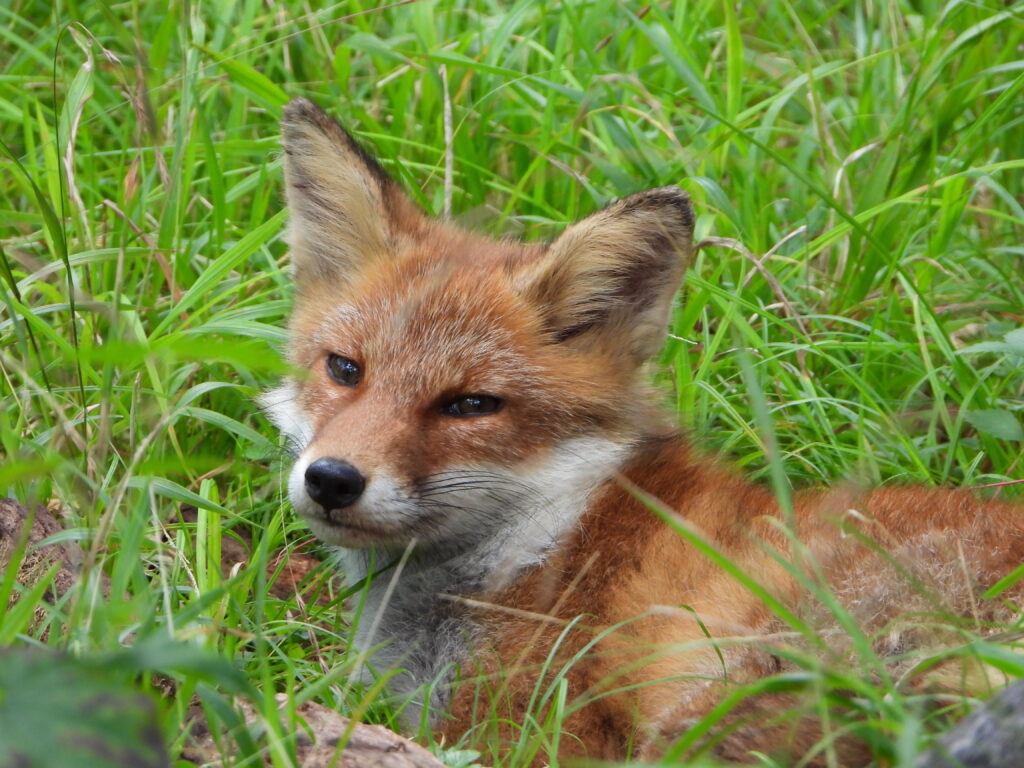
Few wildlife encounters feel more like winter in Hokkaido than seeing a Red Fox crossing a snowy landscape.
Red Foxes remain active throughout winter and can sometimes be seen around open fields, forest edges, and other open habitats. Against the snow, their reddish coat makes them especially easy to notice and a memorable part of winter wildlife watching in Hokkaido.
Japanese Serow
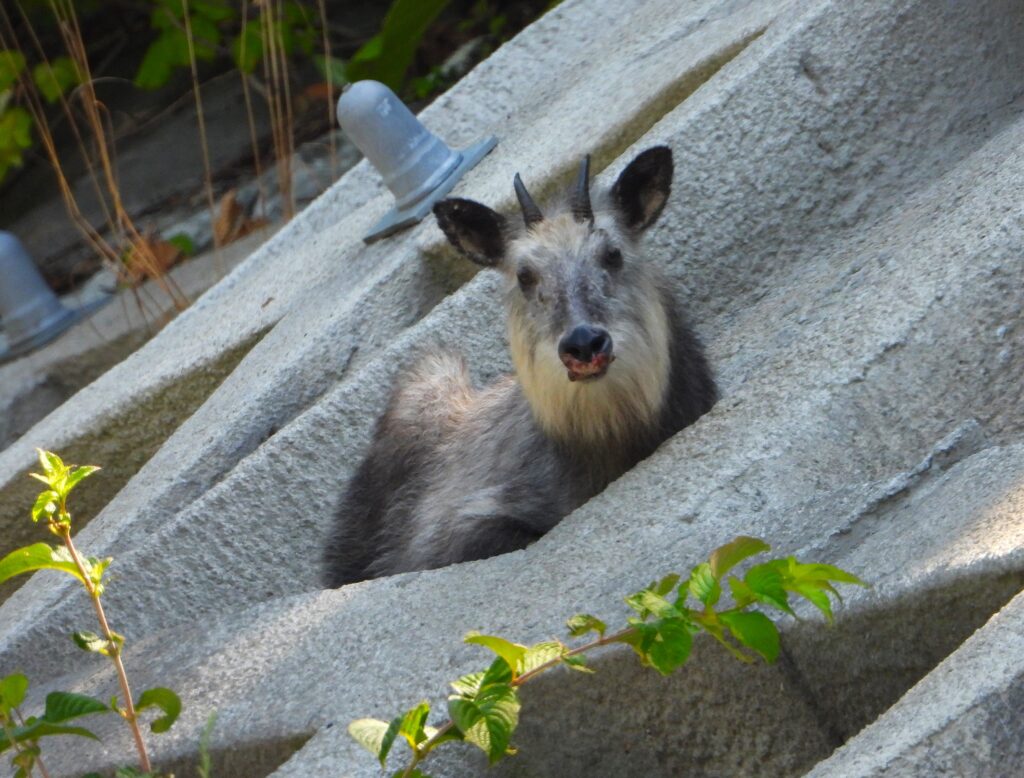
Winter can be a good season to look for Japanese Serows.
With fewer leaves on the trees, these quiet mountain mammals can sometimes be easier to spot on forested slopes and rocky terrain.
I have encountered Japanese Serows many times in the mountains of central Japan, including around Nikko National Park. I often find them on steep slopes, where they can suddenly appear between the trees.
▶ Japanese Serow (Capricornis crispus)
Sika Deer
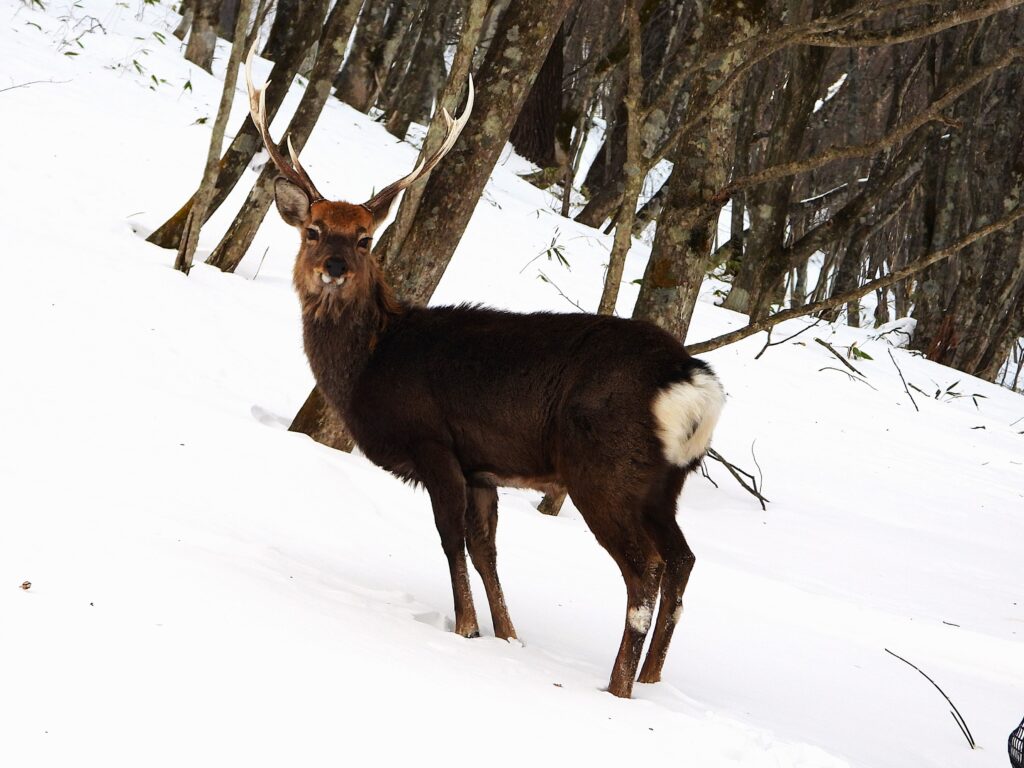
Sika Deer are among Japan’s most widespread large mammals.
They can be found across much of Japan and remain active throughout winter. In deciduous forests and open habitats, reduced vegetation can sometimes make them easier to spot during the colder months.
I have encountered Sika Deer many times in Japan, from mountain forests to more open landscapes, and they are one of the mammals you have a realistic chance of seeing during winter.
Japanese Hare
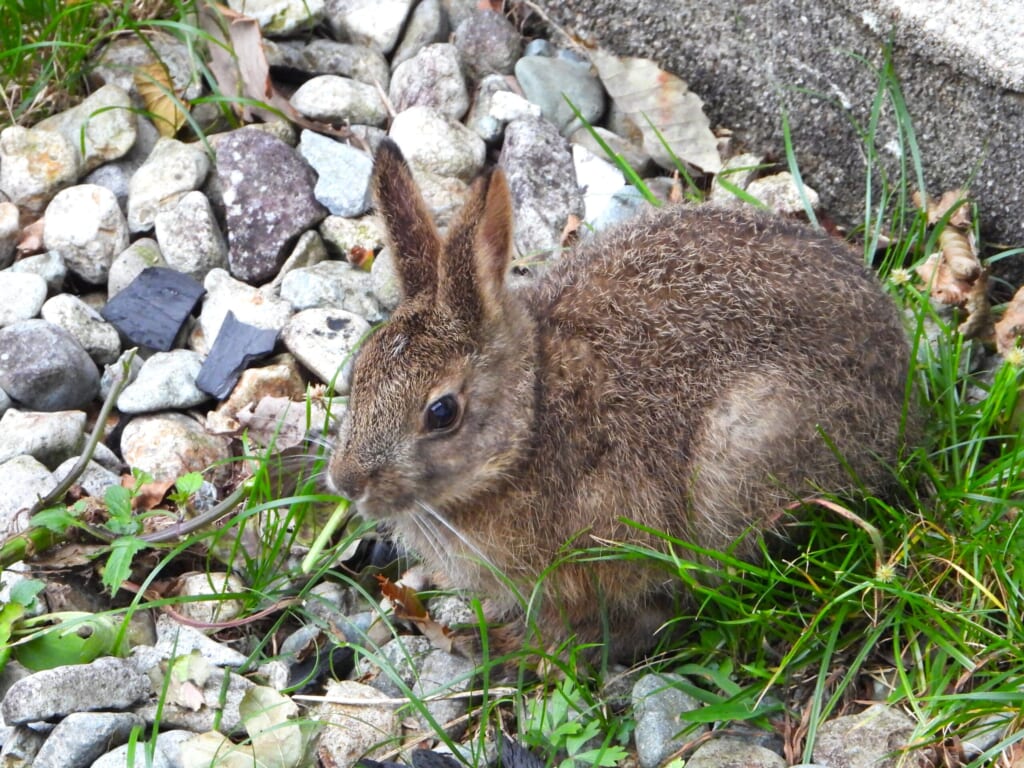
Japanese Hares remain active throughout winter and can be found in forests, grasslands, and other open habitats across much of Japan.
In snowy regions, some populations develop much paler winter coats, helping them blend into the landscape. In areas with little snow, however, they may remain brown.
They are often difficult to spot directly, but fresh snow can make their tracks much easier to find.
I have seen Japanese Hares in the wild, and they can disappear surprisingly quickly once they start moving through vegetation.
▶ Japanese Hare (Lepus brachyurus)
Winter Birds in Japan
Red-crowned Crane

Red-crowned Cranes are one of the most iconic winter wildlife species in Hokkaido.
They live in eastern Hokkaido throughout the year, but winter is an especially good season to watch them because they often gather in more visible groups around open wetlands, fields, and feeding areas.
I have watched wild Red-crowned Cranes in Hokkaido myself. There was no snow on the ground during my visit, but seeing these huge birds together in the open landscape was still one of my most memorable wildlife experiences in Japan.
▶ Red-crowned Crane (Grus japonensis)
Steller’s Sea Eagle
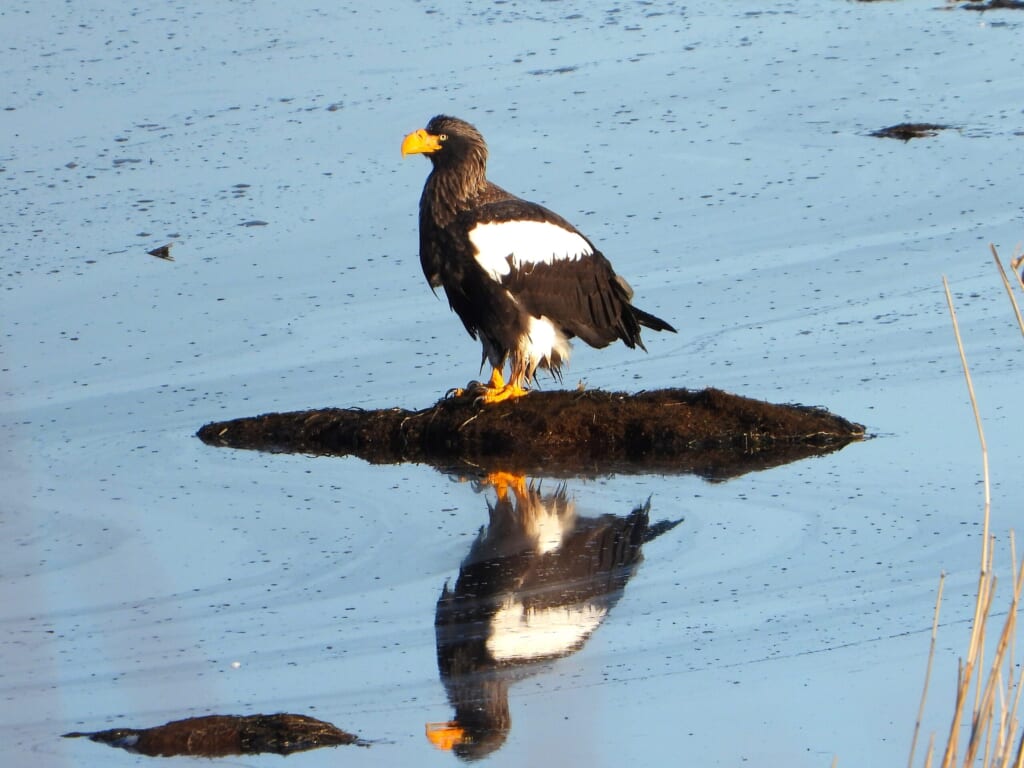
Steller’s Sea Eagles are one of the highlights of winter wildlife watching in Hokkaido.
They migrate to northern Japan during winter and can be seen mainly around coastal areas of eastern Hokkaido, including Shiretoko, Rausu, Nemuro, and the Notsuke Peninsula.
I have seen Steller’s Sea Eagles several times in Hokkaido. If you spend enough time looking in the right areas, they are not always extremely difficult to find. Their huge size also makes them surprisingly noticeable, even from a considerable distance.
▶ Steller’s Sea Eagle (Haliaeetus pelagicus)
White-tailed Eagle

White-tailed Eagles are another impressive raptor commonly seen in Hokkaido during winter.
They occur around coasts, rivers, lakes, and wetlands, and can sometimes be found in the same areas as Steller’s Sea Eagles.
I have seen White-tailed Eagles many times in Hokkaido, including around the Notsuke Peninsula. They are large and easy to notice when perched in open areas, although they can blend surprisingly well into darker backgrounds.
▶ White-tailed Eagle (Haliaeetus albicilla)
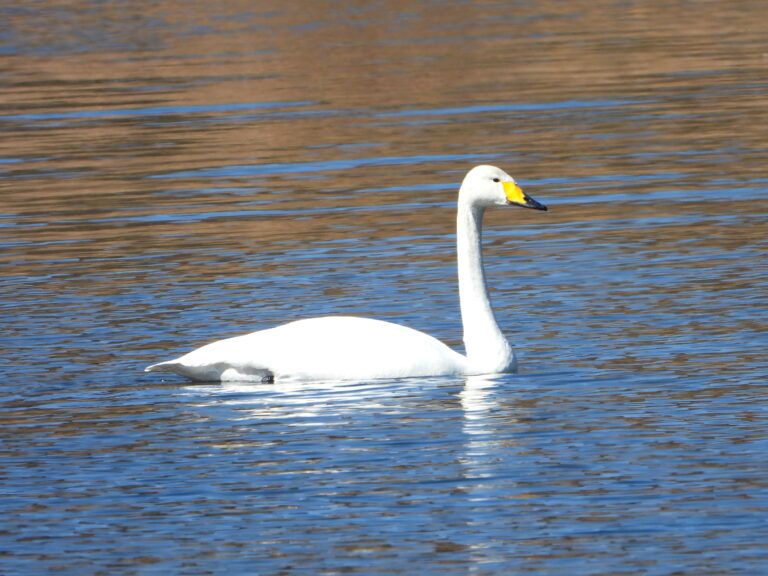
Whooper Swan
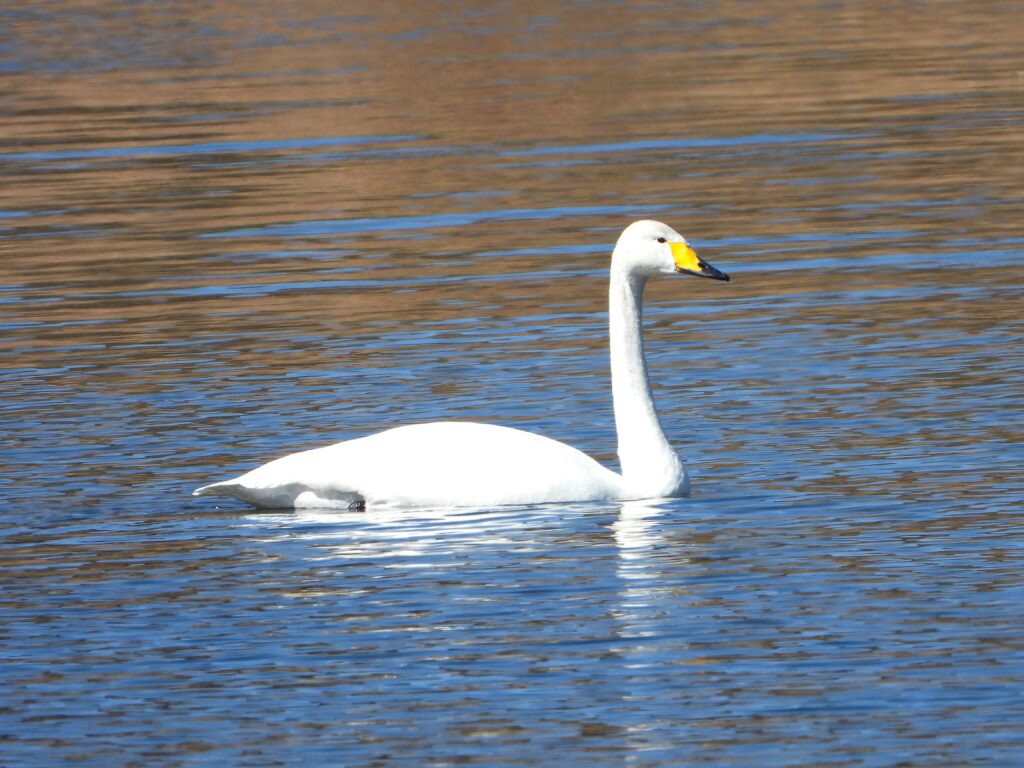
Whooper Swans are among the most noticeable winter birds in Japan.
They migrate to Japan during the colder months and can be seen on lakes, rivers, wetlands, and sheltered coastal waters, especially in Hokkaido and northern Honshu.
Because of their large size and white plumage, they are often easy to spot even from a distance. In some areas, large flocks gather throughout the winter.
▶ Whooper Swan (Cygnus cygnus)
Dusky Thrush
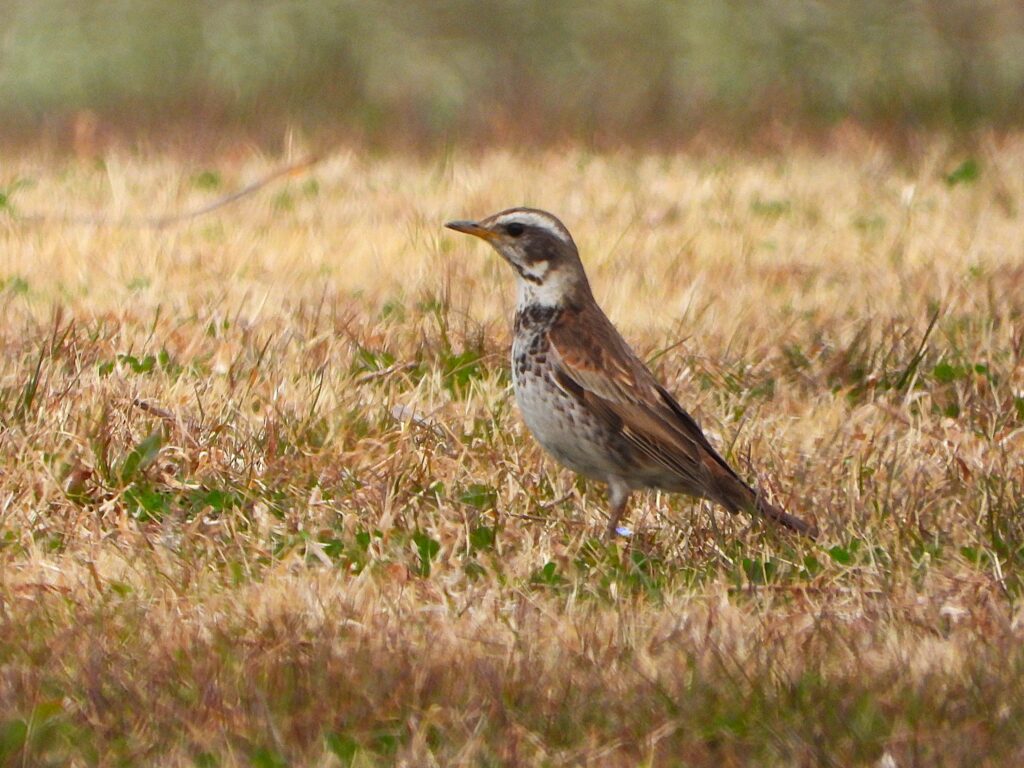
The Dusky Thrush is one of Japan’s most familiar winter birds.
It arrives in Japan during the colder months and is often seen in parks, farmland, riverbanks, and other open areas.
Although less dramatic than cranes or eagles, it is one of the winter birds visitors are realistically likely to encounter, even without traveling to a famous wildlife destination.
▶ Dusky Thrush (Turdus eunomus)
Winter Nights in Japan
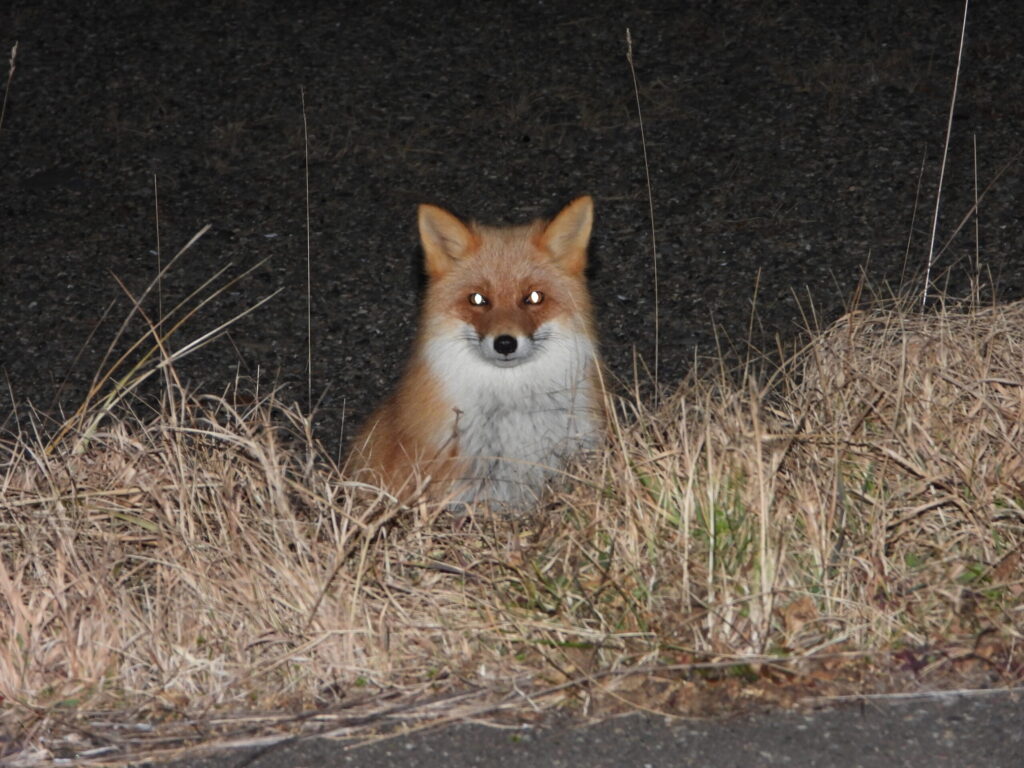
Wildlife does not disappear after sunset.
Red Foxes, Raccoon Dogs, and Japanese Hares remain active during winter and may sometimes be encountered around dusk, at night, or in the early morning.
However, nighttime wildlife watching requires extra care. Avoid chasing animals or repeatedly shining strong lights directly at them, especially for photography.
Winter roads can also be icy, particularly in mountain areas and northern Japan, so safety should always come before wildlife watching.
Recommended Places for Winter Wildlife Watching in Japan
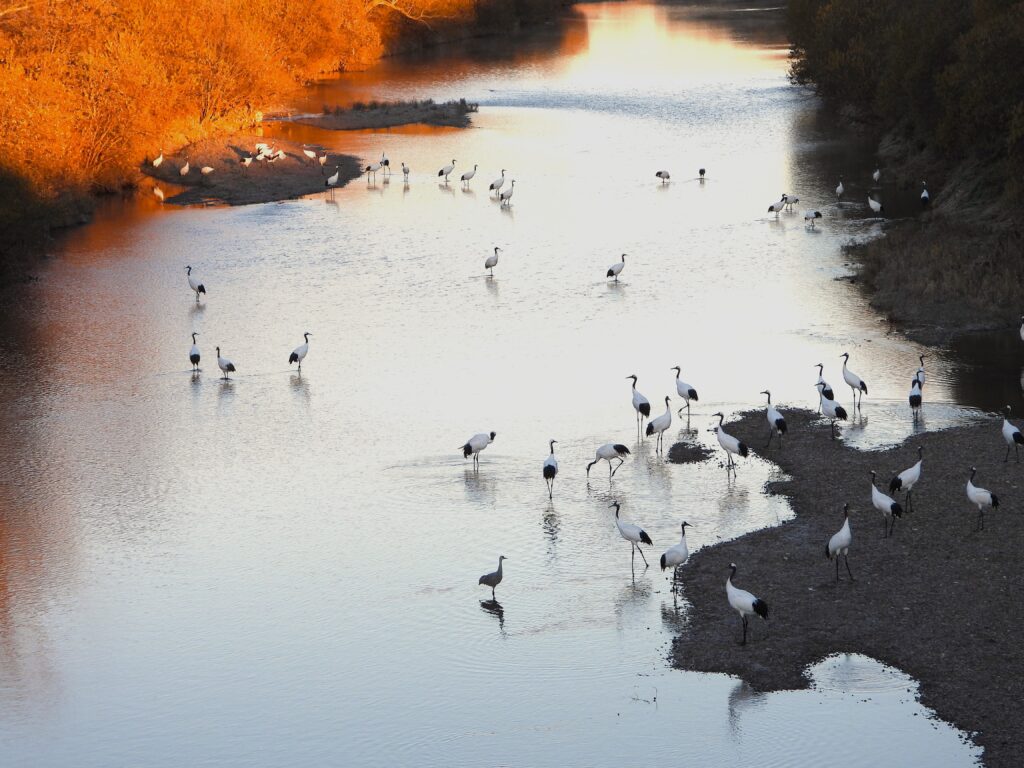
Hokkaido
Hokkaido is one of the best destinations in Japan for winter wildlife watching.
Eastern Hokkaido is especially famous for Red-crowned Cranes, Steller’s Sea Eagles, White-tailed Eagles, Red Foxes, and Sika Deer.
Snow-covered landscapes can make wildlife watching especially memorable, but excellent encounters are still possible even when there is little or no snow.
For visitors who want to see several of Japan’s most impressive winter species in one region, Hokkaido is hard to beat.
Oku-Nikko
Oku-Nikko is one of my favorite places for winter wildlife watching in central Japan.
Japanese Serows, Sika Deer, Japanese Macaques, and a variety of winter birds can all be found in the area.
I have encountered Japanese Serows here during winter, especially around forested slopes. With fewer leaves on the trees, wildlife can sometimes be easier to spot than during the greener months.
Snow-covered forests, wetlands, and mountains also make Oku-Nikko a beautiful place to explore in winter.
Jigokudani Monkey Park
Jigokudani Monkey Park is world-famous for its snow monkeys.
Wild Japanese Macaques live in the surrounding mountains, and some use the park’s hot spring during cold weather. Seeing macaques around the steaming water in a snowy mountain setting is one of Japan’s most distinctive winter wildlife experiences.
I have visited Jigokudani myself. The walk to the park was more tiring than I expected, and the area around the hot spring was crowded. If possible, I recommend arriving early for a quieter experience.
Keep in mind that not every macaque enters the hot spring, so bathing is never guaranteed.
▶ Wildlife at Jigokudani Monkey Park
Wildlife in Japan by Month
Winter wildlife in Japan changes gradually from December through February.
The best month depends on what you want to see, but all three months can offer good wildlife watching in the right areas.
December
By December, many winter birds have already arrived across Japan, while snow becomes more common in Hokkaido, northern Honshu, and mountain regions.
Swans, ducks, thrushes, and other winter visitors can be found in many areas, and the winter wildlife season begins to feel fully underway.
January
January is one of the best months for winter wildlife watching in Japan.
Snow is more reliable in northern and mountain regions, while many winter birds are already well established.
This is a strong month for snow monkeys, cranes, sea eagles, swans, deer, and other wildlife associated with Japan’s winter season.
In Hokkaido and mountainous areas, however, cold temperatures and icy roads can make travel more difficult.
February
February remains an excellent month for winter wildlife watching.
Red-crowned Cranes and sea eagles can still be seen in Hokkaido, while snow monkeys and many winter birds remain active across suitable regions.
Late winter can also bring more visible courtship behavior in some bird species, including cranes.
Snow conditions vary by year and location, but February is still one of the strongest months for combining winter scenery with wildlife watching.
Winter Wildlife Watching Tips
Winter wildlife watching in Japan requires a little more preparation than in warmer seasons.
Wear warm layers, waterproof footwear, gloves, and a hat, especially in Hokkaido and mountain areas. Snow and ice can make trails and roads slippery, so check conditions before heading out.
A good pair of binoculars makes it easier to watch animals from a respectful distance without disturbing them.
Wildlife should always come before photography. Avoid approaching animals too closely, chasing them for a better view, or feeding them.
Cold weather can also drain camera and phone batteries faster than expected, so carrying a spare battery is useful if you plan to spend several hours outside.
My Experience Watching Wildlife in Winter
Winter is one of my favorite seasons for wildlife watching in Japan.
I have watched Steller’s Sea Eagles and White-tailed Eagles in Hokkaido, and their huge size makes them surprisingly easy to notice from a distance when they are perched in open areas.
I have also seen wild Red-crowned Cranes in Hokkaido. There was no snow on the ground during my visit, but watching these large birds together in the open landscape was still an unforgettable experience.
In the mountains of central Japan, including around Nikko, I have encountered Japanese Serows and Sika Deer during winter. With fewer leaves on the trees, animals can sometimes be easier to notice than during the greener months.
Jigokudani was a very different experience. The monkeys were easy to observe, but the walk to the park felt longer and more tiring than I expected, and the hot spring area was crowded. If I visit again, I would go as early as possible.
What I like most about winter is that even when you do not see an animal immediately, tracks in the snow and open forest views make the landscape easier to read.
Conclusion
Winter is one of the most rewarding seasons for wildlife watching in Japan.
From snow monkeys and Japanese Serows to Red-crowned Cranes and sea eagles, the colder months offer wildlife experiences that are very different from the rest of the year.
Hokkaido, Oku-Nikko, and Jigokudani each offer a different kind of winter wildlife experience, so the best destination depends on what you hope to see.
If you want a simpler guide focused only on which animals you can realistically see during winter, see:
▶ Wild Animals You Can See in Winter in Japan
Related Articles
▶ Wild Animals You Can See in Winter in Japan