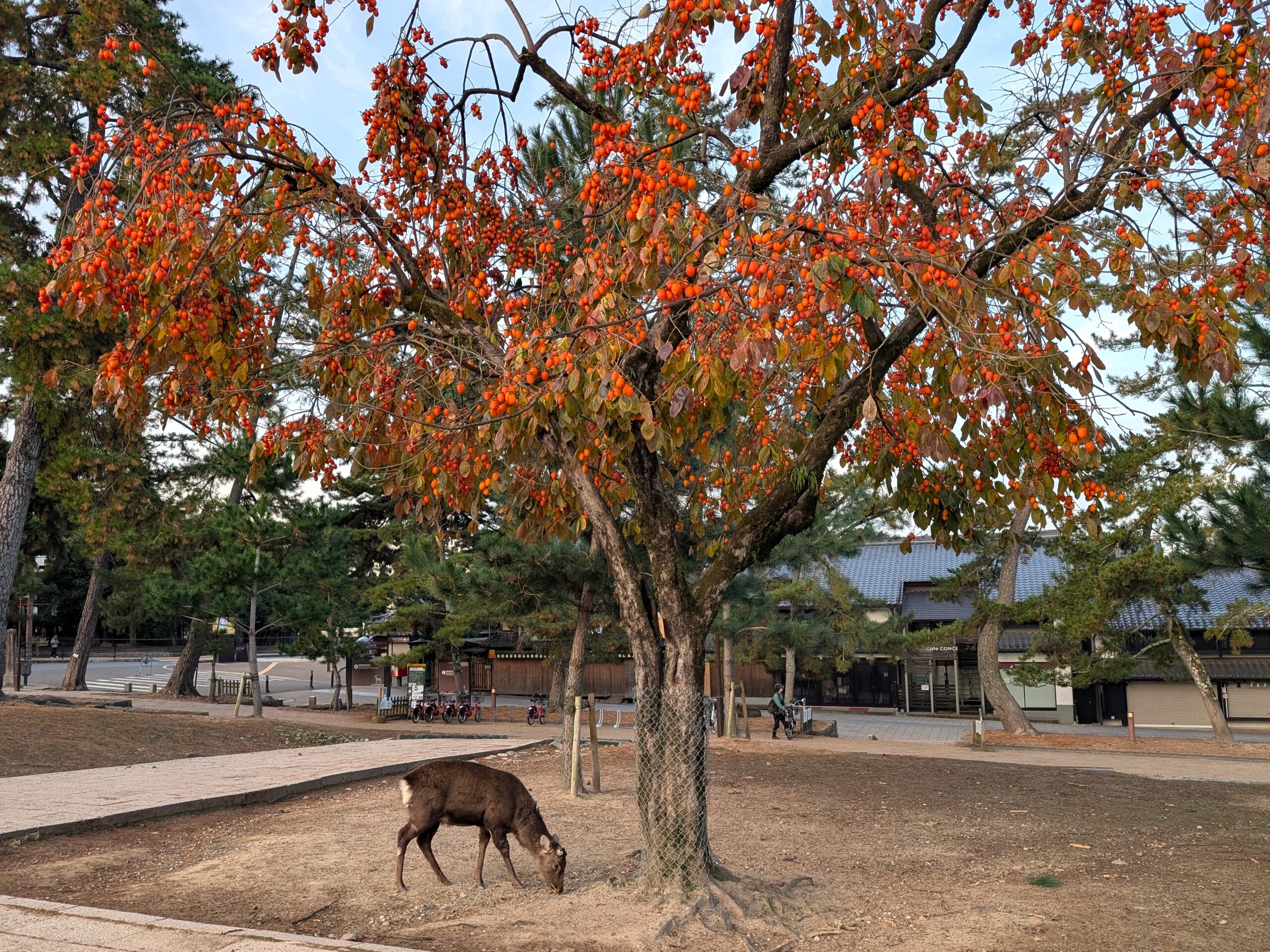
Autumn Wildlife in Japan: Animals You Can See in Autumn
Introduction
Most people visit Japan in autumn for the spectacular fall colors.
What many travelers don’t realize is that autumn is also one of the best seasons for wildlife watching. As animals prepare for winter, forests, wetlands, and mountain trails become full of activity.
While enjoying the autumn foliage, you may also encounter deer, monkeys, birds, dragonflies, and many other wild animals. In many parts of Japan, wildlife watching can be a rewarding addition to a fall trip.
In this guide, you’ll discover some of the animals you can see in Japan during September, October, and November, along with recommended destinations and tips for responsible wildlife watching.
Why Autumn Is a Great Season for Wildlife Watching in Japan
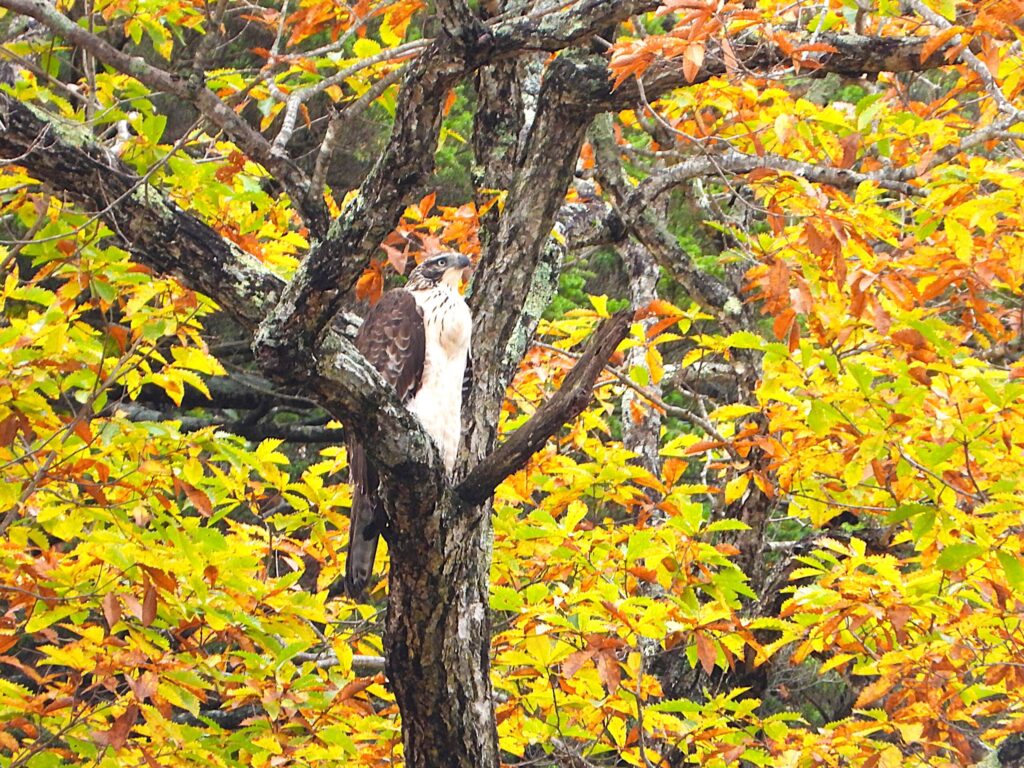
Autumn is one of the most comfortable seasons for exploring nature in Japan.
The intense summer heat has passed, making it easier to spend long hours outdoors. At the same time, colorful autumn foliage creates a stunning backdrop for wildlife observation and photography.
Here are some reasons why autumn is such a great season for nature lovers:
- Comfortable temperatures for hiking and walking
- Beautiful autumn colors combined with wildlife viewing
- Arrival of migratory birds and winter visitors
- Increased activity among many mammals
- Fewer crowds than during the peak summer season
Autumn is also a transitional season, allowing visitors to experience species associated with both summer and winter.
Mammals in Autumn
Some of the most common mammals you may encounter during autumn include:
Japanese Deer
Autumn is the breeding season for deer in many parts of Japan. Their calls can sometimes be heard echoing through forests and valleys.
Seeing deer among colorful autumn leaves is one of Japan’s most iconic wildlife experiences.
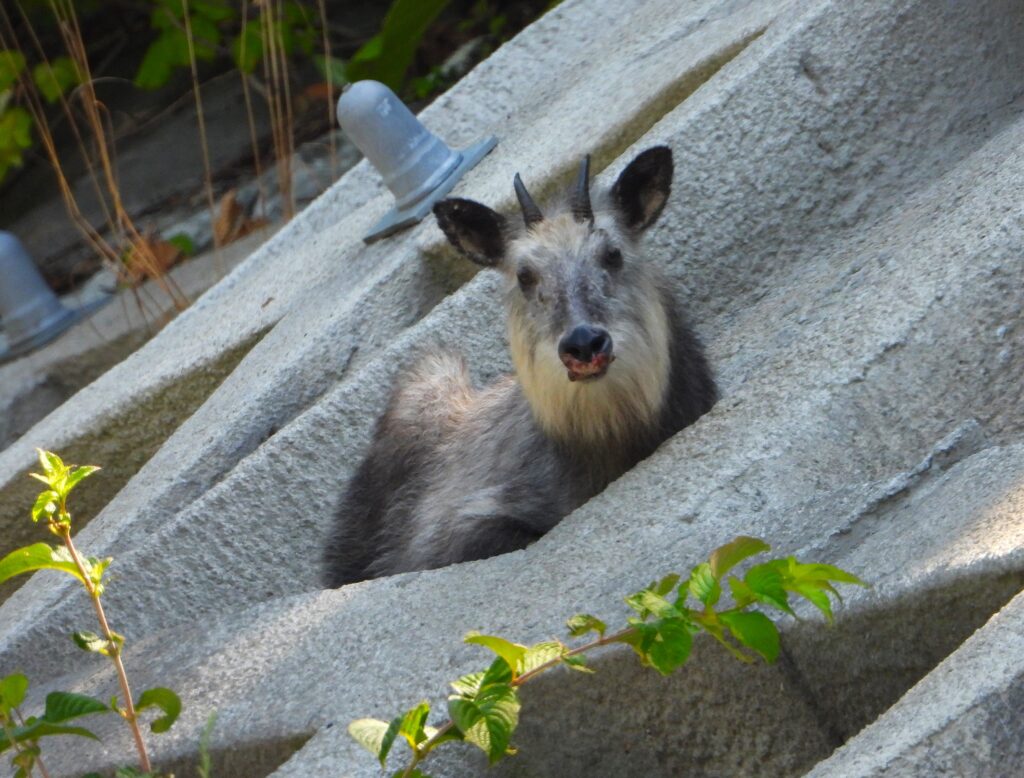
Japanese Serow
Japan’s national mammal is often seen on rocky slopes and forest edges in mountainous areas.
They can be especially impressive when surrounded by autumn colors.
Japanese Macaque
Japanese Macaques remain active throughout autumn as they forage for nuts, fruits, and other seasonal foods before winter arrives.
They are among the easiest wild mammals to observe in many mountain regions.
Red Fox
Foxes can be found across parts of Japan, although they are generally easier to observe in Hokkaido.
If you are lucky enough to encounter one, keep your distance and never feed wild animals.
Bear Awareness
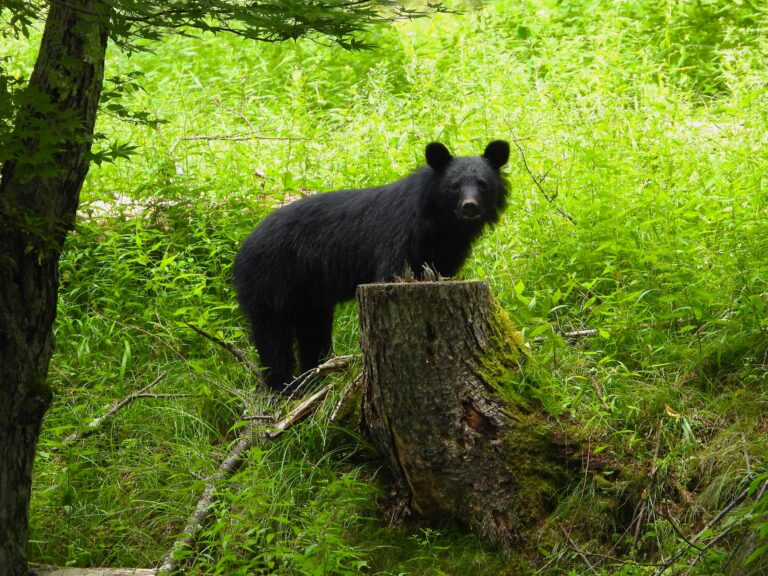
Autumn is also a period of increased activity for bears.
As they prepare for winter, they spend more time searching for food. If you are visiting mountainous areas, be sure to follow local bear safety guidelines.
Birds in Autumn
Autumn brings major changes to Japan’s birdlife.
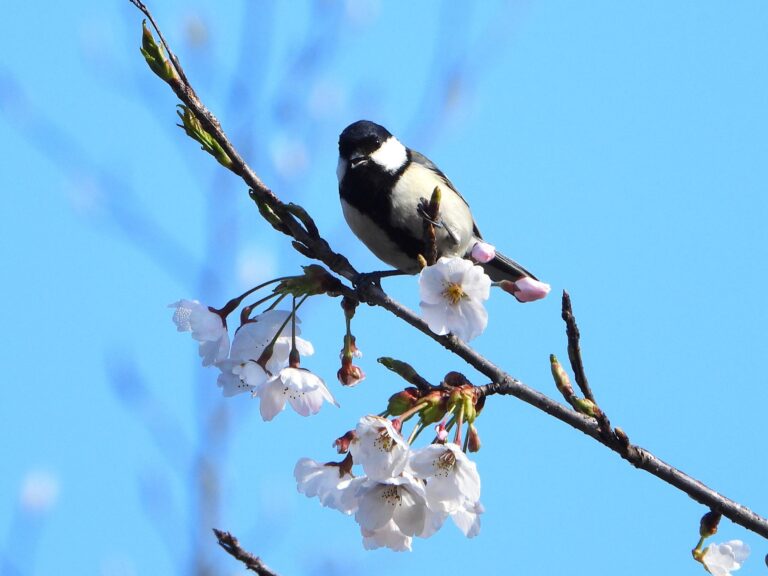
Many summer visitors begin migrating south, while winter visitors gradually arrive from northern regions. This seasonal transition makes autumn one of the most exciting times for birdwatching.
Bird groups to look out for include:
- Winter birds
- Migratory birds
- Ducks and waterfowl
- Birds of prey
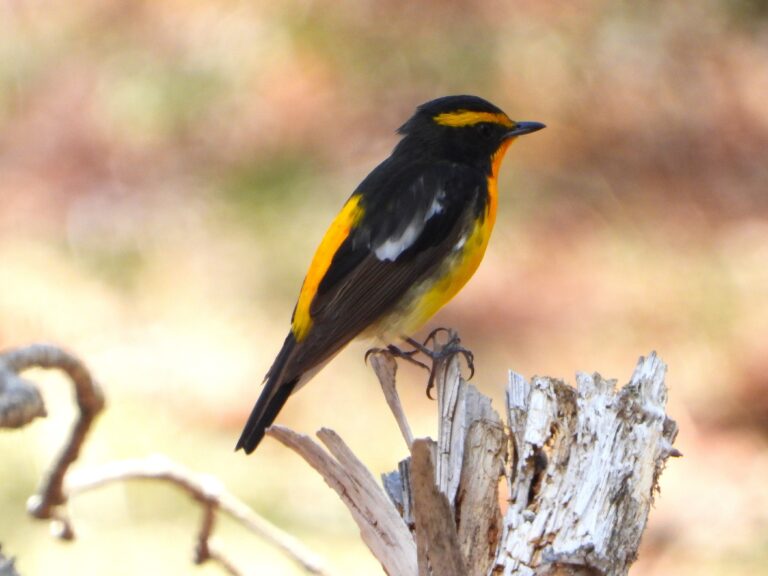
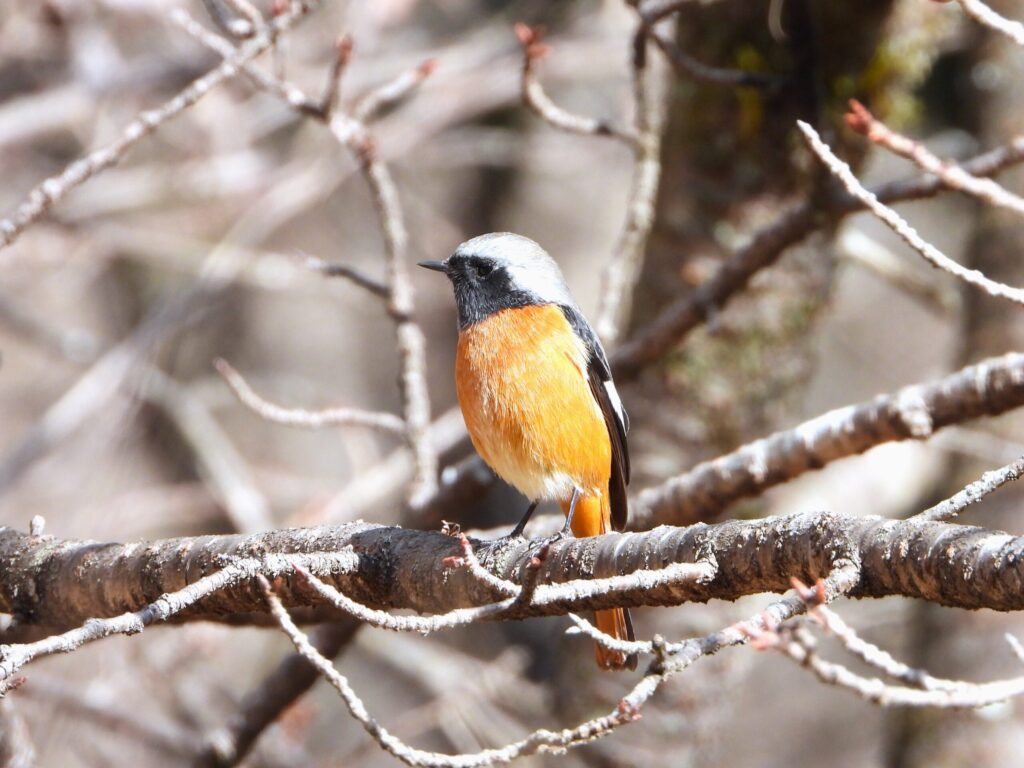
Species such as the Daurian Redstart begin appearing in parks, gardens, and forests as autumn progresses.
Wetlands, lakes, and rivers attract increasing numbers of ducks and other waterbirds, while raptors such as Eastern Buzzards and Black Kites can often be seen soaring overhead.
Birdwatching becomes even more enjoyable when combined with autumn scenery, as colorful forests provide a beautiful setting for wildlife observation.
▶Autumn Birdwatching in Japan: 15 Birds You Can See
Insects in Autumn
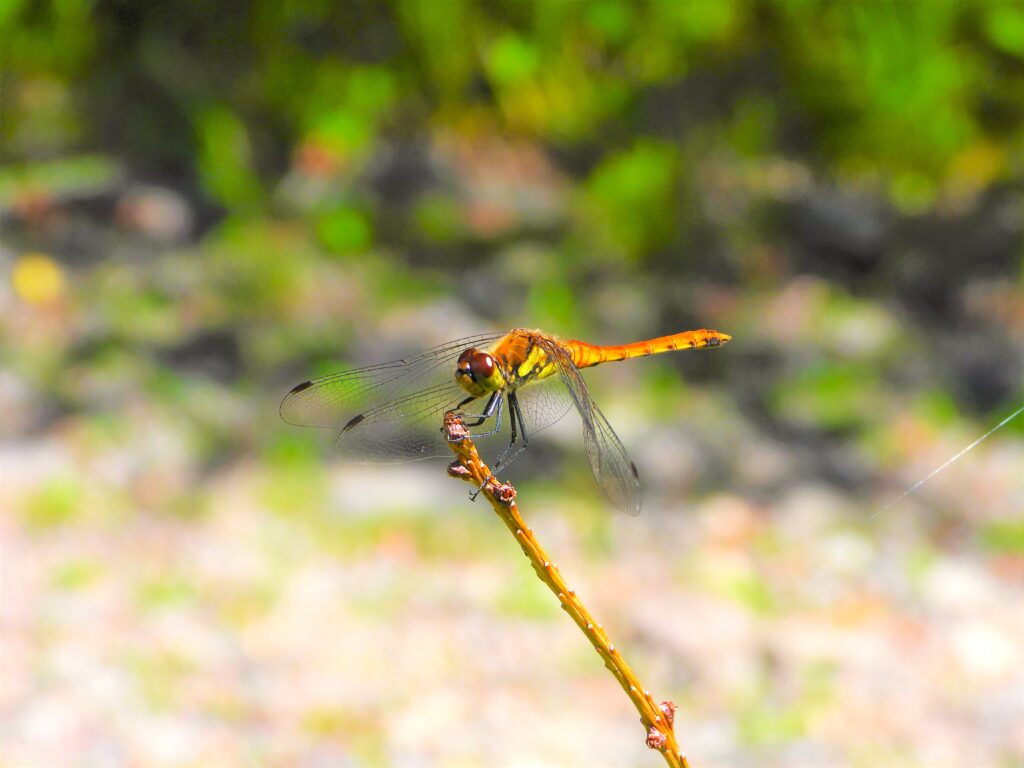
AAlthough insect diversity gradually decreases compared to summer, autumn still offers excellent opportunities for insect watching.
Common insects seen during autumn include:
- Red Dragonflies
- Praying Mantises
- Grasshoppers
- Large Moths
Red Dragonflies are perhaps the most iconic insects of the Japanese autumn landscape.
They can often be seen flying above rice fields, wetlands, and rural grasslands.
Praying Mantises remain active in parks, gardens, and meadows, while grasshoppers are frequently found among autumn grasses.
Large Moths
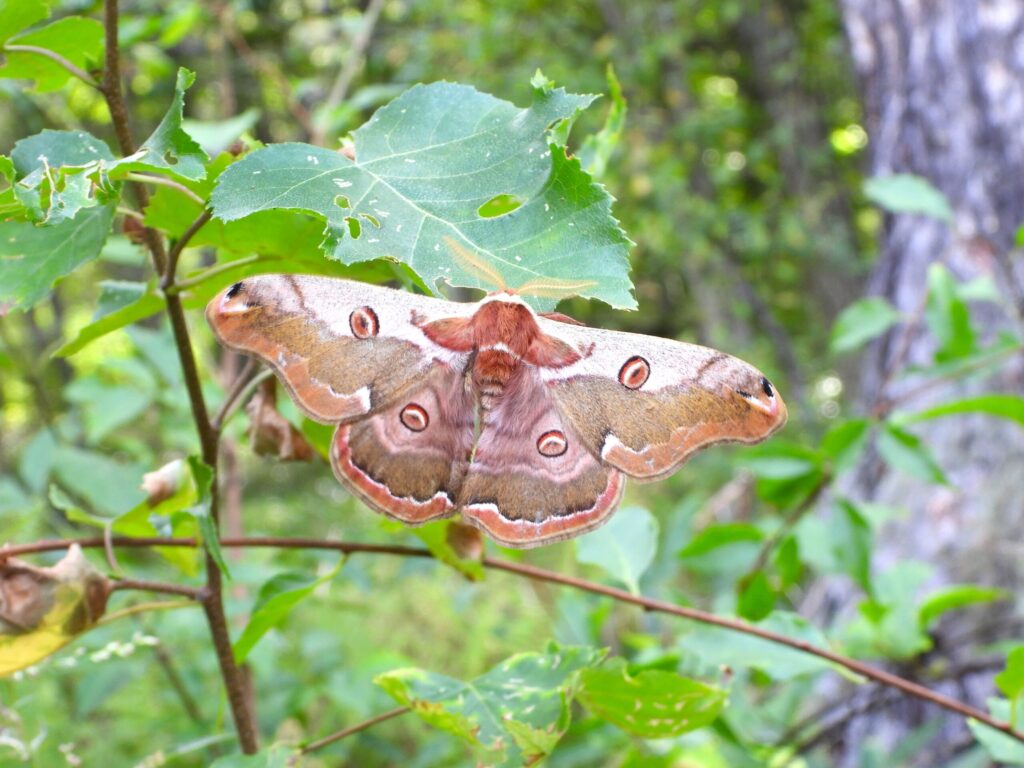
Warm autumn nights can also be a great time to look for large moths.
Personally, large moths are one of my favorite insects to find during autumn wildlife trips.
▶ Giant Moths of Japan: The Largest Moths You Can See
Frogs and Snakes in Autumn
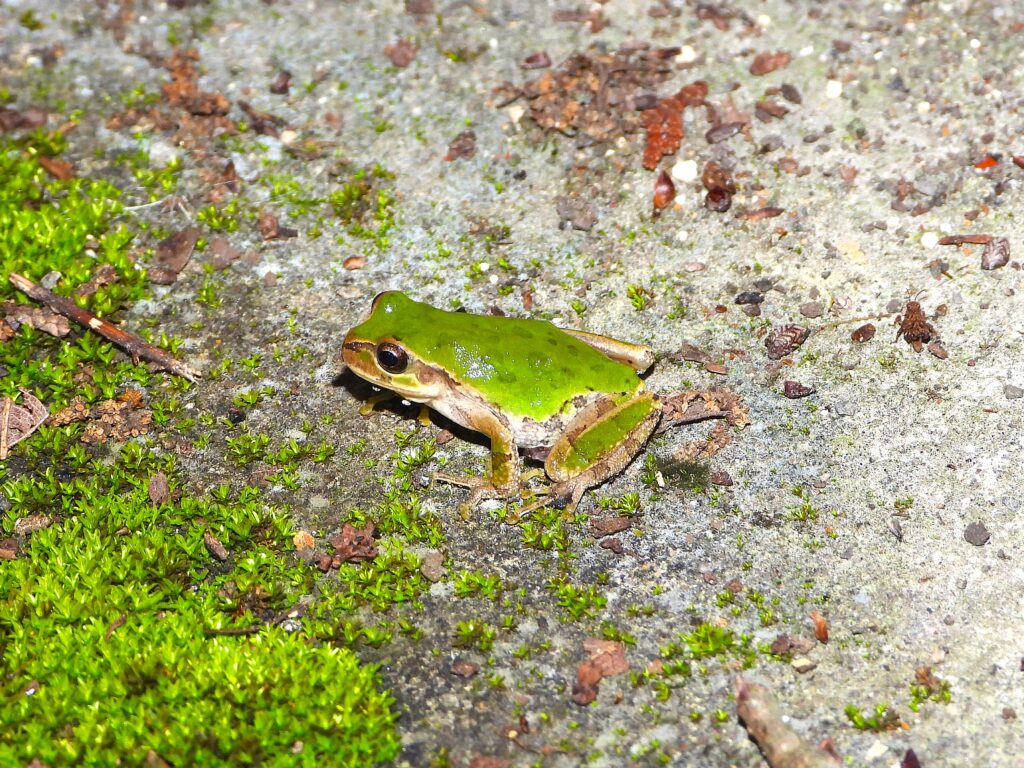
During September and early October, amphibians and reptiles can still be active in many parts of Japan.
Species you may encounter include:
- Japanese Tree Frog
- Japanese Brown Frogs
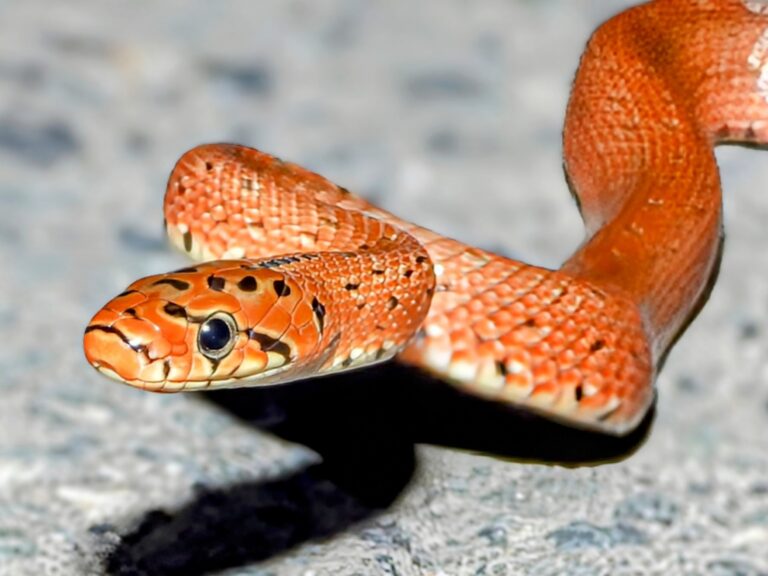
- Japanese Rat Snake
- Tiger Keelback
Japanese Tree Frogs are commonly seen around rice fields, grasslands, and forest edges, particularly after rain.
Snakes may also remain active during warmer days. Japanese Rat Snakes and Tiger Keelbacks can occasionally be observed basking or moving through vegetation.
Always observe snakes from a safe distance. Some species, including the Tiger Keelback, possess venom and should never be handled.
As temperatures continue to fall throughout autumn, reptile and amphibian activity gradually declines.
Autumn Colors and Wildlife
One of the greatest advantages of wildlife watching in autumn is the opportunity to enjoy animals alongside spectacular fall colors.
Japanese Deer and Japanese Serow can look especially impressive when surrounded by red, orange, and yellow foliage.
Forest birds also become easier to spot as leaves begin to fall.
For photographers, autumn offers some of the most beautiful wildlife scenes of the year. Early morning and late afternoon light often provides the best conditions for both landscapes and wildlife photography.
Even if your main goal is autumn sightseeing, it is worth paying attention to the wildlife around you.
A memorable animal encounter may become one of the highlights of your trip.
Wildlife in Japan by Month
September
September is a transition period between summer and autumn.
Many insects remain active, and frogs and snakes can still be observed during warm weather. In northern Japan and higher elevations, the first signs of autumn begin to appear.
Migration also starts during this period, creating opportunities to observe both resident and migratory species.
October
October is arguably the best month for wildlife watching in Japan.
Temperatures become comfortable, autumn foliage reaches many regions, and a wide variety of animals remain active.
Mammals such as deer and macaques, along with migratory birds, winter visitors, and autumn insects, can all be observed during this peak season.
November
By November, winter begins to approach.
Insects, reptiles, and amphibians become less active, but birdwatching often improves as more winter visitors arrive.
Forests, lakes, and wetlands take on a quieter atmosphere, making November an excellent month for peaceful wildlife observation.
Best Places for Autumn Wildlife Watching in Japan
Hokkaido
Hokkaido is one of the best destinations in Japan for autumn wildlife watching.
Visitors may have opportunities to see deer, foxes, cranes, raptors, and many other species while enjoying expansive autumn landscapes.
▶ Wildlife in Hokkaido – 15 Amazing Animals You Can See
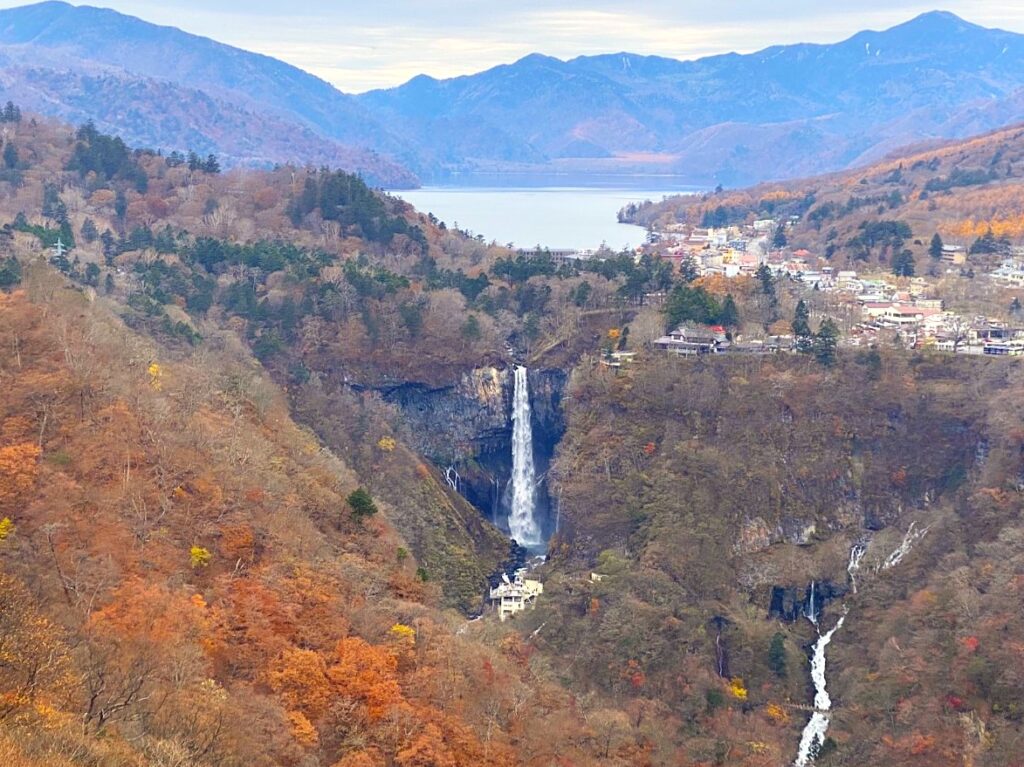
Oku-Nikko
Oku-Nikko combines beautiful autumn foliage with excellent wildlife viewing opportunities.
Deer, macaques, and various bird species can often be found around marshes, lakes, and forest trails.
▶ Wildlife Watching in Nikko National Park
Fuji Five Lakes
The Fuji Five Lakes region offers a mix of forests, lakes, and open habitats that attract a variety of wildlife.
The combination of autumn colors and views of Mount Fuji creates an unforgettable setting for nature lovers.
▶ Wildlife Around the Fuji Five Lakes | Nature & Birdwatching Guide
Kamikochi
Kamikochi is famous for its mountain scenery and autumn foliage.
Japanese Macaques and numerous bird species can often be observed while exploring its trails and river valleys.
▶ Wildlife in Kamikochi | Animals and Birdwatching Guide
Tips for Watching Wildlife in Autumn
Keep the following tips in mind when observing wildlife during autumn:
- Visit during early morning or late afternoon
- Dress in layers, especially in mountain regions
- Follow local bear safety recommendations
- Keep a respectful distance from wildlife
- Never feed wild animals
Autumn is also a popular season for tourism, so visiting quieter areas or starting your day early can improve your chances of finding wildlife.
My Experience Watching Autumn Wildlife in Japan
I often spend time exploring forests and mountain areas during autumn, particularly in Oku-Nikko.
The cooler temperatures make it much easier to walk long distances while searching for wildlife. Compared to summer, I can spend far more time observing nature without becoming exhausted by the heat.
Some of my most memorable experiences have been spotting deer and birds among colorful autumn forests. Seeing wildlife surrounded by brilliant fall foliage feels uniquely Japanese and creates a completely different atmosphere from any other season.
For me, autumn wildlife watching is less about seeing large numbers of animals and more about appreciating the changing seasons and the subtle signs that winter is approaching.
Conclusion
Autumn in Japan is about more than colorful leaves.
It is a season of preparation, as animals across the country get ready for winter.
Whether you’re exploring Hokkaido, Oku-Nikko, Kamikochi, or the Fuji Five Lakes, keep an eye on the forests, lakes, and mountain trails around you.
You may discover that some of the most memorable moments of your trip are not the autumn colors themselves, but the wildlife living among them.
Related Articles
▶ Winter Wildlife in Japan: Animals You Can See in Winter
▶ Spring Wildlife in Japan: Animals You Can See in Spring