
Where to See Wild Foxes in Hokkaido: Best Places & Tips
If you want to see wild foxes in Japan, Hokkaido is one of the best places to look. The island is home to the Ezo red fox, a subspecies of red fox found only in Hokkaido.
Some of the best areas to look for wild foxes include the Shiretoko Peninsula, Notsuke Peninsula, and other rural parts of eastern Hokkaido. They are often seen around open fields, forest edges, and quiet roads, especially around dawn and dusk.
Winter is particularly rewarding for wildlife photography, when Ezo red foxes grow their thick winter coats and stand out against the snow. In this guide, I’ll show you where to look, when to go, and how to watch and photograph wild foxes responsibly.
Where You Can See Foxes in Hokkaido
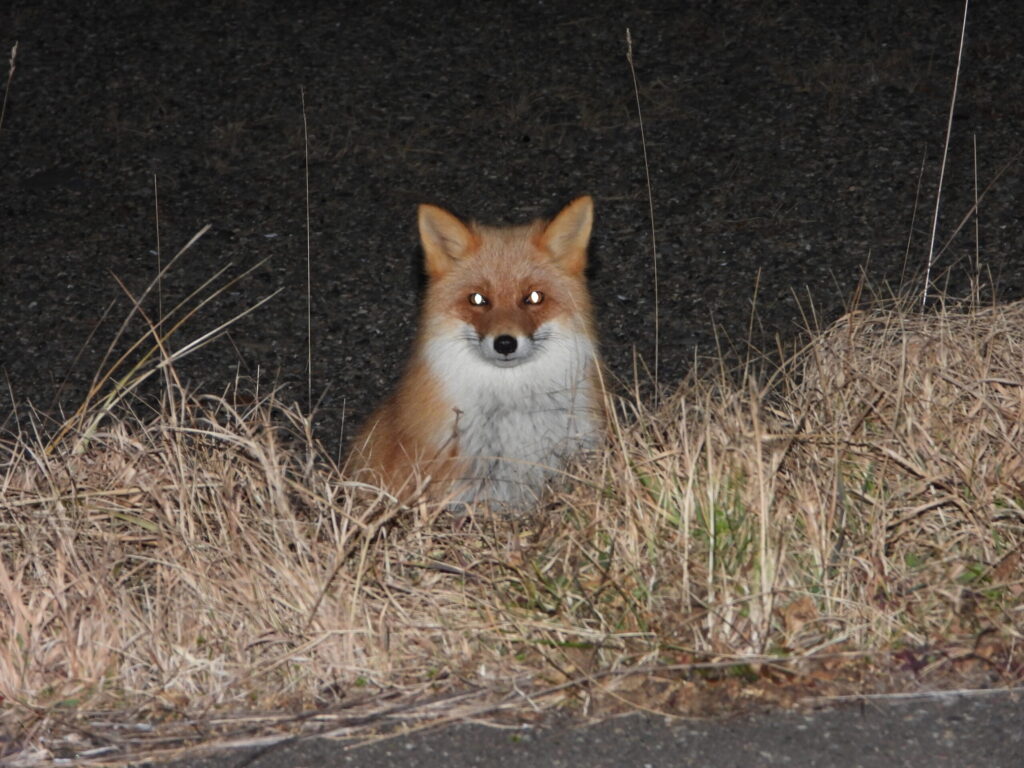
Ezo red foxes live throughout Hokkaido, from forests and coastal areas to farmland and the outskirts of towns. You may even encounter one along a quiet country road.
However, seeing a fox is never guaranteed. If your goal is wildlife watching or photography, eastern Hokkaido offers some of the best opportunities because large natural areas, open landscapes, and quieter roads make foxes easier to spot.
Shiretoko and the Notsuke Peninsula are particularly good places to start. Below are the areas I recommend considering when planning a trip to look for wild foxes in Hokkaido.
Best Places to See Wild Foxes in Hokkaido
1. Shiretoko Peninsula
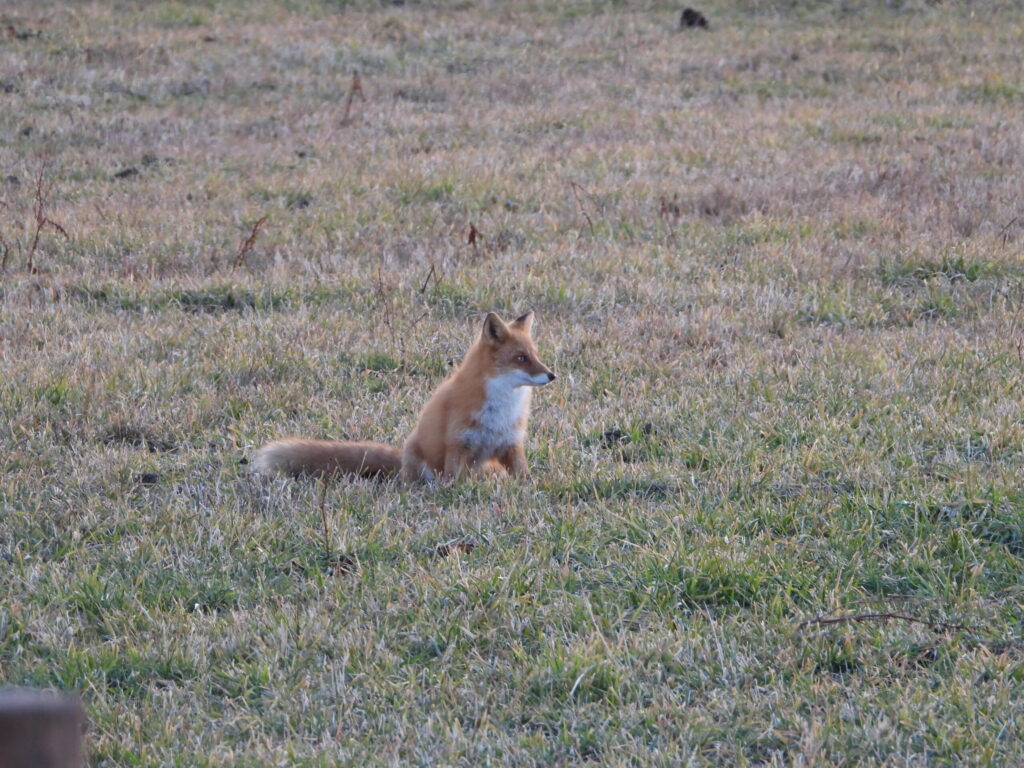
Shiretoko is one of the best areas in Hokkaido for travelers hoping to see wild Ezo red foxes. The peninsula has extensive forests, open grasslands, and quiet coastal roads where foxes may appear while you are exploring the area.
The Utoro side of Shiretoko is a particularly practical base for wildlife watching. Foxes may be seen along roads or in open areas, and winter wildlife tours in the region also look for Ezo red foxes alongside Ezo deer, Steller’s sea eagles, and white-tailed eagles.
Winter is especially attractive for photography because foxes have their thick winter coats and can sometimes be spotted against the snow. If you are driving, watch the roadside carefully and stop only where it is safe and legal to do so.
Memanbetsu Airport is one of the main gateways for reaching the Utoro side of Shiretoko.
2. Notsuke Peninsula
Notsuke Peninsula is another excellent area for looking for wild Ezo red foxes in eastern Hokkaido. This narrow peninsula stretches for about 26 kilometers and has wide, open landscapes that make wildlife easier to spot than in dense forest.
In my experience, Notsuke is a memorable place for wildlife watching because you can enjoy the scenery while slowly driving through the peninsula. I once saw an Ezo red fox and Ezo deer together near the coast, which made a strong impression on me.
When driving along the peninsula, watch the open grasslands and roadside areas carefully. Ezo red foxes, Ezo deer, and a variety of wild birds can all be seen in this remote coastal environment.
Notsuke is especially suitable for travelers who enjoy searching for wildlife while driving slowly through a natural landscape rather than visiting a single viewing point. Because foxes can appear unexpectedly near the road, drive carefully and never stop where it could block traffic.
The peninsula is best explored by car, and the Notsuke Peninsula Nature Center is a useful base for learning about the local environment before exploring the area.
3. Akan–Mashu National Park
Akan–Mashu National Park is another good area to look for Ezo red foxes while exploring eastern Hokkaido. Foxes live throughout the park, which includes large forests, lakes, open areas, and quiet roads.
This is a better choice for travelers who want to combine fox watching with a broader wildlife trip rather than focus only on foxes. Ezo deer are common in the region, and you may also encounter white-tailed eagles and other wildlife depending on the season.
The areas around Lake Mashu, Lake Kussharo, and Teshikaga make a useful base for exploring by car. Rather than looking for a single guaranteed viewing point, keep an eye on open areas, forest edges, and quieter roads as you travel through the region.
As everywhere in Hokkaido, never feed a fox or approach one closely, even if it appears accustomed to people.
4. Furano and Biei
Furano and Biei are worth considering if you want to look for Ezo red foxes while exploring Hokkaido’s rural landscapes. The area is known for open farmland, rolling hills, and quiet country roads, which can make wildlife easier to notice than in dense forest.
Foxes are sometimes seen crossing fields or moving along the edges of farmland, especially during quieter times of the day. Winter can be particularly rewarding for photography, when the orange coat of an Ezo red fox stands out clearly against the snow.
Unlike Shiretoko or Notsuke, Furano and Biei are not destinations I would choose only for fox watching. However, if you are already traveling through the area, it is worth keeping an eye on fields, roadside edges, and open farmland as you drive.
Never enter private farmland or stop unsafely on narrow roads just to photograph wildlife.
5. Kushiro Wetland Area
Kushiro Wetland is best known for its red-crowned cranes, but Ezo red foxes also live in and around this vast wetland landscape.
This is a good area to include if you are planning a broader wildlife trip in eastern Hokkaido. Along with foxes, you may see Ezo deer, white-tailed eagles, red-crowned cranes, and other wildlife depending on the season.
Rather than expecting to see a fox at one specific spot, keep an eye on the edges of the wetland, open areas, and quieter roads around the region. Observatories such as Hosooka and Kottaro are also useful places to scan the landscape with binoculars.
Kushiro is easier to explore by car, especially if you want to combine the wetland with nearby wildlife areas such as Tsurui or Akan–Mashu.
You Can See Foxes in Many Parts of Hokkaido
The five areas above are useful destinations for travelers planning a wildlife trip, but Ezo red foxes are not limited to famous nature spots. They are found throughout Hokkaido and can appear around farmland, rural communities, quiet country roads, and even urban areas such as Sapporo.
In my experience, I have often seen foxes walking through agricultural areas around dusk. I have even seen one sitting quietly on a school field. Encounters like these are one reason I recommend keeping your eyes open whenever you are traveling through Hokkaido, rather than focusing only on famous wildlife destinations.
Of course, these encounters are unpredictable. Never enter private land or approach a fox just to get a closer look.
If you prefer exploring with a local guide, wildlife and nature tours are also available in Hokkaido. These can be a good option if you want help finding wildlife and learning more about the local environment.
How to Find Wild Foxes in Hokkaido
You do not necessarily need to hike deep into the forest to find a wild fox in Hokkaido. In my experience, farmland, open fields, forest edges, and quiet rural areas are often worth watching.
I have frequently seen foxes walking through agricultural areas around dusk. I have also seen one simply sitting on a school field. These encounters have taught me that foxes can appear surprisingly close to places where people live, not only in famous national parks or remote wilderness.
When traveling through rural Hokkaido, look across open fields and along the edges of farmland rather than focusing only on dense forest. Dawn and dusk are particularly worth watching, although foxes can also be active during the day, especially when raising young.
If you are traveling by car, quiet rural roads can provide good opportunities to spot wildlife, but safety comes first. Do not stop suddenly or block the road for a photograph. If possible, have a passenger watch for wildlife and stop only in a safe, legal place.
Best Time to See Foxes in Hokkaido
Ezo red foxes can be seen throughout the year, so there is no single season when you must visit Hokkaido. However, the experience changes considerably with the season.
Winter: Best for Photography
Winter is one of the most attractive seasons for fox watching and photography. Ezo red foxes develop thick winter coats, and their reddish fur can stand out beautifully against the snow.
December through February is also their breeding season, so you may occasionally see two foxes traveling together.
Spring and Early Summer: A Sensitive Season
Foxes give birth in spring, and young foxes begin appearing outside their dens around May and June.
During this period, adults may also be more active during the daytime while searching for food for their young. This can create more opportunities to see foxes, but it is especially important not to approach a den or remain nearby if you find one.
Other Seasons
Foxes remain active through summer and autumn. Rather than planning your entire trip around a specific season, keep watching open farmland, forest edges, and quiet rural areas as you travel through Hokkaido.
For photography, I would favor winter. For simply seeing a wild fox, however, opportunities exist throughout the year.
Safety and Responsible Fox Watching

Wild Ezo red foxes are fascinating to watch, but they should always be observed from a respectful distance.
Never Feed or Approach a Fox
Do not feed foxes, call them closer, or try to touch them. Feeding can make wild foxes accustomed to people and roads, increasing the risk of conflicts and traffic accidents.
If a fox approaches you, enjoy the encounter without offering food or moving closer for a photograph.
Be Careful Around Roads
Foxes are often seen near roads in Hokkaido. If you spot one while driving, do not stop suddenly or block traffic.
Use a safe parking area whenever possible, and never encourage a fox to remain beside a road for photographs.
What About Echinococcus?
Echinococcus is a parasite found in Hokkaido, and foxes can be part of its life cycle. Human infection occurs when parasite eggs are accidentally swallowed, for example through contaminated hands, food, or untreated water.
There is no need to avoid watching wild foxes, but do not touch them or their droppings. Wash your hands after spending time outdoors, avoid drinking untreated stream or spring water, and wash wild plants or berries before eating them.
Give Dens and Young Foxes Extra Space
If you find a den or young foxes, keep your distance and do not remain nearby for long periods. Parents may be close by and need to move freely while caring for their young.
The best wildlife encounters are the ones that do not change the animal’s natural behavior.
Photographing Wild Foxes in Hokkaido
A telephoto lens is the best way to photograph wild foxes without getting too close. Give the fox enough space to continue behaving naturally rather than trying to fill the frame by approaching it.
Open farmland, coastal landscapes, and snowy fields can provide beautiful backgrounds. Winter is especially photogenic because the fox’s thick reddish coat stands out clearly against the snow.
If you find a fox near a road, photograph it only from a safe place. Do not stop suddenly, block traffic, or use food to keep the animal near your camera.
Watch the fox’s behavior as you photograph it. If it repeatedly looks at you, moves away, stops what it was doing, or otherwise appears disturbed by your presence, give it more space.
Some of the best wildlife photographs come from simply waiting and allowing the animal to behave naturally.
FAQ – Seeing Wild Foxes in Hokkaido
Where is the best place to see wild foxes in Hokkaido?
Shiretoko and Notsuke Peninsula are two of the best areas to consider if seeing wildlife is an important part of your trip. However, Ezo red foxes live throughout Hokkaido, so sightings are also possible in farmland, rural areas, and other parts of the island.
Can you see foxes in Sapporo?
Yes. Wild foxes also live in and around Sapporo and are sometimes seen in parks, residential areas, and other green spaces. You do not need to travel to a national park just to have a chance of seeing one.
What is the best season to see foxes in Hokkaido?
Foxes can be seen throughout the year. Winter is especially attractive for photography because of their thick winter coats and snowy surroundings, while spring and early summer can bring more daytime activity as adults raise their young.
What time of day is best for seeing foxes?
Dawn and dusk are good times to watch for foxes. In my experience, I have often seen them walking through agricultural areas around dusk. However, they may also be active during the daytime.
Do I need a car to look for foxes in Hokkaido?
Not always, but a car makes wildlife watching much easier in areas such as Shiretoko, Notsuke, Akan–Mashu, and Kushiro. Many good wildlife areas are spread out, and driving also gives you more opportunities to scan open farmland and quiet rural landscapes.
Is it safe to watch wild foxes?
Yes, as long as you keep your distance and do not feed or touch them. Avoid contact with fox droppings, wash your hands after outdoor activities, and do not drink untreated stream or spring water.