Wildlife Around the Fuji Five Lakes | Nature & Birdwatching Guide
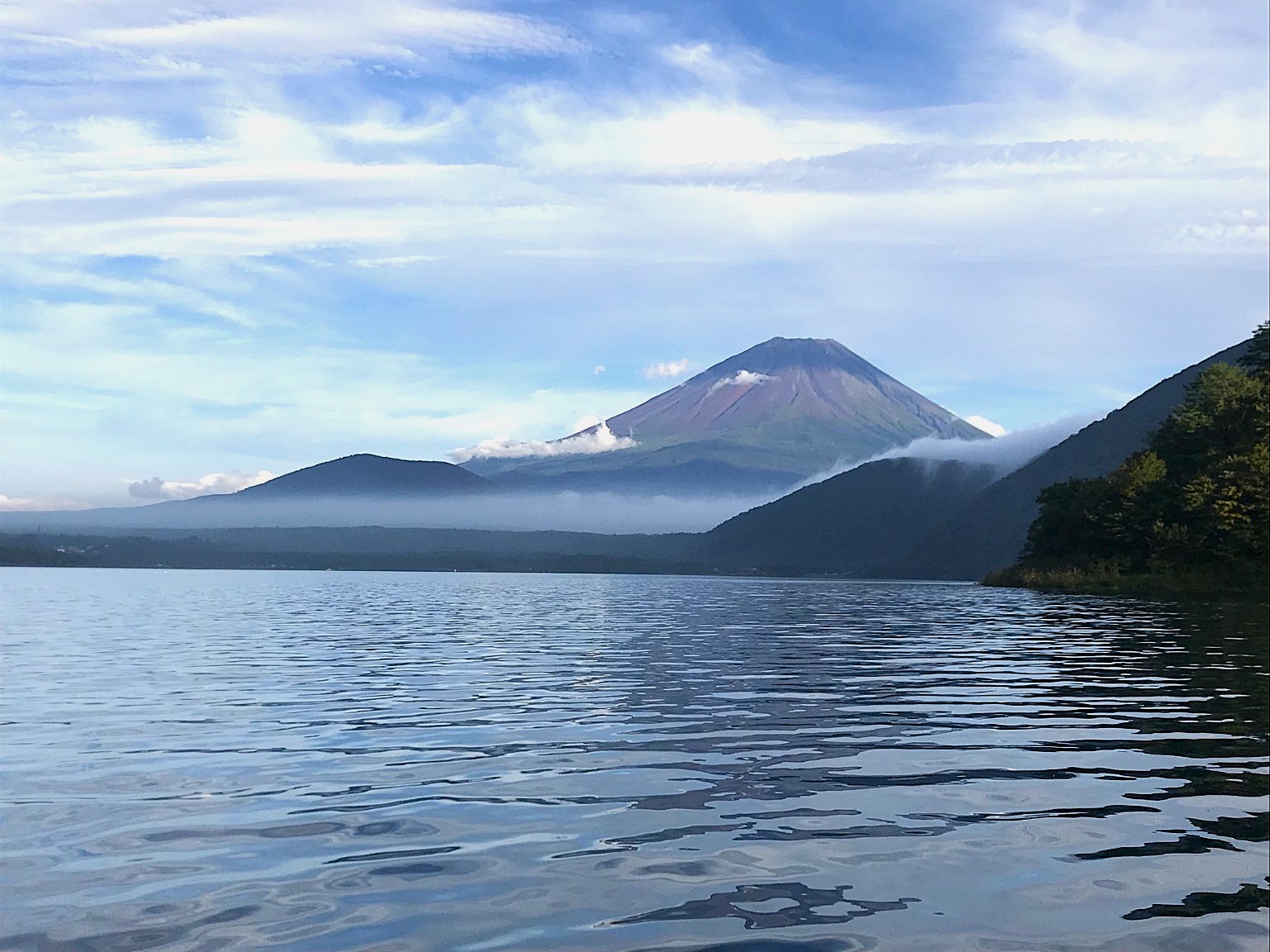
The Fuji Five Lakes are among the best places to experience nature and wildlife around Mount Fuji. Forests, lakeshores, wetlands, and volcanic landscapes create a variety of habitats for birds and mammals.
Each of the five lakes has a different character. Lake Yamanaka is especially suitable for waterbird watching, while Lake Saiko is surrounded by quieter forests. Lake Kawaguchiko is convenient for combining nature with sightseeing, and Lakes Shojiko and Motosuko offer a more peaceful atmosphere.
Wildlife sightings are never guaranteed, but early mornings around the lakes and nearby forests can provide good opportunities for birdwatching and nature observation.
Choosing the right lake depends on whether you want to see waterbirds, explore forests, enjoy easy access, or spend time away from the busiest tourist areas.
Want to compare the Fuji Five Lakes with other wildlife destinations across Japan?
▶ Wildlife in Japan: Where to See Wild Animals by Region
Quick Facts
- Location: Yamanashi Prefecture, Japan
- Lakes: Lake Yamanaka, Lake Kawaguchiko, Lake Saiko, Lake Shojiko, and Lake Motosuko
- Best for: Birdwatching, nature walks, and scenic wildlife observation
- Common wildlife: Sika Deer, Japanese Tit, Varied Tit, Japanese White-eye, and waterbirds
- Best for waterbirds: Lake Yamanaka
- Best for forest birdwatching: Lake Saiko and the surrounding forests
- Best for sightseeing and easy access: Lake Kawaguchiko
- Best seasons: Spring to early summer for forest birds, and winter for waterbirds
What Are the Fuji Five Lakes?
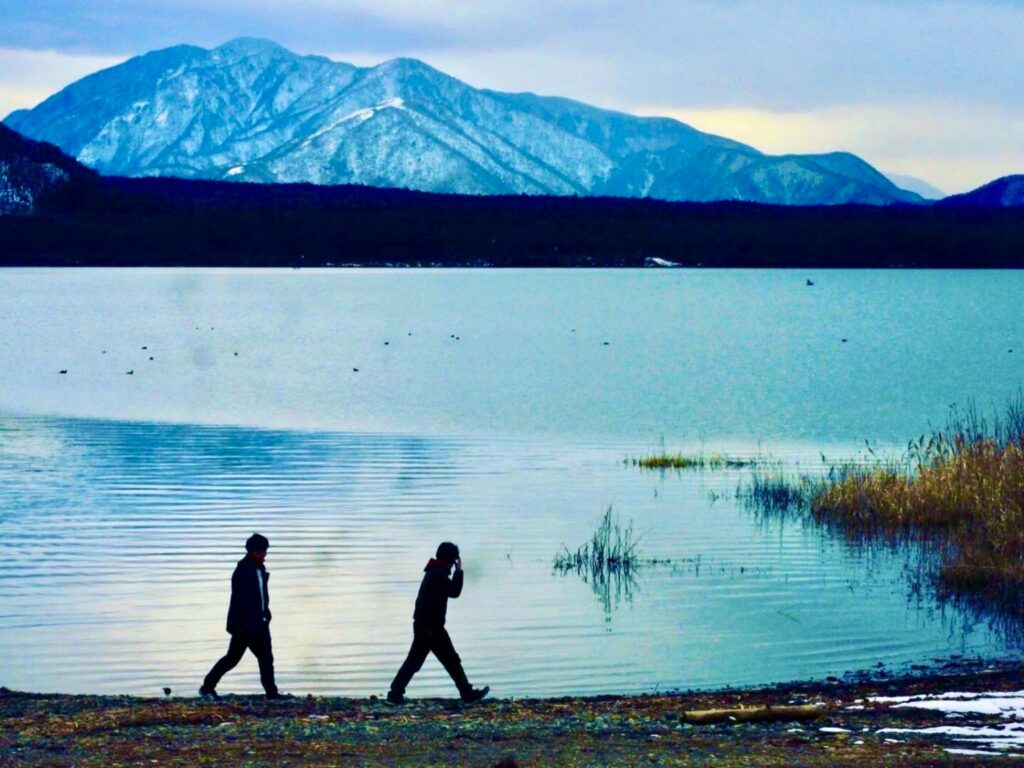
The Fuji Five Lakes are a group of five lakes located at the northern foot of Mount Fuji in Yamanashi Prefecture.
- Lake Yamanaka
- Lake Kawaguchiko
- Lake Saiko
- Lake Shojiko
- Lake Motosuko
The lakes were formed as lava flows from past eruptions of Mount Fuji reshaped the surrounding landscape and blocked existing waterways. Today, they form part of Fuji-Hakone-Izu National Park.
Although the five lakes are located within the same region, their shorelines and surrounding environments are different. Some are developed tourist destinations, while others are bordered by quieter forests and more natural scenery. These differences also affect the kinds of birds and wildlife visitors are likely to encounter.
Why Is the Fuji Five Lakes Area Rich in Wildlife?
The Fuji Five Lakes region contains several different habitats within a relatively small area. Lakeshores, forests, grasslands, and volcanic terrain provide places for birds and mammals to feed, rest, and move between habitats.
The wildlife also varies depending on the environment. Waterbirds can be found around the lakes, while forest birds live in the surrounding woodlands. Mammals are often more difficult to see, but visitors may find tracks, droppings, or other signs of their activity.
The forests around Lake Saiko and nearby Aokigahara are especially suitable for quiet woodland observation. In contrast, the open shoreline of Lake Yamanaka makes waterbirds easier to find.
Common Mammals Around the Fuji Five Lakes
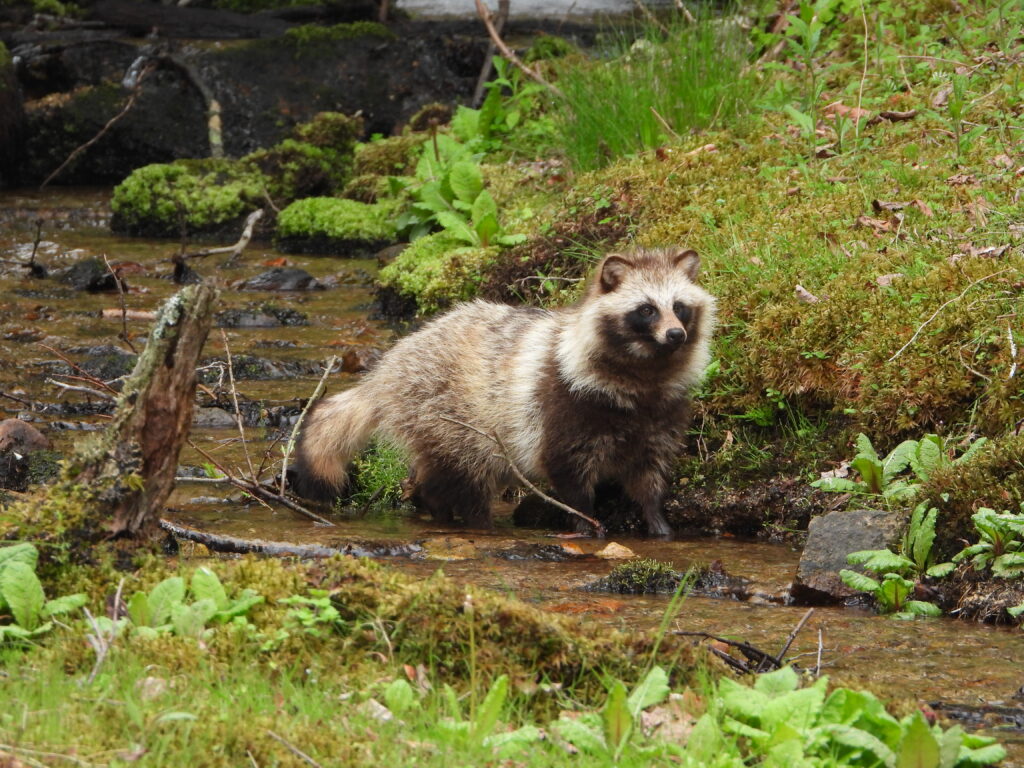
Several mammal species live in the forests and grasslands surrounding the Fuji Five Lakes. However, mammals are generally more difficult to observe than birds, and visitors may notice tracks, droppings, or feeding signs before seeing the animals themselves.
Mammals found in the wider area include:
- Sika Deer
- Red Fox
- Japanese Raccoon Dog
- Japanese Squirrel
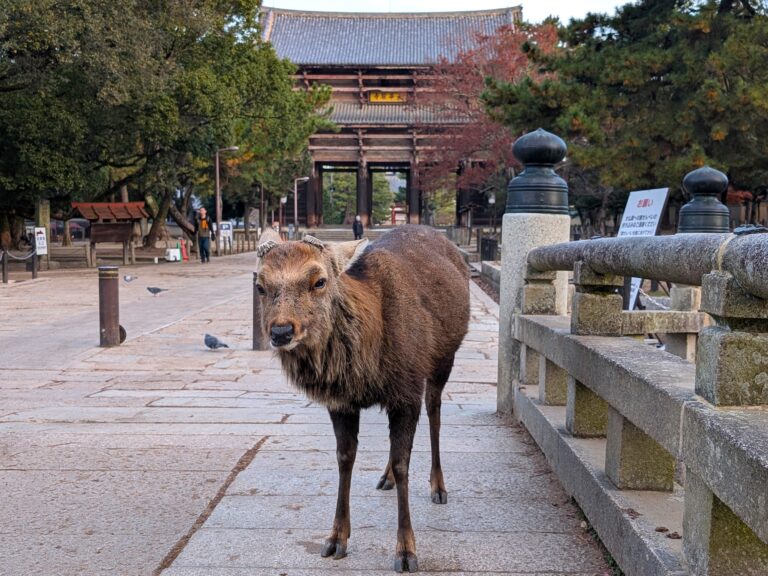
Of these, Sika Deer are the most realistic sighting for most visitors. They may appear near forest edges, wooded areas, and quiet roads, particularly during the early morning or evening.
Red Foxes and Japanese Raccoon Dogs are more active from evening into the night, making them harder to observe. Japanese Squirrels may occasionally be seen moving through wooded areas during the day.
Asian Black Bears also live in the Fuji Five Lakes region. Bears should be treated as a safety consideration rather than a wildlife-watching target. Check current local bear information before entering remote forests and follow any warnings posted in the area.
Common Birds Around the Fuji Five Lakes
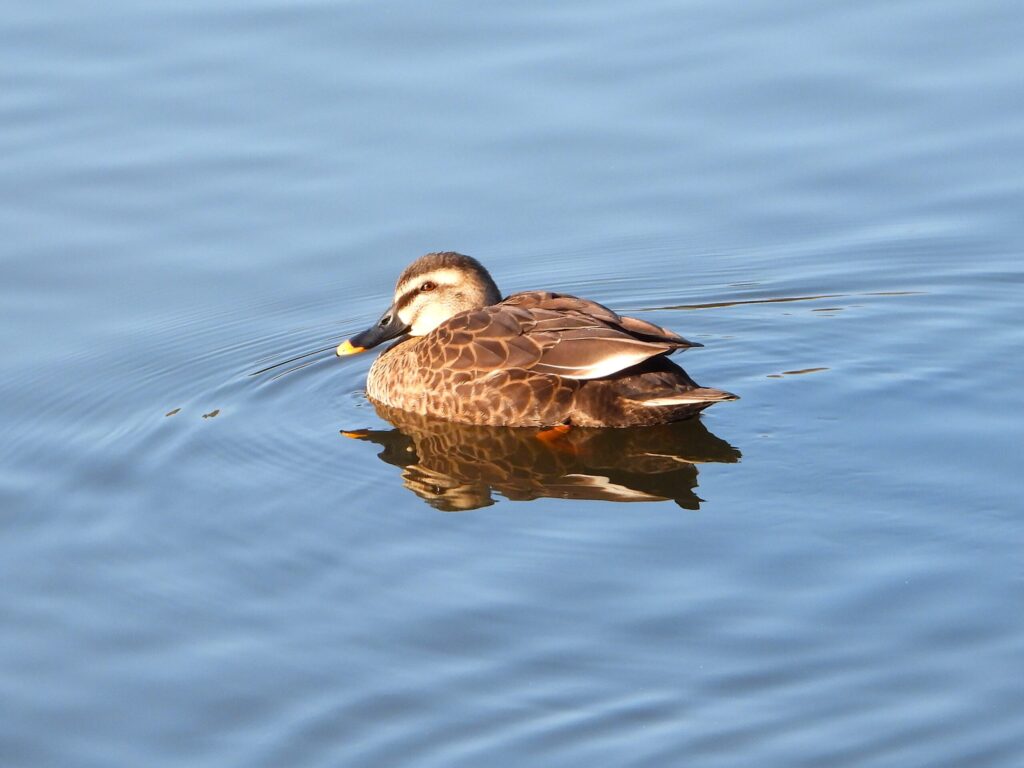
Birdwatching is one of the main attractions of the Fuji Five Lakes region. The species you may encounter vary between the surrounding forests, open lakeshores, and the lakes themselves.
Common birds in wooded areas include:
- Japanese Tit
- Varied Tit
- Japanese White-eye
- Meadow Bunting
- Japanese Pygmy Woodpecker
- Brown-eared Bulbul
- Black Kite
Waterbirds found around the lakes include:
Birdlife changes throughout the year. Forest birds are particularly active and vocal from spring to early summer, while ducks, coots, and other waterbirds become more noticeable during the colder months.
Wildlife Around Lake Yamanaka
Lake Yamanaka is the largest of the Fuji Five Lakes and one of the best places in the region for waterbird watching.
Its broad lake surface makes ducks, coots, and other waterbirds easier to find than in heavily forested areas. The lake is particularly important during the colder months, when migratory birds use it as a wintering and feeding site.
Mallards, Eurasian Wigeons, mergansers, and other wintering birds may be seen from the lakeshore. The surrounding woodland also supports common forest birds, but waterbird observation is the main reason to choose Lake Yamanaka.
Early morning is usually the best time to visit, before the lakeside becomes busy. Observe birds from a distance and never feed them.
Wildlife Around Lake Kawaguchiko
Lake Kawaguchiko is the most visited of the Fuji Five Lakes and the easiest lake for many travelers to include in a sightseeing trip.
The lakeside has parks, walking paths, hotels, and other tourist facilities. Common forest birds may be found in wooded areas and parks, while ducks and other waterbirds can sometimes be seen from quieter parts of the shoreline.
Because Lake Kawaguchiko can become busy, early morning is the best time for wildlife watching. Visitors seeking a quieter and more natural environment may prefer Lake Saiko, Lake Shojiko, or Lake Motosuko.
Wildlife Around Lake Saiko
Lake Saiko is surrounded by steep, forested slopes and is less developed than Lake Kawaguchiko. It is one of the best choices in the Fuji Five Lakes region for visitors interested in forest birdwatching and quiet nature walks.
Saiko Wild Bird’s Park, located near Aokigahara Forest, is home to around 60 recorded bird species. Varied Tits, Meadow Buntings, Japanese White-eyes, and other woodland birds may be found in the surrounding forest.
Birds are often easier to locate by listening for their calls before looking among the trees. Walk quietly and remain on established paths when exploring the area.
▶ Wildlife in Aokigahara Forest | Nature & Wildlife Guide Near Mount Fuji
Wildlife Around Lake Shojiko
Lake Shojiko is the smallest of the Fuji Five Lakes. Its southern side borders Aokigahara Forest, and the surrounding area is less developed than the busier eastern lakes.
The quiet shoreline and nearby forest make Lake Shojiko suitable for slow nature observation. Visitors may hear woodland birds around the trees or watch birds moving between the forest and lakeside.
Lake Shojiko is a good choice for travelers who value silence and natural scenery more than convenient access or extensive tourist facilities. Wildlife sightings are not guaranteed, but the peaceful surroundings make careful observation easier.
Wildlife Around Lake Motosuko
Lake Motosuko is the deepest of the Fuji Five Lakes and is known for its clear water, quiet shoreline, and largely natural scenery.
Compared with Lake Kawaguchiko, the area feels more remote and has fewer large tourist facilities. The wooded shoreline is suitable for quiet birdwatching, while hiking and camping provide opportunities to spend more time in the surrounding natural environment.
Lake Motosuko is best suited to visitors who want peaceful scenery and outdoor exploration rather than easy sightseeing. Move slowly, listen for bird calls, and avoid leaving established paths when walking through forested areas.
Best Wildlife Watching Spots Around the Fuji Five Lakes
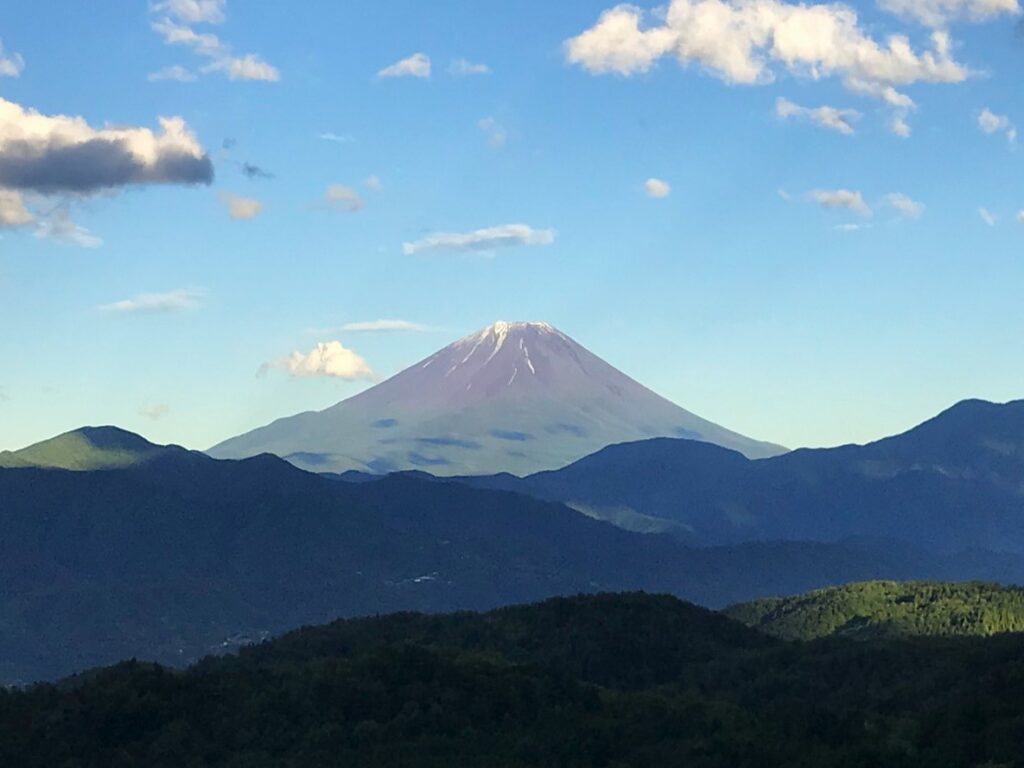
The best place to visit depends on what you want to observe.
Best for Waterbirds: Lake Yamanaka
Lake Yamanaka is the easiest choice for watching ducks, coots, and other waterbirds. Winter is particularly suitable for birdwatching along the open shoreline.
Best for Forest Birds: Lake Saiko
Lake Saiko and Saiko Wild Bird’s Park are well suited to quiet forest birdwatching. Early morning is the best time to listen for birds among the trees.
Best for Easy Access: Lake Kawaguchiko
Lake Kawaguchiko is convenient for travelers who want to combine wildlife watching with sightseeing. Quieter parks and wooded areas are better than the busiest parts of the shoreline.
Best for Quiet Nature: Lake Shojiko and Lake Motosuko
Lake Shojiko and Lake Motosuko are better suited to visitors who prefer peaceful scenery and slower nature walks. Their quieter shorelines and surrounding forests offer a more natural atmosphere.
For most visitors, choose Lake Yamanaka for waterbirds and Lake Saiko for forest birds.
If you’d prefer to explore the Fuji Five Lakes with a local guide, you can find guided tours and sightseeing experiences on Viator.
Best Seasons for Wildlife Watching
Wildlife can be observed throughout the year, but each season offers a different experience. Spring to early summer is generally best for forest birds, while winter is especially suitable for waterbird watching.
Spring (April–June)
Forest birds become active and vocal during spring, making them easier to locate by their calls. Visit early in the morning, when the forests are quiet and bird activity is high.
Summer (July–August)
Summer foliage makes wildlife harder to see, but birds can still be active during the cooler early morning hours. Avoid the busiest and hottest parts of the day.
Autumn (September–November)
Cooler temperatures make autumn comfortable for lakeside and forest walks. As the leaves begin to thin and fall, birds and signs of mammals may become easier to notice.
Winter (December–March)
Winter is the best season for watching ducks and other waterbirds, particularly around Lake Yamanaka. Bare branches can also make woodland birds easier to find, although visitors should prepare for cold and icy conditions.
Tips for Finding Wildlife Around the Fuji Five Lakes
Wildlife is easier to notice when you slow down and focus on one area at a time.
- Visit early: Lakeshores and forests are usually quieter in the early morning.
- Listen first: Bird calls often reveal wildlife before you see any movement.
- Walk slowly: Sudden movements and loud voices can cause animals to move away.
- Bring binoculars: They allow you to observe birds without approaching them.
- Look for signs: Tracks, droppings, feathers, and feeding marks can reveal the presence of mammals and birds.
Rather than rushing between all five lakes, choose one habitat and spend time observing it. Lake Yamanaka is the easiest choice for waterbirds, while Lake Saiko is better suited to forest birdwatching.
Responsible Wildlife Watching
Please follow these guidelines when observing wildlife:
- Do not feed wild animals
- Do not chase or approach wildlife
- Stay away from nests and breeding sites
- Remain on designated trails
- Check local bear information before entering forests
Respecting wildlife helps protect both animals and their habitats.
Author’s Impression
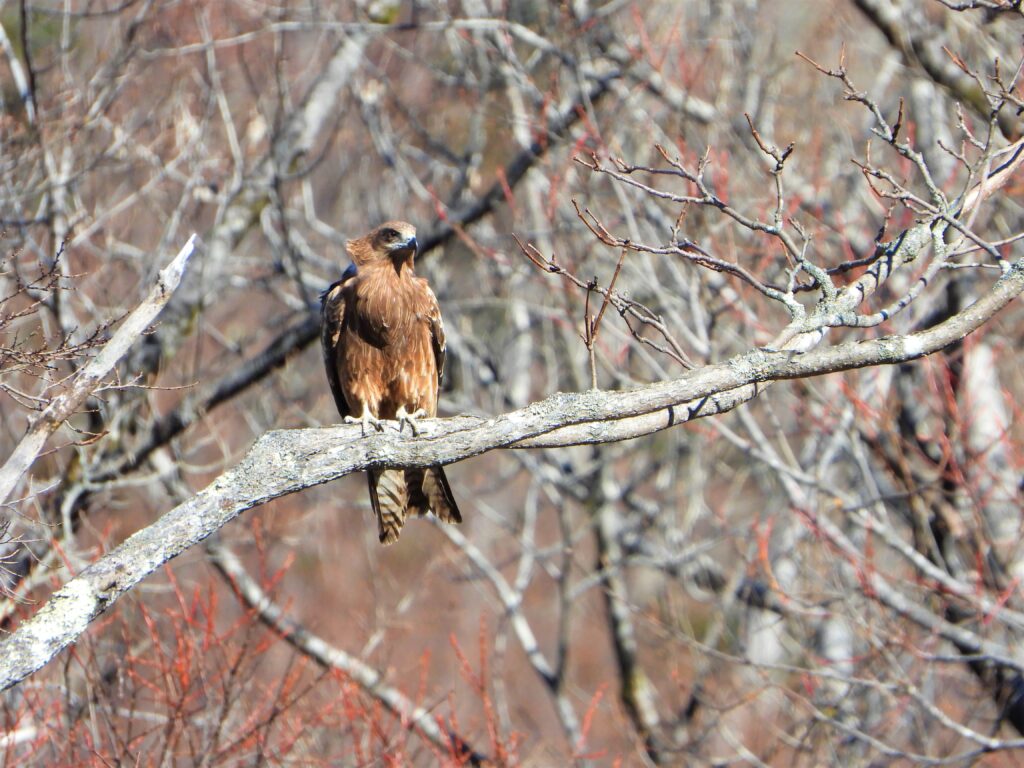
I have visited the Fuji Five Lakes several times during motorcycle trips and spent time watching birds around the lakeshores and nearby forests.
Even close to popular sightseeing areas, quieter paths can offer a very different experience. Bird calls can be heard from the trees, and the surrounding forests feel much wilder than the busy lakeside areas might suggest.
What impressed me most was the landscape around Mount Fuji, especially the moss-covered forests, volcanic terrain, and quiet atmosphere near Aokigahara. Looking beyond the famous views of the mountain reveals another side of the Fuji Five Lakes.
Related Guides
Interested in exploring more wildlife around Mount Fuji? These guides may help you plan your next adventure.
▶ Wildlife in Aokigahara Forest | Nature Guide Near Mount Fuji