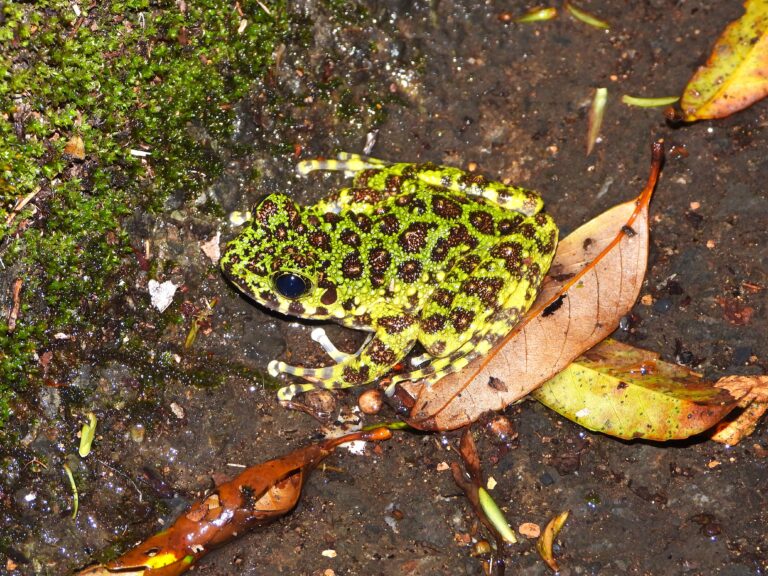

Wildlife in Hokkaido – 15 Amazing Animals You Can See
Introduction
Hokkaido is Japan’s last great wilderness, where drift ice, deep forests, and vast wetlands still support some of the country’s most iconic wildlife.
From red-crowned cranes dancing across frozen marshes to sea otters floating beside the winter ice, the island offers wildlife encounters found nowhere else in Japan.
This guide explores some of Hokkaido’s most famous animals, including where to see them, the best seasons for wildlife watching, and what makes the island one of Japan’s greatest nature destinations.
Planning a wildlife trip beyond Hokkaido? See how Japan’s major wildlife regions compare.
▶ Wildlife in Japan: Where to See Wild Animals by Region
Wetlands & Open Landscapes
Eastern Hokkaido is home to vast marshes, open grasslands, and frozen wetlands that support some of the island’s most iconic wildlife. In winter, cranes dance across the snow while swans gather on icy lakes, and Ezo deer quietly move through the wide northern landscape.
The following animals are some of the most famous wildlife species found in Hokkaido’s wetlands and open northern plains.
Red-crowned Crane in Hokkaido – The Dancing Spirit of the Marshes

The red-crowned crane (Grus japonensis) is one of Hokkaido’s most iconic birds. Across the frozen wetlands of eastern Hokkaido, its elegant dances and echoing calls create one of Japan’s most unforgettable winter wildlife scenes.
Once close to extinction, the species has recovered thanks to decades of conservation efforts, and it remains a powerful symbol of Hokkaido’s wild northern landscape.
Where to See: Kushiro Marsh, Tsurui Village, Akan
Best Time: December–March
Photo Tip: Visit at sunrise when mist drifts across the marsh and soft winter light fills the landscape.
▶Read the full species profile
Whooper Swan – Graceful Traveler of the Northern Lakes
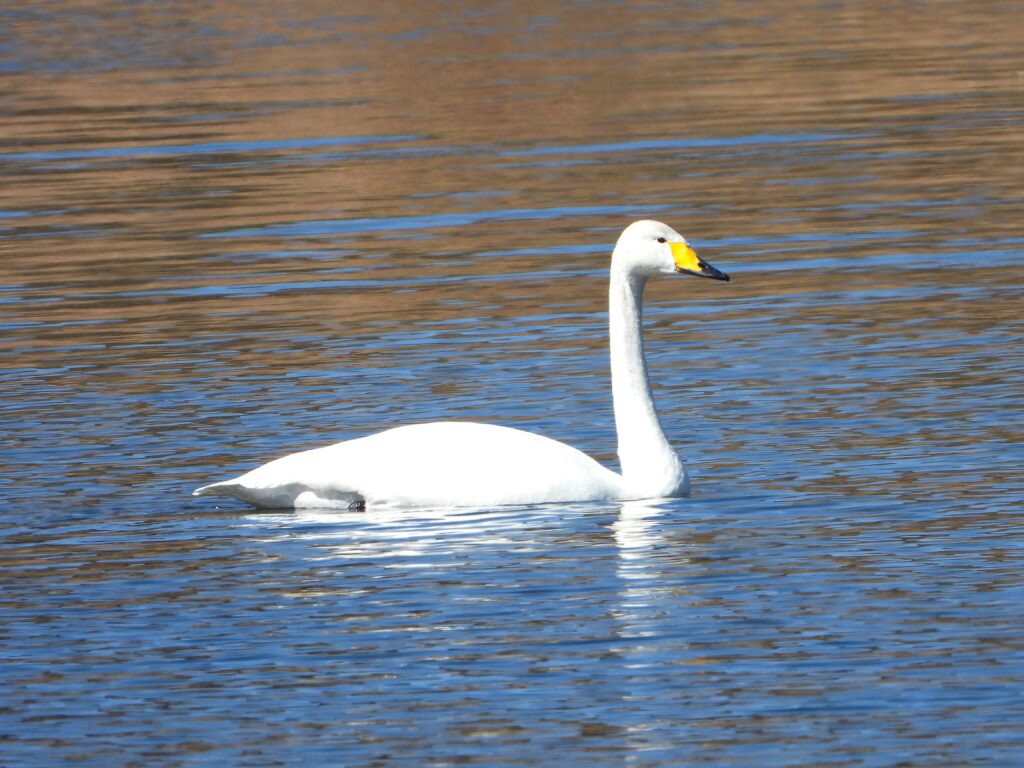
The whooper swan (Cygnus cygnus) is one of the most elegant winter birds found in Hokkaido. Large flocks gather on frozen lakes and wetlands, where their white feathers stand out beautifully against the snowy northern landscape.
Many migrate from Siberia to spend the winter in Hokkaido, and their calls echo across quiet lakes during the coldest months of the year.
Where to See: Lake Kussharo, Lake Tofutsu, Miyajima-numa
Best Time: November–March
Photo Tip: Visit early in the morning when mist rises from the lake and swans gather near the shore.
▶ Read the full species profile
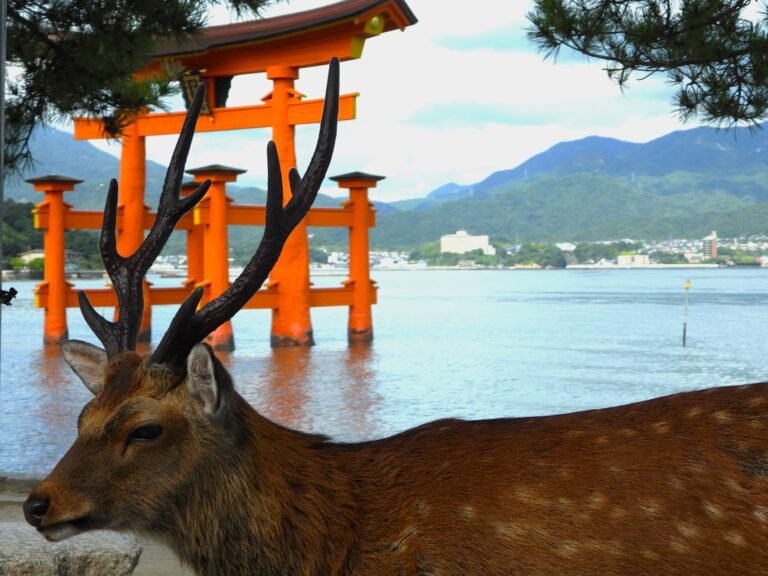
Ezo Deer – Giant Deer of Hokkaido’s Northern Wilds
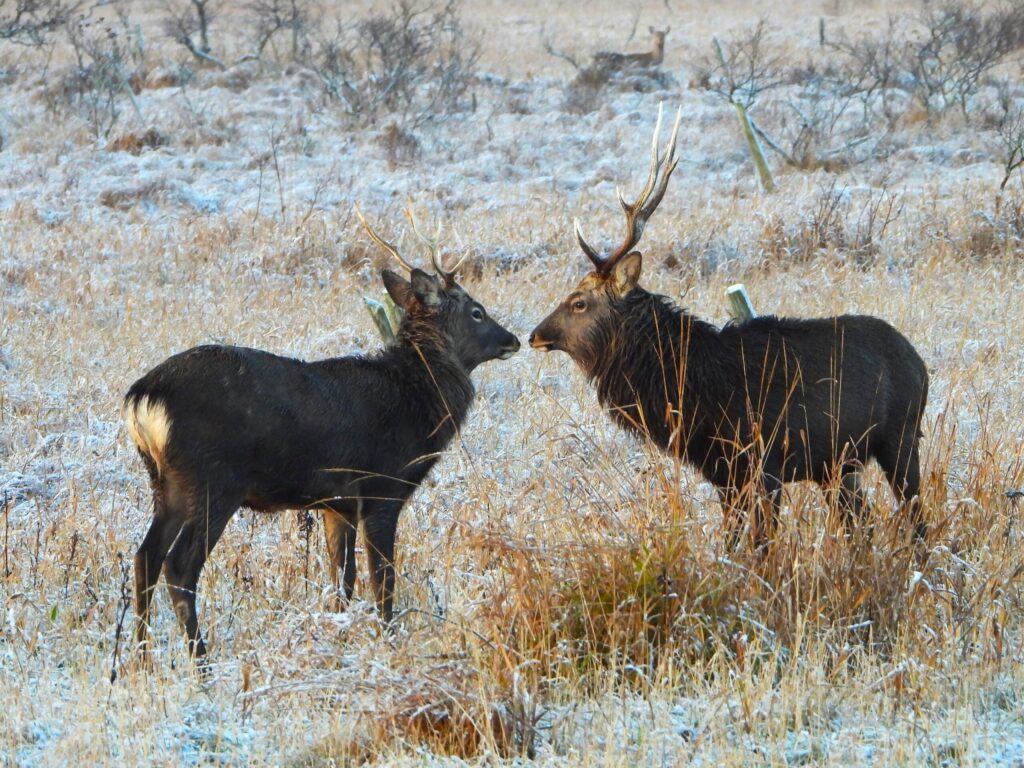
The Ezo deer (Cervus nippon yesoensis) roams through forests and grasslands across Hokkaido. It has some of the largest antlers among sika deer, making it one of the island’s most impressive large mammals.
In autumn, males clash in fierce battles during the breeding season, and their haunting calls echo through misty valleys across the northern wilderness.
Where to See: Shiretoko, Akan, Tokachi
Best Time: Year-round
Photo Tip: Use early morning light to capture silhouettes against the fog.
▶ Read the full species profile
Sea Ice & Coastal Wildlife
During winter, the drift ice coast of eastern Hokkaido becomes one of Japan’s most spectacular wildlife regions. Sea eagles gather along the frozen shoreline, sea otters float beside the ice, and orcas sometimes appear offshore in the cold northern sea.
The following animals are among the most remarkable wildlife species found along Hokkaido’s icy coasts and northern waters.
Steller’s Sea Eagle – Giant Eagle of the Drift Ice Coast
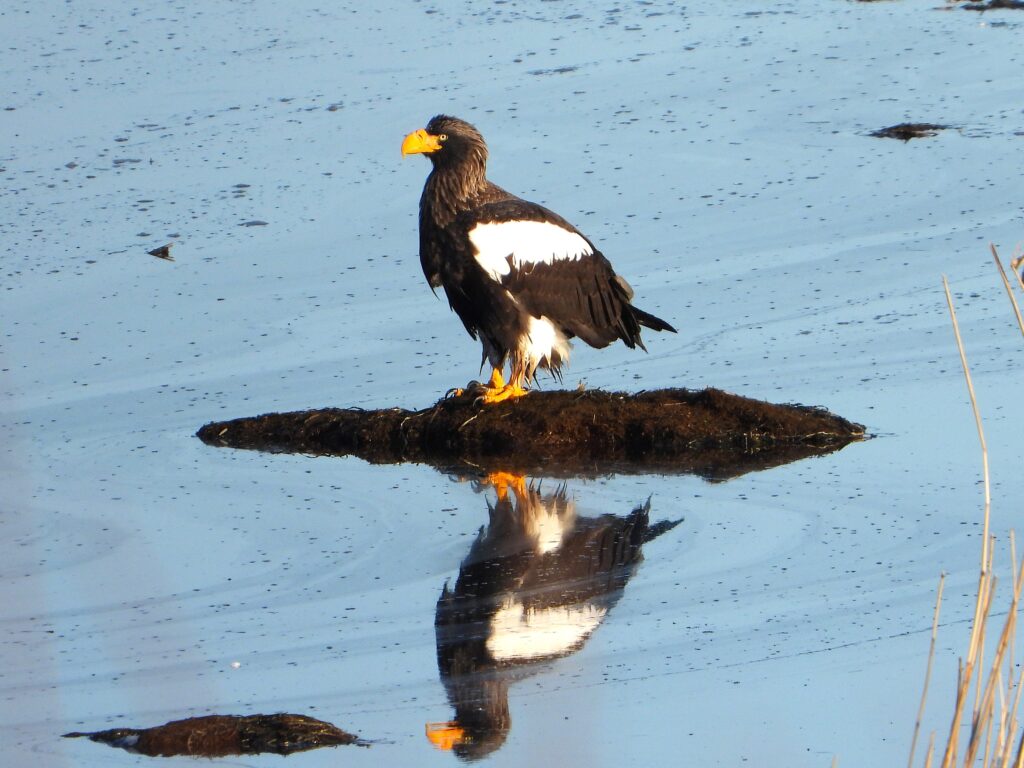
Steller’s Sea Eagle – Giant Eagle of the Drift Ice Coast
The Steller’s sea eagle (Haliaeetus pelagicus) is one of the largest eagles in the world and a true symbol of Hokkaido’s winter coastline. With its massive yellow bill and powerful wings, it dominates the drift ice shores of eastern Hokkaido during the coldest months of the year.
Many migrate south from Russia each winter, gathering around sea ice and fishing ports where food is abundant.
Where to See: Rausu, Shiretoko Peninsula, Nemuro
Best Time: January–March
Photo Tip: Drift ice boat tours offer some of the best opportunities to photograph sea eagles flying low above the frozen sea.
▶ Read the full species profile
White-tailed Eagle – Silent Hunter of the Northern Coast

The white-tailed eagle (Haliaeetus albicilla) is another massive eagle that patrols the coastlines and wetlands of eastern Hokkaido. With broad wings and powerful flight, it is one of the dominant birds of prey found across the island’s northern wilderness.
Unlike the Steller’s sea eagle, some white-tailed eagles remain in Hokkaido throughout the year, especially around coastal forests and marshes.
During winter, both eagle species can often be seen soaring together above the drift ice coast of Shiretoko and Rausu.
Where to See: Rausu, Shiretoko Peninsula, Notsuke Peninsula
Best Time: Winter
Photo Tip: Calm mornings often provide the best reflections and flight photography along the frozen coastline.
▶ Read the full species profile
Sea Otter – The Ocean’s Playful Guardian

Once thought extinct in Japan, the sea otter (Enhydra lutris) has slowly returned to the northeastern shores of Hokkaido. Floating on its back, cracking shells with stones, and drifting gently through the waves, it perfectly embodies the spirit of the northern sea.
Small numbers can now be seen again along the coast of eastern Hokkaido, especially around rocky shorelines rich in marine life.
Where to See: Rausu coast, Nemuro region
Best Time: Spring–Summer
Photo Tip: Coastal viewpoints and calm mornings offer the best chances to observe sea otters from a respectful distance.
▶ Read the full species profile
Orca – Apex Predator of Hokkaido’s Northern Sea

The orca (Orcinus orca) is one of the most powerful marine predators found around Hokkaido. Along the cold waters of the Shiretoko and Nemuro region, pods of orcas sometimes appear near the surface, their tall dorsal fins cutting through the northern sea.
These intelligent hunters travel through the rich waters of eastern Hokkaido in search of fish and marine mammals, creating one of the most unforgettable wildlife experiences in Japan.
Where to See: Rausu, Nemuro Strait, Shiretoko coast
Best Time: Spring–Summer
Photo Tip: Joining a wildlife cruise during calm mornings offers the best chance to observe orcas offshore.
Mountains & Deep Forests of Hokkaido
Beyond the coastlines and wetlands, Hokkaido’s mountains and ancient forests are home to some of Japan’s rarest wildlife. From volcanic highlands to deep northern woodlands, these remote landscapes support powerful predators, elusive forest birds, and animals specially adapted to the island’s harsh winters.
The following animals are among the most remarkable wildlife species found in Hokkaido’s mountains and deep forests.
Brown Bear – Giant Predator of Hokkaido’s Wilderness
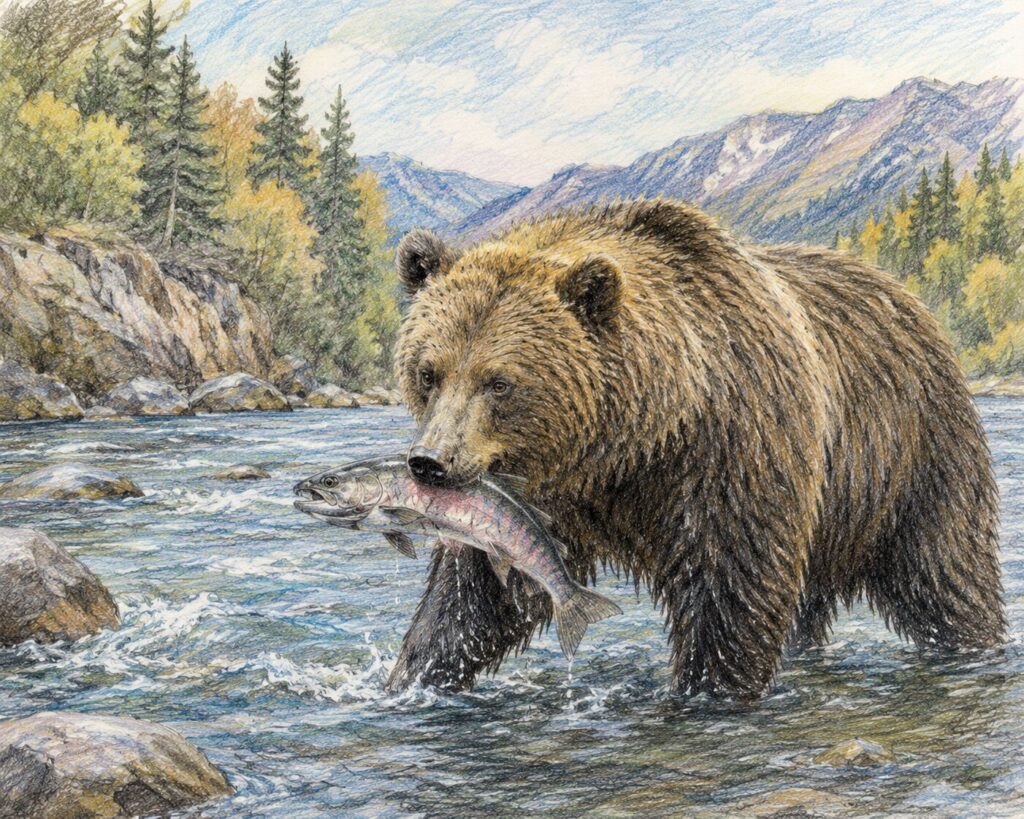
The brown bear (Ursus arctos) is the largest land animal in Japan and one of the true symbols of Hokkaido’s wild landscape. Living across remote mountains and deep forests, these powerful predators play an important role in the island’s northern ecosystem.
Although usually shy and elusive, brown bears become especially active from spring to autumn as they search for food across rivers, forests, and alpine areas.
Where to See: Shiretoko, Daisetsuzan, Akan-Mashu
Best Time: Spring–Autumn
Photo Tip: Early morning and quiet forest roads sometimes offer the best chances to observe bears from a safe distance.
Ezo Pika – The Voice of the Northern Mountains

Ezo Pika – The Voice of the Northern Mountains
The Ezo pika (Ochotona hyperborea yesoensis) is one of Hokkaido’s most iconic mountain animals. Living among rocky slopes at high altitudes, it spends its days gathering grasses and calling in sharp, high-pitched notes that echo through the alpine air.
Unlike many small mammals, pikas do not hibernate. Instead, they build hidden “hay piles” to survive the long northern winter.
Spotting one is never guaranteed, but hearing their delicate whistles at sunrise feels like listening to the true heartbeat of Hokkaido’s mountains.
Where to See: Daisetsuzan National Park, Tokachi-dake, Shiretoko Mountains
Best Time: Summer–Autumn
Photo Tip: Sit quietly near rocky slopes in the early morning. Listen for their “peep” calls and watch carefully between the stones.
▶ Read the full species profile
Blakiston’s Fish Owl – Phantom of Hokkaido’s River Forests
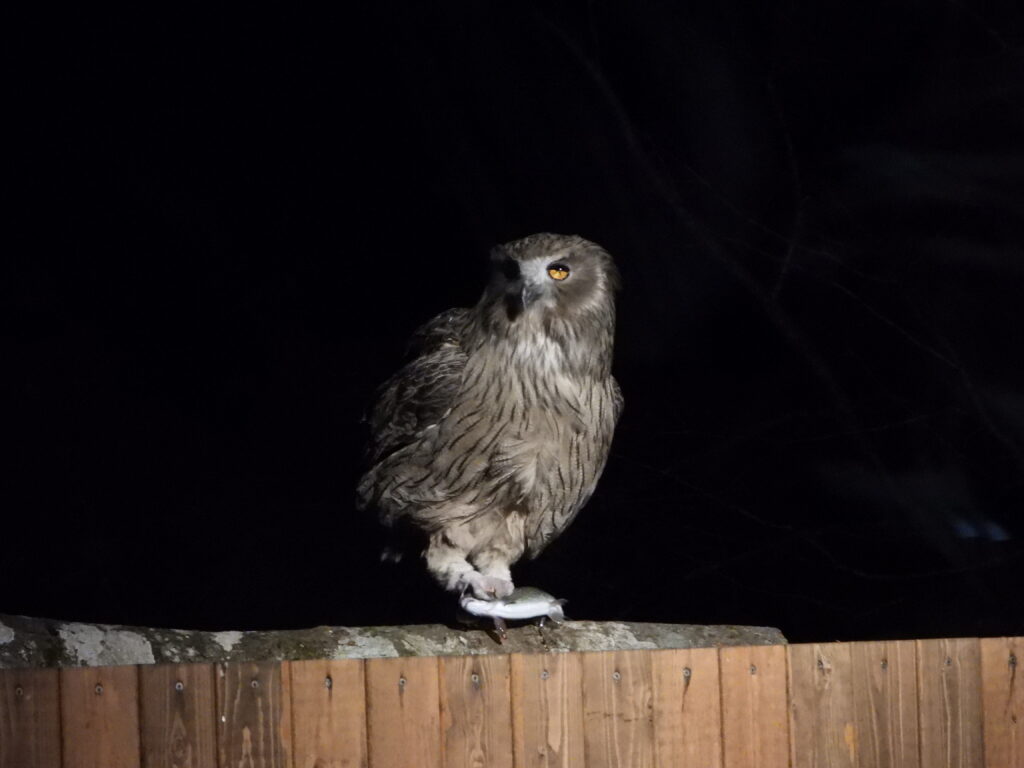
The Blakiston’s fish owl (Ketupa blakistoni) is among the largest and rarest owls in the world. It survives only in the remote river valleys and deep forests of eastern Hokkaido, where it hunts silently along icy streams at night.
Fewer than 200 individuals remain in Japan, making every sighting incredibly special. Conservation lodges and carefully managed tours now help protect important nesting areas and river habitats.
Where to See: Shiretoko, Nemuro, Kushiro region
Best Time: Winter–Early Spring
Photo Tip: Observe quietly with a licensed guide, and avoid flash or bright lights.
▶Read the full species profile
Black Woodpecker – Guardian of Hokkaido’s Ancient Forests
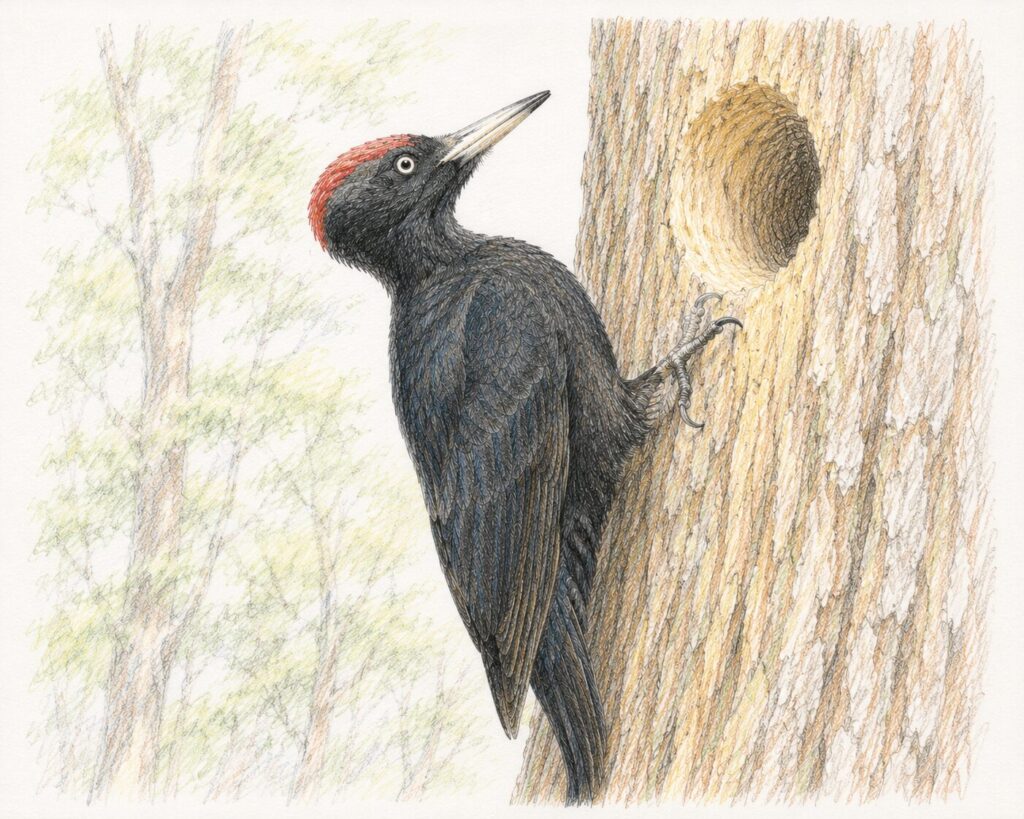
The black woodpecker (Dryocopus martius) is the largest woodpecker in Japan and one of the most impressive birds found in Hokkaido’s deep forests. Its loud calls and powerful drumming echo through old-growth woodlands across the island’s northern mountains.
With its striking black body and bright red crown, this forest giant is often seen climbing massive tree trunks in search of insects hidden beneath the bark.
Where to See: Daisetsuzan, Shiretoko, Akan-Mashu forests
Best Time: Spring–Summer
Photo Tip: Listen for loud drumming sounds in mature forests, especially during calm mornings.
Forest & Nearby Wildlife
Not all of Hokkaido’s wildlife lives deep in remote wilderness. Around forest edges, quiet parks, farmland, and woodland trails, smaller animals and birds can often be seen much more easily than visitors expect.
The following species are some of the most familiar and charming wildlife encounters found across Hokkaido’s forests and nearby natural areas.
Ezo Red Fox – Familiar Wanderer of Hokkaido

The Ezo red fox (Vulpes vulpes schrencki) is one of Hokkaido’s most familiar wild mammals. Larger than many mainland foxes, it roams freely across forests, grasslands, and farmland throughout the island.
Foxes are sometimes seen near roads or villages, especially at dawn and dusk. However, feeding wild foxes is strictly prohibited, as it can endanger both animals and people.
Where to See: Furano, Biei, Akan, Tokachi
Best Time: Year-round
Photo Tip: Watch quietly from a distance at dusk and use a long lens for natural portraits.
▶Read the full species profile
Ezo Red Squirrel – The Forest’s Little Acrobat
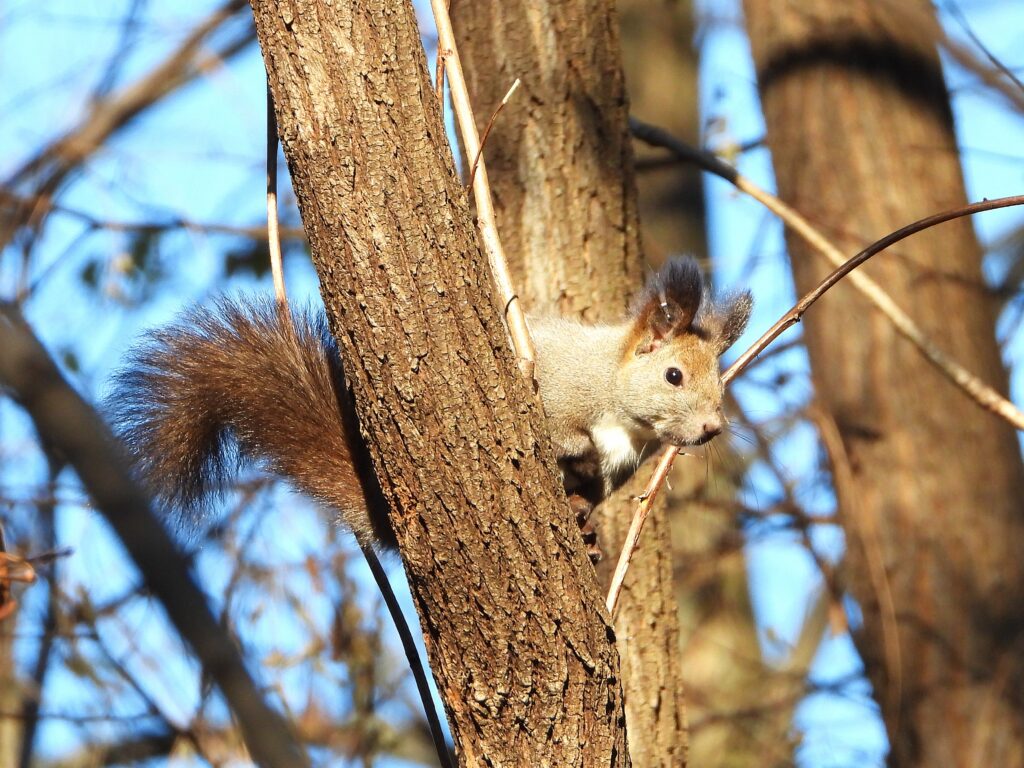
The Ezo red squirrel (Sciurus vulgaris orientis) remains active even during Hokkaido’s snowy winters. It leaps between snow-covered branches in search of seeds and pine cones, moving quickly through the forest canopy.
Its tufted ears, fluffy tail, and energetic movements make it one of Hokkaido’s most charming woodland animals.
Where to See: Sapporo, Asahikawa, Biei
Best Time: Winter–Spring
Photo Tip: Wait quietly along forest trails and watch carefully with patience.
▶ Read the full species profile
Ezo Flying Squirrel – The “Snow Fairy” of Hokkaido’s Forests
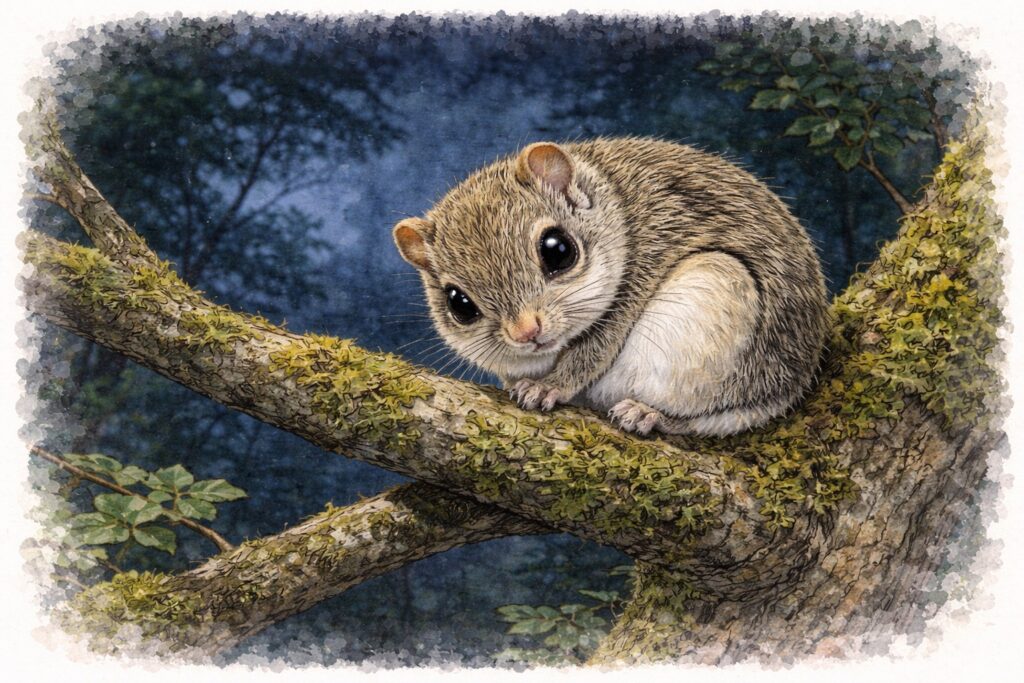
The Ezo flying squirrel (Pteromys volans orii) is one of Hokkaido’s most beloved small mammals. Active mainly at night, it glides silently between trees using a thin membrane stretched along its body.
Its large black eyes, soft fur, and tiny round shape have earned it the nickname “snow fairy,” especially during Hokkaido’s long snowy winters.
Where to See: Sapporo, Nopporo Forest Park, eastern Hokkaido forests
Best Time: Winter
Photo Tip: Quiet forest areas at dawn or dusk offer the best chance to spot them emerging from tree cavities.
Long-tailed Tit – Hokkaido’s Tiny “Snow Fairy”
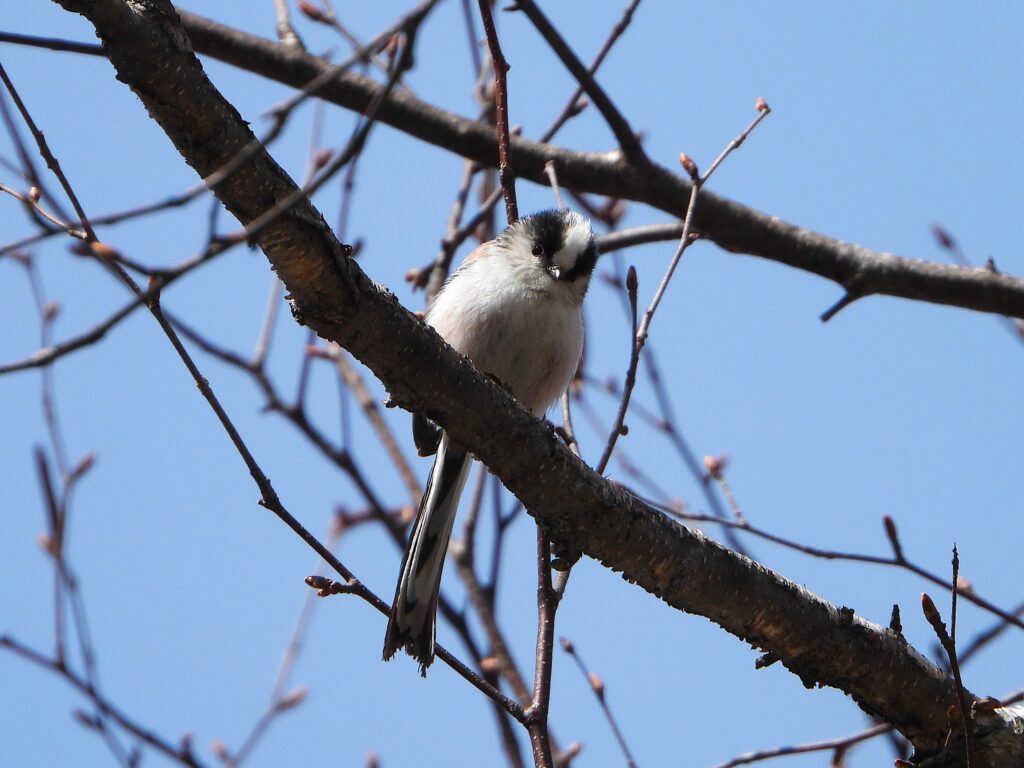
The long-tailed tit (Aegithalos caudatus) is often called the “Snow Fairy” of Hokkaido. Its round white face and gentle movements brighten the winter forest, while small flocks flutter through birch trees like drifting snowflakes.
These tiny birds travel constantly through the canopy, searching for insects and seeds even during the coldest months of winter.
Where to See: Sapporo, Asahikawa, Biei
Best Time: Winter
Photo Tip: Stay still in birch or alder woods and listen for faint, high calls overhead.
Note: This photo shows a long-tailed tit from Japan’s main islands. The Hokkaido subspecies, known as Shima Enaga, is even whiter and more elusive. I’ll replace the image once I manage to photograph one myself.
▶ Read the full species profile
Conservation & Responsible Wildlife Watching
Hokkaido’s wildlife survives because people choose to respect it.
Never feed wild animals, and always keep a safe distance while observing them. Avoid bright lights, loud sounds, or behavior that may disturb animals in their natural habitats.
Joining licensed eco-tours or local guides can help support ethical wildlife watching and community-led conservation efforts across the island.
According to the Hokkaido Institute of Environmental Sciences, habitat restoration efforts have helped stabilize Blakiston’s fish owl populations — proof that conservation works when people actively protect nature together.
If you’d like to explore Hokkaido’s wildlife with a local guide, you can find guided wildlife and nature experiences across the island.
Author’s Impression
I’ve visited Hokkaido many times myself, yet there are still countless animals I have not encountered. The island’s wilderness is incredibly vast, and exploring all of its forests, wetlands, mountains, and coastlines would take a lifetime.
From drift ice shores to quiet alpine trails, every region feels different, and each journey offers the chance to discover something new. That endless sense of exploration is what makes Hokkaido one of the most special wildlife destinations in Japan.
I hope visitors take time to quietly experience these wild places while respecting the animals and local rules that help protect them.
Explore More Wildlife in Japan
▶ Fox Watching in Hokkaido – Best Spots & Safety
▶ Birdwatching in Sapporo: A Complete Guide
▶ Wildlife in Sapporo – Urban Nature in Japan’s Northern City
▶ Japan Animals – Complete Guide to Wildlife in Japan