Wildlife in Aokigahara Forest | Nature & Wildlife Guide Near Mount Fuji
Aokigahara Forest is one of the most unique natural areas around Mount Fuji.
Known for its moss-covered ground, ancient trees, and volcanic landscape, the forest offers a completely different experience from the nearby Fuji Five Lakes.
While many visitors come to see the famous lava caves, Aokigahara is also a fantastic destination for nature lovers. Birdsong echoes through the trees, wildlife leaves signs along quiet trails, and the forest itself feels unlike almost anywhere else in Japan.
You are unlikely to see large animals around every corner. However, if you enjoy birdwatching, forest walks, and discovering nature at a slower pace, Aokigahara is one of the most rewarding places to explore near Mount Fuji.
If you would like to learn more about the wildlife found throughout the Mount Fuji region, please see:
In this guide, you’ll learn about the wildlife, habitats, and seasons that make Aokigahara Forest such a special place for nature observation.
What Is Aokigahara Forest?
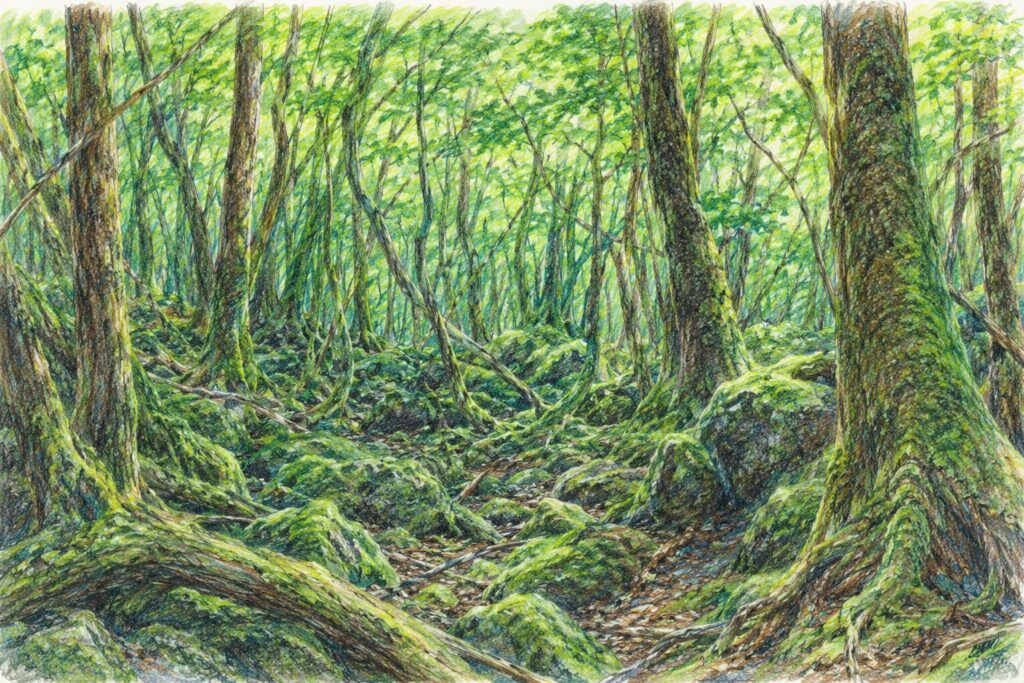
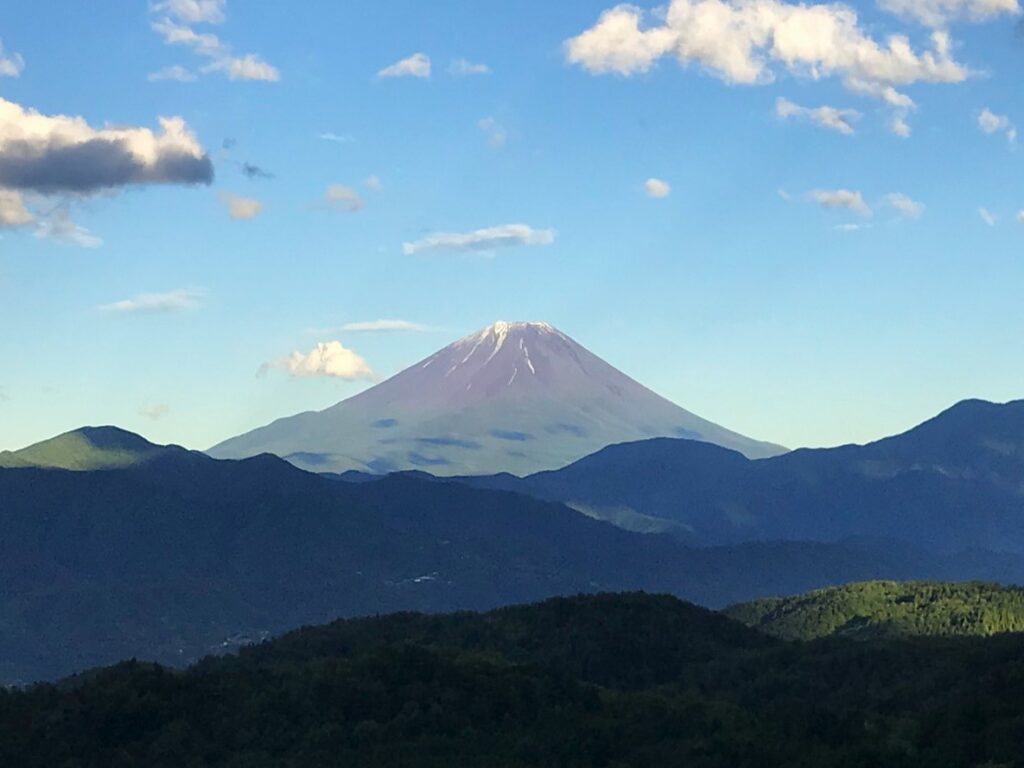
Aokigahara Forest is a vast woodland located on the northwestern foothills of Mount Fuji.
The forest was formed on lava flows created by the Jogan Eruption of Mount Fuji in AD 864. Today, it is part of Fuji-Hakone-Izu National Park and is known for its unique volcanic landscape.
Moss-covered rocks, twisted tree roots, and dense woodland create an atmosphere unlike most forests in Japan.
Although many visitors come to explore the famous caves, Aokigahara is also an excellent place to experience the natural side of the Mount Fuji region.
Why Is Aokigahara Forest Rich in Wildlife?
Aokigahara provides a variety of habitats that support wildlife throughout the year.
Several factors contribute to the forest’s biodiversity:
- Large areas of continuous woodland
- Abundant mosses and forest vegetation
- Complex terrain created by ancient lava flows
- Quiet areas with relatively little disturbance
These conditions create a suitable environment for many birds, mammals, insects, and other wildlife.
Even when animals are not visible, visitors can often hear bird calls or discover signs of wildlife activity along the trails.
Mammals You May Encounter
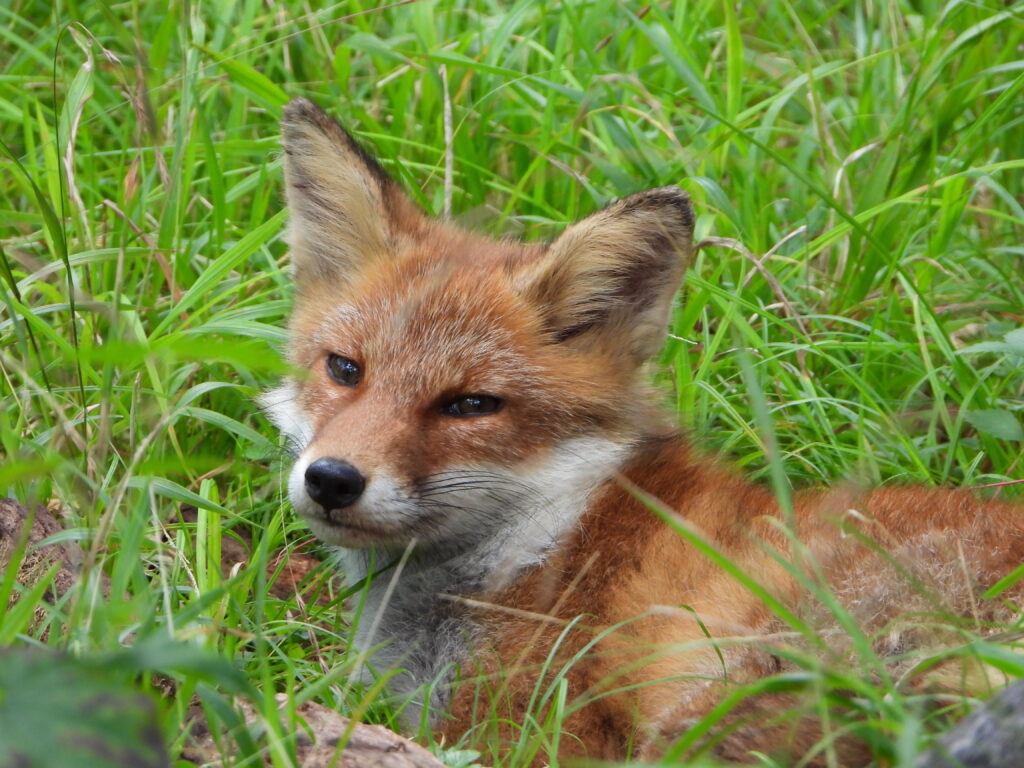
Several mammals live in and around Aokigahara Forest.
Some of the animals known from the area include:
- Sika Deer
- Red Fox
- Japanese Hare
- Squirrels
- Weasels and related species
Most mammals are shy and rarely seen during the day.
Rather than searching for animals directly, many visitors find tracks, feeding signs, or other evidence of wildlife activity while walking through the forest.
Winter can be an especially interesting season because animal tracks are sometimes easier to spot.
Birds of Aokigahara Forest
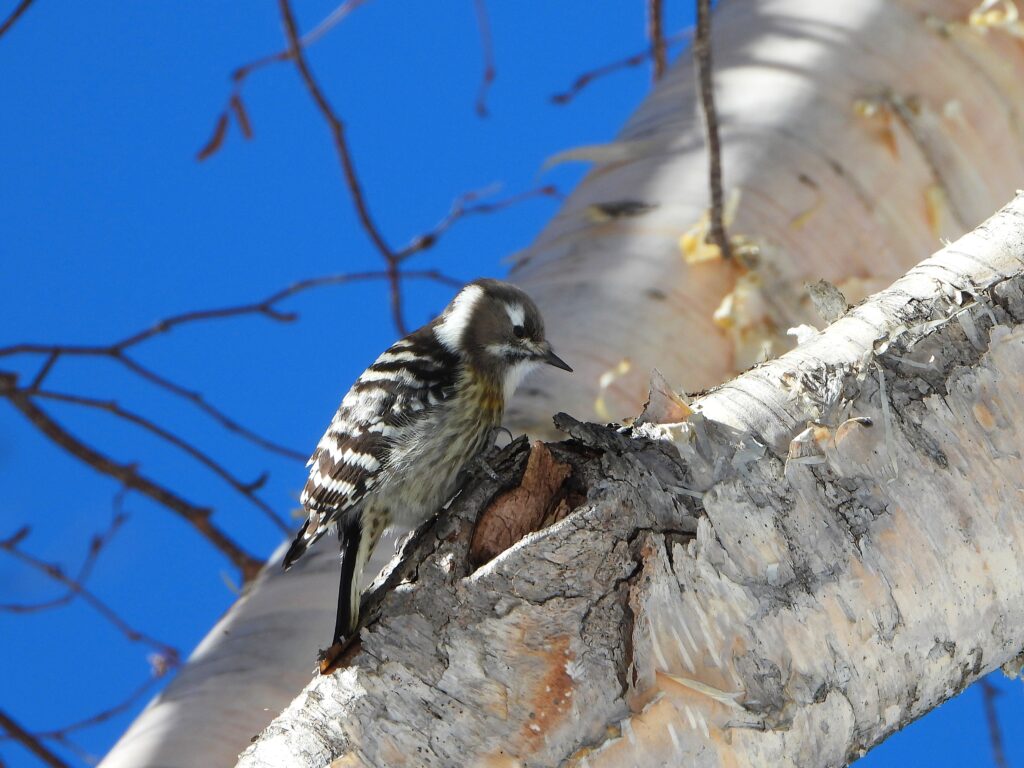
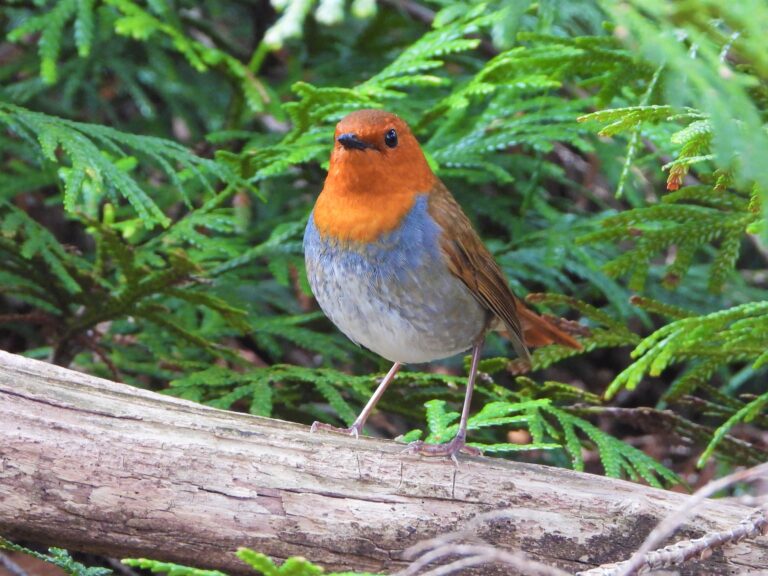
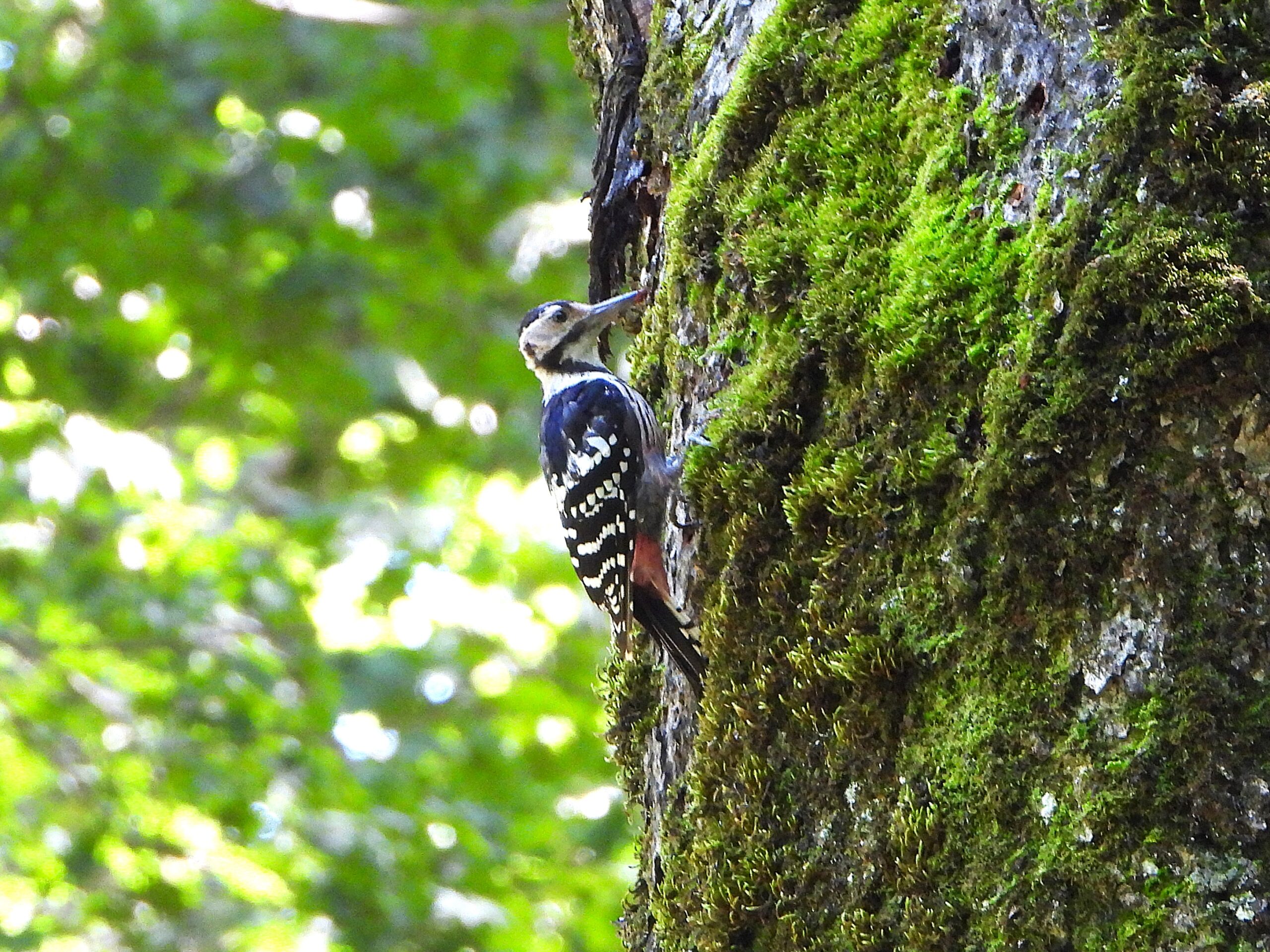
Aokigahara is one of the best birdwatching areas around Mount Fuji.
Common forest birds that may be encountered include:
- Japanese Tit
- Varied Tit
- Coal Tit
- Long-tailed Tit
- Great Spotted Woodpecker
- Japanese Pygmy Woodpecker
- Japanese Bush Warbler
From spring through early summer, birdsong fills the forest and adds to the atmosphere of the woodland.
When birdwatching, it is often easier to listen for calls and watch for movement in the trees rather than searching for birds directly.
Early morning is usually the most productive time for observation.
Small Creatures and Insects
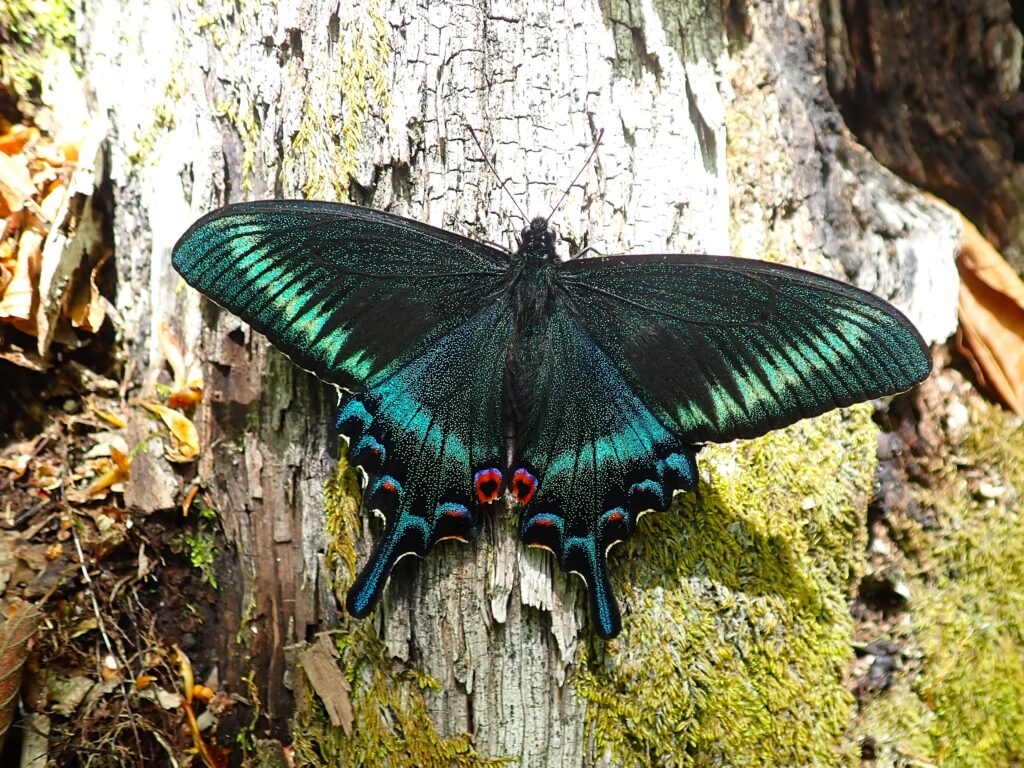
Aokigahara becomes especially active during summer.
Visitors may encounter a variety of:
- Butterflies
- Beetles
- Cicadas
- Dragonflies
Small creatures can often be found around moss-covered rocks, fallen logs, and damp areas of the forest.
Taking time to observe these smaller animals can make a walk through Aokigahara even more rewarding.
Best Wildlife Habitats in the Forest
Wildlife can be found throughout the forest, but some habitats are particularly productive.
Look carefully around:
- Forest edges
- Quiet trails
- Fallen logs
- Moss-covered rock formations
- Areas near caves and lava formations
Transitions between different habitats often attract the greatest variety of wildlife.
Instead of rushing through the forest, slow down and pay attention to your surroundings.
Best Time of Year to Visit
Spring (April–June)
Spring is one of the best seasons for nature observation.
Bird activity increases dramatically, and the forest becomes filled with birdsong.
Summer (July–August)
Insects and other small creatures become highly active.
The lush green moss also makes the forest especially beautiful during this season.
Autumn (September–November)
Autumn brings colorful foliage and a quieter atmosphere.
It is an excellent time for enjoying the scenery while searching for signs of wildlife.
Winter (December–March)
After the leaves have fallen, visibility improves in many areas of the forest.
Snow can also reveal tracks and other signs left by mammals.
Tips for Finding Wildlife in Aokigahara Forest
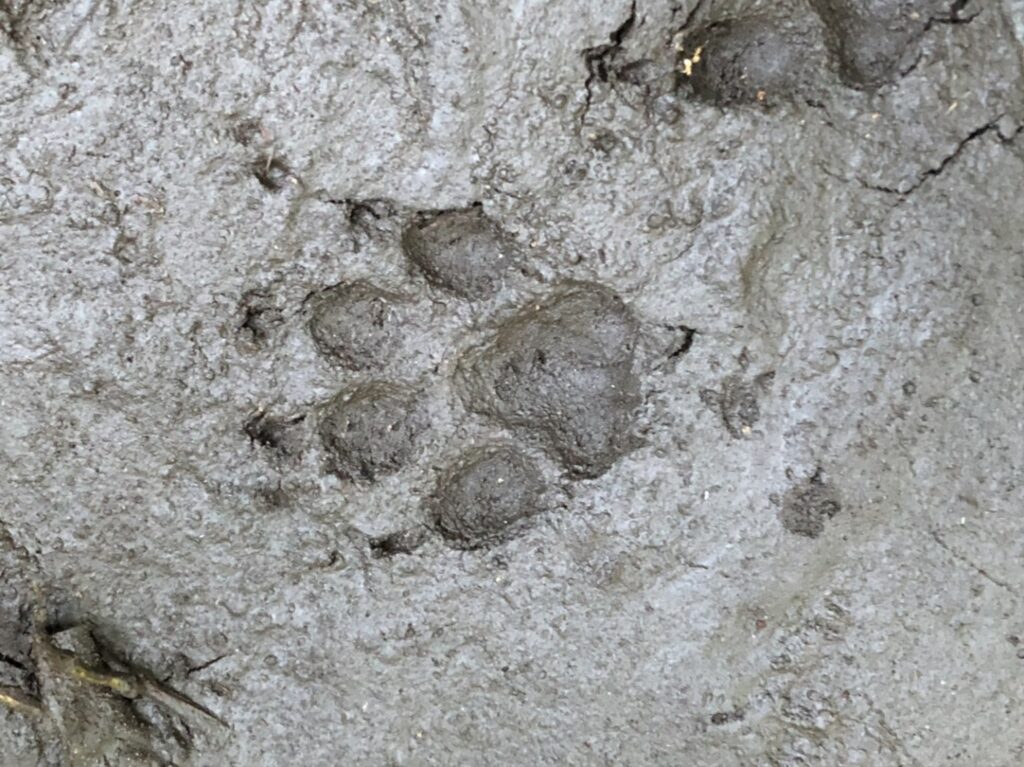
Early morning is generally the best time for wildlife watching.
The forest is quieter, and animals are often more active.
Pay attention not only to animals themselves but also to signs such as:
- Bird calls
- Tracks
- Feathers
- Feeding signs
- Wildlife trails
Even when you do not see an animal directly, these clues can reveal the presence of wildlife around you.
If you’d prefer to explore Aokigahara with a local guide, you can find guided forest and cave tours on Viator.
Safety Tips for Exploring Aokigahara Forest
Always stay on marked trails and designated routes.
Many parts of the forest look similar, and leaving established paths can increase the risk of becoming disoriented.
If you encounter wildlife, observe from a respectful distance and avoid approaching or following animals.
Responsible observation helps protect both wildlife and visitors.
Responsible Wildlife Watching
When exploring Aokigahara Forest, follow these basic wildlife watching principles:
- Do not feed wild animals
- Keep noise to a minimum
- Do not capture wildlife
- Avoid damaging moss or vegetation
- Take all litter home
- Stay on designated trails
Protecting the forest ensures that future visitors can enjoy the same natural experience.
Author’s Impression
I have explored the Aokigahara Forest area while birdwatching around Mount Fuji.
Unlike many forests in Japan, Aokigahara feels different from the moment you step inside. Moss covers the ground, volcanic rocks appear between the trees, and the entire forest has a quiet atmosphere that is difficult to describe.
Walking here feels different from exploring a typical woodland. Birdsong echoes through the trees, and the unique landscape constantly reminds you that this forest was shaped by Mount Fuji’s volcanic past.
Wildlife does not appear constantly, but simply walking through the forest and taking in the scenery is rewarding. It is one of the most memorable natural environments I have visited around Mount Fuji.
Related Guides
Interested in exploring more wildlife around Mount Fuji? These guides may help you plan your next adventure.
▶ Wildlife Around the Fuji Five Lakes | Nature & Birdwatching Guide