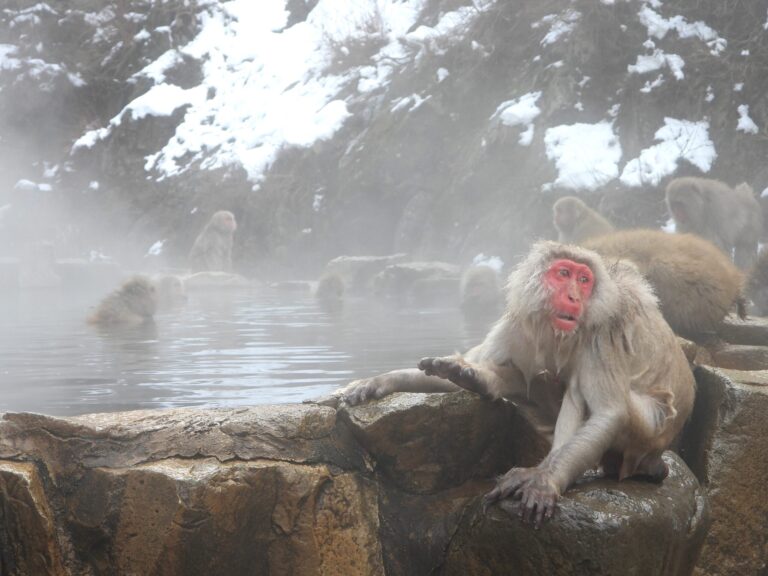
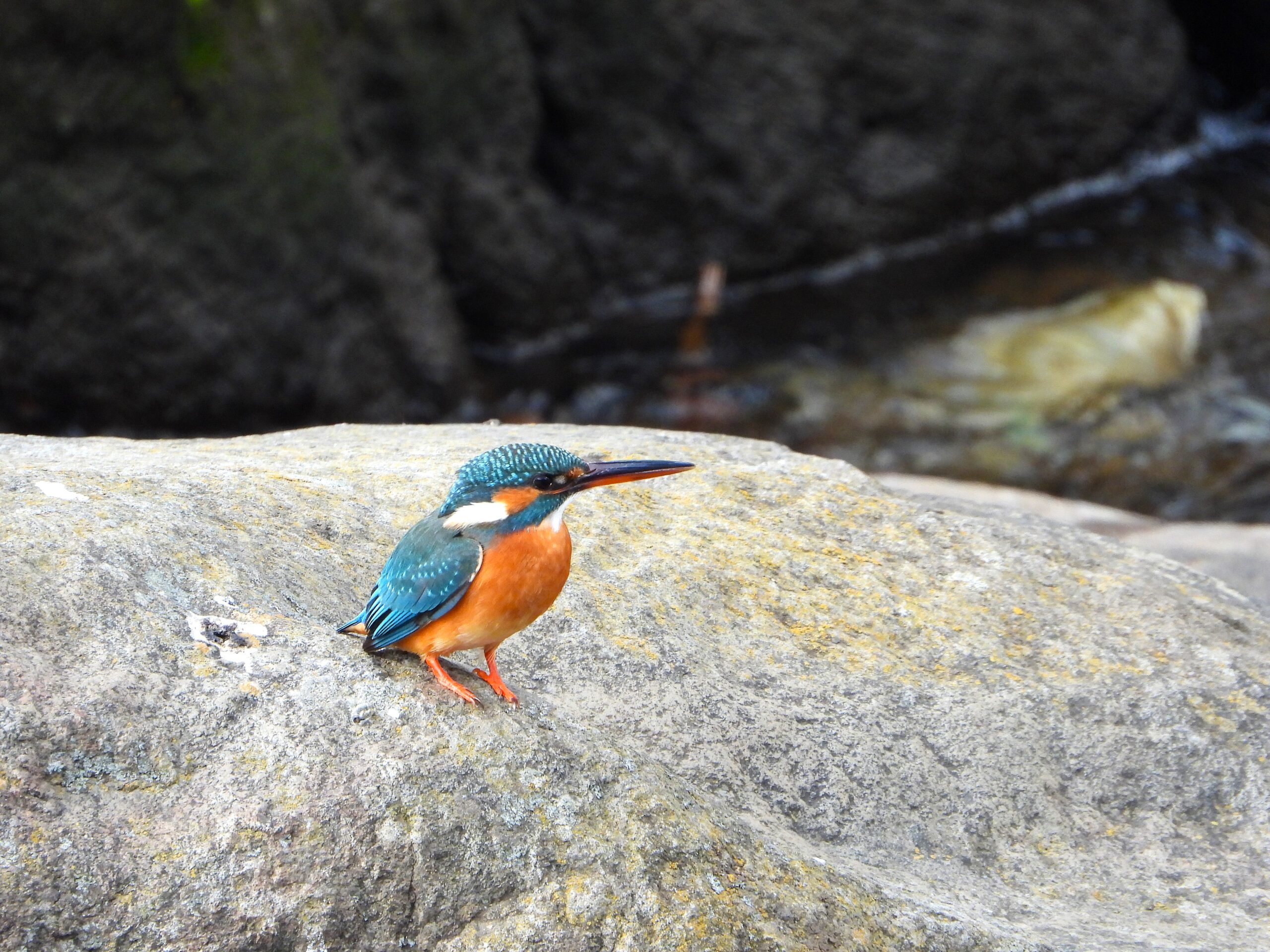
What Animals Can You See in Hakone? Wildlife Guide
Hakone is best known for its hot springs and museums, but it is also part of Fuji-Hakone-Izu National Park. The area combines forests, lakes, and volcanic landscapes in one place.
Even though Hakone is a popular tourist destination, it’s easy to find quiet nature. Just a short walk away from busy spots, you can hear birds and feel the atmosphere of the forest.
Want to explore more wildlife in Japan?
▶ Wildlife You Can See Around Japanese Cities
Why Hakone Is Great for Wildlife Watching
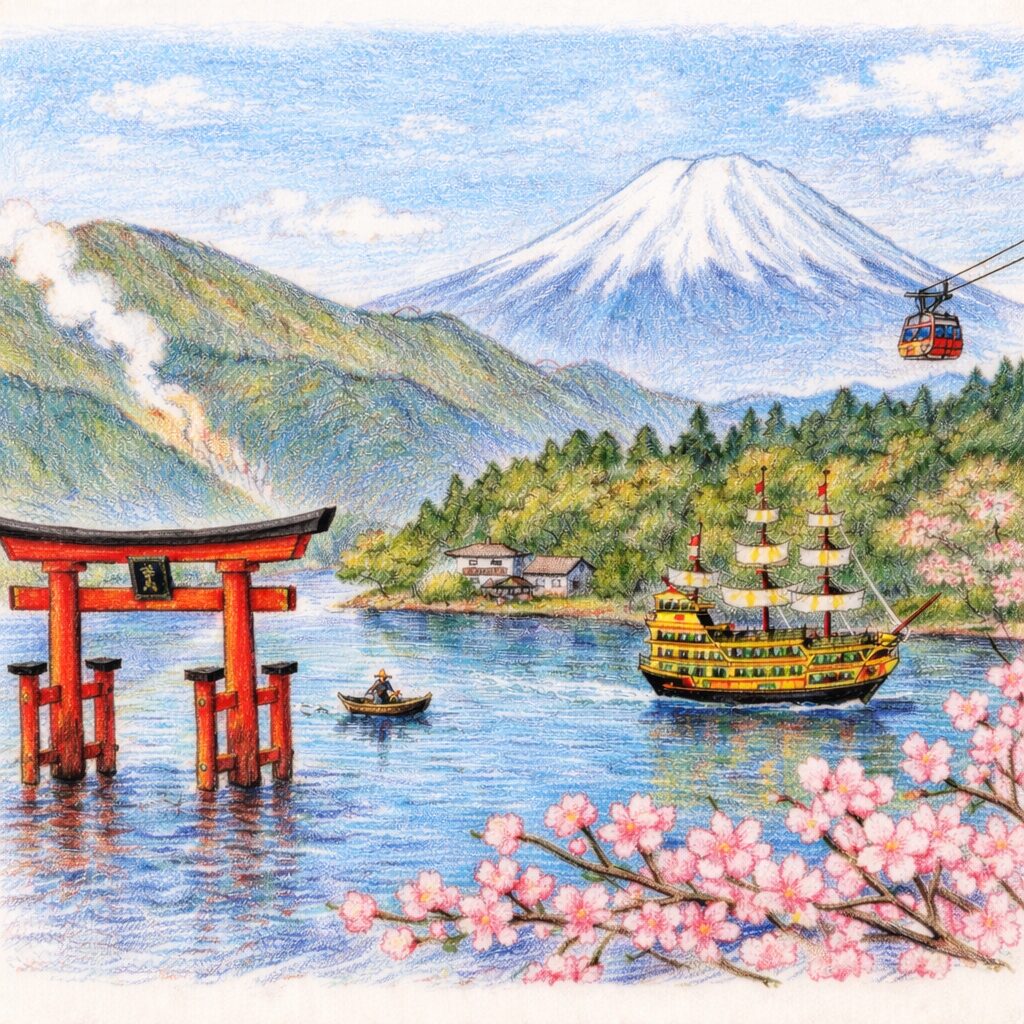
Hakone’s landscape was shaped by volcanic activity, creating a mix of environments such as forests, lakes, and geothermal areas.
This variety supports different types of wildlife. At the same time, walking trails and hiking routes are well maintained, making it easy to explore nature safely.
It’s one of the best places near Tokyo where you can enjoy both sightseeing and a real nature experience.
Wildlife You Can See in Hakone
Birds (Great for Birdwatching)
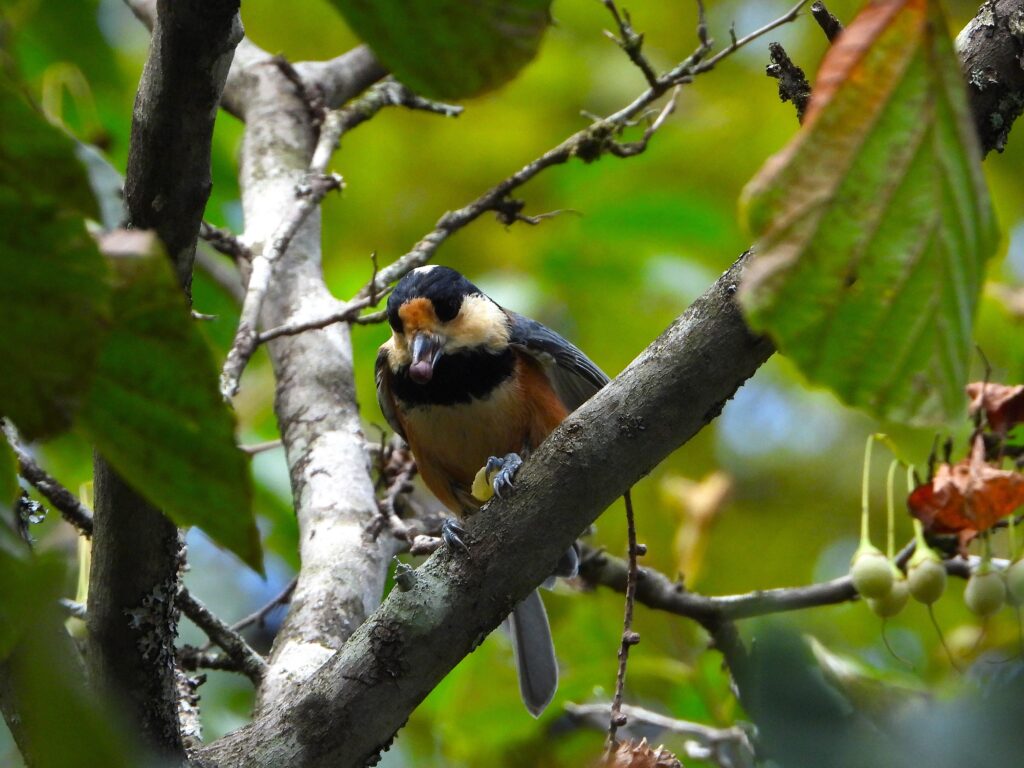
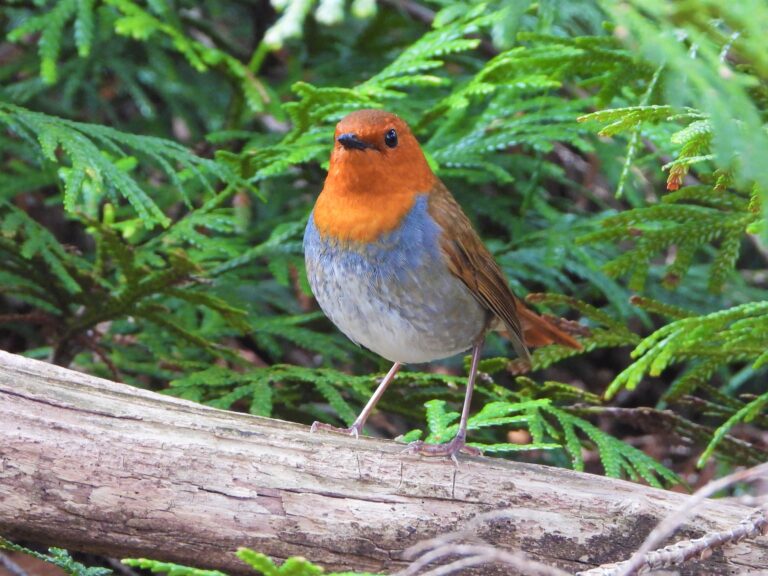
Hakone is a good place to observe both forest birds and birds near water.
Common birds include
- Varied tit
- Japanese tit
- Brown-eared bulbul
- Daurian redstart (autumn to winter)
- Dusky thrush (autumn to winter)
In forested areas, you will often hear bird calls. Early morning is the best time, when birds are most active.
Birds Around Lake Ashi
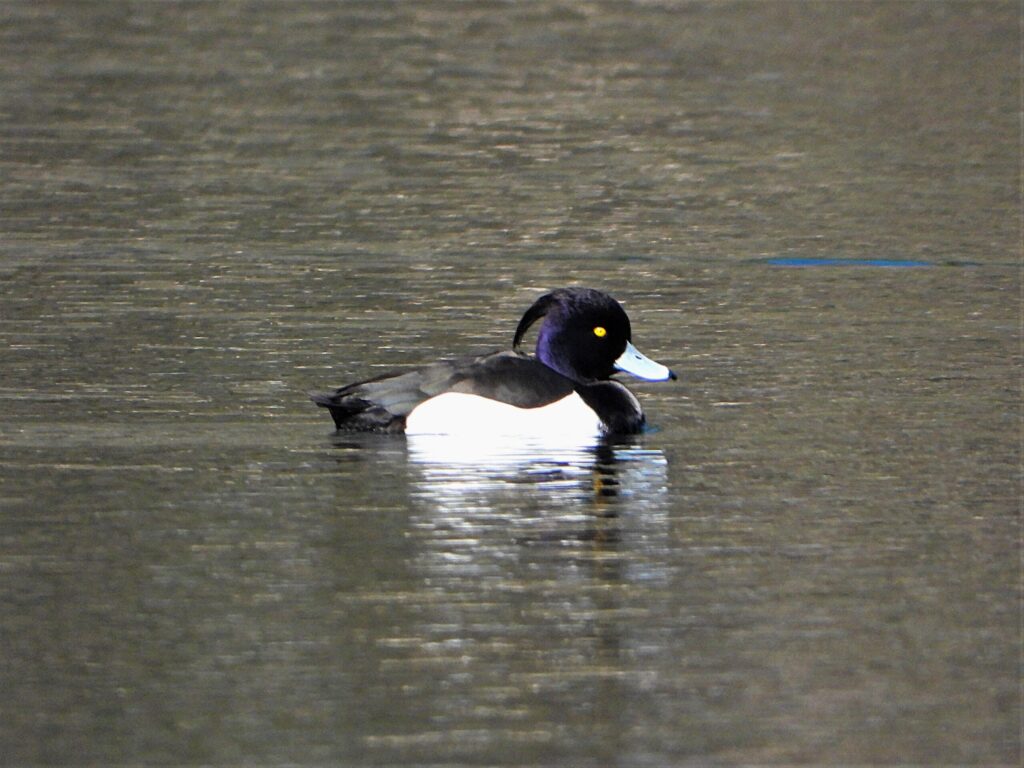
Lake Ashi and nearby areas can attract water birds, especially in colder seasons.
Typical water birds include
- Tufted duck
- Common pochard
- Eurasian coot
- Kingfisher
- Egrets and herons
These birds are not always present, so it’s best to think of them as possible sightings depending on the season and timing.
Mammals (If You’re Lucky)

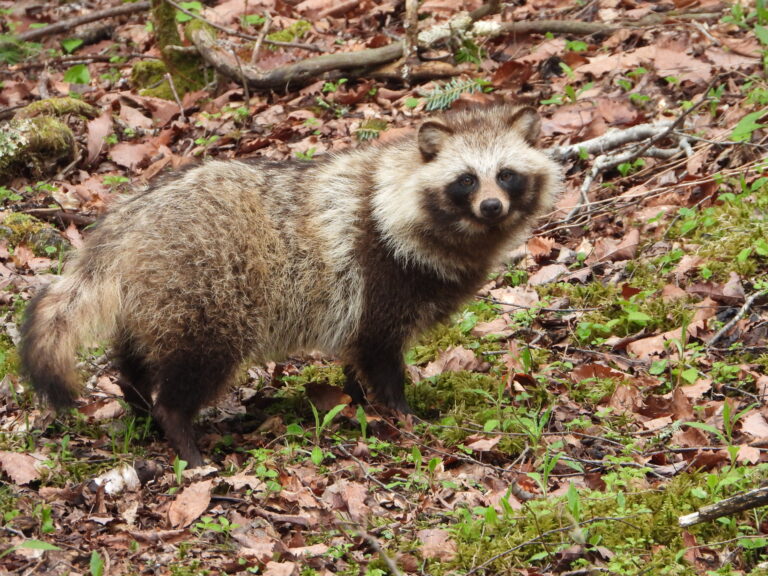
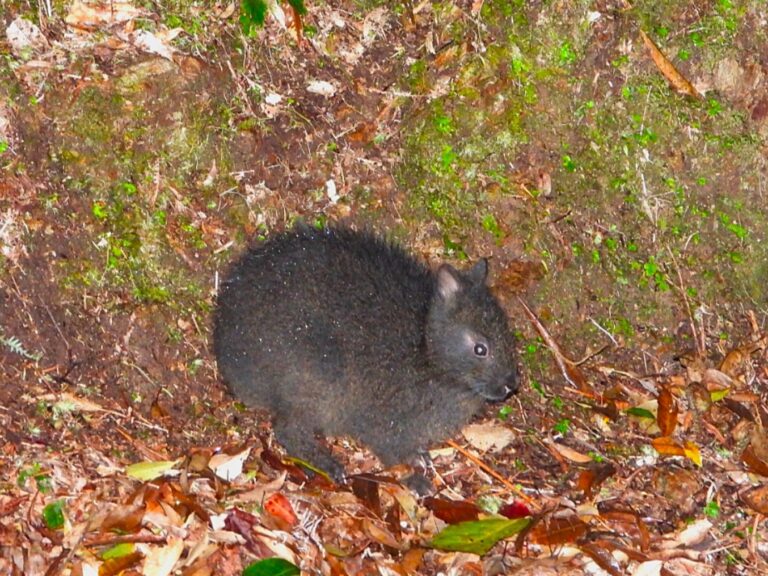
Hakone’s forests are home to several mammals, but they are much harder to see.
Examples include
You may not see them directly. In many cases, you will only notice sounds, movement, or signs of their presence.
Seasonal Nature
Nature in Hakone changes throughout the year.
Spring to early summer is the best time to hear bird songs. Summer brings dense greenery and more insect activity.
Autumn offers colorful foliage along with wildlife. In winter, there are fewer leaves, making birds easier to spot.
Birdwatching in Hakone
Best Spots
- Lake Ashi area
- Hakone Visitor Center area
- Hiking trails and forest paths
These areas combine forests and water, making them good locations for birdwatching.
Best Time of Day
Early morning is the best time to observe birds.
Quieter hours also make it easier to notice sounds and movement.
Tips for Beginners
Walk slowly and avoid making noise.
Using binoculars will help you see birds from a distance. Listening carefully to bird calls can also help you find them.
Best Places to Experience Nature in Hakone
Lake Ashi
Lake Ashi is one of Hakone’s most famous natural spots.
On clear days, you may be able to see Mt. Fuji across the lake while enjoying the surrounding scenery.
Hakone Visitor Center Area
This is a great place to start exploring nature.
The walking paths are easy to follow, and it’s a good area for beginners to look for birds.
Hiking Trails
Hakone has many trails where you can leave the crowded tourist areas behind.
In these quieter places, you can hear birds clearly and feel closer to nature.
Owakudani (Volcanic Area)
Owakudani is known for its volcanic landscape, with steam vents and a strong sulfur smell.
It is not a wildlife viewing spot, but it shows another side of Hakone’s natural environment.
Best Time to See Wildlife in Hakone
Spring to early summer is the best season for bird activity.
Autumn is also a good time, with both wildlife and fall colors. In winter, birds are easier to spot because there are fewer leaves.
Summer has rich greenery, but it can be hot and crowded.
Enjoy Mt. Fuji Views Along with Nature
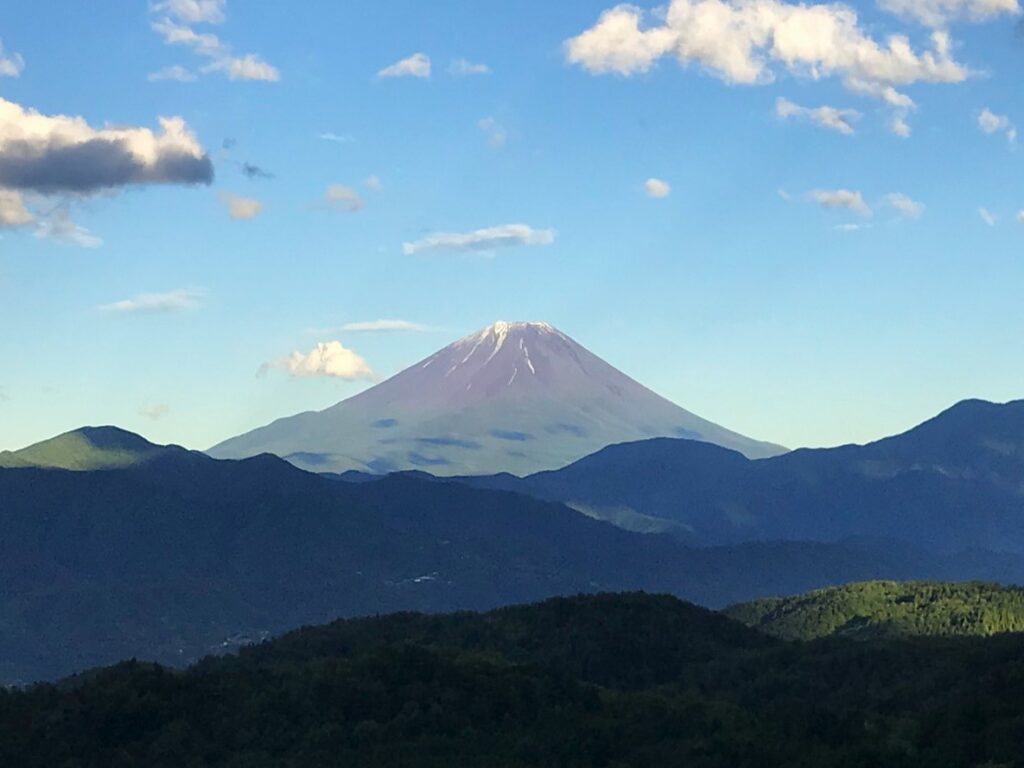
One of Hakone’s biggest attractions is the chance to enjoy both nature and views of Mt. Fuji.
From Lake Ashi, you may see Mt. Fuji on clear days.
This combination of wildlife, scenery, and iconic views makes Hakone a unique destination near Tokyo.
What It Feels Like to Explore Hakone
Hakone may seem busy at first, but once you step into the forest, the atmosphere changes.
You can hear birds more clearly and feel the quiet of nature.
It’s surprising how peaceful it can be, especially considering how close it is to Tokyo.
Important Tips for Wildlife Watching
Do not approach or feed wild animals.
Stay on marked paths to protect both yourself and the environment.
Some areas, especially volcanic zones, may have restrictions depending on conditions, so always check local information before visiting.
Conclusion
Hakone is more than just a hot spring destination. It offers forests, lakes, and volcanic landscapes all in one area.
You can enjoy birdwatching, hiking, and nature observation within easy reach of Tokyo.
On clear days, you may even see Mt. Fuji, making Hakone one of the best places to experience both wildlife and classic Japanese scenery.
Related Articles
Want to explore more wildlife in Japan? Start with these guides.
▶ Wildlife in Japan: Where to See Wild Animals by Region
Compare Japan’s major wildlife regions, including what animals you can see and the best seasons to visit.
▶ Wildlife Around Mount Fuji
Explore wildlife and birdwatching opportunities around Japan’s most iconic mountain.
▶ Japan Animals – Complete Guide to Wildlife in Japan
A complete overview of wildlife across Japan, from mammals to birds and insects.
▶ Wildlife You Can See Around Japanese Cities
Discover animals and birds you can find in cities across Japan, even in urban areas.
▶ Are There Dangerous Animals in Japan? What You Need to Know
Learn about potentially dangerous wildlife in Japan and how to stay safe.