Wildlife in Japan FAQ: Animals, Safety & What to Expect
Japan may seem like a very safe country, but it is also home to a surprising variety of wildlife.
From monkeys and deer to bears and venomous snakes, many animals live across the country depending on the region.
Here are the most common questions about wildlife in Japan, answered clearly and simply.
Dangerous Animals & Safety
While Japan is generally safe, a few animals require caution, especially in rural and mountain areas.
Are animals dangerous in Japan?
Most wildlife in Japan is not dangerous, and serious incidents are rare.
However, animals such as bears, venomous snakes, and hornets can be dangerous if encountered.
Are there bears in Japan?
Yes. Japanese black bears live in forested mountain areas across Honshu and Shikoku.
Brown bears also live in Hokkaido.
→ Read more: Japanese Black Bear
How dangerous are bears in Japan?
Bear attacks are uncommon but can be serious.
Most incidents happen when a bear is surprised at close range.
→ Read more: Hiking in Japan? Don’t Miss These Bear Safety Tips
Are there venomous snakes in Japan?
Yes. Japan has several venomous snakes, including the mamushi and habu.
Bites are rare but require medical attention.
→ Read more: Venomous Snakes in Japan
What is the most dangerous snake in Japan?
The habu is considered the most dangerous snake in Japan.
It lives mainly in Okinawa and nearby islands.
Are there poisonous spiders in Japan?
Yes, but dangerous spiders are very rare.
Most spiders in Japan are harmless to humans.
Are hornets dangerous in Japan?
Yes. Japanese giant hornets can be aggressive and dangerous.
They are most active from summer to early autumn.
What animals should tourists be careful of in Japan?
Bears, venomous snakes, and hornets are the main concerns.
Wild boars can also be dangerous in some areas.
→ Read more: Dangerous Animals in Japan: 6 Wildlife Risks & How to Stay Safe
Is it safe to hike in Japan because of wildlife?
Yes, hiking in Japan is generally very safe.
Simple precautions like staying on trails and making noise are usually enough.
Travel & Real-Life Situations
Wildlife encounters depend heavily on where you go, but even short trips can include surprising animal sightings.
Will I see wildlife when visiting Japan?
Yes, especially in parks, rivers, and rural areas.
Even in cities, you can see birds and small animals.
Can you see animals in Japanese cities?
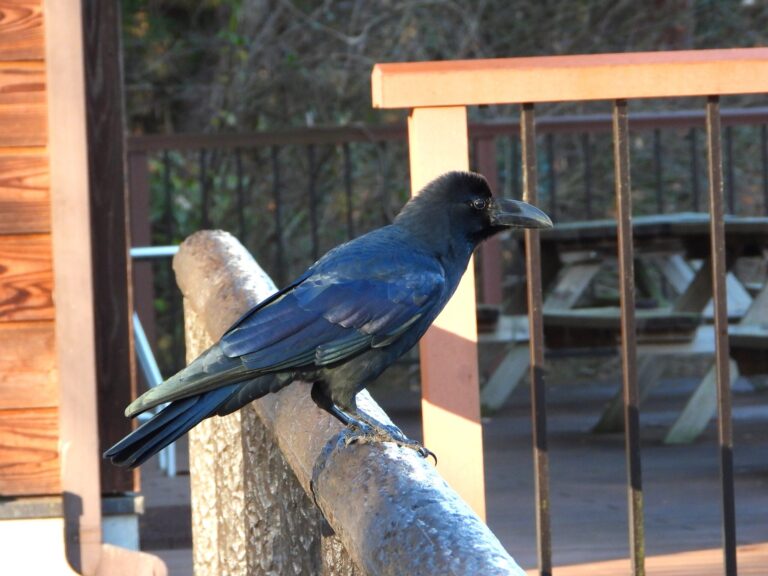
Yes. Birds such as crows and sparrows are common.
In some areas, raccoon dogs and other small mammals may appear.
→ Read more: Wildlife You Can See Around Japanese Cities
Do animal attacks happen in Japan?
They are very rare.
Most animals avoid humans and attack only when threatened.
Is Japan really safe in terms of wildlife?
Yes. Japan is considered very safe compared to many countries.
Most wildlife encounters are harmless.
Where can you see wildlife in Japan?
Mountains, forests, wetlands, and national parks are the best places.
Some animals can also be seen in places like Nara.
→ Read more: Where to See Wildlife in Japan – The Complete Area Guide
How likely is it to see animals while hiking in Japan?
It depends on the location and time of day.
Early morning and quiet areas increase your chances.
Mammals
Japan’s mammals range from large animals like bears to smaller species that are often seen near people.
What animals live in Japan?
Japan has a wide variety of mammals, including monkeys, deer, bears, raccoon dogs, and wild boars.
Many smaller animals also live across the country.
→ Read more: Mammals of Japan – Guide to Monkeys, Deer, Foxes, and More
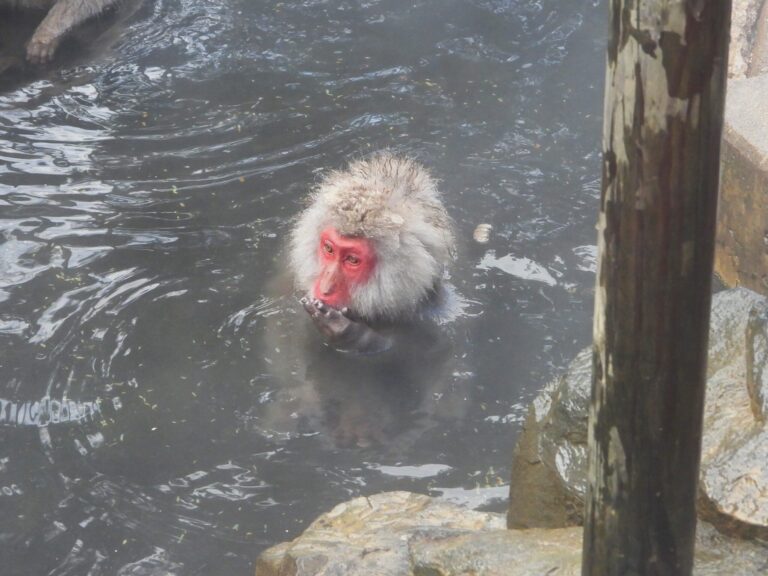
Do monkeys live in the wild in Japan?
Yes. Japanese macaques live in forests across much of Japan.
They are the northernmost wild monkeys in the world.
Are Japanese monkeys dangerous?
They are usually not aggressive.
However, they can become bold in places where they are used to people.
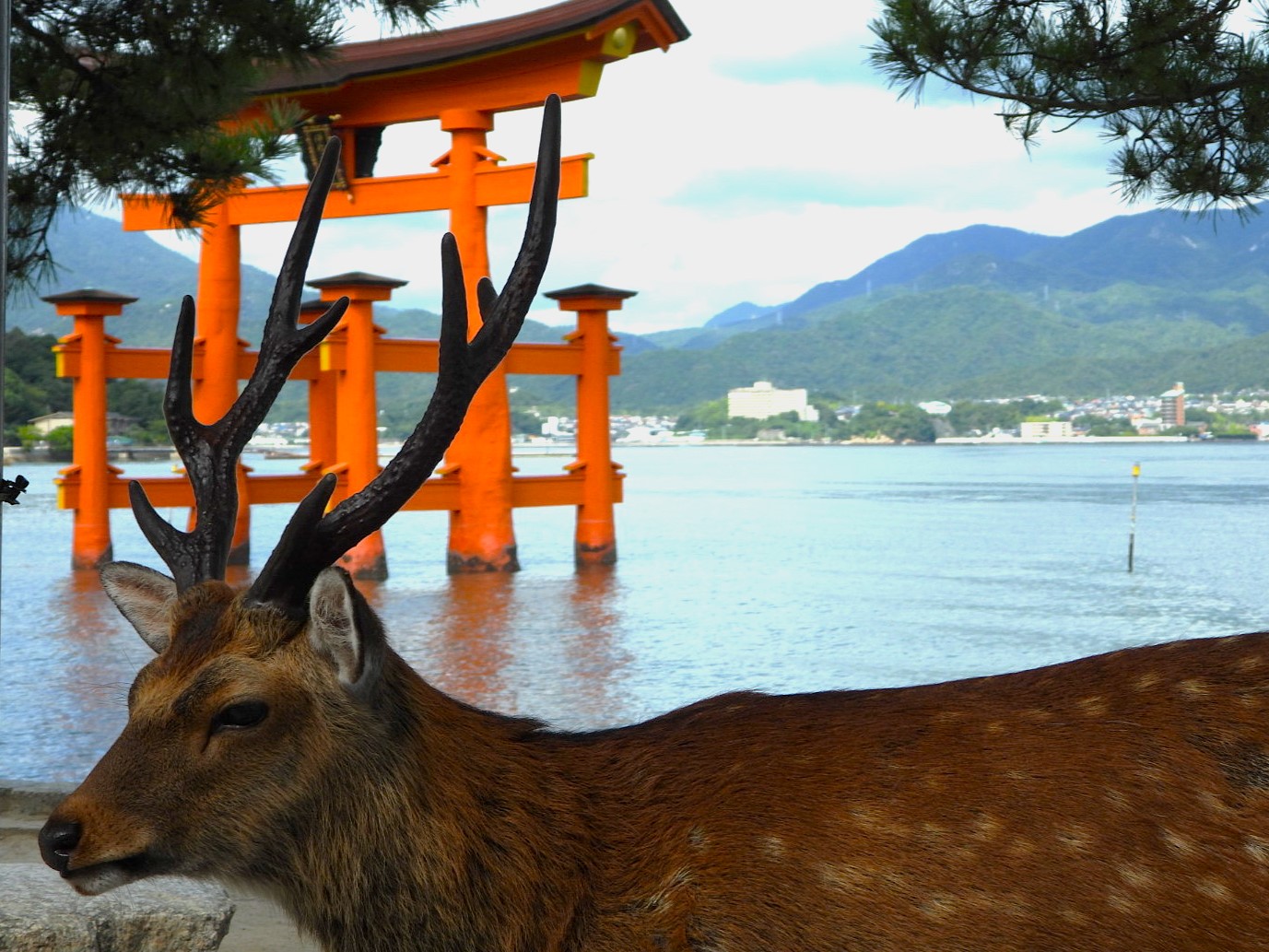
Can you see deer in Japan?
Yes. Deer are common and easy to see in many areas.
Nara is especially famous for its deer.
→ Read more: Best Places to See Sika Deer in Japan – Where You Can Actually Find Them
Are deer in Japan wild or tame?
They are wild animals.
In places like Nara, they are used to humans but still unpredictable.
What is a tanuki?
A tanuki is a raccoon dog native to Japan.
It is common but not always easy to see.
→ Read more: Tanuki (Japanese Raccoon Dog)
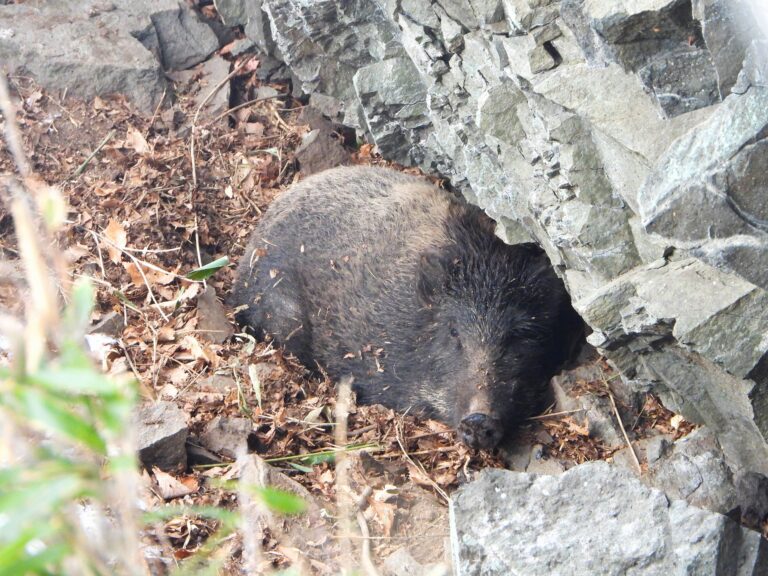
Are there wild boars in Japan?
Yes. Wild boars live in forests and rural areas across Japan.
They can be dangerous if cornered.
→ Read more: Wild Boar in Japan
Snakes & Reptiles
Snakes are part of Japan’s natural ecosystems, especially in warmer and rural regions.
How common are snakes in Japan?
Snakes are fairly common in rural and natural areas.
They are rarely seen in cities.
What snakes should you avoid in Japan?
The mamushi and habu are the most important to avoid.
They are venomous and may bite if disturbed.
→ Read more: Dangerous Snakes in Japan
Where do venomous snakes live in Japan?
Mamushi are found across much of Japan.
Habu mainly live in Okinawa and southern islands.
Birds
Japan has a rich birdlife, and many species can be seen even without traveling far.
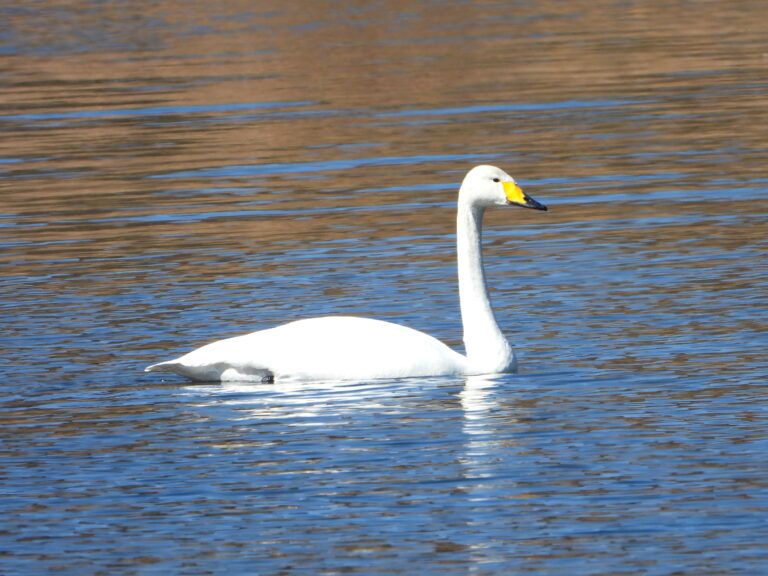
What birds are common in Japan?
Crows, sparrows, and bulbuls are among the most common birds.
Many other species can be seen depending on the season.
→ Read more: Birds in Japan: The Most Common Species You Can See Anywhere
Can you see birds in Japanese cities?
Yes. Cities have plenty of birdlife.
Parks and rivers are especially good places to watch birds.
When is the best time for birdwatching in Japan?
Spring and winter are the best seasons.
Migration periods bring many different species.
Insects
Japan is home to many insects, but only a few pose any real risk to people.
Are there dangerous insects in Japan?
Yes, but most insects are harmless.
Hornets are the main concern.
What insects should you avoid in Japan?
Hornets and other stinging insects should be avoided.
Most insects in Japan are not dangerous.
Final Thoughts
Japan is one of the safest countries in the world when it comes to wildlife.
Most animals avoid humans, and serious incidents are rare.
With basic awareness, you can safely enjoy wildlife while exploring Japan.