
Are Japanese Macaques Dangerous? Monkey Safety in Japan
Japanese macaques are not usually dangerous to people, but they can bite, scratch, or become aggressive if they feel threatened, approached too closely, or have become accustomed to people and food.
If you travel in Japan’s mountains or forested areas, you may encounter these wild monkeys. Japanese macaques (Macaca fuscata) are the only monkey species native to Japan.
They are well known from places such as Jigokudani Monkey Park in Nagano and Arashiyama Monkey Park in Kyoto, where visitors can observe them relatively easily. In other areas, including mountain regions like Nikko, macaques also live in the wild and may occasionally appear near roads or hiking trails.
Although Japanese macaques often look calm and even cute, they are still wild animals. Understanding when they may become aggressive and how to behave around them is important for staying safe.
Characteristics of Japanese Macaques
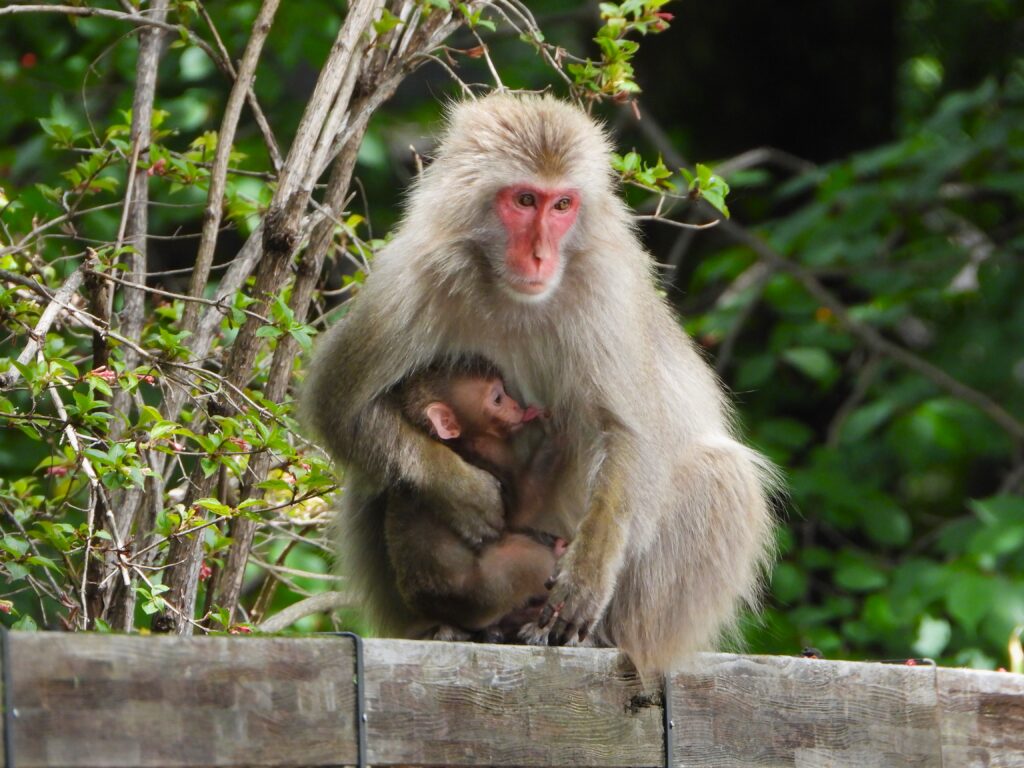
The Japanese macaque (Macaca fuscata) is the only monkey species native to Japan.
They live mainly in the mountains and forests of Honshu, Shikoku, and Kyushu, although some populations also appear near villages, farmland, roads, and tourist destinations.
Some key characteristics include:
- They live in social groups called troops
- They are intelligent and highly adaptable
- Some populations have become accustomed to human presence
Even when Japanese macaques appear relaxed around people, they should always be treated as wild animals.
Are Japanese Macaques Actually Dangerous?
In most cases, Japanese macaques are not naturally aggressive toward humans.
When they notice people, they usually keep their distance or move away. Simply observing them from afar is generally safe.
However, problems can occur in certain situations. Macaques may show defensive behavior, try to grab food or belongings, or bite and scratch if they feel threatened or have become accustomed to people.
These incidents are more likely in places where monkeys are used to human activity or where people approach them too closely.
Reported Incidents Involving Macaques
In Japan, there are occasional reports of injuries and other problems involving Japanese macaques, especially in places where monkeys have become accustomed to people.
Reported incidents can include:
- Bites and scratches
- Attempts to grab food or belongings
- Monkeys approaching people closely in search of food
- Aggressive behavior when a monkey feels threatened or cornered
Many problems can be avoided by keeping a safe distance, hiding food, and never trying to touch or feed wild macaques.
Four Situations Where Extra Caution Is Needed
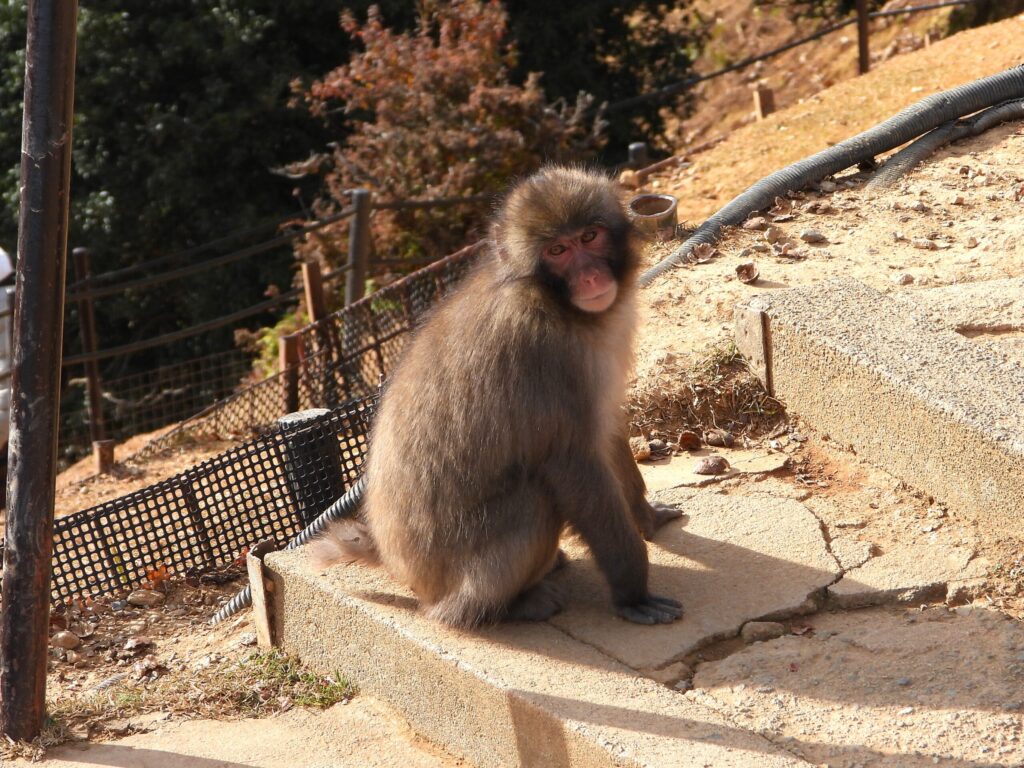
Conflicts between people and Japanese macaques are more likely in certain situations. Knowing when to be especially cautious can help you avoid problems.
Monkeys Near Villages or Residential Areas
Macaques sometimes leave mountain forests and enter villages, farmland, or residential areas. Monkeys that frequently encounter people may become less cautious and more willing to approach.
Places Where Monkeys Have Been Fed
If macaques have been fed by people, they may begin to associate humans with food. In these areas, monkeys can approach visitors more boldly or try to take visible food and belongings.
Troops With Baby Monkeys
Give macaques with infants plenty of space. Approaching a mother and her young too closely may trigger defensive behavior.
Monkeys Resting Near Trails or Roads
Macaques may sit quietly near trails, roads, or open areas. Even if they appear relaxed, do not approach them for a closer look or photograph. Give them enough space to move away freely.
What To Do If You Encounter a Monkey
If you see a Japanese macaque in the wild, it is best to stay calm and avoid interacting with it.
Important guidelines include:
- Avoid making direct eye contact
- Do not show or carry food openly
- Do not approach the animal
- Slowly increase the distance between you and the monkey
In most situations, if you remain calm and keep your distance, the monkey will eventually move away.
Observations From Encountering Them in the Wild
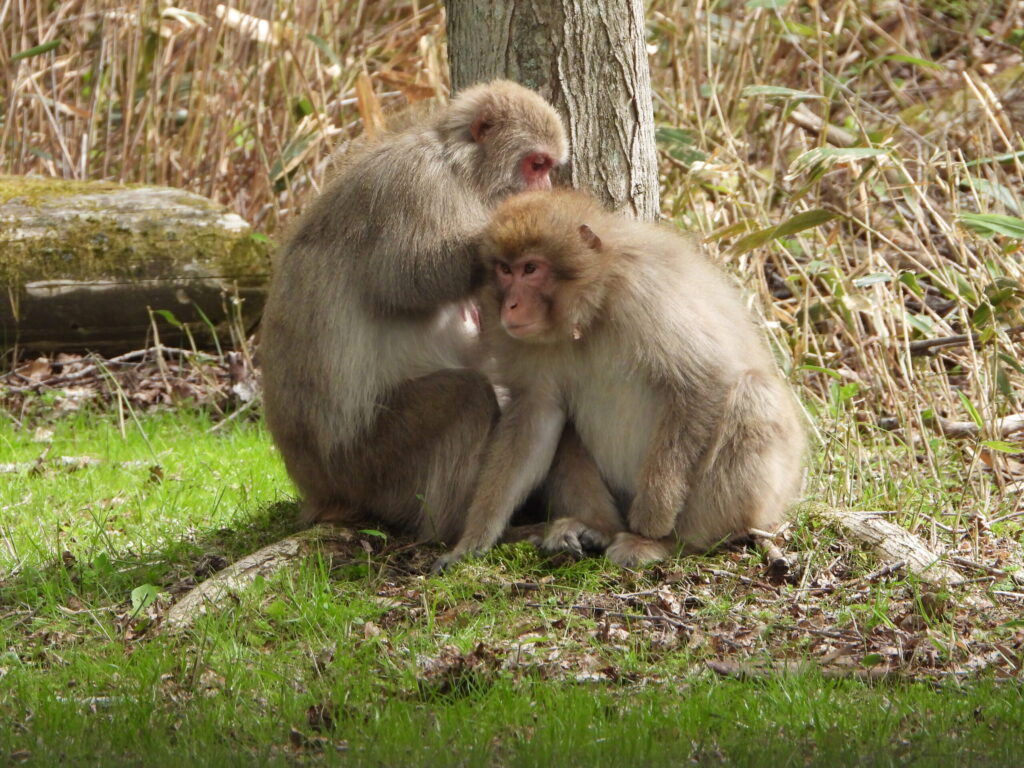
I have encountered Japanese macaques several times while exploring mountain areas in Japan.
Sometimes a troop crosses a road together, while at other times they sit quietly in trees or forage on the forest floor.
When people keep a respectful distance, the monkeys usually ignore human presence. However, if someone approaches too closely or carries visible food, the monkeys may quickly become curious and move closer.
Even when they appear calm, it is important to remember that they are wild animals.
Children and Visitors Should Be Especially Careful
Children and visitors unfamiliar with wild macaques may be tempted to approach them because the animals often appear calm or curious.
Keep children close, avoid direct interaction, and always observe macaques from a safe distance.
Summary
Japanese macaques are not usually dangerous when observed from a respectful distance, but they can bite, scratch, or become aggressive if they feel threatened or have become accustomed to people and food.
The most important safety rules are simple:
- Do not approach them
- Do not show or offer food
- Keep a respectful distance
By following these guidelines, visitors can safely enjoy observing Japanese macaques in Japan.
Related Articles
If you’re interested in learning more about Japanese macaques and wildlife safety in Japan, these guides may also be helpful.
• Snow Monkey (Japanese Macaque) – Wildlife of Japan
Learn about the Japanese macaque’s habitat, behavior, and unique adaptations.
• Where to See Japanese Macaques in Japan
Discover the best places in Japan to observe wild macaques in their natural environment.
• Dangerous Animals in Japan: What Travelers Need to Know
A complete guide to potentially dangerous wildlife in Japan and how travelers can stay safe.