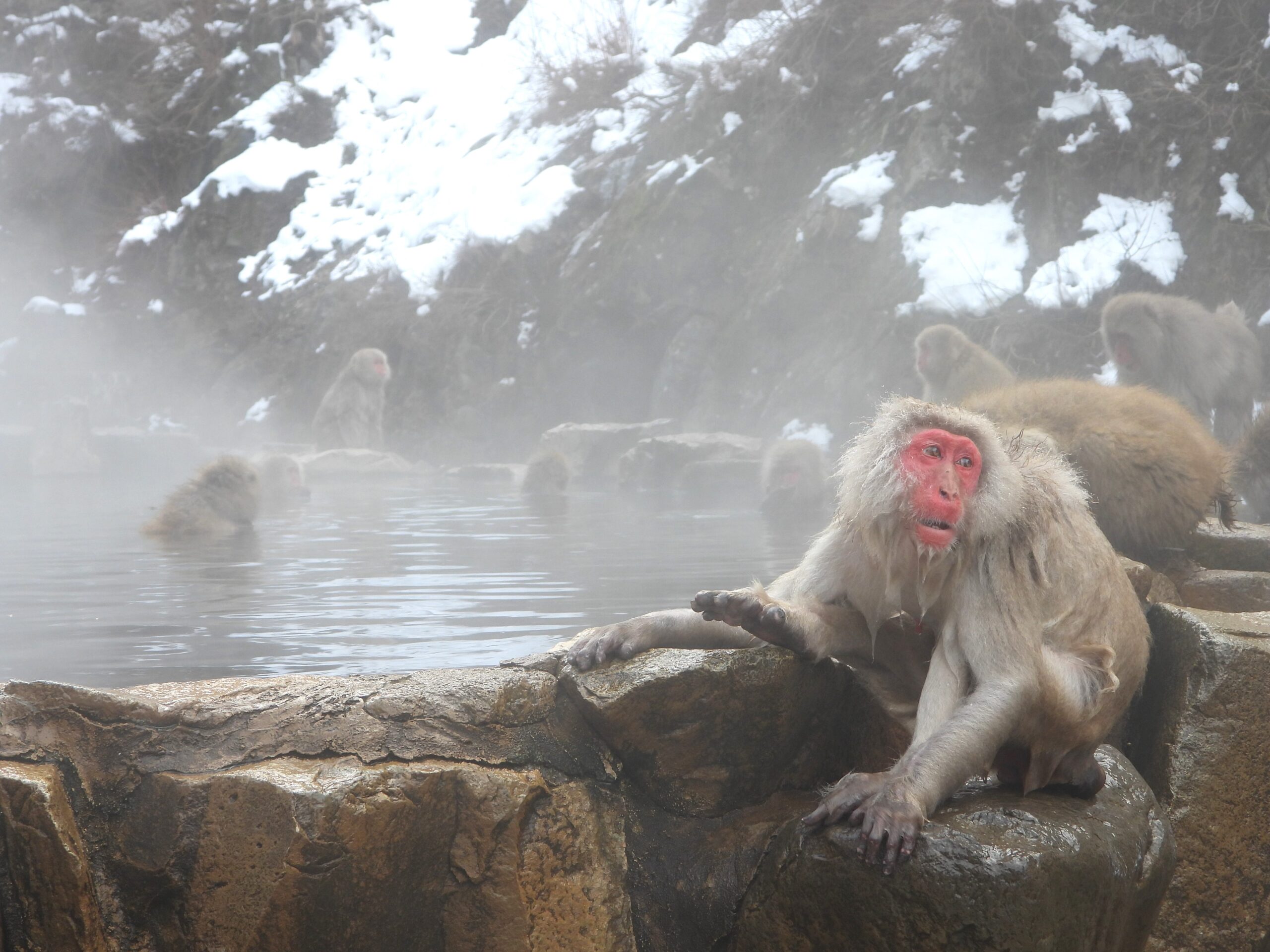
Best Time to Visit Jigokudani Snow Monkey Park
Introduction
The best time to visit Jigokudani Snow Monkey Park depends on what you want to see.
If you are hoping for the classic winter scene of snow monkeys surrounded by deep snow—and possibly using the hot spring—January and February are usually the strongest months.
December and March can also offer good winter conditions, while spring is especially interesting for newborn macaques. Summer is greener and quieter, and autumn can be less predictable because the monkeys spend more time feeding in the surrounding mountains.
This guide explains how Jigokudani changes throughout the year, which months are best for snow, hot spring behavior, baby monkeys, and quieter visits, and how to choose the season that best matches your trip.
Quick Answer: When Is the Best Time to Visit Jigokudani?
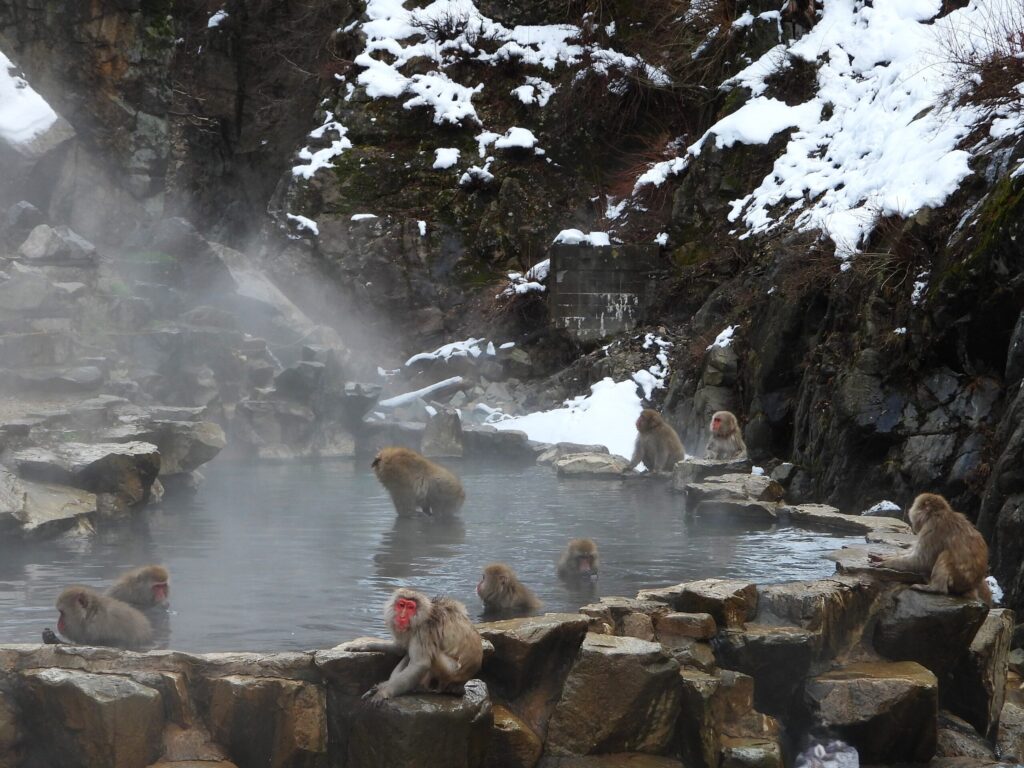
For the classic snow monkey experience, January and February are usually the best months to visit Jigokudani Snow Monkey Park.
This is the coldest part of winter, when snow is typically deepest and the famous snowy scenery is most likely. The park’s official information notes that accumulated snow can exceed 100 cm during the coldest period between January and February.
December and March can also be good choices if you want winter scenery with slightly different conditions.
If snow is not your main priority, spring is especially interesting for newborn macaques, while summer and autumn offer very different seasonal behavior.
Winter: Best for Snow and Hot Springs
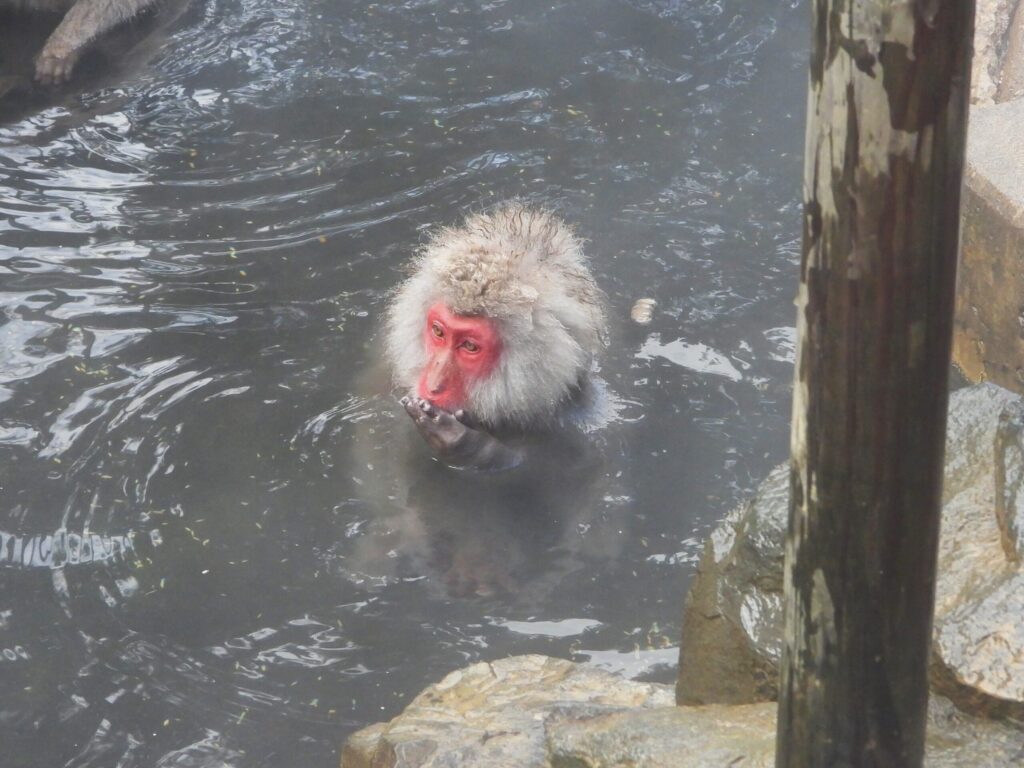
Winter is the best season for the classic Jigokudani experience.
From December to March, cold temperatures make hot spring bathing more likely, although the monkeys do not use the bath continuously and some individuals may not enter it at all.
December
Snow usually begins building up more seriously around mid-December.
This can be a good time to see the valley changing into its winter landscape, but snow depth can vary from year to year.
January and February
January and February are usually the strongest months for deep snow.
During the coldest part of winter, accumulated snow can exceed 100 cm, creating the scenery most people associate with Jigokudani Snow Monkey Park.
If your priority is snow-covered scenery and the best chance of seeing monkeys using the hot spring, these are the months I would choose first.
March
March can still offer winter conditions, and the monkeys may continue using the hot spring during cold weather.
However, conditions begin transitioning toward spring, so snow depth and winter scenery can be less consistent than in January or February.
Other Seasons at Jigokudani
Winter is the most popular season for the classic snow monkey experience, but Jigokudani changes significantly throughout the year.
Spring: Best for Baby Monkeys
Spring is especially interesting if you want to see newborn Japanese macaques.
The main birth season runs from late April through June, when you may see mothers carrying newborns and young monkeys beginning to explore around the troop. As the snow melts, fresh buds and young leaves also become available in the surrounding mountains.
You are less likely to see the classic snowy scenery or frequent hot spring bathing, but spring offers a completely different side of Jigokudani.
Summer: Green Scenery and Young Monkeys
Summer transforms Jigokudani into a lush green mountain valley.
Young monkeys born in spring become increasingly active and begin playing with one another away from their mothers. Adult macaques often spend more time resting in the shade during warmer periods.
Hot spring bathing is uncommon in warm weather, so summer is better suited to observing everyday macaque behavior than to seeing the famous bathing scene.
Autumn: Beautiful but Less Predictable
Autumn brings changing leaves and increased activity as the monkeys search the surrounding forest for nuts and fruit before winter.
However, this is also one of the least predictable seasons for seeing monkeys inside the park. Natural food is abundant in the mountains, so the troop may spend more time away from the observation area and may not visit the park every day.
Autumn is also the macaques’ mating season, and the atmosphere within the troop can become noticeably more active and tense.
Are Snow Monkeys Always in Hot Springs?
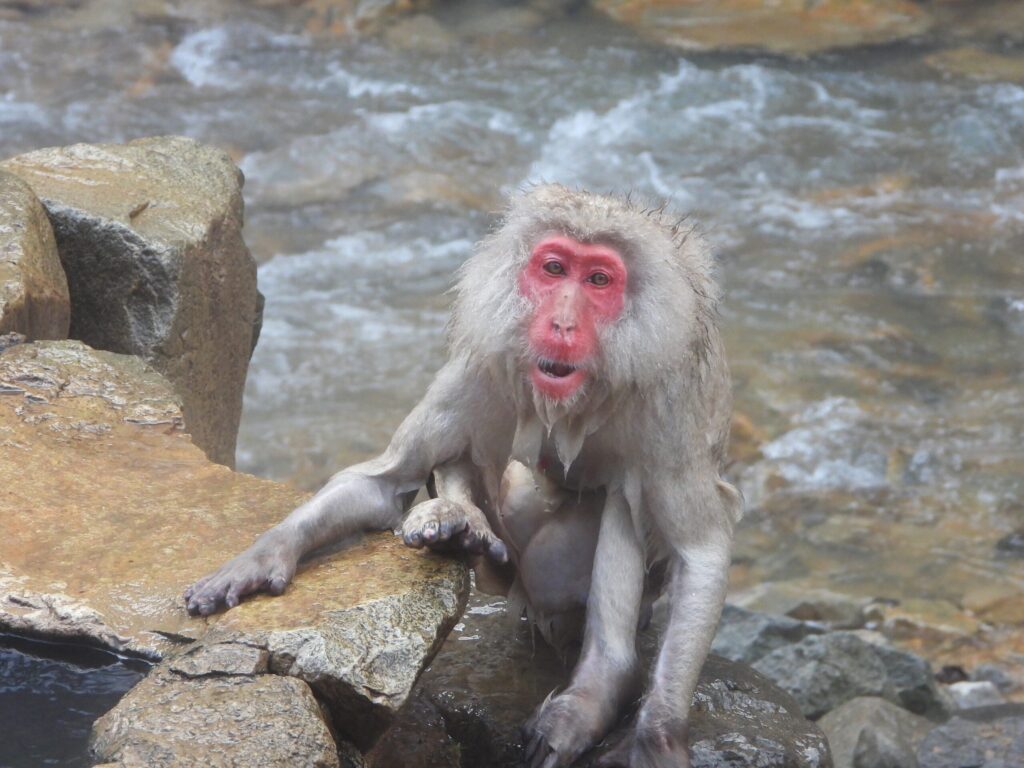
No. Snow monkeys do not stay in the hot spring all day.
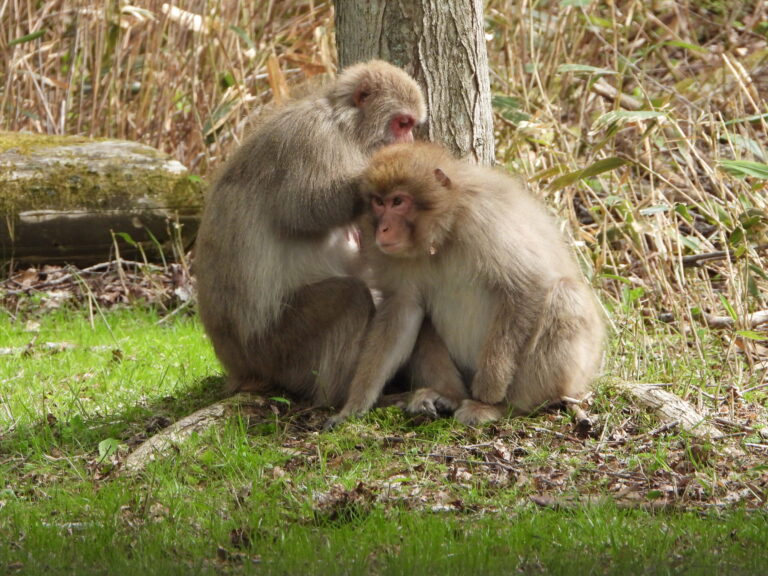
Even in winter, they spend much of their time outside the water, feeding, resting, grooming, and interacting with other members of the troop.
The monkeys mainly use the hot spring during the coldest months, generally from December to March. However, some individuals may not enter the water at all, and bathing is never guaranteed on a particular visit.
For that reason, it is better to visit Jigokudani expecting to observe wild Japanese macaques in a winter mountain environment—and treat hot spring bathing as a bonus.
▶ Why Do Snow Monkeys Bathe in Hot Springs?
What Is the Best Time of Day to Visit Jigokudani?
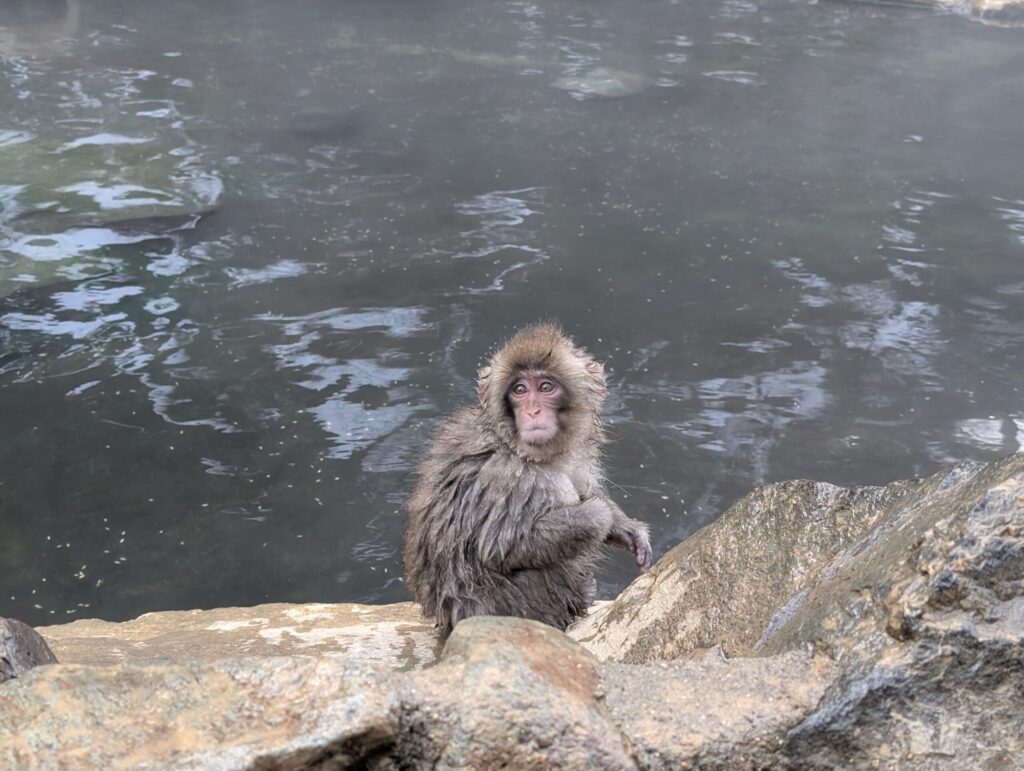
There is no single guaranteed best time of day to see the snow monkeys.
Because the macaques are wild, their arrival and departure times change throughout the year. The official park publishes weekly appearance forecasts based on recent activity, so it is worth checking the latest information before your visit.
In winter, the park is generally open from 9:00 a.m. to 4:00 p.m. The official forecast often recommends visiting during the middle part of the day, but the exact timing can change from week to week.
If you want to avoid the largest crowds, arriving earlier in the day can still be a good choice. When I visited Jigokudani, the area around the hot spring became quite busy, so I would personally recommend going early if you want more space to observe and photograph the monkeys.
The most important thing is to check the latest monkey forecast and crowd conditions rather than relying on a fixed “best hour.”
My Experience Visiting Jigokudani
I have visited Jigokudani Snow Monkey Park myself and watched Japanese macaques using the hot spring.
One thing that surprised me was the walk to the park. Around 30 minutes does not sound particularly long, but after walking through the forest, I was more tired than I expected by the time I reached the monkey area.
There were also quite a few visitors around the hot spring when I arrived. The monkeys were still easy to observe, but the area can become crowded, especially around the most popular viewing spots.
If I were planning another visit, I would arrive earlier in the day for a quieter experience and more time to watch the monkeys without feeling rushed.
Seeing the macaques in the hot spring was memorable, but I also enjoyed simply watching the troop move, rest, groom, and interact around the valley. For me, Jigokudani is much more interesting when you visit for the monkeys themselves—not only for the famous hot spring scene.
Practical Tips for Winter Visitors
Winter offers the classic Jigokudani experience, but it also requires the most preparation.
The walk to the park can be snowy or icy, temperatures may fall well below freezing, and January and February are also among the busiest months.
Allow enough time for the walk, dress for winter mountain conditions, and check the latest monkey activity and park information before leaving.
For detailed access, tickets, winter trail conditions, and what to wear, see the complete visitor guide below.
▶ Jigokudani Snow Monkey Park Guide: Tickets, Access & Winter Tips
Prefer an easier winter visit? Guided snow monkey tours can simplify transportation and winter travel, especially if you are visiting from Nagano.
Which Season Should You Choose?
If this is your first visit to Jigokudani and you want the classic snow monkey experience, January or February is the best choice.
Choose a different season if you have a more specific goal:
- January–February: Best for deep snow and the classic winter scenery
- December or March: Good alternatives for winter conditions
- Spring: Best for newborn and young macaques
- Summer: Best for green scenery and everyday monkey behavior
- Autumn: Beautiful scenery, but monkey sightings can be less predictable
For most first-time visitors, I would choose winter. Just remember that snow conditions, monkey appearances, and hot spring bathing can never be completely guaranteed.
Related Links
Jigokudani Snow Monkey Park Guide | Wildlife of Japan
Learn how to visit Jigokudani Yaen-koen, including access, walking trail conditions, rules, and what to expect when observing wild snow monkeys.
Why Do Snow Monkeys Bathe in Hot Springs?
An in-depth explanation of why Japanese macaques use hot springs in winter, including environmental factors, behavior, and common misconceptions.
Japanese Macaque (Macaca fuscata) – Species Guide
A detailed species profile covering appearance, habitat, behavior, diet, and conservation status of the Japanese macaque.