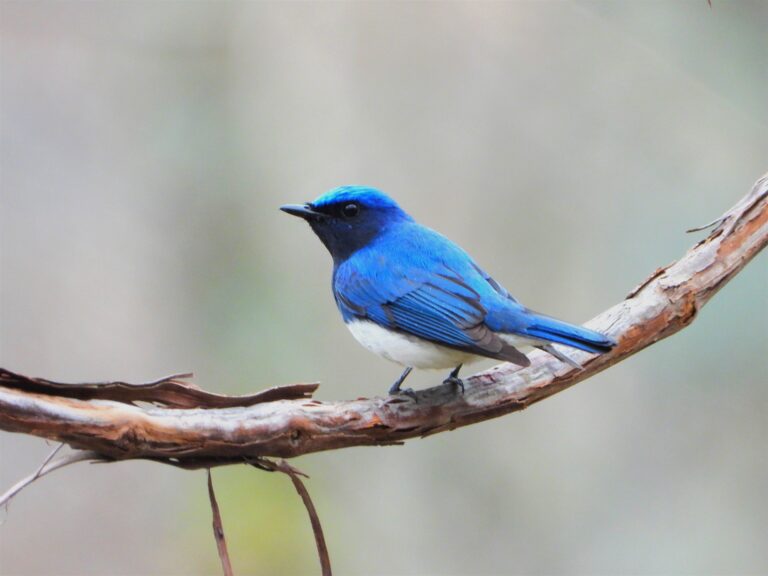
Wild Animals You Can See in Japan – Wildlife of Japan
Introduction
Japan is often imagined as a country of cities, trains, and busy urban life. However, a surprising variety of wild animals live close to human settlements, and many species can be seen without traveling to remote wilderness.
Many visitors say they “didn’t see any wildlife” during their trip. In most cases, this is not because animals were absent, but because timing, location, and expectations did not match reality. Wildlife in Japan often appears quietly and briefly, and knowing when and where to look makes a major difference.
This page provides an overview of wildlife watching in Japan and guides you to the most useful detailed articles depending on your goal. If you are new to wildlife watching, start with the basics of time and habitat. If you already have a specific animal or season in mind, use this page as a map to reach the most relevant guide.
If you are interested in wildlife you can realistically encounter while traveling in Japan,
Wildlife You Can See Around Japanese Cities serves as the main entry point on this site.
→ Wildlife You Can See Around Japanese Cities
When Is the Best Time to See Wild Animals in Japan?
Wildlife activity in Japan is influenced by daily rhythms. Many animals are most active around dawn and dusk, and early mornings are often productive for birdwatching.
Common birds such as White Wagtails and Brown-eared Bulbuls are frequently active and visible in the morning hours along rivers, parks, and open spaces. That said, the best time to observe wildlife varies depending on the species and habitat.
Season also plays an important role. Breeding behavior, migration, and food availability change throughout the year, affecting what you are likely to see. Paying attention to both time of day and season is one of the simplest and most effective ways to improve your chances of wildlife sightings in Japan.
Where Can You See Wild Animals in Japan?
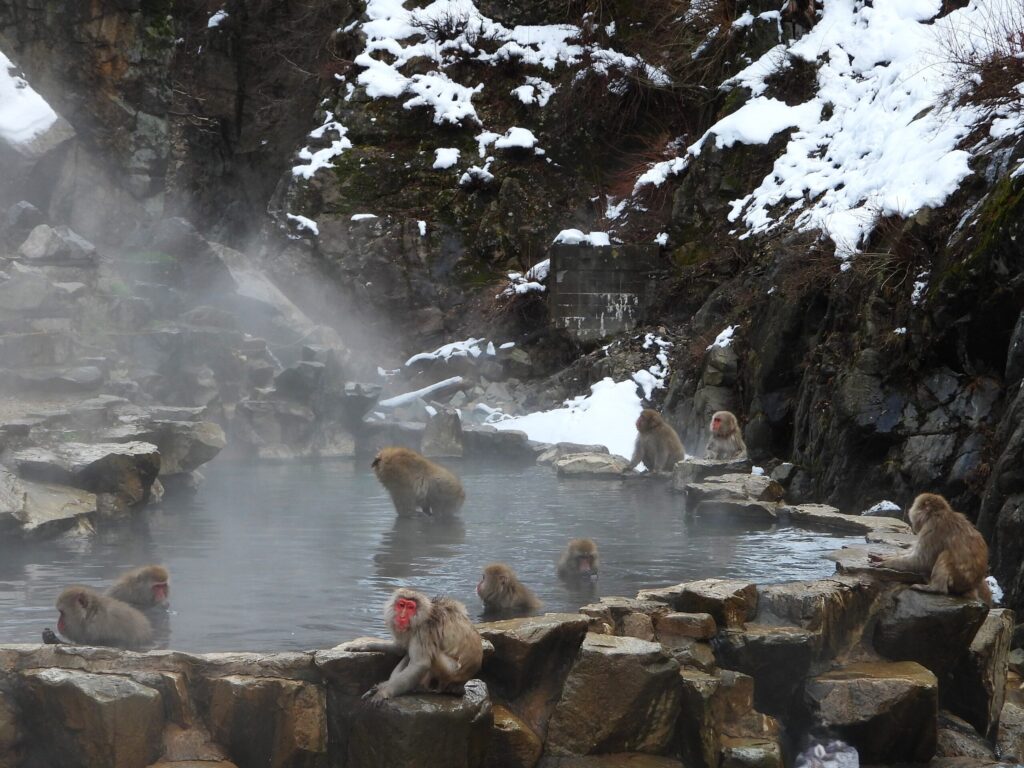
You do not need untouched wilderness to see wildlife in Japan, but choosing the right habitat is essential.
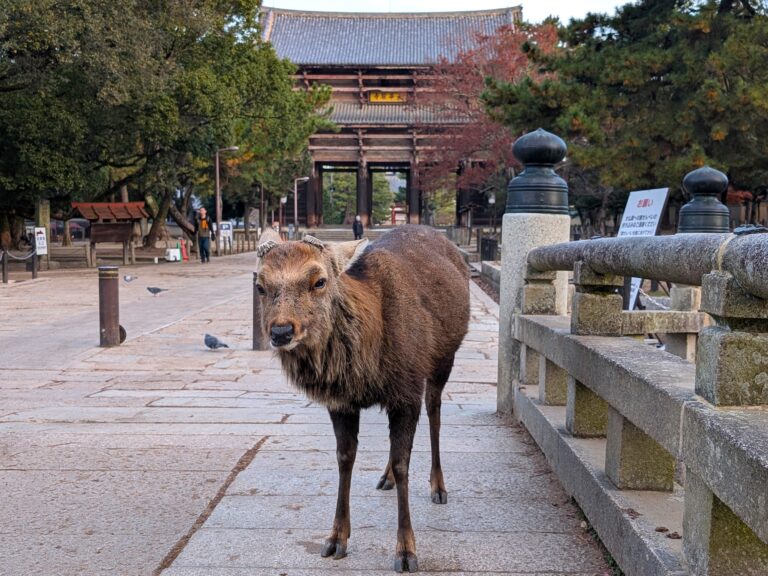
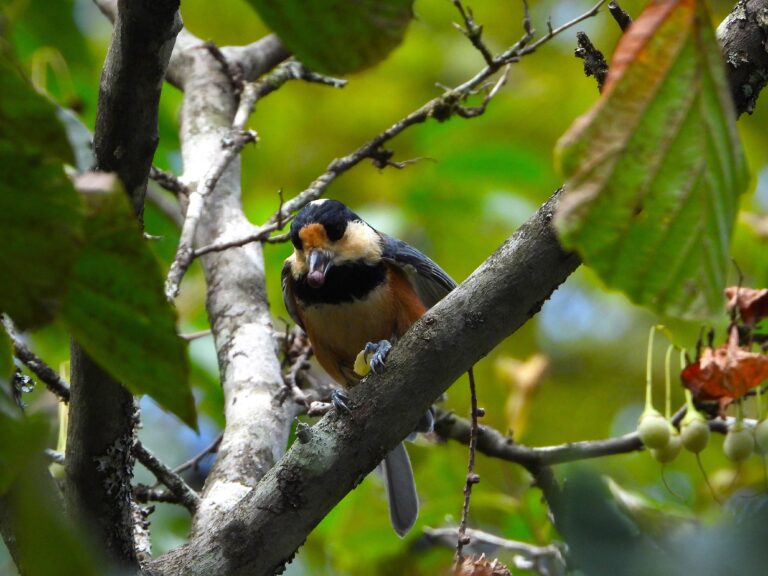
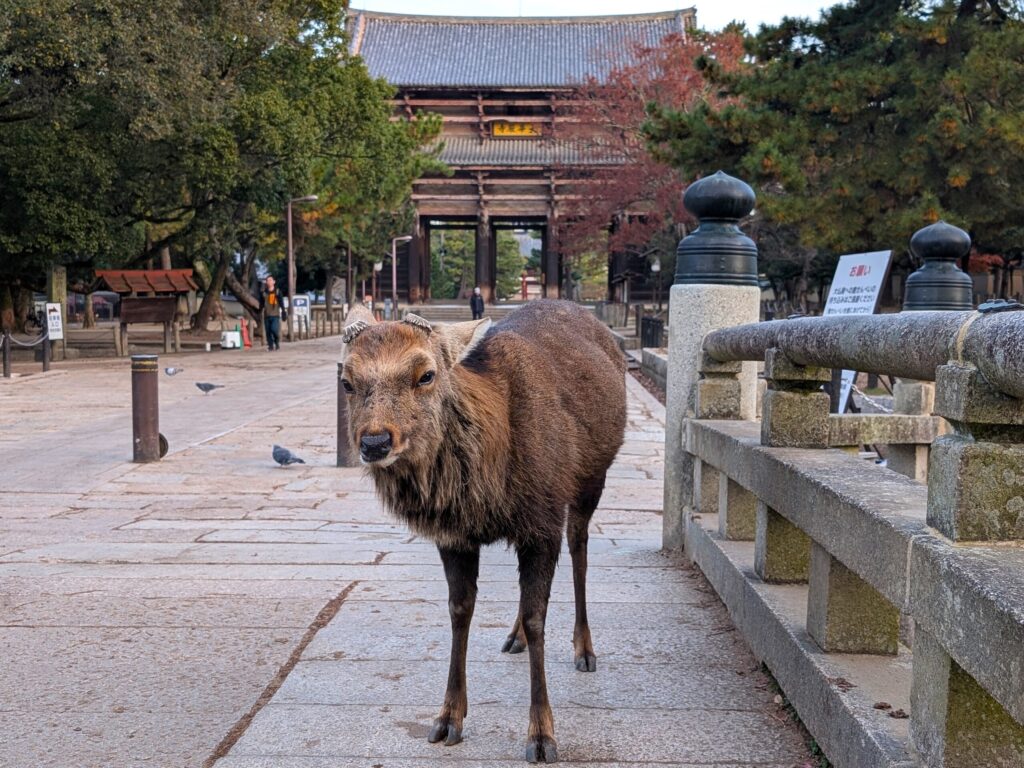
Mountains and forested areas can be good places to encounter mammals such as Sika Deer and Japanese Macaques, as well as forest-dwelling birds. Riverbanks and wetlands are often easier for beginners, as kingfishers, herons, ducks, and other waterbirds gather near open water and are easier to observe.
Farmland edges, rural landscapes, and even urban parks and rivers can provide regular wildlife encounters under the right conditions. What matters most is not how famous a location is, but whether the habitat matches the animals you hope to see.
Wild Animals Beginners Can See Easily
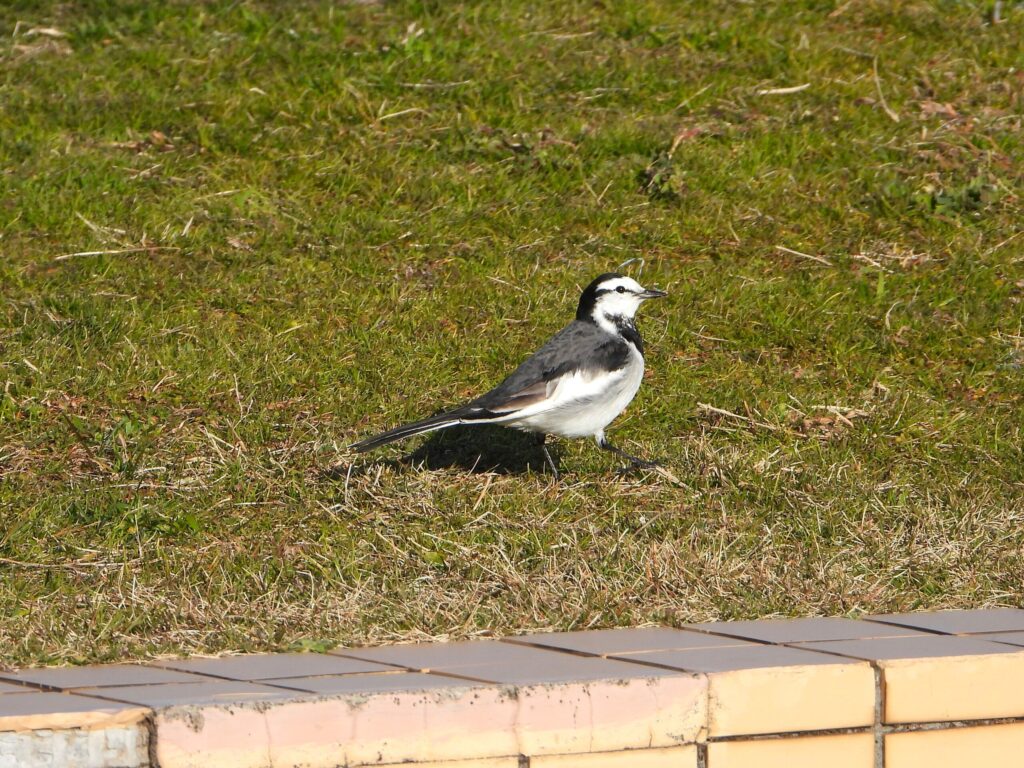
For beginners, it is best to start with animals that are common, active during daylight, and relatively tolerant of human presence.
In Japan, everyday birds such as White Wagtails, Brown-eared Bulbuls, and sparrows are among the easiest animals to observe and can be found in cities as well as rural areas. These species are active, vocal, and often visible in open spaces.
Among mammals, Sika Deer and Japanese Macaques can also be relatively easy to see in certain regions. However, even animals that appear accustomed to people are still wild and unpredictable. Maintaining proper distance is always essential.
Starting with easy-to-spot animals helps build observation skills and confidence before moving on to more elusive species.
Is Wildlife Watching in Japan Safe?
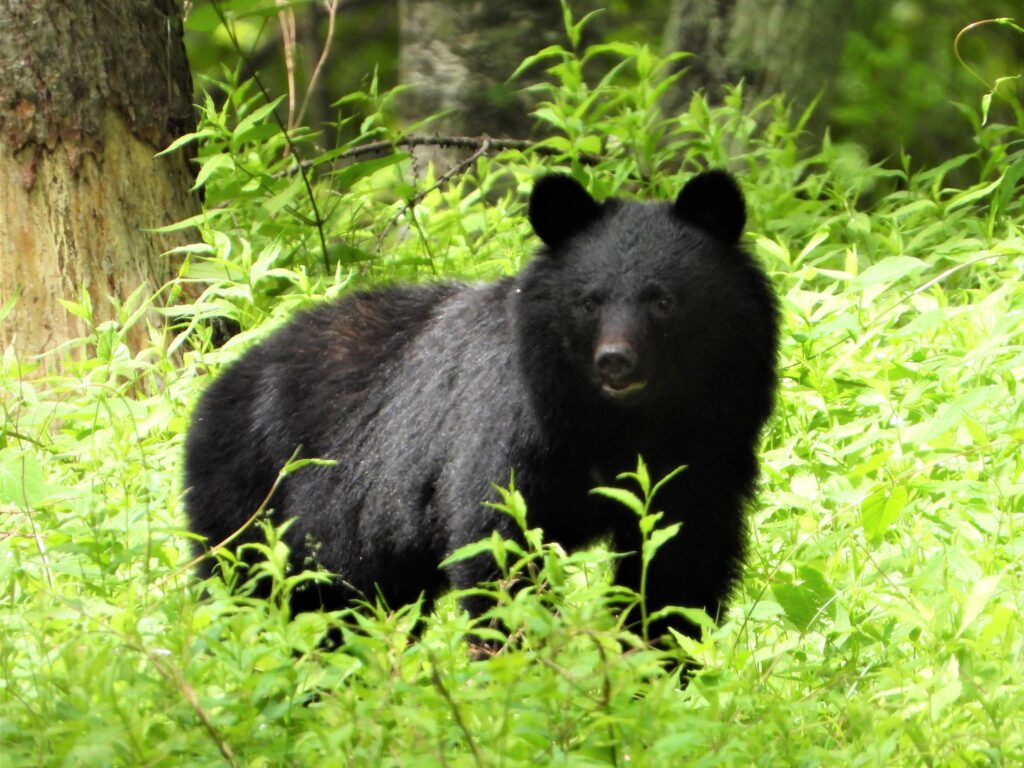
Wildlife watching in Japan is generally safe when basic rules are followed. Keeping a respectful distance, avoiding sudden movements, and never feeding animals greatly reduce the risk of accidents.
Feeding wildlife can alter natural behavior and increase the likelihood of conflict with humans. A simple guideline is this: if an animal changes its behavior because of your presence, you are already too close.
Calm observation and sufficient distance help protect both people and wildlife, ensuring safe and responsible encounters.
Seasonal Wildlife in Japan
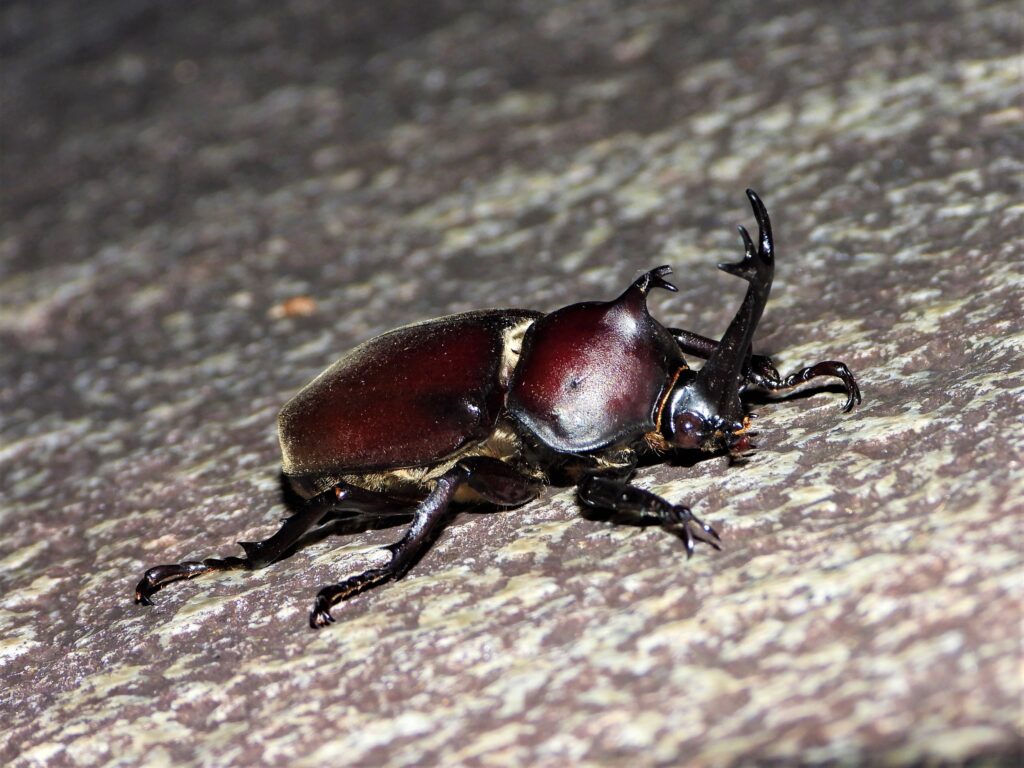
Japan has distinct seasons, and wildlife activity changes throughout the year.
From spring to early summer, many birds and mammals become more active due to breeding and raising young. Summer offers a wide variety of insects and birds, though dense vegetation and heat can make mammals harder to spot.
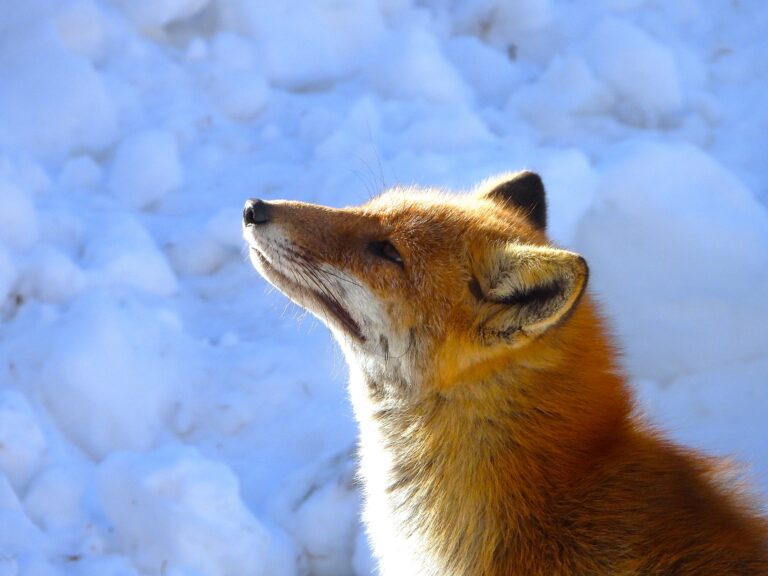
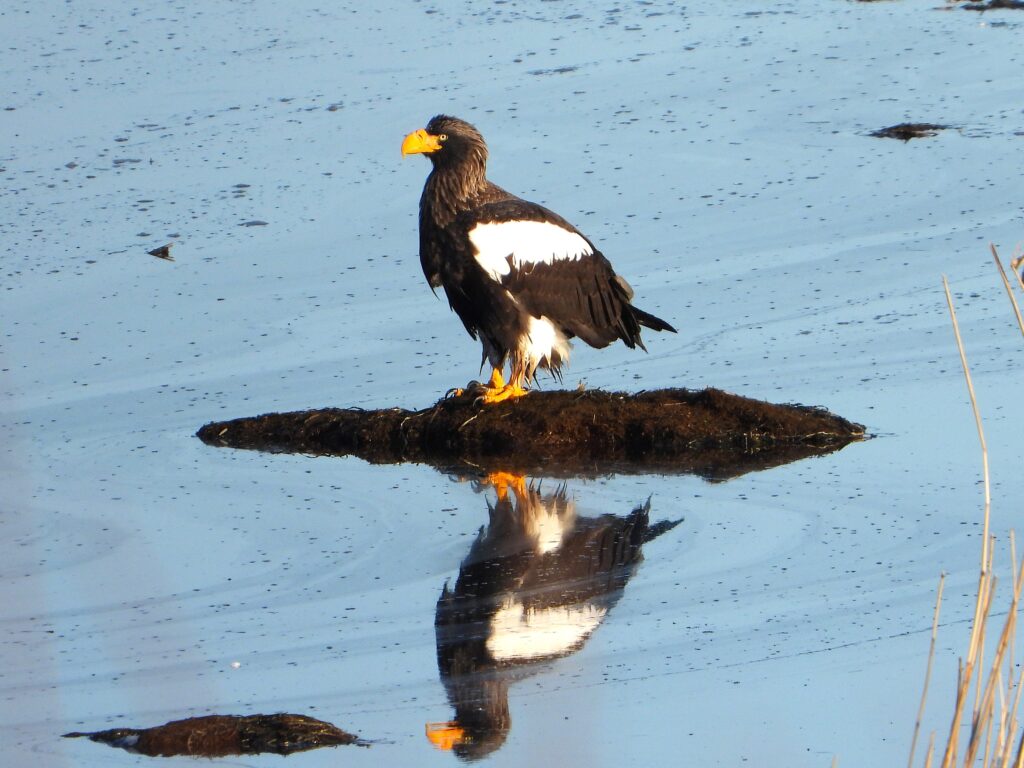
In autumn, many animals increase feeding activity, which can improve visibility in some habitats. Winter is especially good for waterbirds such as ducks, and in certain regions reduced vegetation makes animals easier to detect.
Understanding seasonal patterns helps set realistic expectations and improves wildlife watching success.
Iconic Wild Animals of Japan
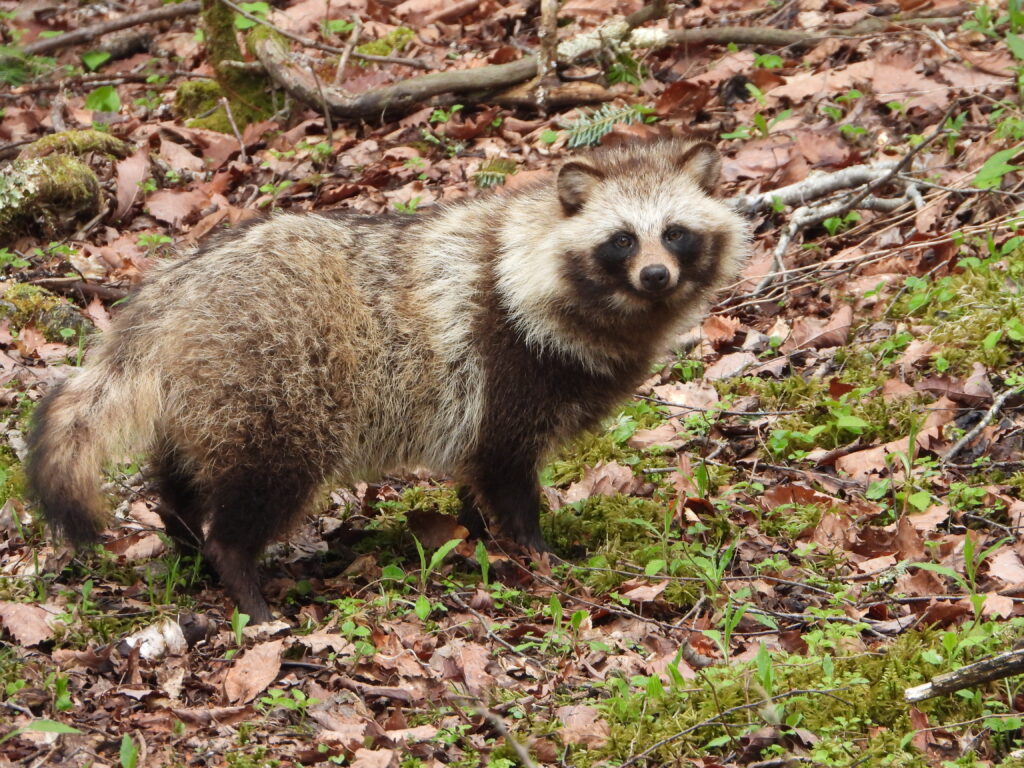
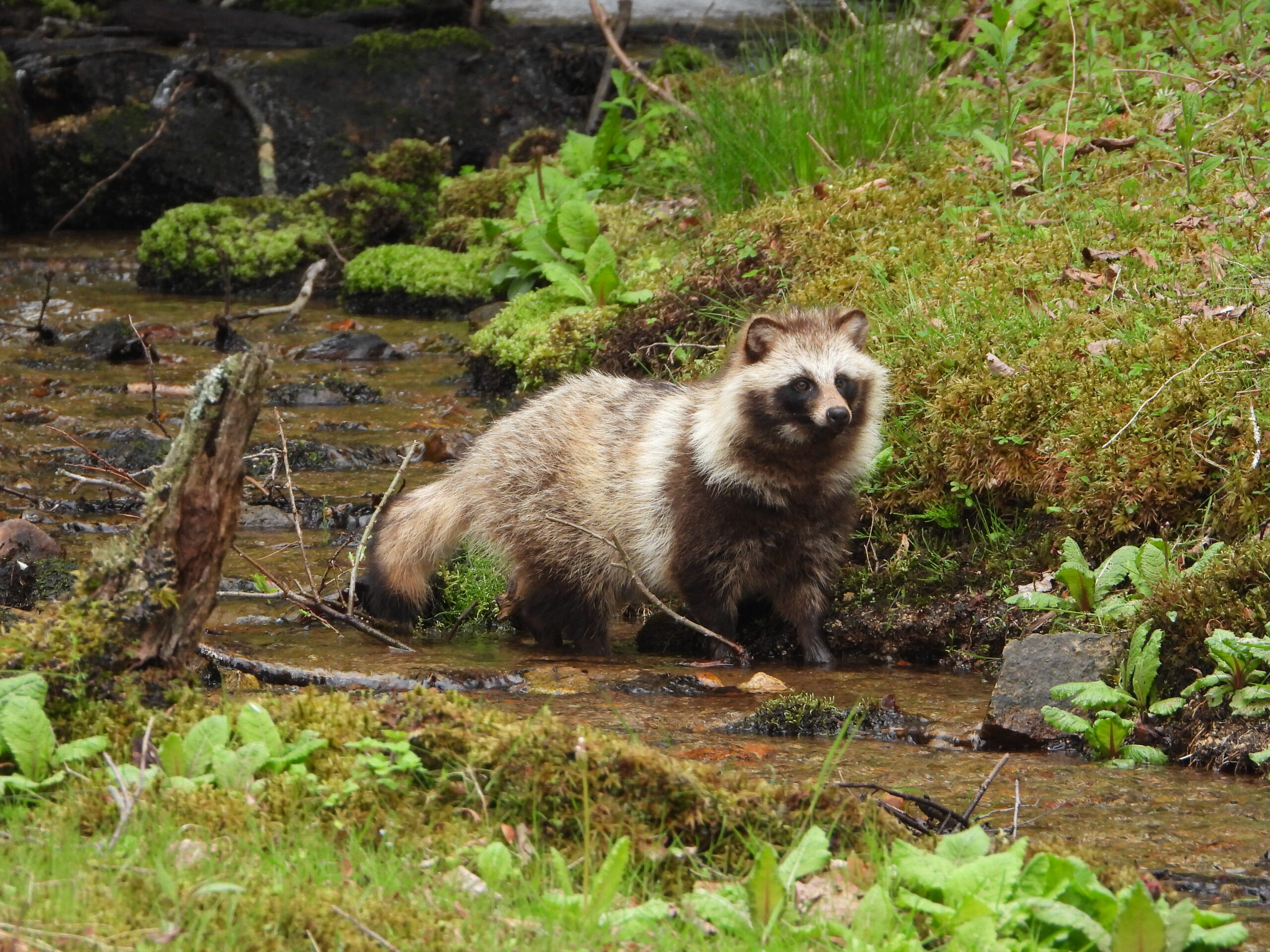
Some animals are strongly associated with Japan in travel and wildlife contexts. Well-known examples include Japanese Macaques, Sika Deer, and Tanuki (Raccoon Dogs).
These species are closely tied to Japan’s natural environment and cultural image, making them popular starting points for wildlife observation. Focusing on one iconic species can help create a clearer and more rewarding wildlife-watching experience.
How to Use This Guide
Use the steps below as a simple framework for planning wildlife watching in Japan.
- Decide on the best time of day and season for your visit
- Choose a habitat that matches your wildlife goals
- Start with beginner-friendly animals
- Review safety rules and observation etiquette
- Use seasonal and area guides to plan future trips
Related Guides
The following articles provide more detailed information about wildlife watching in Japan. Choose the guide that best matches your interests.
- How to Start Wildlife Watching in Japan
- Best Time to See Wildlife in Japan
- Wildlife Watching in Japan: Rules, Etiquette, and Safety Tips
- Wild Animals You Can See in Winter in Japan
- Wild Animals You Can See in Tokyo – Wildlife of Japan
- Where to See Wildlife in Japan – The Complete Area Guide
- Wildlife Watching in Japan – Discover the Best Animals by Season