Nocturnal Animals You Can See in Japan – Wildlife of Japan
Introduction
Many people assume that wildlife in Japan disappears after sunset. In reality, a wide range of animals become active at night or during low-light hours. Forest edges, riversides, farmland, and quiet suburban areas often reveal more animal activity after dark than during the day.
This article introduces nocturnal and night-active animals you can see in Japan, focusing mainly on mammals while also covering birds, insects, amphibians, and reptiles. It also explains where and when to look, and how to observe wildlife safely at night.
At night in Japan, animals such as raccoon dogs, flying squirrels, foxes, deer, wild boar, owls, geckos, frogs, moths, and beetles may be active—even closer to cities than many people expect.
If you are interested in wildlife you can realistically encounter while traveling in Japan,
Wildlife You Can See Around Japanese Cities serves as the main entry point on this site.
→ Wildlife You Can See Around Japanese Cities
What Does “Nocturnal” Mean?
Nocturnal animals are species that are primarily active at night. However, animal activity patterns are not always fixed.
Many species are most active around dusk and dawn, while others shift their activity depending on season, temperature, food availability, and human disturbance. For wildlife watching, it is often more practical to think in terms of “night-active” rather than strictly nocturnal.
Nocturnal and Night-Active Mammals in Japan
Japan is home to several mammals that are commonly active after dark. Encounters are often brief, such as an animal crossing a road or appearing momentarily at the edge of a forest.
Raccoon Dog
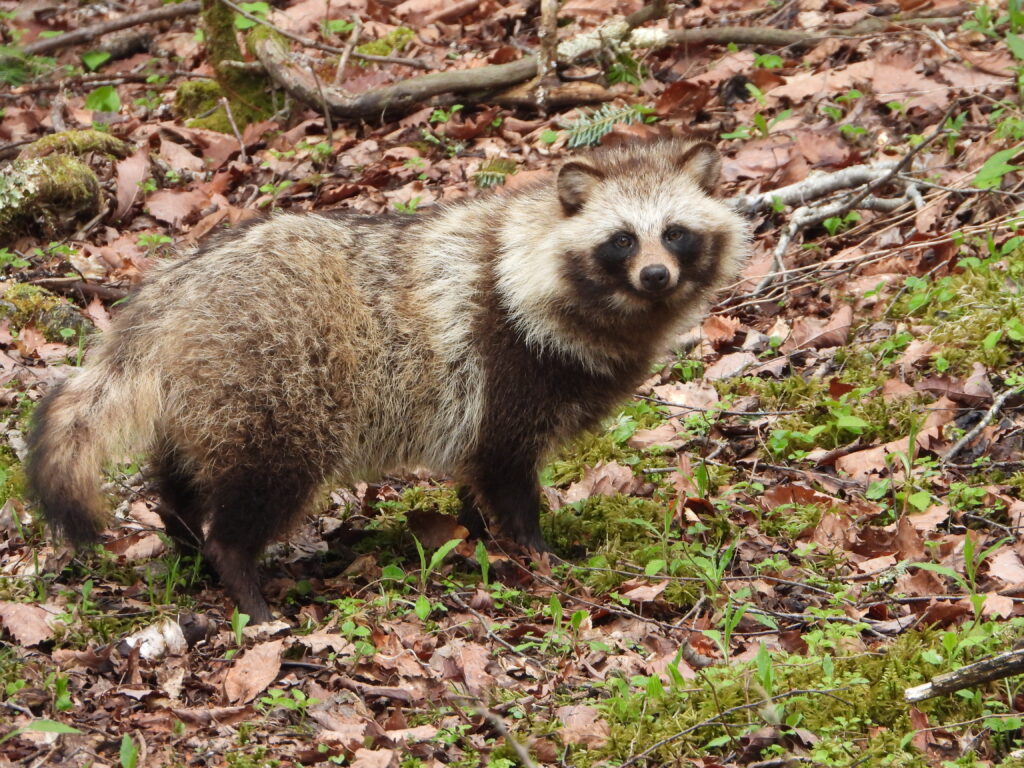
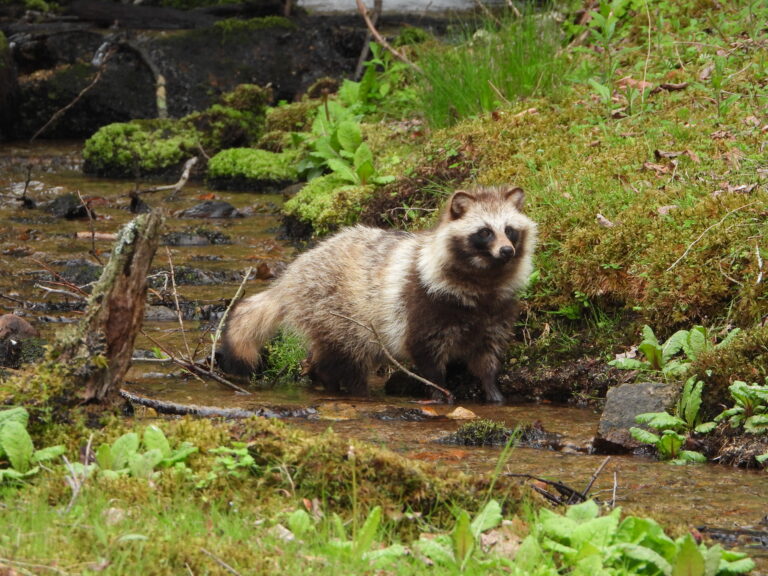
The raccoon dog is a medium-sized mammal widely distributed across Japan. It adapts well to rural landscapes, farmland, riversides, and even suburban areas.
It is mainly active at night, walking slowly while searching for food, and is often seen crossing quiet roads after dark.
Japanese Giant Flying Squirrel
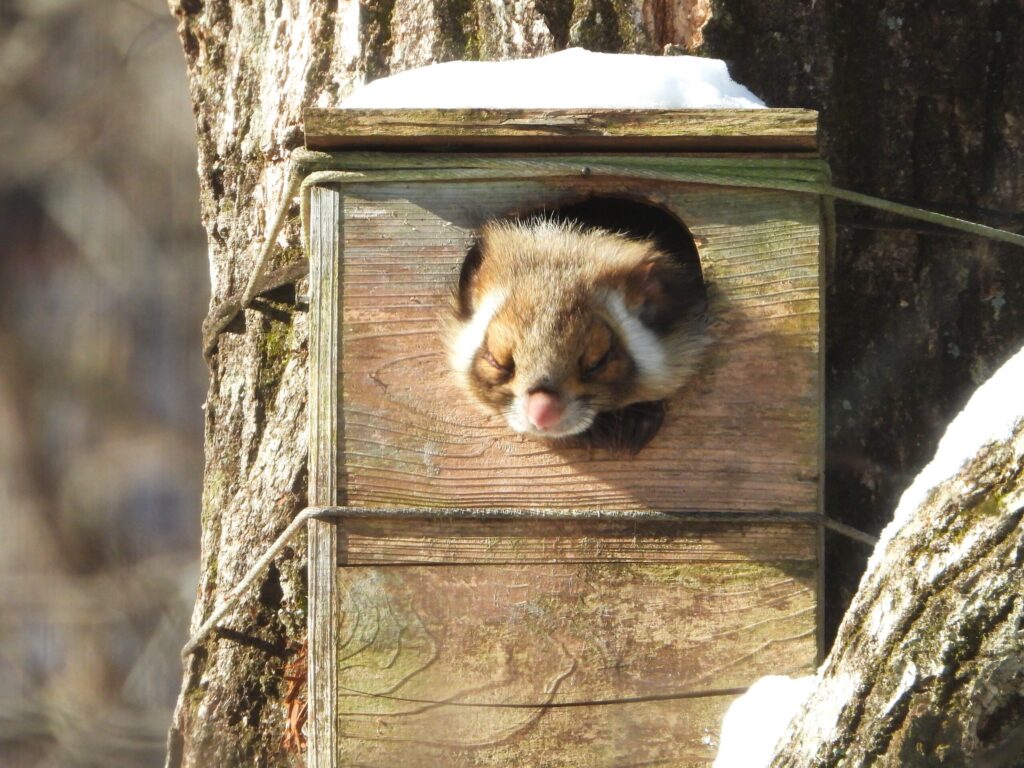
The Japanese giant flying squirrel is a forest-dwelling, tree-living mammal that becomes active at night.
It glides between tall trees after sunset, and its presence is often noticed as a large moving silhouette rather than a clear view.
Japanese Red Fox

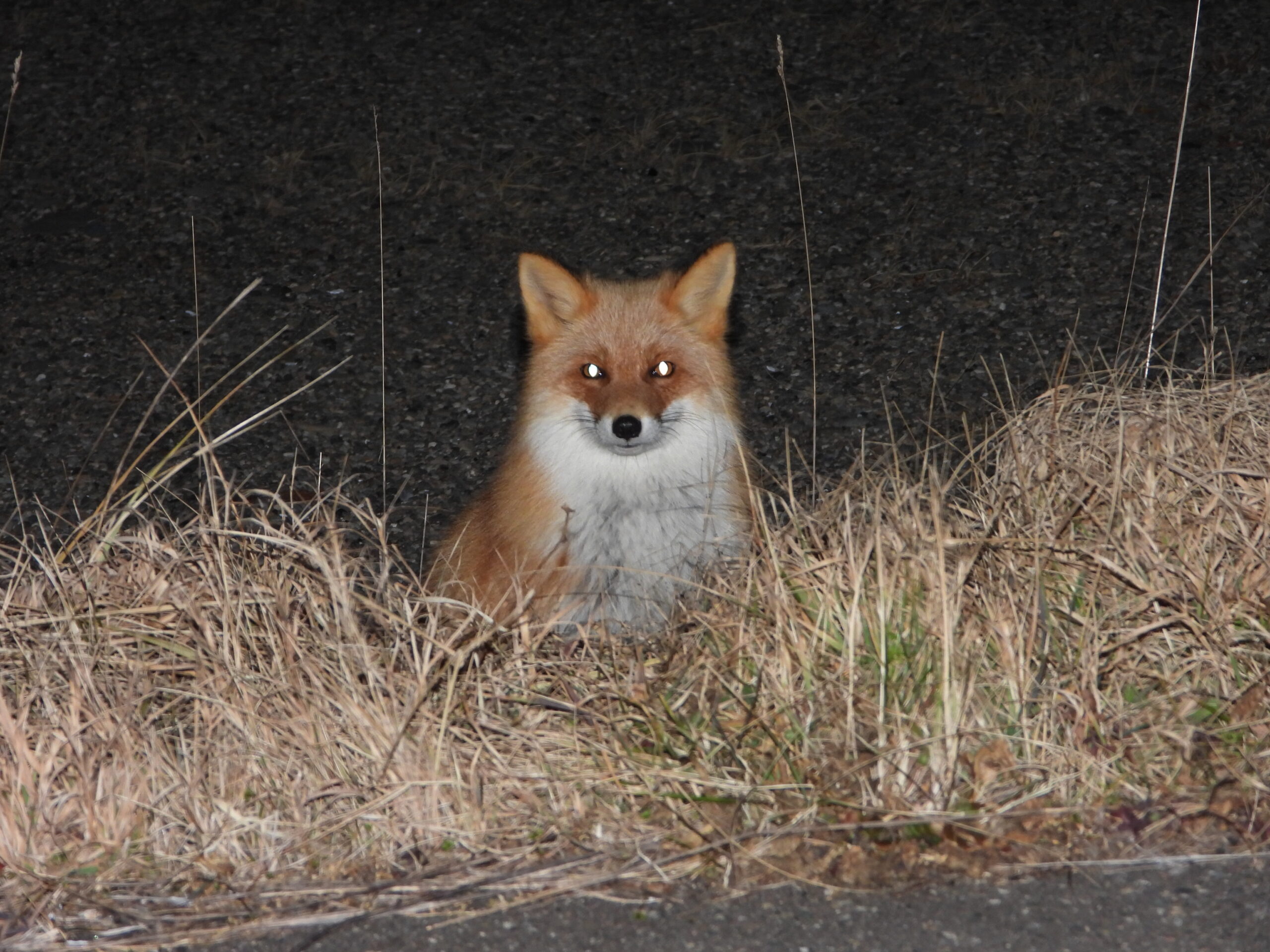
Foxes inhabit forests, grasslands, and agricultural areas.
In Japan, they are frequently active at night or during twilight hours and are sometimes seen moving alone across quiet roads or open fields. They are cautious animals and rarely remain visible for long.
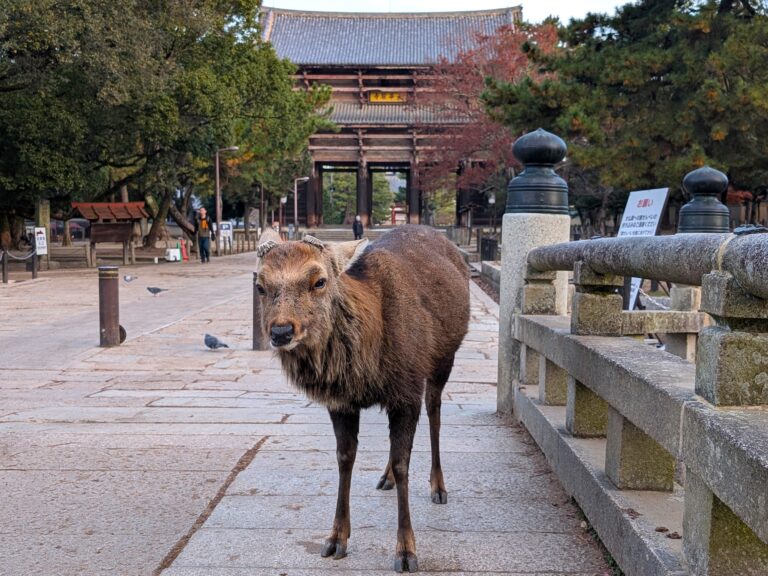
Sika Deer
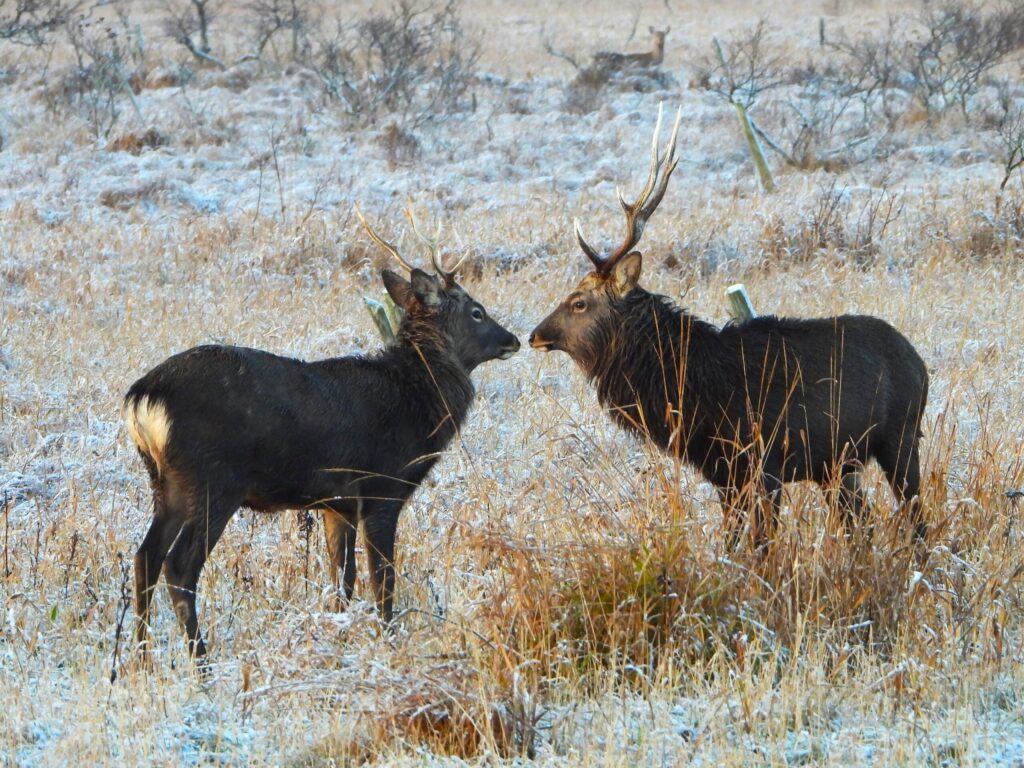
Although commonly thought of as daytime animals, sika deer are also active at night in many regions.
They are often seen feeding along forest edges or open areas after dark, sometimes revealed by vehicle headlights.
Wild Boar
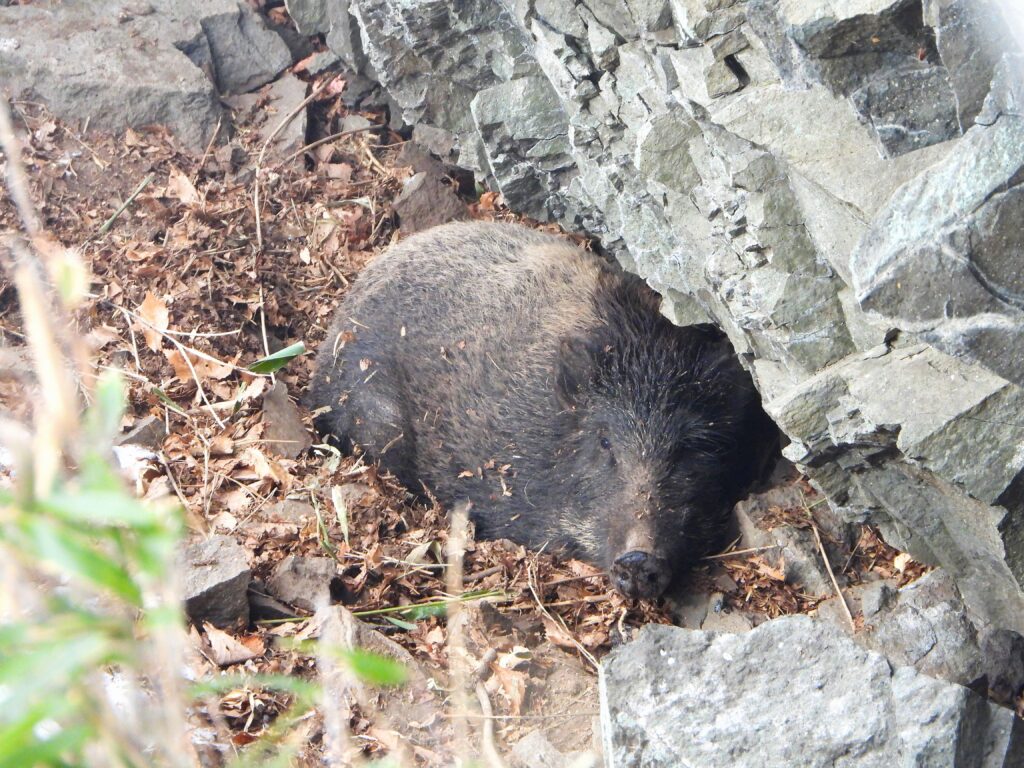
Wild boar are large mammals that often show strong nighttime activity, particularly in areas with frequent human presence.
They should never be approached. Always keep a safe distance and avoid blocking their movement.
Nocturnal Birds
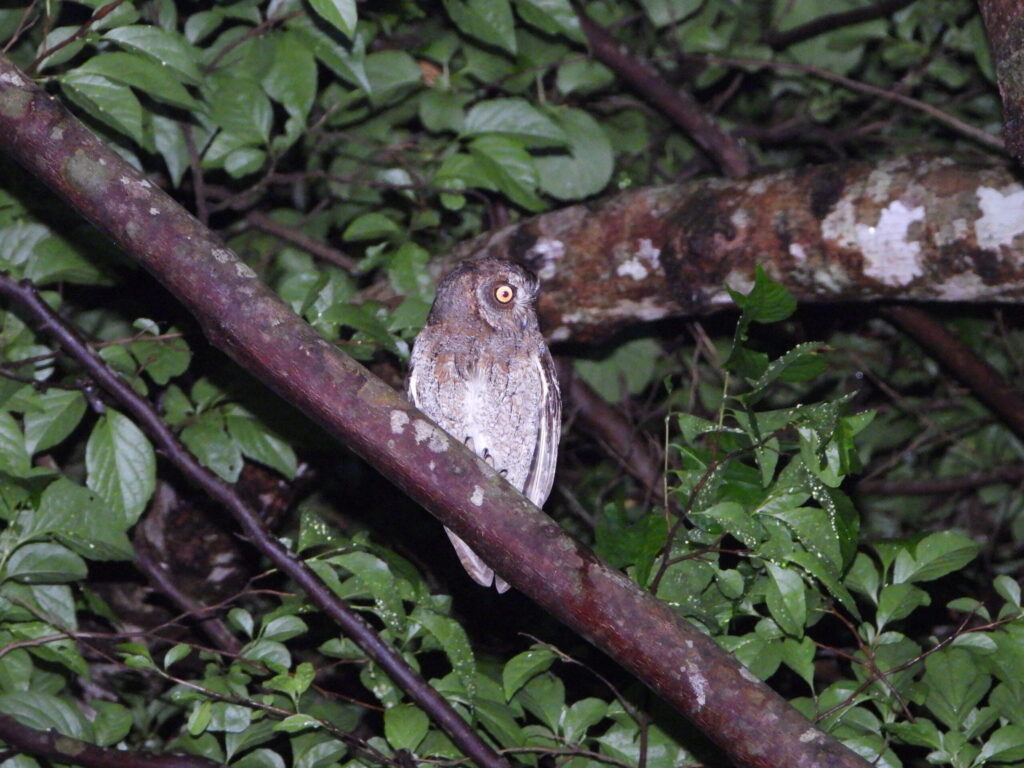
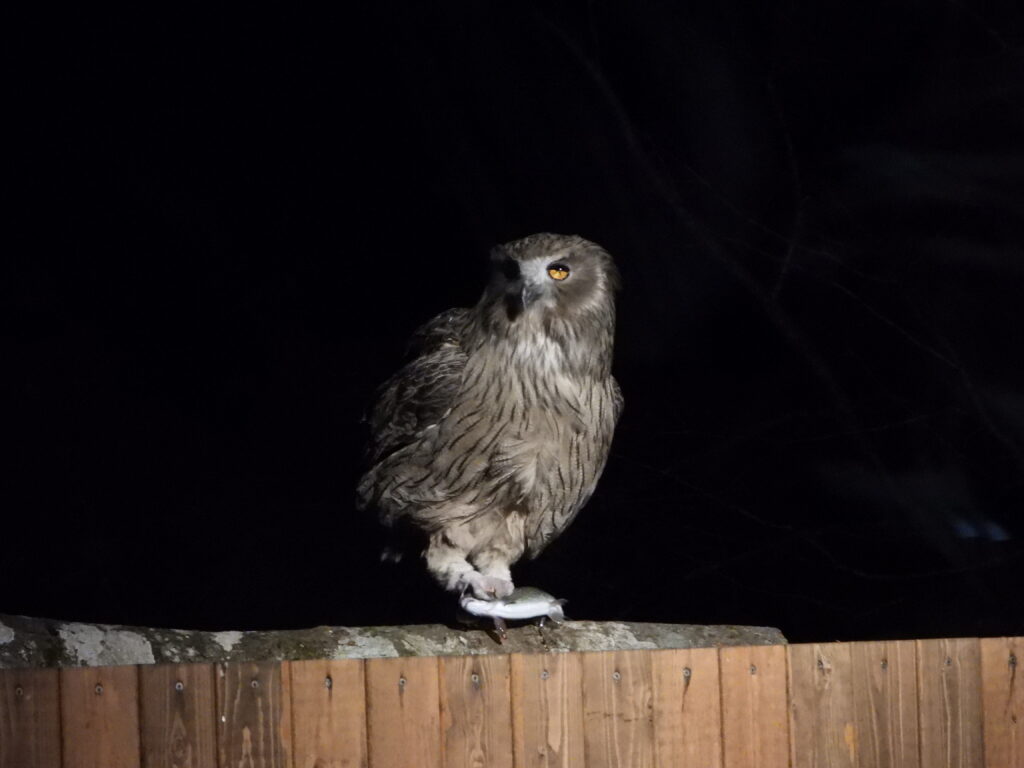
Owls are the most well-known nocturnal birds in Japan.
Many owl species hunt at night using excellent hearing and are often detected by their calls rather than by sight. They inhabit forests as well as green spaces near cities.
The best time to notice owl activity is usually from sunset through early night.
Night-Active Insects
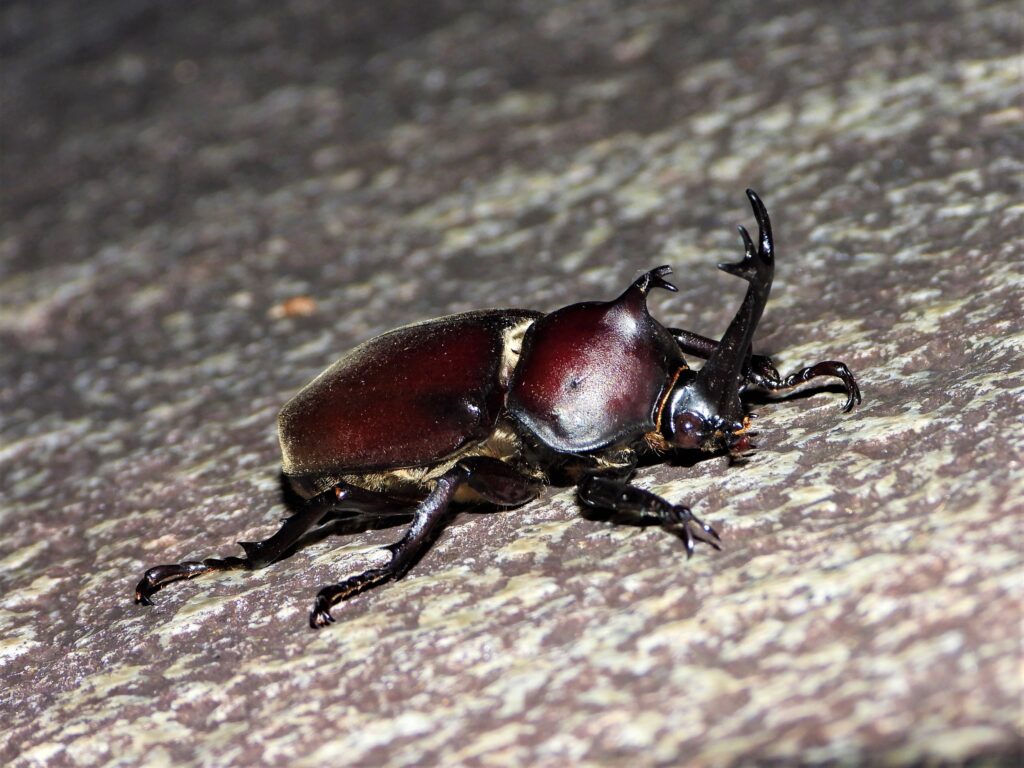
Japan has rich nighttime insect activity, especially during warmer months.
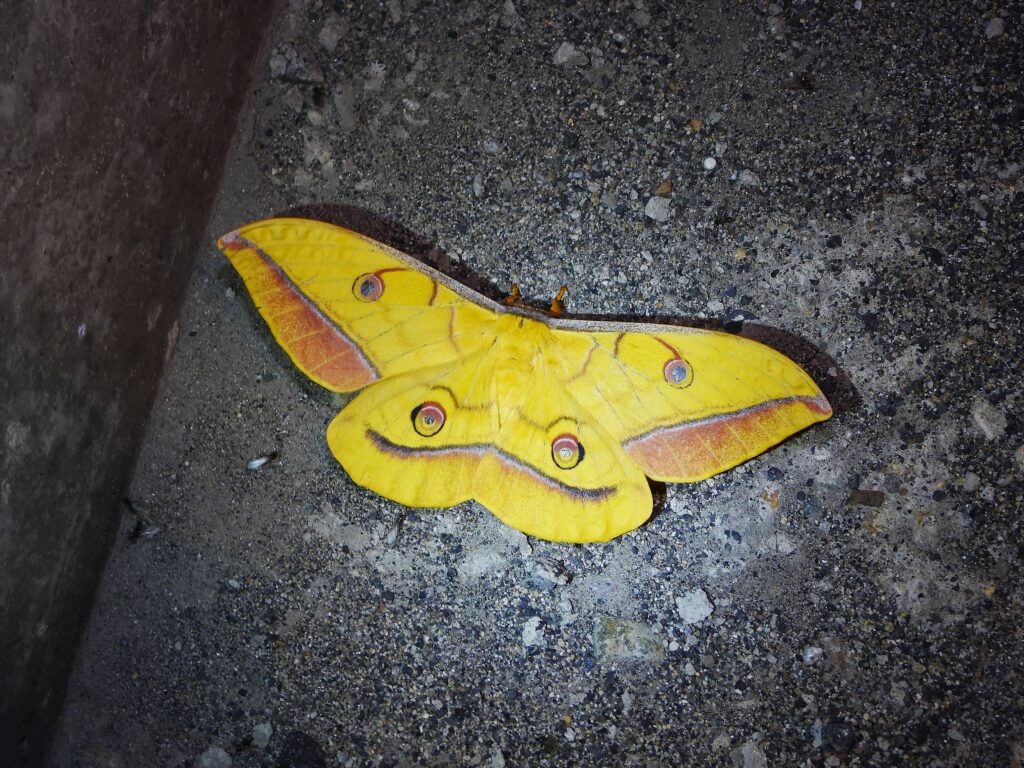
Many moths and beetles rest during the day and become active after dark. Streetlights, park lighting, and vending machines often attract insects, making even urban areas good places to observe night insects.
Night-Active Amphibians
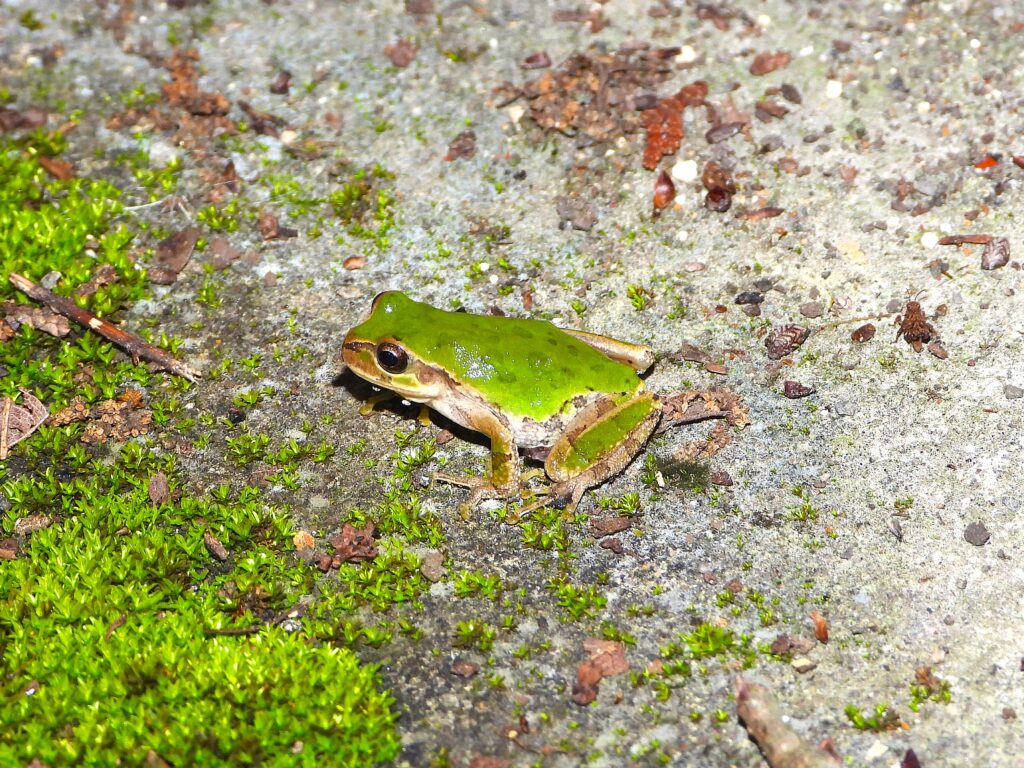
Amphibians become more noticeable at night.
Frogs, in particular, are more active after dark. During breeding seasons, their calls can be heard clearly around ponds, rivers, and wetlands, even when the animals themselves are not visible.
Reptiles Seen at Night
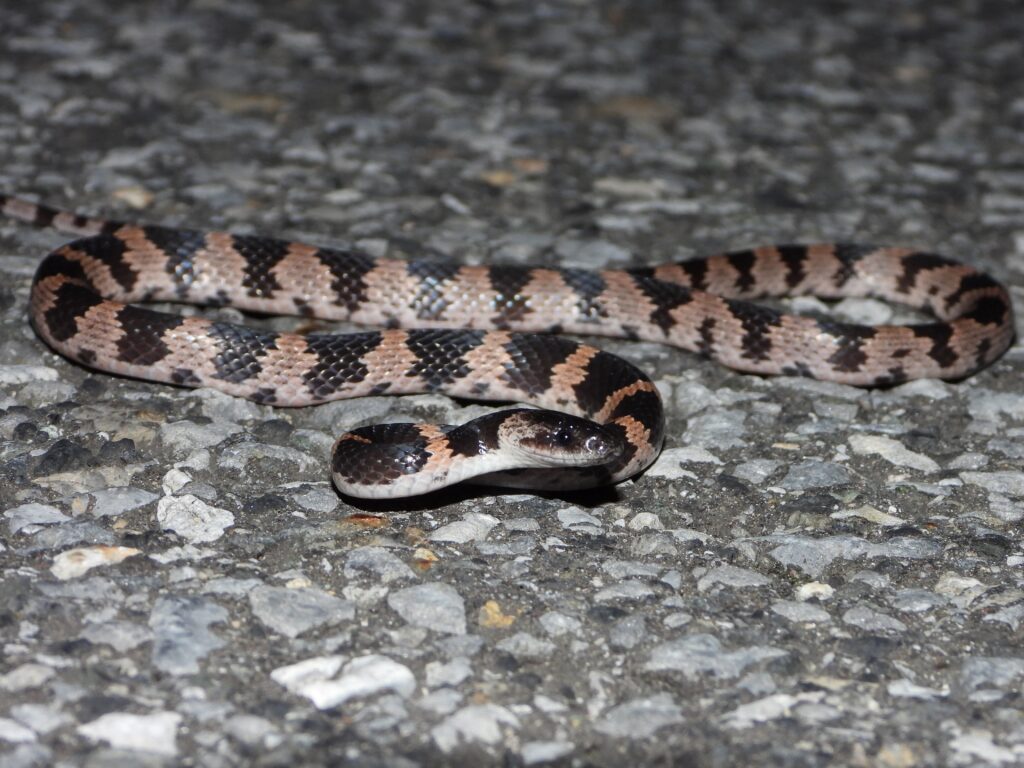
Activity patterns of reptiles vary by species and season, but some are commonly observed at night.
Geckos are well known for nighttime activity and are frequently seen on walls and buildings in residential areas, where they hunt insects attracted to lights.
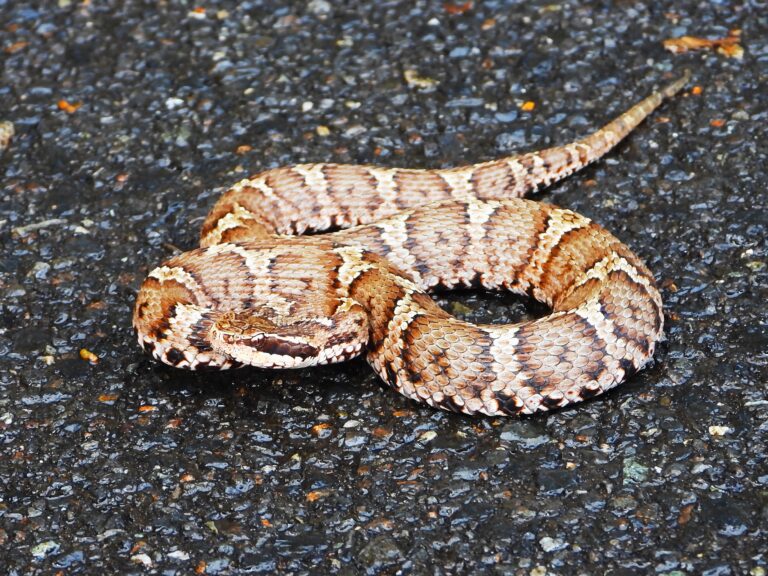
Snakes are not strictly nocturnal, but some may be encountered at night, especially during warm seasons. They may be seen crossing roads or moving quietly through grass or forest edges. Careful attention to footing is important after dark.
Where to See Nocturnal Animals in Japan
You do not need remote wilderness to see night wildlife.
Good places include:
- Forest edges
- Riversides and wetlands
- Farmland near wooded areas
- Suburban green spaces close to natural habitat
Choose areas with good visibility and avoid entering dense vegetation at night.
Best Time to See Nocturnal Animals in Japan
For many animals, activity increases just after sunset and before sunrise.
Late night hours are not always the most productive. Periods when light conditions are changing often provide better chances for encounters. This pattern is common but not universal for all species.
Safety and Ethics
Night wildlife watching in Japan can be done safely with basic precautions.
Stay on public paths, do not approach large animals, avoid shining strong lights directly at animals, never feed wildlife, and leave space if an animal changes its behavior. Quiet observation and respect for animals and habitats are essential.
Final Thoughts
Wildlife in Japan does not disappear after dark. Instead, night reveals a different side of the natural world.
With the right locations, timing, and respect for wildlife, nocturnal animals can be observed even near cities. Nighttime offers a unique and often overlooked way to experience Japan’s biodiversity.
Related Articles
If you would like to explore more wildlife topics in Japan, these related guides may also be helpful:
- Best Time to See Wildlife in Japan
Learn how daily and seasonal activity patterns affect when animals are most likely to appear. - Wildlife Watching in Japan: Rules, Etiquette, and Safety Tips
Essential guidelines for observing wild animals responsibly and safely in Japan. - Giant Moths of Japan – The Complete Guide to Japan’s Emperor and Silkmoths
A detailed look at some of Japan’s most impressive nocturnal insects and when to see them. - Japan Animals – Complete Guide to Wildlife in Japan
An overview of Japan’s native animals, habitats, and wildlife diversity across the country. - Wild Animals You Can See in Japan – Wildlife of Japan
A practical introduction to common wild animals that visitors are most likely to encounter.