
Dangerous Animals in Japan: What Travelers Need to Know
Japan is widely known as one of the safest countries in the world — and that includes its wildlife. Serious animal attacks are rare. However, there are several potentially dangerous animals in Japan that hikers and travelers should know about, especially in mountains, forests, and wetlands.
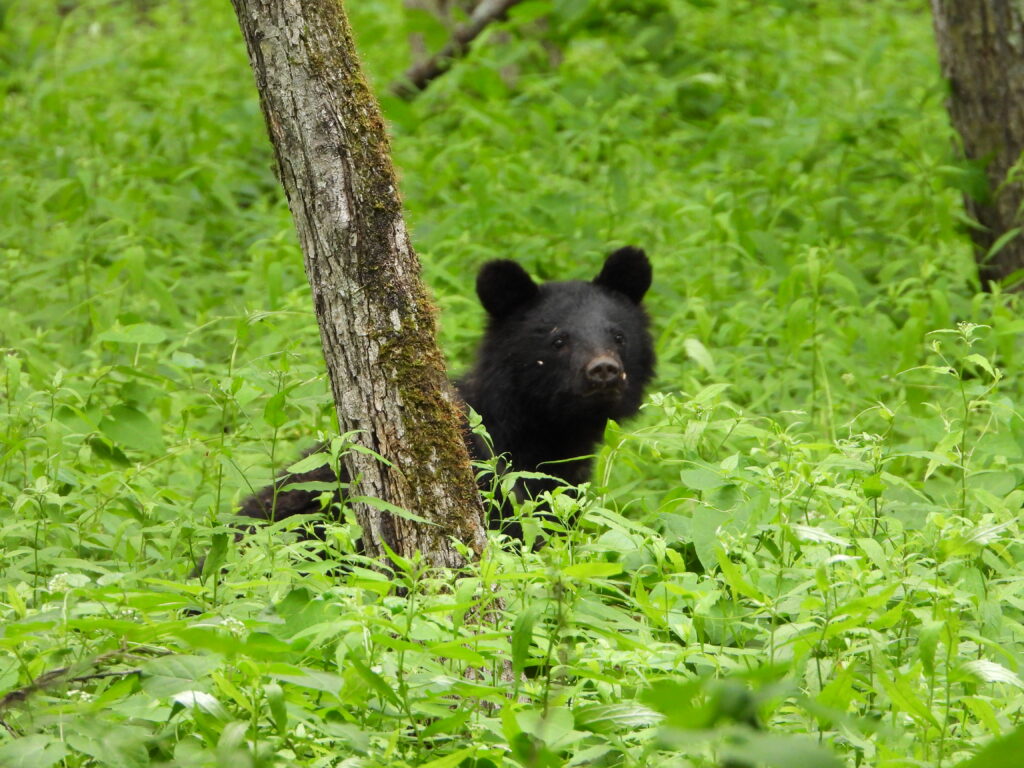
Through my own wildlife field observation in Japan, I have unexpectedly encountered bears and wild boars at close range — even coming face-to-face around a bend on a mountain trail. While observing in wetlands, I have spotted venomous snakes nearby, and after walking through dense brush, I once found ticks covering my clothing.
In each situation, the animals were not actively attacking — the risk came from surprise and proximity. Understanding how wildlife behaves, and knowing how to respond calmly, makes a significant difference.
This guide explains the main wildlife risks in Japan and how to stay safe while exploring the outdoors. If an emergency occurs, dial 119 for an ambulance anywhere in Japan.
Are There Dangerous Animals in Japan?
Yes — but the overall risk is low.
Japan does have several potentially dangerous animals, including bears, wild boars, venomous snakes, and hornets. However, serious attacks are rare, and fatalities are uncommon compared to many other countries.
In fact, hornets cause more deaths annually than large mammals such as bears. Most wildlife incidents happen when animals are surprised, cornered, or accidentally provoked.
For hikers and travelers, awareness is far more important than fear. With basic precautions, outdoor exploration in Japan remains very safe.
Wildlife Risk Overview in Japan
Below is a quick overview of the main wildlife risks travelers may encounter in Japan.
Bears (Asian Black Bear & Brown Bear)
Main Danger: Defensive attacks when surprised at close range
Where Found: Honshu and Shikoku (Asian Black Bear); Hokkaido (Brown Bear)
Wild Boars
Main Danger: Charging when cornered or threatened
Where Found: Forests, farmland, rural areas, and some suburban areas
Venomous Snakes
Main Danger: Venomous bites
Where Found: Forests, grasslands, wetlands, rice fields, and other suitable habitats depending on the species
Hornets (Suzumebachi)
Main Danger: Multiple stings and severe allergic reactions
Where Found: Throughout much of Japan, especially around forests and rural areas
Ticks
Main Danger: Disease transmission
Where Found: Forests, grasslands, wetlands, and areas with abundant wildlife
Bears in Japan: Asian Black Bear & Brown Bear
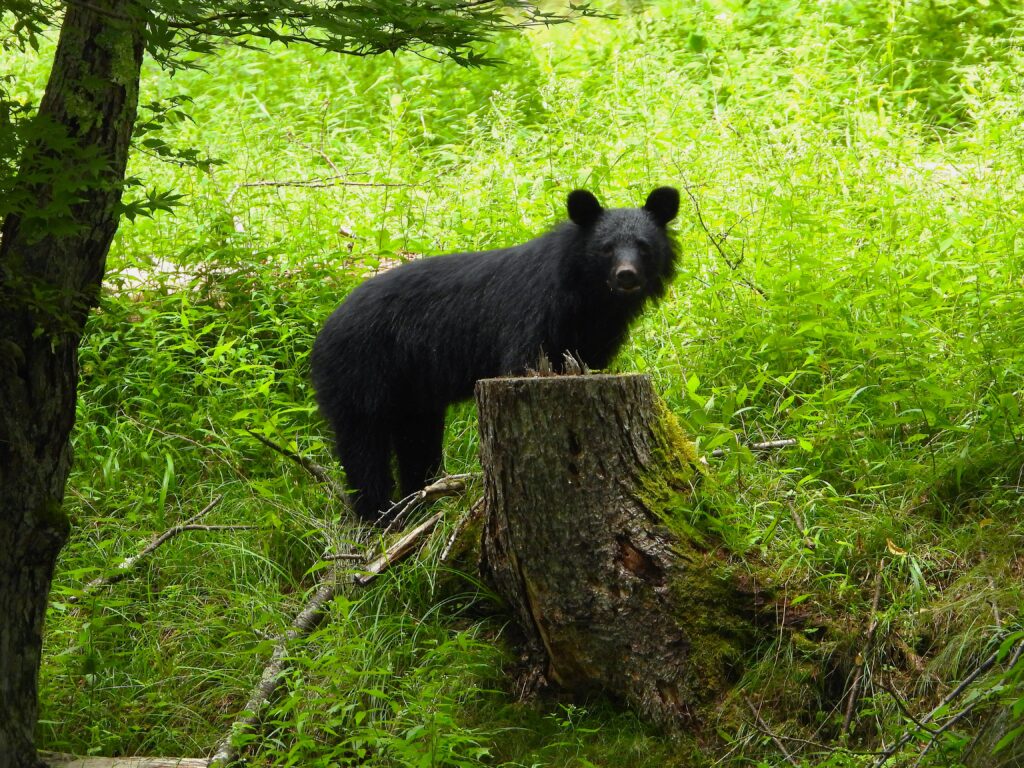
Asian black bears are found in Honshu and Shikoku, while brown bears live in Hokkaido. These are Japan’s largest land predators, and encounters can be dangerous if a bear is surprised at close range.
Bear sightings have increased in some rural areas in recent years, particularly when natural food is scarce. However, most bears avoid people, and serious encounters remain uncommon.
Safety tips:
- Make noise on forested trails and avoid hiking alone.
- Store food securely and never feed wildlife.
- If you see a bear, stay calm, back away slowly, and never run.
▶ Japanese Black Bear in Japan: Habitat, Safety & Range
Wild Boars in Japan (Sus scrofa)
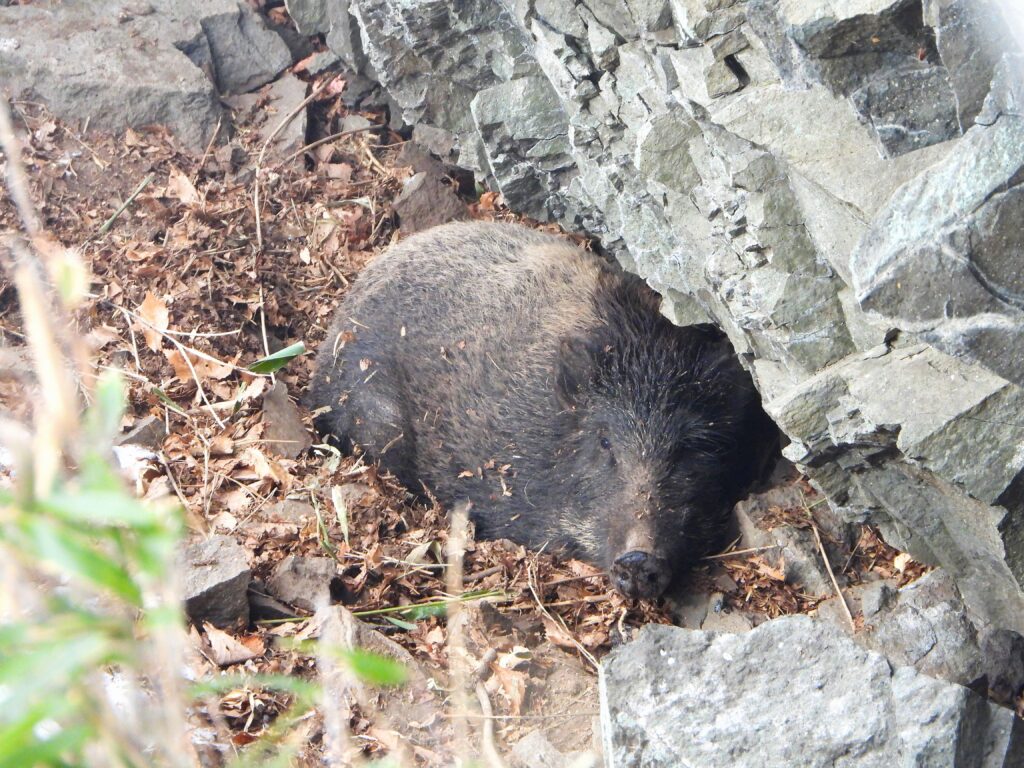
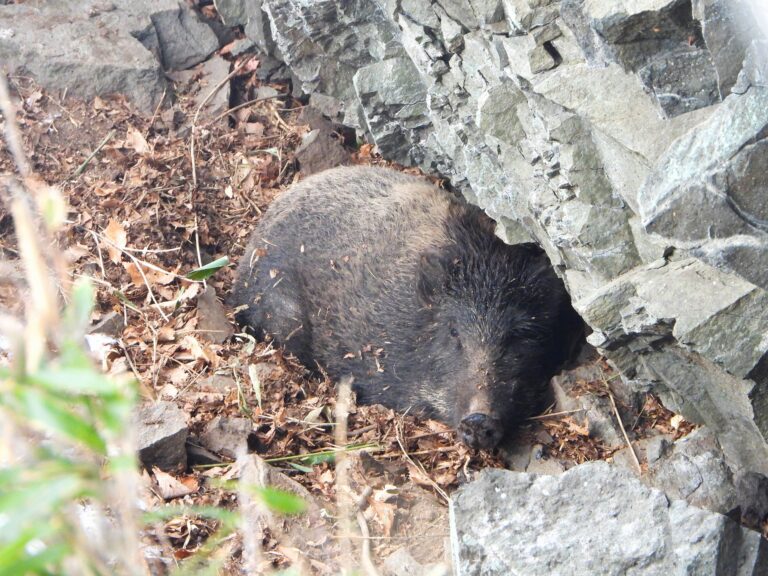
Wild boars are widespread in satoyama forests, farmland edges, and even suburban areas in Japan. They are powerful animals and can become dangerous when surprised at close range, cornered, or protecting their young.
Safety tips:
- Keep your distance and never approach or feed them.
- If you encounter one, stay calm and slowly back away.
- Use natural barriers such as trees or fences if threatened.
▶ Wild Boars in Japan – Dangers, Safety Tips & What to Do
Japanese Mamushi (Gloydius blomhoffii)
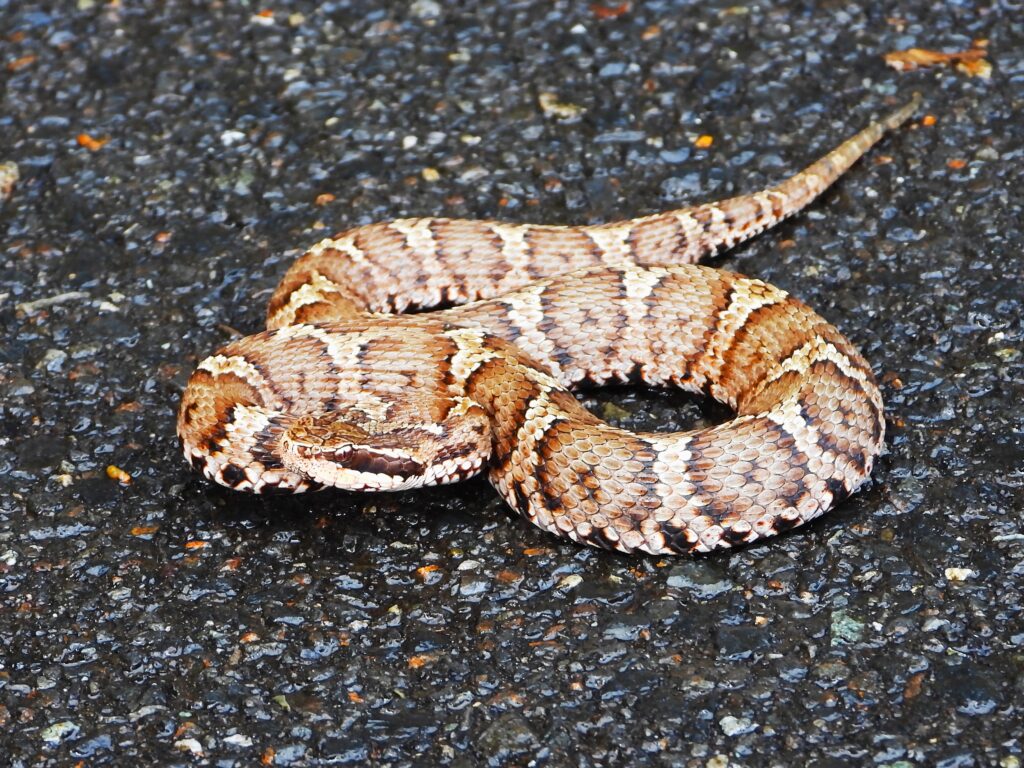
The mamushi is Japan’s most common venomous snake and causes the majority of snakebites. Its venom can lead to swelling, severe pain, and occasionally life-threatening complications.
Although bites are painful and require medical treatment, fatalities are rare with prompt hospital care.
Safety tips:
- Watch your step in grassy areas, rice fields, and stone walls.
- If bitten, call 119, keep the victim still, and remove rings or watches.
- Do not cut, suck, apply ice, or use a tourniquet.
▶ Japanese Mamushi Snake: Identification, Habitat & Behavior
Tiger Keelback (Rhabdophis tigrinus)
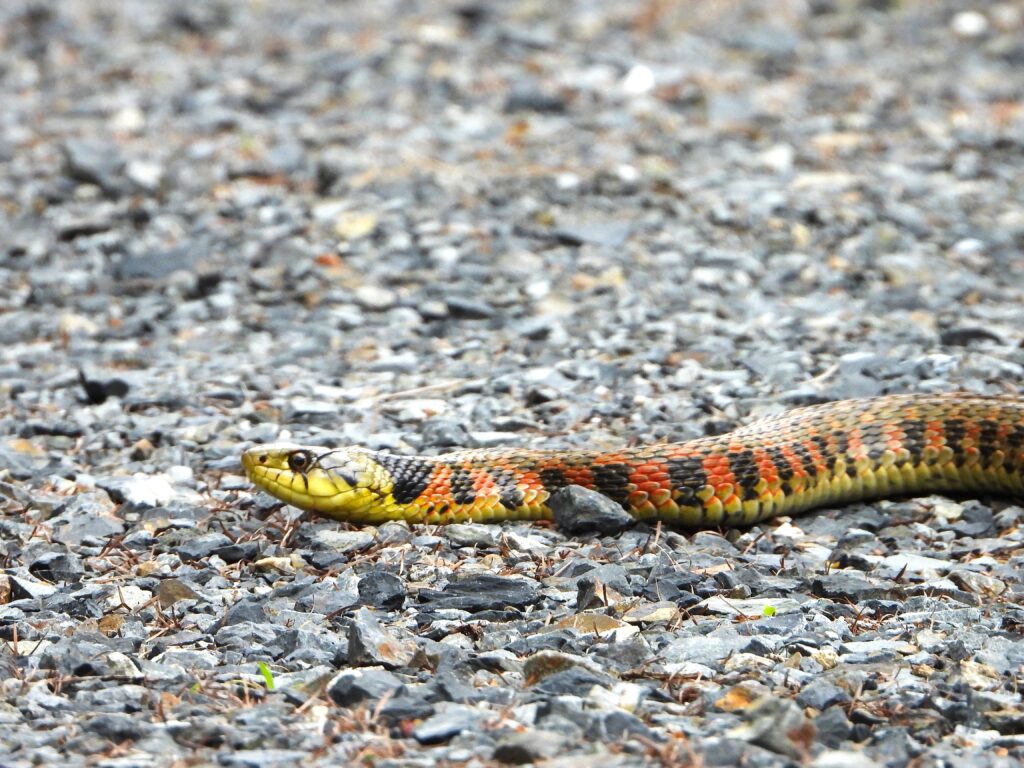
A rear-fanged snake often overlooked, the Tiger Keelback carries potent venom that can disrupt blood clotting and cause dangerous bleeding. It is usually found near rivers, ponds, and rice paddies.
Safety tips:
- Treat every bite as a medical emergency.
- Keep the limb immobilized and get hospital care immediately.
▶ Tiger Keelback (Rhabdophis tigrinus): Venomous Snake of Japan
Compare Japan’s venomous snake species, regional distribution, and bite safety in the complete guide below.
▶ Venomous Snakes in Japan: Species, Regions & Safety
Hornets in Japan (Vespa spp.)
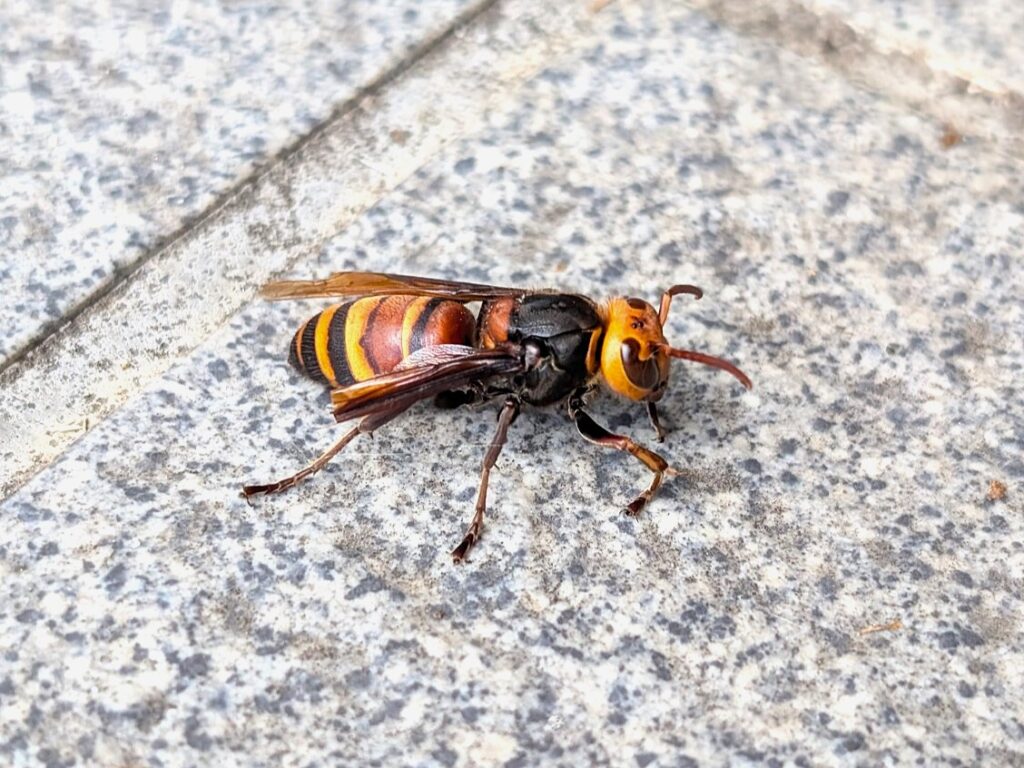
Japan is home to several species of hornets, including the Asian Giant Hornet (Vespa mandarinia) and the Black-tailed Hornet (Vespa ducalis). Hornets can aggressively defend their nests, and multiple stings or a severe allergic reaction can be life-threatening.
Nests may be built underground, in tree cavities, under roofs, or in other sheltered places depending on the species. Extra caution is needed around forests, rural areas, and places where hornets are repeatedly flying to and from the same location.
Hornet and other bee or wasp stings cause fatal accidents in Japan each year, making stinging insects one of the country’s most important wildlife risks.
Safety tips:
- Never approach or disturb a hornet nest.
- If a hornet approaches you, stay calm and move away slowly without swatting at it.
- Multiple stings or symptoms of a severe allergic reaction require immediate medical attention.
▶ Black-tailed Hornet (Vespa ducalis) – Wildlife of Japan
Ticks in Japan (Ixodidae)
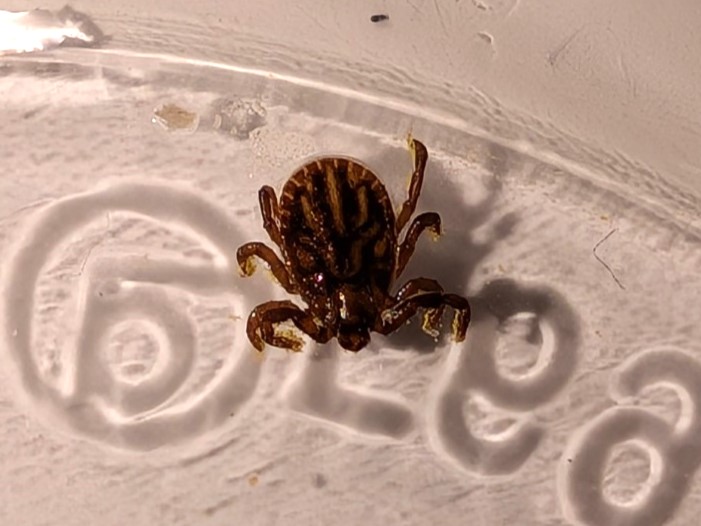
Small but potentially dangerous, hard ticks in Japan can transmit SFTS (Severe Fever with Thrombocytopenia Syndrome), Japanese spotted fever, and Lyme disease. They are common in tall grass, forest trails, and areas with wildlife such as deer and wild boar. Tick bites can occur even in suburban parks.
Safety tips:
- Wear long sleeves and tuck pants into socks.
- Use insect repellent and avoid brushing against tall vegetation.
- After hiking, shower and check your body, clothing, and gear carefully.
- Remove attached ticks carefully with fine-tipped tweezers. Do not squeeze them with your fingers.
- Watch for fever, rash, or fatigue after a bite and seek medical advice if symptoms appear.
▶ Ticks in Japan: How to Avoid Bites & Stay Safe
Wildlife Safety Checklist in Japan
- Stick to marked trails and avoid wandering into tall grass or dense brush, especially in rural and mountain areas.
- Make noise while hiking in forested regions to avoid surprising bears or wild boars.
- Hike with a companion whenever possible, particularly in remote areas.
- Wear long sleeves and long pants to reduce tick exposure.
- Never approach or feed wild animals, even if they appear calm.
- Carry basic first-aid supplies, enough water, a fully charged phone, and a map or offline map.
- Check local wildlife advisories before visiting mountainous or remote areas.
Frequently Asked Questions
Are there dangerous animals in Japan?
Yes, but the overall risk to travelers is low. Japan is home to bears, wild boars, venomous snakes, hornets, ticks, and other wildlife that can be dangerous in certain situations. Most serious incidents occur when animals are surprised, approached too closely, or disturbed.
Are bears common on hiking trails in Japan?
Bear activity varies greatly by region and season. Bears live in many mountainous areas of Honshu and Shikoku, while brown bears are found in Hokkaido. Encounters are less likely on busy trails, but hikers should still check local bear advisories, make their presence known, and avoid surprising a bear at close range.
What should I do if a hornet follows me?
Stay calm, do not swat at the hornet, and move away from the area carefully. If several hornets appear or behave defensively, you may be close to a nest and should leave immediately. Multiple stings or symptoms such as difficulty breathing, dizziness, or widespread swelling require urgent medical attention.
Which snake is more dangerous in Japan: Mamushi or Tiger Keelback?
Both are venomous and should be treated seriously. Mamushi are responsible for many venomous snakebites in mainland Japan, while Tiger Keelback venom can cause severe bleeding and blood-clotting problems. Any suspected venomous snake bite requires prompt medical treatment.
▶ Venomous Snakes in Japan: Species, Regions & Safety
Do I really need to check for ticks after hiking in Japan?
Yes. Ticks can be difficult to notice and may attach after walking through grass, brush, forests, or other areas with wildlife. After hiking, check your skin and clothing carefully, including behind the knees, around the waist, under the arms, and around the scalp and neck.
What is the most dangerous animal in Japan?
There is no single answer because the risk depends on how “dangerous” is measured. Bears can cause severe injuries during close encounters, while hornet, wasp, and bee stings can cause fatal allergic reactions. Venomous snakes and ticks also pose important risks in certain regions and habitats.
For a comparison based on actual incidents, physical danger, and the likelihood of encountering each animal, see the ranking below.
▶ Top 10 Most Dangerous Animals in Japan
Is Japan safe for hiking and camping?
Yes. Japan is generally very safe for hiking, camping, and wildlife watching. However, anyone entering mountains, forests, or remote areas should check local wildlife information, stay on marked trails, avoid feeding animals, and know what to do if wildlife is encountered.
Do I need bear spray in Japan?
It depends on where you are going. Bear spray is worth considering in areas with known bear activity, especially remote mountain regions and parts of Hokkaido. In higher-risk destinations such as Shiretoko, official guidance strongly recommends carrying bear spray. Always check local bear information before hiking and learn how to use the spray before entering bear habitat.
What is Japan’s emergency number?
Dial 119 for an ambulance or fire service in Japan. For police assistance, dial 110.
Conclusion
Japan’s wilderness is stunning — and remarkably safe when approached with awareness and respect. Dangerous animals in Japan do exist, but serious incidents are rare and many encounters can be avoided with basic preparation.
From unexpected encounters with bears and wild boars on mountain trails to spotting venomous snakes in wetlands, I’ve learned that knowledge makes all the difference. Staying calm, prepared, and observant allows you to experience Japan’s natural beauty with confidence.
Respect nature, not fear it — and let the outdoors become one of the most memorable parts of your journey in Japan.
Related Articles
For more detailed information about dangerous wildlife and outdoor safety in Japan, see these guides:
▶ Top 10 Most Dangerous Animals in Japan
▶ Venomous Snakes in Japan: Species, Regions & Safety
▶ Japanese Black Bear in Japan: Habitat, Safety & Range