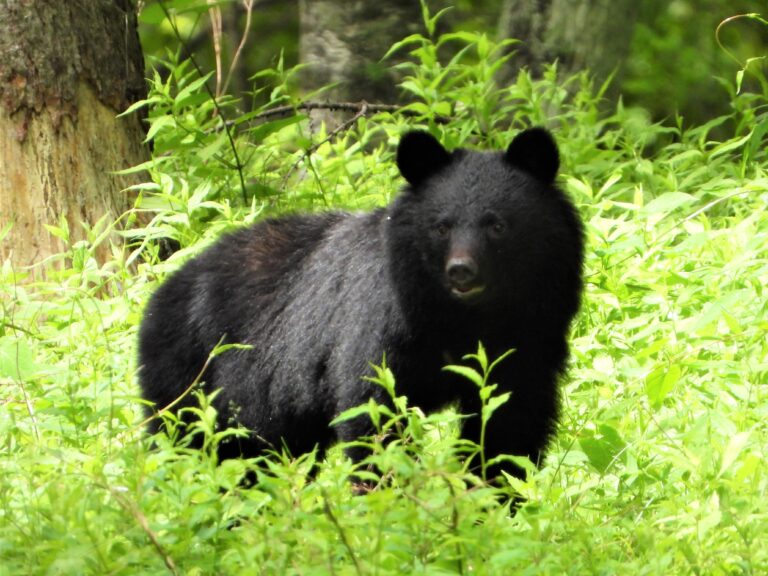

Top 10 Most Dangerous Animals in Japan
Introduction
Japan is famous for being one of the safest countries in the world. However, once you step into forests, mountains, farmland, or even suburban parks, some wildlife can become genuinely dangerous.
This ranking introduces the top 10 most dangerous animals in Japan based on practical risk rather than fatalities alone. The ranking considers:
- Actual incidents and recorded harm
- Venom strength or physical danger
- How serious an encounter can become
- How likely travelers and hikers are to encounter each animal
Because different animals pose different types of risk, there is no single official answer to which animal is the most dangerous in Japan. Bears can cause devastating injuries in close encounters, while hornets and other stinging insects are responsible for fatal accidents each year.
This list focuses only on land animals. Sea creatures are not included. By understanding the risks and knowing how to behave around wildlife, you can enjoy Japan’s nature safely and respectfully.
▶ Dangerous Animals in Japan: What Travelers Need to Know
1. Bears in Japan (Brown Bear and Asian Black Bear)
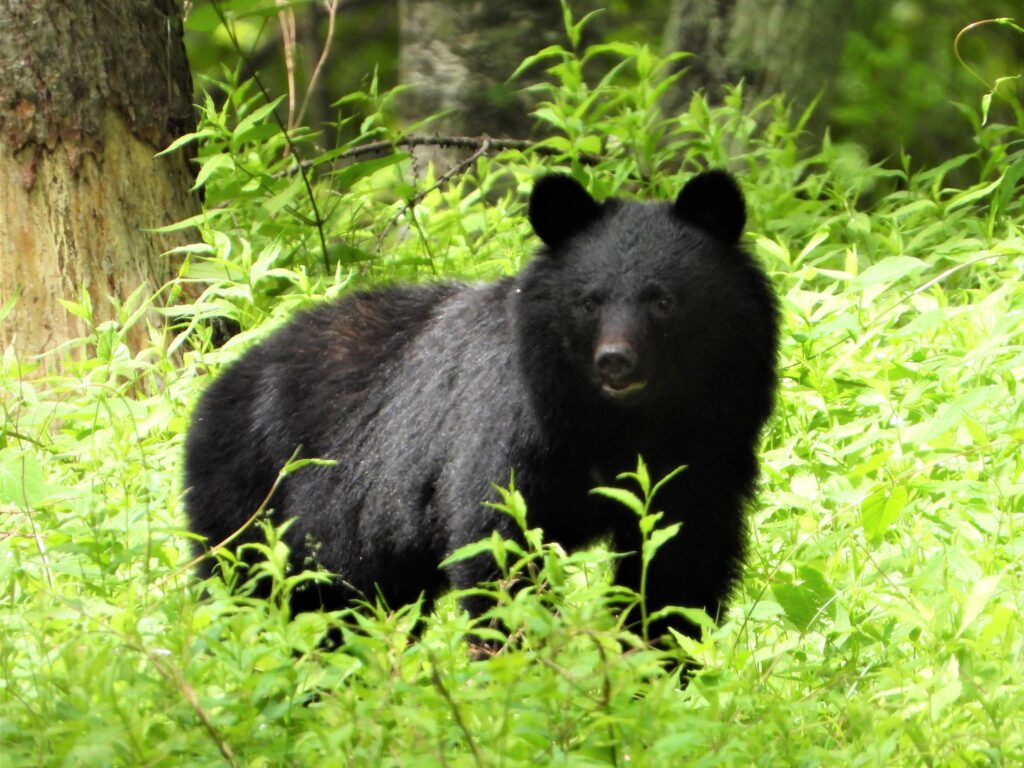
Japan has two bear species: the Brown Bear (Ursus arctos) in Hokkaido and the Asian Black Bear (Ursus thibetanus) on Honshu and Shikoku.
Bears rank first on this list because a close encounter can result in extremely serious injuries, and bear-related conflicts have become a growing concern in several parts of Japan. Bear distribution has expanded in some regions, and sightings near towns, farmland, and other human-use areas have increased in recent years.
To stay safe in bear habitats:
- Check local bear sightings and advisories before hiking.
- Hike in groups when possible and make your presence known on forest trails.
- Avoid leaving food or trash that may attract bears.
- If you see fresh tracks, scat, or other signs of recent bear activity, consider turning back.
- If you encounter a bear, stay calm, do not run, and slowly back away.
▶ Japanese Black Bear in Japan: Habitat, Safety & Range
2. Hornets in Japan (Especially Asian Giant Hornet)
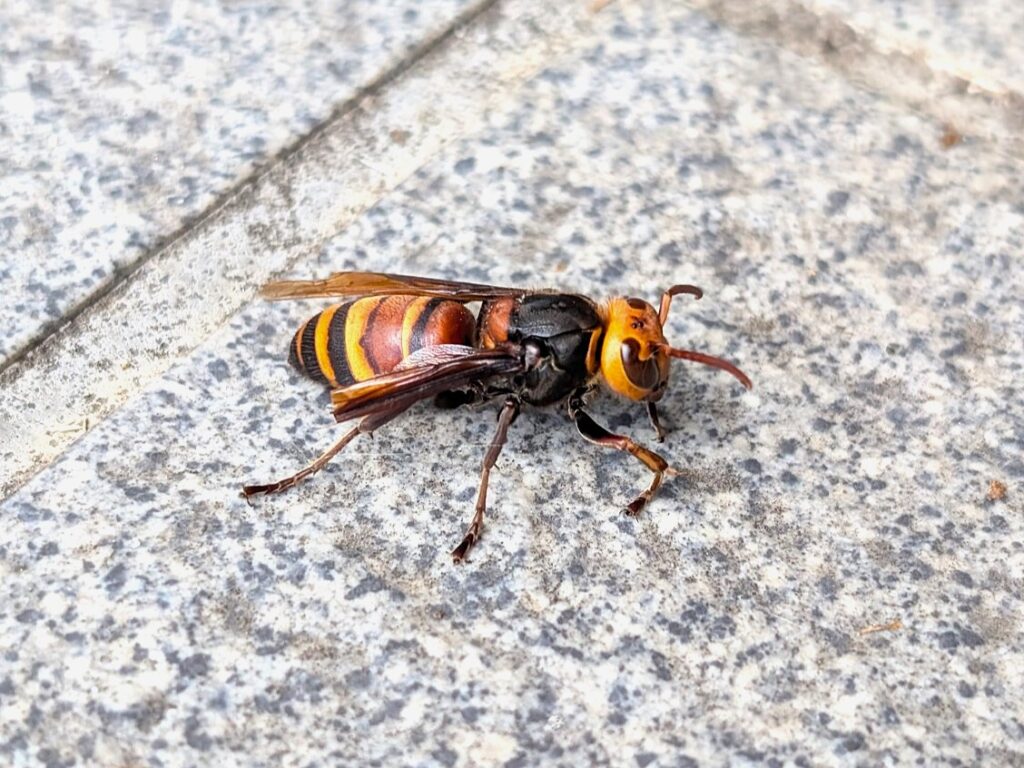
Hornets rank second because stings can become life-threatening, particularly after multiple stings or a severe allergic reaction. Japan is home to several hornet species, including the Asian Giant Hornet (Vespa mandarinia).
Hornets are especially active during the warmer months and may aggressively defend nests when people approach too closely.
They are often encountered:
- Along forest edges and mountain trails
- Around rural areas and mountain villages
- Near trees, shrubs, buildings, or underground nest sites
Safety tips:
- Never approach or disturb a hornet nest.
- If hornets begin flying aggressively around you, stay calm and leave the area without swatting at them.
- Multiple stings or symptoms such as difficulty breathing, dizziness, or widespread swelling require immediate medical attention.
▶ Black-tailed Hornet (Vespa ducalis) – Wildlife of Japan
3. Habu Vipers in Okinawa and Amami
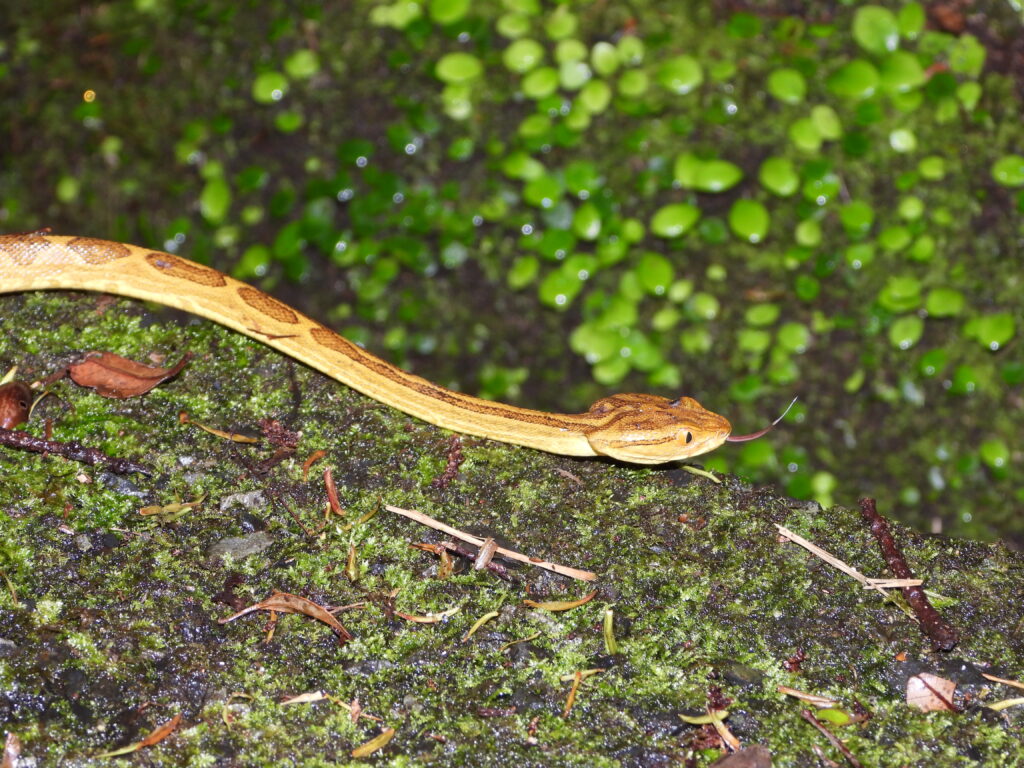
Habu vipers rank third because they are highly venomous and can live surprisingly close to people in parts of southern Japan. They are mainly a concern in Okinawa and the Amami Islands rather than across the whole country.
Several venomous snakes are commonly referred to as habu, including the Okinawa Habu (Protobothrops flavoviridis), Sakishima Habu (Protobothrops elegans), and Hime-habu (Ovophis okinavensis).
Habu bites can cause intense pain, severe swelling, and serious tissue damage. Fatalities are now uncommon with prompt medical treatment, but any suspected bite requires immediate hospital care.
Safety tips:
- Wear closed shoes and long pants, especially at night.
- Carry a flashlight after dark.
- Avoid reaching into stone walls, thick vegetation, or other hidden spaces.
- If bitten, stay calm and seek medical treatment immediately.
▶ Habu Vipers in Japan: Species, Habitat & Safety
4. Mamushi (Japanese Pit Viper)
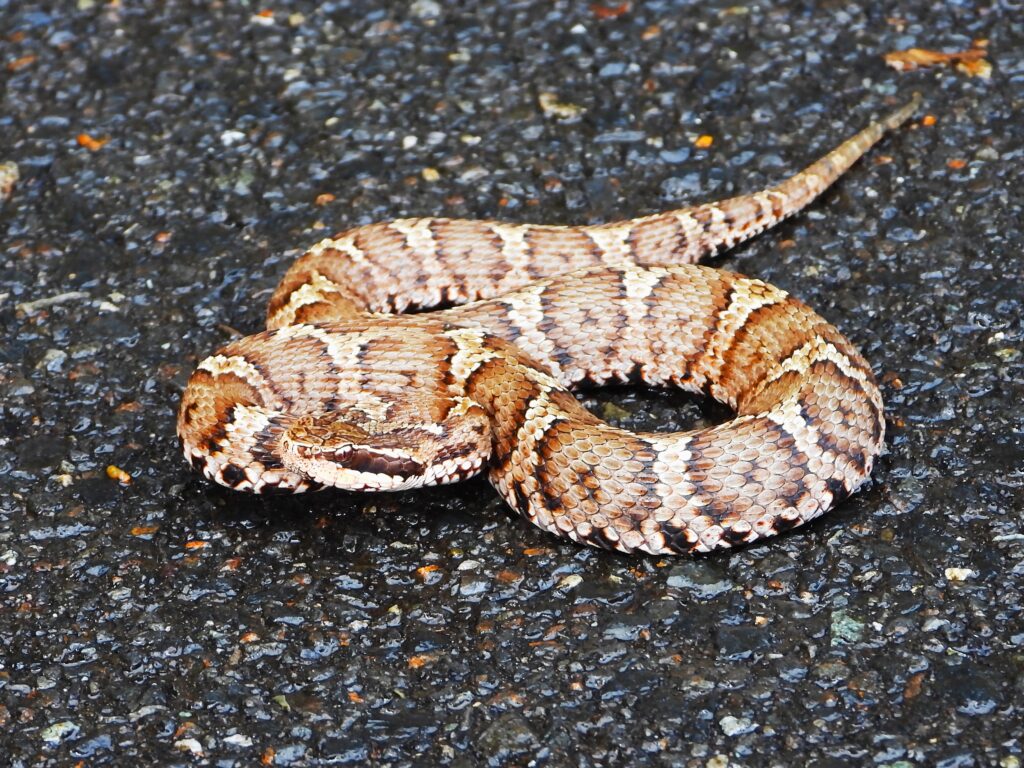
The Japanese Mamushi (Gloydius blomhoffii) ranks fourth because it is one of the venomous snakes most likely to be encountered across mainland Japan and is responsible for many medically significant snakebites.
Mamushi are found in forests, grasslands, rice fields, riverbanks, and other damp or vegetated areas. Because they often remain motionless and rely on camouflage, people may accidentally step close to one before noticing it.
A bite can cause severe pain, swelling, and other serious complications, but prompt medical treatment greatly reduces the risk of a fatal outcome.
Safety tips:
- Watch your step in tall grass, rice fields, and other dense vegetation.
- Wear sturdy footwear and long pants when hiking.
- Never handle a mamushi, even if it appears calm or injured.
- If bitten, stay calm and seek medical treatment immediately.
▶ Japanese Mamushi Snake: Identification, Habitat & Behavior
5. Tiger Keelback (Rhabdophis tigrinus)
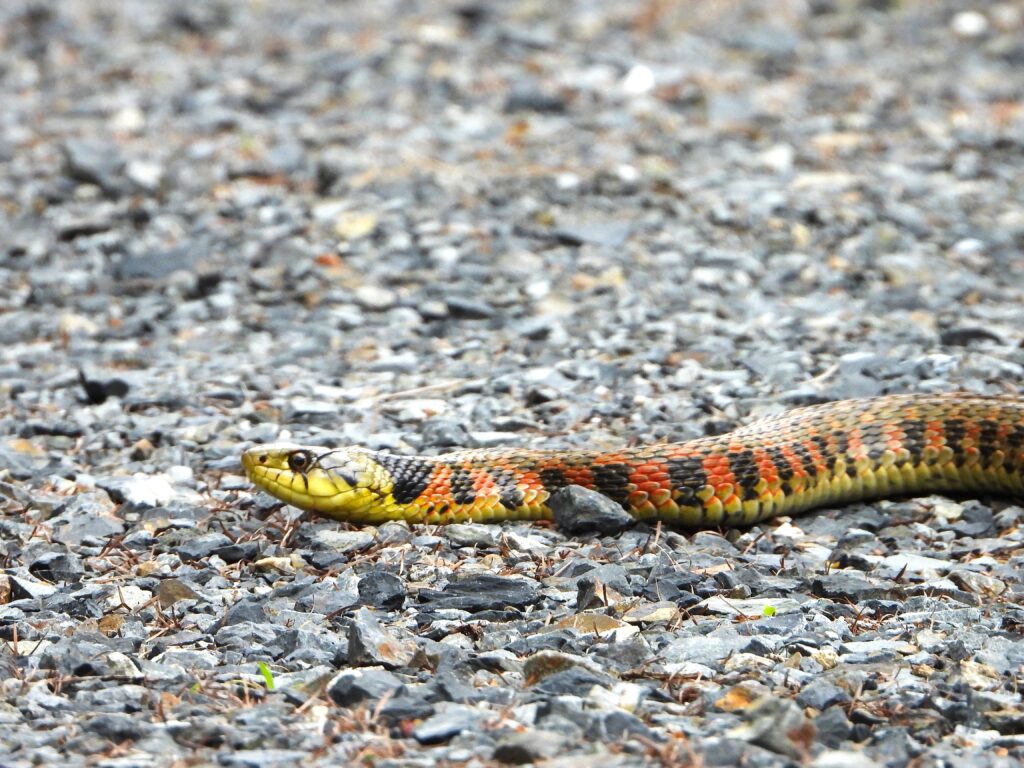
The Tiger Keelback ranks fifth because its venom can cause severe bleeding and serious blood-clotting problems, even though bites are less common than those from mamushi.
This snake is often found near rivers, ponds, rice fields, wetlands, and other areas with abundant frogs, which are an important part of its diet. It is generally not aggressive and usually tries to escape when disturbed.
However, its rear-fanged venom system means a bite can still become a medical emergency, especially if the snake bites firmly or for an extended period.
Safety tips:
- Never handle or deliberately approach a Tiger Keelback.
- Be careful around wetlands, rice fields, and riverbanks.
- Treat any suspected bite as a medical emergency.
- Seek hospital care immediately, even if symptoms are not severe at first.
▶ Tiger Keelback (Rhabdophis tigrinus): Venomous Snake of Japan
6. Ticks and Tick-borne Diseases
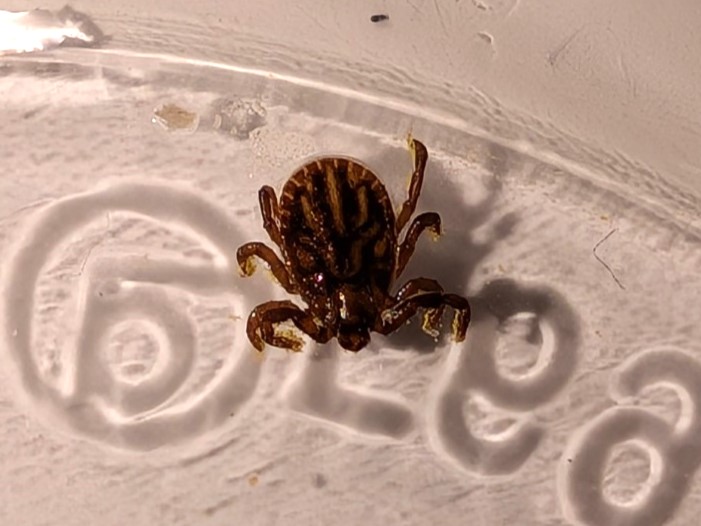
Ticks rank sixth because the danger is easy to underestimate. Unlike bears, snakes, or hornets, ticks usually do not cause an immediate dramatic encounter, but they can transmit serious diseases such as SFTS (Severe Fever with Thrombocytopenia Syndrome).
Ticks are found in grassy areas, forests, hiking trails, and places where wildlife such as deer and wild boar are common. Risk is generally higher during warmer months, but exposure can vary by region and season.
Safety tips:
- Wear long sleeves and tuck pants into socks or boots.
- Use insect repellent when walking through grass or forested areas.
- Check your skin, clothing, and gear carefully after outdoor activities.
- If you develop fever, rash, or unusual fatigue after a tick bite, seek medical advice.
▶ Ticks in Japan: How to Avoid Bites & Stay Safe
7. Wild Boar (Inoshishi)
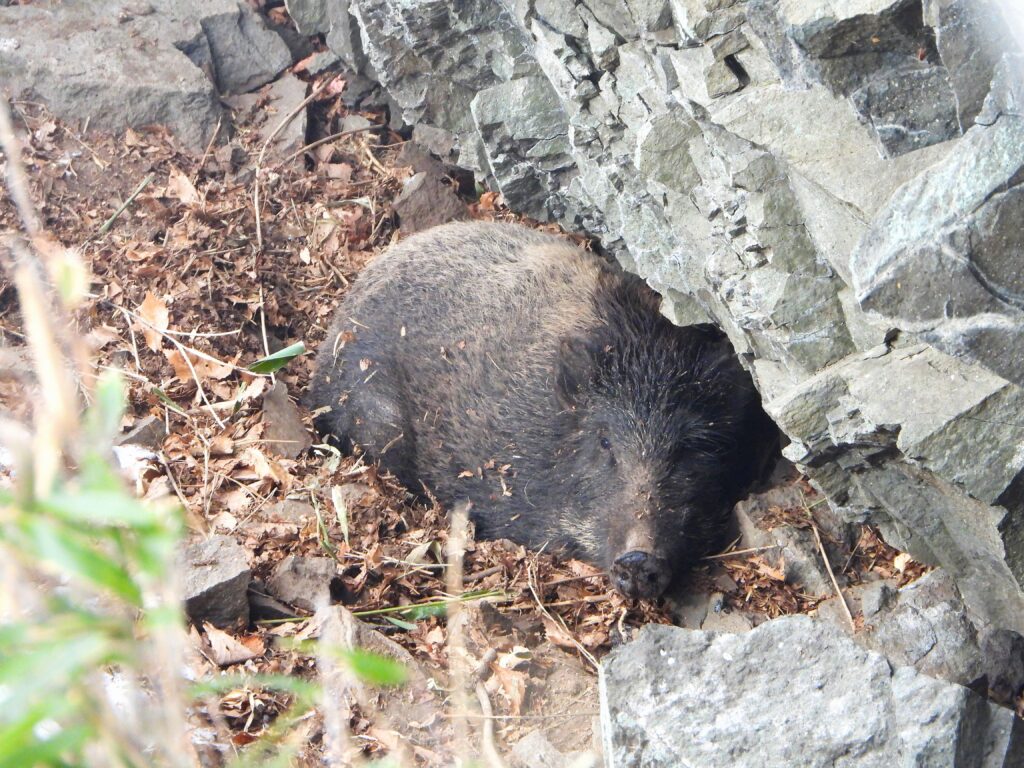
Wild boars rank seventh because they are widespread in Japan and can cause serious injuries if they charge at close range. They are usually wary of people, but may become dangerous when surprised, cornered, or protecting their young.
Their sharp tusks can cause deep wounds, and wild boars may be encountered not only in forests and farmland but also near residential and suburban areas.
Safety tips:
- Keep your distance and never approach a wild boar for photos.
- Do not block its escape route or corner the animal.
- Keep dogs leashed in areas where wild boars may be present.
- If you encounter one, stay calm and slowly move away.
▶ Wild Boars in Japan – Dangers, Safety Tips & What to Do
8. Japanese Macaque
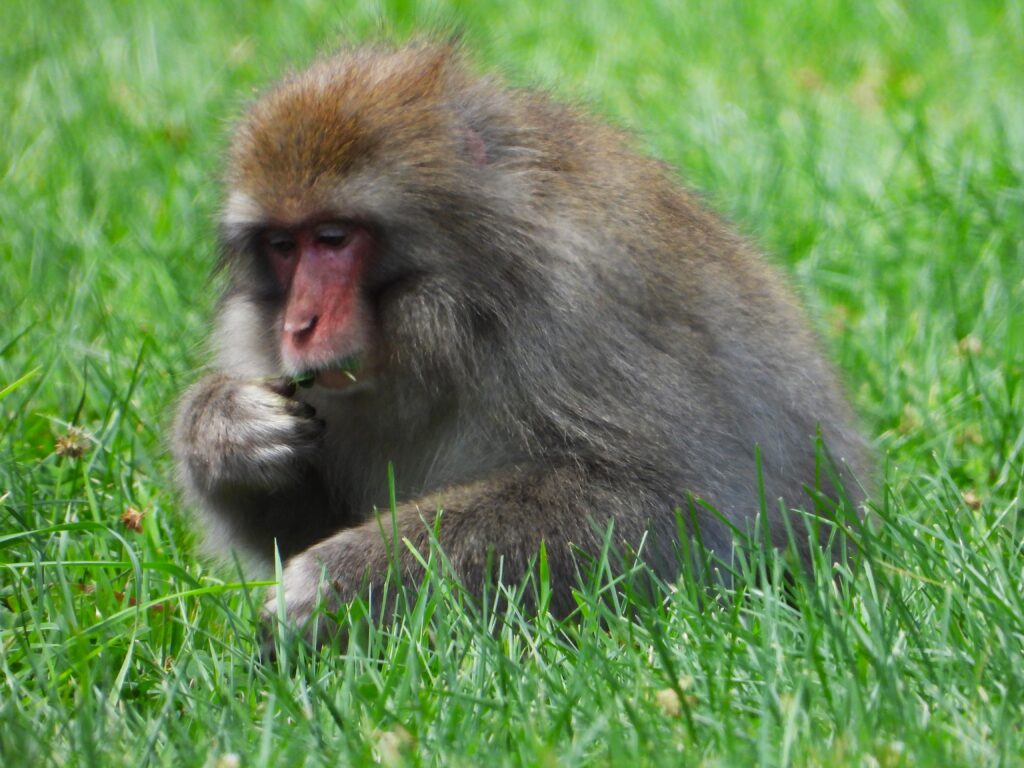
Japanese macaques (Macaca fuscata) rank eighth because they are widely encountered in some tourist areas and can become aggressive when they are fed, habituated to people, or feel threatened.
Most wild macaques avoid conflict, but food-conditioned monkeys may approach people closely, grab belongings, bite, or scratch. Problems are more likely in places where visitors ignore feeding rules or try to get too close for photos.
Safety tips:
- Never feed wild monkeys.
- Keep food and bags secured around macaques.
- Give them space and use zoom rather than approaching for photos.
- Avoid staring directly into their eyes or blocking their path.
- If a monkey approaches, stay calm and slowly move away.
▶ Are Japanese Monkeys Dangerous? Monkey Safety in Japan
9. Giant Centipedes (Mukade)
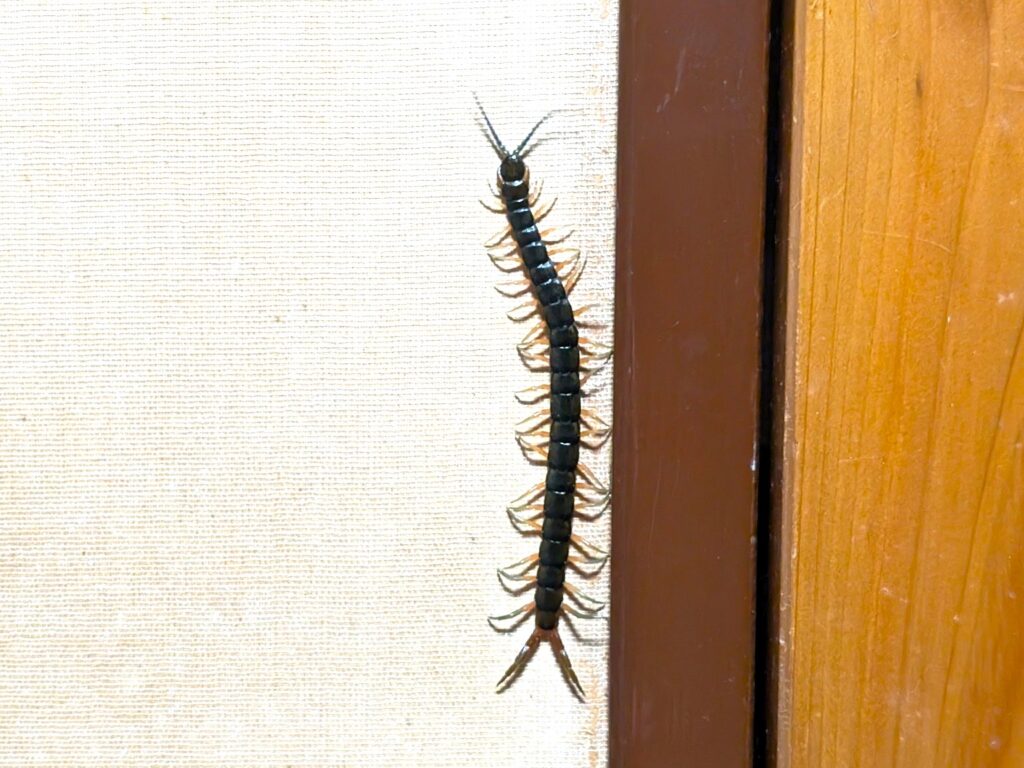
Large centipedes, known as mukade in Japan, rank ninth because their bites can cause intense pain, swelling, and inflammation. In rare cases, centipede venom can also trigger a severe allergic reaction.
Mukade are nocturnal and are commonly found in warm, humid environments. They may appear around forests, gardens, old houses, campsites, and other places where they can hide under rocks, fallen wood, or inside sheltered spaces.
Safety tips:
- Never handle a large centipede with bare hands.
- Shake out shoes, clothing, and bedding when staying in rural or forested areas.
- Avoid reaching under rocks, logs, or other hidden spaces without checking first.
- Seek medical attention if a bite causes severe swelling, breathing difficulty, dizziness, or other signs of a serious allergic reaction.
10. Toxic Caterpillars (Dokuga Group)
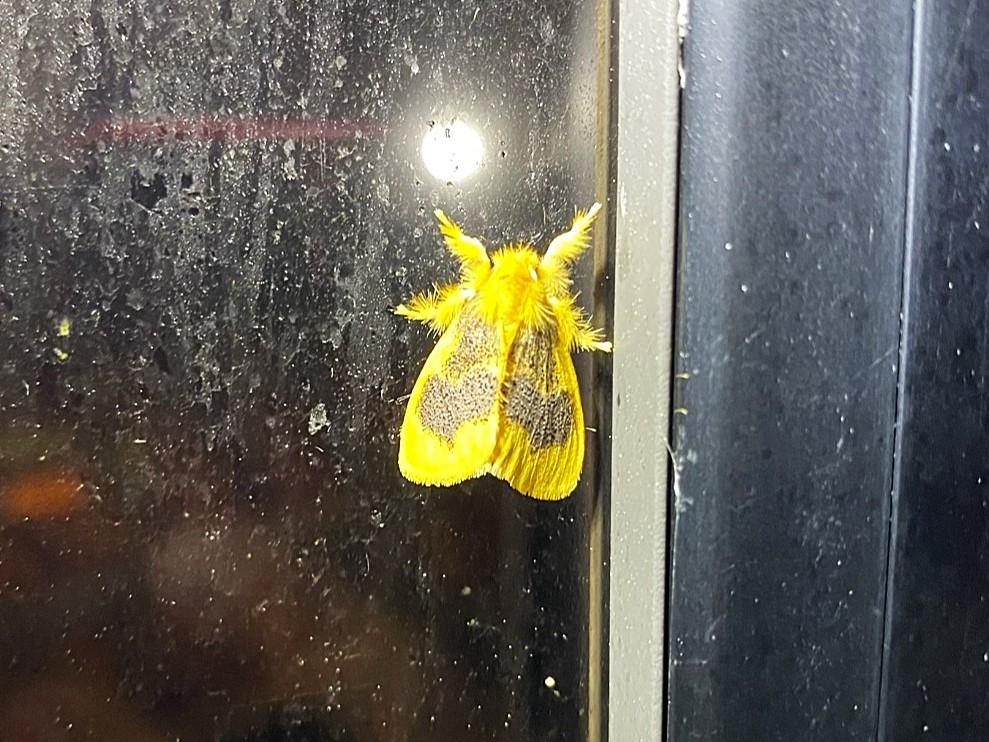
Toxic caterpillars rank tenth because their irritating hairs can cause painful or intensely itchy skin reactions, sometimes even without direct contact.
Certain moth caterpillars in Japan have tiny toxic hairs that can remain on plants, clothing, or other surfaces. Detached hairs may also be carried by wind, so people can develop a rash without realizing they were near a caterpillar.
Safety tips:
- Do not touch hairy caterpillars, even if they appear harmless.
- Shake out laundry or outdoor gear that has been left near vegetation.
- If exposed, avoid rubbing the area and wash the skin gently as soon as possible.
- Seek medical attention if symptoms are severe or spread beyond the affected area.
Conclusion
Japan is generally a safe country to explore, but its forests, mountains, wetlands, and rural areas are home to wildlife that deserves respect. The most dangerous animals in Japan pose very different risks — from powerful bears and venomous snakes to hornets, ticks, and other smaller creatures that are easy to underestimate.
Understanding where these animals live and how to behave around them is far more useful than being afraid of them. With basic preparation and respect for wildlife, you can enjoy Japan’s outdoors safely and confidently.
▶ Dangerous Animals in Japan: What Travelers Need to Know
Author’s Impression
Encountering wildlife has been one of the most exciting parts of my travels and photography across Japan. I have seen many of the animals on this list in the wild — sometimes from a safe distance, and sometimes much closer than expected.
Experiences such as unexpectedly encountering bears and wild boars have taught me that knowing how animals behave is just as important as knowing which species are dangerous. Staying calm, keeping your distance, and understanding the situation can help protect both people and wildlife.
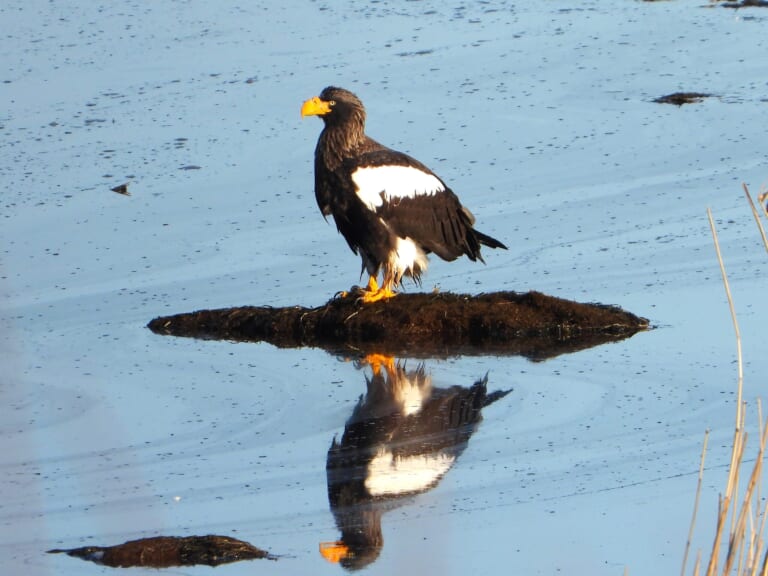
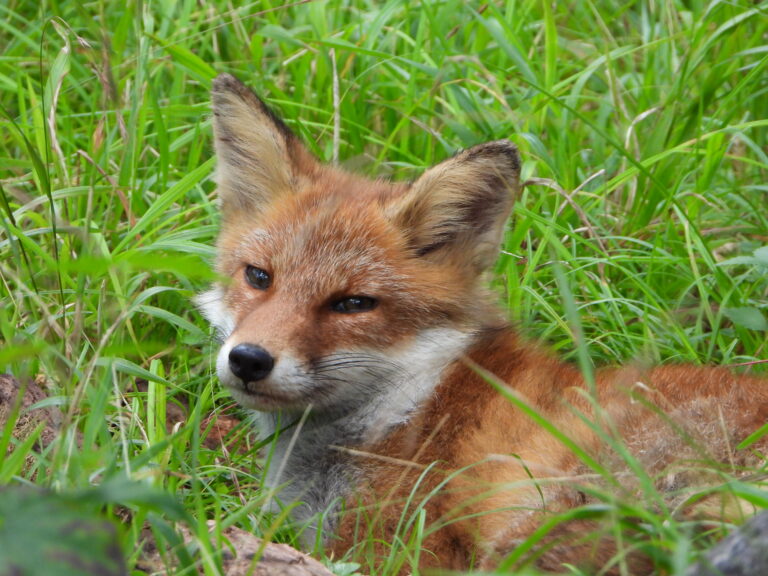
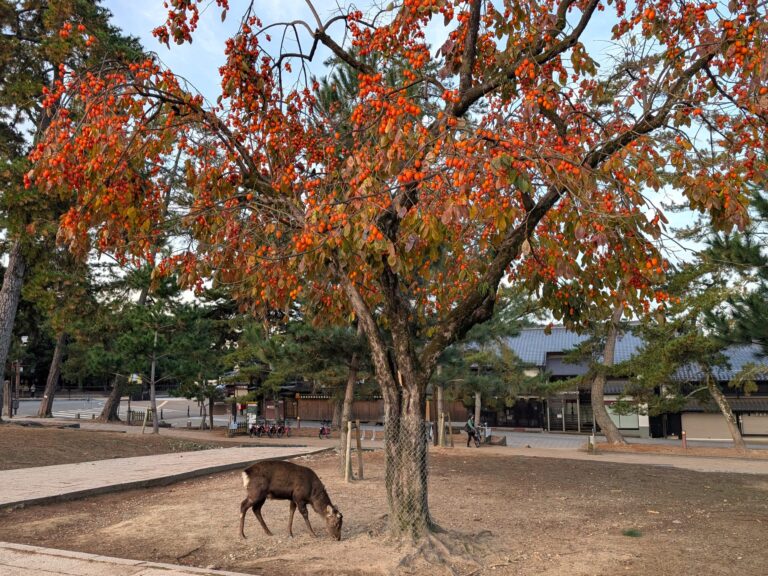
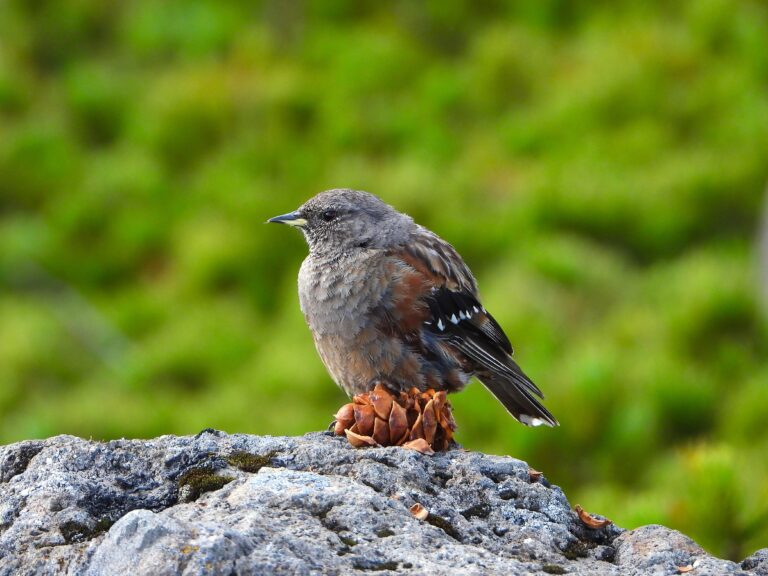
The wildlife photos in this article come from my own field experiences in Japan. I hope they help you see these animals not simply as dangerous, but as part of Japan’s remarkable natural environment — wildlife that deserves both caution and respect.
Related Articles
If you’re interested in wildlife safety and dangerous animals in Japan, these guides go into more detail:
▶ Dangerous Animals in Japan: What Travelers Need to Know
▶ Venomous Snakes in Japan: Species, Regions & Safety
▶ Japanese Black Bear in Japan: Habitat, Safety & Range