Wildlife in Kyoto – Animals You Can See in Japan’s Ancient Capital
Quick Answer: Wildlife in Kyoto at a Glance
- Easiest mammal to see: Japanese macaques at Arashiyama Monkey Park
- Easiest wildlife overall: Herons, ducks, cormorants, and other common birds
- Best places: Arashiyama, the Kamogawa River, and Kyoto Gyoen National Garden
- Best time: Early morning, before sightseeing areas become crowded
- Without a car: Yes — the main locations can be reached by public transport and explored on foot
Japanese macaques at Arashiyama Monkey Park are relatively easy to see. Common river and park birds also offer a good chance of an encounter. Kingfishers and forest birds are possible but less predictable, while wild deer, tanuki, foxes, and other mammals are very difficult to find during a short visit.
Introduction
Kyoto is famous for its temples, shrines, and historic streets, but nature is never far away. Forested mountains surround the city, while rivers, parks, and temple grounds provide habitat for a variety of wild animals.
For most visitors, birds are the easiest wildlife to observe. Herons, ducks, cormorants, and other common birds can be found along rivers and in large green spaces. Japanese macaques are the most reliable mammals to see, particularly at Arashiyama Monkey Park.
Sika deer, raccoon dogs known as tanuki, foxes, and other mammals also live in and around Kyoto, but sightings during a short visit are far less predictable. Where you go and what time you visit make a major difference, with quiet mornings generally offering better conditions than crowded sightseeing hours.
For a broader overview of wildlife around Japan’s major cities, see Wildlife You Can See Around Japanese Cities.
▶Wildlife You Can See Around Japanese Cities
Why Kyoto Has Wildlife So Close to the City
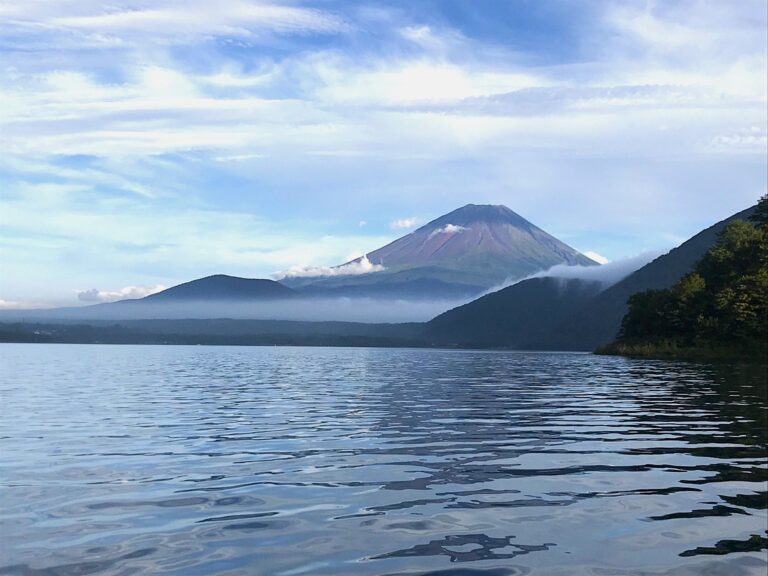
Kyoto lies in a basin bordered by mountains to the north, east, and west. The Kamogawa and Katsura rivers flow through the urban area, while wooded hills, large parks, and temple grounds bring green habitats close to the city center.
These natural spaces support different kinds of wildlife. Riverbanks attract herons, ducks, cormorants, and other water birds, while wooded parks and foothills provide habitat for forest birds and mammals. This does not mean that wild animals are easy to find everywhere, but visitors can encounter wildlife without traveling far from Kyoto’s main sightseeing areas.
Mammals You Can See in Kyoto
Birds are easier to find across Kyoto, but the city and its surrounding mountains are also home to several mammals. However, the likelihood of seeing them varies greatly. Japanese macaques at Arashiyama Monkey Park are relatively easy to observe, while wild deer, tanuki, foxes, and other mammals are much less predictable.
Japanese Macaque (Snow Monkey)
Observation difficulty: Relatively easy
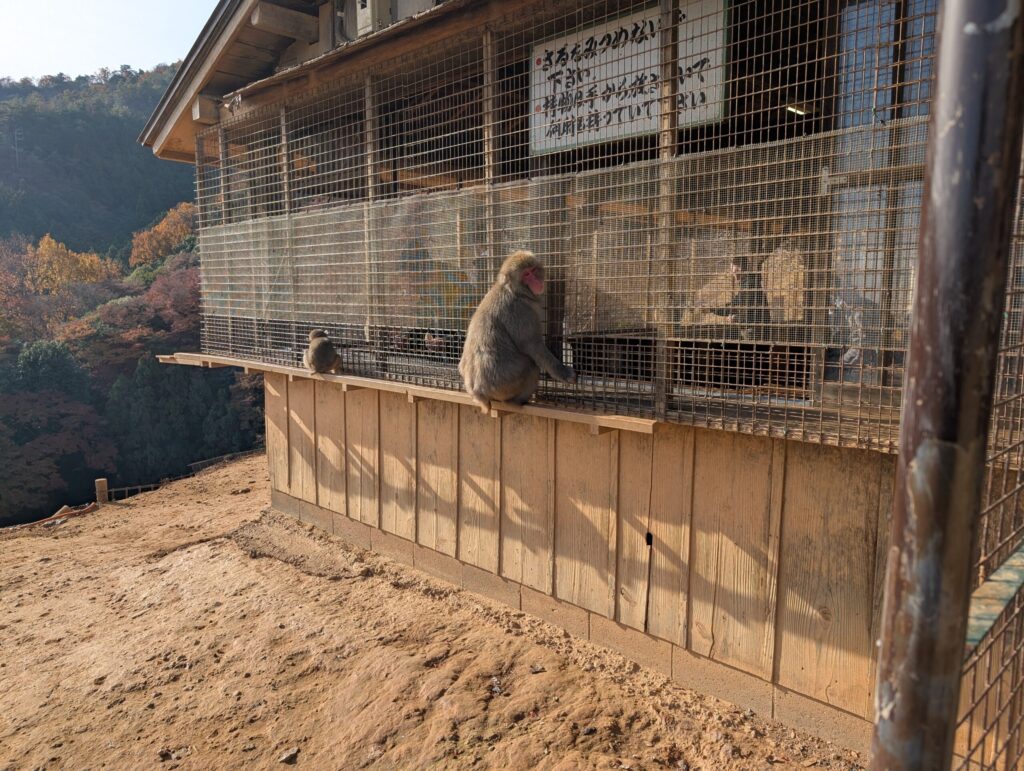
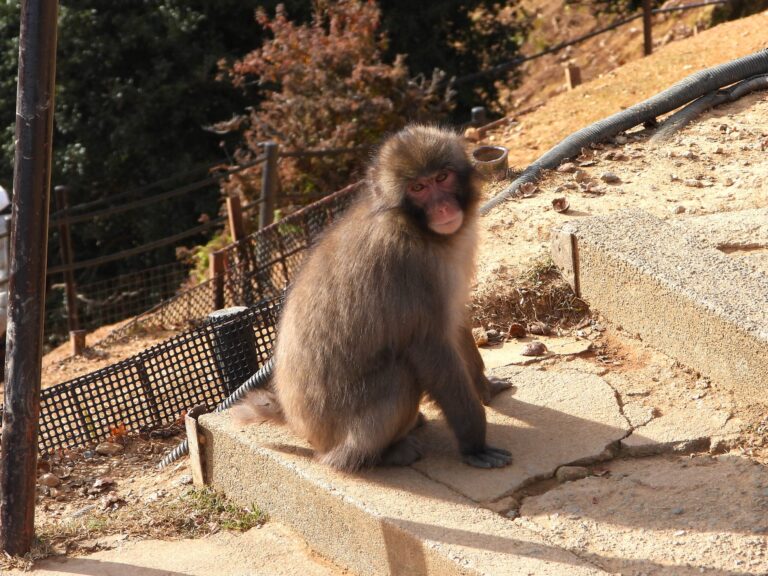
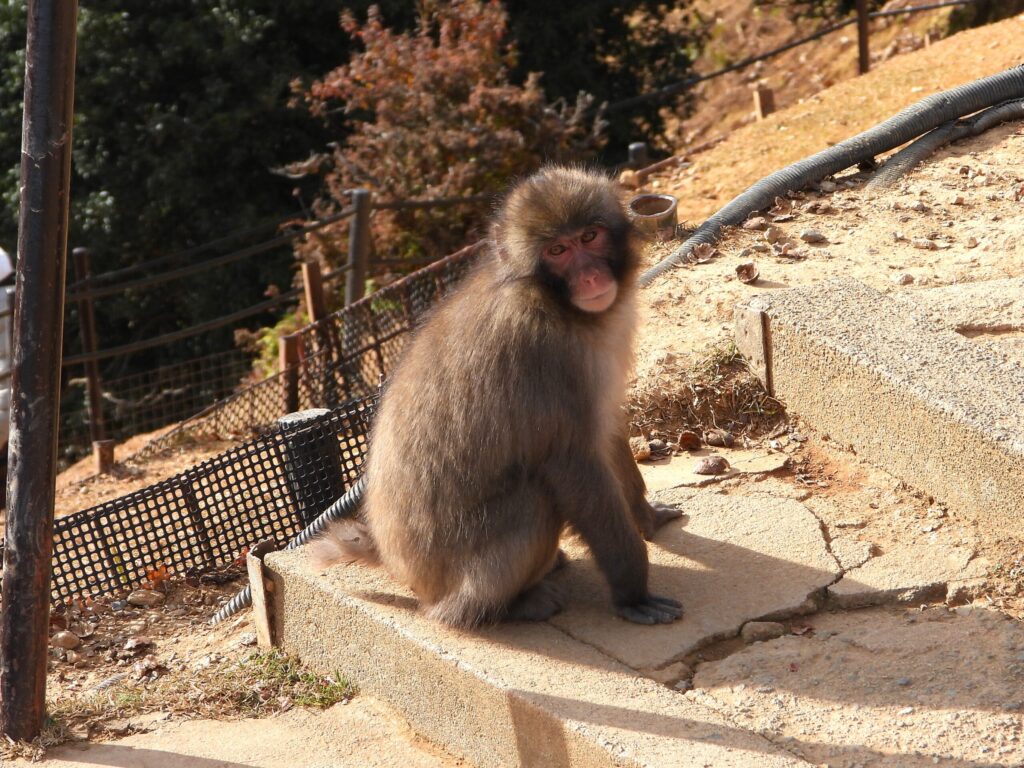
The Japanese macaque (Macaca fuscata), often called the snow monkey, is the most reliable mammal to see in Kyoto. At Arashiyama Monkey Park Iwatayama, the monkeys move freely through the surrounding forest and gather around the observation area overlooking the city.
I visited the park and photographed the macaques myself. Reaching the main observation area requires an uphill walk, but it offers one of the best opportunities in Kyoto to observe wild mammals at close range.
The monkeys are accustomed to visitors, but they are still wild animals. Do not touch them, stare directly into their eyes, or approach within two meters. Visitors may feed them only from inside the designated building and with food provided by the park.
For practical details about the uphill route, observation area, rules, and what the visit is actually like, see my complete guide to Arashiyama Monkey Park.
▶Where to See Wild Monkeys in Japan – Arashiyama Monkey Park
Sika Deer
Observation difficulty: Very difficult
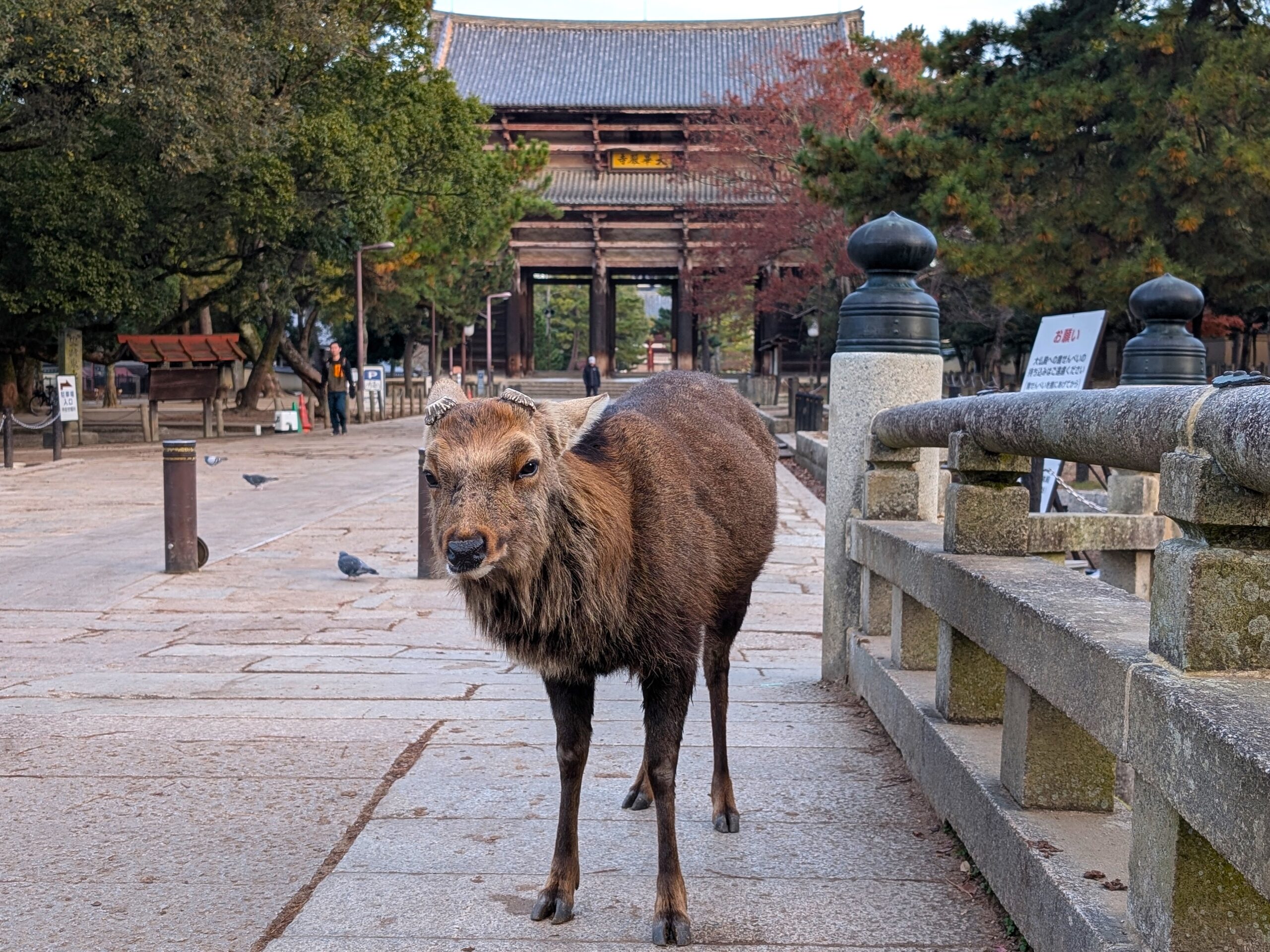
Sika deer (Cervus nippon) live in the forested mountains around Kyoto and may occasionally appear near the edge of the city. However, they are not a reliable sighting for most visitors.
Unlike the deer in Nara Park, Kyoto’s wild deer usually avoid people and do not gather around major tourist sites. An encounter is more likely near quiet foothills or forest edges around dawn or dusk, but even there, seeing one largely depends on luck.
Visitors should not plan a short Kyoto wildlife itinerary around finding deer. They are present in the surrounding landscape, but a sighting should be considered an unexpected encounter rather than a likely part of a sightseeing trip.
Other Mammals (Low-Guarantee Encounters)
Observation difficulty: Very difficult
Tanuki, Japanese red foxes, wild boars, Japanese weasels, and other mammals also live in Kyoto’s wooded outskirts and surrounding mountains. Asian black bears may also occur in mountainous areas near the city.
These mammals are secretive, often active when places are quiet, and generally avoid people. Seeing one during a normal sightseeing trip is unlikely and usually happens by chance rather than through a planned wildlife route.
Never approach, follow, or feed a wild mammal. Wild boars and bears can be dangerous, so keep your distance and leave the area without blocking the animal’s escape route.
Birds of Kyoto
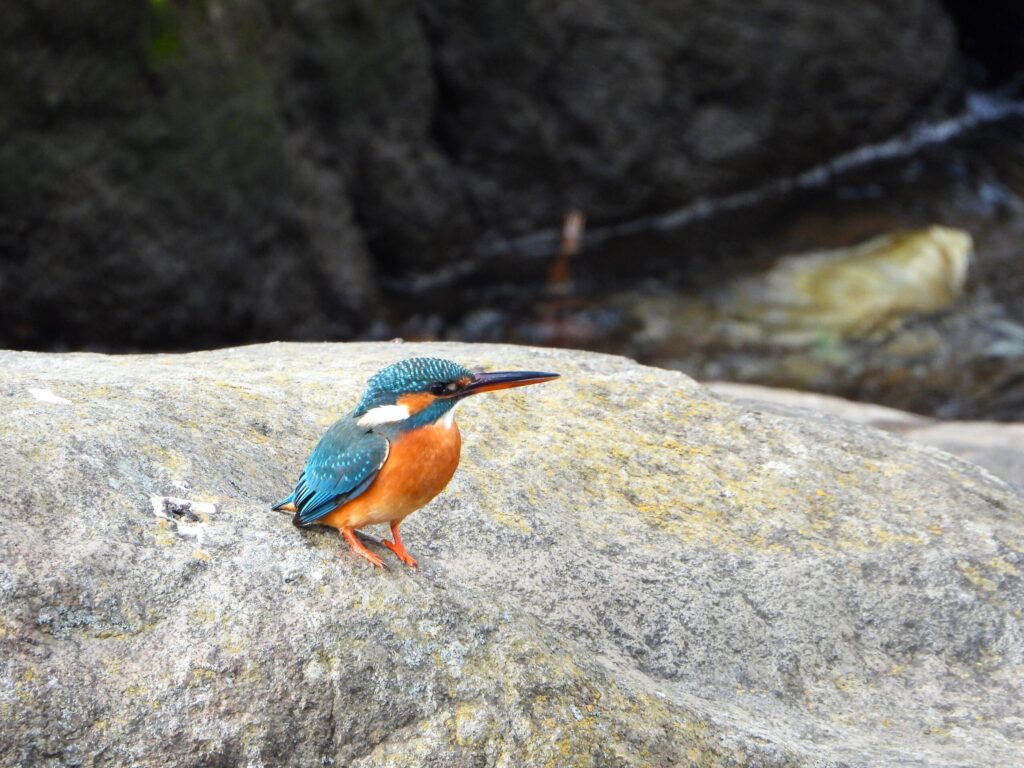
Birds are the easiest wild animals to observe in Kyoto. Rivers, large parks, temple grounds, and wooded hills provide different habitats within a relatively small area.
Common water birds can often be seen even during a short visit. Kingfishers and forest birds are also present, but finding them requires more patience and depends on the location, season, and time of day.
Rivers and Open Areas
Observation difficulty: Relatively easy
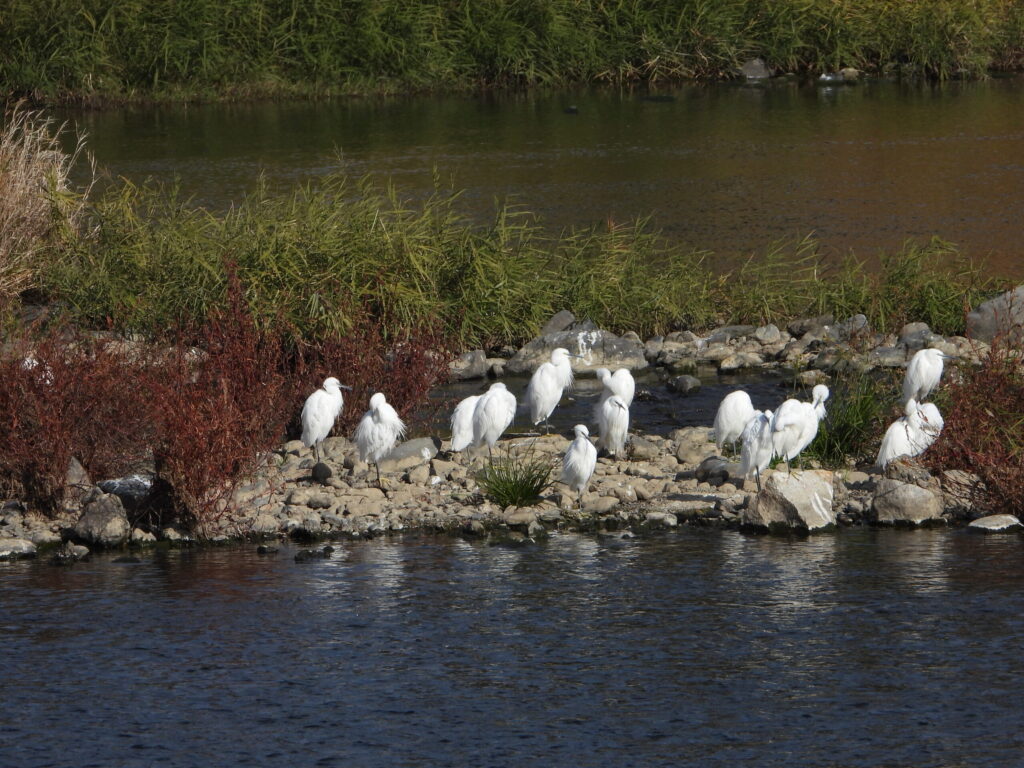
The Kamogawa River and Katsura River are good places to look for Grey Herons, Little Egrets, Great Cormorants, Eastern Spot-billed Ducks, wagtails, and other birds associated with open water.
These birds can be observed throughout the day, but early morning is usually quieter and offers better conditions. Slowly checking shallow water, exposed rocks, and the edges of vegetation is more effective than walking quickly along the river.
Common Kingfishers also live along waterways in Kyoto. However, they are small, fast-moving, and much less predictable than herons or ducks, so a sighting should be considered possible rather than guaranteed.
I saw several Little Egrets along the Katsura River during my visit to Arashiyama.
Parks, Temple Grounds, and Wooded Areas
Observation difficulty: Possible
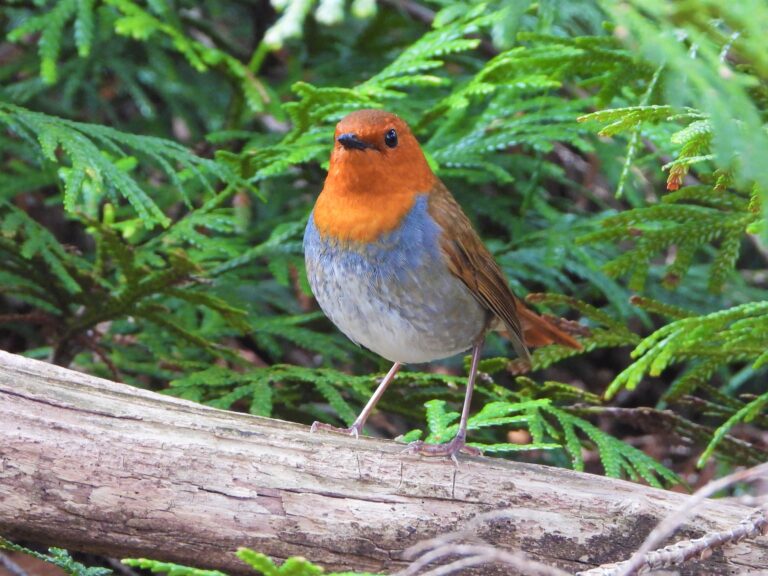
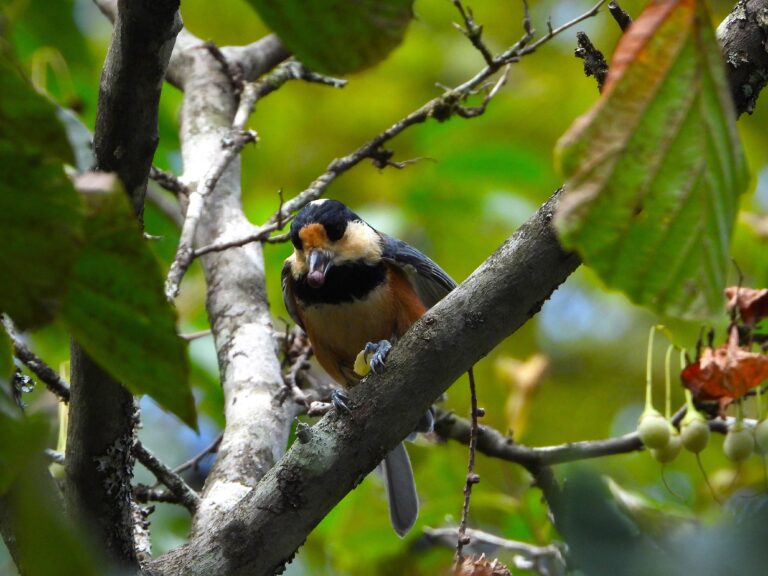
Large green spaces such as Kyoto Gyoen National Garden, as well as wooded temple and shrine grounds, support Japanese Tits, Brown-eared Bulbuls, Japanese White-eyes, woodpeckers, and other woodland birds.
The species present change with the season. Resident birds can be found throughout the year, while winter brings additional visitors to parks and waterways. Early morning is the best time to listen for calls and watch for movement before the grounds become crowded.
Forest birds are generally harder to find than common river birds. Quiet observation is more effective than trying to cover a large area quickly.
Other Wildlife in Kyoto (Reptiles, Amphibians & More)
Kyoto is also home to reptiles, amphibians, insects, and other smaller animals. These creatures are easier to notice in warmer months, especially around ponds, streams, forest paths, and areas with dense vegetation.
Reptiles and Amphibians
Observation difficulty: Possible, but seasonal
Frogs can be heard and occasionally seen around ponds, wetlands, rice fields, and quiet streams. They become especially noticeable during the rainy season and on warm summer evenings.
Lizards and snakes also live in Kyoto’s forests, foothills, and less-developed areas. Most snakes avoid people, and visitors are unlikely to encounter one during an ordinary sightseeing trip. However, venomous snakes such as the Japanese mamushi and tiger keelback occur in Kyoto Prefecture, so never touch or approach an unidentified snake.
The Japanese giant salamander (Andrias japonicus) also inhabits some rivers in Kyoto Prefecture. However, it is a protected and mainly nocturnal species that is extremely difficult to find. Visitors should not enter streams, move rocks, or disturb riverbanks in an attempt to search for one.
Other Creatures You May Encounter
Observation difficulty: Relatively easy in warmer months
Butterflies, dragonflies, cicadas, beetles, and other insects become more active from spring through autumn. Parks, temple grounds, riversides, and forest paths can all provide opportunities to observe them.
Fireflies may appear around suitable clean streams in early summer, particularly in quieter areas outside the busiest parts of central Kyoto. Their activity is highly seasonal and depends on the weather, location, and condition of the habitat, so sightings are never guaranteed.
Observe smaller animals without catching or handling them. Avoid leaving marked paths or damaging vegetation while taking photographs.
Best Places to See Wildlife in Kyoto
The best place depends on what you want to see and how much time you have. Arashiyama offers the most reliable mammal encounter, while the Kamogawa River and Kyoto Gyoen National Garden are easier to include in a central Kyoto itinerary.
Arashiyama
- Best for: Japanese macaques and riverside birds
- Best time: Morning
- Time needed: About 2–3 hours
Arashiyama is the best choice for visitors hoping to see a wild mammal in Kyoto. Japanese macaques can be observed at Arashiyama Monkey Park Iwatayama, while the Katsura River and nearby wooded areas support herons, cormorants, ducks, and forest birds.
I visited both the river and the monkey park. I saw several Little Egrets along the Katsura River, and bird calls became easier to hear after I moved away from the busiest streets. The walk to the monkey observation area is uphill, but it offers the most reliable mammal-watching experience in Kyoto.
▶ What Wildlife Can You See in Arashiyama? Monkeys & Birds Guide
Kamogawa River
- Best for: Herons, ducks, cormorants, and wagtails
- Best time: Early morning
- Time needed: About 30–60 minutes
The Kamogawa River is one of the easiest places to add wildlife watching to a sightseeing day. Its open riverbanks make larger birds easy to notice, even without binoculars.
Walk slowly and check the shallow water, exposed rocks, and vegetated edges. Common river birds are relatively easy to find, while Common Kingfishers are present but much less predictable.
▶ Birdwatching in Kyoto – Best Spots and Birds for Travelers
Kyoto Gyoen National Garden
- Best for: Common park birds and seasonal visitors
- Best time: Early morning
- Time needed: About 60–90 minutes
Kyoto Gyoen National Garden is a large green space in the center of the city. Its mature trees, lawns, and quieter paths provide habitat for tits, bulbuls, white-eyes, woodpeckers, crows, and other birds.
It is a practical choice for visitors who want to combine birdwatching with sightseeing in central Kyoto. Areas with mature trees and fewer people usually offer better conditions than the busiest open spaces.
Northern Higashiyama
- Best for: Forest birds and quiet nature walks
- Best time: Early morning
- Time needed: About 1–2 hours
Northern Higashiyama includes wooded temple grounds, hillside paths, and green spaces connected to the surrounding mountains. It is better suited to walking slowly and listening for birds than searching for one particular species.
Wildlife becomes easier to notice away from busy roads and crowded temple entrances. However, sightings are less predictable here than along the Kamogawa River or at Arashiyama Monkey Park.
Fushimi Inari
- Best for: Common birds and forest scenery
- Best time: Early morning
- Time needed: About 1–2 hours
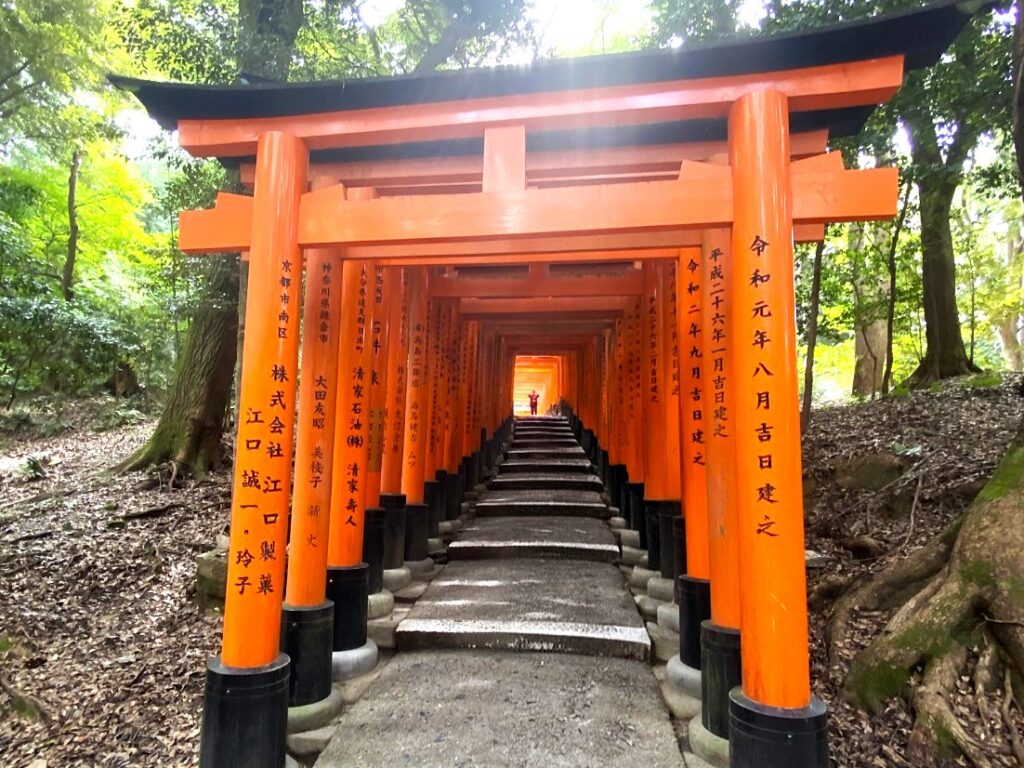
Fushimi Inari Taisha extends across the forested slopes of Mount Inari. Common birds can be found near the main shrine, while forest birds become more likely as the trail climbs away from the busiest areas.
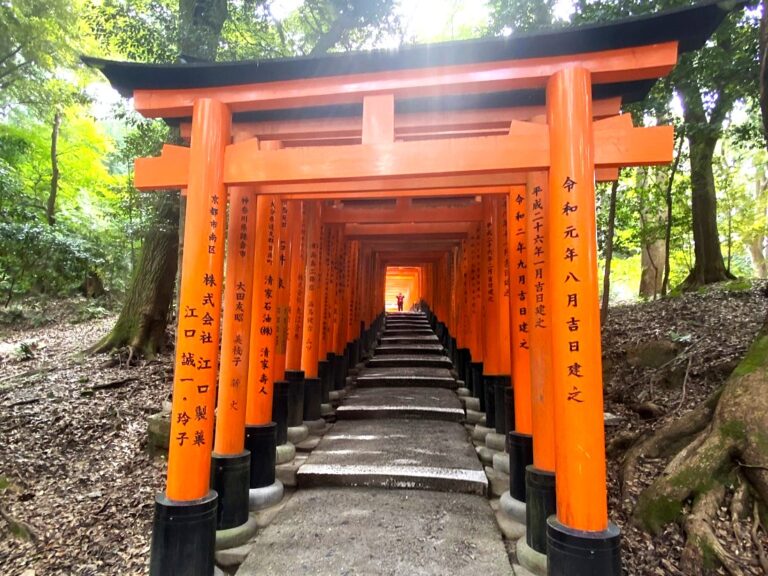
During my visit, the number of people gradually decreased as I continued along the torii gate paths. Bird calls and the sound of wind in the trees became easier to hear, revealing a quieter side of the famous shrine.
Wild boars, tanuki, and foxes live in the surrounding landscape, but seeing them during a daytime visit is very unlikely. Do not leave the main paths or enter quiet forest areas to search for mammals.
▶ What Wildlife Can You See at Fushimi Inari Shrine?
Wildlife Routes for 60 Minutes, Half a Day, or One Day
You do not need a full day to include wildlife watching in a Kyoto trip. Choose a route based on the time available and the animals you most want to see.
If You Have 60 Minutes
Visit the Kamogawa River or Kyoto Gyoen National Garden in the early morning.
The Kamogawa River is better for herons, ducks, cormorants, and other water birds. Kyoto Gyoen National Garden is a good choice for common park birds and species associated with mature trees.
Walk slowly and spend time checking a small area rather than trying to cover the entire location.
If You Have Half a Day
Spend the morning in Arashiyama.
Begin along the Katsura River, where you may find herons, ducks, cormorants, and other riverside birds. Then continue to Arashiyama Monkey Park Iwatayama for the most reliable opportunity to observe Japanese macaques in Kyoto.
Allow about two to three hours, including the uphill walk to the monkey observation area.
If You Have One Full Day
Begin early at the Kamogawa River or Kyoto Gyoen National Garden, then travel to Arashiyama for the afternoon.
This route combines common urban and riverside birds with Kyoto’s most reliable mammal encounter. Fushimi Inari can be considered instead of Arashiyama if you prefer forest scenery and quiet walking, but wild mammal sightings there are very unlikely.
Do not try to visit every location in one day. Spending more time in fewer places usually provides a better wildlife-watching experience.
If you’d prefer to explore Kyoto with a local guide, you can also find guided tours and sightseeing experiences around the city.
Best Time to See Wildlife in Kyoto
The best time depends on the animals you want to see, but early morning generally offers the best conditions. Parks, rivers, and temple grounds are quieter, making bird calls and movement easier to notice.
Best Time of Day
- Early morning: Best overall for birds and quiet observation
- Late afternoon: Another good option around rivers and forest edges
- Midday: Common birds and macaques can still be seen, but popular areas are usually busier
For places such as the Kamogawa River, Kyoto Gyoen National Garden, and Fushimi Inari, arriving before the main sightseeing crowds can make a noticeable difference.
Avoid entering isolated mountain paths after dark. Visibility is poor, public transport may be limited, and encounters with wild boars or other mammals are harder to manage safely.
Best Seasons
Spring: Comfortable for walking, with active birds and increasing insect activity. Popular sightseeing areas can become crowded during the cherry blossom season.
Summer: Frogs, cicadas, dragonflies, and other small animals become more noticeable. Because Kyoto can be hot and humid, early morning is the most comfortable time to explore.
Autumn: Comfortable temperatures make riverside and forest walks easier. Early morning remains the best time to avoid crowds.
Winter: Ducks and other seasonal birds can be found along rivers and in large parks. Bare branches can also make some birds easier to spot.
Wildlife sightings are never guaranteed. Weather, crowds, season, and the amount of time spent observing all affect what you may find.
Wildlife Watching Rules and Safety
Wildlife in Kyoto should be observed quietly and from a safe distance. Even animals that appear calm may react unpredictably if approached, surrounded, or fed.
- Do not touch, chase, or feed wild animals.
- Do not move closer only to take a photograph.
- Keep to established paths and avoid entering dense vegetation.
- Keep food and rubbish secured.
- Never disturb nests, resting animals, rocks, or riverbanks.
- Follow all local signs and instructions.
If you encounter a deer, monkey, wild boar, or another large mammal, do not block its escape route. Avoid shouting or running, and move away slowly while maintaining your distance.
Extra caution is needed on mountain trails and quiet forest paths. Asian black bears occur in the mountains around Kyoto, and wild boars may also appear near wooded areas. Check current wildlife alerts and trail conditions before entering remote areas, especially in the early morning or late afternoon.
Wildlife sightings should never be prioritized over safety. If an animal appears stressed, changes direction because of your presence, or approaches too closely, leave the area calmly.
Explore More Wildlife in Kyoto
Kyoto is not a place where large wild mammals appear around every corner. For most visitors, the best wildlife experiences come from watching common birds along rivers and in parks, or observing Japanese macaques at Arashiyama Monkey Park.
Visit early, walk slowly, and keep your expectations realistic. Even when rare animals do not appear, Kyoto’s rivers, forests, and historic green spaces offer many opportunities to notice wildlife alongside ordinary sightseeing.
▶ Wildlife in Japan: Where to See Wild Animals by Region
▶ Arashiyama Monkey Park Wildlife Guide
▶ What Wildlife Can You See in Arashiyama? Monkeys & Birds Guide
▶ Birdwatching in Kyoto – Best Spots and Birds for Travelers