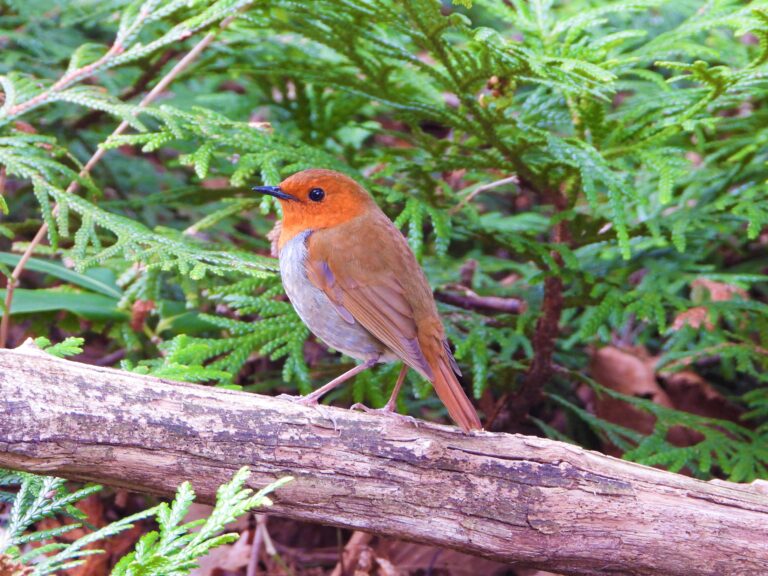

Best Time to See Wildlife in Japan
Introduction
Japan is home to a wide variety of wildlife, including mammals, birds, reptiles, amphibians, and insects. When planning wildlife observation, many people focus on where to go, but the time of day is often just as important.
Wild animals do not follow human schedules. Their daily activity is influenced by light levels, temperature, feeding behavior, and human disturbance. Choosing an appropriate time of day can therefore increase the likelihood of encountering wildlife, even in places where animals are known to live.
This article explains how wildlife activity in Japan changes throughout the day, based on general behavioral patterns. Wildlife sightings can never be guaranteed, but understanding these tendencies allows for more informed and responsible observation.
For an overview of wildlife that can be observed around Japanese cities at different times of day,
Wildlife You Can See Around Japanese Cities serves as the main entry point on this site.
→ Wildlife You Can See Around Japanese Cities
Why Time of Day Matters for Wildlife Watching
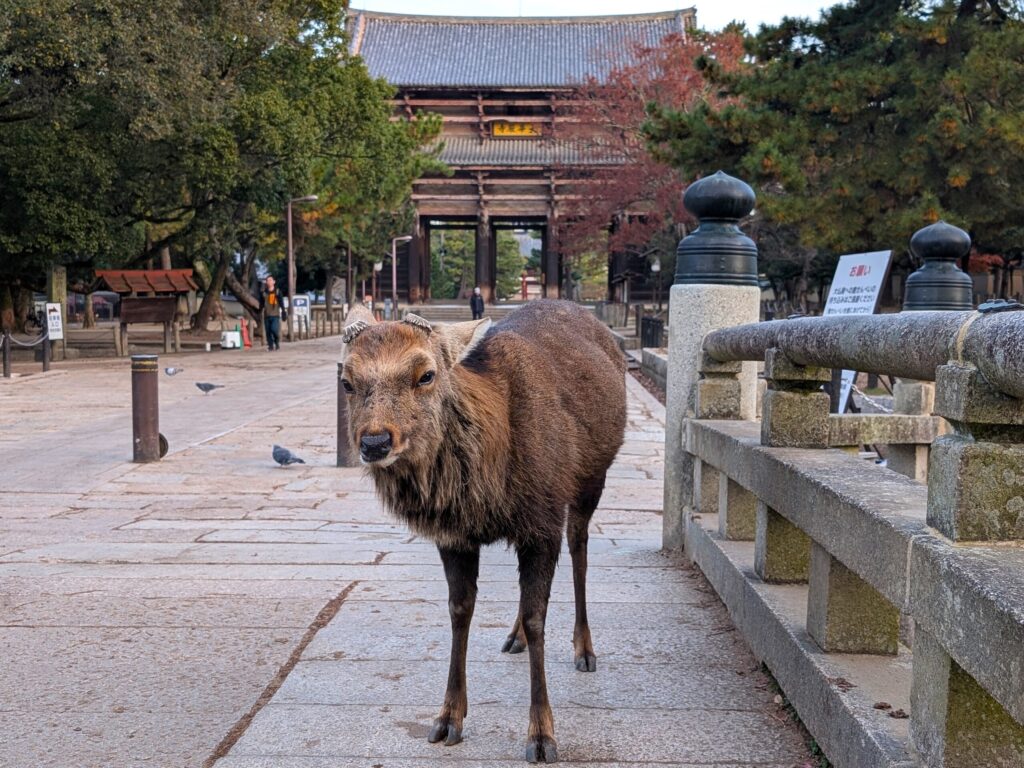
Wild animals are commonly grouped according to when they are most active.
- Diurnal species are mainly active during daylight hours
- Crepuscular species are most active around dawn and dusk
- Nocturnal species are primarily active at night
In Japan, human activity extends across both urban and rural areas. Many animals adjust their behavior to avoid people, making timing especially important for successful wildlife observation.
Environmental conditions such as temperature and daylight length also affect activity levels. During periods of extreme heat or cold, animals may limit movement to shorter, more favorable time windows.
Early Morning (Before Sunrise to Mid-Morning)
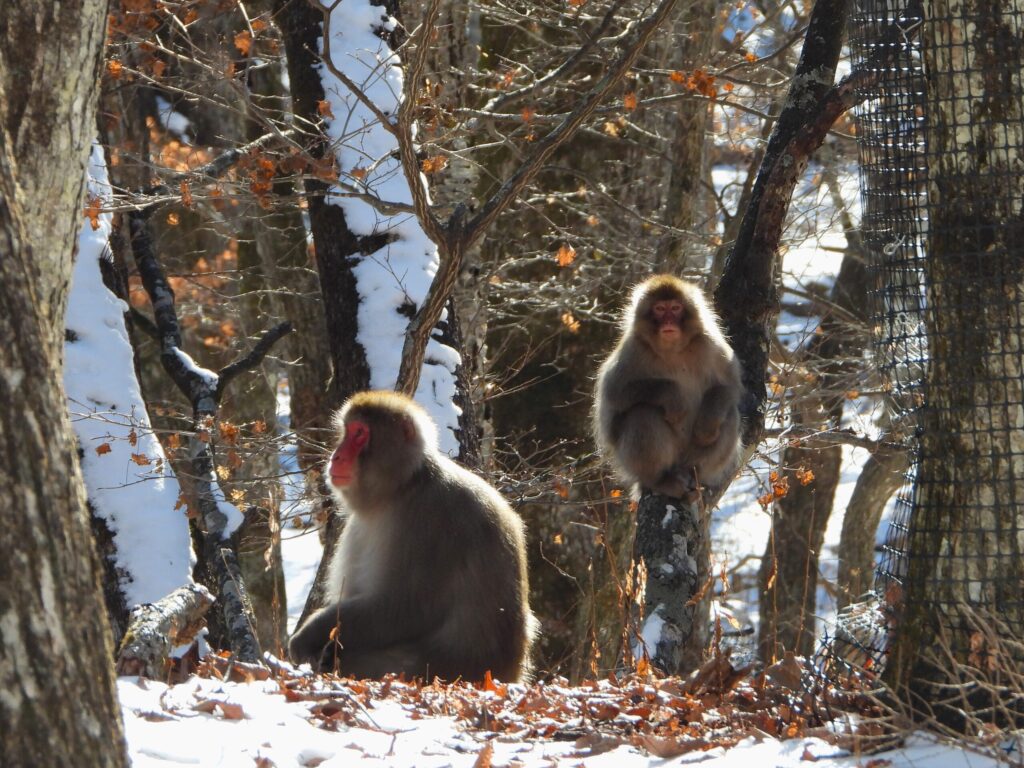
Early morning is often one of the most productive times for wildlife observation in Japan.
After resting overnight, many animals begin feeding, while human activity remains relatively low. Light levels are sufficient for movement but still provide some cover, creating favorable conditions for wildlife activity.
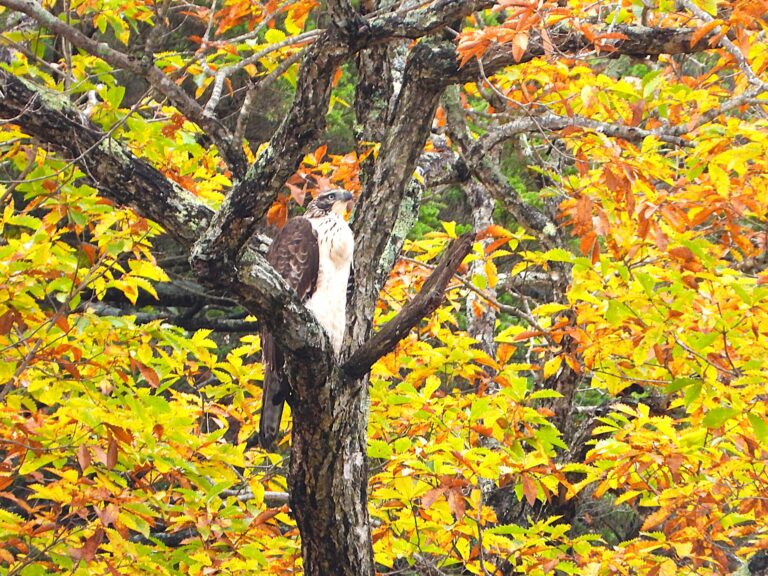
Animals that may be observed in the morning include woodland and forest birds, deer, Japanese macaques in natural habitats, and birds of prey beginning their daily activity.
Birds are particularly active during early morning hours, showing increased movement and vocalization. Mammals that are cautious around humans may also be more likely to appear before roads and trails become busy.
Daytime (Late Morning to Afternoon)
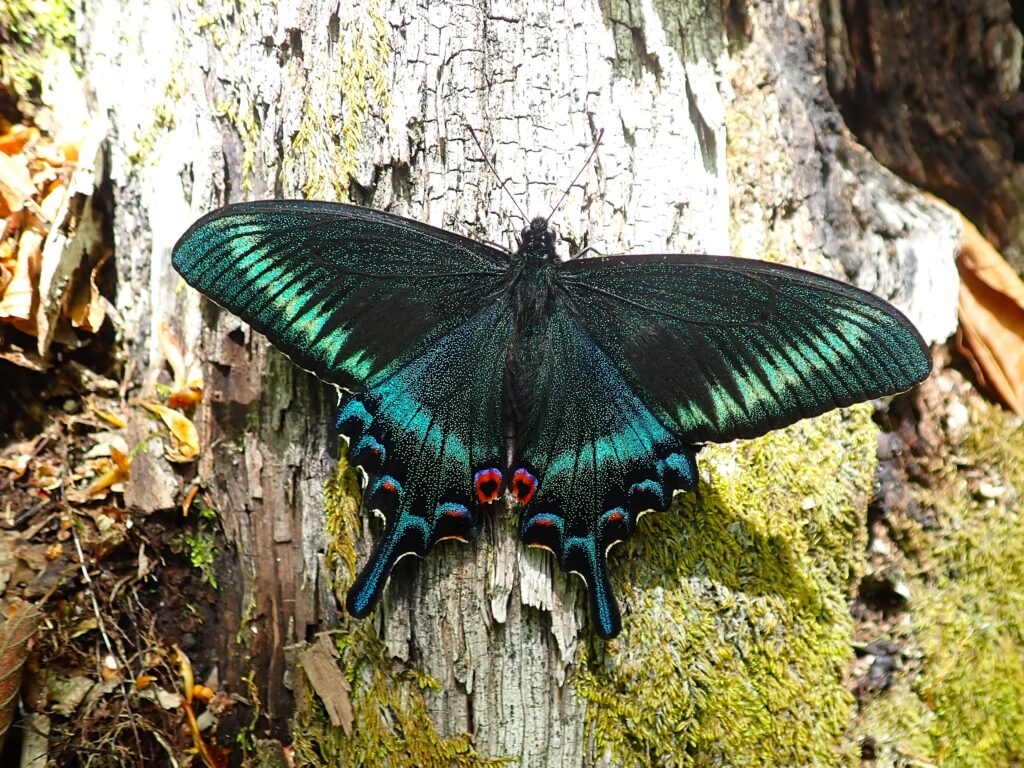
For many species, daytime is often a less active period, especially for mammals.
Increased human presence, higher temperatures during warm seasons, and resting behavior following morning feeding can all reduce wildlife activity.
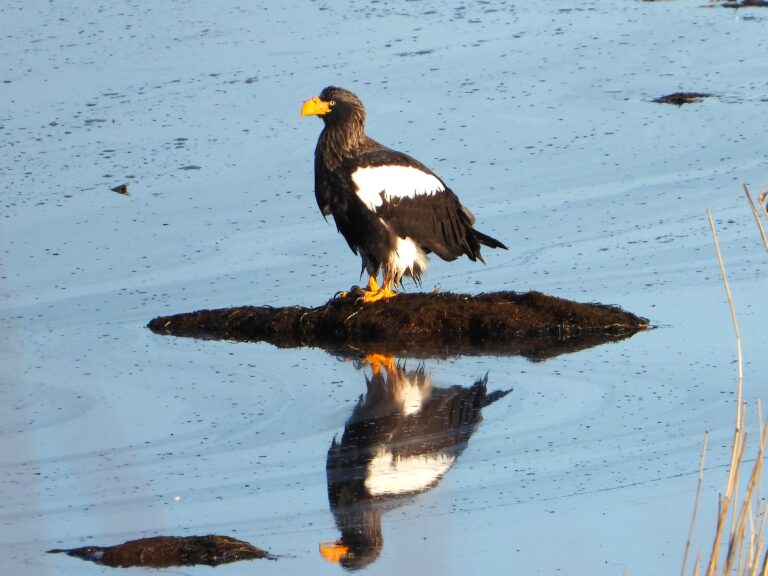
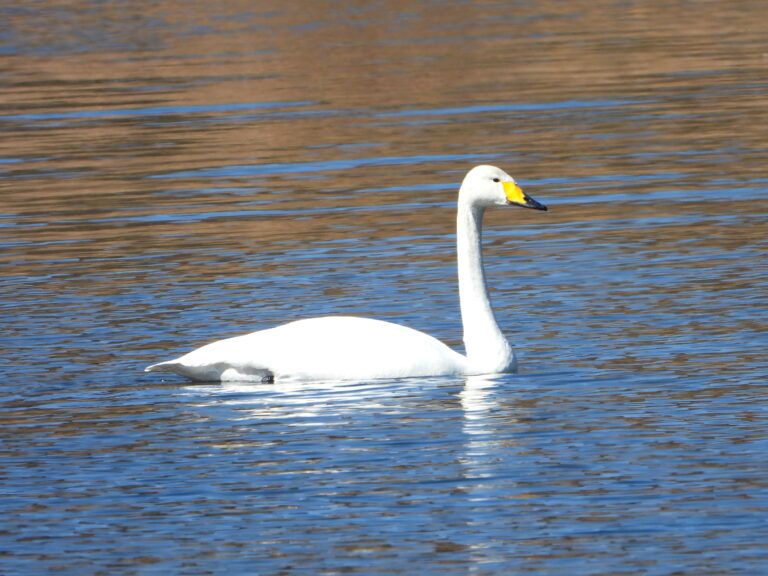
Some animals may still be active during the day, including reptiles such as lizards basking in sunlight, butterflies and dragonflies, mammals adapted to urban or tourist environments, and certain waterbirds or coastal species.
Although daytime is not ideal for observing shy wildlife, it offers good visibility and accessibility, making it suitable for casual observation and beginners.
Late Afternoon to Dusk
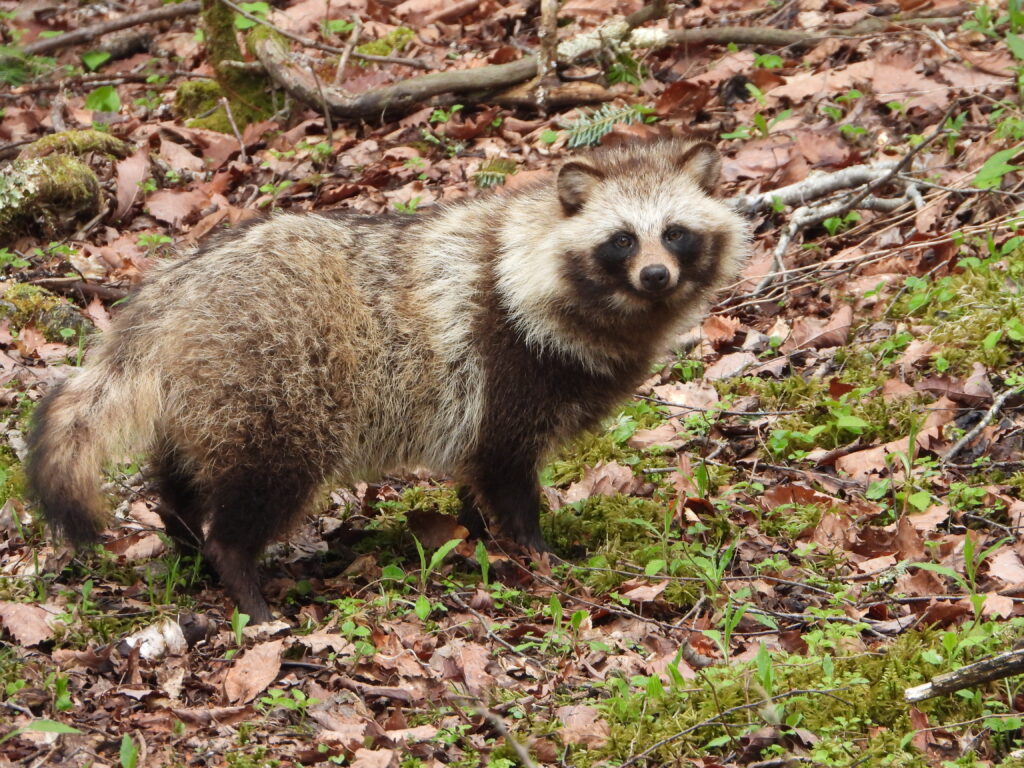
Late afternoon and dusk often coincide with increased activity for certain animals.
As temperatures become more moderate, some diurnal animals resume limited movement, while crepuscular and nocturnal species begin to emerge.
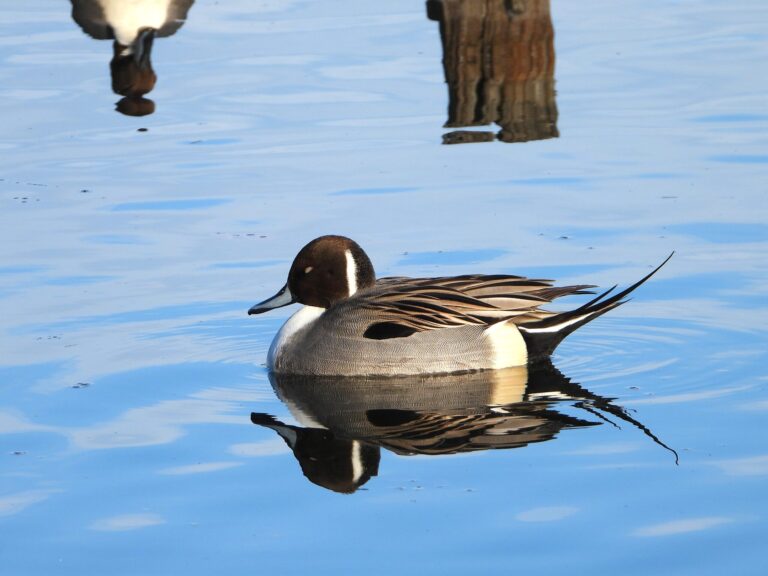
Animals that may be observed during this period include raccoon dogs (tanuki), foxes in rural and semi-urban areas, bats, insect-eating birds, and waterbirds near rivers and wetlands.
This time of day provides a balance between animal activity and remaining daylight, making it suitable for both observation and photography.
Night Time (Nocturnal Wildlife)
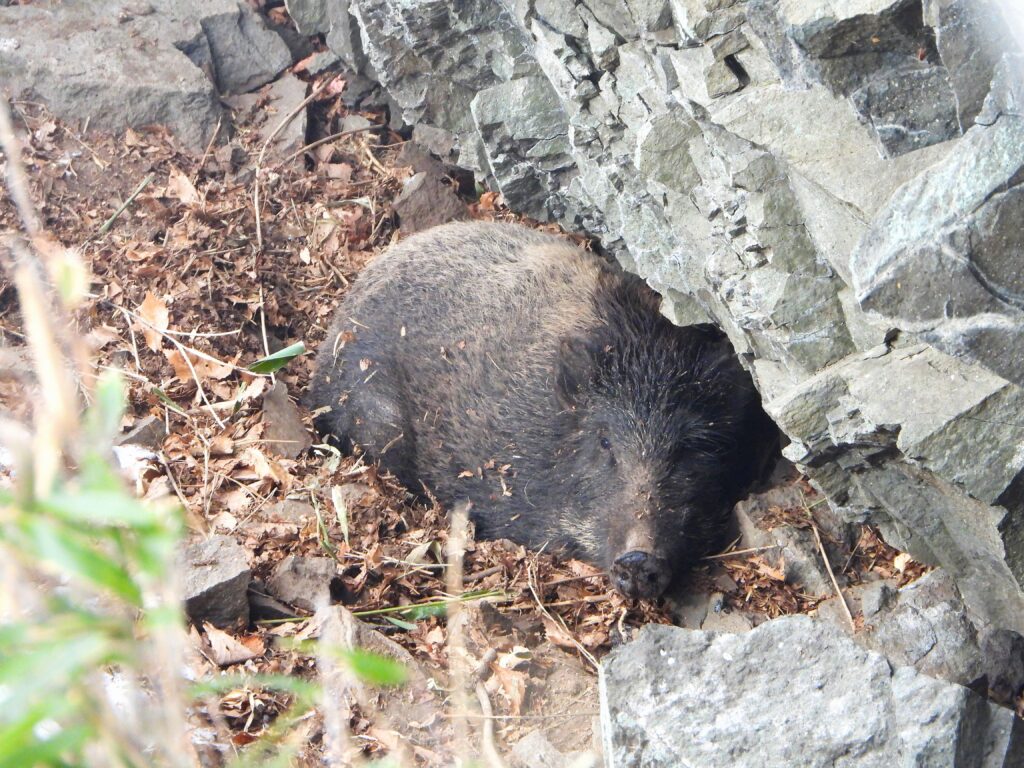
Nighttime is essential for observing nocturnal species, but it requires careful planning and caution.
Animals active at night may include owls, flying squirrels, frogs, salamanders, many insect species, and wild boar, which are often more active during nighttime hours, particularly in areas with human activity.
Night observation frequently relies more on sound than sight. Because visibility is limited and potential risks increase, responsible behavior is especially important.
Avoid entering private or restricted land, do not use flash photography, and follow local rules and regulations. Minimizing disturbance helps protect wildlife and their habitats.
Does Season Change the Best Time?
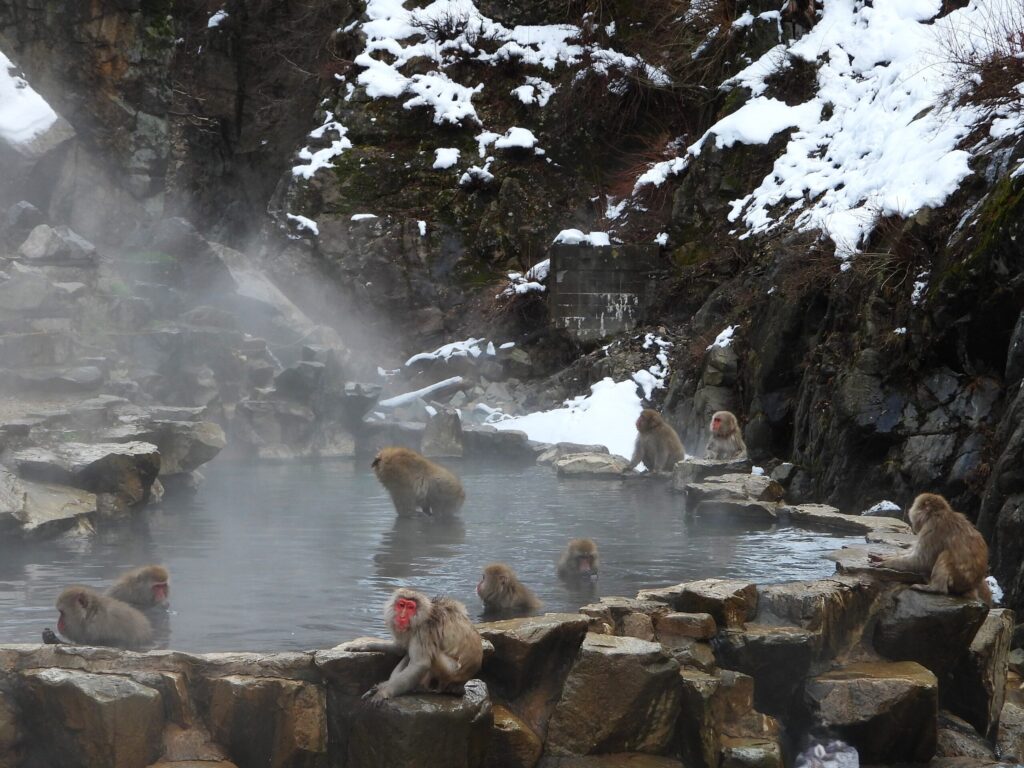
Seasonal conditions influence wildlife behavior and daily activity timing.
- Summer: Early morning and nighttime observation may be more effective due to heat
- Winter: Some mammals may be observed during daylight hours because of shorter days
- Spring and autumn: Increased activity may occur in connection with breeding or migration
Considering both time of day and season provides a more reliable approach than relying on a single factor.
Exceptions and Individual Variation
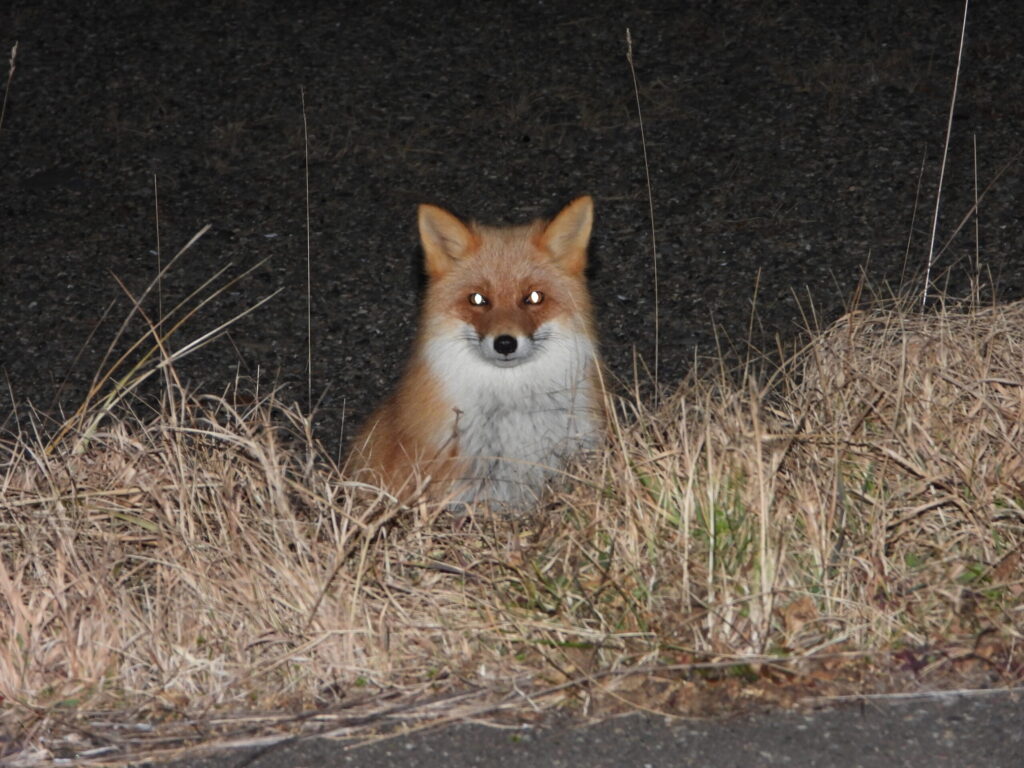
Not all animals follow typical activity patterns.
Wildlife in urban or tourist areas may adjust their schedules, weather conditions can temporarily alter activity, and food availability can influence movement timing.
These variations highlight why wildlife observation always involves uncertainty and why flexibility is important.
Tips for Increasing the Chances of Wildlife Observation
- Choose locations with relatively low human disturbance
- Match observation times to the target animal group
- Move slowly and remain quiet
- Use binoculars to maintain distance
- Avoid approaching or following animals
Responsible observation improves safety, protects wildlife, and leads to better experiences.
Conclusion
In Japan, early morning is often a favorable time for observing a wide range of wildlife, followed by late afternoon and dusk. Nighttime is essential for nocturnal species, while daytime observation is generally more limited for shy animals.
Understanding how wildlife activity changes throughout the day allows visitors to plan more effective and responsible wildlife experiences. While timing does not guarantee sightings, it can meaningfully influence the outcome.
Further Reading
→ Japan Animals – Complete Guide to Wildlife in Japan
→ Mammals of Japan – Guide to Monkeys, Deer, Foxes, and More
→ Dangerous Animals in Japan: Bears, Boars, Snakes, Hornets & Ticks