Miyajima Deer: Where to See Them and Visitor Tips
Introduction
On Miyajima (Itsukushima Island) in Hiroshima Prefecture, sika deer (Cervus nippon) roam freely around the ferry terminal, shrine approaches, shopping streets, coastal areas, and nearby forests. For most visitors, they are one of the easiest wild animals to encounter on the island.
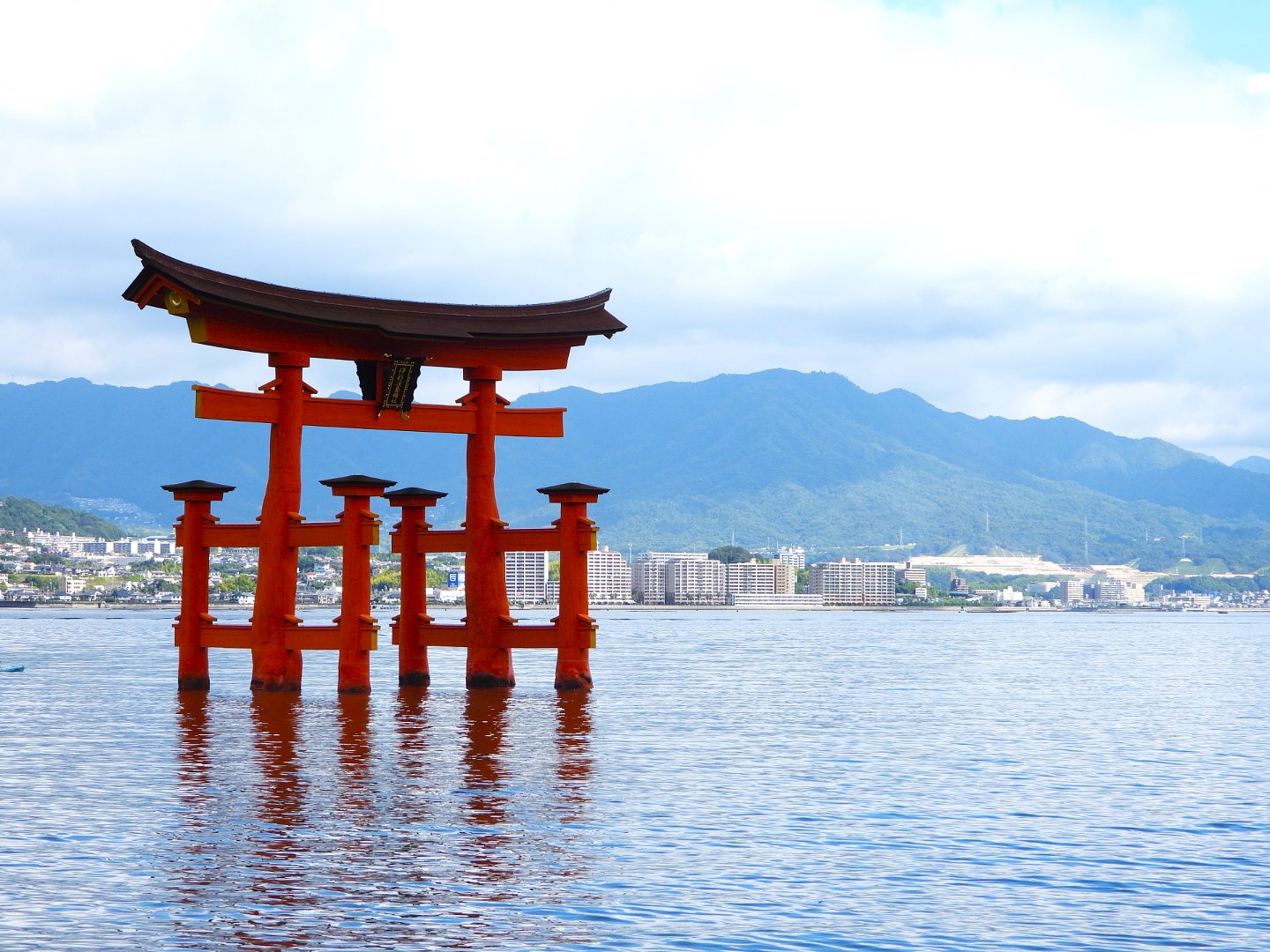
The deer are especially associated with the area around Itsukushima Shrine and its famous “floating” torii gate, making them one of Miyajima’s most recognizable animals. Although many are accustomed to people, they are still wild animals rather than pets.
Visitors should not feed the deer. They may also approach bags, maps, tickets, or food, so keeping personal belongings secure is important when walking around the island.
This guide explains where to see deer on Miyajima, what to expect when you encounter them, and the rules visitors should know before getting close.
Where to See Deer on Miyajima

Deer are easy to find around the main sightseeing area of Miyajima, and most visitors will encounter them without making a special detour.
Ferry Terminal and Waterfront
The area around the ferry terminal is one of the easiest places to spot deer soon after arriving on the island. They often wander through the open waterfront and nearby streets.
Itsukushima Shrine
Deer are also commonly seen around the approaches to Itsukushima Shrine and along the shoreline near the famous torii gate.
This is one of the most scenic places to see them, especially when deer walk along the coast with the sea and torii gate in the background.
Omotesando Shopping Street
Deer sometimes wander around the streets near the main shopping area. Because they are accustomed to people, some may approach visitors closely.
Keep food, paper, maps, and tickets secure, as deer may try to grab them.
Momijidani Park
For a quieter setting, Momijidani Park is another good area to look for deer. The wooded surroundings feel more natural than the busy streets near the ferry terminal and shrine.
You may also see deer moving between the town and forested slopes.
What Do Miyajima Deer Look Like?
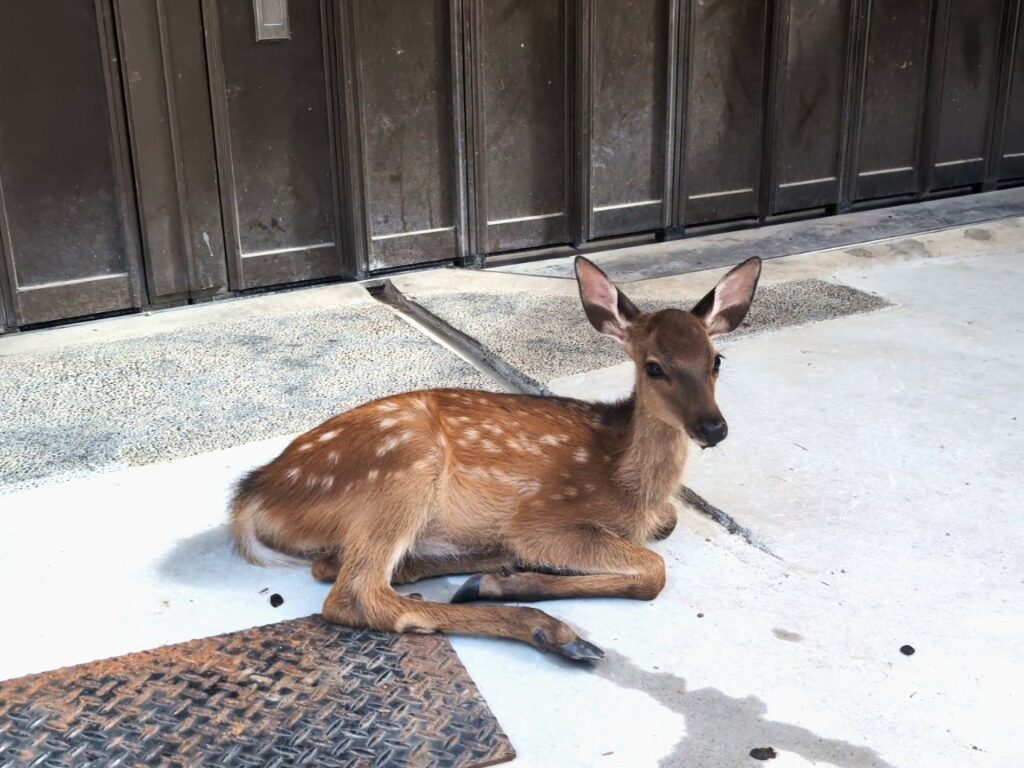
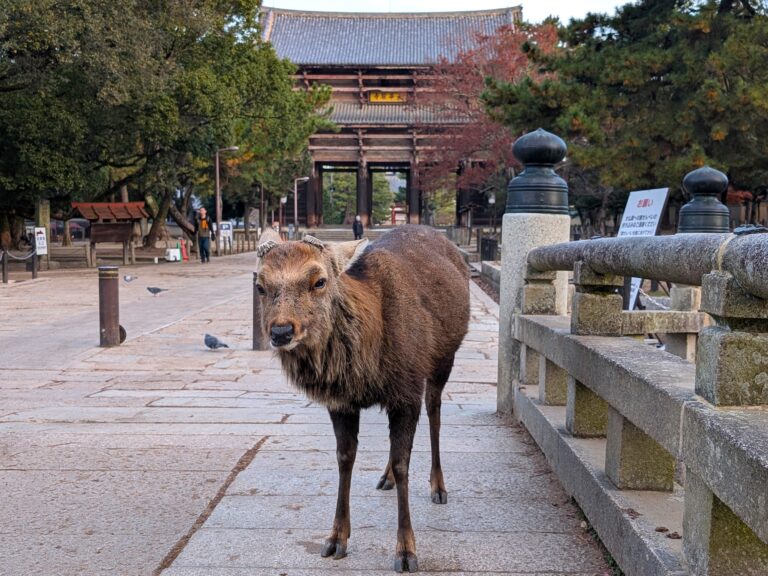
Miyajima deer are medium-sized sika deer. In summer, their coats are reddish-brown with clear white spots, while in winter the coat becomes darker and the spots are less noticeable.
A large white rump patch is one of the easiest features to recognize. Adult males grow antlers, which are shed and regrown each year, while females do not have antlers. Fawns have especially prominent white spots.
Seasonal coat changes can make the deer look quite different depending on when you visit Miyajima.
Are Miyajima Deer Wild?
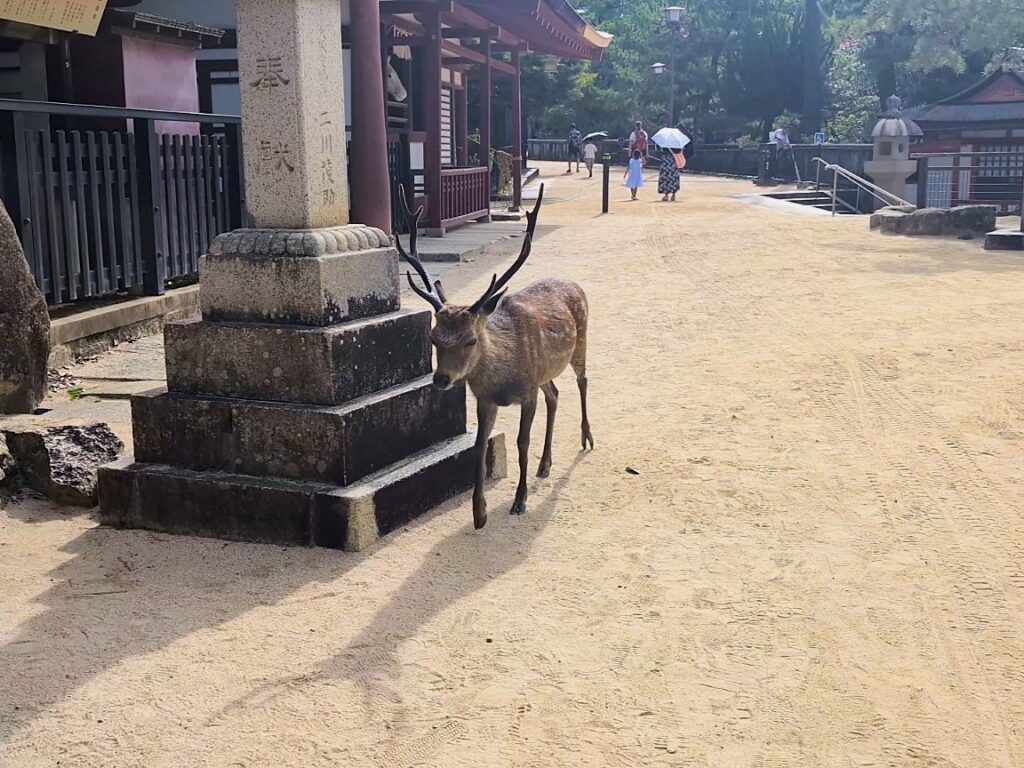
Yes. The deer on Miyajima are wild animals, even though many of those around the town and main sightseeing areas are accustomed to people.
Deer also live in the island’s forests, and individuals away from the busy tourist areas may be much more wary of humans. The Miyajima Tourist Association notes that deer have resting areas in the woods and often move between feeding areas and their nighttime resting places.
Because they are wild, visitors should avoid touching, chasing, or feeding them, even when a deer approaches closely.
How Do Miyajima Deer Behave Around People?
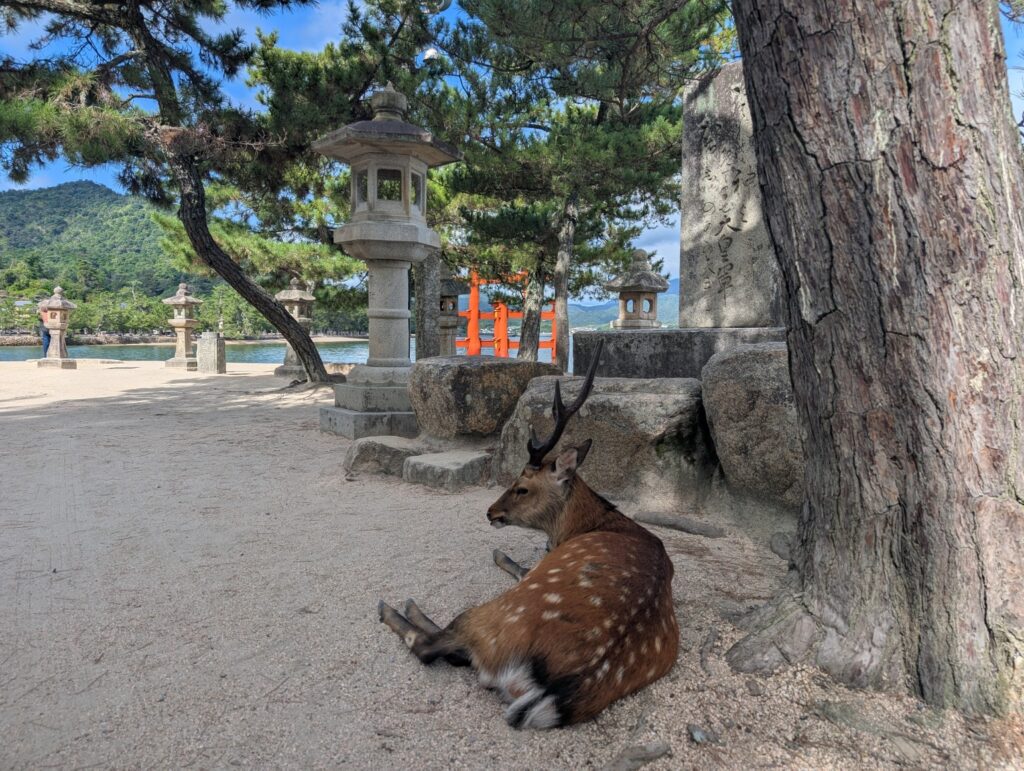
Many deer around Miyajima’s main sightseeing areas are accustomed to people and may approach visitors closely.
Some may sniff around bags, pockets, or belongings, especially if they smell food. Miyajima’s official tourist map also warns that deer may eat paper or cloth, including tickets and souvenirs, so it is best to keep these items secured.
Even when a deer seems calm, remember that it is still a wild animal. Avoid touching, chasing, or teasing deer, and give them space if they move away.
What Do Miyajima Deer Eat?
Miyajima deer naturally feed on grasses, leaves, buds, fallen leaves, and other plant material.
Problems begin when deer eat human food, garbage, or items that are not part of their natural diet. The Miyajima Tourist Association warns that some deer have swallowed plastic and other waste, which cannot be digested and can lead to serious health problems.
Paper is also not safe to feed them. Deer may grab maps, tickets, pamphlets, or even cloth from visitors, so keep these items out of reach.
For their health, do not feed the deer and take all trash with you.
When Are Fawns Born on Miyajima?
Miyajima deer mate mainly in autumn. During the rut, adult males may call loudly, rub their antlers, and compete with other males.
Fawns are born in spring to early summer. The Miyajima Tourist Association notes that births generally occur from around April to June, after a gestation period of roughly seven months.
Newborn fawns spend much of their first weeks hidden in vegetation while their mothers return periodically to nurse them. If you find a fawn alone, do not touch or approach it—the mother may still be nearby.
Why You Should Not Feed Miyajima Deer
Feeding deer may seem harmless, but it can cause serious health problems and change their natural behavior.
Miyajima deer have learned to approach people for food, and some have also eaten garbage, plastic, paper, and other materials they cannot properly digest. The Miyajima Tourist Association warns that swallowed plastic can remain in the stomach and contribute to malnutrition or even death.
For this reason, visitors should:
- Never feed the deer
- Keep food securely packed away
- Do not offer paper or other objects
- Take all trash with you
- Avoid encouraging deer to approach for food
The deer on Miyajima are wild animals, and keeping them dependent on natural food is better for both the animals and visitors.
How to Behave Around Miyajima Deer
Miyajima deer are used to seeing people, but they are still wild animals. Give them space and let them decide whether to approach you.
When watching or photographing deer:
- Do not chase or surround them for photos
- Avoid touching or grabbing them
- Keep bags, tickets, maps, and souvenirs secure
- Give extra space to deer with fawns
- Be cautious around adult males, especially during the autumn rut
- Never leave food or trash where deer can reach it
Miyajima’s official tourist information specifically warns that deer may eat paper and cloth, including tickets and souvenirs, so keep personal belongings out of reach.
My Experience Seeing Deer on Miyajima
What stood out most to me was the combination of the sea, the torii gate, and free-roaming deer. It creates a scene that feels very different from seeing sika deer in the mountains or forests elsewhere in Japan.
I saw deer walking quietly along the shoreline near Itsukushima Shrine and resting in the shade around the island. My favorite time was early morning, when there were fewer visitors and the atmosphere was much calmer.
If you want to photograph Miyajima’s deer in a quieter setting, I would personally choose the morning before the main sightseeing areas become crowded.
If you’d prefer to explore Miyajima with a local guide, there are walking and sightseeing tours that cover the island’s main attractions.
Related Articles
Planning to see more deer or wildlife in Japan? You may also want to read:
▶ Sika Deer – Where to See in Japan
▶ Best Places to See Sika Deer in Japan: Nara, Miyajima & Nikko
▶ Nara Park Deer Guide: Where to See Them, Safety & Best Times
▶ Wildlife in Japan: Best Places to See Wild Animals