Wildlife Watching in Japan: Rules, Etiquette, and Safety Tips
Introduction
Japan is a country where wildlife can be observed surprisingly close to daily life.
From deer and monkeys to a wide variety of birds, encounters with wild animals are possible not only in remote mountains but also near cities and tourist destinations.
However, this closeness comes with risks.
Because people and wildlife often share the same spaces, misunderstandings and accidents can happen more easily than many visitors expect.
To enjoy wildlife safely and responsibly, observers need to understand basic rules and etiquette.
This guide explains the most important points to keep in mind when watching wildlife in Japan, especially for first-time visitors and beginners.
If you are interested in wildlife you can realistically encounter while traveling in Japan,
Wildlife You Can See Around Japanese Cities serves as the main entry point on this site.
→ Wildlife You Can See Around Japanese Cities
Do Not Get Too Close to Wild Animals
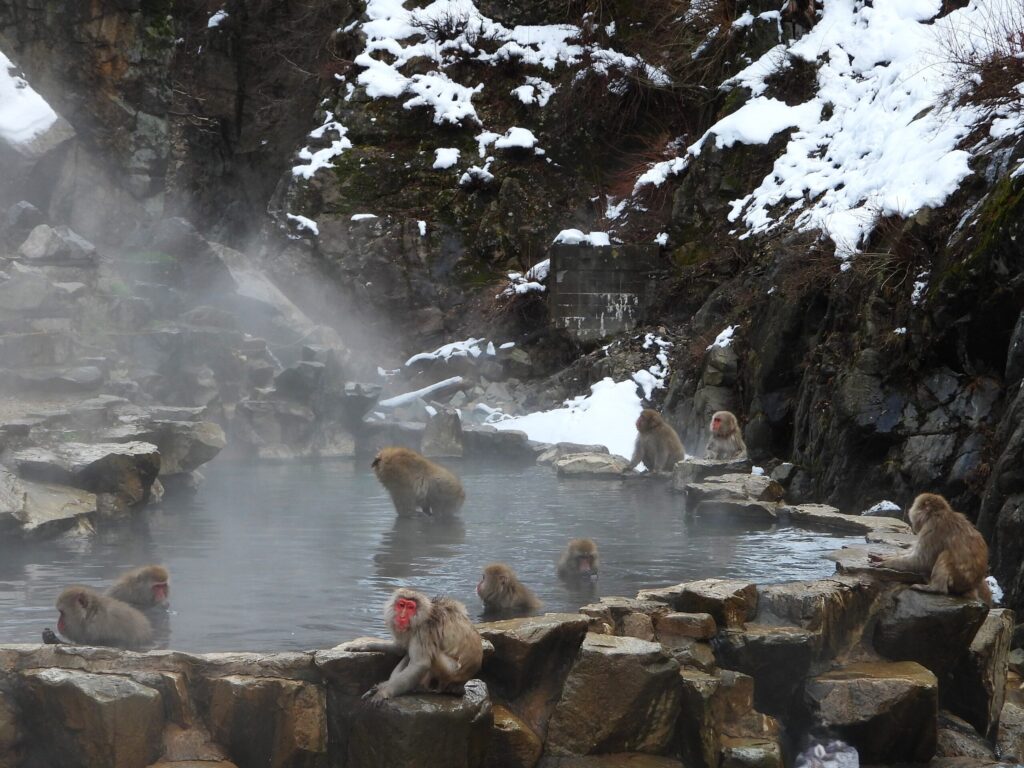
Even if animals appear calm or accustomed to people, they are still wild.
Animals seen in parks or popular sightseeing areas are not domesticated and can behave unpredictably.
Getting too close may trigger defensive or aggressive behavior.
It can also cause stress, leading animals to change their natural behavior or become overly accustomed to humans.
When observing or taking photos, always keep a respectful distance and allow animals to move freely.
Never Feed Wild Animals
Feeding wildlife is a serious issue in many parts of Japan.
When animals receive food from people, they begin to associate humans with easy meals.
This can lead to problem behaviors such as stealing food, searching through trash, or approaching people aggressively.
In some cases, this results in injuries to both animals and humans.
Do not feed wild animals human food.
In places where feeding is officially managed, such as designated feed sold on-site, follow local rules strictly and never offer anything else.

Avoid Using Flash and Strong Lights
Bright flashes and strong lights can startle animals, cause stress, and disrupt natural behavior, especially at night.
Sudden light exposure may interfere with orientation and normal activity patterns.
If observing wildlife at night, use the lowest light level necessary and avoid shining lights directly at animals.
Whenever possible, prioritize observation over photography.
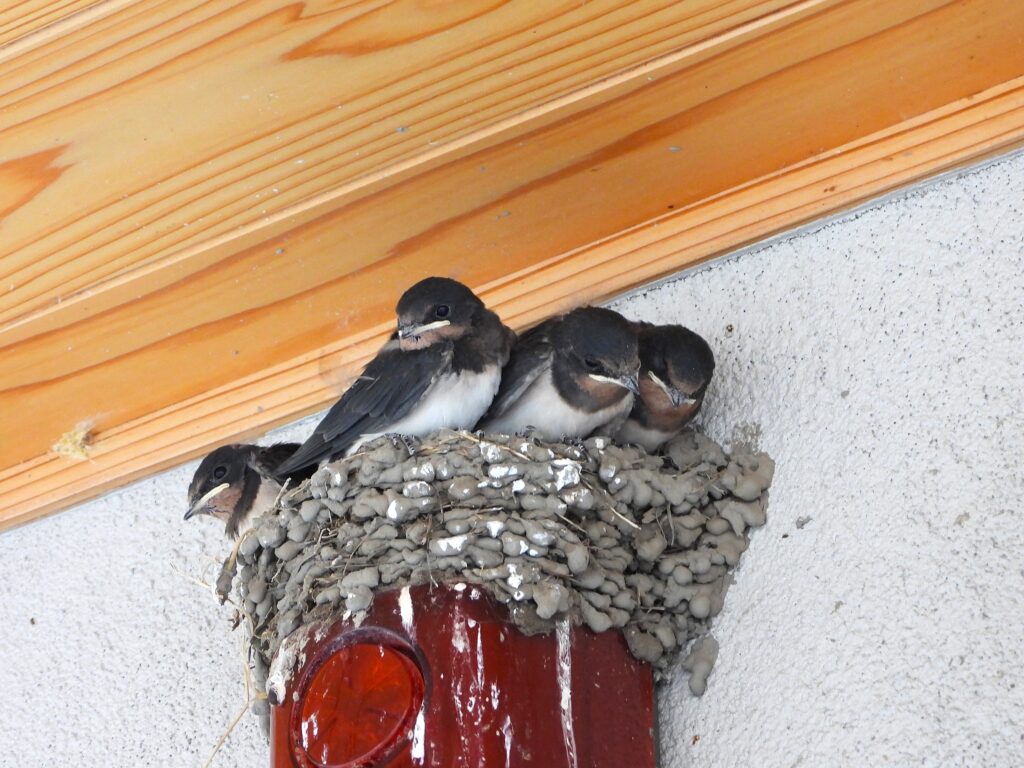
Do Not Interfere With Nests, Young, or Breeding Behavior
Nests, chicks, and young animals require special care from observers.
Repeated disturbance around nests can cause parents to reduce feeding visits or, in some cases, abandon eggs or chicks.
Animals that appear weak or alone are not always abandoned or injured.
In many situations, human intervention causes more harm than good.
If an animal truly needs help, it should be handled by trained professionals.
As observers, the safest rule is not to interfere.
Respect Private Property and Restricted Areas
Many forests, fields, and mountain areas in Japan are privately owned.
Shrines and temples often have surrounding woodland that is not open to the public.
Seeing wildlife does not mean entry is allowed.
Entering restricted areas can cause conflicts with landowners and may lead to the closure of wildlife observation sites.
Always follow posted signs and observe wildlife only in permitted areas.
Keep Noise and Movement to a Minimum
Loud voices, sudden movements, running, or surrounding animals can be perceived as threats.
From an animal’s perspective, humans may resemble predators.
The basics of wildlife observation are simple: stay quiet, move slowly, and wait.
By minimizing your presence, you are more likely to witness natural behavior.

Take All Trash With You
Food scraps and packaging can easily be mistaken for food by wild animals.
This encourages animals to associate humans with feeding opportunities.
Trash problems can also lead to environmental damage and site closures.
To protect wildlife and observation areas, always take all trash with you.
Animals That Require Extra Caution in Japan
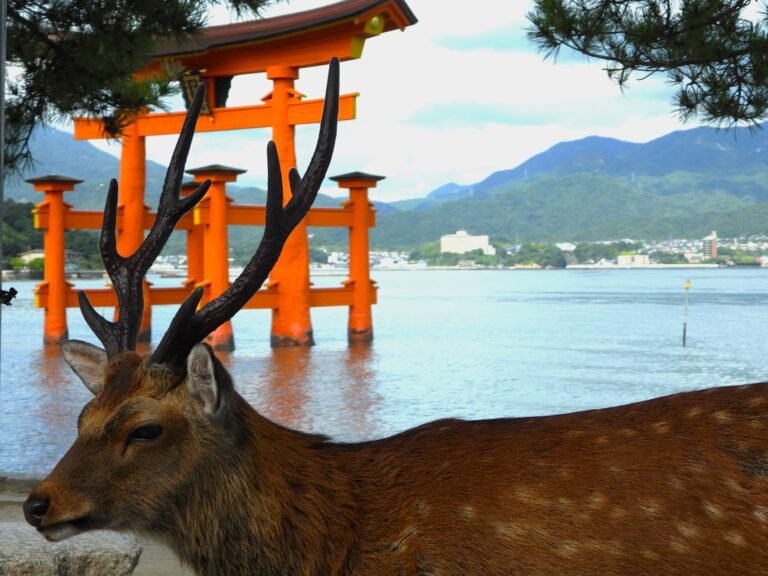
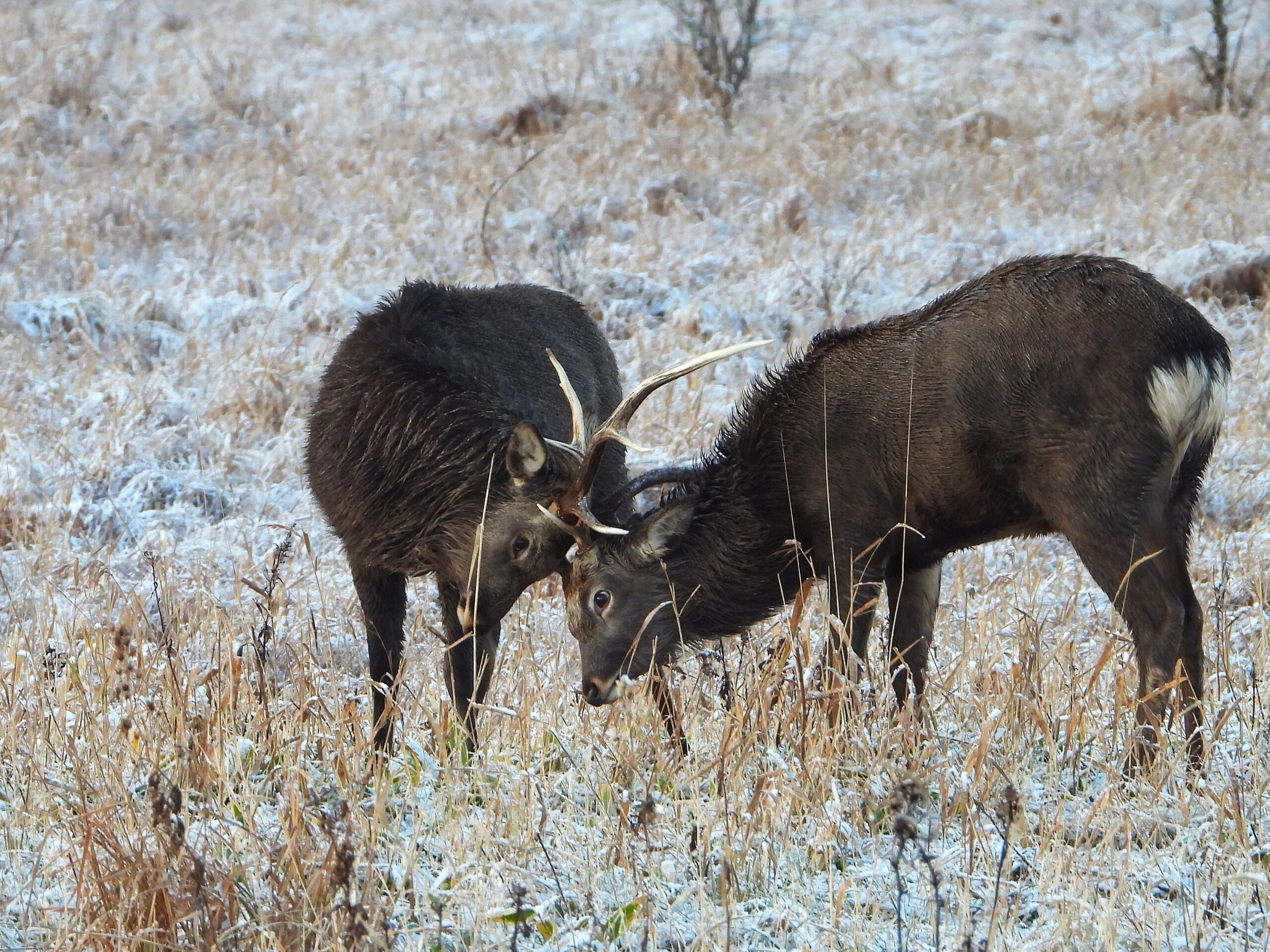
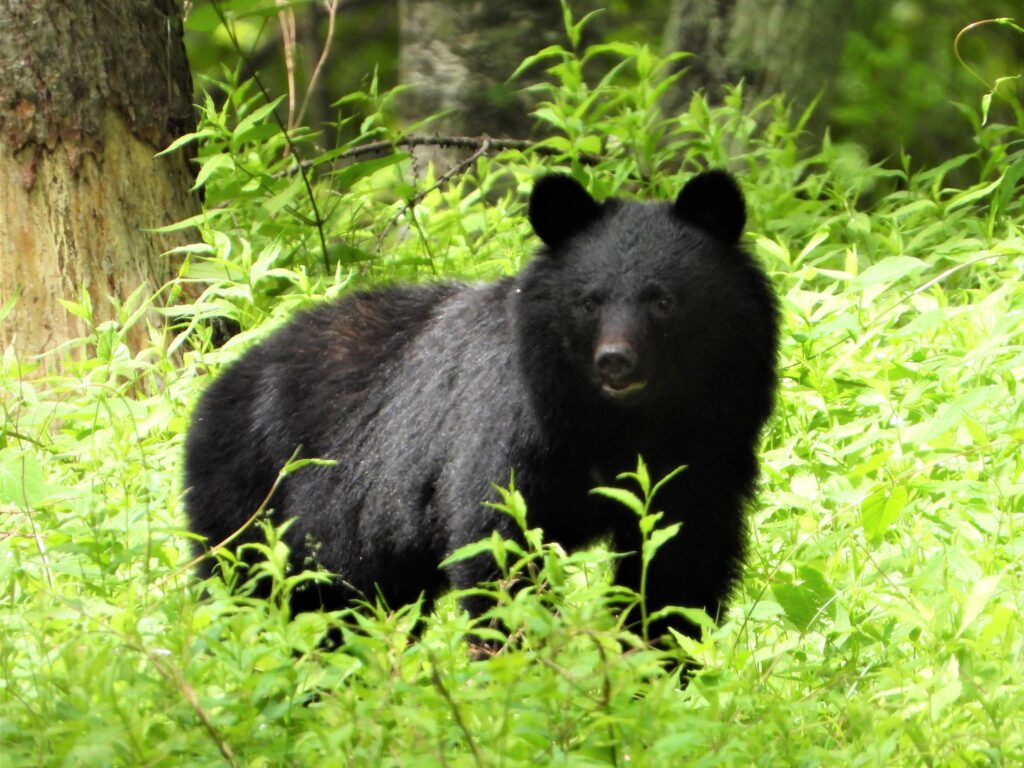
Certain animals in Japan require particular attention, including deer, monkeys, wild boar, and bears.
These animals can become aggressive depending on the situation, season, or proximity to humans.
Each species has unique risks and behaviors, which are explained in detail in separate guides.
Wildlife Watching Is the Observer’s Responsibility
Wildlife watching offers rare and meaningful experiences that cannot be found elsewhere.
However, these experiences depend entirely on how observers behave.
By following basic rules and etiquette, we can reduce stress on animals, avoid accidents, and protect these environments for future visitors.
Responsible behavior ensures that wildlife watching remains possible for everyone.
Author’s Impression
I personally follow the rules and etiquette described above when observing wildlife in Japan.
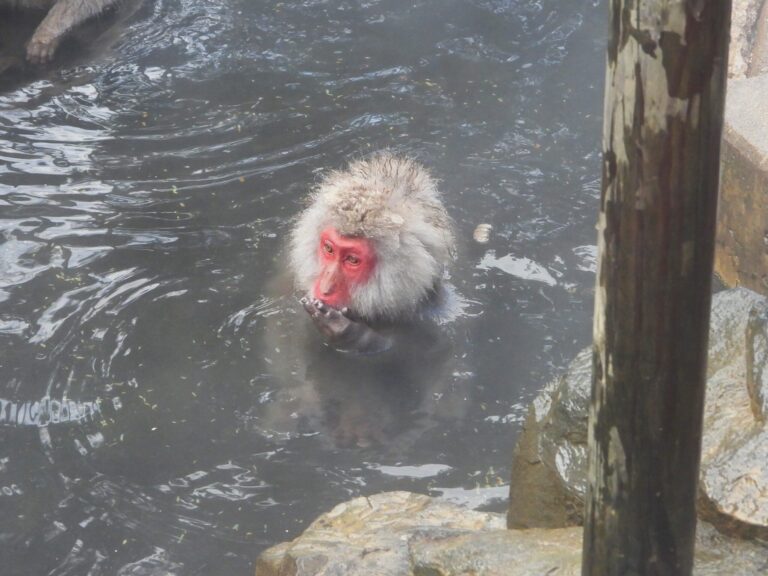
Even so, I once had a close encounter with a Japanese macaque while walking on a mountain trail.
At a blind corner, I suddenly found myself face-to-face with the monkey at very close range.
It immediately showed aggressive behavior and nearly attacked.
That experience reminded me that even careful observers can encounter unexpected danger.
Wild animals do not understand human intentions, and we are always unpredictable to them.
Since then, I have been especially mindful of keeping distance and paying attention in areas with limited visibility.
Wildlife watching is deeply rewarding, but staying alert and avoiding overconfidence is essential for safety.
Related Articles
To learn more about wildlife safety and responsible observation in Japan, you may also find these guides helpful:
Dangerous Animals in Japan: Bears, Boars, Snakes, Hornets & Ticks
Hiking in Japan? Don’t Miss These Bear Safety Tips
Japan Animals – Complete Guide to Wildlife in Japan