How to Start Wildlife Watching in Japan
Introduction
Japan is one of the most accessible countries in the world for beginners interested in wildlife watching.
Unlike destinations where observing wildlife requires long expeditions or specialized equipment, Japan offers many opportunities to encounter animals surprisingly close to daily life.
Rivers flowing through cities, forested hills near residential areas, and rural landscapes all support diverse wildlife. Combined with a strong culture of safety, reliable public transportation, and well-maintained natural spaces, Japan provides an ideal environment for people who want to start observing wild animals responsibly.
This guide explains how to begin wildlife watching in Japan, including what animals you are likely to see, where to go, when to observe, and how to do so safely and ethically.
If you are interested in wildlife you can realistically encounter during travel or everyday exploration,
Wildlife You Can See Around Japanese Cities serves as the main entry point on this site.
→Wildlife You Can See Around Japanese Cities
What Is Wildlife Watching in Japan?
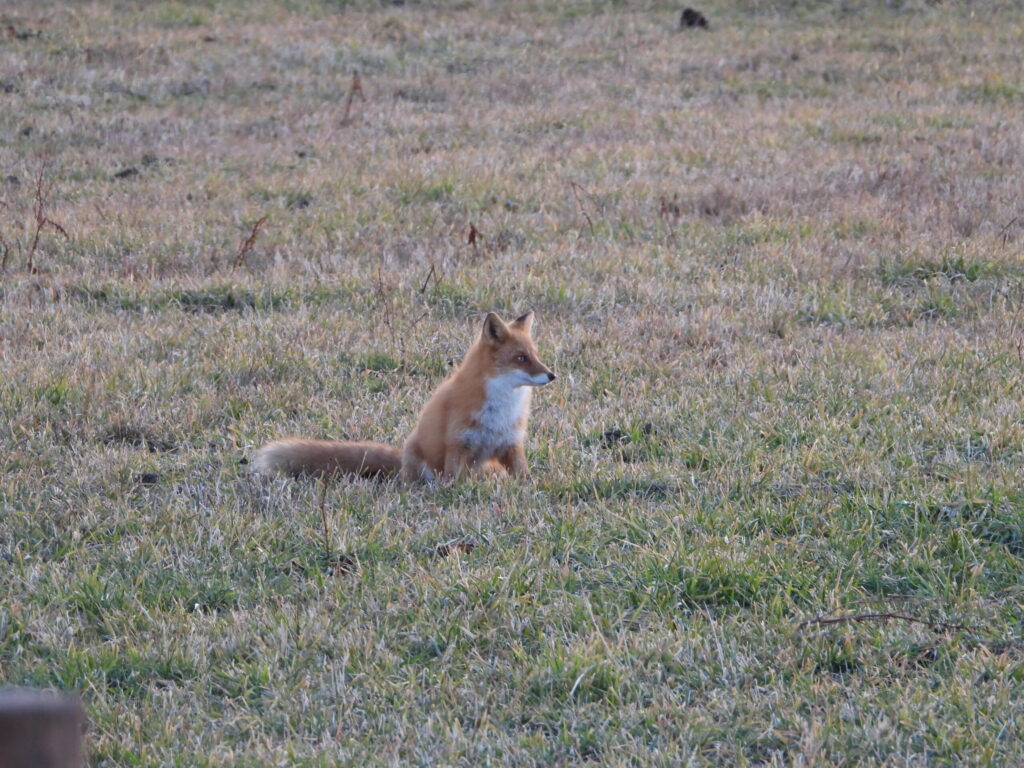
Wildlife watching in Japan refers to observing animals living freely in natural environments, rather than in zoos, safari parks, or other enclosed facilities.
A distinctive feature of Japan is the presence of satoyama landscapes—areas where forests, farmland, rivers, and human settlements exist side by side. These transition zones can increase the chances of observing wildlife, especially birds and small animals, because human activity and natural habitats closely overlap.
As a result, beginners do not always need to travel deep into remote wilderness. Parks, riverbanks, agricultural edges, and low mountain trails often provide suitable conditions for quiet observation.
Wildlife watching in Japan emphasizes patience, distance, and respect rather than close interaction.
Best Wild Animals for Beginners in Japan
Not all animals are equally easy to observe. For beginners, the most suitable species tend to have wide distributions, tolerate human presence, and show some daytime activity.
Common Mammals
Several mammals are regularly observed even by first-time wildlife watchers:
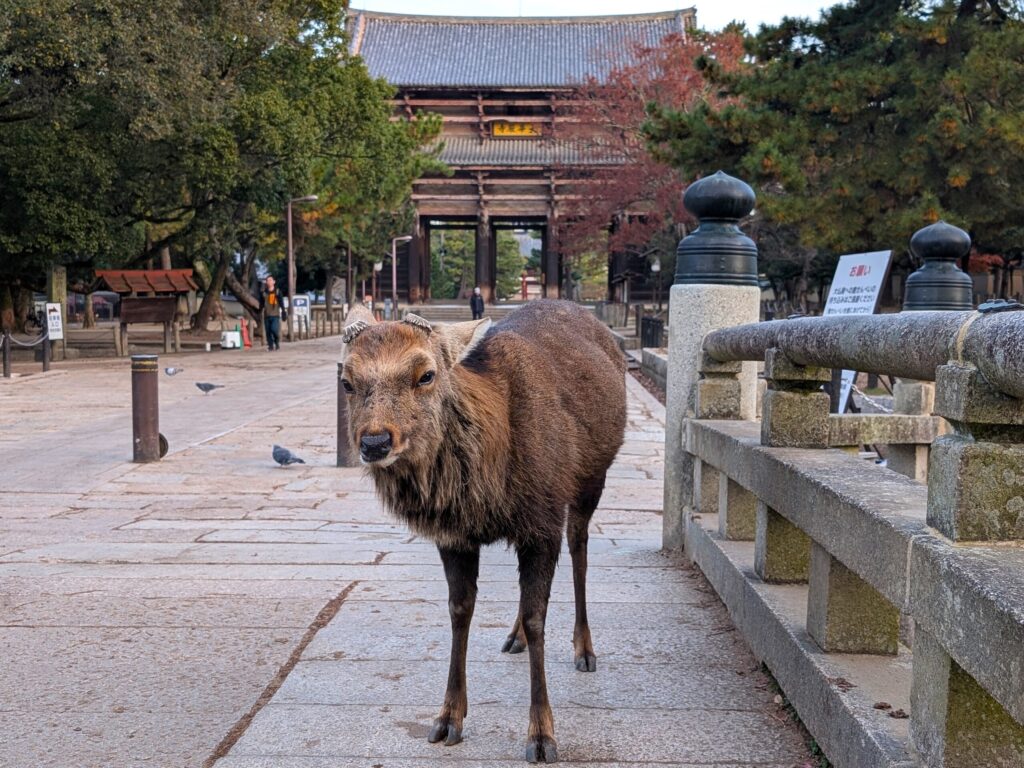
- Deer in forest edges, parks, and rural areas
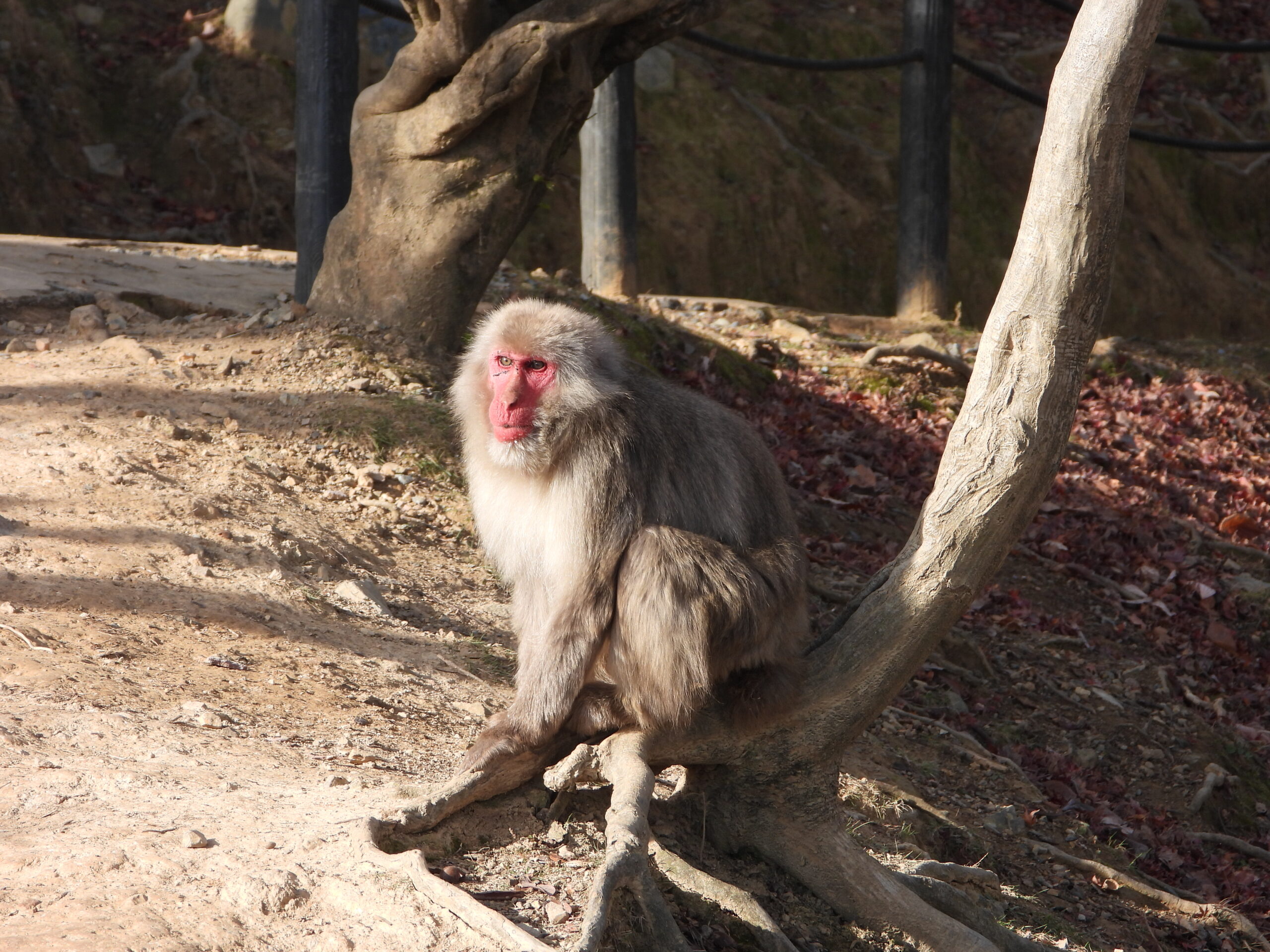
- Monkeys in mountainous regions and some well-known valleys
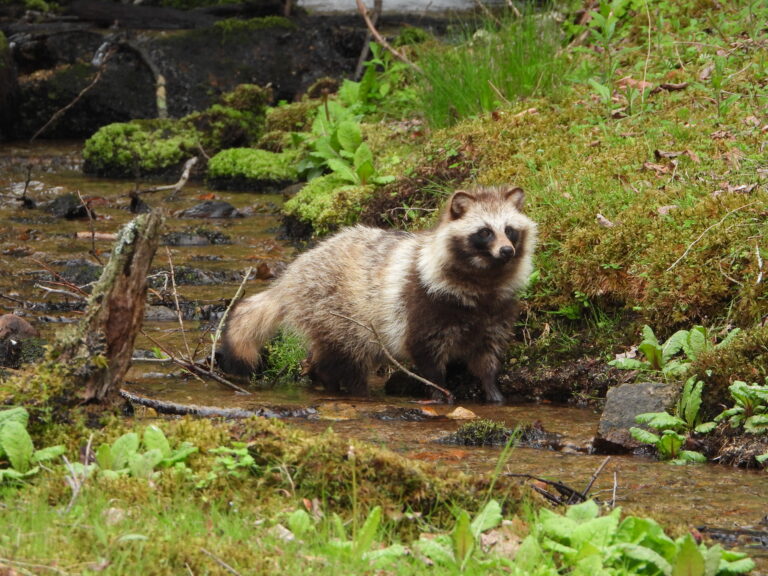
- Foxes and raccoon dogs in quieter countryside and forest margins
For a broader overview of mammals commonly encountered in Japan, see:
◀ LINK: Mammals of Japan – Guide to Monkeys, Deer, Foxes, and More
Birds and Small Wildlife
Birds are often the easiest animals to observe in Japan. Rivers, ponds, parks, and urban green spaces support many species throughout the year.
Even without specialized knowledge, beginners can frequently spot birds along waterways and in city parks. Reptiles, amphibians, and insects are also commonly encountered during warmer months, particularly near water.
Best Places to Start Wildlife Watching
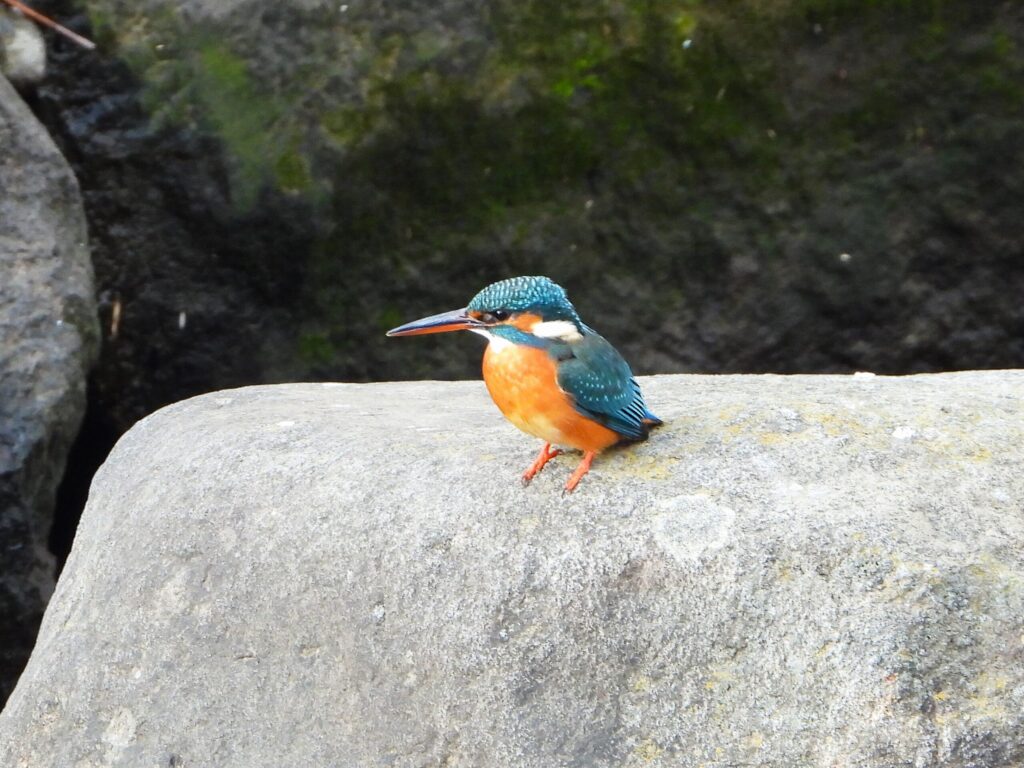
Wildlife watching in Japan does not require remote or dangerous locations.
Urban Parks and Rivers
Many cities maintain green corridors along rivers where birds, turtles, fish, and small mammals live. These areas are easy to access and suitable for beginners.
Rural Areas and Satoyama Landscapes
Village outskirts, agricultural edges, and forested foothills often support high biodiversity due to the mix of habitats. These environments are among the most reliable places to encounter wildlife.
Quiet Nature Trails
Trails with low visitor traffic provide better conditions for observation. Early morning walks increase the likelihood of sightings.
Best Time for Wildlife Watching in Japan
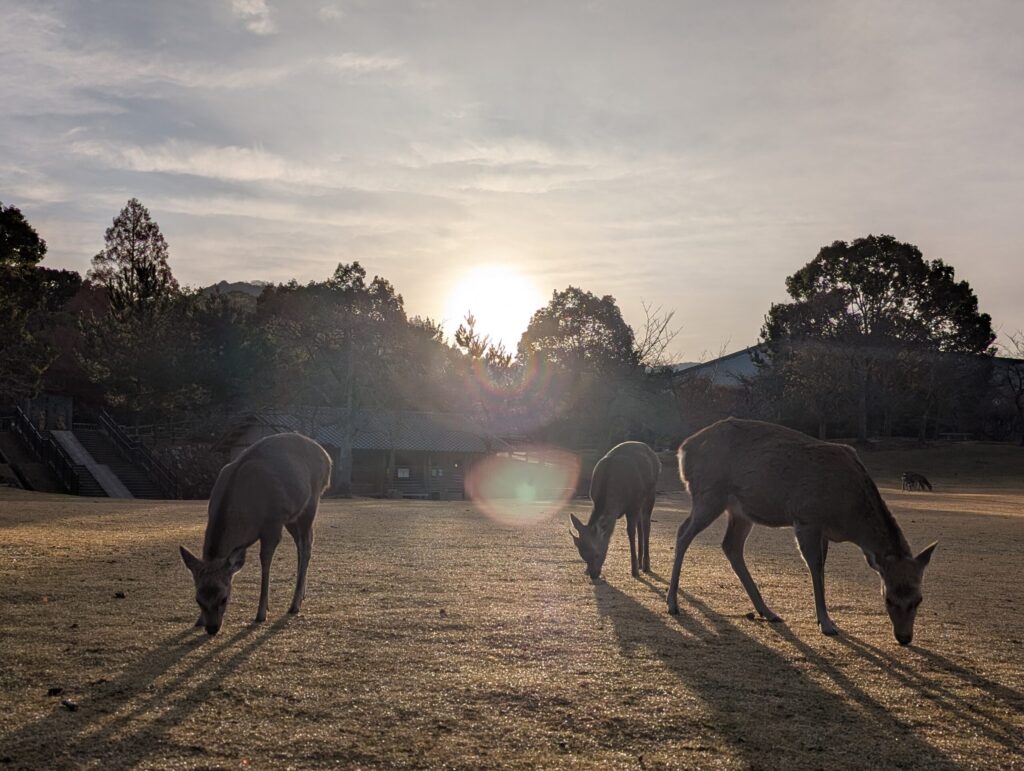
Time of Day
Many animals are most active during the early morning and late afternoon, when temperatures are cooler and movement increases. While wildlife can still be observed during the day, activity is often reduced at midday.
A detailed explanation of daily and seasonal timing is available here:
◀ LINK: Best Time to See Wildlife in Japan
Seasonal Differences
- Spring: Increased bird song, breeding activity, and rising insect numbers
- Summer: High activity for insects and reptiles, though heat can reduce mammal movement
- Autumn: Increased movement as animals prepare for winter
- Winter: In some habitats, wildlife can be easier to spot due to reduced foliage, although conditions and accessibility vary by region
Basic Rules and Safety Tips
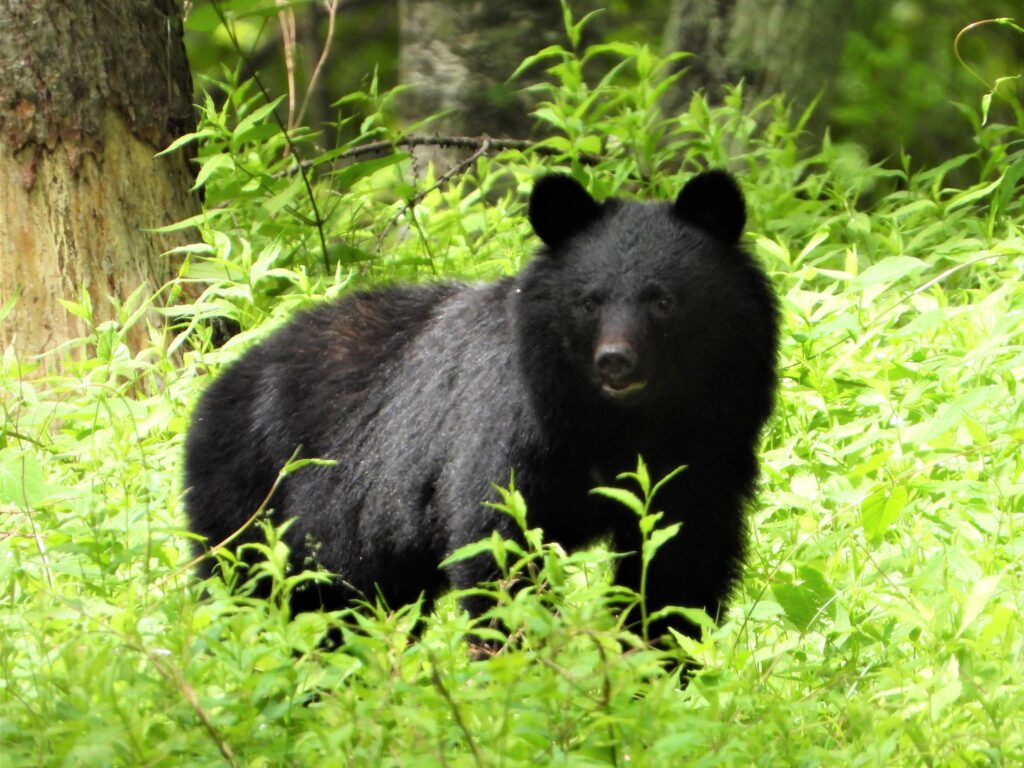
Responsible wildlife watching protects both animals and observers.
Core Principles
- Never touch wild animals
- Do not feed wildlife
- Keep a safe distance
- Avoid blocking escape routes
- Observe quietly and briefly
Japan emphasizes coexistence with wildlife, and these principles help prevent stress, habituation, and dangerous encounters.
For a more detailed explanation of etiquette and observation ethics, see:
◀ LINK: Wildlife Watching in Japan – Rules, Etiquette, and Safety Tips
Understanding Potential Risks
Japan is widely considered a safe destination, but wildlife is inherently unpredictable. In forested or mountainous regions, some animals require greater awareness and caution.
A clear overview of species that deserve special attention is provided here:
◀ LINK: Dangerous Animals in Japan
This information is intended to support informed observation rather than discourage wildlife watching.
Simple Gear You Need to Get Started
Wildlife watching in Japan requires minimal equipment.
Basic Items
- Comfortable walking shoes
- Weather-appropriate clothing
- A small backpack
- Binoculars (optional but helpful)
- A camera or smartphone
Neutral-colored clothing and slow, quiet movement can significantly improve observation success.
How to Enjoy Wildlife Watching More
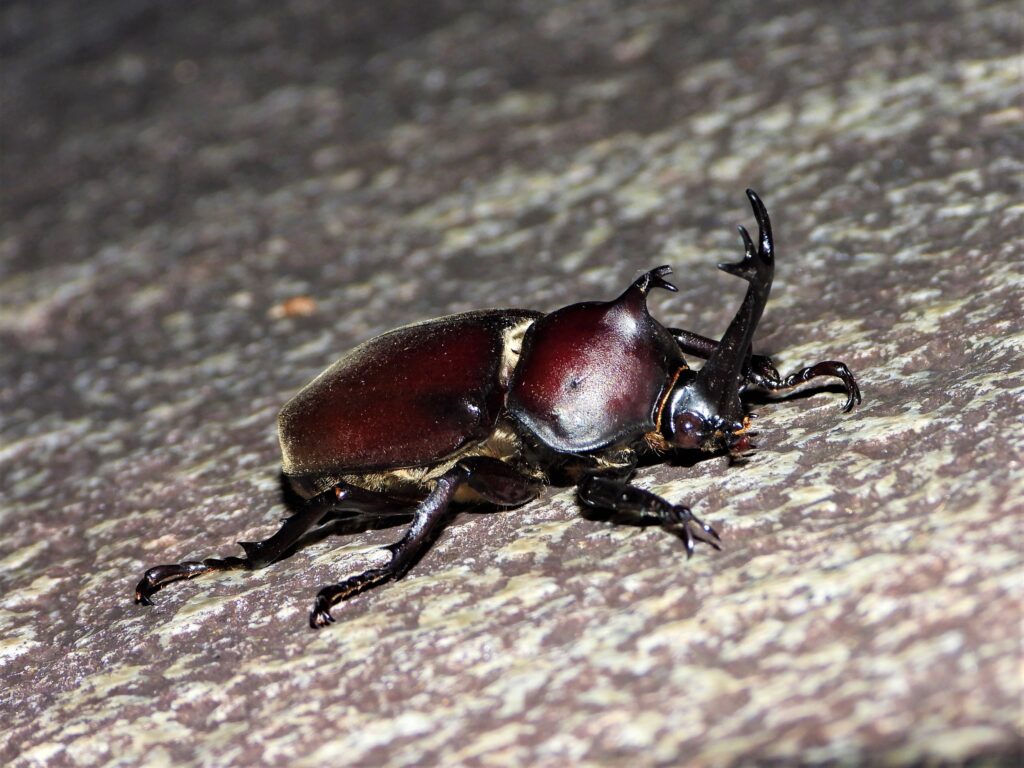
Wildlife watching improves with experience and consistency.
- Visit the same locations repeatedly
- Move slowly and remain observant
- Learn to recognize sounds and movement
- Keep notes or photographs of sightings
Many encounters are brief and unexpected. Remaining attentive is often more effective than actively searching.
Final Advice for Beginners in Japan
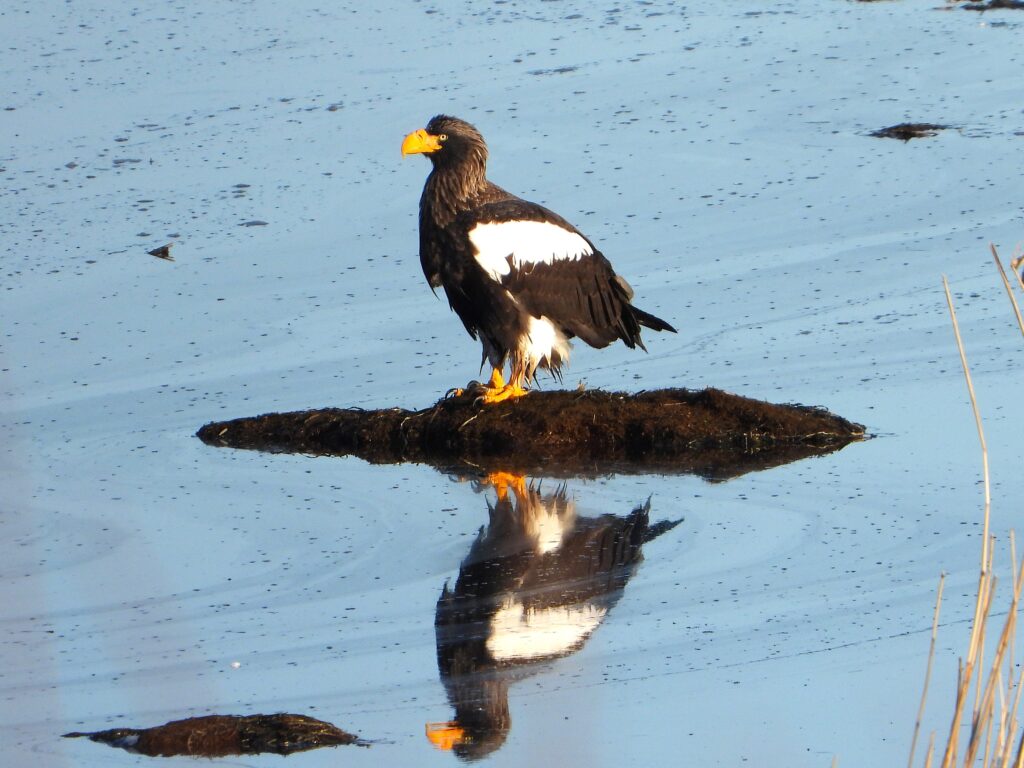
Wildlife watching in Japan is not about pursuing rare or dramatic encounters. It is about learning to notice the animals that already share the landscape with people.
Begin with familiar places such as parks, rivers, and nearby trails. Observe regularly, respect wildlife, and accept that some outings will produce few or no sightings.
Japan offers one of the most accessible environments in the world for beginner wildlife observers. With patience and respect, meaningful encounters will naturally follow.
Related Guides & Articles
Mammals of Japan – Guide to Monkeys, Deer, Foxes, and More
Best Time to See Wildlife in Japan
Wildlife Watching in Japan: Rules, Etiquette, and Safety Tips