Wildlife You Can See at Japanese Temples and Shrines
Japanese temples and shrines are known for their history and culture, but they are also great places to see wildlife.
You might spot deer walking through the grounds or hear birds singing in the trees, all while visiting famous landmarks.
Many people know about the deer in Nara, but wildlife can be found at many temples and shrines across Japan.
Why Wildlife Lives at Temples and Shrines
There are several reasons why animals are often seen in these places.
Temple and shrine grounds usually have plenty of trees, creating a natural environment where animals can live.
These areas are also protected and not heavily developed, making them safe habitats.
In addition, food sources such as insects, seeds, and plants are easy to find, which helps wildlife thrive.
What You Can Actually See
Seeing wildlife at temples and shrines is a unique experience.
You might see deer calmly walking through the grounds, or monkeys watching from trees, and occasionally on rooftops in certain areas.
Birds sing in the quiet surroundings, and in some places, small animals may be active in the evening.
It’s a rare chance to experience wildlife up close in a cultural setting.
Common Wildlife at Japanese Temples and Shrines
Sika Deer
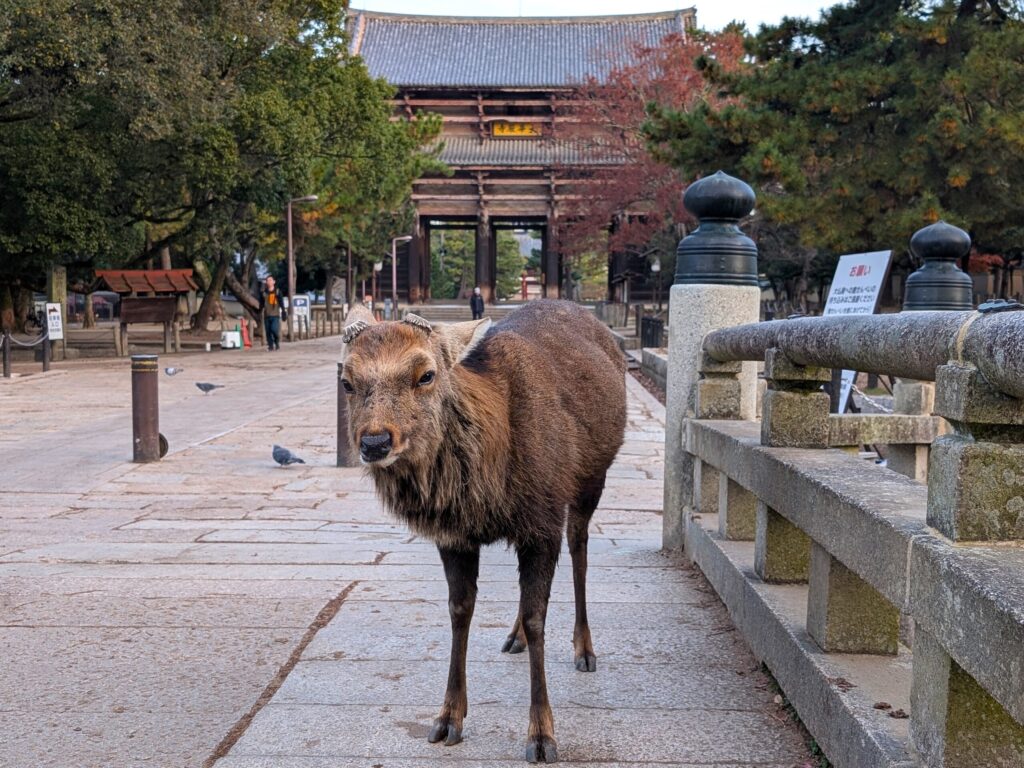
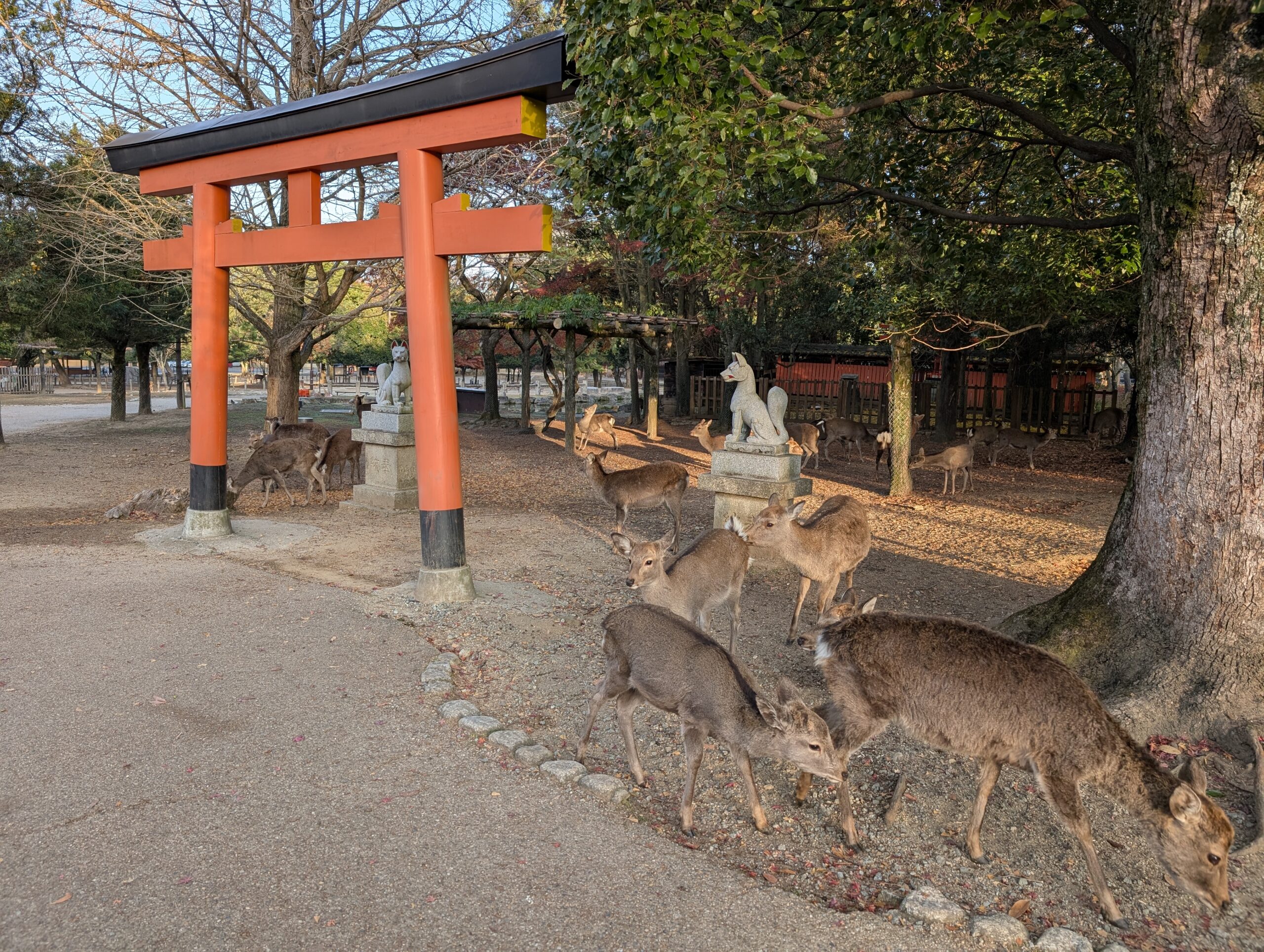
In places like Nara Park, deer roam freely around temples and shrines.
They are used to people and are one of the most iconic animals in Japan.
Japanese Macaques

At temples near mountains, you may see Japanese macaques.
They often move in groups and can be seen in trees, and occasionally on rooftops in certain areas.
Tanuki (Raccoon Dog)
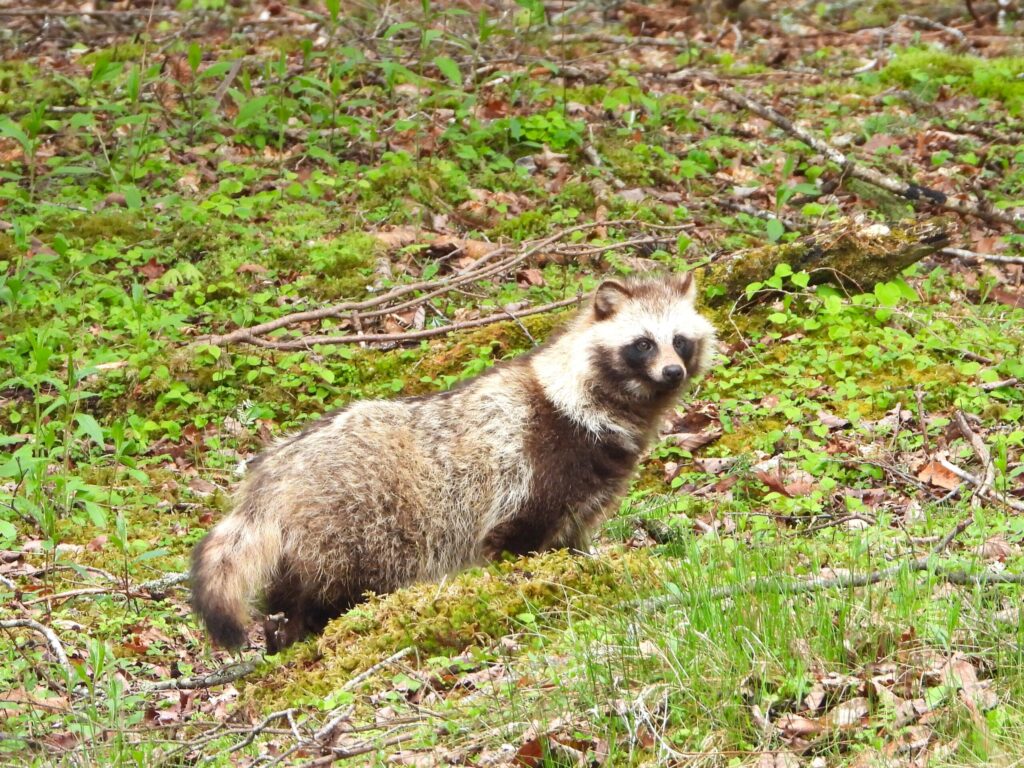
Tanuki are mostly active at night, but they may occasionally appear around quiet shrine areas.
They are surprisingly common, even near cities.
Birds (Crows, Sparrows, and More)
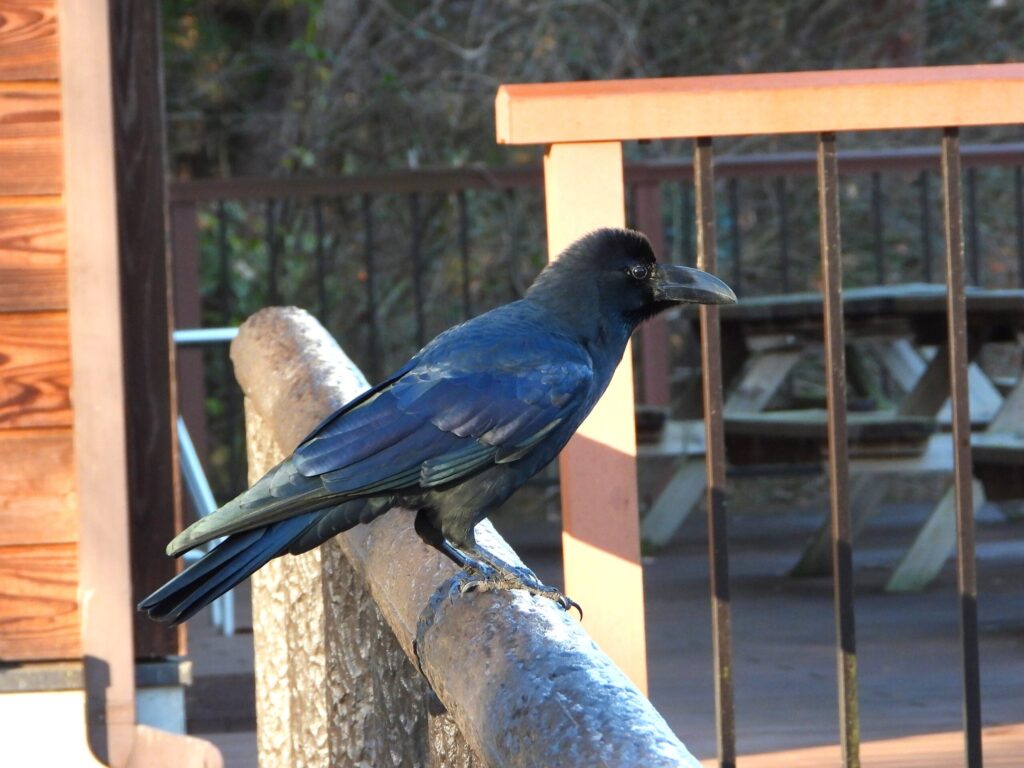
Birds are commonly seen at temples and shrines, especially species like crows and sparrows.
The quiet atmosphere and abundance of trees make it easier to notice their calls and movements.
In the early morning and late afternoon, birds become more active, and you may see them flying between trees or gathering around open areas.
Depending on the location, you might also spot species such as pigeons or tits.
Insects
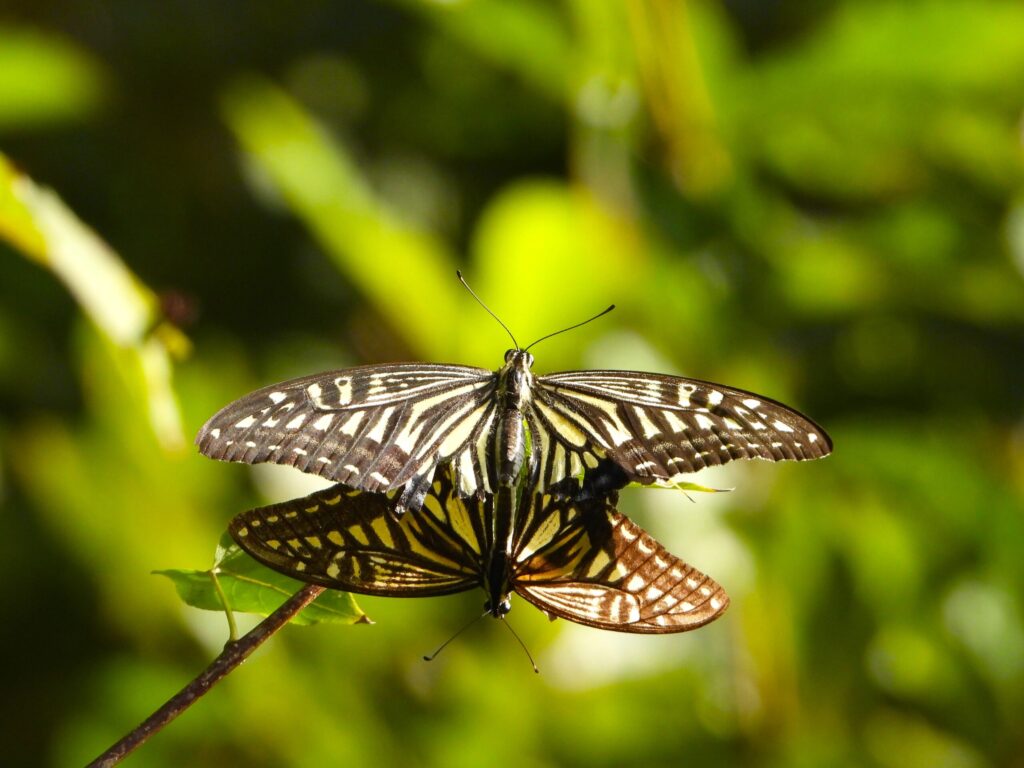
Temples and shrines also support a wide range of insects, especially during warmer seasons.
The presence of flowers, trees, and natural ground makes these areas an important habitat for small creatures.
From spring to summer, butterflies and dragonflies are common, while in autumn you may find grasshoppers and crickets.
Looking closely at plants or the ground can reveal a surprising variety of life.
Best Places to See Wildlife
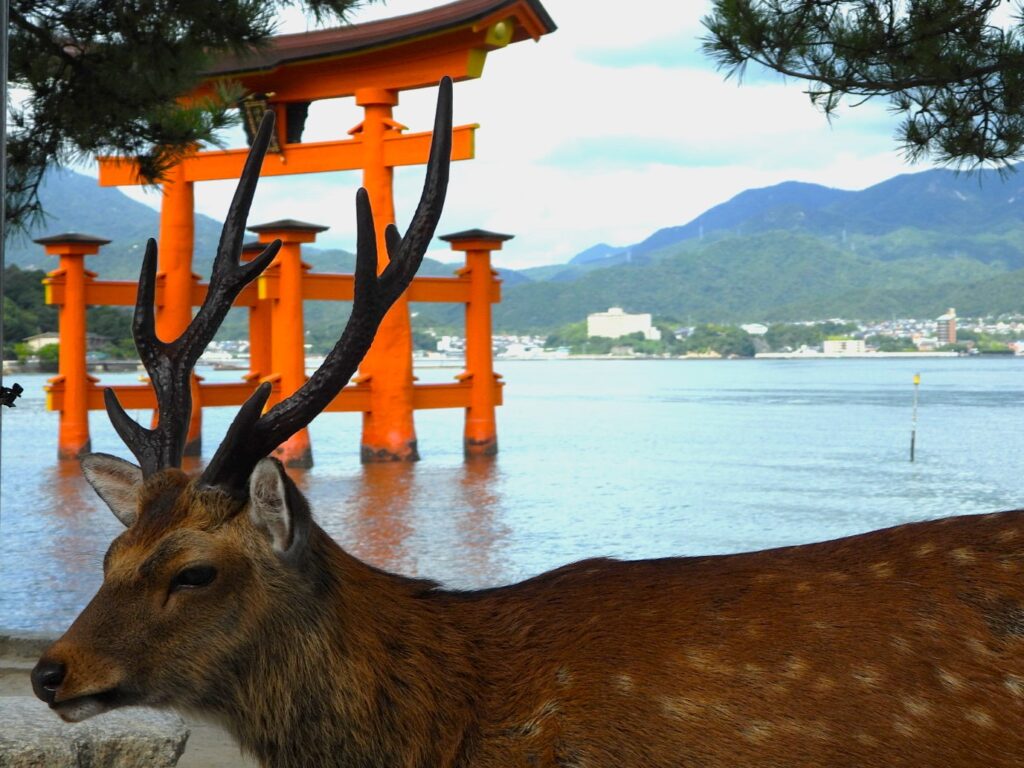
Some locations are especially well known for wildlife.
Nara Park is famous for its free-roaming deer, which you can observe up close.
▶ Nara deer guide
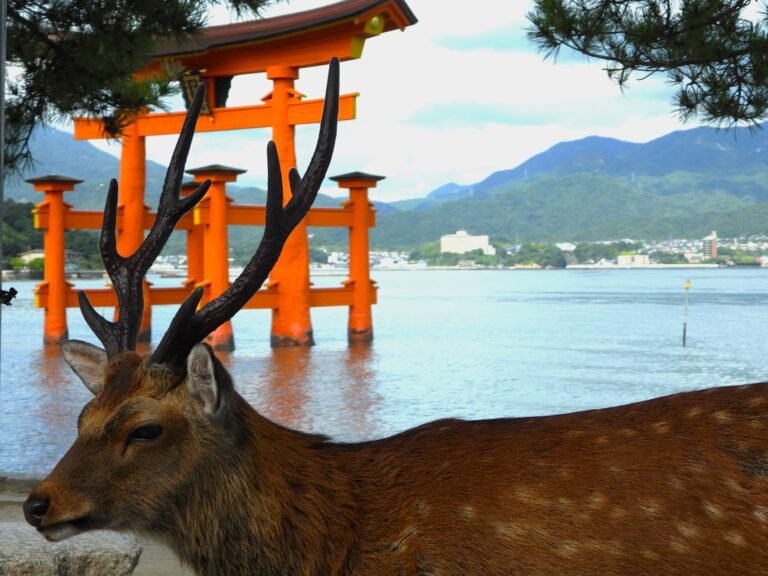
On Miyajima (Itsukushima Shrine), deer walk freely around the island, creating a unique scene by the sea.
▶ Miyajima deer guide
Temples in mountain areas like Kyoto or Nikko are good places to see monkeys and birds.
Smaller rural shrines can also be good spots for seeing tanuki and other wildlife.
When to See Wildlife
Time of day and season make a big difference.
Early morning and evening are the best times, as animals are more active.
From spring to autumn, you can see a wider variety of wildlife.
In winter, there are fewer species, but it can sometimes be easier to spot animals due to reduced human activity.
Tips and Safety
When observing wildlife, it’s important to follow basic rules.
Do not feed animals, except in specific areas like parts of Nara.
Keep a safe distance and avoid getting too close.
Staying quiet will help you see more natural behavior.
Why Temples and Shrines Are Special
Temples and shrines offer a different experience compared to parks or mountains.
They often have more natural elements than urban parks, yet are safer and easier to explore than deep mountain areas.
You can enjoy both cultural sightseeing and wildlife observation at the same time.
Try Finding Wildlife Yourself
Temples and shrines are some of the easiest places in Japan to spot wildlife.
You can visit them casually during your trip without any special preparation.
I have personally observed wildlife in Kyoto, Nara, and Miyajima.
One of the most surprising experiences was at a shrine in central Tokyo. Even in the middle of the city, a surprising amount of nature remains.
In these quiet, tree-filled spaces, you can hear birds and sometimes sense the presence of small animals.
It made me realize how suitable these environments are for wildlife.
Bringing binoculars or a camera can make your experience even better.
Next time you visit a temple or shrine, take a moment to look around—you might discover more than you expect.
Conclusion
Japanese temples and shrines are not only cultural landmarks but also great places to encounter wildlife.
From deer and monkeys to birds and small animals, many species live in these environments.
It’s a unique experience you can only have in Japan, where culture and nature exist side by side.