What Wildlife Can You See at Fushimi Inari Shrine?
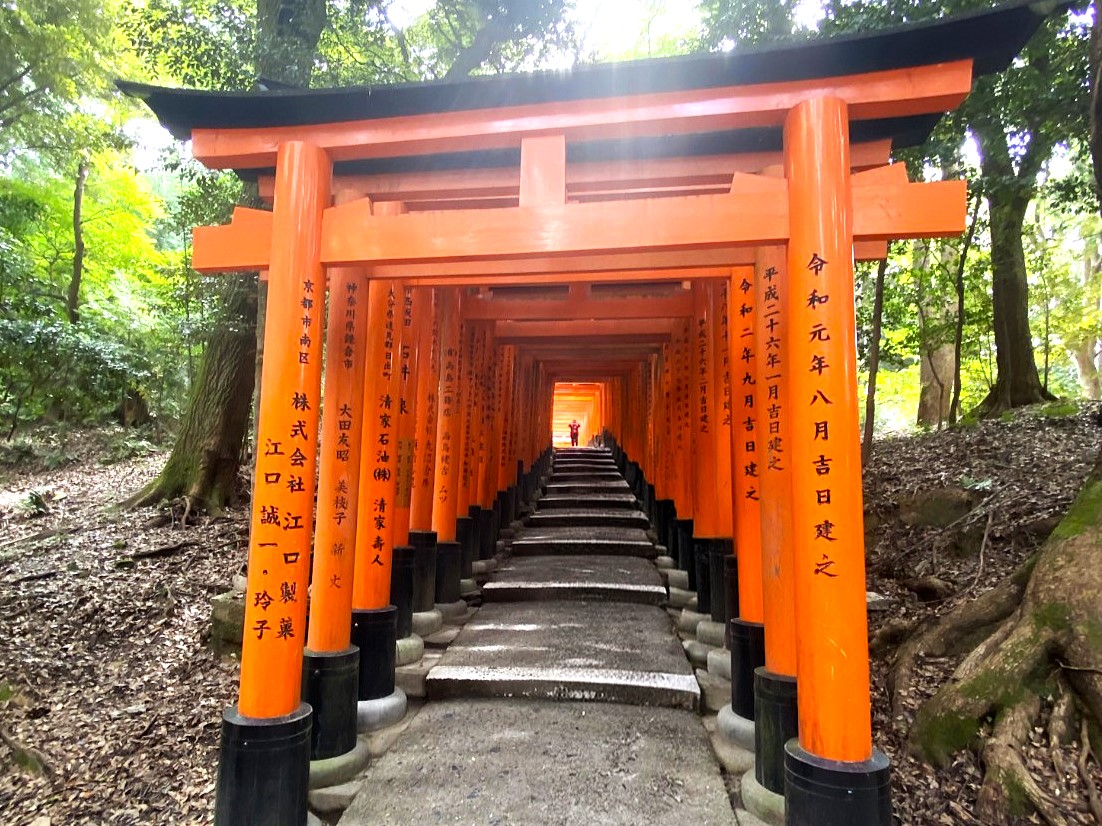
Fushimi Inari Taisha, commonly known as Fushimi Inari Shrine, is one of Kyoto’s most iconic landmarks, famous for its thousands of vermilion torii gates and fox statues.
However, this site is more than just a shrine—it is also part of Mount Inari, a forested mountain that supports a variety of wildlife.
So, is it possible to see animals while visiting Fushimi Inari?
This guide explains what wildlife you may encounter, how to enjoy birdwatching, and what to keep in mind for a safe visit.
Want to explore more wildlife in Japan? Start here.
▶ Wildlife You Can See Around Japanese Cities
A Shrine Set Within a Mountain Landscape
Fushimi Inari Shrine extends across the slopes of Mount Inari, which rises to approximately 233 meters.
Beyond the well-known torii gate pathways, the trails lead into wooded areas where the environment becomes noticeably quieter and more natural.
Although it is located within Kyoto, the surroundings can feel surprisingly secluded as you move further into the mountain.
This setting provides suitable habitat for a range of wildlife.
What Wildlife Can You See at Fushimi Inari?
Birds (The Most Common Sightings)
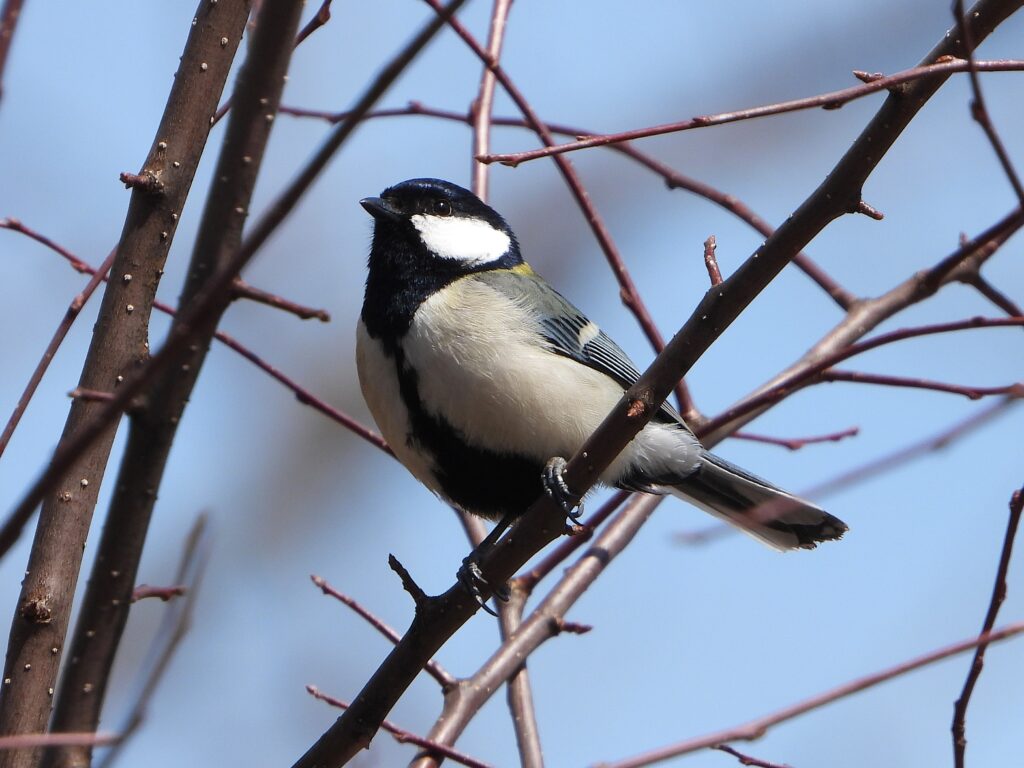
Birds are the wildlife you are most likely to encounter.
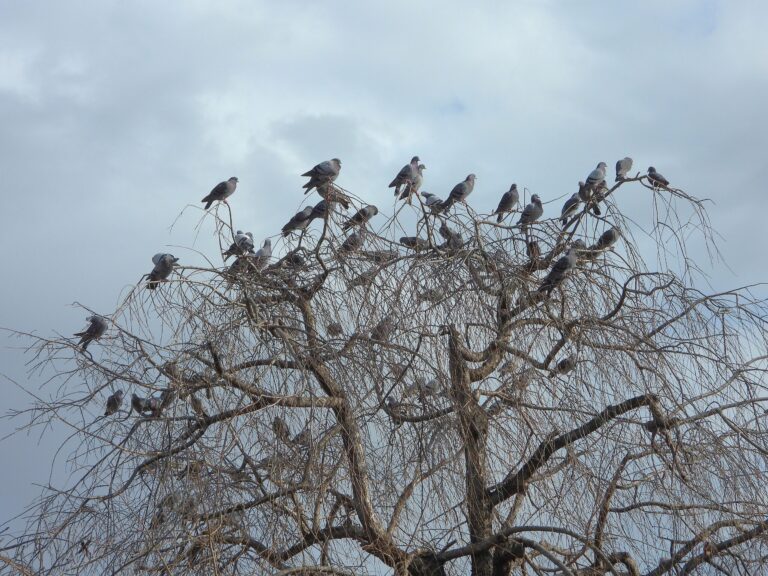
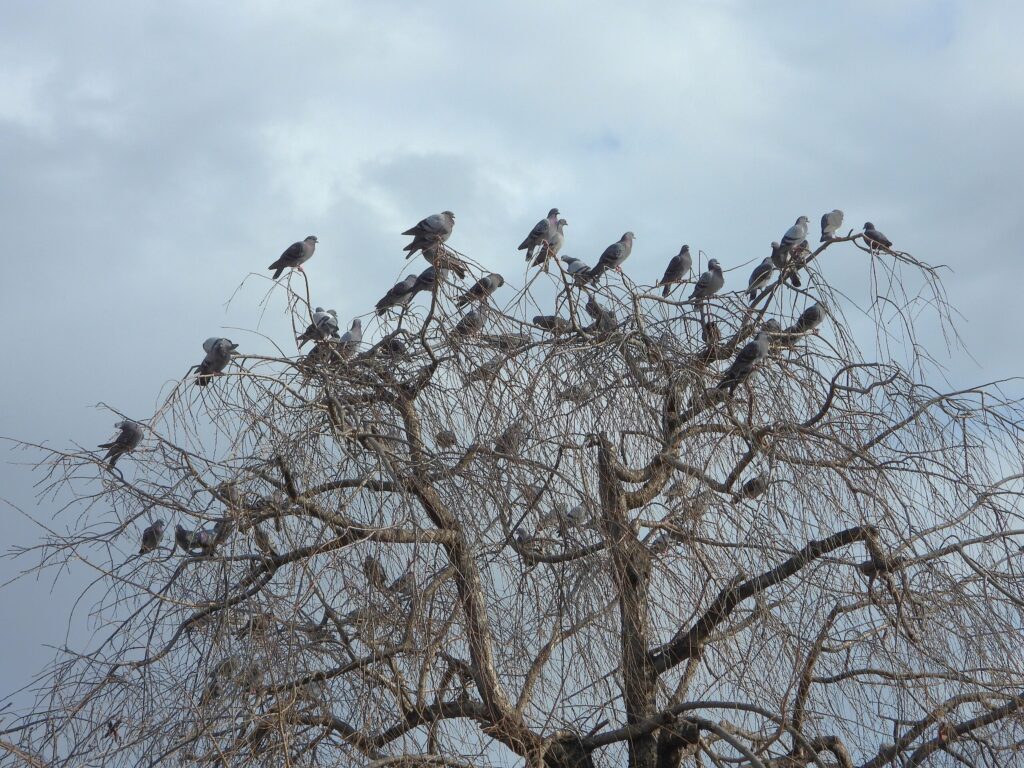
Species such as sparrows, pigeons, bulbuls, and crows are commonly seen around the shrine grounds.
Further along the mountain trails, forest-dwelling species such as woodpeckers and tits may also be observed.
Early morning is generally the best time for birdwatching, when activity levels are higher and bird calls are easier to hear.
Mammals
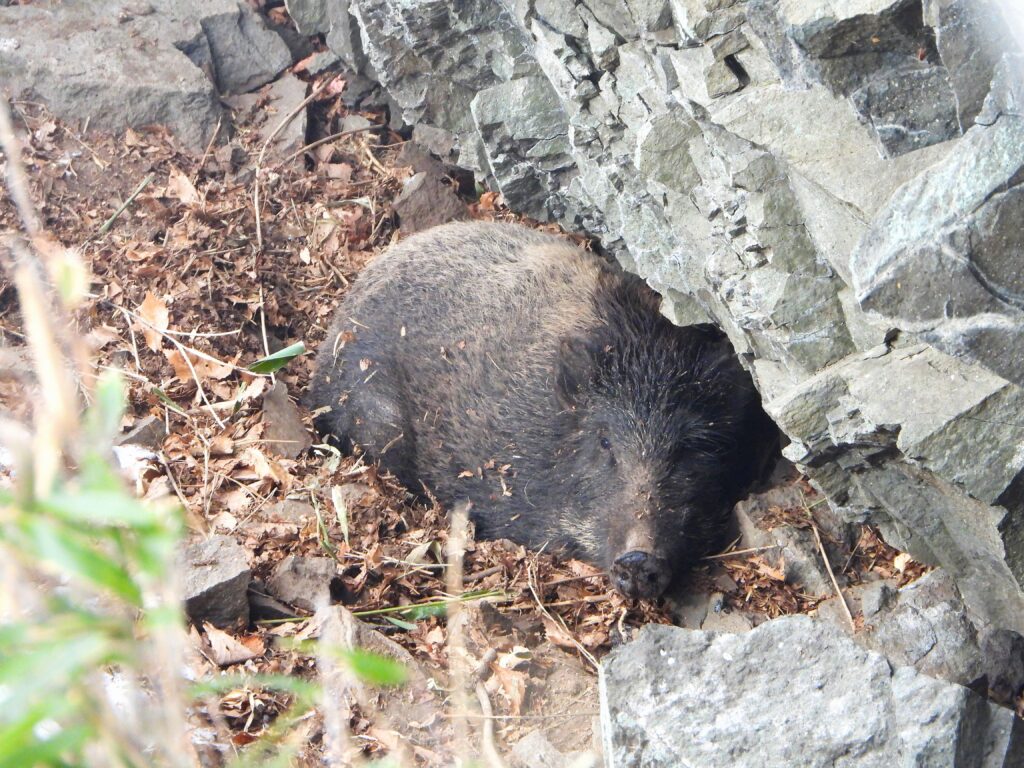
Several mammals inhabit Mount Inari, including:
Wild boars are known to occur in the area, and caution is advised in quieter parts of the mountain.
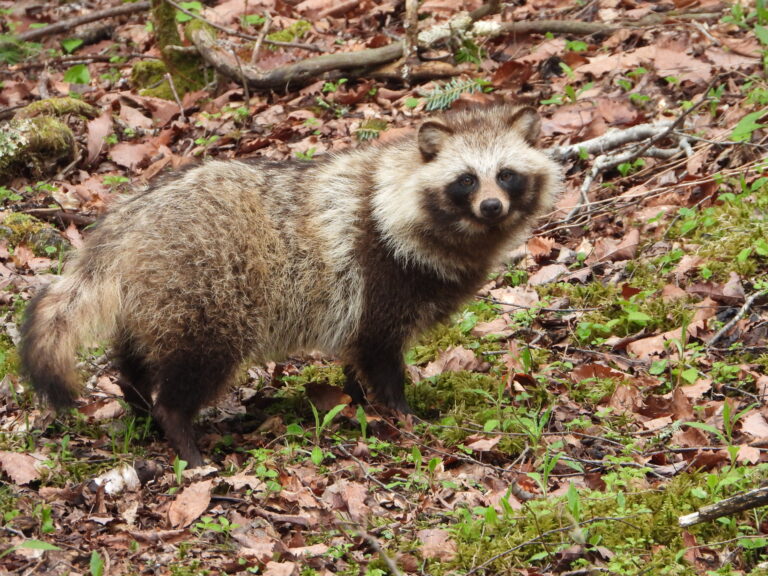
Raccoon dogs also inhabit the forest, although they are rarely seen during daytime visits.
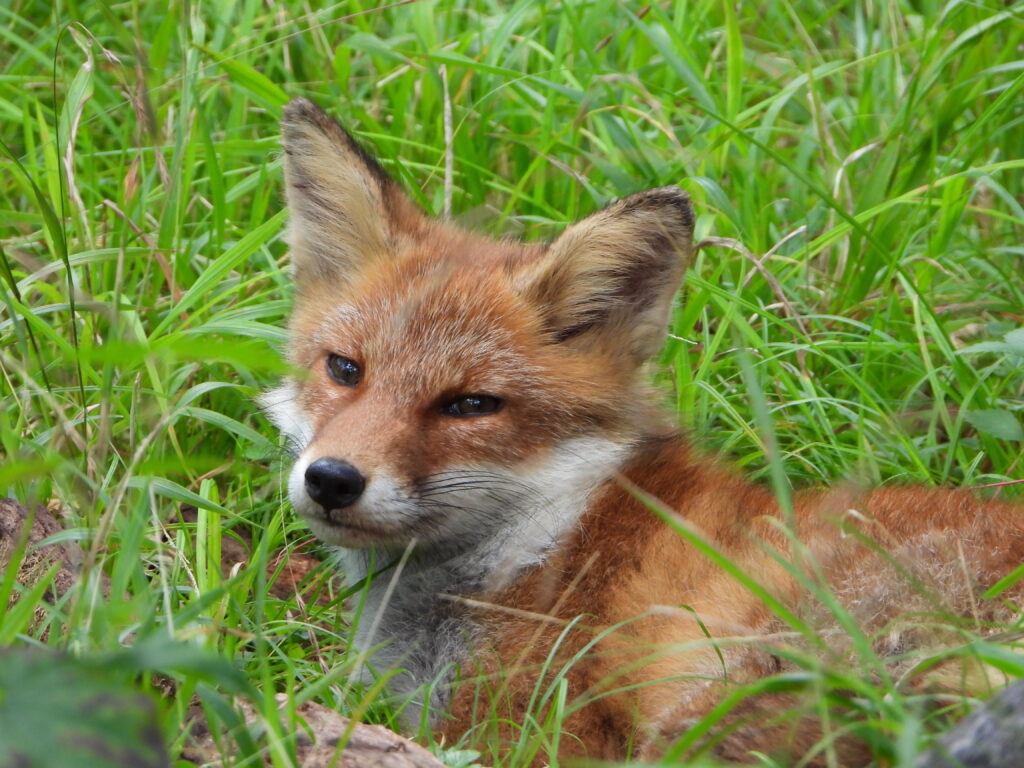
Foxes are of particular interest at Fushimi Inari.
They do inhabit the surrounding area, and there have been occasional confirmed sightings.
However, they are highly elusive and rarely appear in the presence of people.
If you were fortunate enough to encounter one, it could feel like
coming face to face with a messenger of the deity.
Birdwatching at Fushimi Inari Shrine
Fushimi Inari offers a surprisingly good opportunity for casual birdwatching.
The best time to observe birds is early in the morning, when visitor numbers are lower and the natural environment is quieter.
As you ascend the mountain, the forest becomes more intact, increasing the likelihood of encountering a greater variety of species.
Even stepping slightly away from the busiest routes can significantly improve your chances.
Where to See Wildlife
The types of wildlife you may encounter vary depending on your location.
Near the main shrine and the torii gates, sightings are generally limited to common, human-adapted species such as sparrows and pigeons.
As you move further up the mountain, the environment becomes quieter and more suitable for wildlife.
Near the summit and along less crowded trails, you are more likely to notice signs of animal activity.
In general, the further you proceed into the mountain, the greater your chances of encountering wildlife.
Foxes and Their Cultural Significance
The fox statues found throughout Fushimi Inari are not deities themselves.
Rather, foxes are regarded as messengers of Inari, the Shinto deity associated with the shrine.
Interestingly, real foxes do inhabit the surrounding forest.
However, sightings during a typical visit are extremely rare.
This connection between symbolic representation and actual wildlife adds a unique dimension to the site.
Safety Considerations (Wild Boars)
Fushimi Inari is generally a safe destination, but it remains a natural environment.
Wild boars are known to inhabit Mount Inari, particularly in less crowded areas.
If you encounter any wild animal, maintain a safe distance and remain calm.
Do not attempt to approach or feed wildlife.
Personal Experience
As I walked further along the torii gate pathway, the number of visitors gradually decreased, and the natural sounds became more distinct.
Bird calls and the movement of wind through the trees replaced the noise of the crowds.
Although it is one of Kyoto’s most popular tourist sites, the atmosphere can quickly change into something much quieter and more immersive.
In these moments, it becomes clear that Mount Inari is not only a cultural landmark, but also a living natural environment.
Conclusion
Fushimi Inari Shrine is not only a cultural destination, but also a place where nature and wildlife coexist.
From common bird species to mammals such as raccoon dogs and wild boars, a variety of animals inhabit the mountain.
Foxes also live in the area, although sightings are rare and often considered special.
While exploring the shrine, taking a moment to observe your surroundings may reveal a different side of this well-known location.
Fushimi Inari offers a unique opportunity to experience wildlife within the city of Kyoto.
Explore more wildlife in Japan
Want to discover more animals you can see without leaving the city?
These guides will help you find wildlife in some of Japan’s most popular destinations.
▶ Wildlife You Can See Around Japanese Cities
▶ Wildlife in Kyoto: What Animals Can You See?