Autumn Birdwatching in Japan: 15 Birds You Can See
Autumn is one of the best seasons for birdwatching in Japan.
The weather is cooler, and it’s much easier to walk through forests and parks.
Another highlight is the autumn colors.
You can look for birds while enjoying red and yellow leaves.
As leaves begin to fall, birds become easier to see.
This makes autumn a great season, especially for beginners.
In this guide, you’ll find 15 birds you can see in Japan in autumn, plus the best time, places, and tips to help you find them.
Autumn is an important migration season in Japan, with many species passing through the country. For a broader guide to common, native, endemic, and seasonal birds:
▶ Explore the complete Birds in Japan guide
Why Autumn Is a Great Season for Birdwatching in Japan
Autumn weather is comfortable.
You can walk longer and explore more areas.
Birdwatching is also more enjoyable visually.
Colorful trees make it easier to spot birds.
Small birds often move in mixed flocks.
If you find one group, you can see several species at once.
As leaves thin out, visibility improves.
This is why autumn is easier than summer for many people.
15 Birds You Can See in Japan in Autumn
Japanese Tit
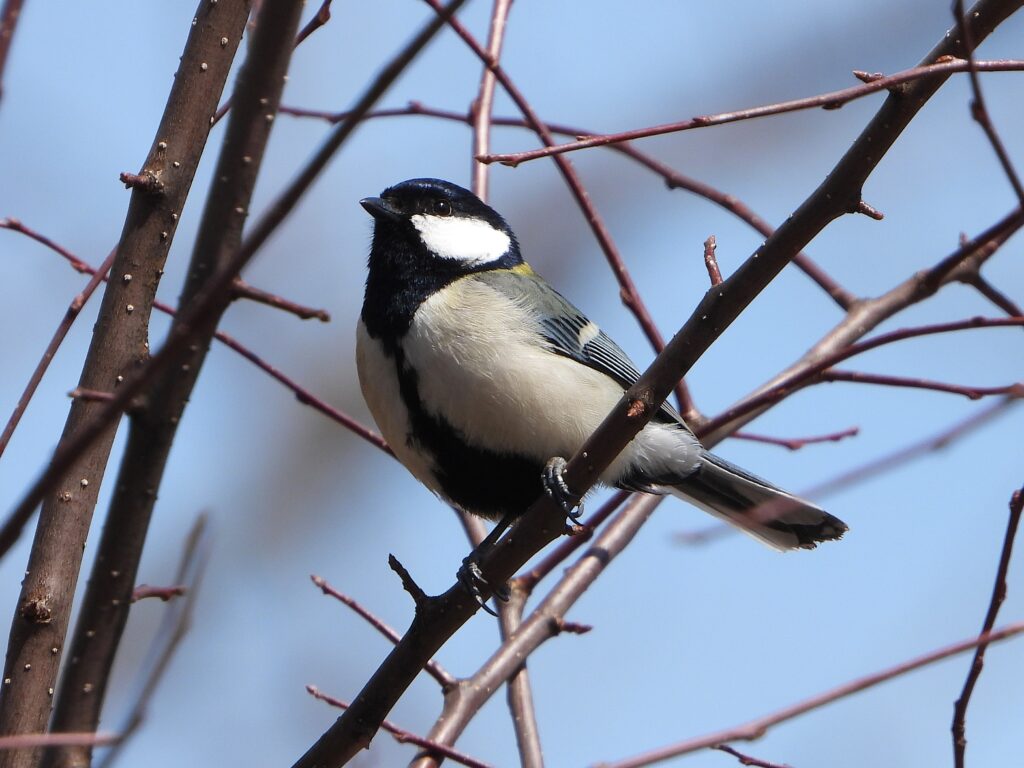
A very common bird in forests and parks.
Often seen moving with other small birds in mixed flocks.
Long-tailed Tit
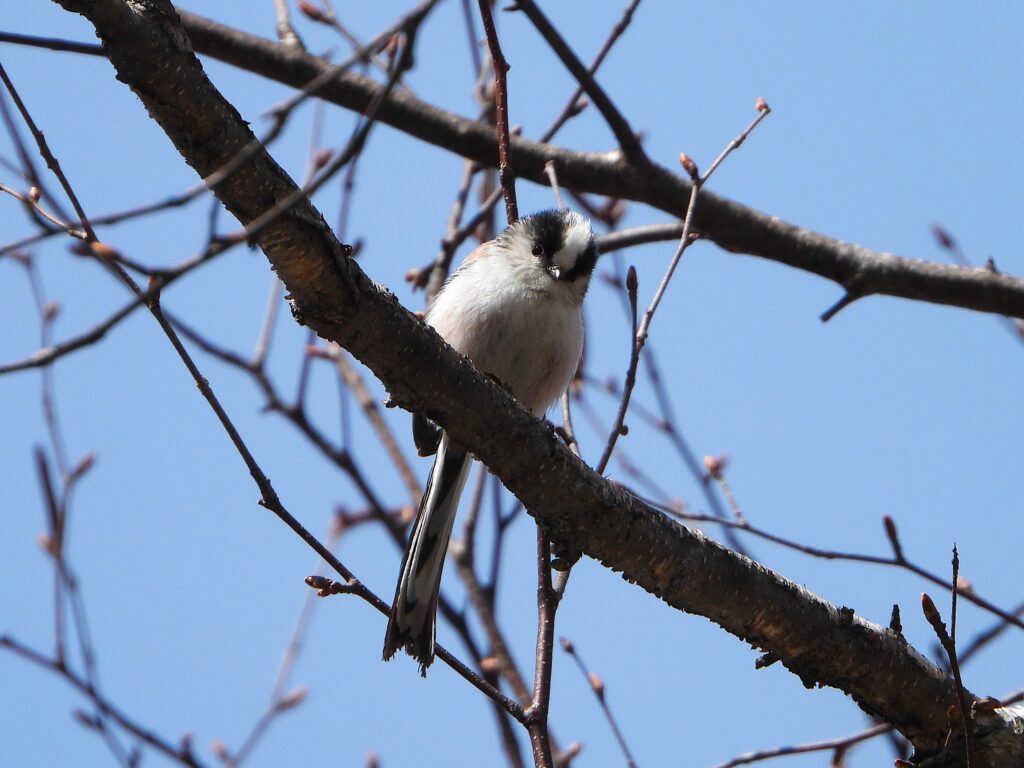
A small, fluffy bird that travels in groups.
Moves quickly through trees, making it fun to follow.
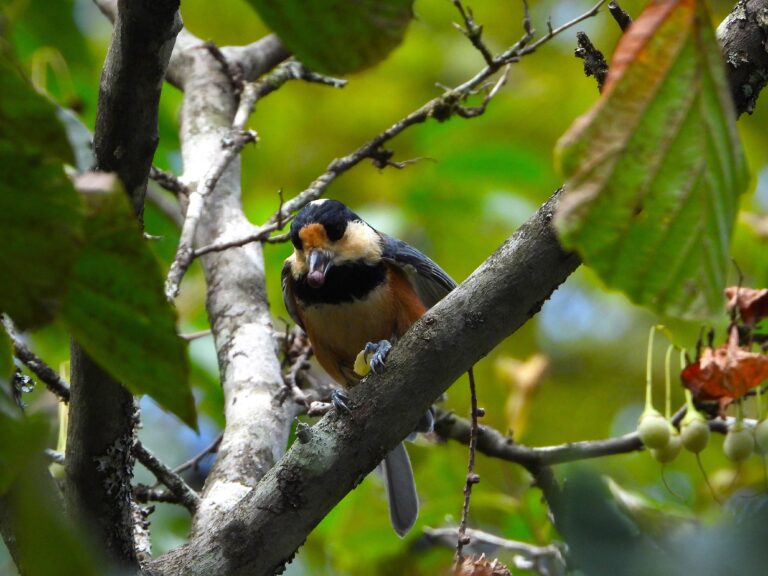
Varied Tit
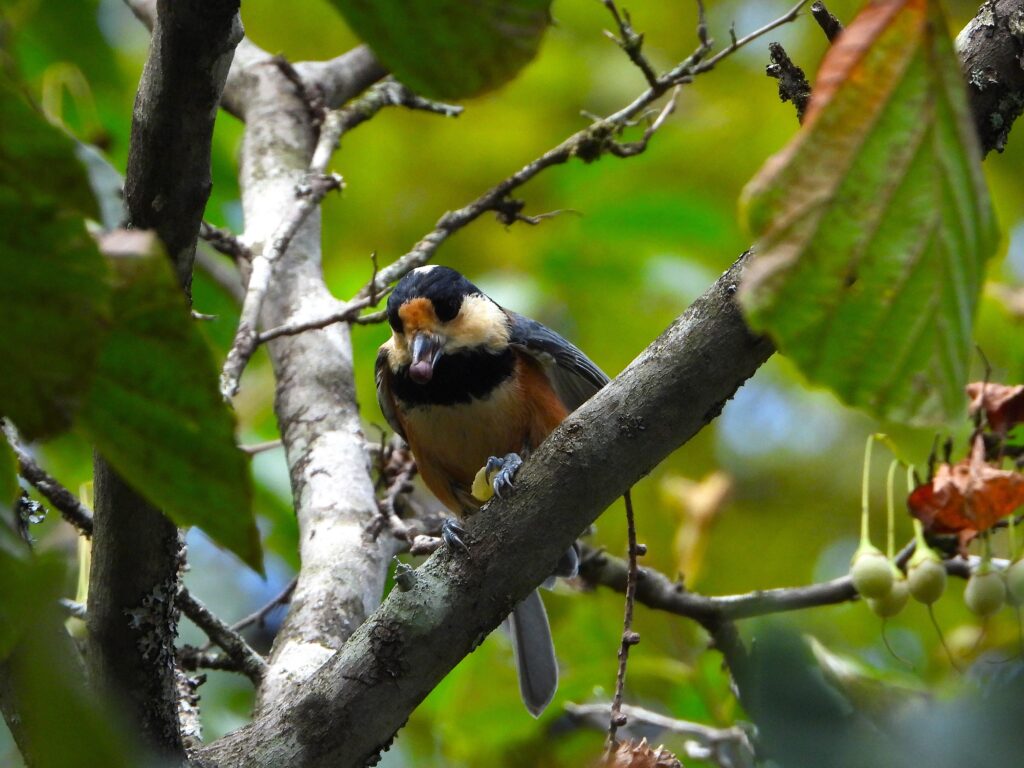
A colorful forest bird.
In autumn, it often searches for food like acorns.
Japanese Pygmy Woodpecker
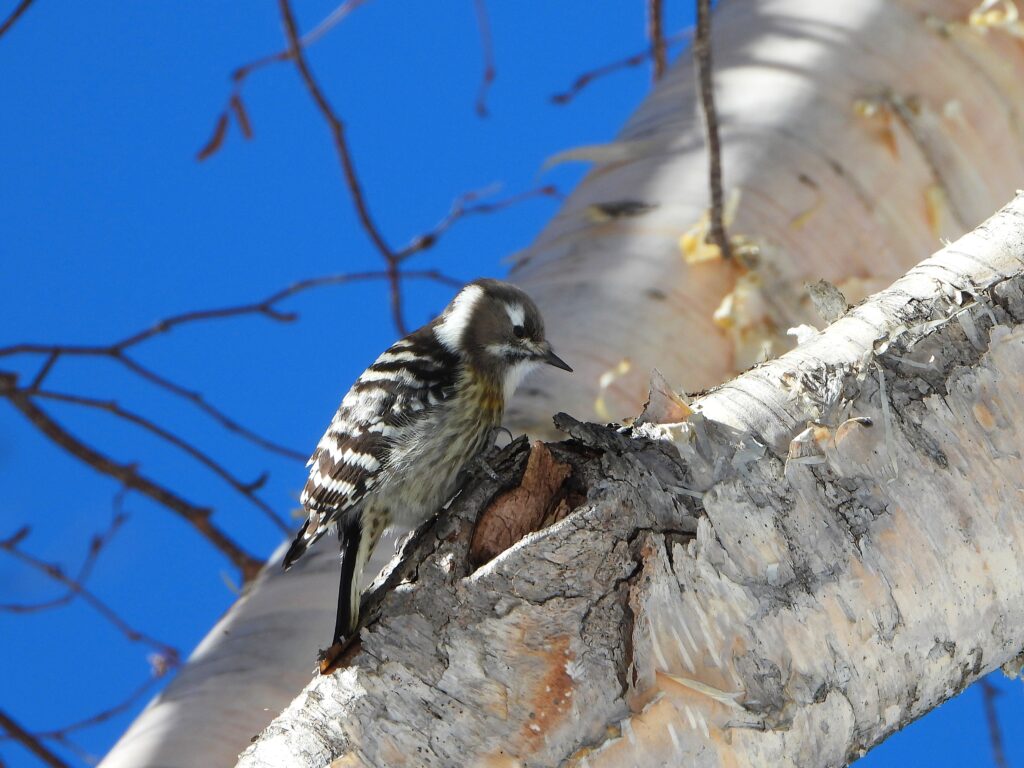
The smallest woodpecker in Japan.
Look for it climbing tree trunks or tapping wood.
▶ Learn more: Japanese Pygmy Woodpecker
Great Spotted Woodpecker
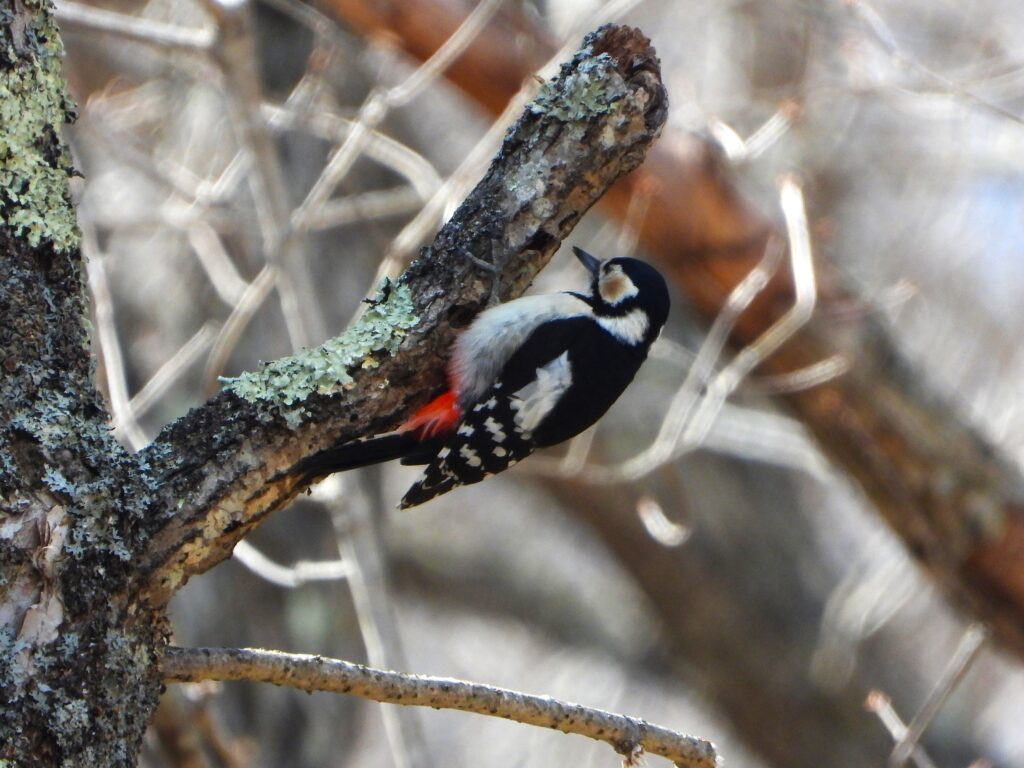
A bold black-and-white woodpecker with red markings.
Its drumming sound helps you find it.
▶ Learn more: Great Spotted Woodpecker
Japanese Green Woodpecker
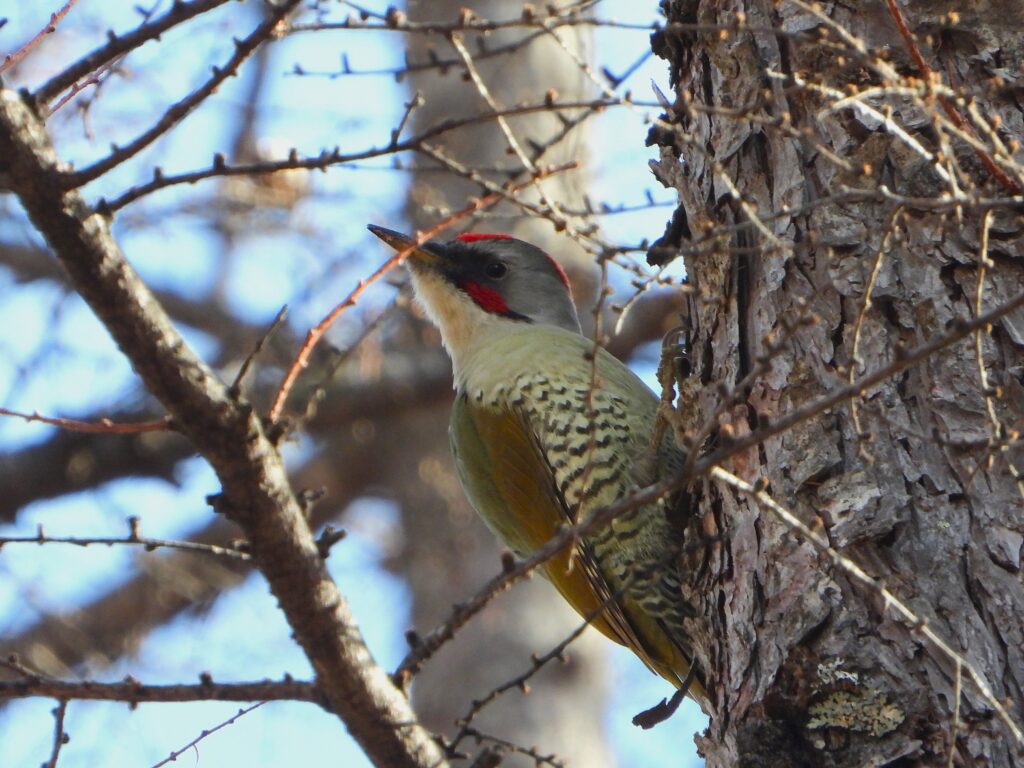
A green woodpecker found only in Japan.
You’ll often hear it before you see it.
▶ Learn more: Japanese Green Woodpecker
Eurasian Jay
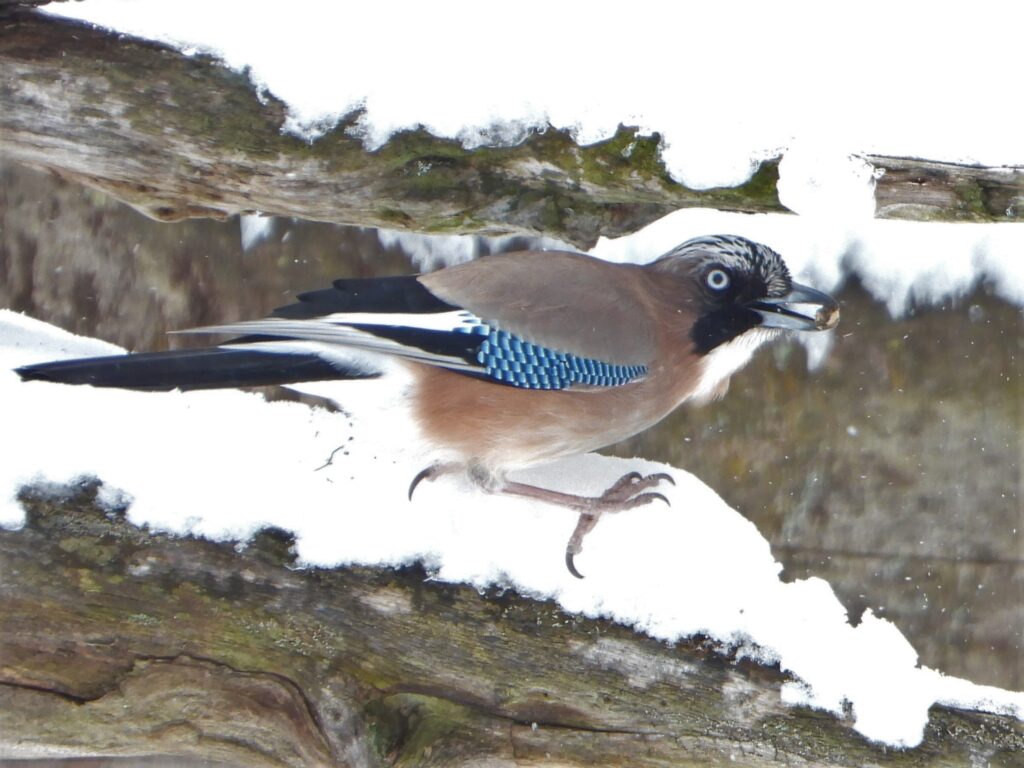
A forest bird with bright blue feathers.
Often seen around acorns in autumn.
Japanese White-eye
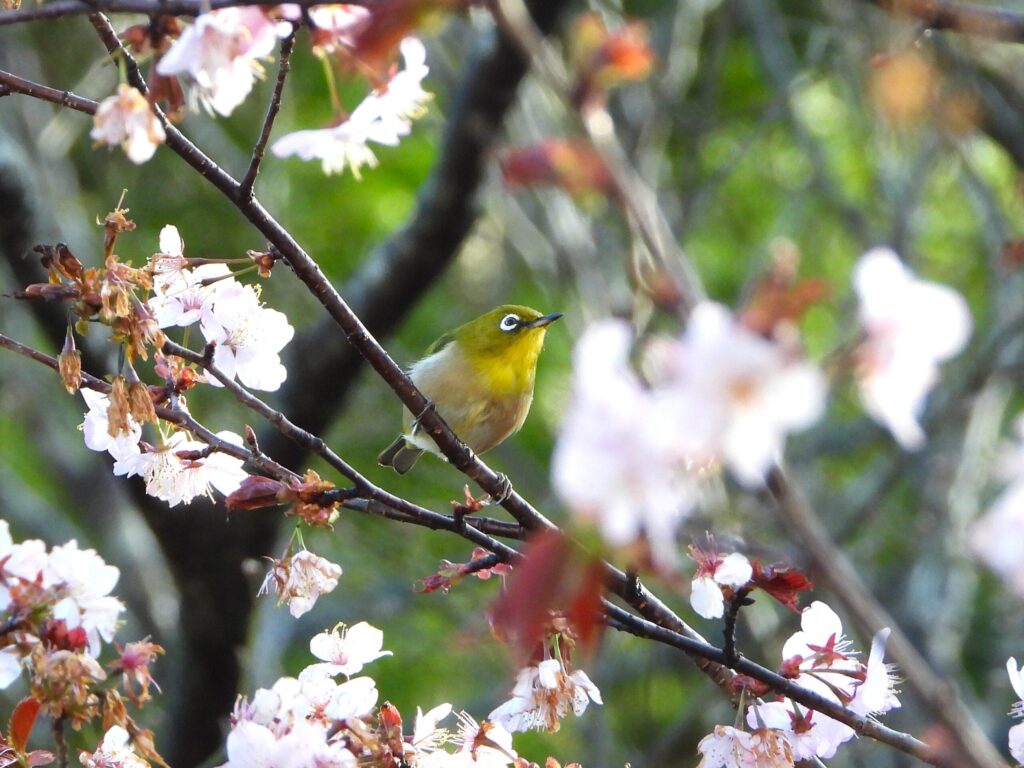
A small green bird with a white ring around the eye.
Often seen near fruiting trees.
▶ Learn more: Japanese White-eye
Daurian Redstart
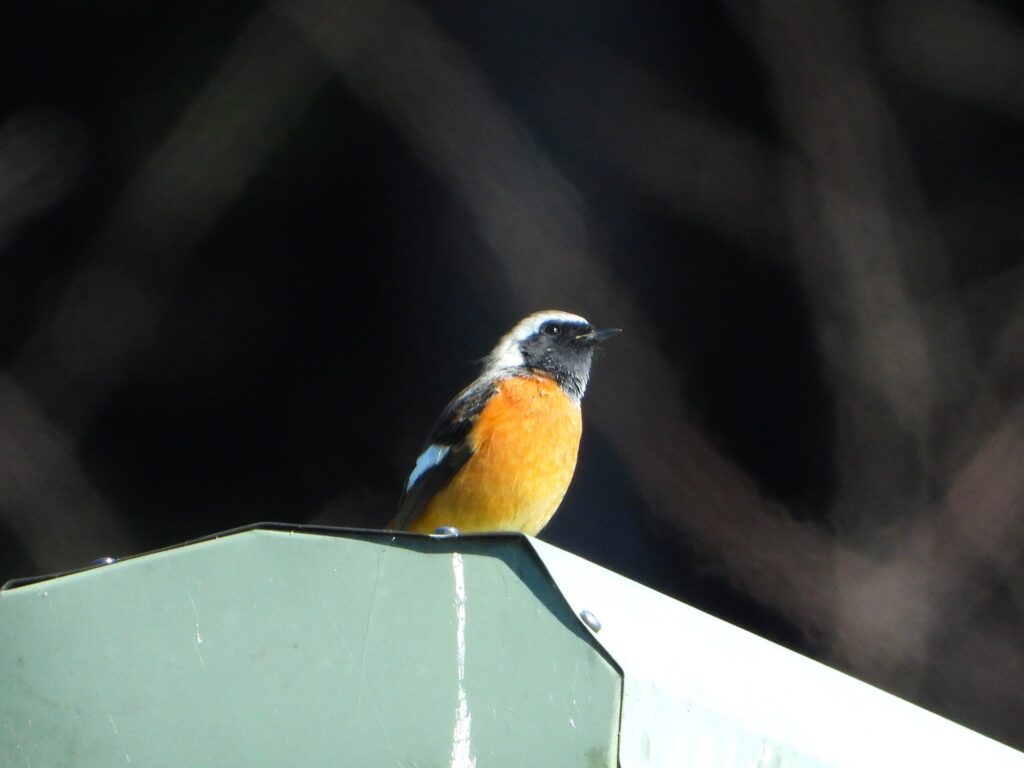
A common autumn and winter bird.
Often sits on branches, fences, or open spots.
▶ Learn more: Daurian Redstart
Brown-eared Bulbul
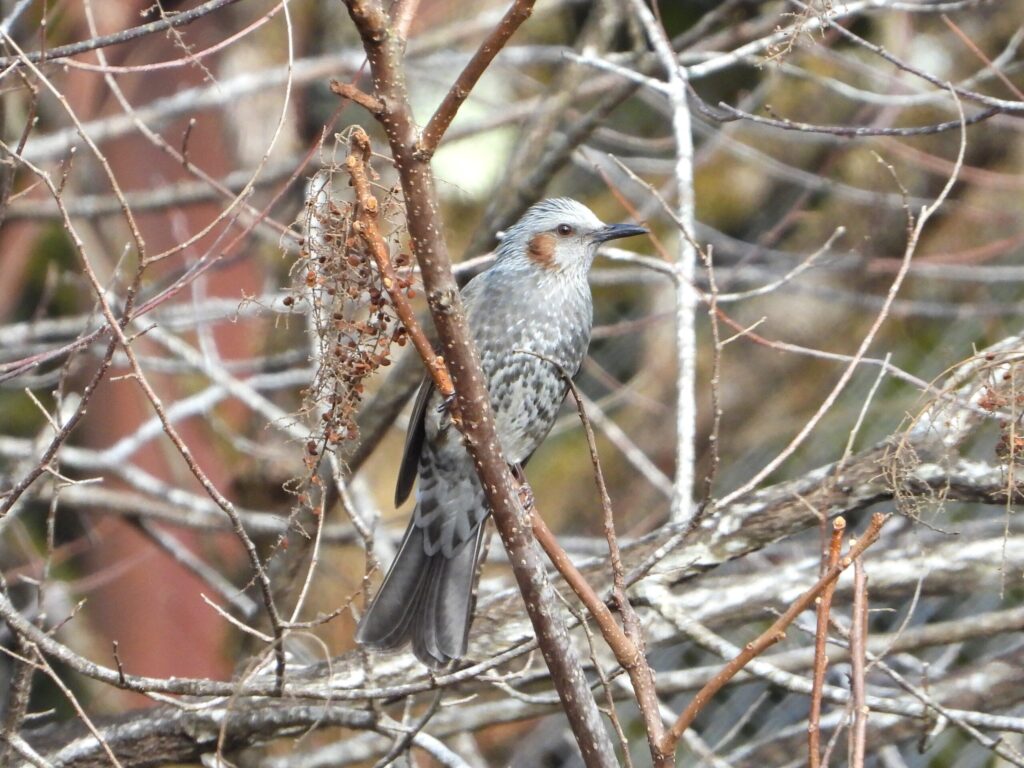
A very common bird across Japan.
In autumn, it feeds on fruits in trees.
▶ Learn more: Brown-eared Bulbul
Bull-headed Shrike
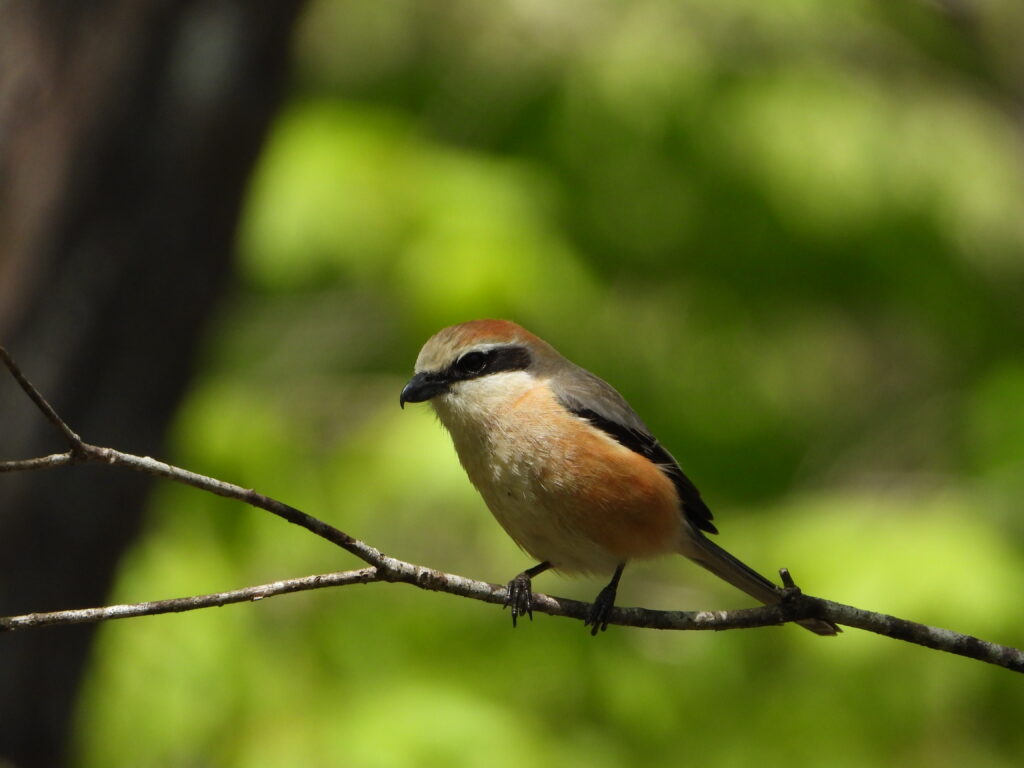
Often perches in visible spots like branches or wires.
Easy to find in open areas.
▶ Learn more: Bull-headed Shrike
Meadow Bunting
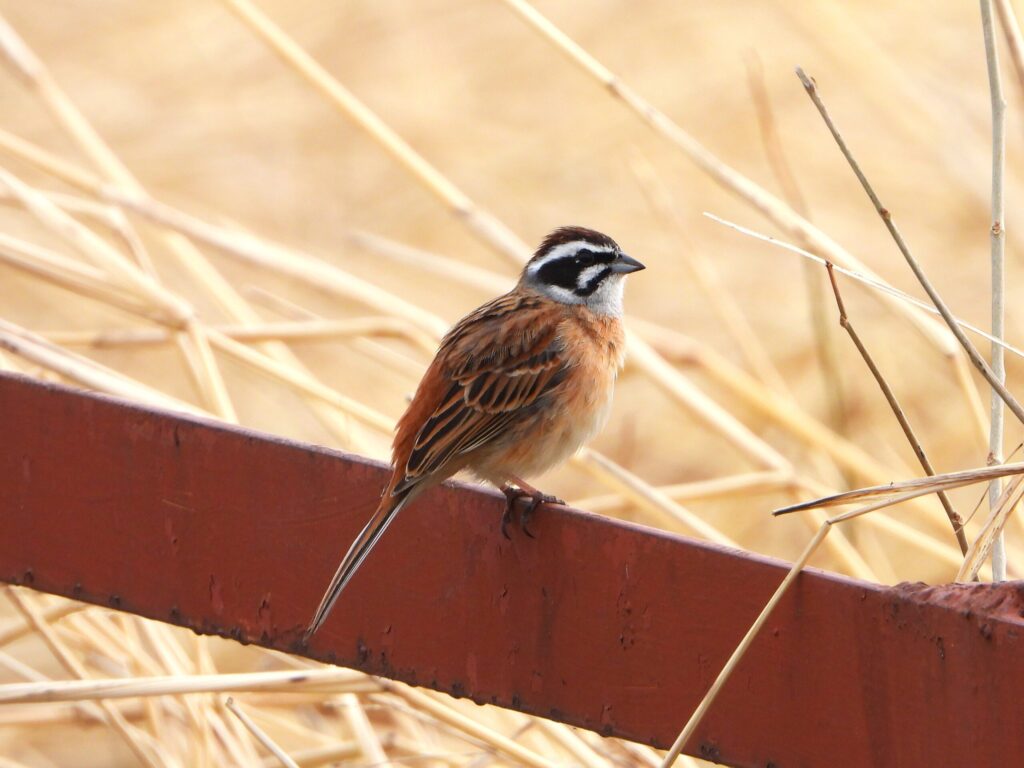
Found in grassland and forest edges.
Often seen feeding on the ground.
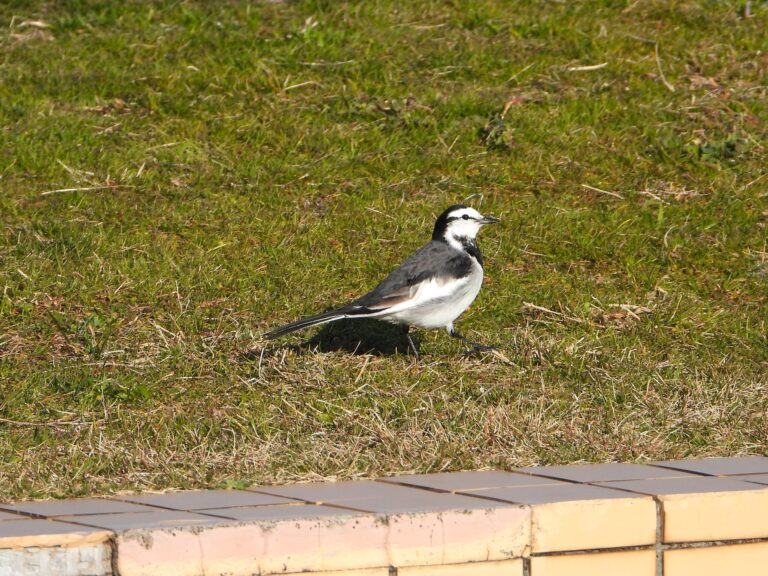
White Wagtail
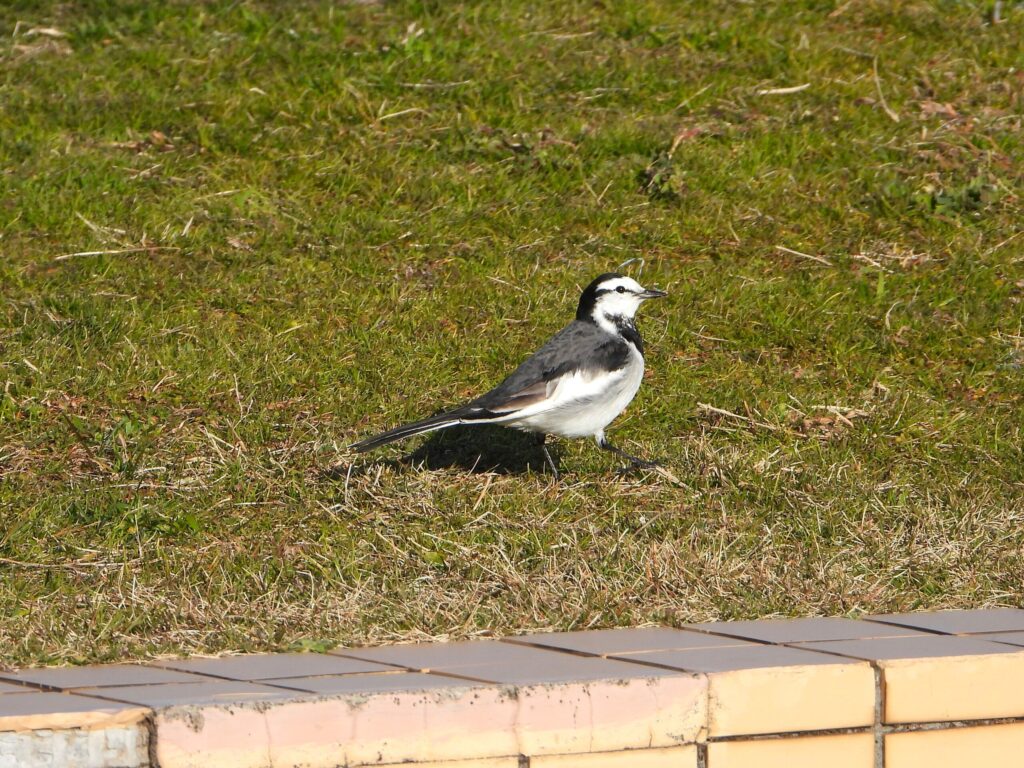
A black-and-white bird seen in parks and streets.
Easy to spot by its tail movement.
Black Kite
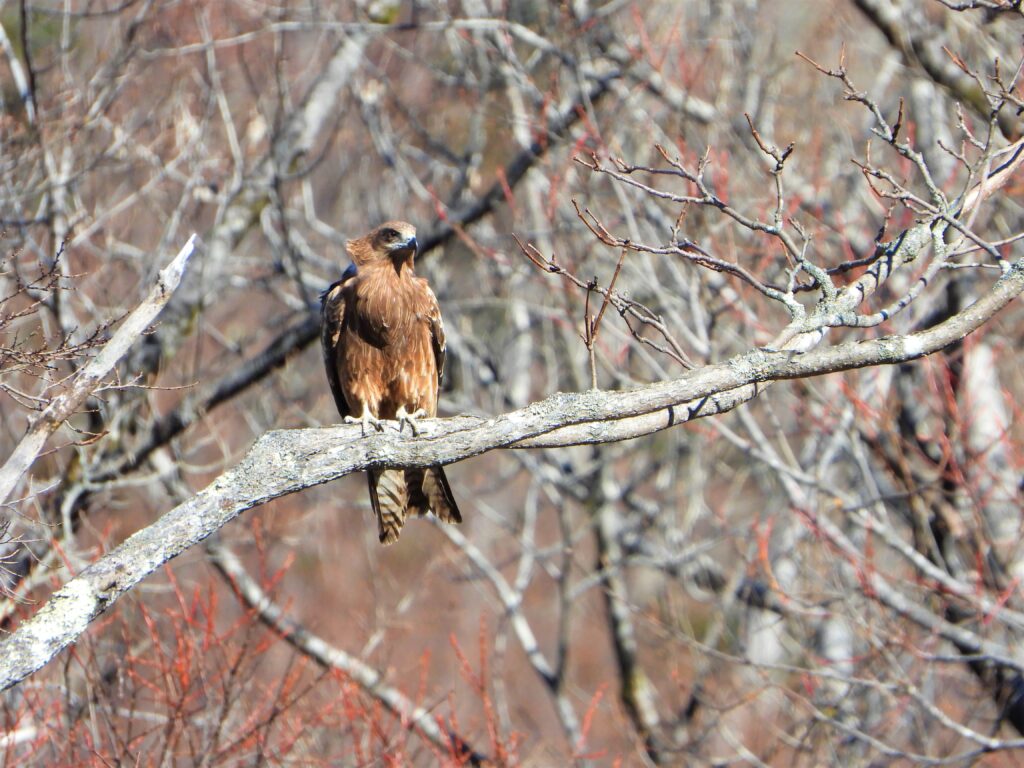
A large bird that soars in the sky.
Look up while birdwatching—you’ll often see one.
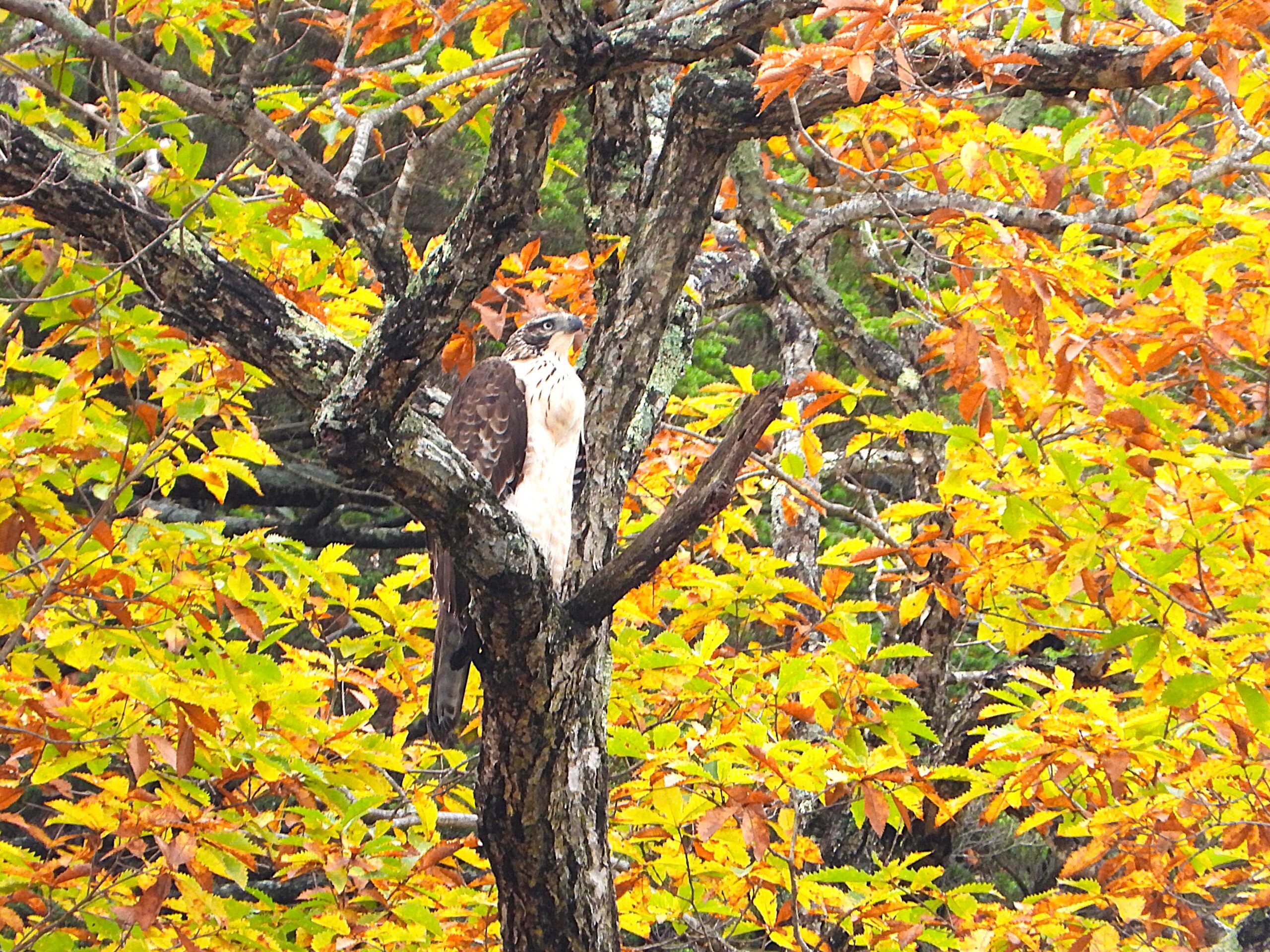
Eastern Buzzard
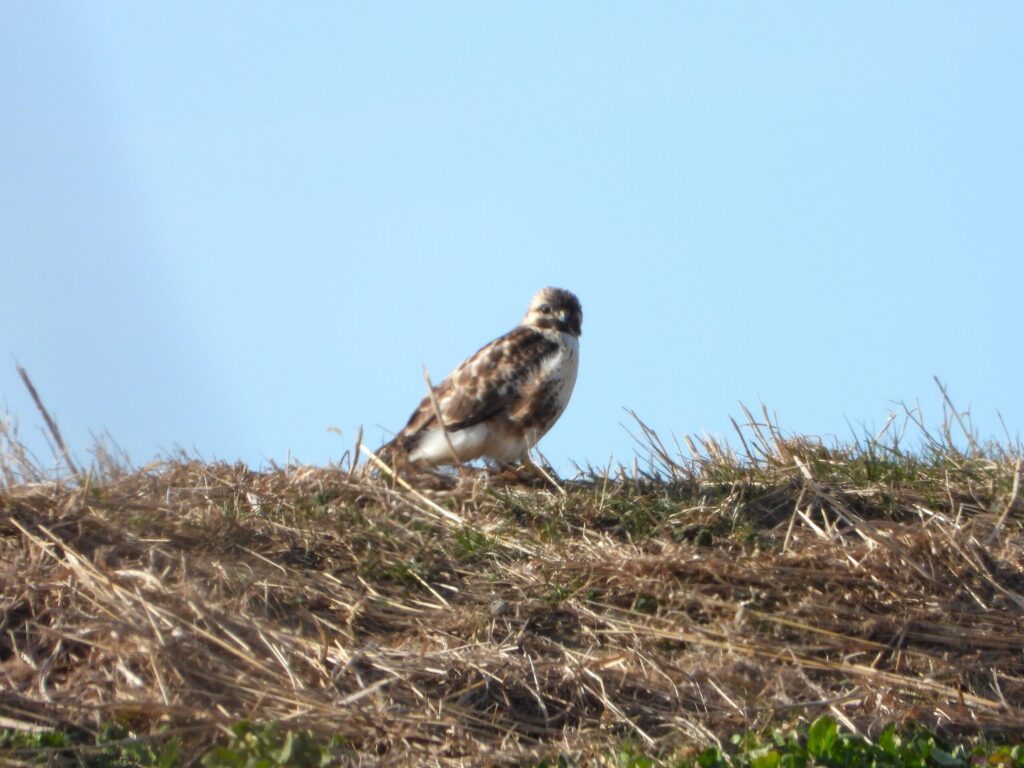
More visible from autumn onward.
Often seen gliding over open areas.
Best Time for Autumn Birdwatching in Japan
Morning is the best time.
Birds are active, and it’s quieter.
You can still see birds during the day.
But mornings give you the best chance to find mixed flocks.
Birds of prey are easier to see later in the day.
Always check the sky as well.
Birdwatching in Japan by Month (September–November)
September
Still warm, but signs of autumn appear.
Bird activity slowly changes.
October
One of the best months for birdwatching.
Cool weather and autumn colors make it ideal.
November
Leaves fall, and visibility improves.
Birds become easier to find.
Best Places for Autumn Birdwatching in Japan
Choose places with autumn colors.
Birds are easier to see in colorful trees.
Good locations include:
- Forest parks
- Temple grounds
- City parks
- Forest edges
In forests, look for small birds like tits and woodpeckers.
In open areas, you may find shrikes and buntings.
Look up sometimes.
You might see kites or buzzards.
▶ Best Birdwatching Spots in Nikko National Park
▶ Wildlife in Kamikochi: Animals You Can See
▶ Wildlife You Can See Around Japanese Cities
Tips for Autumn Birdwatching
Look for mixed flocks.
They help you find many birds at once.
Watch fruiting trees and branches.
Birds often gather there.
Check different areas.
Trees, edges, and the sky.
Conclusion
Autumn is a great season for birdwatching in Japan.
The weather is comfortable, and birds are easier to see.
It’s also a beautiful time to explore nature.
Start with a park or forest near you and enjoy the experience.
Related Articles
Explore birdwatching in other seasons:
▶ Spring Birdwatching in Japan: 15 Birds You Can See
▶ Summer Birdwatching in Japan: 15 Birds You Can See
▶ Winter Birdwatching in Japan: 15 Birds You Can See