Wild Animals You Can See in Tokyo
Introduction
Tokyo is often imagined as a vast concrete jungle, but a surprising variety of wild animals still live within the city. Rivers, parks, shrine forests, and the mountains of western Tokyo provide habitat for mammals, birds, reptiles, amphibians, and insects.
This guide focuses on what wild animals you can realistically see in Tokyo, from tanuki and common urban birds to wildlife found in the city’s more natural western areas. Rare records and highly unlikely encounters are excluded so that the list stays useful for visitors and residents.
If you are looking for the best places to see wildlife in Tokyo, see our separate guide:
▶ Where to See Wildlife in Tokyo
Why Tokyo Still Has Wildlife
Tokyo is not entirely urban. Large rivers, parks, shrine forests, and the wooded mountains of western Tokyo provide habitats for a surprising range of wild animals.
These connected green spaces allow mammals, birds, reptiles, amphibians, and insects to survive even within one of the world’s largest metropolitan areas.
Mammals You Can See in Tokyo
Mammals are much harder to spot than birds in Tokyo, but several species live within the metropolis, particularly around rivers, large green spaces, and the forested mountains of western Tokyo.
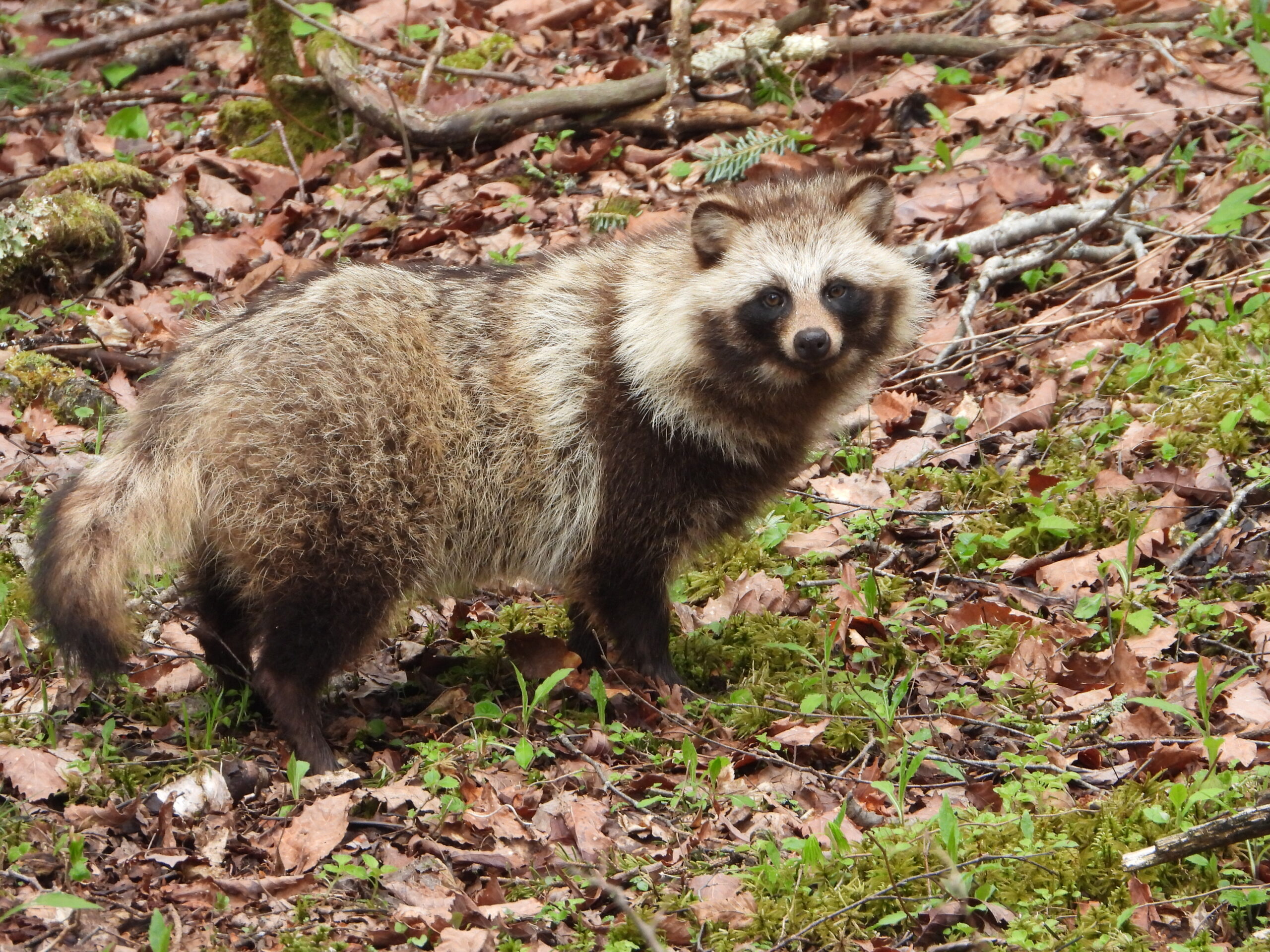
Raccoon Dog (Nyctereutes procyonoides)
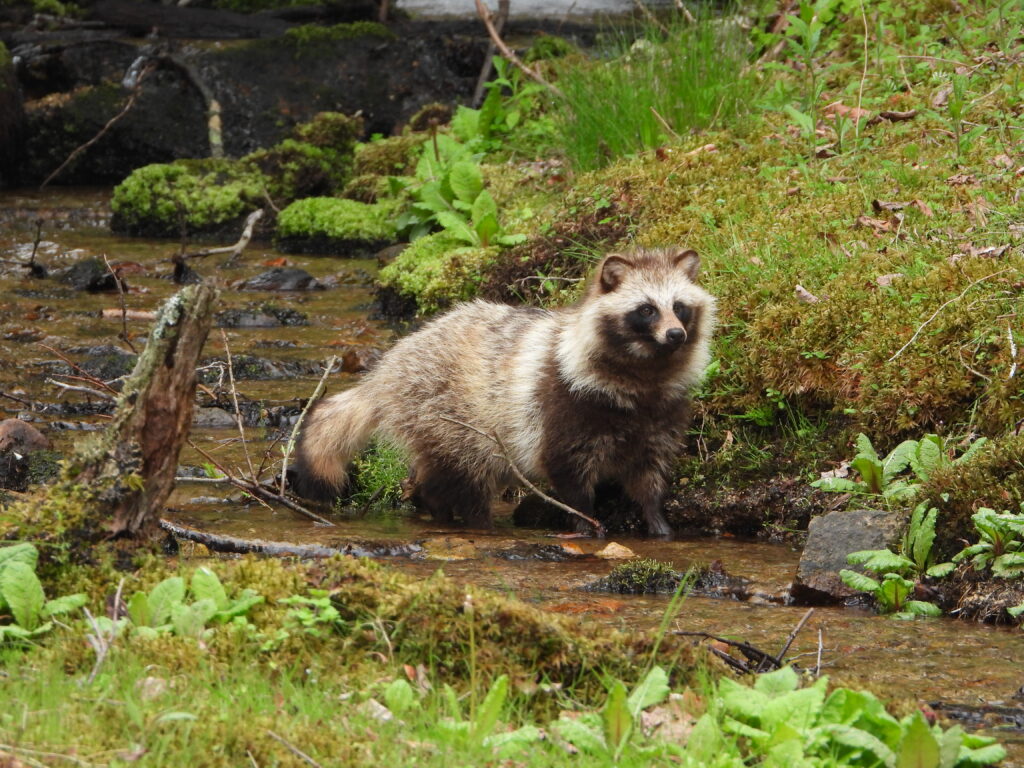
The raccoon dog, commonly known as tanuki, is one of the most representative native mammals with a realistic chance of being observed in Tokyo. It mainly inhabits forest edges, riverbanks, and green areas in western Tokyo.
Being nocturnal, it is most active from dusk through the night and in the early morning. Daytime sightings are uncommon, but signs such as tracks or droppings may reveal its presence.
Opportunities to observe native mammals in Tokyo are generally limited, and within that context, the tanuki remains one of the better-known species.
Mammals occasionally seen in mountainous areas
Even within Tokyo, moving into more natural mountainous areas such as Mount Takao and the Okutama region increases the possibility of encountering larger mammals absent from the city center.
Wild boar and Japanese sika deer have been recorded mainly in western Tokyo’s mountainous zones and near borders with neighboring prefectures. However, these animals are highly wary of humans, and sightings are rare and unpredictable.
They should not be regarded as commonly seen wildlife in Tokyo, but rather as species that may occasionally be encountered under specific conditions in remote mountain environments.
Note on non-native mammals
In residential areas of Tokyo, non-native mammals such as rats and masked palm civets are sometimes reported. These animals are not native to Japan and are generally regarded as pests or invasive species.
They should not be considered appropriate targets for wildlife observation, and seeking them out or approaching them is not recommended.
Birds Commonly Seen in Tokyo
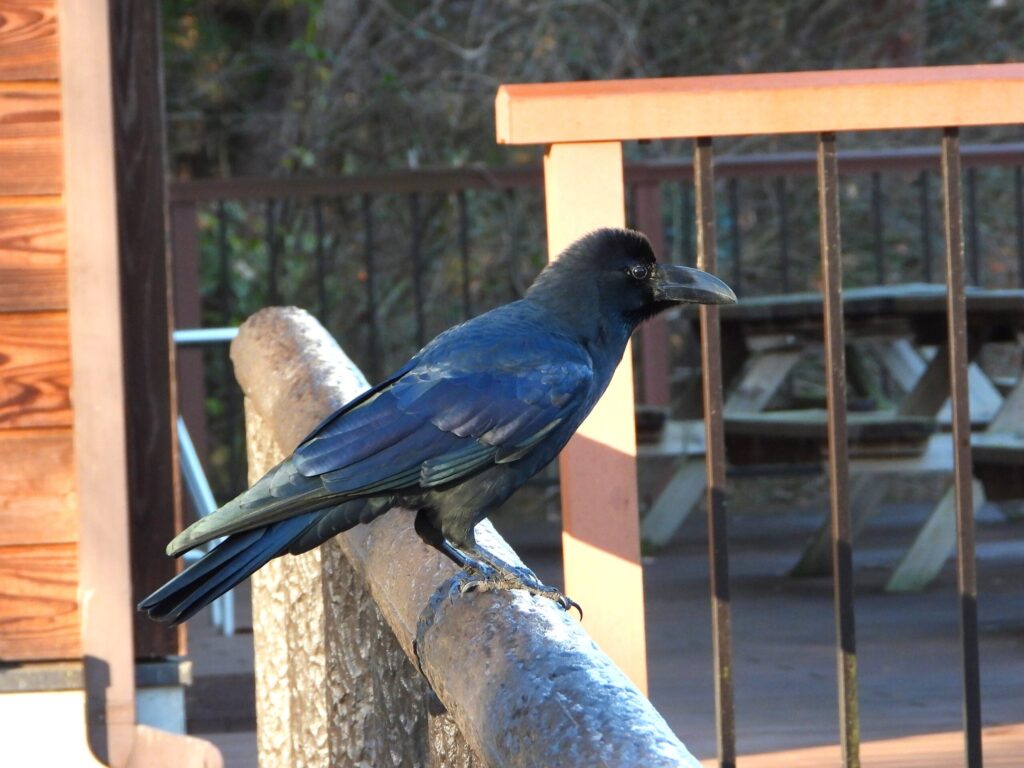
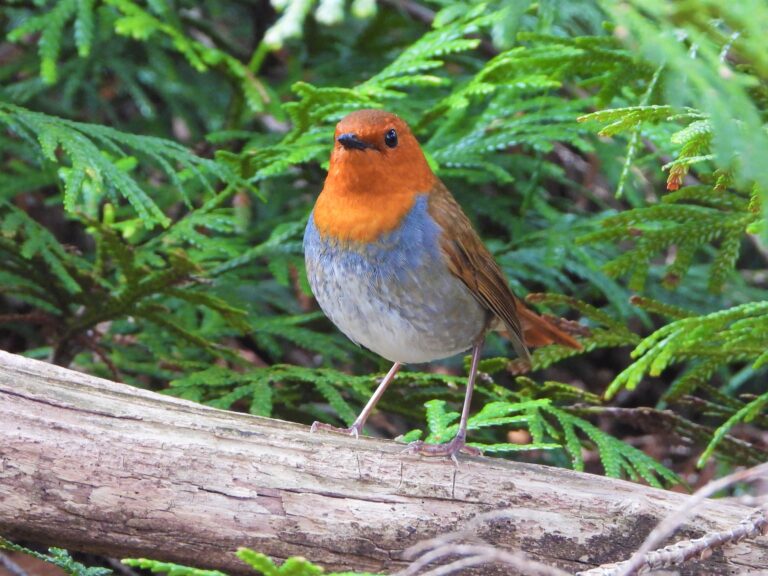
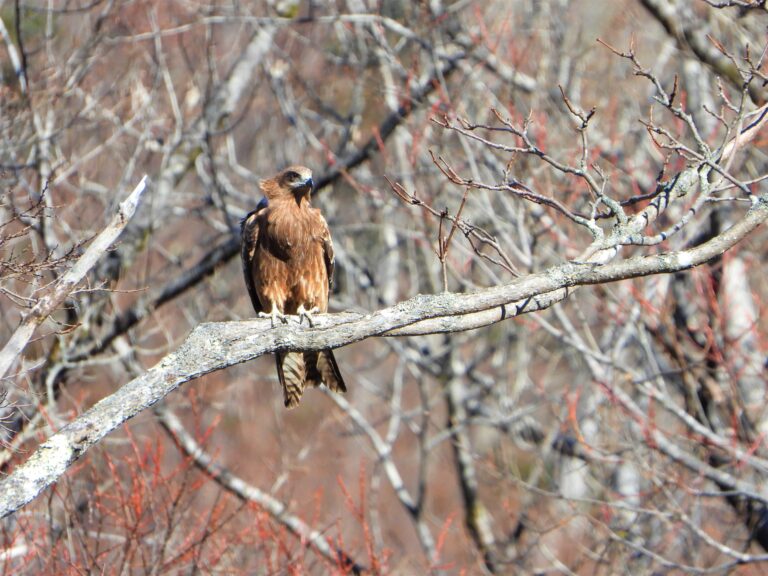
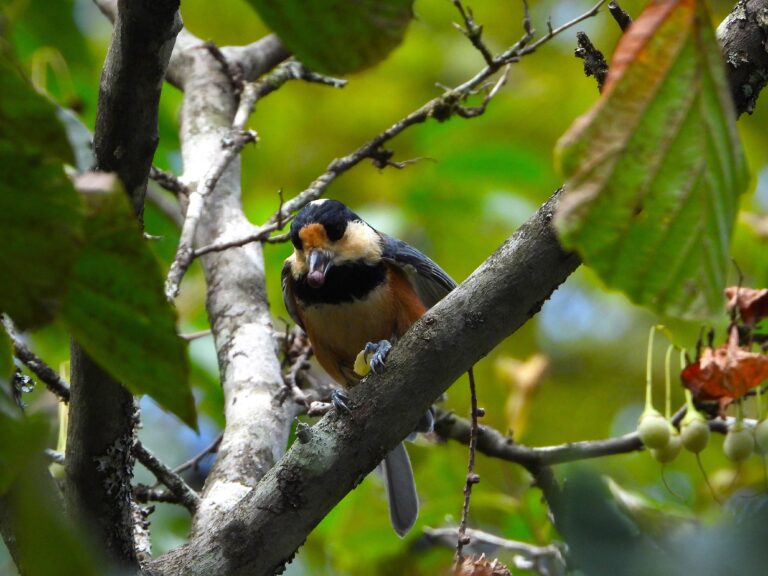
Birds are the easiest wild animals to see in Tokyo. Even in heavily urbanized areas, a variety of species can be found in parks, rivers, ponds, shrine forests, and residential neighborhoods.
Common birds you may encounter include:
Many of these birds can be seen year-round. Early morning is often a particularly good time to watch them when parks and other green spaces are quieter.
Reptiles & Amphibians in Tokyo
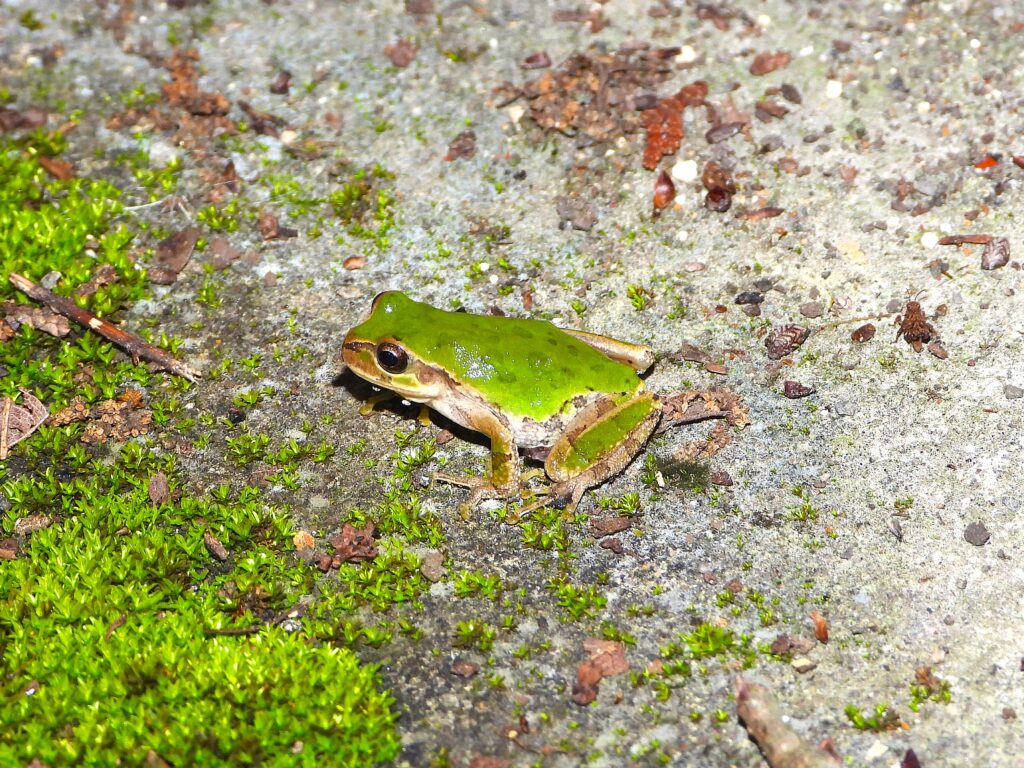
Reptiles and amphibians are less noticeable than birds, but several species can still be found in Tokyo, especially around ponds, rivers, wooded parks, and the more natural areas of western Tokyo.
Amphibians
Frogs and toads are easiest to notice during the warmer and wetter months. Eastern Japanese toads can even appear in urban green spaces, while tree frogs are more closely associated with areas where vegetation and shallow water remain.
Reptiles
Skinks may be seen basking in sunny places during the warmer months, while Japanese rat snakes occur in a wider range of habitats but are much less predictable to encounter.
Insects & Other Small Wildlife
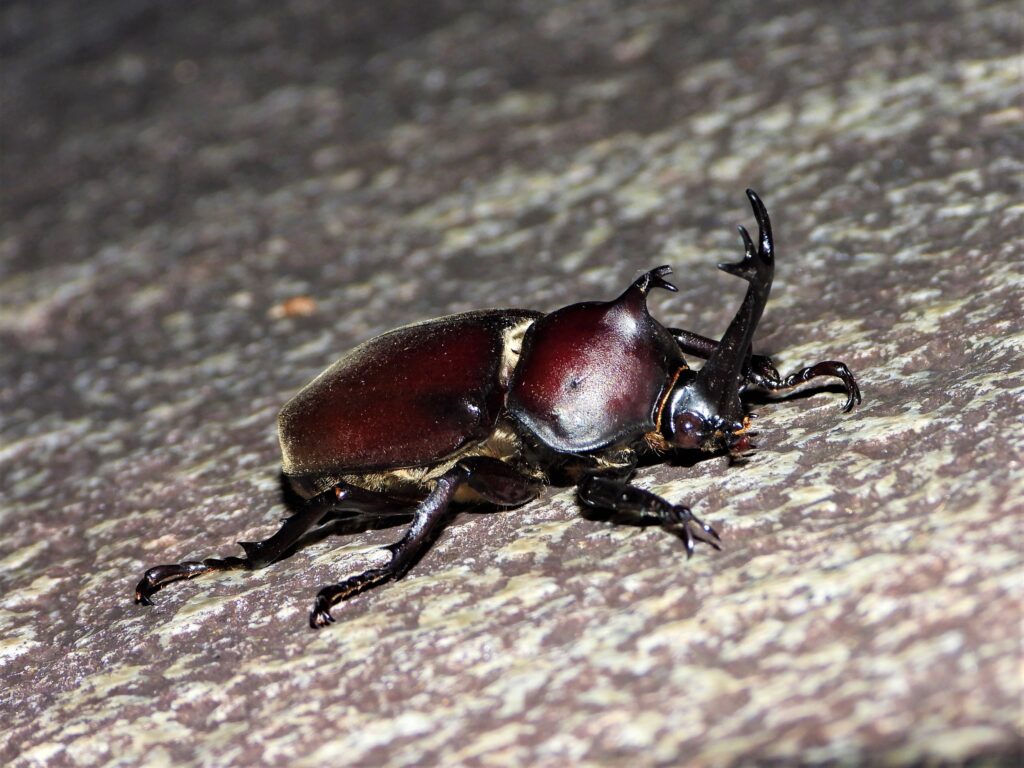
Insects are among the easiest wildlife to observe in Tokyo from spring through autumn. Parks, riversides, wooded areas, and suburban forests support a surprisingly diverse range of species.
Common Insects You May See
- Butterflies
- Dragonflies
- Cicadas
- Praying mantises
- Stag beetles
Cicadas are especially noticeable in summer, while butterflies and dragonflies become active through the warmer months. Stag beetles are more likely to be found in wooded areas during summer, particularly where mature trees remain.
Where to See Wildlife in Tokyo
Tokyo’s wildlife can be found in a variety of habitats, from urban parks and rivers to the forested mountains of western Tokyo.
The best place depends on what you want to see. Birds are relatively easy to find around parks and waterways, while mammals are generally easier to encounter in quieter forests and more natural areas.
For specific wildlife spots, access information, and what animals you can see at each location, see our dedicated guide:
▶ Where to See Wildlife in Tokyo
Best Time & Tips for Wildlife Watching in Tokyo
Early morning and late afternoon are generally the best times to look for wildlife in Tokyo, especially birds and mammals.
Spring and autumn are comfortable seasons for wildlife watching, while summer brings more insects, reptiles, and amphibians. Winter can also be good for birdwatching, particularly around rivers, ponds, and open parks.
Move quietly, keep a respectful distance, and avoid feeding or approaching wild animals. Binoculars are especially useful for watching birds without disturbing them.
Is It Safe to See Wild Animals in Tokyo?
Wildlife watching in central Tokyo is generally low-risk, but conditions are different in the forested mountains of western Tokyo.
Wild boar and Asiatic black bears live in some mountainous areas, including around Okutama. Encounters are uncommon for most visitors, but hikers should check recent wildlife information before entering remote areas and avoid approaching any large wild animal.
In parks and urban areas, the most important rule is simple: observe wildlife from a distance and never feed or handle wild animals.
Author’s Impression
Tokyo is often seen as a place dominated by buildings, trains, and crowds, but wildlife is closer than many visitors expect.
Even in urban areas, birds and small animals can appear around rivers, parks, and patches of woodland. Move toward western Tokyo, and the landscape changes dramatically, with larger forests and a much wider range of wildlife.
You do not need to leave Tokyo completely to experience Japan’s wild side. The key is knowing what animals to look for and paying attention to the green spaces that remain between the city.
Related Articles
▶ Where to See Wildlife in Tokyo
▶ Where to See Wildlife in Tokyo: Mount Takao Guide
▶ Birdwatching in Tokyo – 10 Best Spots for Travelers