Best Places in Japan to See Wild Animals Without a Car – Wildlife of Japan
Introduction
Many travelers assume that seeing wild animals in Japan requires renting a car or traveling deep into remote wilderness. In reality, Japan is one of the easiest countries in the world to observe wildlife using only public transportation.
Because cities and natural environments are closely connected, wildlife can often be found in parks, riversides, suburban forests, and coastal areas that are reachable by train and on foot. This guide introduces realistic places to see wild animals in Japan without a car, designed for travelers, short-term visitors, and anyone relying on public transport.
If you are interested in wildlife you can realistically encounter while traveling in Japan,
Wildlife You Can See Around Japanese Cities serves as the main entry point on this site.
→ Wildlife You Can See Around Japanese Cities
Why Japan Works Well for Car-Free Wildlife Watching

Japan has many environments where people and wildlife coexist. Large parks, temple grounds, river corridors, and forested hills near cities provide suitable habitat for animals, especially birds and small mammals.
These areas are often well connected by public transportation, allowing wildlife observation to fit naturally into regular sightseeing plans.
What “Without a Car” Means in This Guide
In this article, “without a car” means:
- Access by train, subway, or local bus
- Walking routes from stations or stops
- No special equipment required for basic wildlife observation
Some locations offer longer hiking options, but the core experience should be possible with simple access.
Best Places to See Wild Animals in Japan Without a Car
Nara Park and Surrounding Areas (Nara)
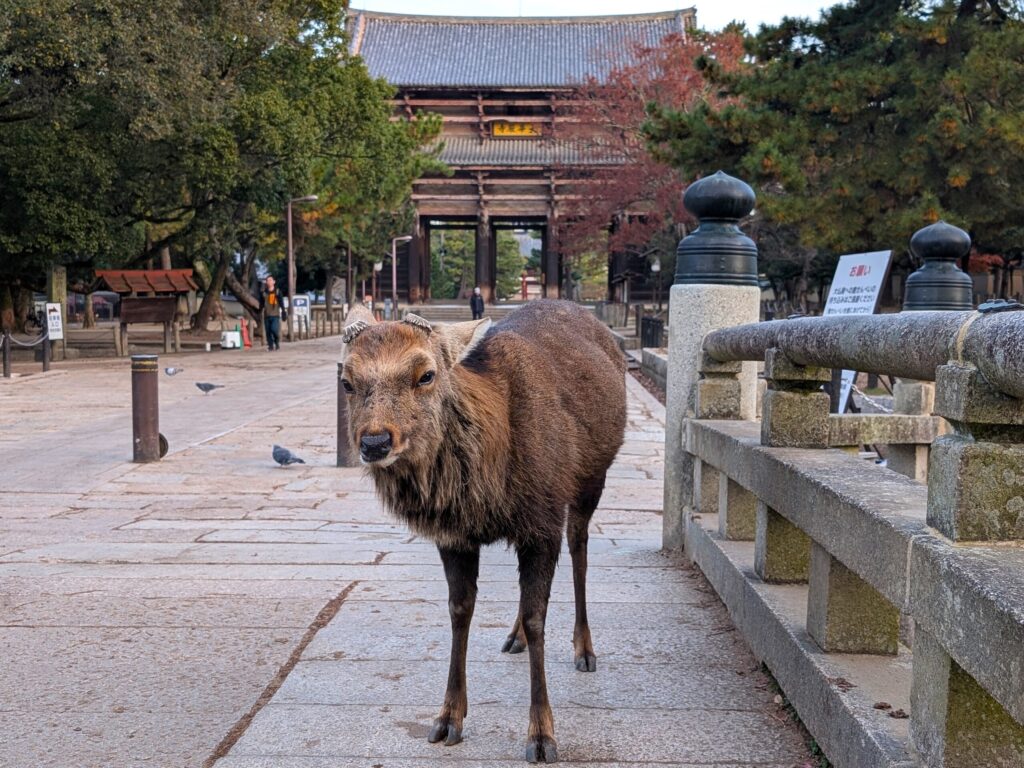
Nara Park is one of the most reliable places in Japan to see wild animals without a car. Free-roaming deer live throughout the park and surrounding temple grounds, creating a rare example of long-term coexistence between people and wildlife.
Visitors should remember that the deer are wild animals. Following local rules and etiquette, especially regarding feeding, is essential for safety and animal welfare.
Arashiyama Monkey Park Iwatayama (Kyoto)

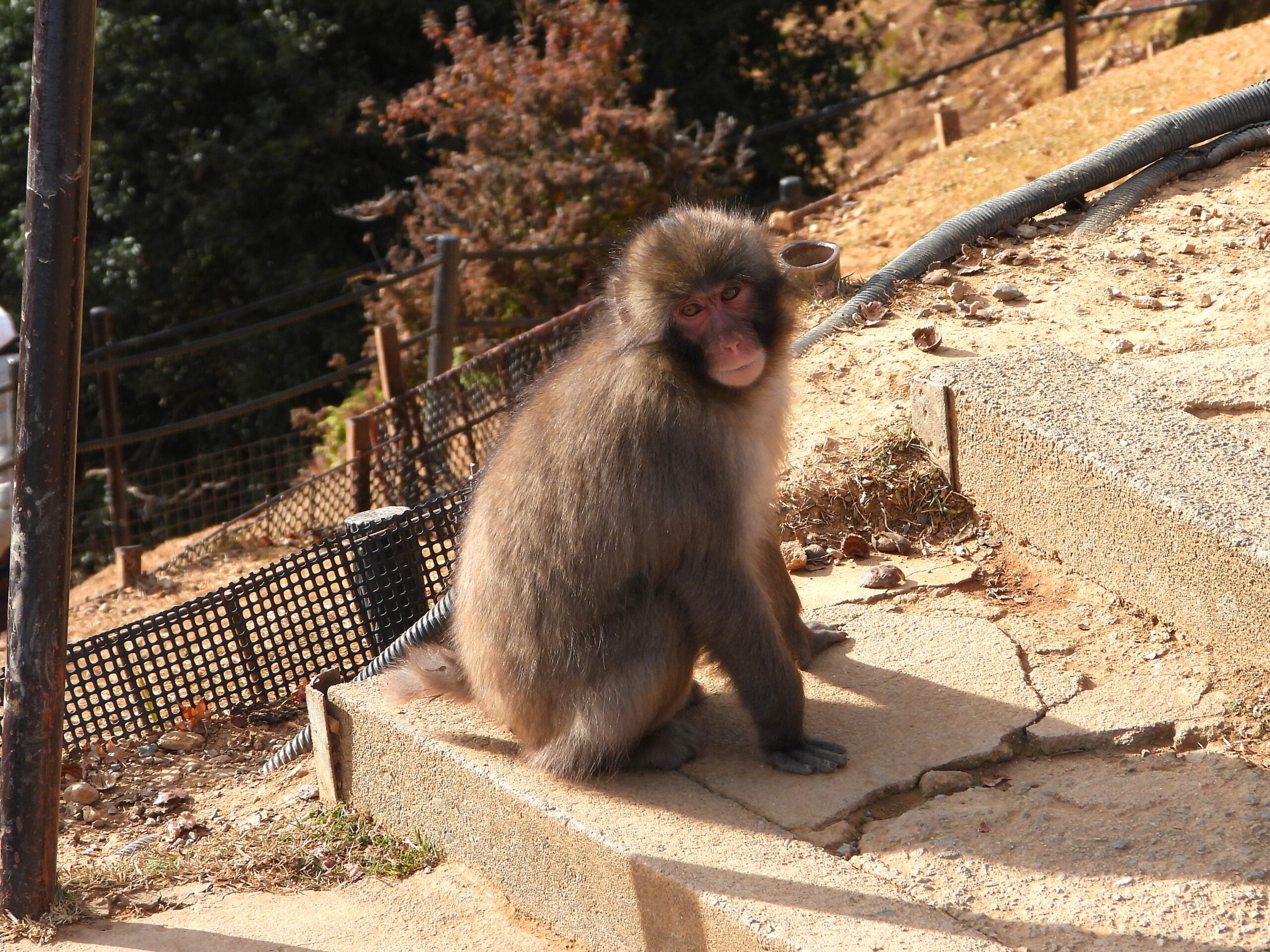
Arashiyama Monkey Park Iwatayama offers a well-known opportunity to observe wild Japanese macaques in a natural setting. The park is accessible on foot from nearby stations, followed by an uphill walk to the observation area.
This is not a zoo environment. Visitors are expected to follow specific rules, keep appropriate distance, and observe animals without direct interaction.
Urban Rivers and Large City Parks
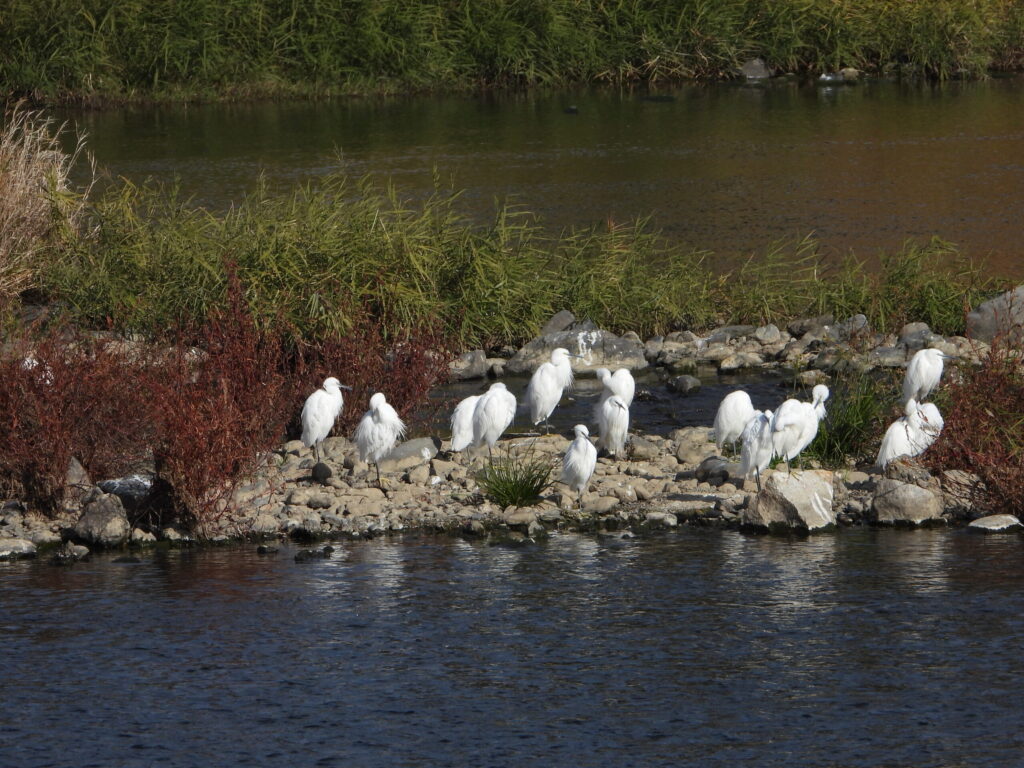
Wildlife observation is not limited to famous tourist sites. In large cities such as Tokyo and Osaka, riversides and major parks often support a variety of birds throughout the year.
This section remains intentionally general. Conditions change by season, weather, and local development, and wildlife encounters in urban environments are best approached with flexible expectations.
Suburban Forests Near Major Cities (Including Mount Takao)
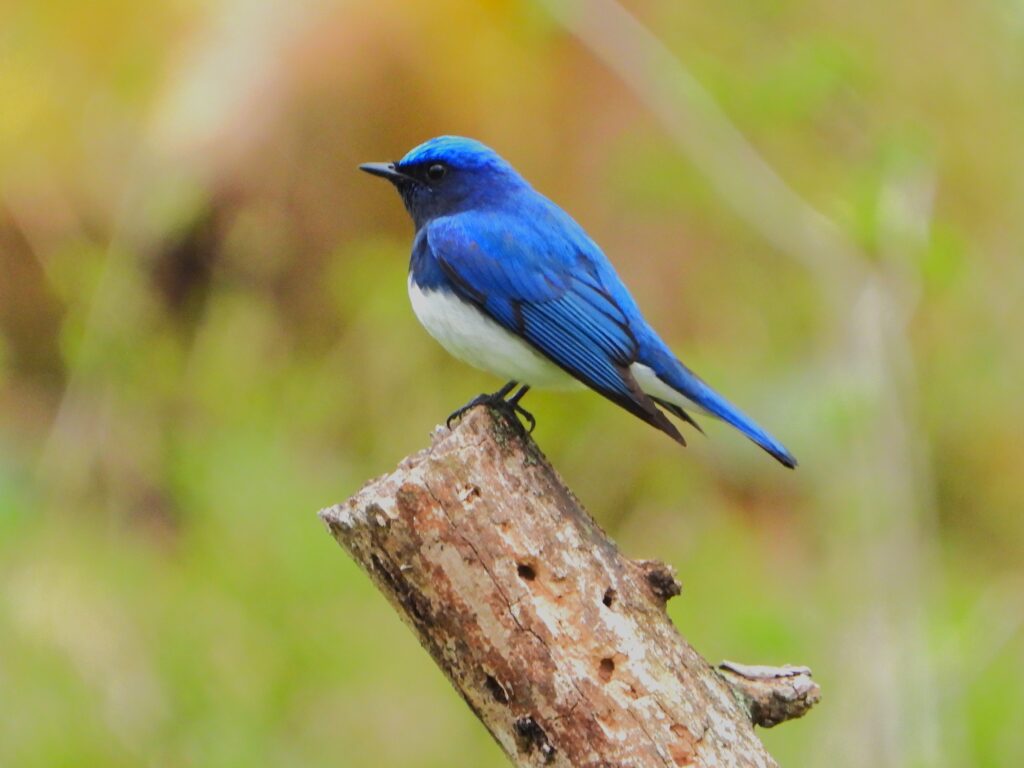
Suburban forests provide a stronger sense of nature while remaining accessible without a car.
Mount Takao near Tokyo is a representative example. It can be reached by train in roughly 50 minutes from central Tokyo and features multiple well-maintained trails suitable for casual visitors. Wildlife sightings are not guaranteed, but the forest environment supports birds and small mammals, especially outside peak hours.
Coastal Areas Accessible by Train
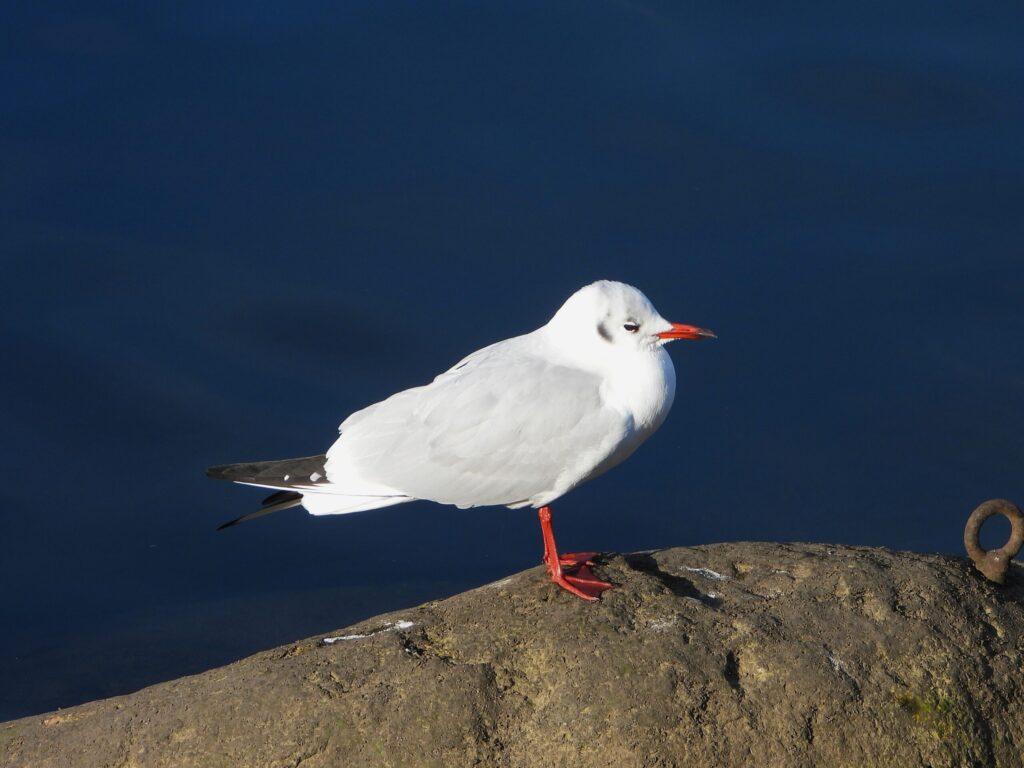
Many coastal environments in Japan are reachable by local train lines. Walkable beaches, ports, and river mouths can attract seabirds and wading birds, particularly during migration seasons.
Results depend heavily on tides, weather, and timing, so patience and observation are important.
Best Time of Day to See Animals Without Traveling Far
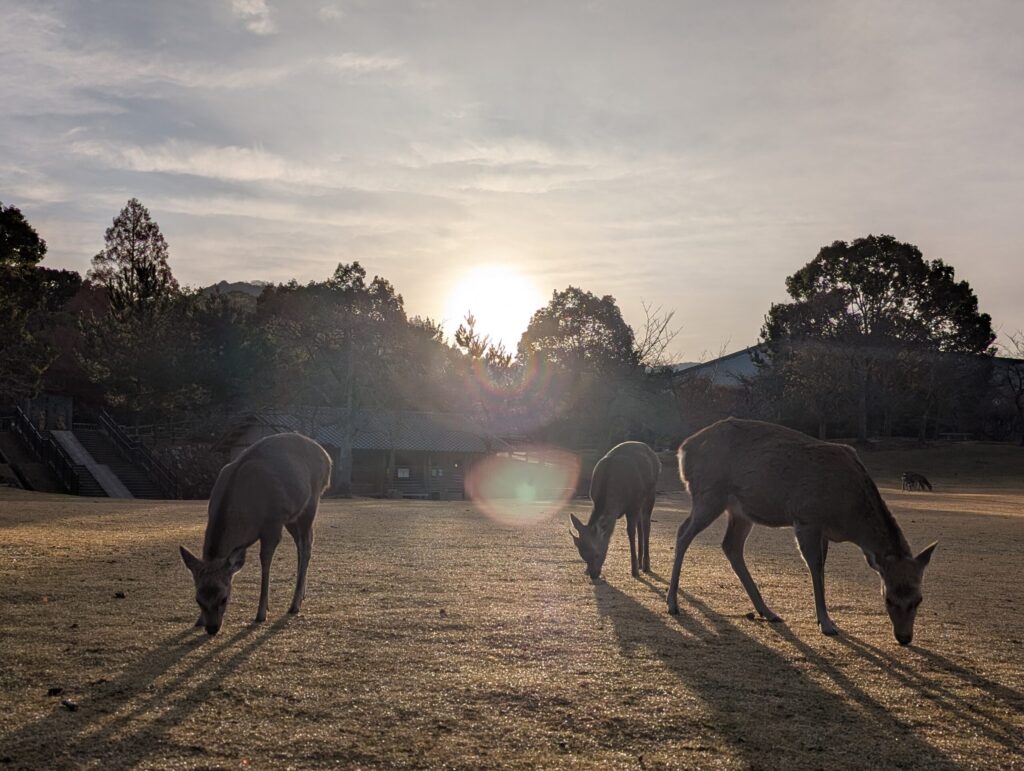
When staying close to cities, timing often matters more than distance.
- Early morning tends to offer higher activity and fewer people
- Late afternoon can also be productive, especially for birds
Quiet conditions make it easier to notice animal movement and behavior.
Wildlife Watching Etiquette in Easy-Access Areas
Accessibility does not mean wildlife is tame.
- Do not touch or chase animals
- Do not feed wildlife, except in designated situations such as Nara’s deer crackers
- Avoid loud behavior and sudden movements
Respectful observation leads to safer and more meaningful encounters.
Safety Considerations
The locations in this guide are generally popular and well-traveled. Most risks come from ignoring rules or approaching animals too closely.
Stay on established paths, follow posted guidance, and avoid entering remote areas alone at night.
Conclusion
Seeing wild animals in Japan does not require a car. With realistic expectations, good timing, and respectful behavior, travelers can observe wildlife in parks, rivers, suburban forests, and coastal areas using public transportation alone.
Japan’s close relationship between urban life and nature makes it uniquely accessible for car-free wildlife watching.
Related Guides on Wildlife of Japan
Best Time to See Wildlife in Japan
Wildlife Watching in Japan: Rules, Etiquette, and Safety Tips