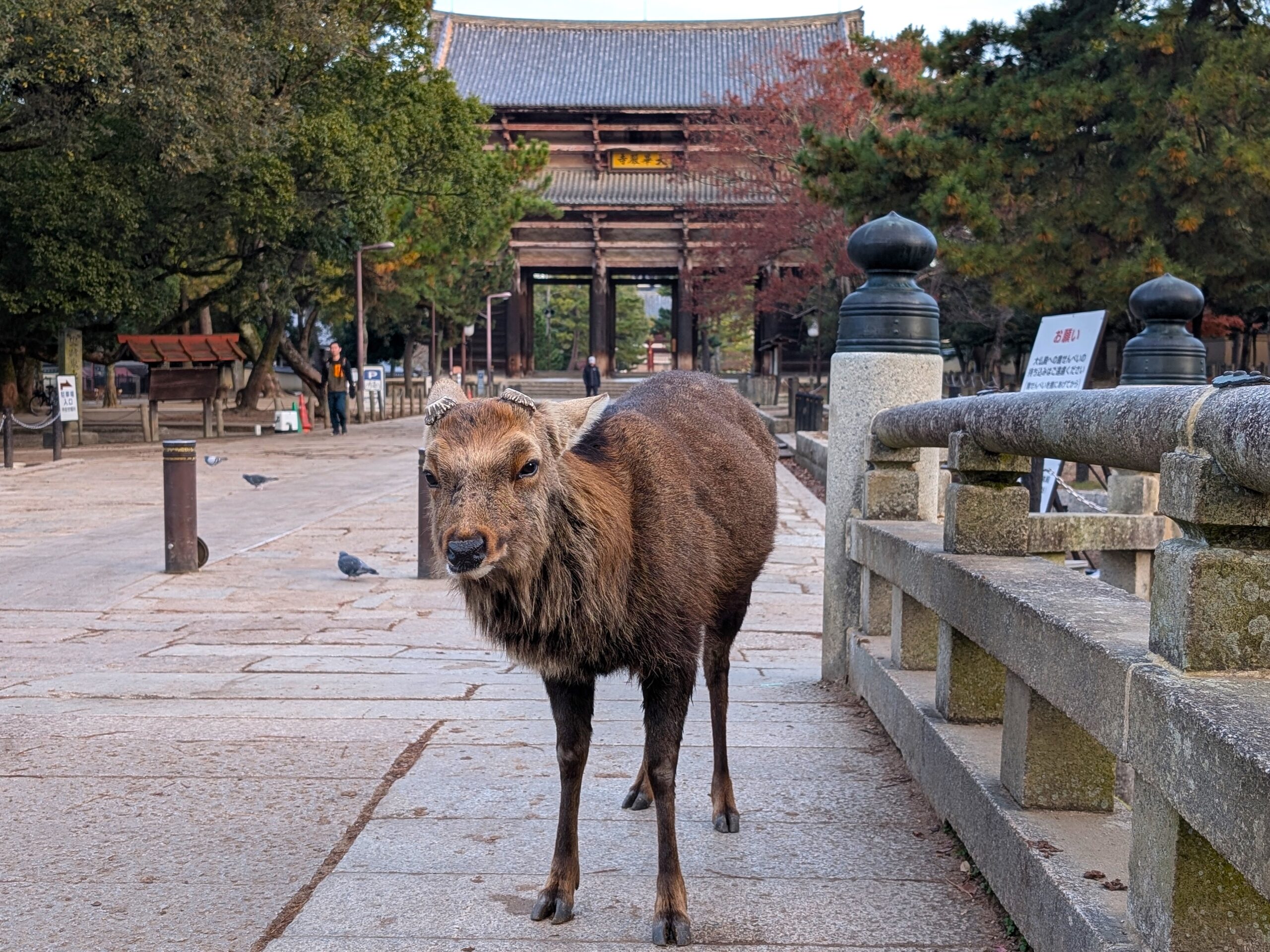
Wildlife You Can See Around Japanese Cities
(Tokyo / Osaka / Kyoto / Sapporo)
Introduction
Japan is often associated with dense cities and advanced urban infrastructure, yet wildlife remains closer than many people expect.
Even around major metropolitan areas, rivers, parks, forests, and coastal zones continue to exist alongside everyday human life.
Urban wildlife encounters in Japan are usually subtle rather than dramatic.
Birds are often heard before they are seen, mammals may appear briefly at dawn or dusk, and signs such as tracks or feeding marks can sometimes be noticed by careful observers.
This article focuses on wildlife that can realistically be encountered around Japanese cities, using Tokyo, Osaka, Kyoto, and Sapporo as examples.
Rather than highlighting rare or exceptional records, the goal is to explain how urban-adjacent environments continue to support wildlife in a stable and ongoing way.
This guide serves as the central hub for urban wildlife on WildWatch Japan.
If you are looking for a complete overview of animals found across the entire country, see:
→ Japan Animals – Complete Guide to Wildlife in Japan
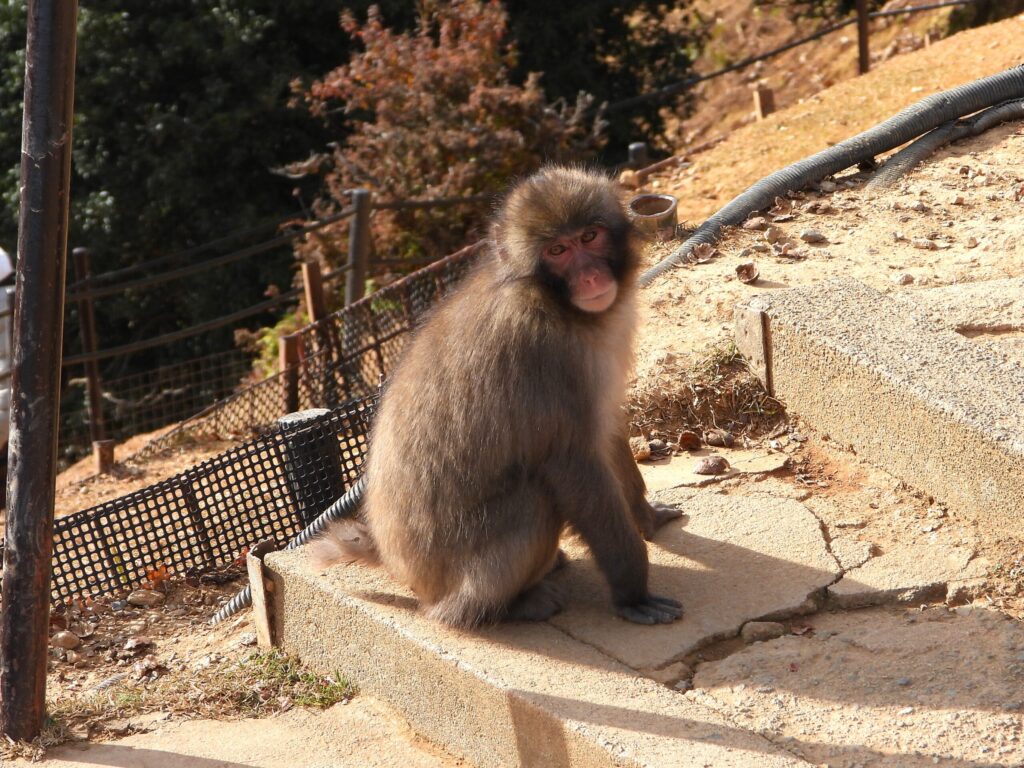
Why Wildlife Still Exists Near Japanese Cities
Many Japanese cities developed alongside rivers, forests, and coastal plains.
As cities expanded, these natural elements were not always completely removed but often remained in fragmented yet connected forms.
Riverbanks function as movement corridors for birds and small animals.
Temple forests, shrine groves, and urban parks preserve patches of mature vegetation.
At the edges of cities, low mountains and agricultural land are still common.
Because these environments are connected rather than isolated, wildlife continues to survive near cities across Japan.
Common Wildlife Groups Around Japanese Cities
Urban wildlife in Japan is not limited to a single type of animal.
Several broad groups are consistently associated with city-adjacent environments.
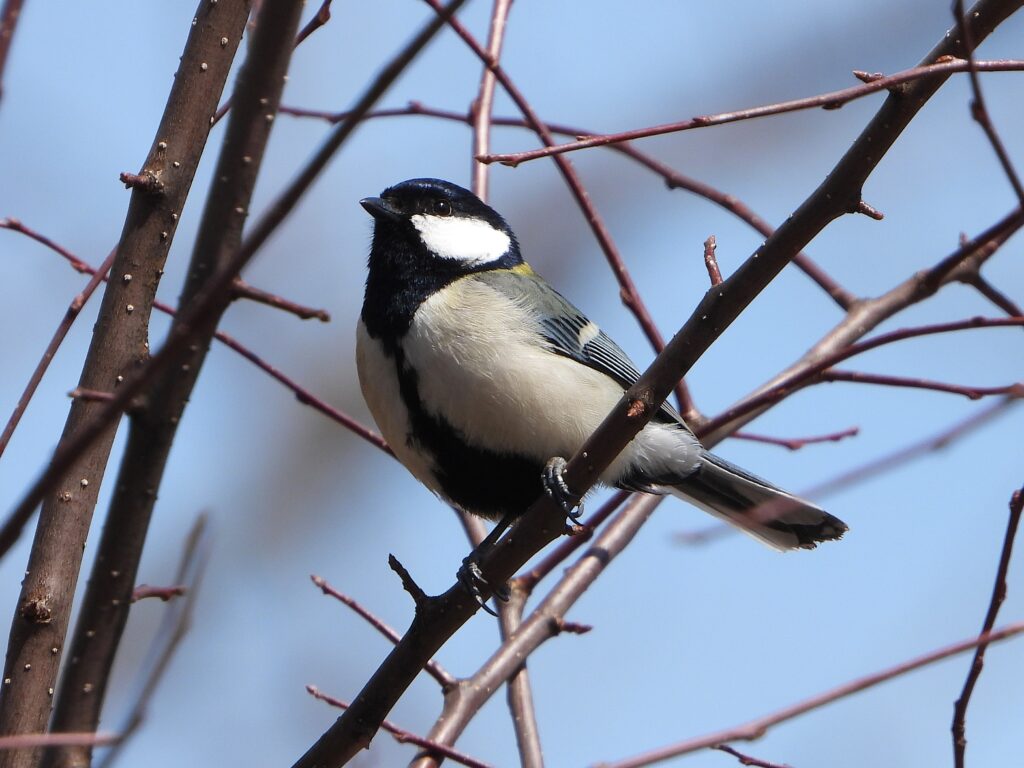
Birds
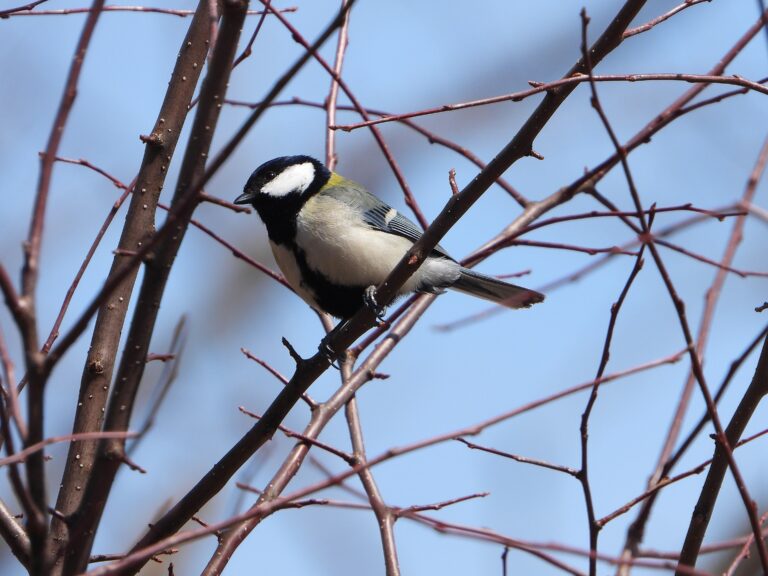
Birds are the most visible and widespread form of urban wildlife in Japan.
They inhabit parks, rivers, forests, coastal areas, and even residential neighborhoods.
Both resident species and seasonal migrants can be observed, depending on location and time of year.
For many people, birds are the easiest way to notice wildlife in and around cities.
Small Mammals
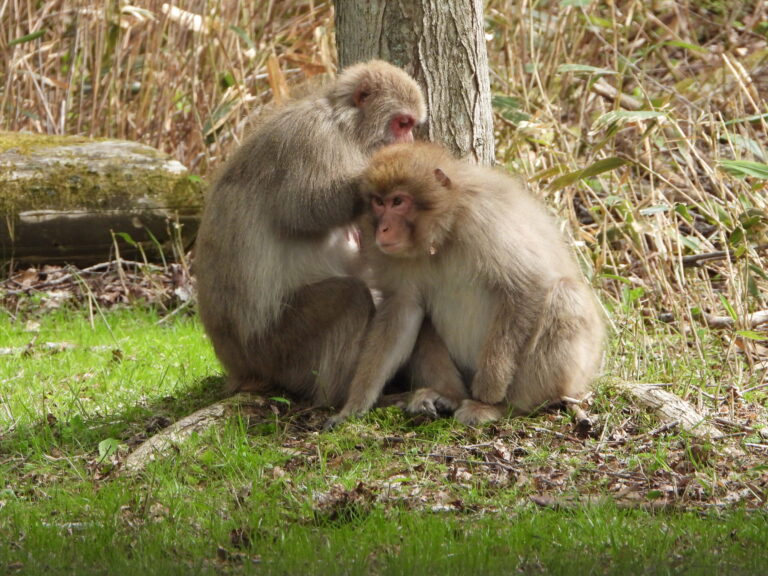
Small mammals are generally cautious and difficult to observe directly.
They tend to use forest edges, riversides, and quieter green spaces rather than city centers.
Encounters are often brief and depend heavily on timing and conditions.
In many cases, their presence is noticed through indirect signs rather than sightings.
Reptiles and Amphibians
Reptiles and amphibians rely on specific conditions such as water, vegetation, and suitable temperatures.
They are more active during warmer seasons and are usually limited to areas where natural features remain relatively undisturbed.
Urban observations are therefore localized and seasonal.
Tokyo: Wildlife at the Edge of a Megacity
Tokyo is one of the world’s largest cities, yet it includes a wide range of natural environments within and around the metropolitan area.
Mountainous regions exist in western Tokyo, while rivers and large parks extend through urban districts.
Birds are the most commonly observed wildlife, ranging from urban-adapted species to forest birds in surrounding hills.
Other animal groups are generally limited to quieter areas away from dense commercial zones.
→ Wildlife in Tokyo
→ Birdwatching in Tokyo
Osaka: Wildlife Within an Urban Landscape
Osaka developed historically around waterways, and rivers continue to shape its natural spaces today.
Urban parks, coastal areas, and forested hills on the outskirts provide habitat for wildlife.
Birdlife is the most noticeable, especially along rivers and wetlands.
Other animals are present but tend to remain hidden and are encountered less frequently.
→ Wildlife in Osaka
→ Birdwatching in Osaka
Kyoto: Traditional Landscapes and Urban Nature
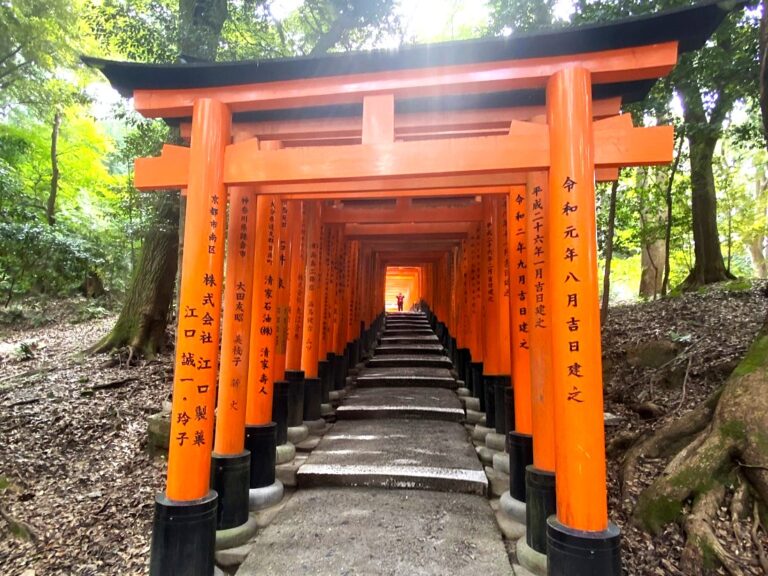
Kyoto’s cityscape blends closely with surrounding mountains, rivers, and long-preserved temple forests.
These green spaces exist near residential and cultural areas and contribute to urban-adjacent wildlife habitats.
Birds are commonly observed in parks, rivers, and forested temple grounds.
Other animals may appear near the city’s edges where forest and farmland meet.
→ Wildlife in Kyoto
→ Birdwatching in Kyoto
Sapporo: Wildlife in a Northern City
Sapporo is located in Hokkaido, where natural environments remain closely integrated with urban areas.
Forests, rivers, and open land extend directly to the city’s edge.
Birdlife is abundant throughout the year, with clear seasonal changes.
Mammals are more likely to be present around the outskirts than in other major cities, though encounters are usually brief.
→ Wildlife in Sapporo
→ Birdwatching in Sapporo
Tips for Observing Urban Wildlife
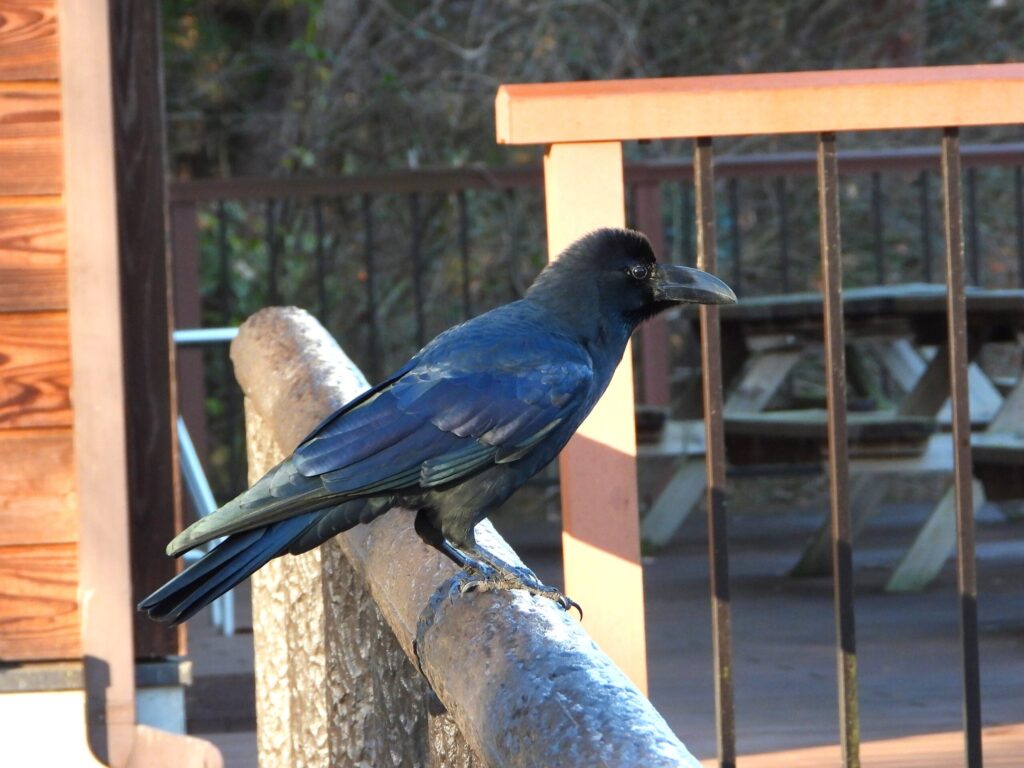
Wildlife activity is often higher during early morning and late afternoon.
Quieter times and locations generally offer better chances of observation.
Riverbanks, wooded parks, forest edges, and coastal zones provide some of the most consistent opportunities.
Patience and awareness are more important than actively searching.
Responsible Wildlife Observation in Cities
Animals living near cities are sensitive to disturbance.
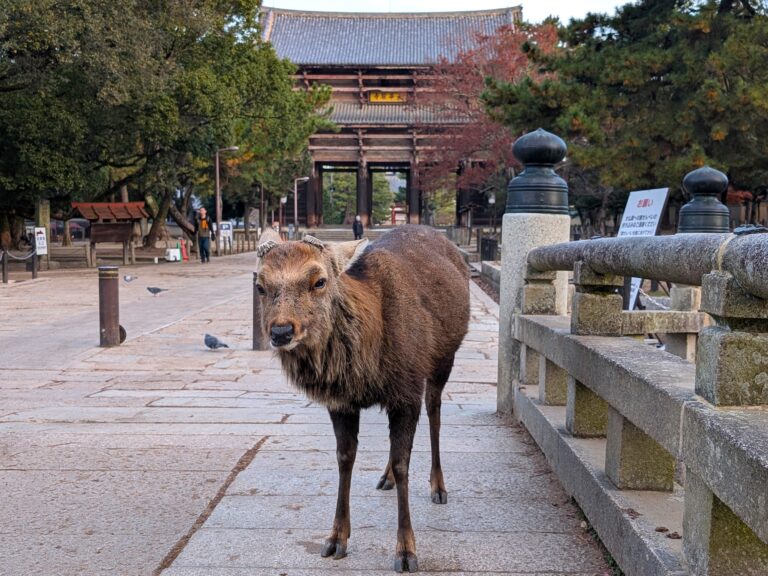
Approaching, following, or feeding wildlife is not appropriate.
Observation should remain passive and respectful.
Urban wildlife is best appreciated as part of the surrounding environment rather than as a target for close encounters.
Explore City-Specific Wildlife Guides
This article provides an overview of wildlife around Japanese cities.
For detailed environments, seasonal patterns, and realistic observation expectations, explore the city-specific guides below.