Amami Endemic Wildlife – Where to See Rare Animals in Japan
Introduction
Amami Ōshima, located in the central Ryukyu Islands of southern Japan, is home to a remarkable number of species that evolved in isolation. Many animals found here live nowhere else on Earth. Dense subtropical evergreen broadleaf forests and deep valleys have preserved ancient evolutionary lineages that disappeared from mainland Asia long ago.
This guide introduces the most iconic endemic and near-endemic species of Amami — based on original field observations and photography.
Why Amami Has So Many Endemic Species
Amami’s forests have been separated from the Asian continent for millions of years. This long geographic isolation allowed unique species to evolve. The island still maintains large areas of intact native forest, providing refuge for rare mammals, birds, and amphibians extremely sensitive to environmental change.
Amami is not only a scenic island — it is a living museum of evolution.
Main Wildlife Species of Amami
(with field photography)
Amami Rabbit (Pentalagus furnessi)
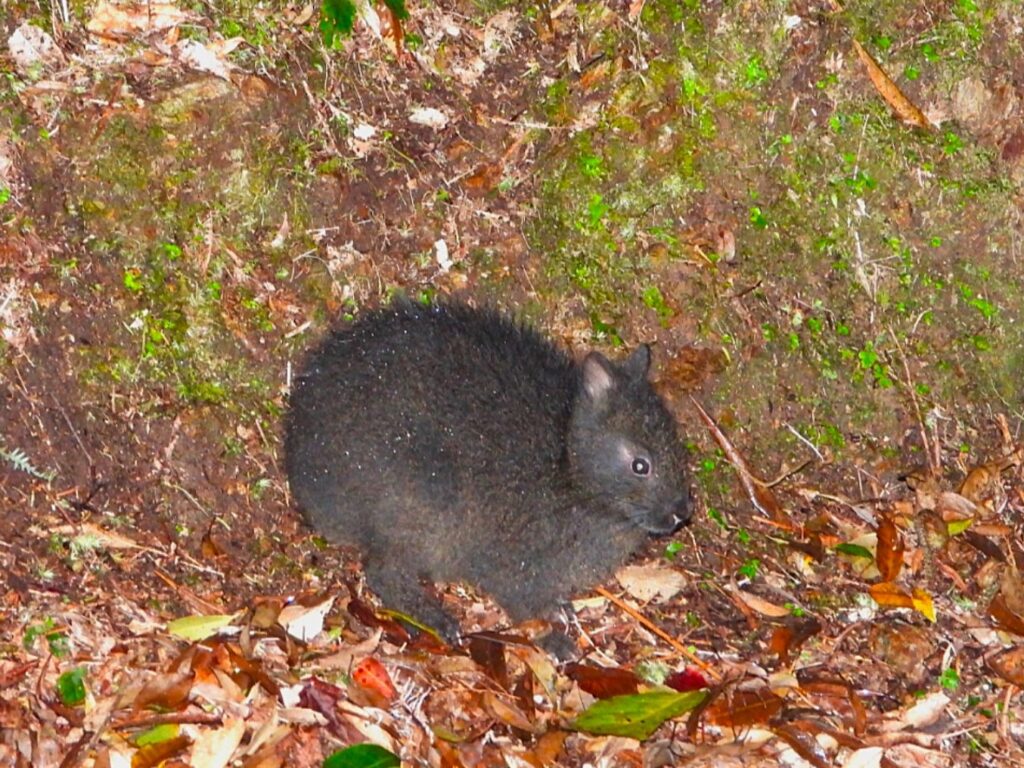
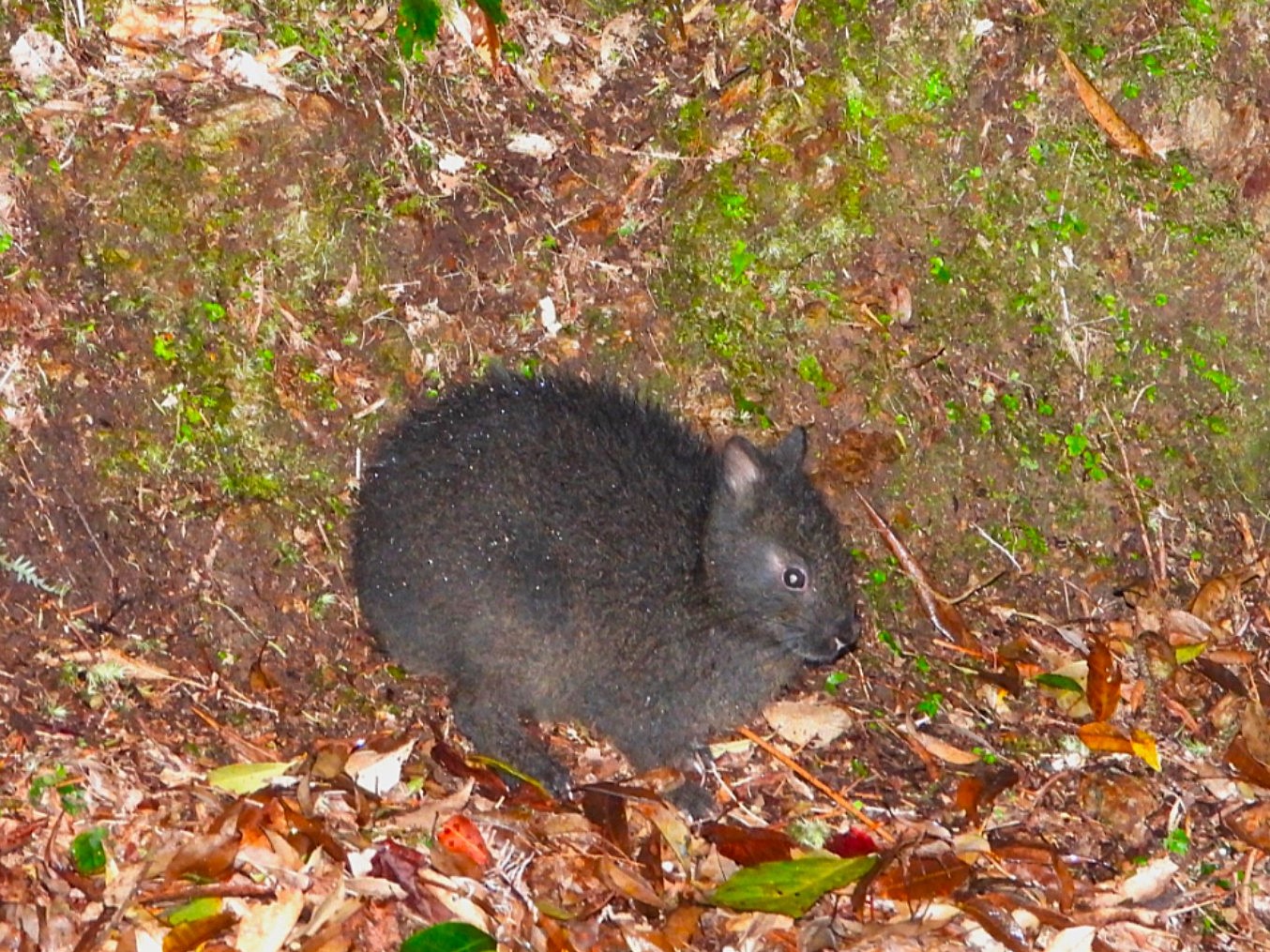
A primitive rabbit species found only on Amami Ōshima and Tokunoshima. Small ears, strong limbs, and dark fur distinguish this “living fossil.” Strictly nocturnal and endangered due to habitat loss, roadkill, and invasive predators.
➡️ Read the full profile →
Lidth’s Jay (Garrulus lidthi)
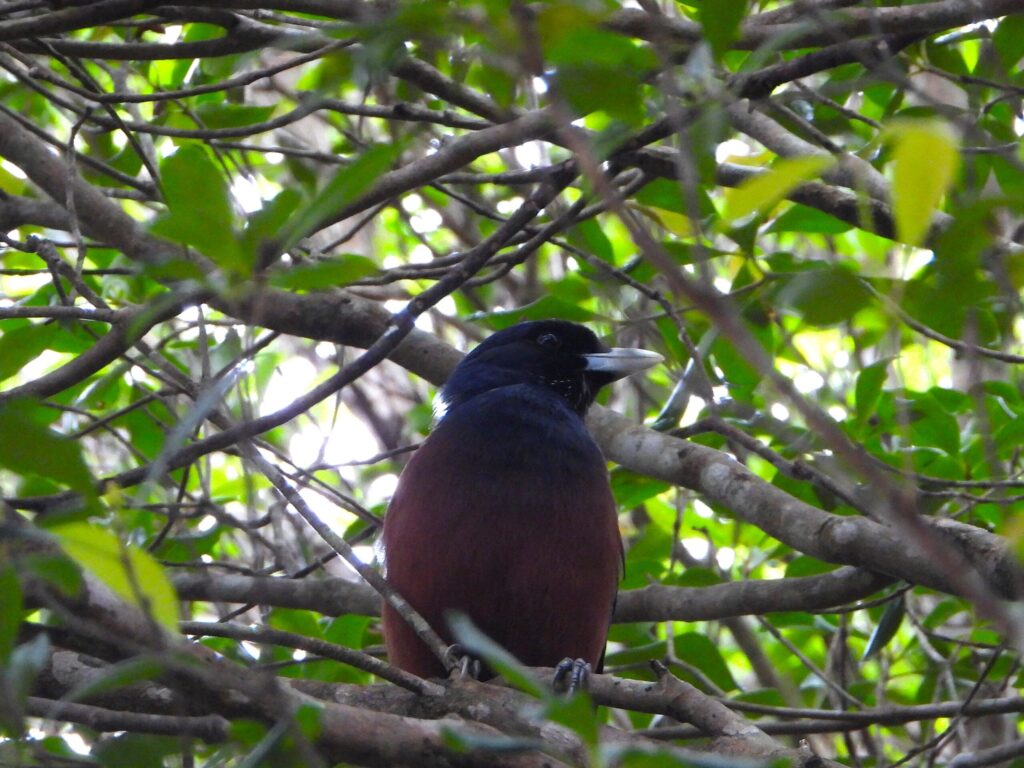
A striking forest jay with deep purplish-blue plumage and rich chestnut underparts. A key seed disperser in native forests. Seen in forested valleys at dawn and dusk.
➡️ Read the full profile →
Amami Woodcock (Scolopax mira)
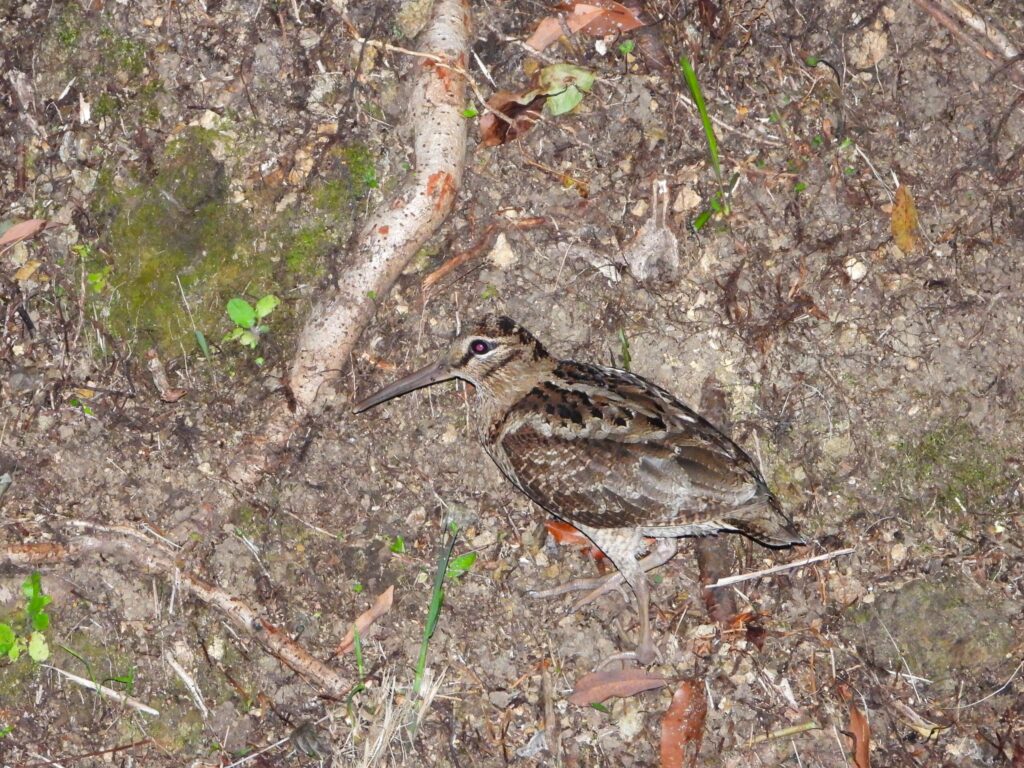
A secretive ground-dwelling bird of mature forests. Mostly active at night. Narrow range and disturbance sensitivity make sightings rare.
➡️ Read the full profile →
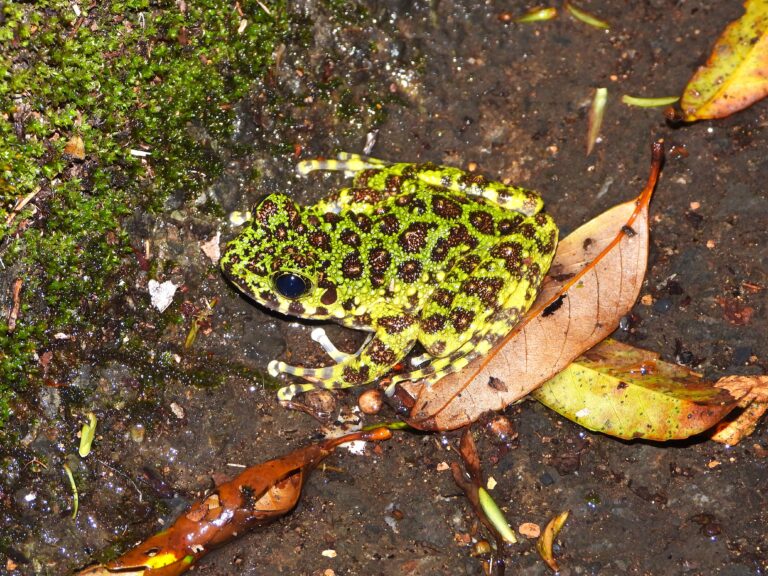
Amami Ishikawa’s Frog (Odorrana splendida)
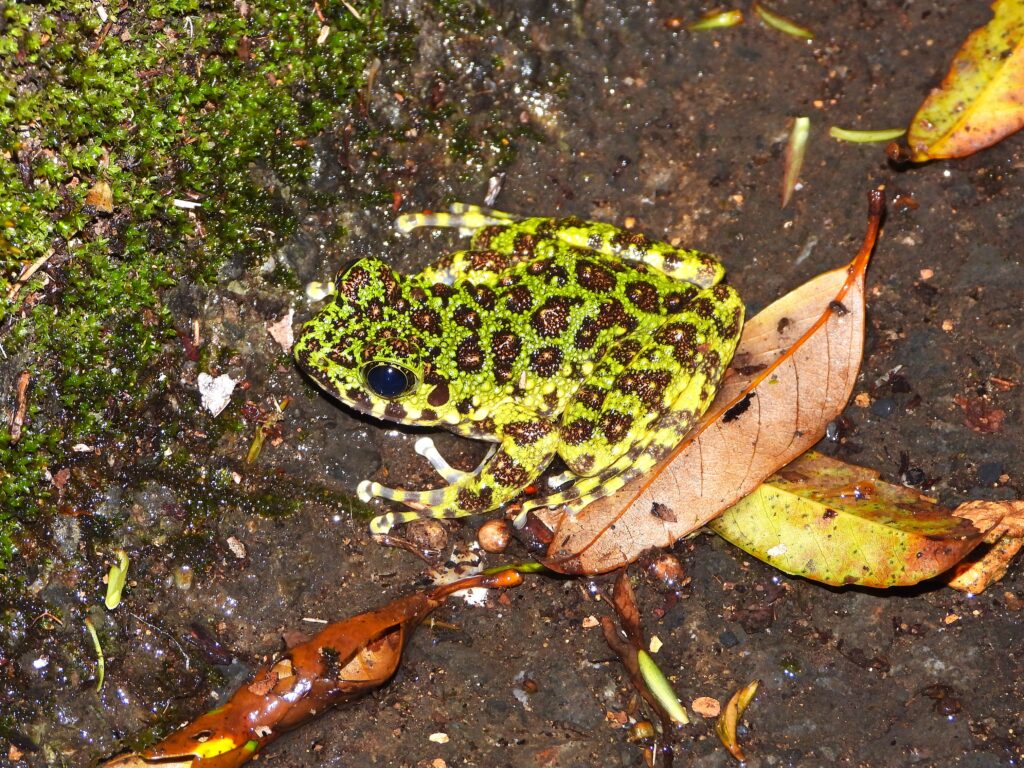
A beautifully patterned frog endemic to the Amami Islands. It inhabits shaded mountain streams and requires clean, cool water and intact forest. Its dependence on forested streams makes it especially vulnerable to habitat change.
➡️ Read the full profile →
Otton Frog (Babina subaspera)
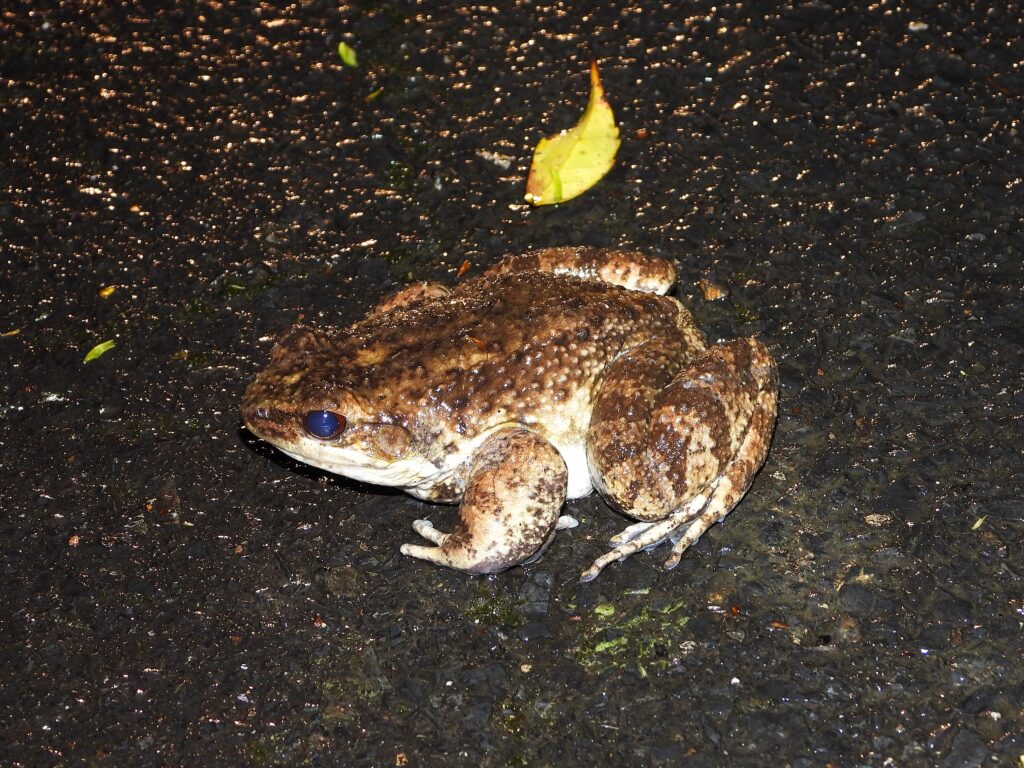
A large, robust frog of rivers and wet forests on Amami Ōshima and nearby islands. Known for its deep nighttime calls during the breeding season. Sensitive to habitat degradation and water pollution.
➡️ Read the full profile →
Amami Tip-nosed Frog (Odorrana amamiensis)
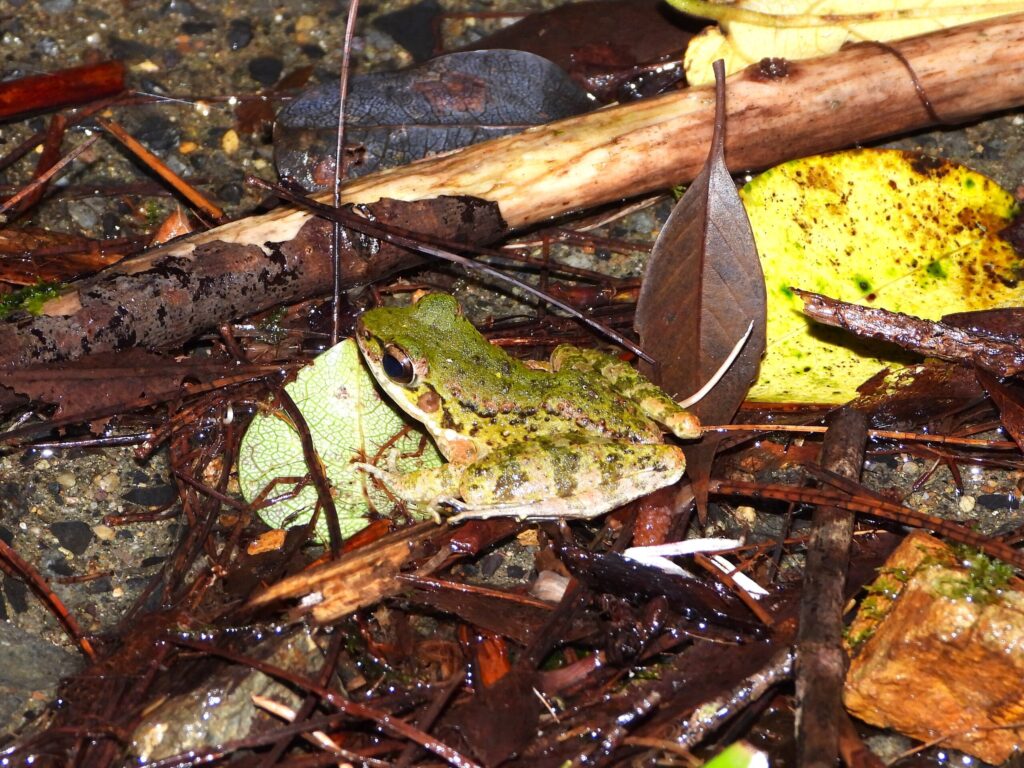
This frog is endemic to the Amami Islands, specifically Amami Ōshima and Tokunoshima. Often found near flowing mountain streams, especially in forested ravines. It is listed as Endangered due to habitat loss, altered river systems, and threats from invasive species.
➡️ Read the full profile →
Rare & Hard-to-See Species
(no Read More links)
Amami Spiny Rat (Tokudaia osimensis)
A small nocturnal rodent with stiff “spiny” hairs mixed in its fur. Found only on Amami Ōshima. Highly sensitive to disturbance and habitat degradation.
Amami Thrush (Zoothera major)
A shy, ground-dwelling thrush endemic to a very limited area in the Amami Islands. Deeply reliant on mature forest with thick leaf litter. Extremely difficult to observe.
Owston’s Woodpecker / Amami Woodpecker (Dendrocopos owstoni)
A woodpecker species endemic to Amami Ōshima, restricted to mature evergreen broadleaf forest. Its presence indicates well-preserved old-growth forest.
Where and When to See Wildlife on Amami
Night for mammals and many amphibians — quiet forest roads offer chances of encounters
Early morning and late afternoon for birds — calls often reveal their presence
Streams and shaded ravines for frogs — look around clear, flowing water
Consider joining a local nature tour for safety and better viewing opportunities.
Conservation and Threats
Key threats include habitat loss, roadkill, and invasive species such as feral cats and rats. Although mongoose eradication succeeded on Amami Ōshima, continuous protection remains essential to preserve these rare animals.
How to Explore Responsibly
Drive slowly on forest roads after dark
Minimize noise and avoid using bright lights
Stay on roads and designated trails
Do not touch or feed wildlife
Support responsible ecotourism
Quiet, careful behavior protects the wildlife you came to see.
Author’s Impression
Amami Ōshima holds some of the most unique wildlife encounters in Japan. Seeing a rabbit quietly feeding by the roadside, hearing rare frogs calling beside a forest stream, or spotting a flash of violet from a Lidth’s Jay — each moment felt like discovering another hidden piece of evolution.
Every visit reminds me how special this island is, and how carefully we must protect it. I hope more people can experience Amami’s wild beauty while respecting the animals that make this place so extraordinary.