Is the Tiger Keelback Dangerous? Bite Risk in Japan
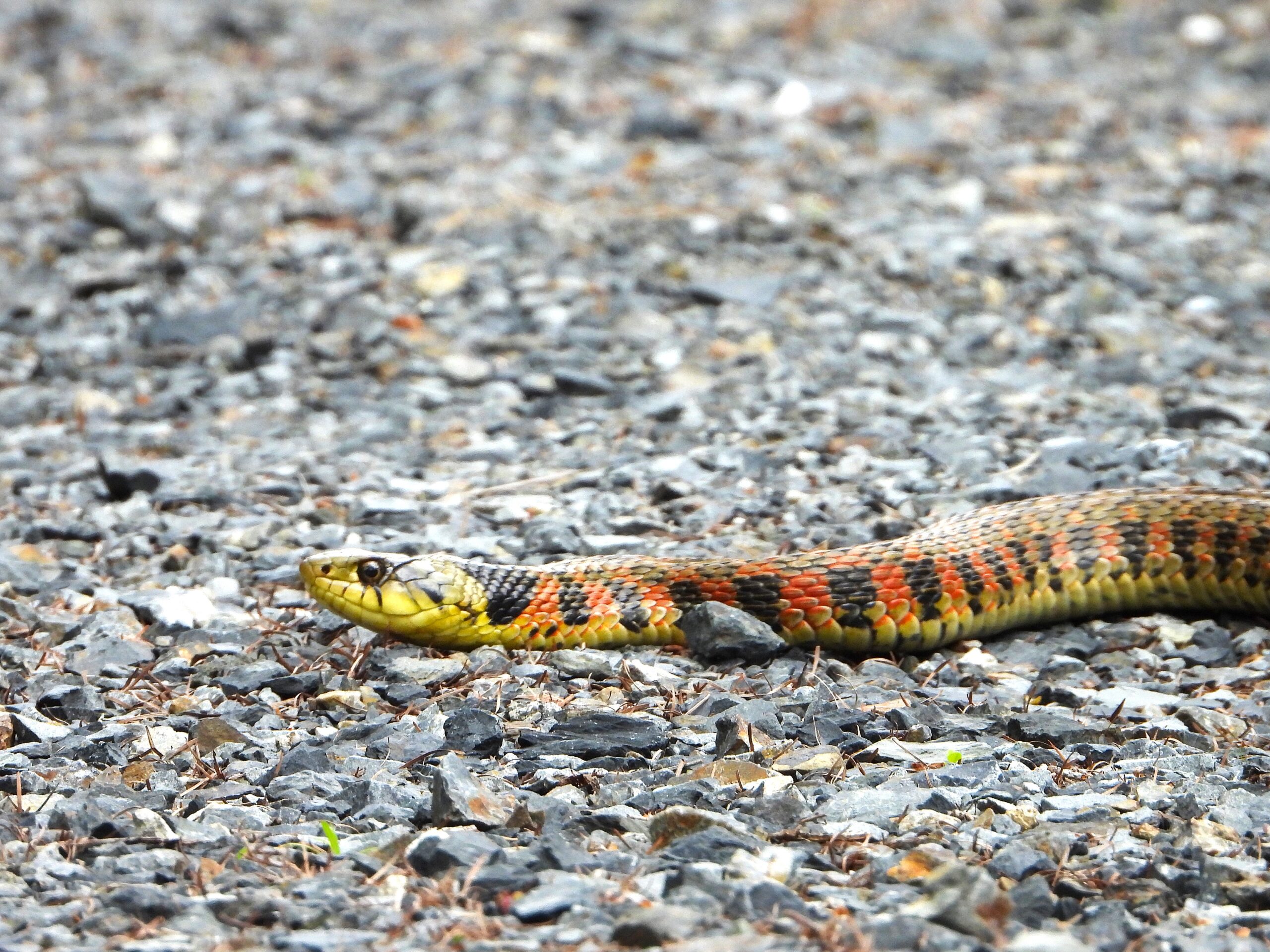
The Tiger Keelback (Rhabdophis tigrinus), known in Japan as the Yamakagashi, is a venomous snake found across much of the country. It often lives near water and may be seen around rice fields, ponds, irrigation channels, and wetlands.
Many individuals have black and orange markings, making the snake relatively easy to recognize. Although it does not usually attack people, it may bite if it is handled or cornered.
Because a bite can potentially cause symptoms, the Tiger Keelback should be treated with caution.
In this article, we explain how dangerous this snake is, what its venom does, what may happen if someone is bitten, and how to stay safe if you encounter one in Japan.
How Dangerous Is the Tiger Keelback?
The Tiger Keelback is a venomous snake.
However, it is not usually aggressive toward humans. In most cases, the snake will try to escape when it senses people nearby.
It rarely approaches humans on its own.
The risk of a bite increases when someone tries to catch it, touch it, or corner it.
Because of this, it is dangerous to assume a snake is harmless based only on its appearance. If you see a snake outdoors, the safest rule is simply not to approach it.
About the Venom of the Tiger Keelback
The Tiger Keelback has venom, and a bite may allow venom to enter the body.
However, not every bite causes severe symptoms. The effects can vary depending on the situation and the individual.
Even so, because it is a venomous snake, a bite should never be ignored. Anyone who has been bitten should seek medical evaluation.
When you are outdoors, never assume a small snake is safe. The safest approach is to avoid touching any wild snake.
What Happens If You Are Bitten?
If a Tiger Keelback bites someone, venom may enter the body.
Possible symptoms can include swelling, pain, or other physical changes. The severity can vary from person to person.
Not every bite becomes serious, but it is still important not to ignore it.
If a bite occurs or symptoms appear, medical attention should be sought as soon as possible.
What to Do If You Are Bitten
If you are bitten by a Tiger Keelback, the most important thing is to stay calm.
First, move away from the snake to make sure you are safe. Then gently wash the wound with clean running water.
After that, stay as calm and still as possible while seeking medical care.
Some traditional first-aid methods can actually be harmful. Do not cut the wound, try to suck out the venom, or tightly tie the affected area.
Instead, avoid risky treatments and seek proper care from medical professionals.
Proper Safety Precautions Around Tiger Keelbacks
If you encounter a Tiger Keelback, the most important rule is to keep your distance.
Do not approach the snake. Do not touch it, capture it, or try to chase it away. Children and pets should also be kept away.
Most snakes prefer to avoid people and will leave if they are not disturbed.
The safest action is to calmly leave the area.
Places Where Tiger Keelbacks Are Often Found
Tiger Keelbacks prefer environments near water.
They are often seen around ponds, marshes, rice fields, irrigation channels, riversides, and moist grassy areas.
When walking in these environments, pay attention to where you step and stay aware of your surroundings.
Distribution in Japan
The Tiger Keelback is widely distributed across Japan.
Although habitats may vary depending on the region, the snake is generally associated with areas that have water nearby.
When exploring natural environments, it is always wise to assume snakes may be present.
Common Misconceptions
There are several misunderstandings about the Tiger Keelback.
Some people think it is harmless because it appears calm. Others assume small snakes are not dangerous, or that snakes with dull colors cannot be venomous.
However, it is impossible to judge how dangerous a snake is based only on appearance.
In the wild, it is best not to approach any snake.
Summary
The Tiger Keelback, known in Japan as the Yamakagashi, is a venomous snake found throughout the country.
Although it does not usually attack people, it may bite if it is handled or cornered.
If you encounter one outdoors, the safest approach is simple: do not approach it, do not touch it, and do not disturb it.
If a bite occurs, avoid risky first-aid methods and seek medical attention as soon as possible.
Related Guides About Snakes and Dangerous Wildlife in Japan
If you want to learn more about dangerous wildlife and snakes in Japan, these guides may help.
👉 Dangerous Animals in Japan: 6 Wildlife Risks & How to Stay Safe
A complete guide to the animals in Japan that hikers and travelers should be careful around.
👉 Venomous Snakes in Japan: Species, Regions & Safety
Learn about the main venomous snakes in Japan, including the Mamushi, Habu, and Tiger Keelback.
👉 Snakes in Japan: Native Species, Regions & Safety
A simple guide to the most common snake species found on Japan’s main island.