Wildlife You Can See Near Major Train Stations in Japan
Introduction
Major train stations in Japan often bring to mind dense crowds and highly urbanized landscapes.
Nevertheless, wildlife does not disappear simply because an area is developed.
In fact, rivers, parks, gardens, and green spaces still exist around many major stations.
As a result, by paying attention to both location and timing, visitors can realistically encounter wildlife starting from major train stations, without hiking or traveling deep into rural areas.
In this article, we introduce wildlife that you can realistically see near major train stations in Japan, focusing on accessibility, safety, and everyday urban environments.
For a broader overview of urban wildlife across Japan, see:
→ Wildlife You Can See Around Japanese Cities
What “Near a Major Train Station” Means in This Guide
In this guide, we define “near” in a conservative and practical way.
First, locations fall within about 30 minutes on foot.
Alternatively, they involve one to two train stops followed by a short walk.
In addition, routes are mostly paved and require no special equipment.
Finally, all areas are places that the public regularly uses.
Importantly, we exclude rare or one-time sightings.
Instead, we focus only on environments that wildlife uses continuously or seasonally.
Why Wildlife Can Be Found Near Train Stations
Although cities seem artificial, they often contain fragmented but usable habitats.
For example, rivers and canals attract birds and amphibians.
Likewise, parks and gardens provide feeding and resting sites.
Meanwhile, shrine forests and green corridors offer quieter refuge within busy neighborhoods.
In coastal cities, seabirds can also move inland along waterways.
Because of these conditions, many animals adjust their activity to avoid peak human presence.
Consequently, they often become more visible during quieter hours.
Best Times to Spot Wildlife Near Stations
When it comes to wildlife observation, timing matters more than distance.
Early in the morning, birds show the highest level of activity.
Later in the afternoon, movement often increases near water and green areas.
Around dusk, mammals may appear briefly before retreating.
After rainfall, amphibians and insects also become easier to notice.
Overall, encounters tend to be subtle rather than dramatic.
What to Bring (No Hiking Required)
Fortunately, observing wildlife near stations requires no special gear.
Bring comfortable walking shoes so you can move quietly.
Carry a smartphone or small camera for casual observation.
If available, binoculars can help with distant views.
In addition, neutral-colored clothing helps reduce disturbance.
At the same time, avoid flash photography and sudden movements.
Station-Accessible Wildlife Environments by City
Tokyo Area
Ueno Station Area – Urban Parks and Ponds
Large parks and ponds within walking distance of Ueno Station support relatively stable bird activity.
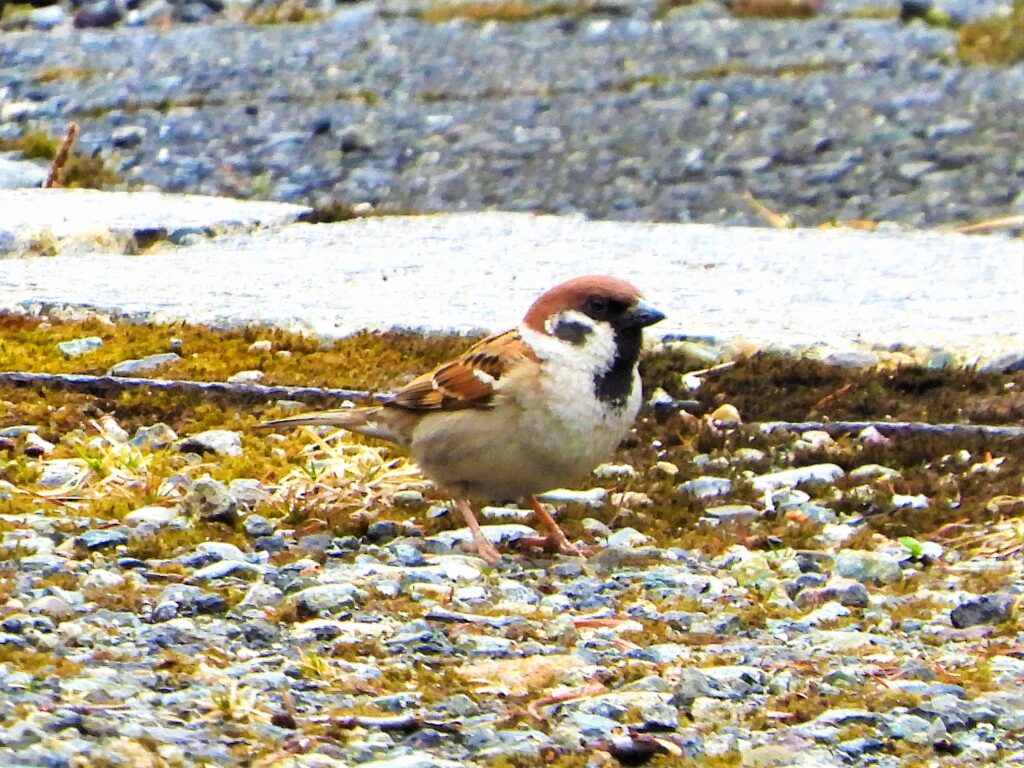
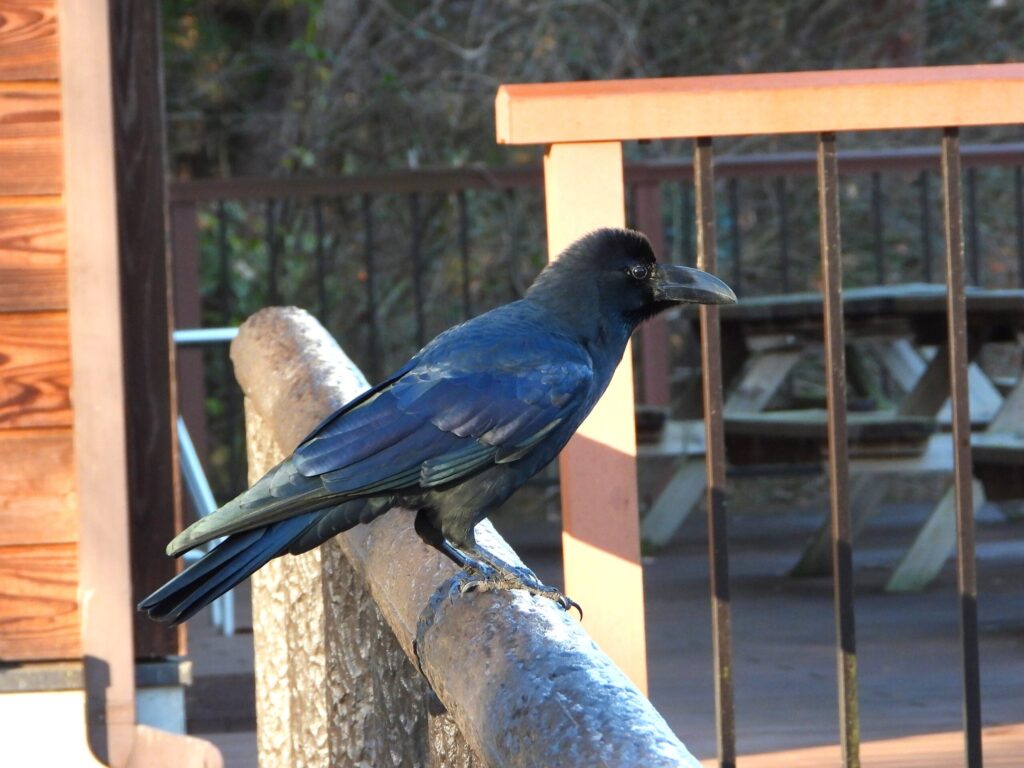
Commonly, visitors see sparrows, crows, pigeons, and birds associated with water.
Seasonally, migratory waterfowl may also appear.
For the best results, early morning offers the highest activity.
In contrast, non-bird wildlife remains limited in this setting.
Central Tokyo Stations – Accessible Water and Garden Areas
The immediate surroundings of central Tokyo stations are highly urbanized.
However, visitors can reach water and garden environments through short train rides or brief walks.
In these areas, birds using ponds or waterways may appear.
Nevertheless, sightings vary strongly by season and time of day.
Therefore, these locations work best for brief or supplementary observation rather than focused wildlife watching.
Osaka Area
Major Osaka Stations – Accessible Waterfront and Water Areas
Although station surroundings in Osaka are heavily developed, waterbird habitats remain accessible by short train travel.
In these environments, ducks and herons appear most commonly.
During migration seasons, additional bird species may pass through.
Generally, morning provides the best observation conditions.
As a result, observation usually takes place away from the station itself.
Kyoto Area
Kyoto Station – River-Based Wildlife
Rivers accessible from Kyoto Station support wildlife that has adapted to urban conditions.
Along these waterways, river birds and small urban birds appear regularly.
Depending on the season, other water-associated wildlife may also be present.
For optimal results, observe during the morning or late afternoon.
Notably, observation here focuses on river environments rather than forested mountains.
Sapporo Area
Sapporo Station Area – Urban–Nature Boundary Zones
Near Sapporo Station, green spaces and rivers support wildlife adapted to cooler climates.
In these areas, urban-tolerant birds appear most consistently.
At certain times of year, animals active at dawn or dusk may also be observed.
During winter, however, snow and cold conditions significantly alter wildlife behavior.
Typically, short travel from the station is required.
Wildlife You Can Realistically See Near Train Stations
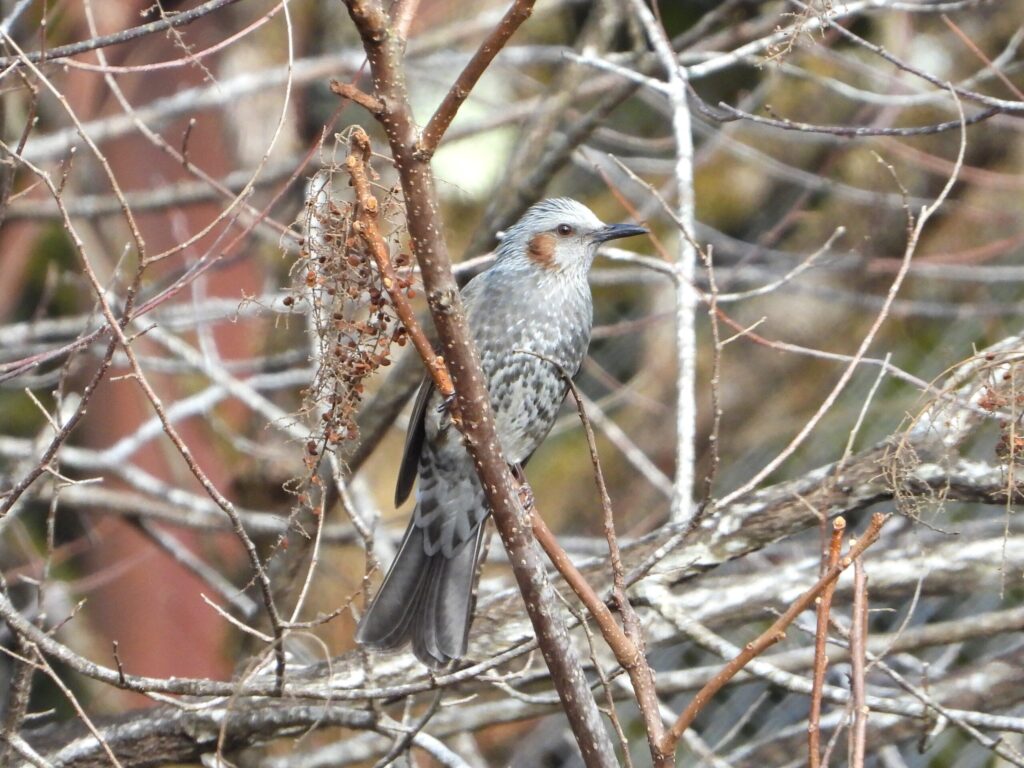
Birds
Above all, birds represent the most reliable wildlife group near stations.
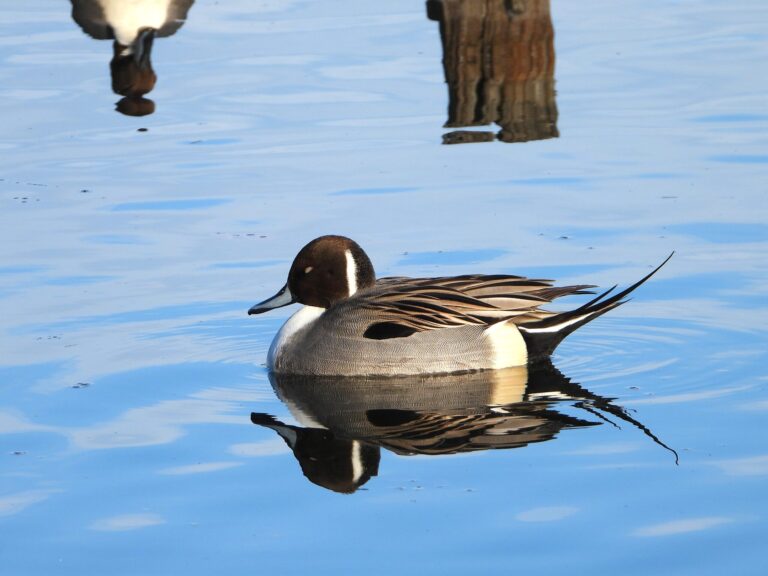
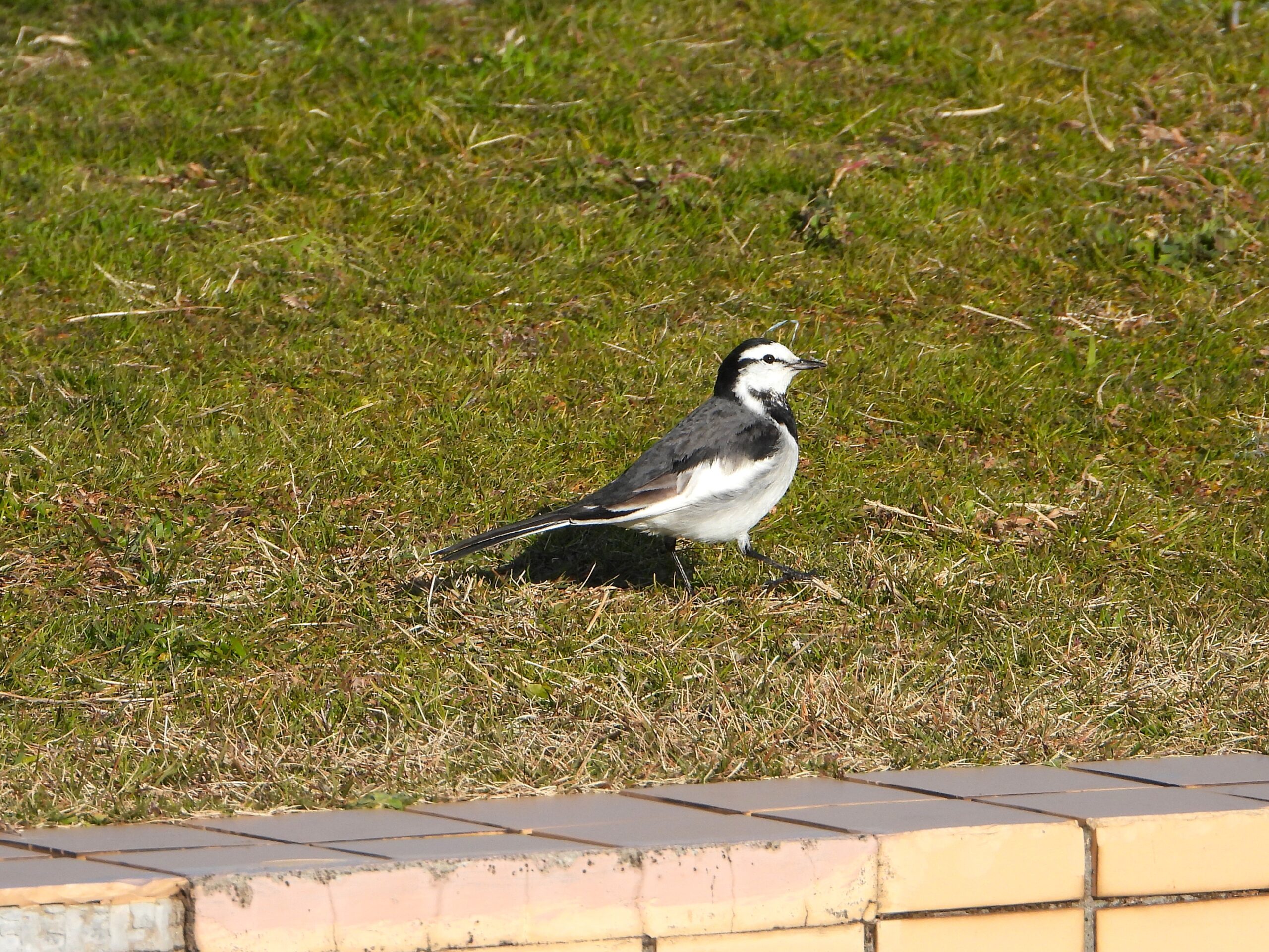
Along rivers, ducks, herons, and wagtails commonly appear.
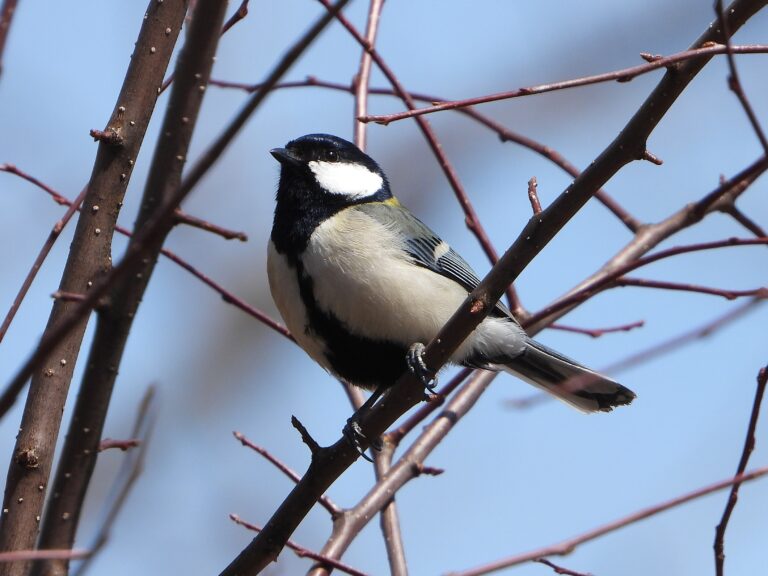
In parks, bulbuls, starlings, and tits are frequent.
In coastal areas, gulls and cormorants often dominate the scene.
Mammals
Mammals are present but far less predictable.
Most species show nocturnal or crepuscular behavior.
Consequently, encounters remain brief and infrequent.
Reptiles and Amphibians
These animals appear only in suitable water environments.
Typically, observers may notice frogs or small lizards.
They become most visible during warm seasons or after rain.
Insects
Insects occur widely in urban green spaces.
During summer evenings, moths and beetles gather around lights.
Along riverbanks, dragonflies are common.
Overall, seasonality strongly affects visibility.
Safety and Etiquette
Responsible observation plays a crucial role in urban wildlife conservation.
Do not feed wildlife, as this alters natural behavior.
Avoid nesting or breeding areas to prevent disturbance.
Stay on designated paths at all times.
Finally, observe quietly and leave no trace.
Through stable human behavior, wildlife can continue to persist in urban environments.
FAQ
Can you see wildlife in Japan without hiking?
Yes. Rivers, parks, and green spaces near stations often support wildlife.
What is the easiest wildlife to spot near stations?
Birds remain the most consistently observed group.
Are sightings guaranteed?
No. Wildlife encounters depend on timing, location, and environmental conditions.
Summary
Wildlife remains closer to Japan’s major train stations than many people expect.
By using stations as starting points and choosing appropriate times and environments, visitors can experience urban wildlife without leaving the city.
For a complete overview of animals found across Japan:
→ Japan Animals – Complete Guide to Wildlife in Japan