Wildlife You Can See in Nara
Introduction
Nara is one of the easiest places in Japan to experience wildlife.
Unlike most cities, wild animals live surprisingly close to people here, often just a short walk from temples, parks, and city streets.
You don’t need special equipment or long hikes.
Simply walking through the city can lead to real encounters with wildlife.
This guide focuses on animals you can realistically see in Nara, where to look for them, and how to observe them safely and respectfully.
Why Nara Is One of the Best Cities in Japan for Wildlife
Nara Park is located right next to the city center.
Behind it rises a forested mountain area, creating a rare environment where urban space, open parkland, and natural forest are directly connected.
Because of this structure, wildlife can move between forest and city-edge areas without being isolated.
In many other Japanese cities, animals are limited to distant mountains. In Nara, wildlife can be encountered without leaving the city.
This close relationship between people and nature is what makes Nara stand out.
Mammals You Can See in Nara
Sika Deer (Almost Guaranteed)

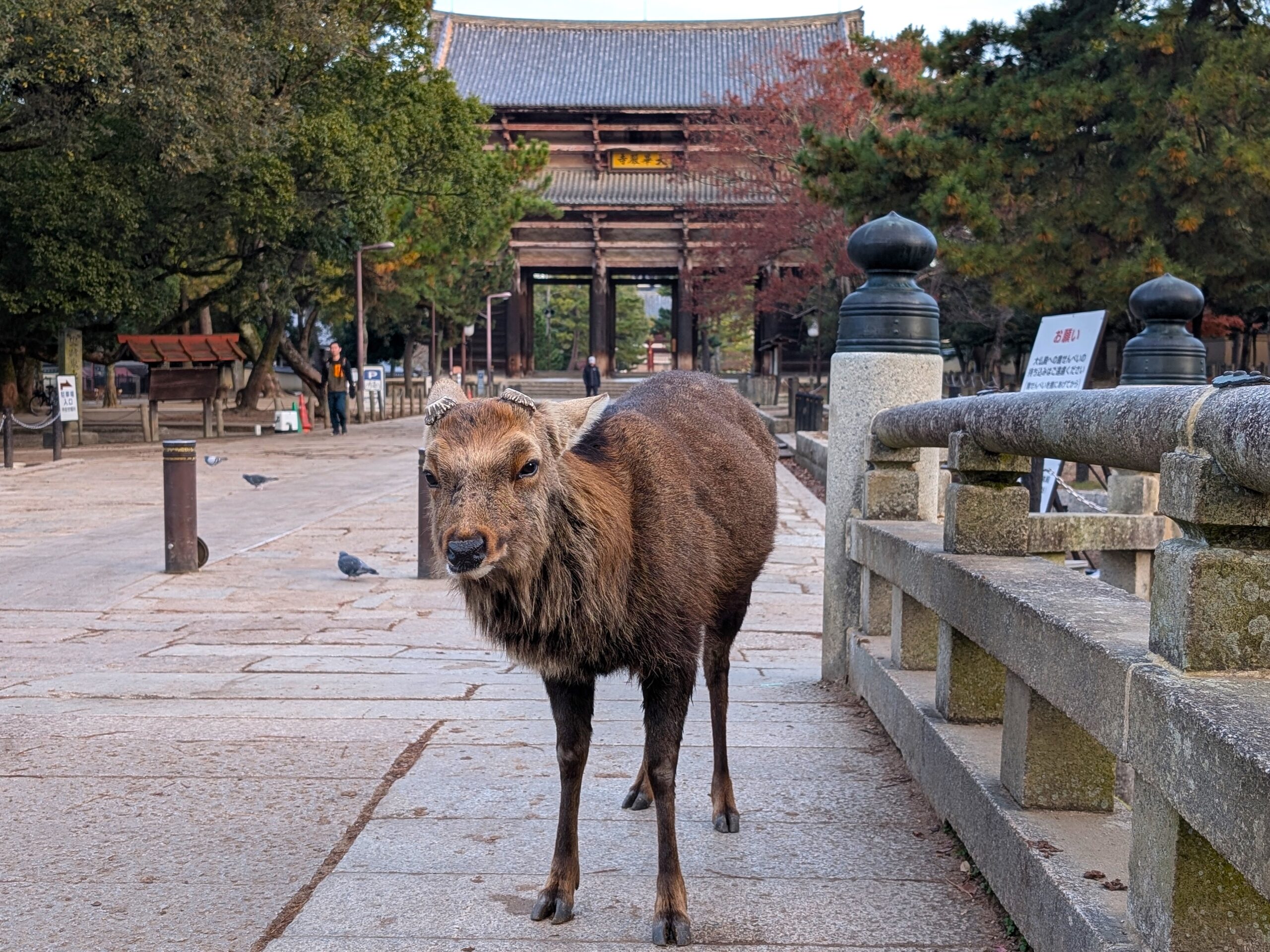
Sika deer are the most iconic animals in Nara, and seeing them is almost guaranteed around Nara Park.
Many deer are accustomed to people, but they are still wild animals.
They may approach visitors closely, especially when they expect food, and can pull at bags or clothing.
Remaining calm, keeping a respectful distance, and following local rules allows for safe and enjoyable observation.
This long-standing coexistence between people and wild deer is one of Nara’s defining characteristics.
Other Mammals (Rare)
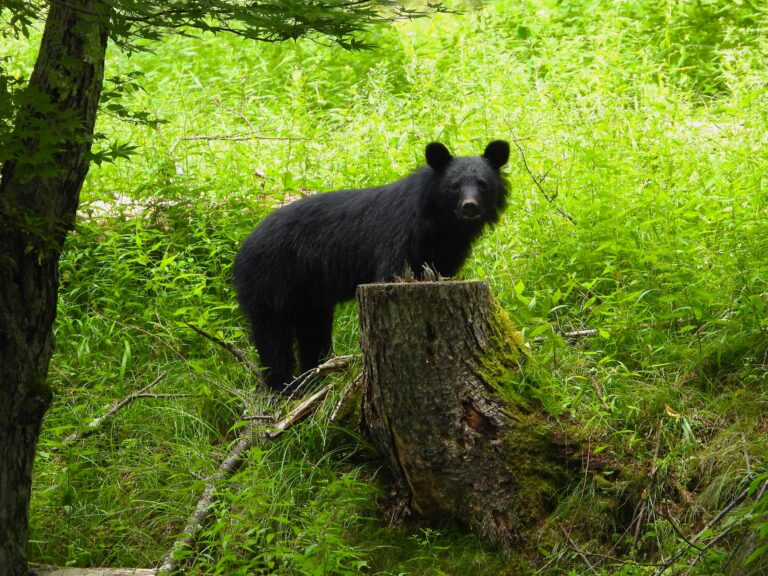
The forested areas around Nara Park support animals such as wild boar and raccoon dogs.
However, these mammals are rarely seen during normal daytime sightseeing.
If encountered at all, it is usually near quiet forest edges or during early morning or evening hours.
Sightings should be considered lucky exceptions rather than expectations.
Birds You Can See in Nara
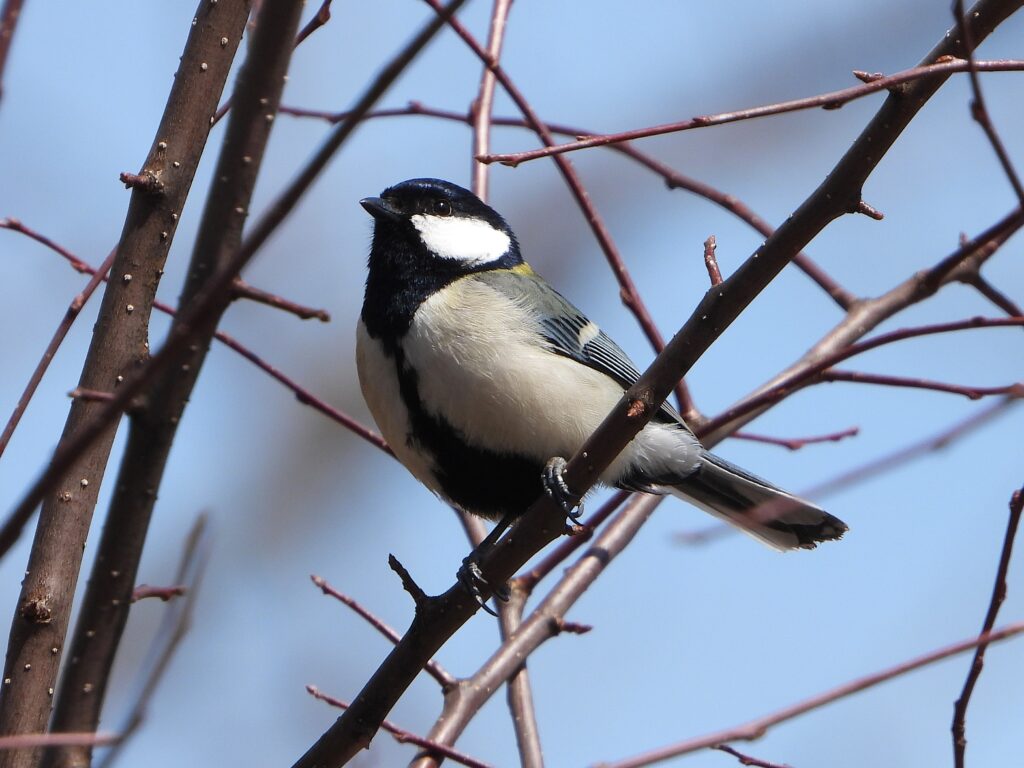
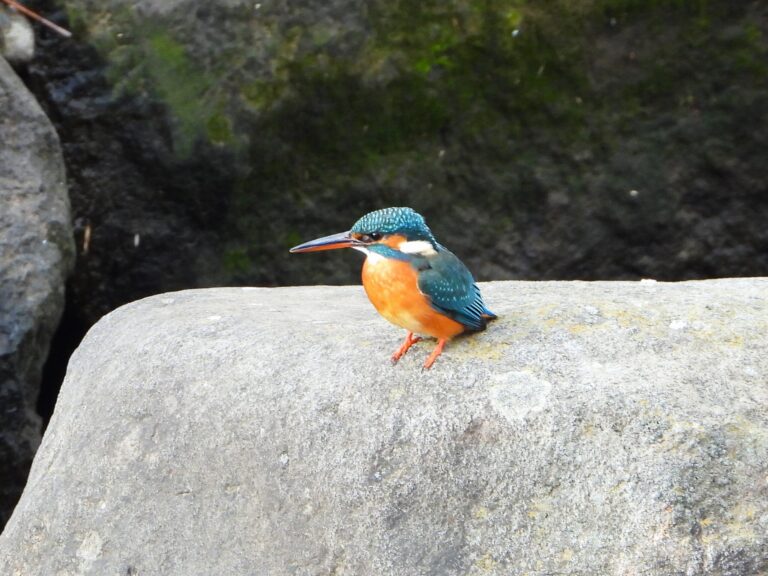
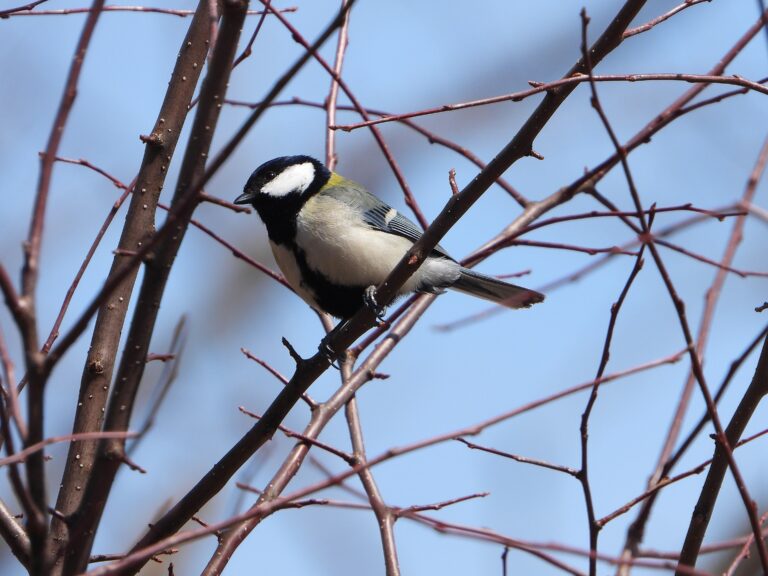
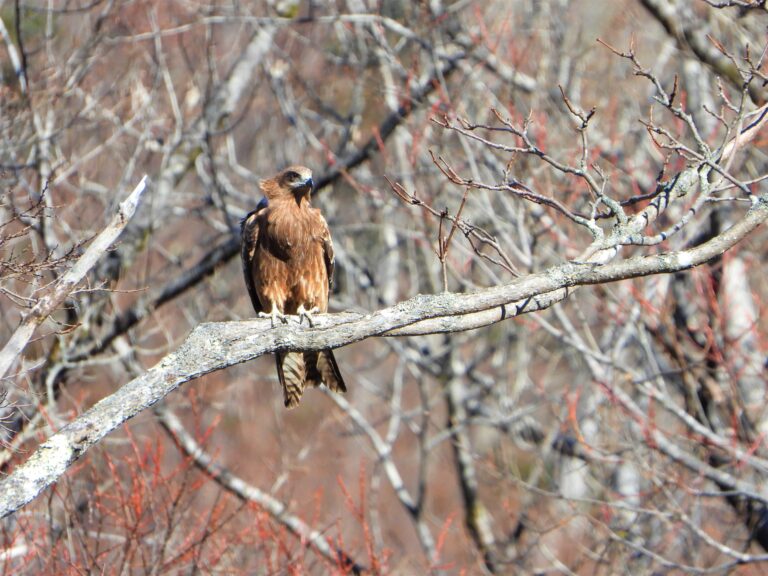
Nara Park and the surrounding temple forests are home to many common urban and woodland birds.
Species that may be seen include:
・Japanese Tit
・Brown-eared Bulbul
・White-cheeked Starling
・Jungle Crow and Carrion Crow
These birds are active year-round and are easy to notice by their calls and movement, even without binoculars.
Casual birdwatching naturally fits into a walk through the park.
Amphibians and Reptiles

Amphibians and reptiles are less noticeable but are part of Nara’s ecosystem.
During warmer months, frogs such as the Japanese Tree Frog or Schlegel’s Green Tree Frog may be heard or seen, especially after rain.
Lizards and snakes, including Japanese skinks and striped snakes, may occasionally appear along sunny paths or forest edges.
Encounters are brief and not guaranteed, but they add depth to Nara’s biodiversity.
Where to See Wildlife in Nara
Most wildlife encounters occur in a few connected areas.
Nara Park is where deer are most widespread, and birds are common in wooded sections.
Forest edges near Mt. Kasuga offer quieter paths with more natural cover.
Temple and shrine grounds with trees act as transition zones between city and forest.
In many cases, wildlife can be seen simply by walking between major sightseeing spots.
Best Time to See Wildlife in Nara
Spring and autumn offer the most comfortable conditions for walking and wildlife observation.
Deer can be seen throughout the day, but the atmosphere is often calmer in the early morning or late afternoon.
Rainy days may increase amphibian activity, while very hot summer days tend to reduce visible movement.
Safety and Etiquette
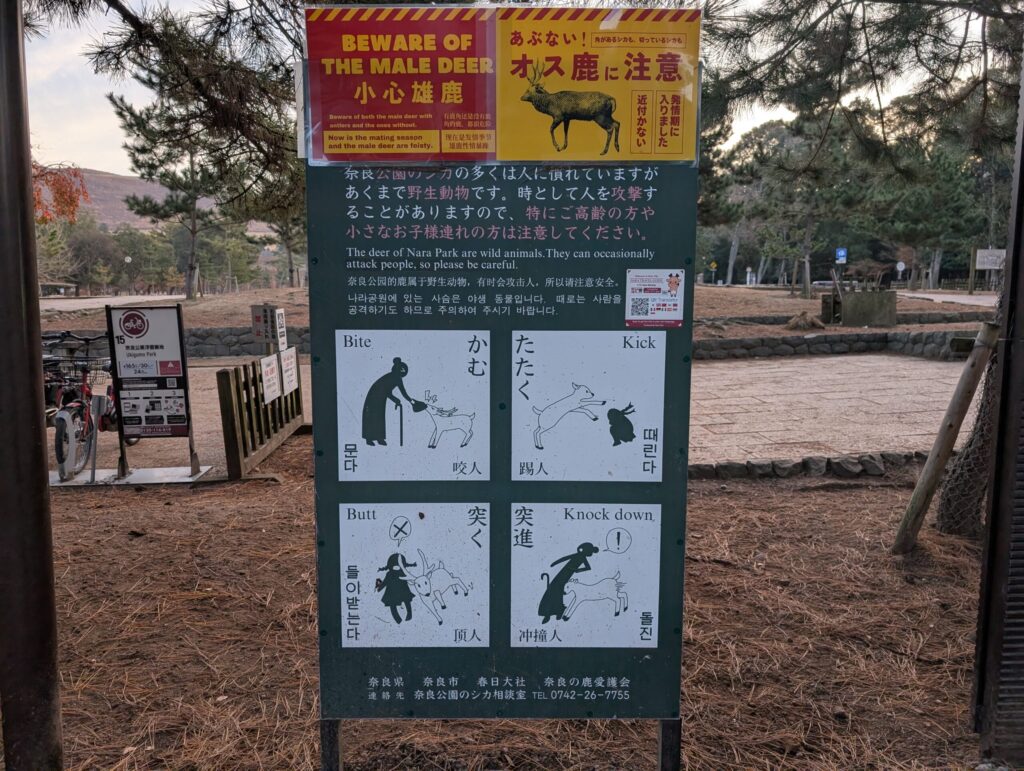
Wild animals in Nara are protected and should be treated with respect.
Do not touch, chase, or tease animals.
Keep a safe distance, secure your belongings, and follow posted rules at all times.
Even animals that appear calm are still wild.
Wildlife Photography Tips
One advantage of Nara is that some wildlife, especially deer, can be photographed without telephoto lenses.
Soft light in the morning or late afternoon works best.
Rather than approaching animals, stay still and allow them to move naturally.
Respectful behavior leads to better photographs and safer encounters.
Final Thoughts
Nara is one of the few places in Japan where you can experience wildlife simply by walking through the city.
The close connection between urban space and forest creates opportunities to observe animals in a natural yet accessible setting.
For visitors interested in wildlife without leaving the city, Nara offers an experience unlike anywhere else in Japan.
Related Guides
Urban wildlife can be experienced not only in Nara but also in many other Japanese cities
→ Wildlife You Can See Around Japanese Cities
Nara is just one example of the diverse wildlife found across Japan
→ Japan Animals – Complete Guide to Wildlife in Japan