Wildlife Watching in Nikko National Park
Introduction
You probably won’t see many animals in Nikko National Park — and that’s exactly what makes it special.
Unlike places where wildlife gathers around people, Nikko offers a quieter and more authentic experience. Animals live here on their own terms, and encounters are never staged or guaranteed. Instead, visitors move through forests, wetlands, and mountains where the presence of wildlife is subtle, brief, and real.
This guide is written for first-time visitors, early morning walkers, and anyone interested in wildlife watching in Nikko National Park. Rather than promising sightings, it explains where wildlife lives, when activity is more noticeable, and how to explore the area responsibly.

Overview of Wildlife in Nikko National Park
Nikko National Park spans a wide range of elevations, creating diverse habitats within a relatively compact area. Wetlands, mixed forests, lakeshores, and mountainous forests all contribute to the park’s rich natural environment.
Wildlife activity varies noticeably by season. Many bird species are most vocal and easier to locate from spring to early summer. Mammals are present throughout the year, but they tend to be cautious and elusive, so encounters often depend on timing, quiet observation, and luck.
Key Wildlife Areas in Nikko National Park
Senjogahara Marshland
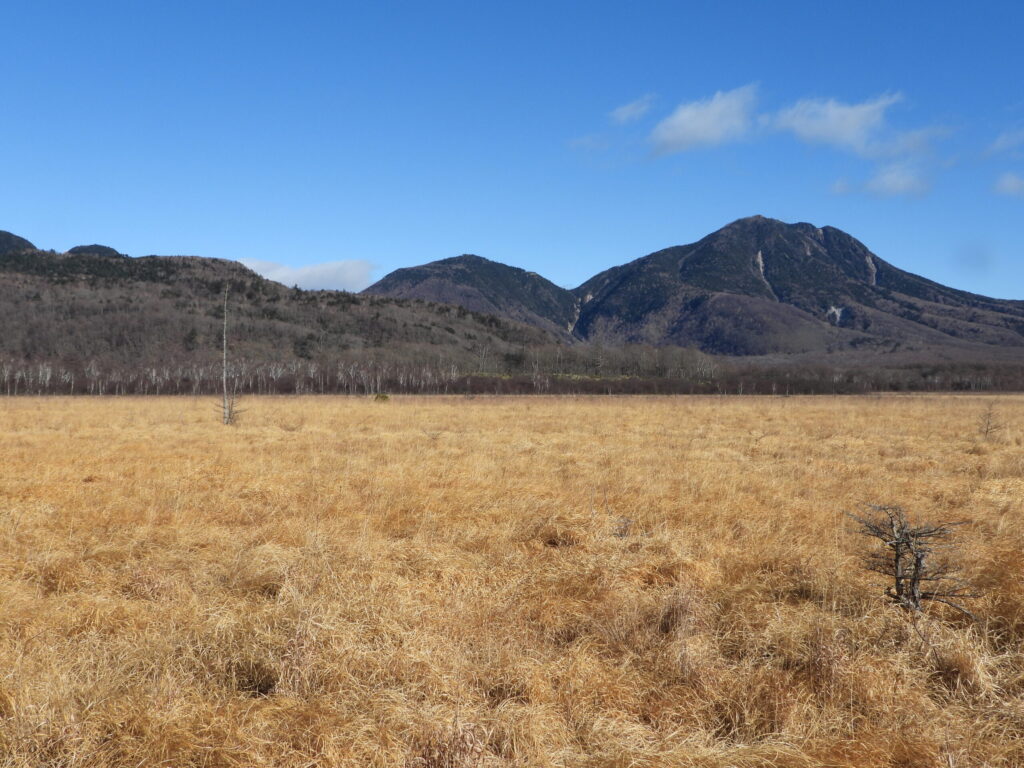
Senjogahara is a high-altitude wetland surrounded by forest and is one of the most accessible natural areas in Oku-Nikko. Wooden boardwalks allow visitors to explore the marsh while minimizing impact on the environment.
The combination of open wetland and forest edges creates conditions where visitors may notice small woodland birds and other signs of wildlife, particularly during quiet morning hours.
Kegon Falls Area
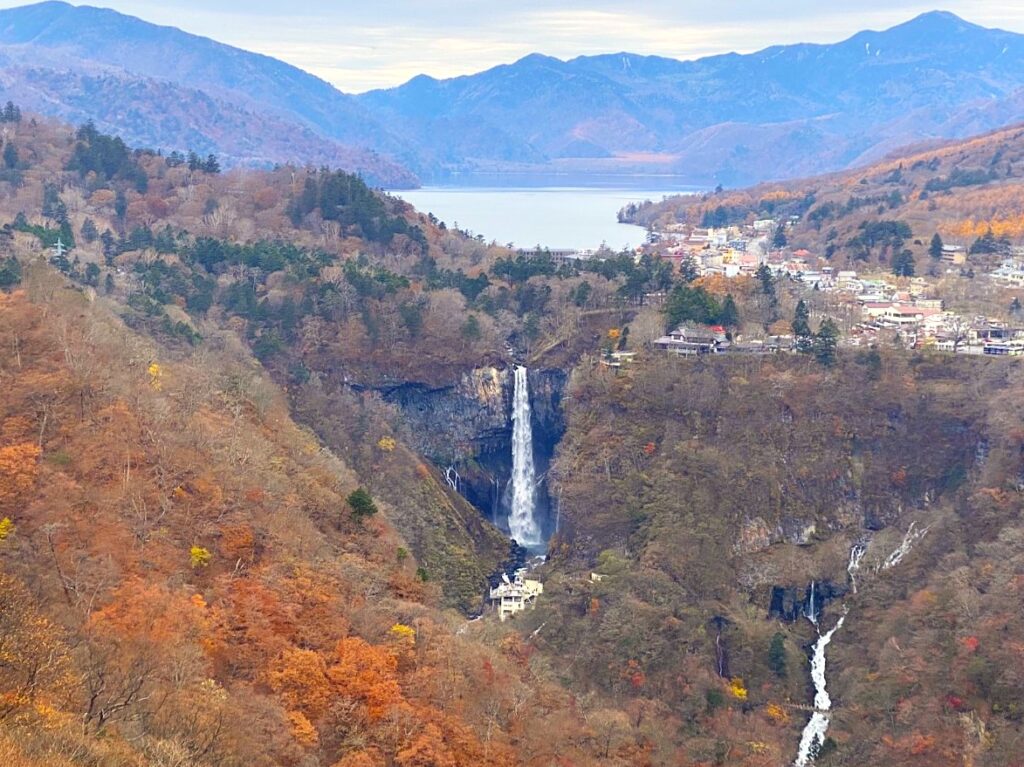
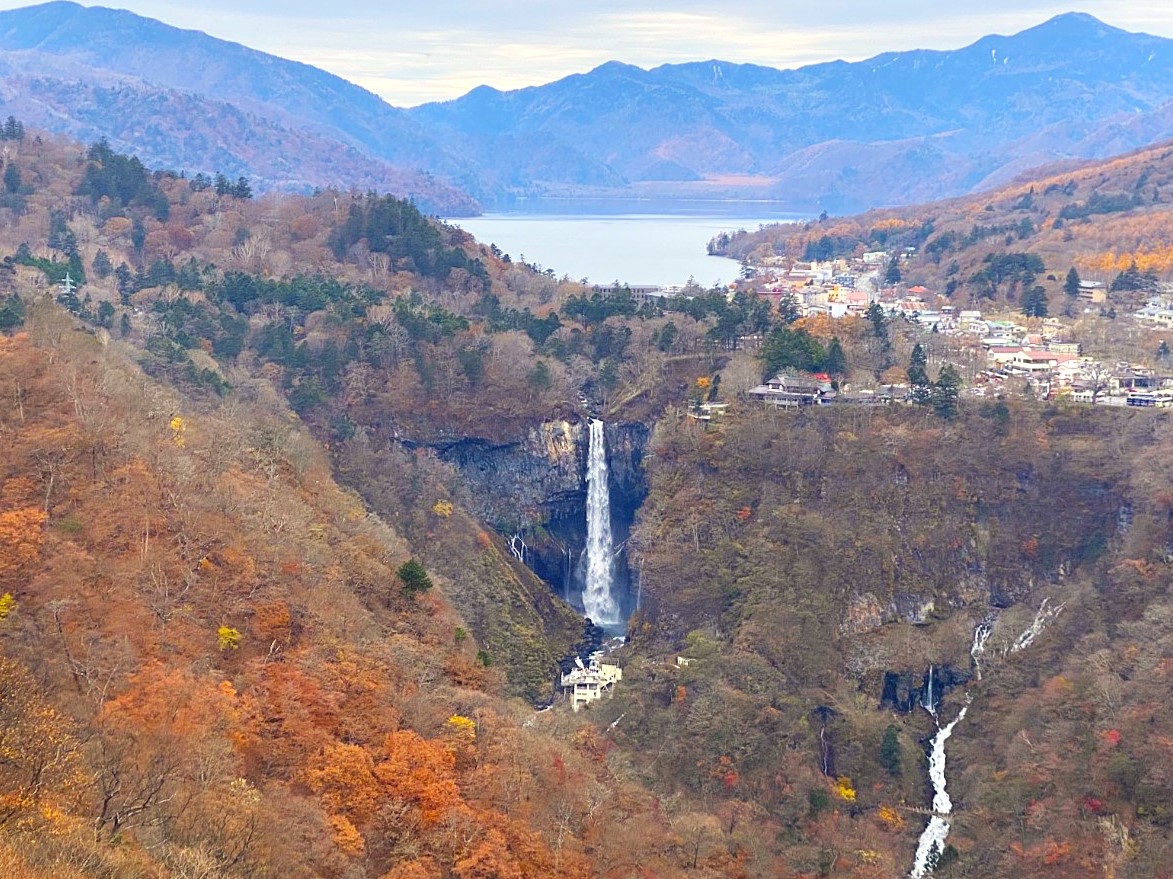
The Kegon Falls area is characterized by steep cliffs, forested slopes, and cool, shaded ravines formed by the waterfall and surrounding terrain. While it is primarily a sightseeing destination, the natural structure of the area provides suitable habitat for certain wildlife.
Visitors may occasionally encounter Japanese Serow on quiet forested slopes away from crowded viewpoints. Peregrine Falcons are sometimes observed flying around the cliffs, and during warmer seasons, swallow species may be seen actively flying near the waterfall and surrounding open spaces. Wildlife sightings here are unpredictable and often brief.
Lake Chuzenji
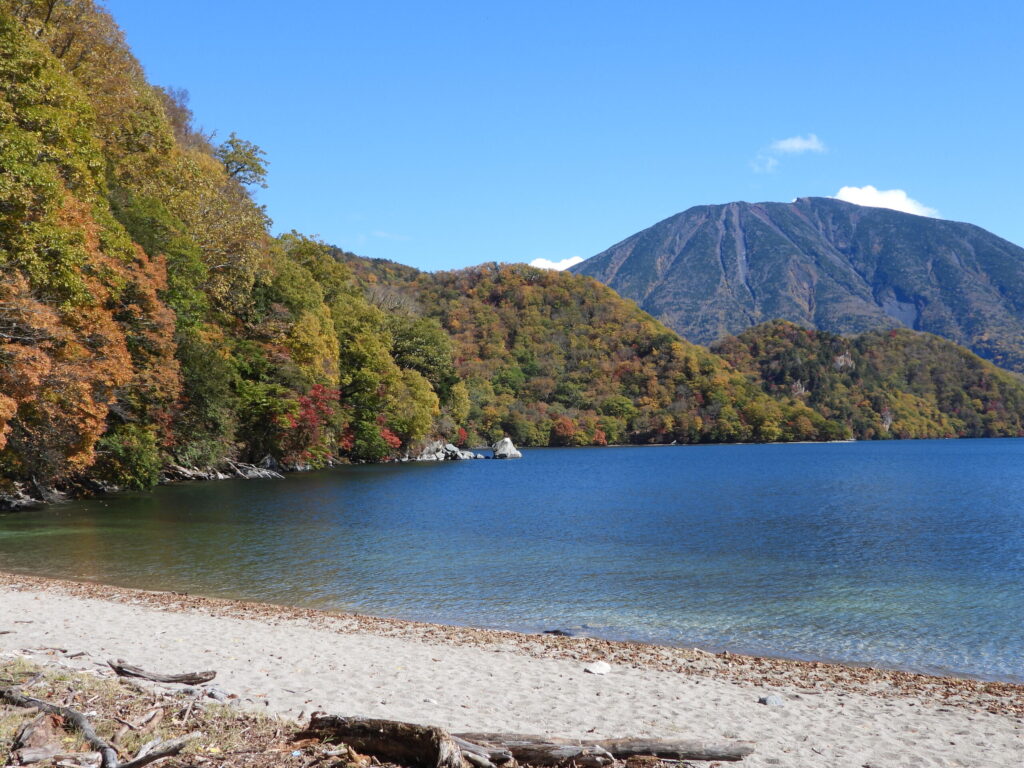
Lake Chuzenji is surrounded by mixed forest and relatively open lakeshore environments. Outside peak tourist hours, the area is generally calm and well suited for slow walks.
Wildlife observation here focuses on forest edges and quieter sections of the shoreline, where woodland birds may be active, especially in the early morning.
Yumoto Onsen & Lake Yunoko
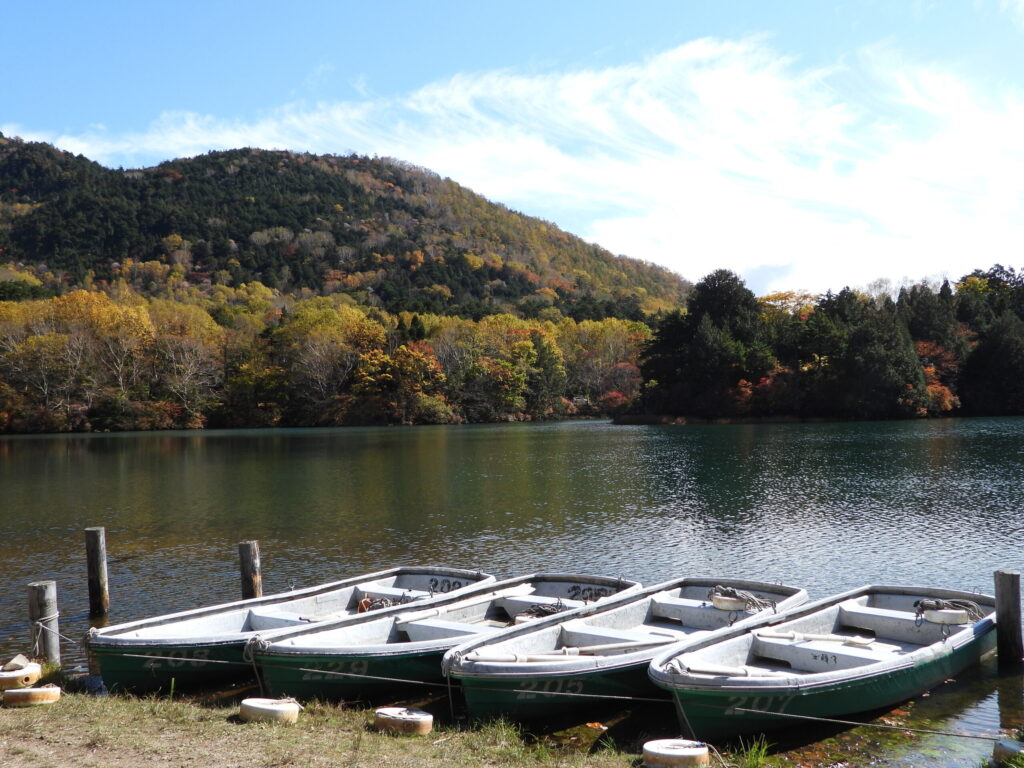
The Yumoto and Lake Yunoko area is located in the upper part of Oku-Nikko and is known for its cooler temperatures and well-maintained trails. This highland environment remains comfortable even during summer.
Visitors may encounter forest-dwelling birds and signs of mammals, although sightings vary greatly depending on season, time of day, and human activity.
Mountainous Areas
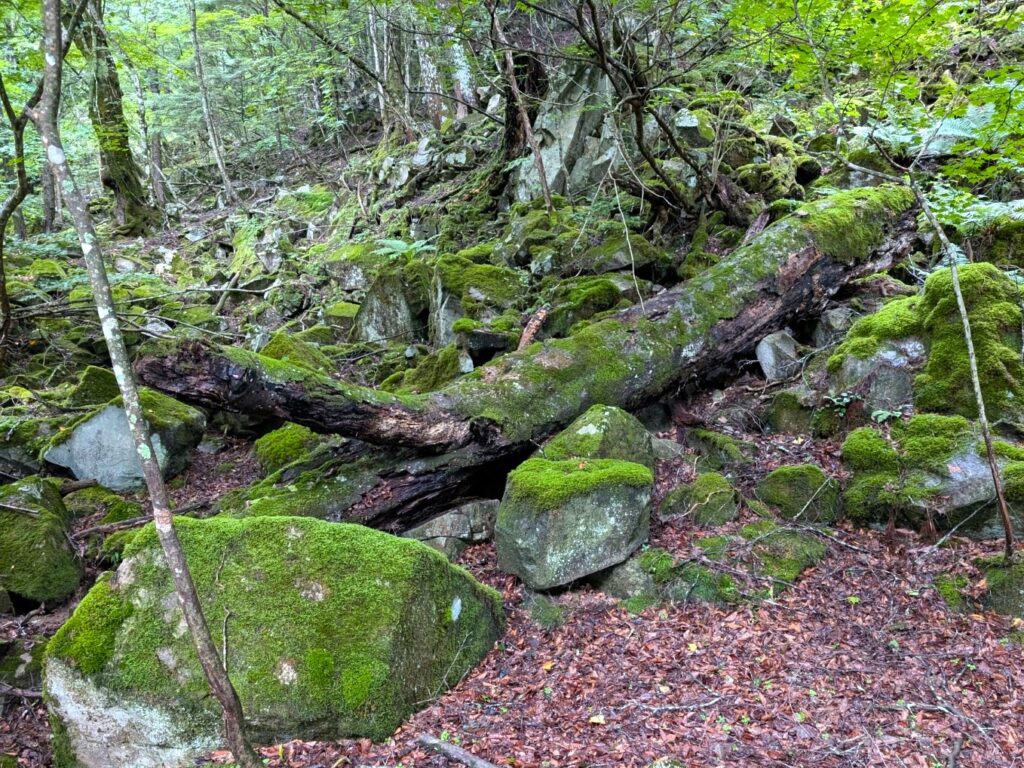
The mountainous regions of Nikko National Park consist of deeper forest and higher elevations. These areas represent some of the park’s least disturbed environments.
Wildlife encounters here are unpredictable, and visibility is often limited. Proper preparation and attention to safety are essential when exploring mountainous terrain.
Mammals You May Encounter
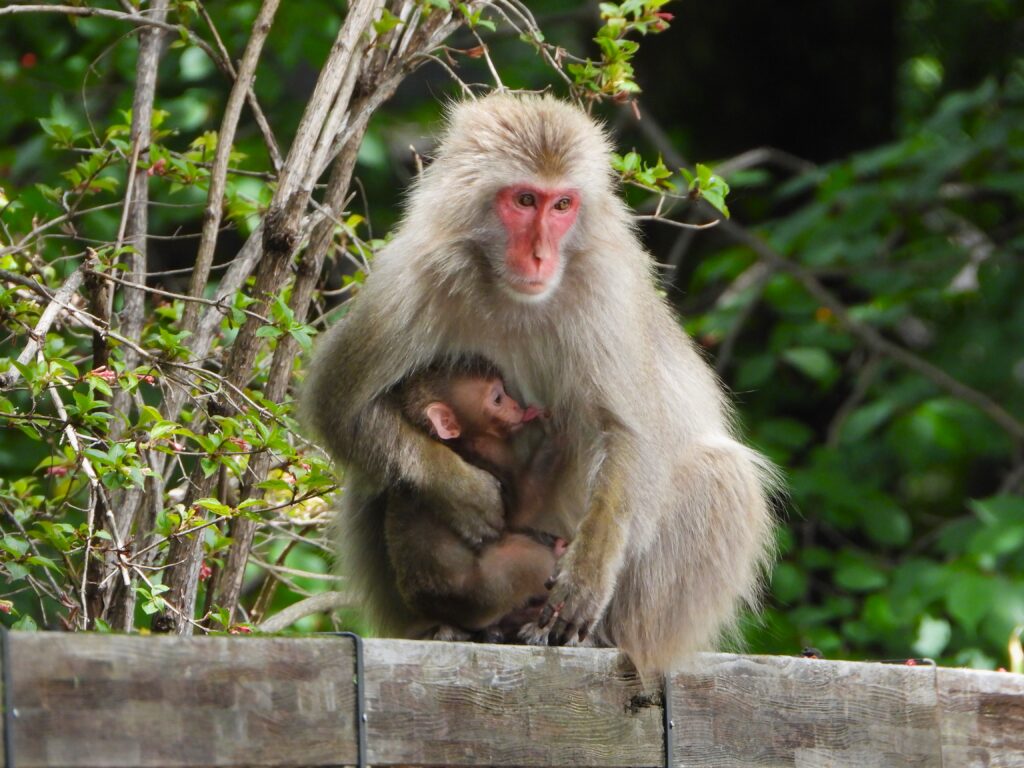
Mammals in Nikko National Park generally avoid human presence, and sightings are uncommon. Observations often rely on chance, timing, and quiet behavior.
Japanese Macaque
May be observed near forest edges or quiet roads in limited areas.
→Read more
Japanese Serow
A nationally protected species inhabiting forested mountainous regions and rarely seen.
→Read more
Red Fox
Occasionally reported in open or semi-open areas, mainly at dawn or dusk.
→Read more
Raccoon Dog (Tanuki)
A nocturnal mammal that is difficult to observe directly and is more often detected by signs of activity.
→Read more
Birdwatching in Nikko National Park
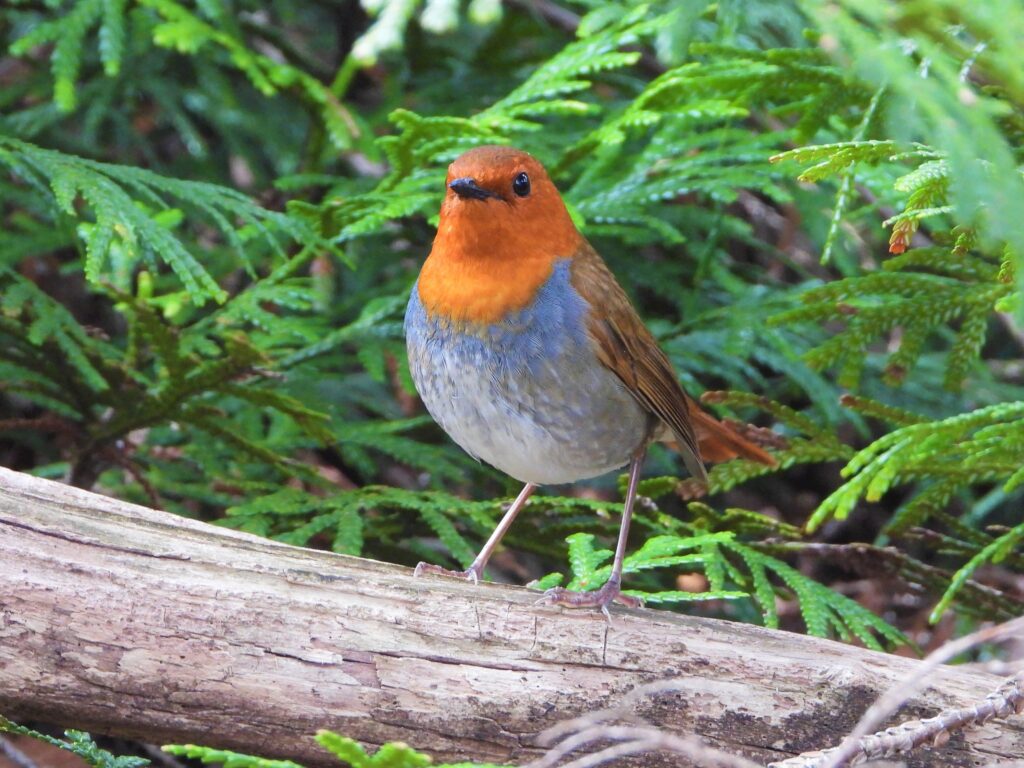
Birdlife is one of the strongest natural attractions in Nikko National Park. The variety of habitats supports both resident and seasonal species, though visibility depends heavily on season and time of day.
Tit Species (Paridae)
Small, active woodland birds that frequently move through forest canopies and along trails.
→Read more
Woodpeckers
Forest-dependent birds that are often heard before they are seen, indicating healthy woodland environments.
→Read more
Eurasian Jay
A conspicuous forest bird known for its loud calls and strong presence in mature forests.
→Read more
Japanese Robin
A forest-floor species associated with shaded and damp woodland, making encounters infrequent but memorable.
→Read more
Blue-and-white Flycatcher
A seasonal forest bird most likely present from spring to early summer, known for its vivid coloration and song.
→Read more
For detailed species profiles, behavior notes, and identification tips, see the individual guides linked above.
Best Seasons to See Wildlife
Spring and early summer offer the highest overall activity, particularly for birds. Summer remains productive at higher elevations, while autumn provides quieter conditions and improved visibility as vegetation thins. Winter wildlife observation is more limited and requires appropriate preparation.
Wildlife Safety & Precautions
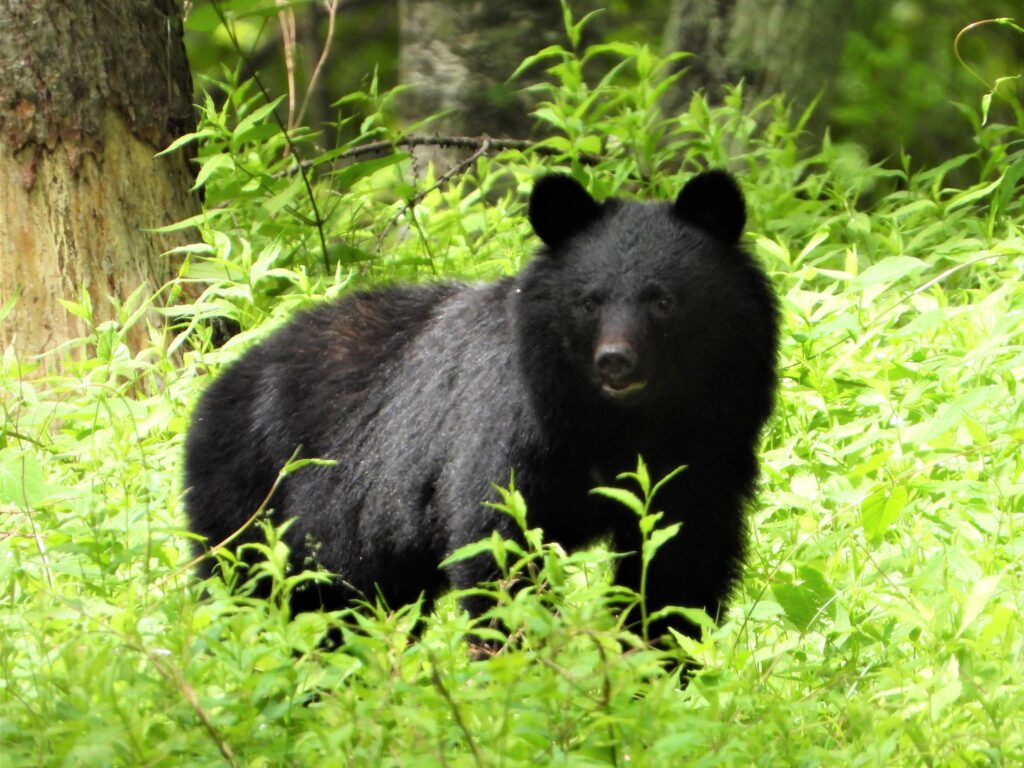
Nikko National Park is generally safe, but visitors should remain aware of potential risks.
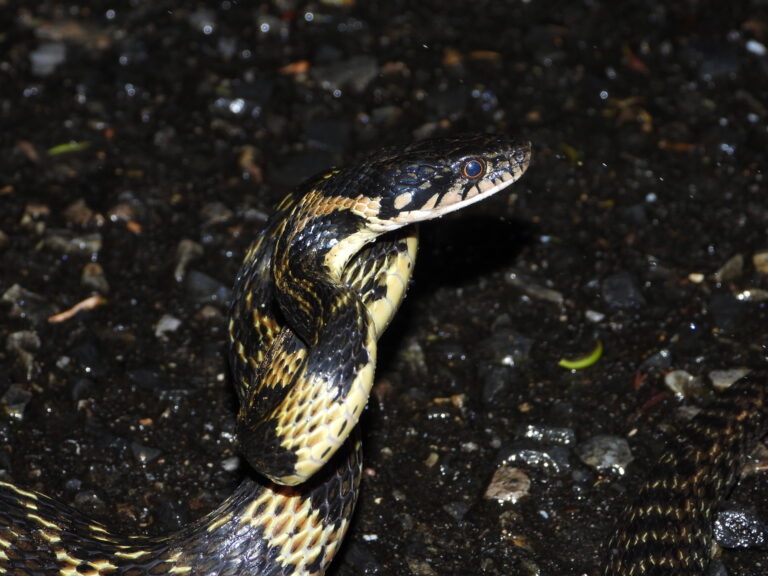
Asian Black Bears inhabit forested and mountainous areas, though encounters are uncommon. Snakes and ticks may also be present during warmer months. Staying on designated trails, wearing appropriate clothing, and following local guidance significantly reduce risk.
It is also important to note that most wildlife-rich areas of Nikko National Park are located away from the main shrine and temple district. From the Toshogu area, it typically takes around one hour by bus or car to reach places such as Senjogahara, Lake Chuzenji, or the Oku-Nikko highlands, so planning ahead is essential.
Tips for Responsible Wildlife Observation
Observe quietly and from a distance. Never feed wildlife. Stay on marked trails and avoid disturbing animals for photographs. Respect seasonal restrictions and local rules to help protect both wildlife and habitats.
Author’s Impression
This is the wildlife observation spot I visit most often. Its accessibility from Tokyo makes it easy to return again and again, and the variety of species found across the park keeps each visit interesting.
For anyone who wants to experience a wide range of wildlife alongside Japan’s natural landscapes, Nikko National Park is a place I can confidently recommend.