Wildlife in Kyoto – Animals You Can See in Japan’s Ancient Capital
Quick Answer: Wildlife in Kyoto at a Glance
- Most reliable animals: Japanese macaques, birds
- Best places: Arashiyama, Kamogawa River, Kyoto Imperial Palace Park
- Best time: Early morning or late afternoon
- Without a car: Yes — all main spots are accessible on foot or by public transport
Kyoto may appear to be a purely cultural city, but wildlife is surprisingly close if you know where to look.
Introduction
Kyoto is best known for temples, shrines, and traditional streets, yet the city also supports a rich natural environment. Forested mountains surround the urban area, and rivers and green corridors run directly through the city.
Because of this geography, a variety of wild animals live quietly alongside daily life in Kyoto. Many visitors feel they “didn’t see any wildlife,” not because animals are absent, but because sightings depend heavily on timing and location.
This guide explains what kinds of wildlife you can realistically see in Kyoto, where to look, and how to observe animals responsibly during your visit.
For a broader overview of wildlife you can see around Japan’s major cities, see Wildlife You Can See Around Japanese Cities.
→Wildlife You Can See Around Japanese Cities
Why Kyoto Has Wildlife So Close to the City
Kyoto sits in a basin surrounded by wooded hills, allowing animals to move easily between forests and urban green spaces. Rivers provide continuous habitat for birds, while large parks and temple grounds offer shelter and food.
Compared with many large cities, Kyoto has retained numerous green areas within its historic core. These spaces act as important refuges, making wildlife encounters possible even in central districts.
Mammals You Can See in Kyoto
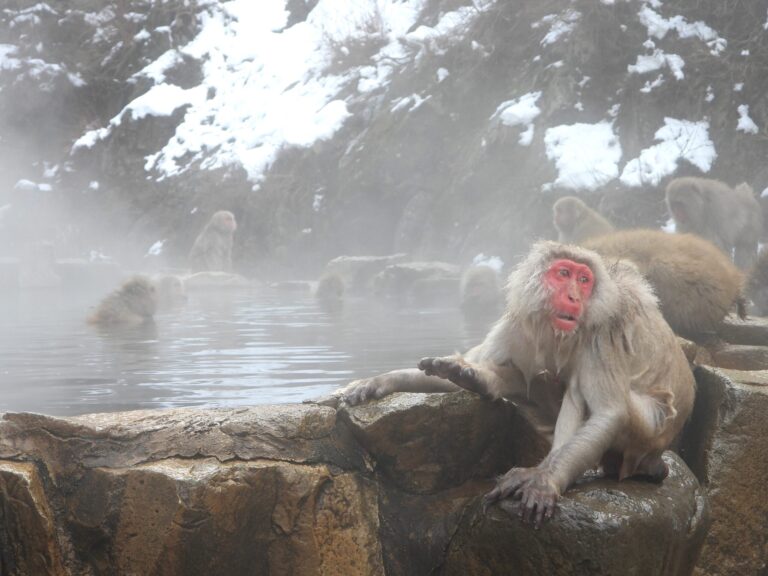
Japanese Macaque (Snow Monkey)
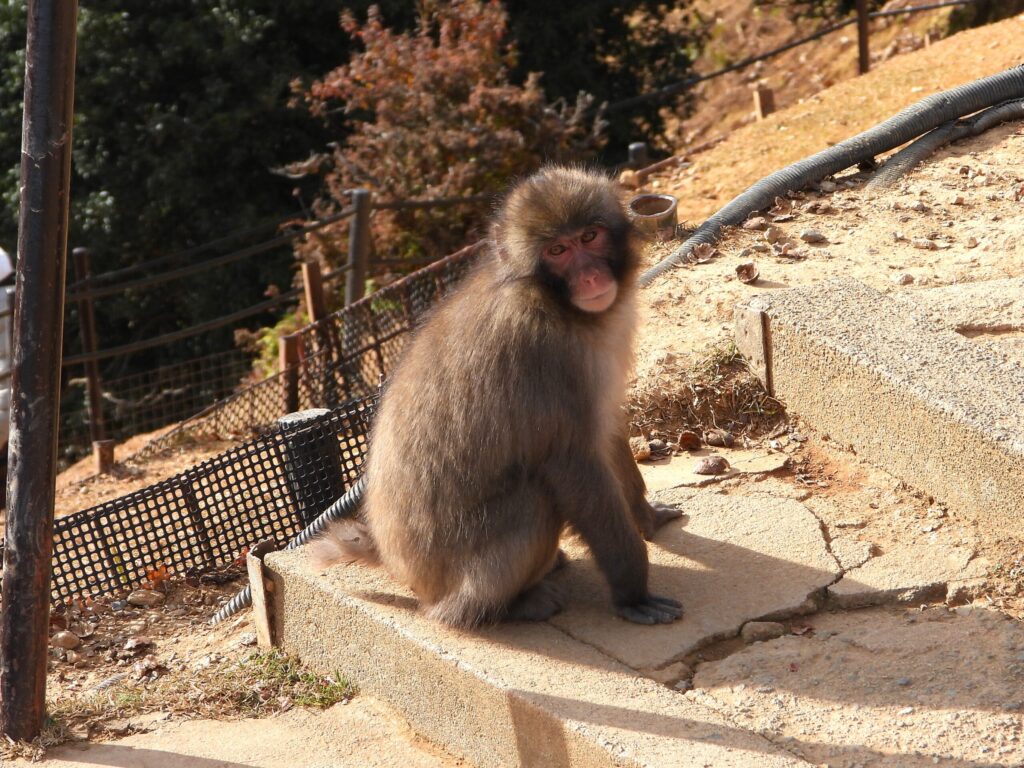
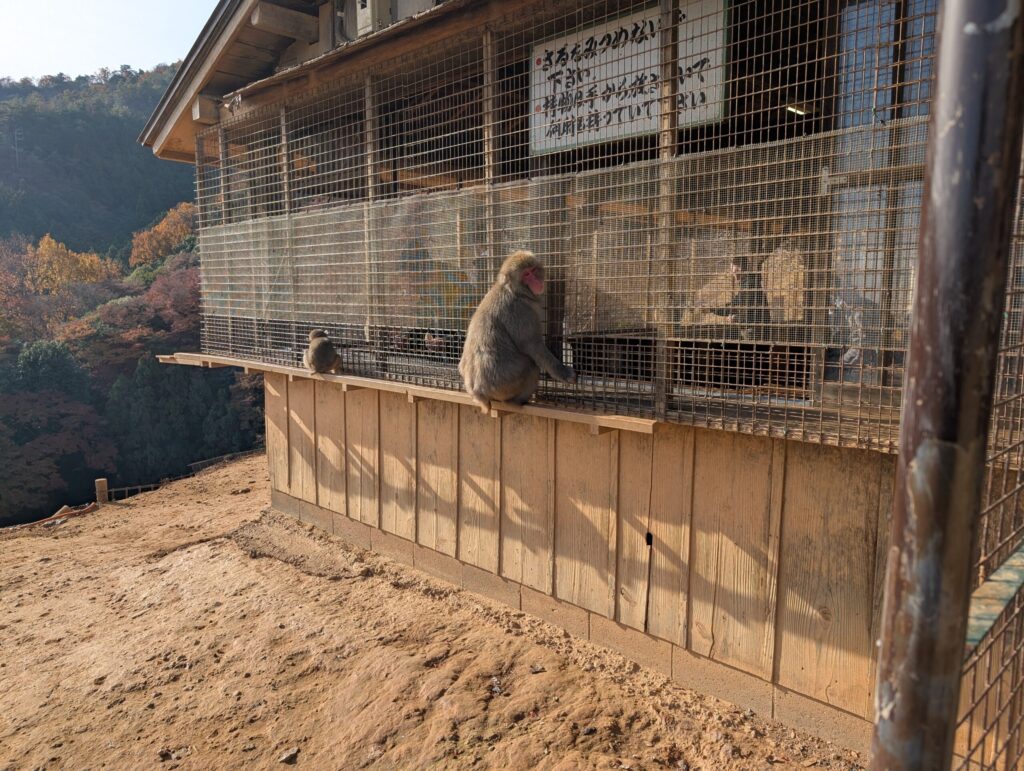
The most reliable mammal encounter in Kyoto is the Japanese macaque at Arashiyama Monkey Park.
Here, free-ranging monkeys live on forested slopes overlooking the city and can be observed year-round.
Although the monkeys are accustomed to people, they are not domesticated. Visitors should follow all posted rules, keep a respectful distance, and avoid behaviors that may stress the animals. Arriving earlier in the day usually provides calmer viewing conditions.
Sika Deer
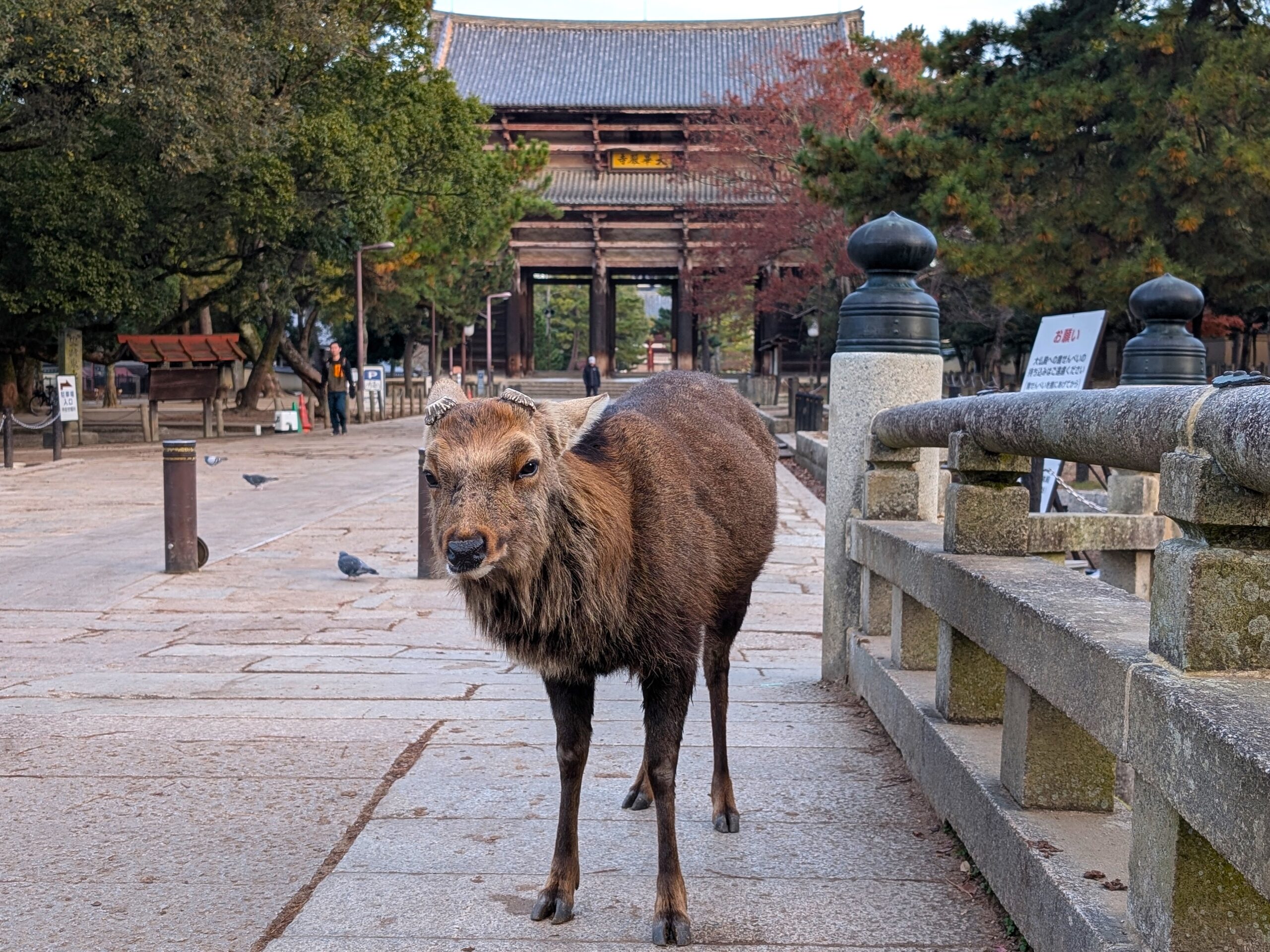
Sika deer inhabit the mountains surrounding Kyoto and occasionally appear near the city’s forested edges. Unlike the famous deer of Nara, deer in Kyoto are wary and sightings are unpredictable.
Encounters tend to be brief and are more likely around dawn or dusk, especially near foothills where forests connect directly to urban areas.
Other Mammals (Low-Guarantee Encounters)
Kyoto’s mixed landscape can support various wild mammals, but most are difficult to observe during short visits. This guide focuses on animals that visitors have a realistic chance of seeing, rather than promising rare or unreliable encounters.
Birds of Kyoto
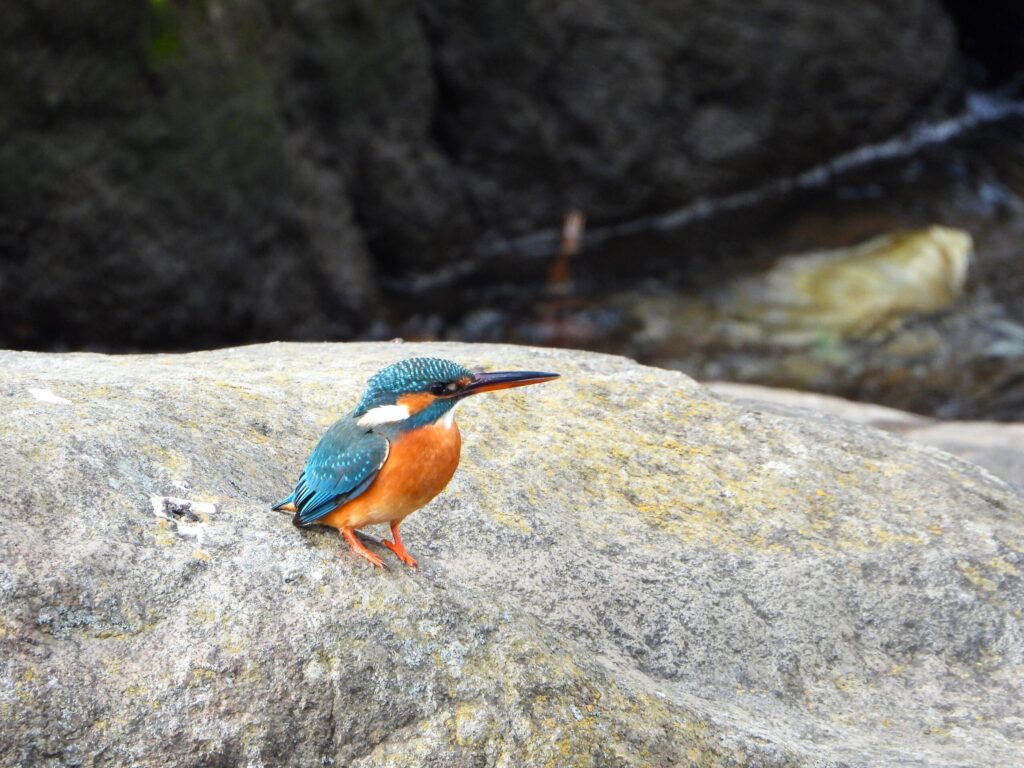
Birds are the easiest wildlife to observe in Kyoto and can often be seen without special equipment.
Rivers and Open Areas
The Kamogawa River runs through the heart of the city and is one of the best places for casual wildlife observation. Herons, ducks, and other river birds are frequently seen along the banks, particularly in the early morning.
Open visibility and easy access make riverside walks productive even for beginners.
Temples and Urban Parks
Large green spaces such as Kyoto Imperial Palace Park provide important habitat for birds within central Kyoto. Tall trees, quiet paths, and open lawns attract both resident and seasonal species.
Temple grounds also function as small refuges, and bird activity is often highest before crowds arrive.
Other Wildlife in Kyoto (Reptiles, Amphibians & More)
Reptiles and Amphibians
Frogs are commonly heard and sometimes seen around ponds, streams, and river edges, especially during the rainy season. Their calls are a familiar sound of Kyoto’s summer evenings.
Snakes inhabit forested hills and less-developed outskirts of the city. Encounters are uncommon, as these animals typically avoid human activity.
Other Creatures You May Encounter
In warmer months, insects become more noticeable around vegetation and lights at night. Fireflies can be found in rural areas near Kyoto where clean streams remain, though sightings are highly seasonal.
These smaller animals play an important role in local ecosystems and contribute to Kyoto’s overall biodiversity.
Best Places to See Wildlife in Kyoto
Arashiyama
Arashiyama combines rivers, forested hills, and traditional scenery. It offers the best chance to see mammals in Kyoto, along with a wide variety of birds.
Kamogawa River
The Kamogawa River is ideal for wildlife viewing without leaving the city. Early mornings are especially productive for spotting birds along the open riverbanks.
Kyoto Imperial Palace Park
This large park in central Kyoto provides a calm environment for birds and small animals. Its location makes it one of the easiest places to include wildlife watching in a sightseeing itinerary.
Northern Higashiyama
The wooded slopes of northern Higashiyama connect directly to mountain forests. Quiet paths and temple grounds here offer occasional opportunities to observe forest birds and other wildlife.
Best Time to See Wildlife in Kyoto
Early morning is generally the most effective time for wildlife watching in Kyoto, when parks and rivers are quieter and animal activity is higher. Late afternoon can also be productive, especially near forest edges.
Spring and autumn provide comfortable conditions for walking and birdwatching, while summer brings increased activity among insects and amphibians.
Wildlife Watching Rules and Safety
Wild animals in Kyoto are protected and should be observed with care. Feeding wildlife is prohibited and harmful to natural behavior. Keep a respectful distance, avoid loud noises, and never attempt to touch animals.
Photography should be done quietly and without blocking paths or disturbing habitats.
Explore More Wildlife in Kyoto
・Wildlife You Can See Around Japanese Cities
・Arashiyama Monkey Park Wildlife Guide