Where to See Japanese Macaques in Japan
Introduction
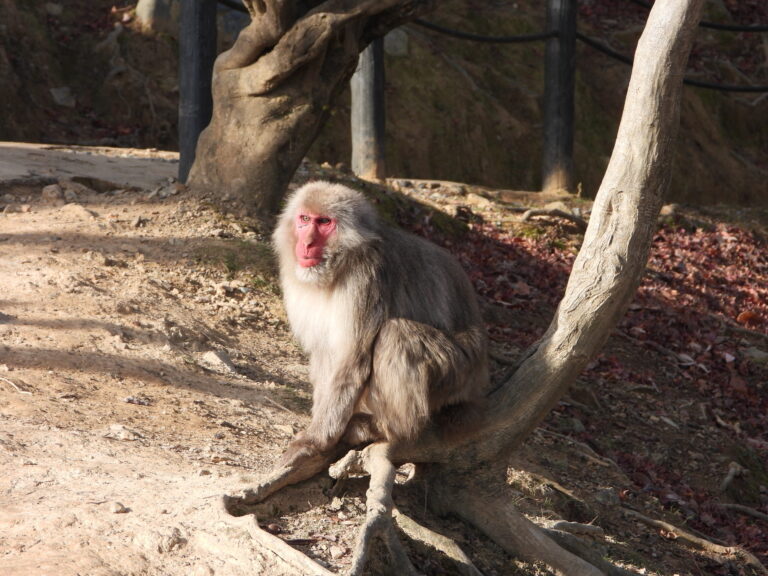
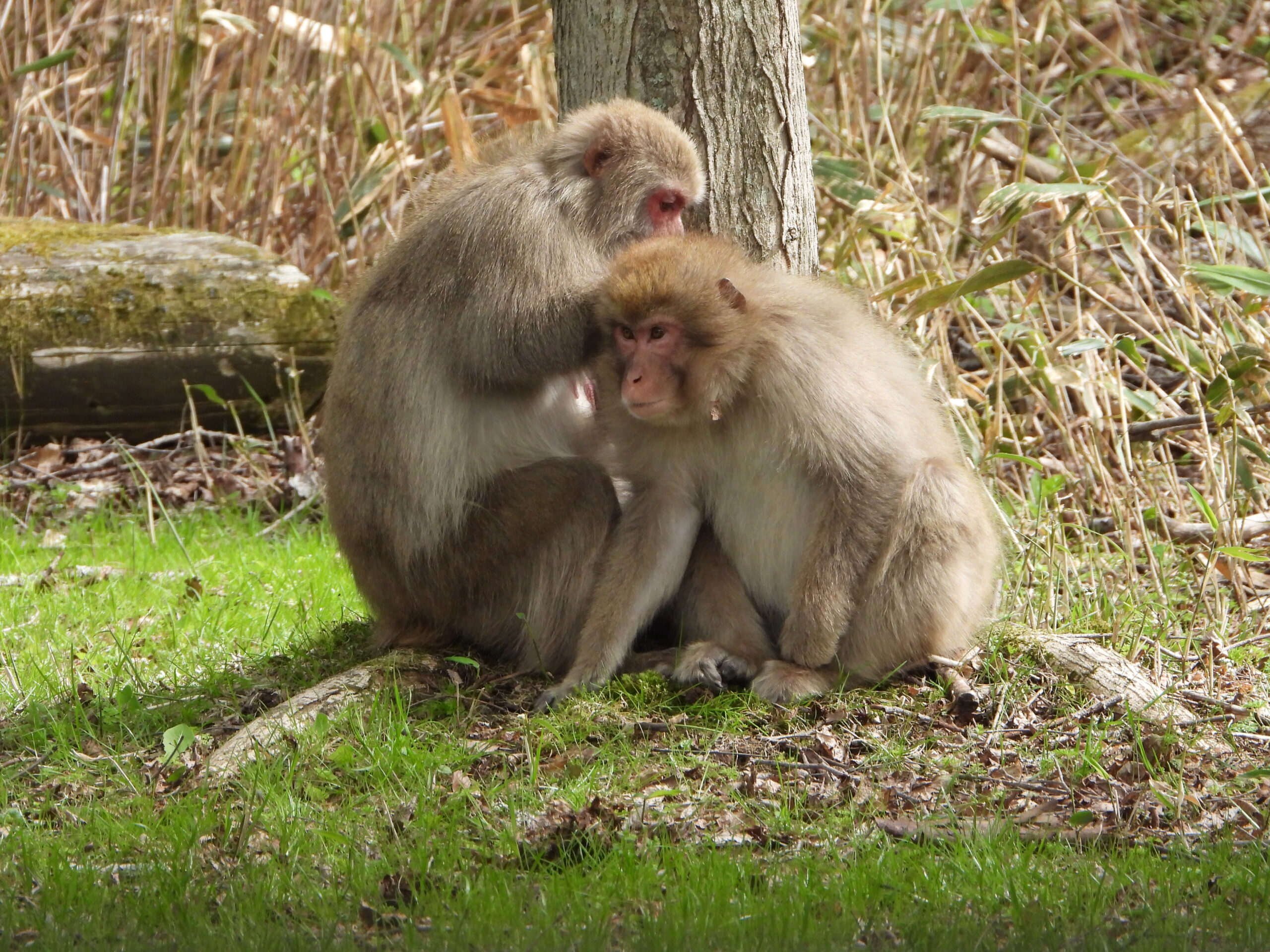
The Japanese macaque (Macaca fuscata) is the only wild primate native to Japan and one of the country’s most iconic wild animals. It inhabits a wide range of environments, including forests, mountains, and coastal hills. In English, it is sometimes called the “snow monkey,” but this is simply a nickname rather than a scientific distinction.
This article focuses on places in Japan where Japanese macaques can realistically be observed. Rather than guaranteeing sightings, it highlights locations where encounters are relatively common under the right conditions.
What “Snow Monkey” Means
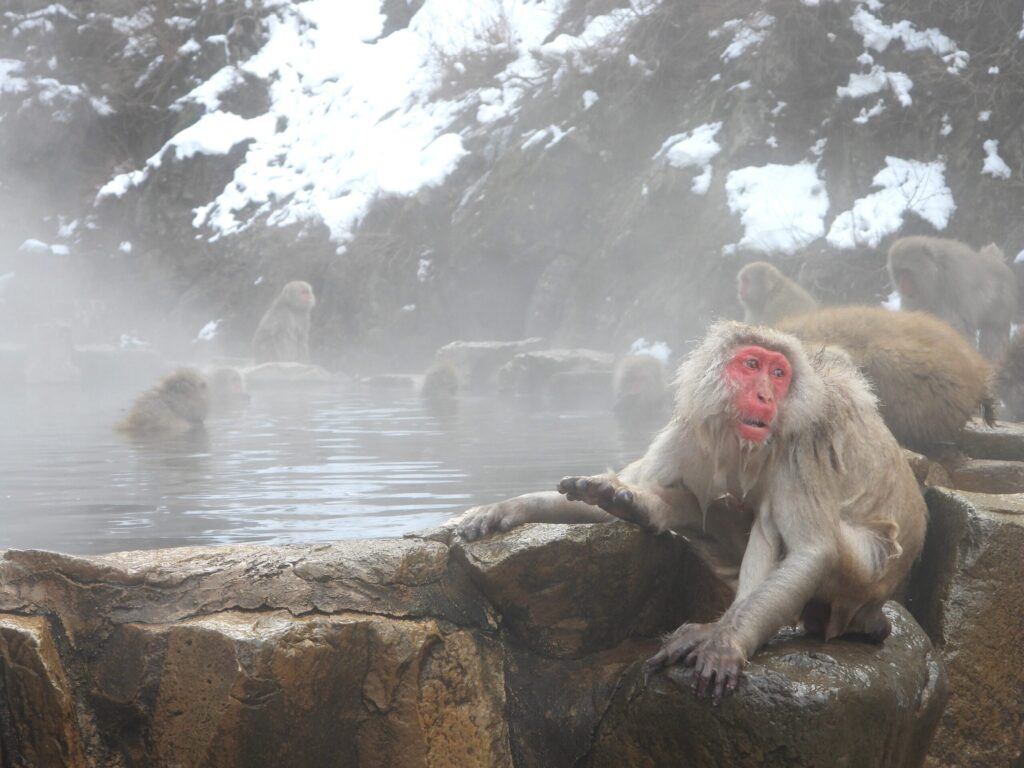
“Snow monkey” is a common English nickname for the Japanese macaque. It became popular because some populations remain active in snowy regions and are occasionally seen bathing in hot springs during winter.
However, this term does not describe a separate species. All snow monkeys are Japanese macaques, and not all Japanese macaques live in snowy environments or use hot springs.
Distribution of Japanese Macaques
Japanese macaques are widely distributed across Honshu, Shikoku, and Kyushu. They occupy habitats ranging from lowland forests to mountainous regions with heavy snowfall.
They are recognized as the northernmost-living non-human primates in the world. Despite this wide distribution, sightings depend strongly on location, season, and human activity.
Best Places to See Japanese Macaques in Japan
Jigokudani Yaen-koen (Nagano)
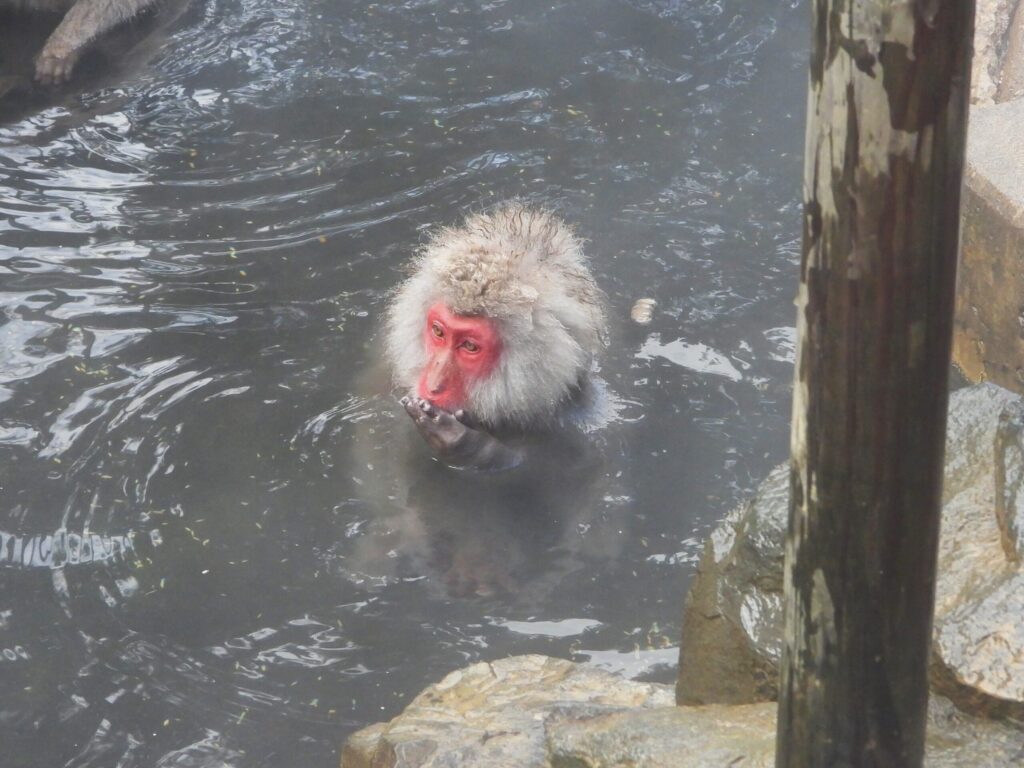
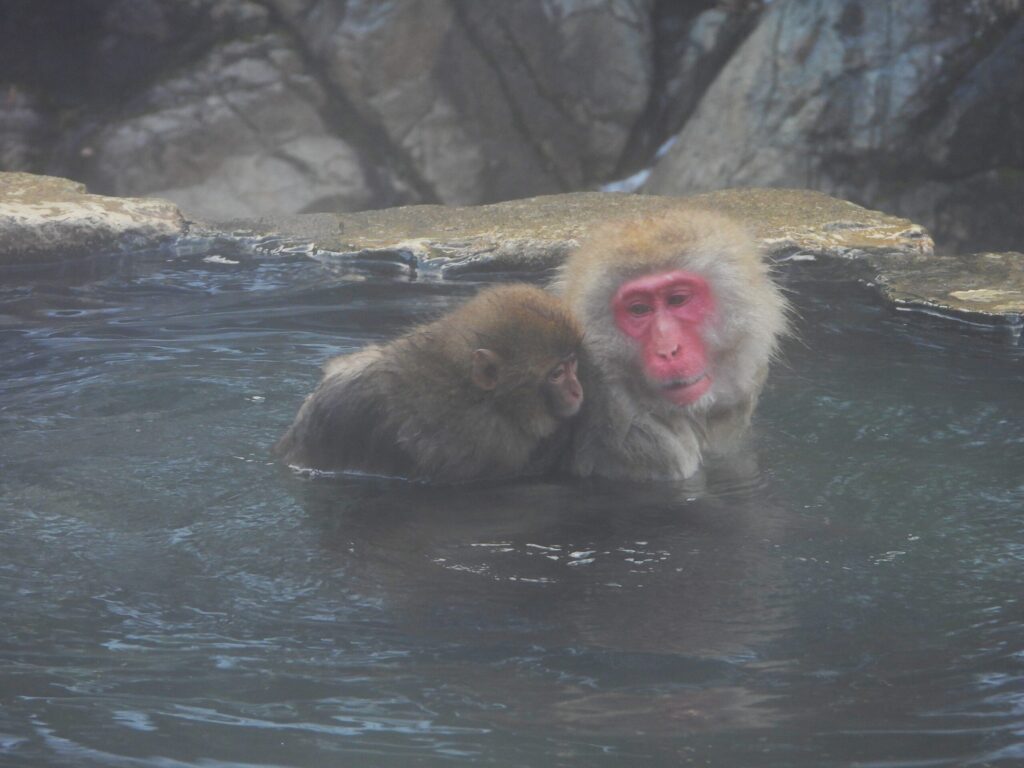
Jigokudani is the most famous site for observing Japanese macaques. During winter, macaques are often seen gathering near natural hot springs, creating the classic snow monkey image.
The monkeys are fully wild but accustomed to human presence. Hot spring bathing behavior is most commonly observed during colder months.
Arashiyama Monkey Park Iwatayama (Kyoto)
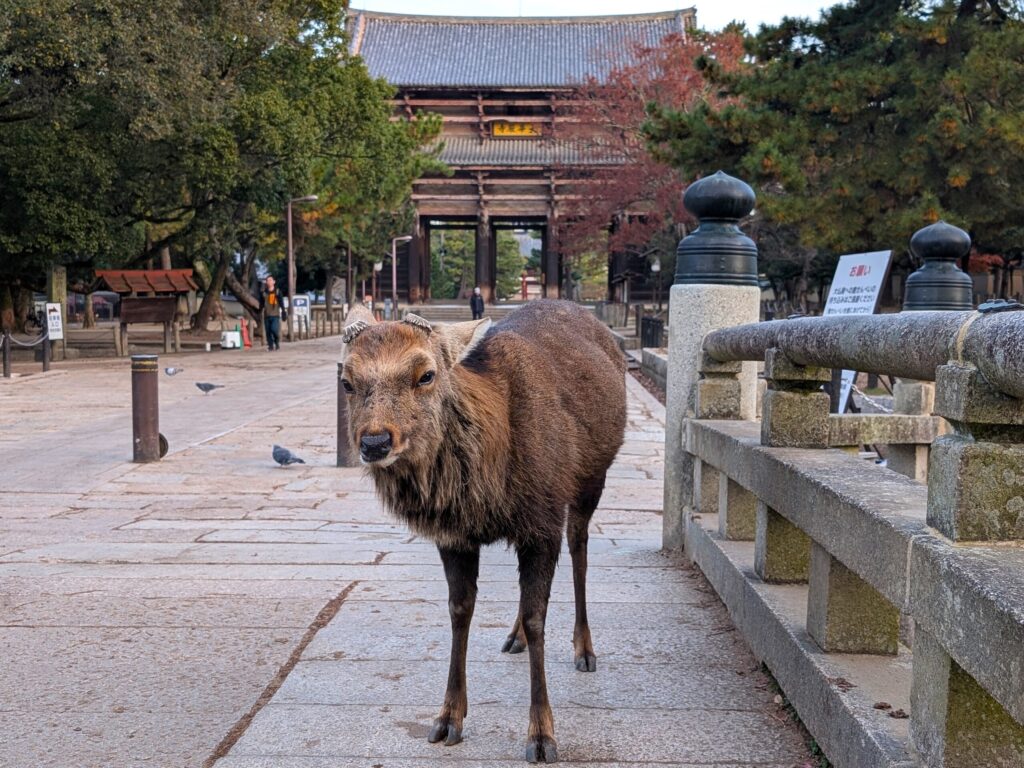
Located near central Kyoto, Arashiyama Monkey Park offers reliable opportunities to observe Japanese macaques. After a short hike, visitors reach an open area where macaques roam freely.
Clear rules are in place, including controlled feeding methods, making this a suitable site for first-time visitors.
Shimokita Peninsula (Aomori)
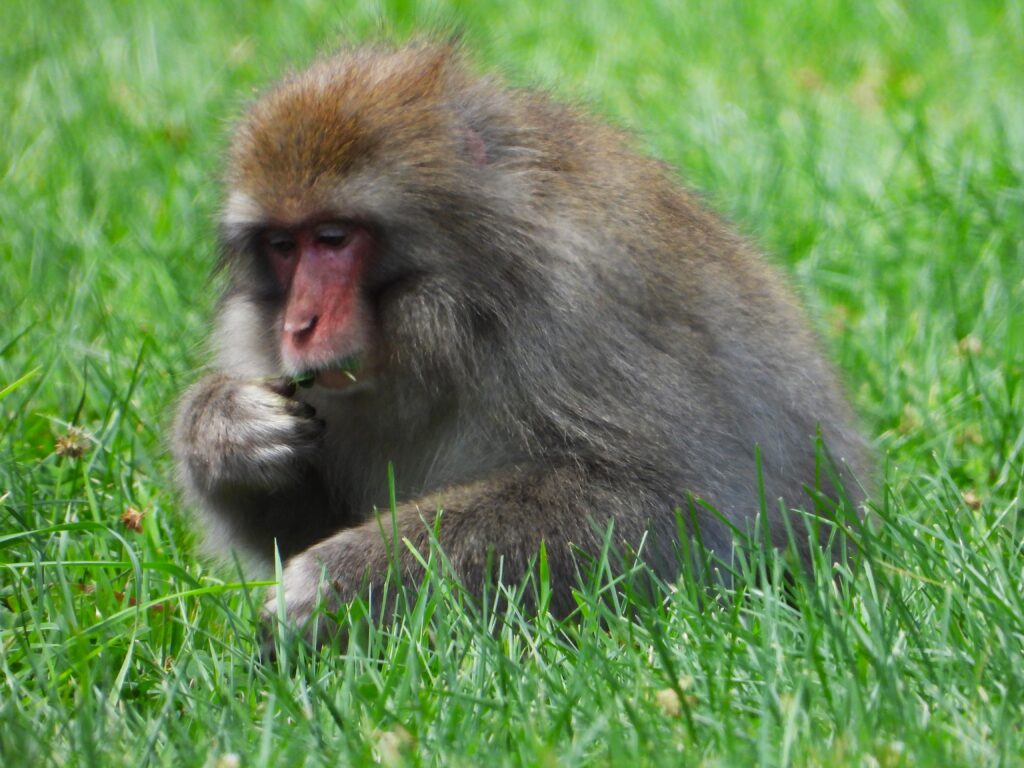
The Shimokita Peninsula is particularly significant in terms of Japanese macaque distribution. It is known as the northernmost natural habitat of non-human primates.
The macaques in this region are designated as a Natural Monument of Japan, reflecting their scientific and cultural importance. These are fully wild populations living in harsh climatic conditions, and observations are unpredictable but rewarding.
Nikko Area (Tochigi)
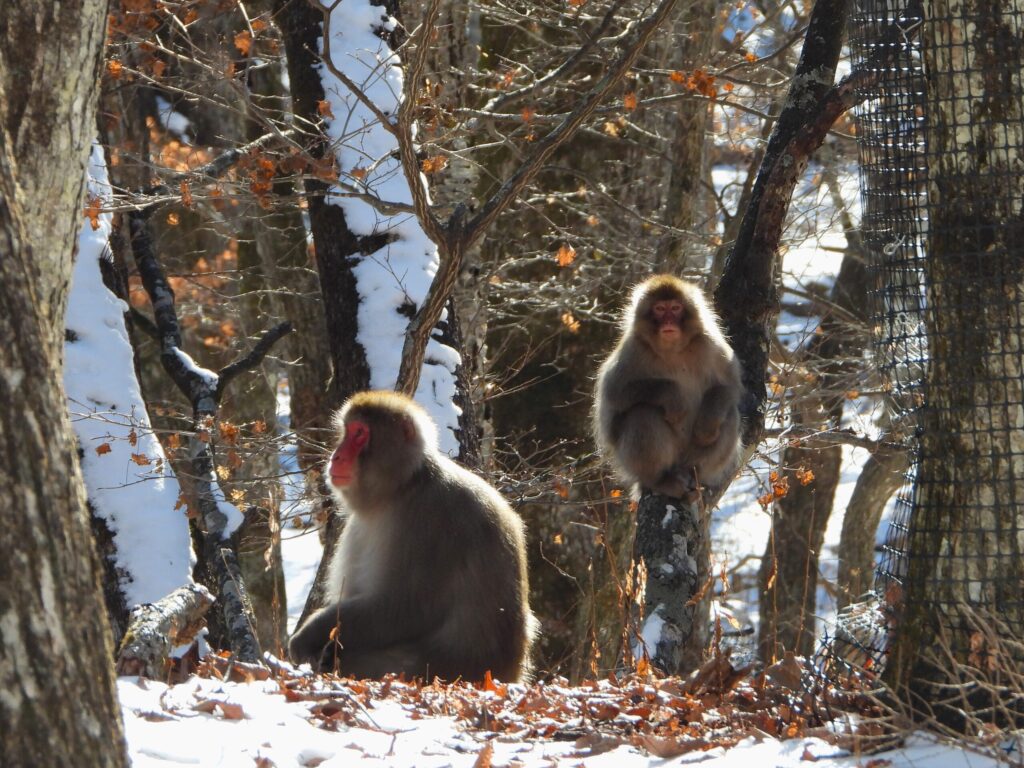
The mountainous forests around Nikko also provide habitat for Japanese macaques. While not a dedicated macaque park, sightings may occur along forest roads or quieter trails.
Encounters here should be considered possible rather than guaranteed, making this area suitable for visitors who enjoy quiet wildlife observation.
Other Areas Where Japanese Macaques May Be Seen
- Mt. Takao and surrounding hills
- Forested areas of the Izu Peninsula
- Mountain regions of central Honshu
Sightings in these areas depend on timing and conditions.
Best Time to See Japanese Macaques
Winter generally offers better visibility in snowy regions. From spring through autumn, macaques range more widely through forests, making encounters less predictable.
Observing Japanese Macaques Safely
Japanese macaques are wild animals. Keep a respectful distance, avoid eye contact, and never feed them unless explicitly permitted by local rules. Quiet observation helps ensure safety for both people and animals.
Author’s Impression
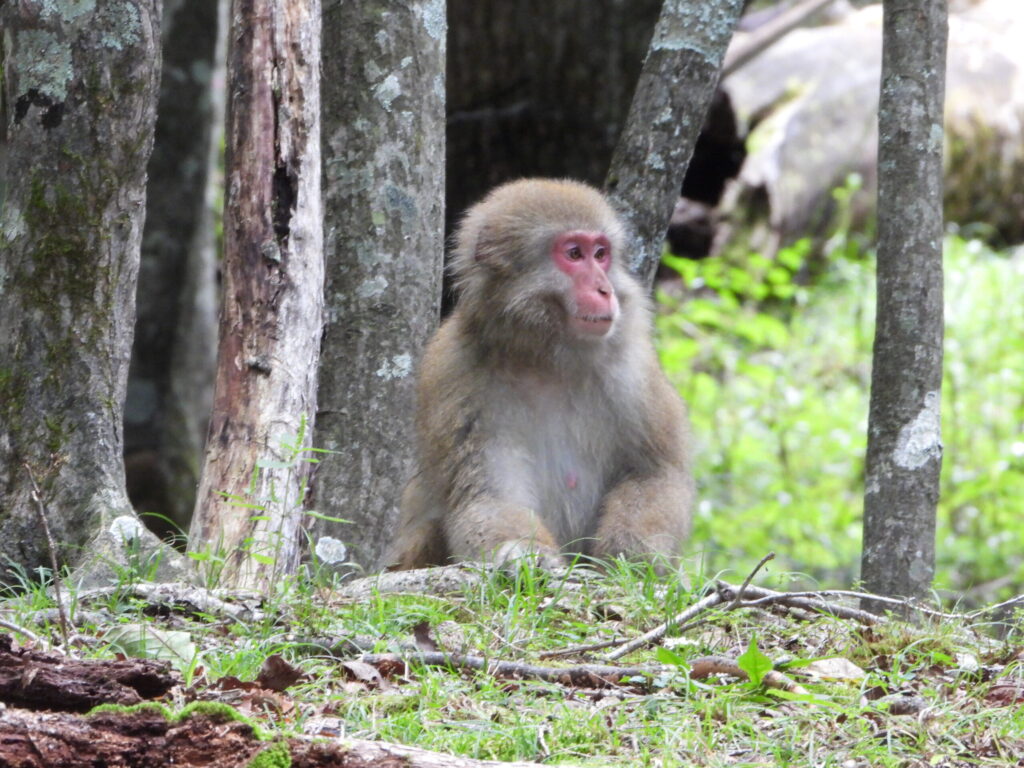
After observing Japanese macaques in Arashiyama, the Shimokita Peninsula, and the Nikko area, the differences between populations are striking. The same species can feel completely different depending on environment and human influence.
The term “snow monkey” captures only a small part of what makes Japanese macaques such a fascinating animal.