Wildlife in Tokyo – Best Animals & Where to See Them
Tokyo is often imagined as a city of concrete, crowds, and skyscrapers.
However, step into a park or shrine forest, and the atmosphere changes completely.
In fact, Tokyo is one of the easiest cities in Japan to encounter wildlife.
Of course, nothing in nature is guaranteed. You won’t see animals every time. However, with the right timing and locations, your chances are surprisingly high, and many species can be spotted just minutes from a train station.
You don’t need mountains or long hikes. And you don’t even need special gear.
So just slow down, look carefully, and Tokyo starts to feel surprisingly wild.
This guide introduces the animals you’re most likely to see and exactly where to find them.
If you’re exploring wildlife across Japan’s cities, start here:
👉 Wildlife You Can See Around Japanese Cities
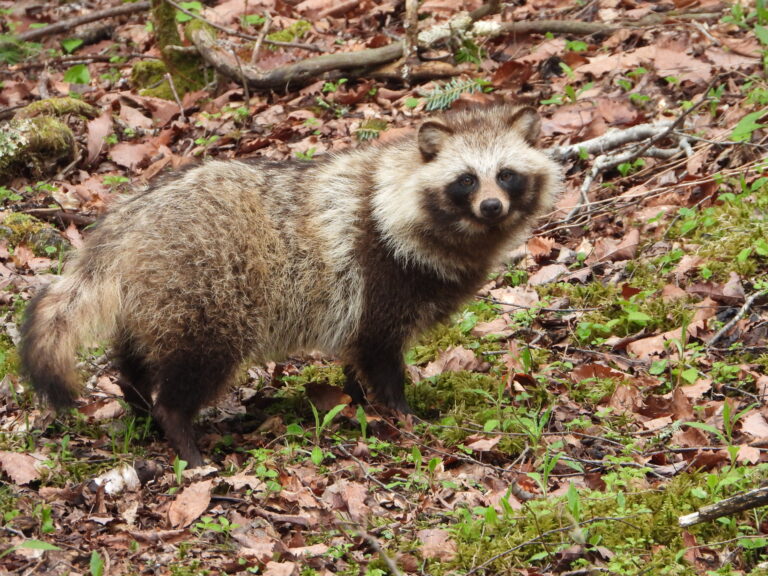
Japanese Raccoon Dog (Tanuki)
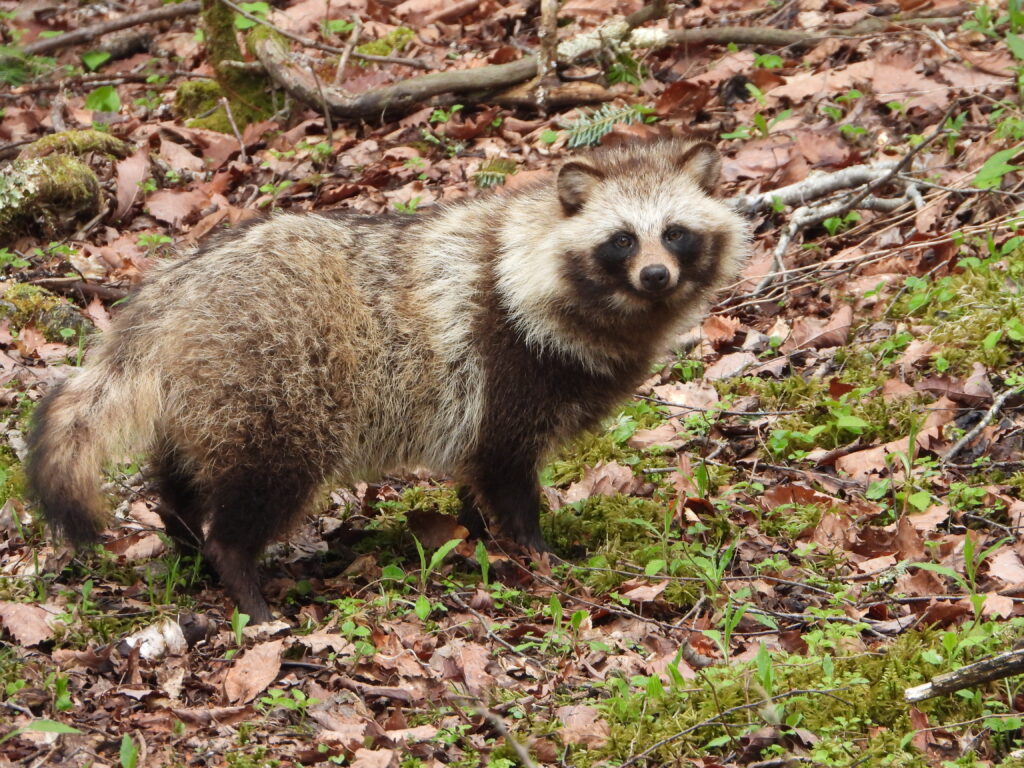
Scientific name: Nyctereutes procyonoides viverrinus
👉 Learn more: Japanese Raccoon Dog (Tanuki) – Wildlife of Japan
Appearance
A fluffy, medium-sized mammal with gray-brown fur and a raccoon-like face. Despite the name, it belongs to the dog family.
Habitat & Distribution
Common in shrine forests and large parks such as Meiji Shrine and Yoyogi Park.
Behavior
Mostly nocturnal and shy. As a result, they are usually seen quietly crossing paths at dusk or night.
Diet
It feeds on fruits, insects, frogs, and small animals.
Author’s Impression
Seeing a wild tanuki walking through central Tokyo feels surreal — almost like the countryside hiding inside the city.
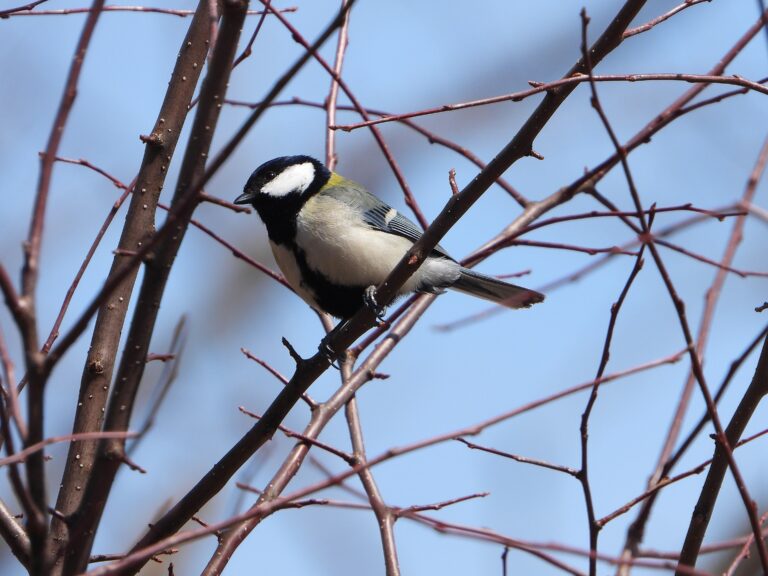
Japanese Pygmy Woodpecker
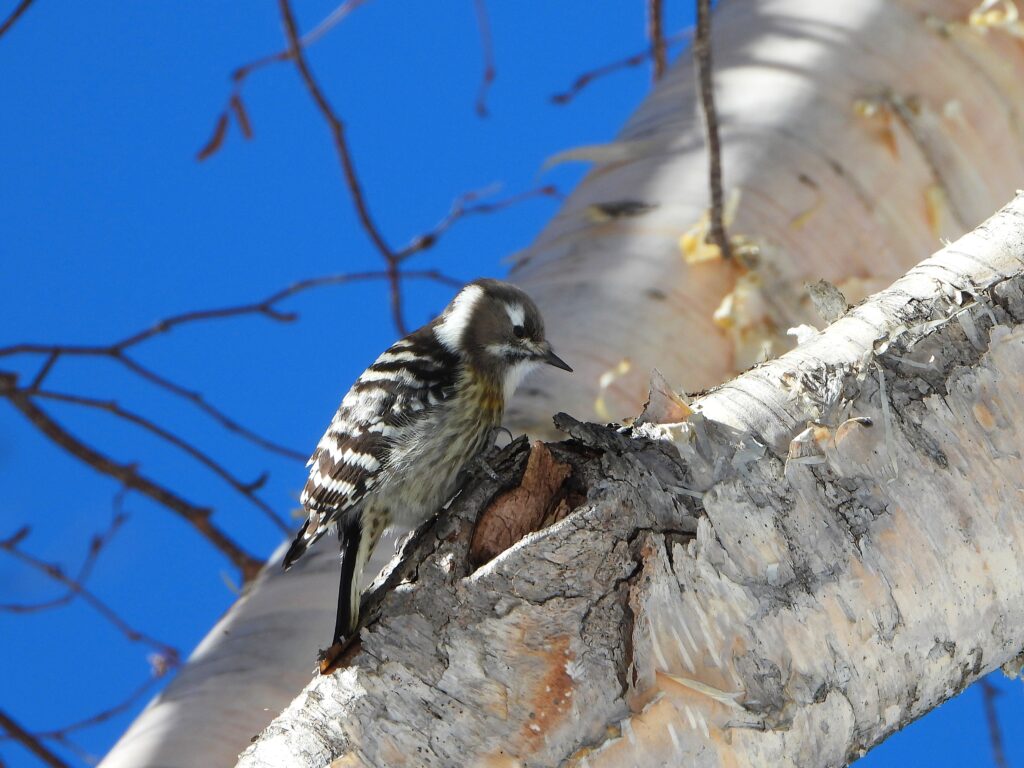
Scientific name: Yungipicus kizuki
👉 Learn more: Japanese Pygmy Woodpecker – Wildlife of Japan
Appearance
Japan’s smallest woodpecker with bold black-and-white markings.
Habitat & Distribution
Very common in wooded parks and temple grounds across Tokyo, so they are surprisingly easy to find.
Behavior
They constantly move along tree trunks while searching for insects.
Diet
It feeds on ants, beetles, and larvae.
Author’s Impression
Tiny, energetic, and beginner-friendly — which makes this species perfect for first-time birdwatchers.
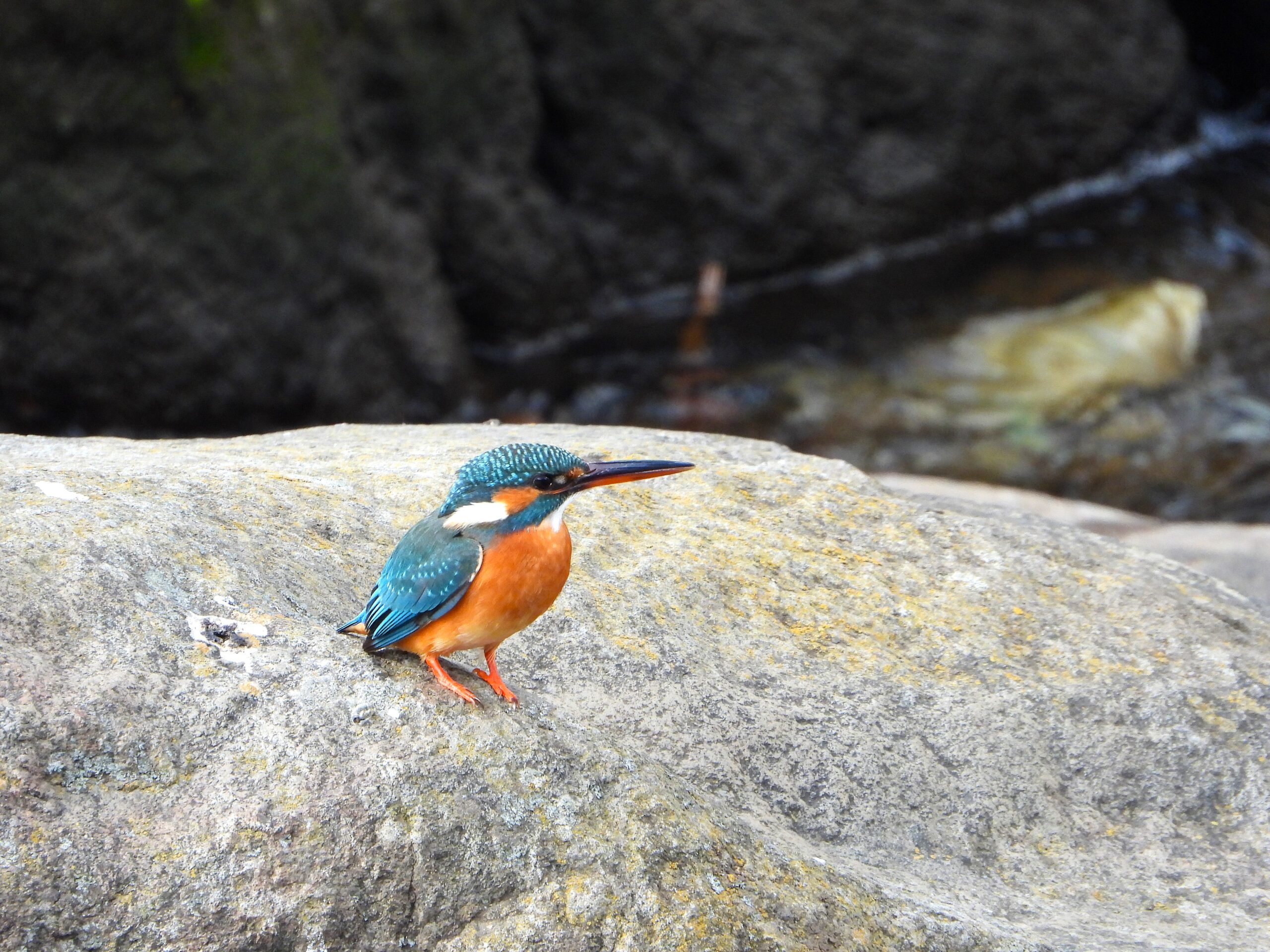
Common Kingfisher
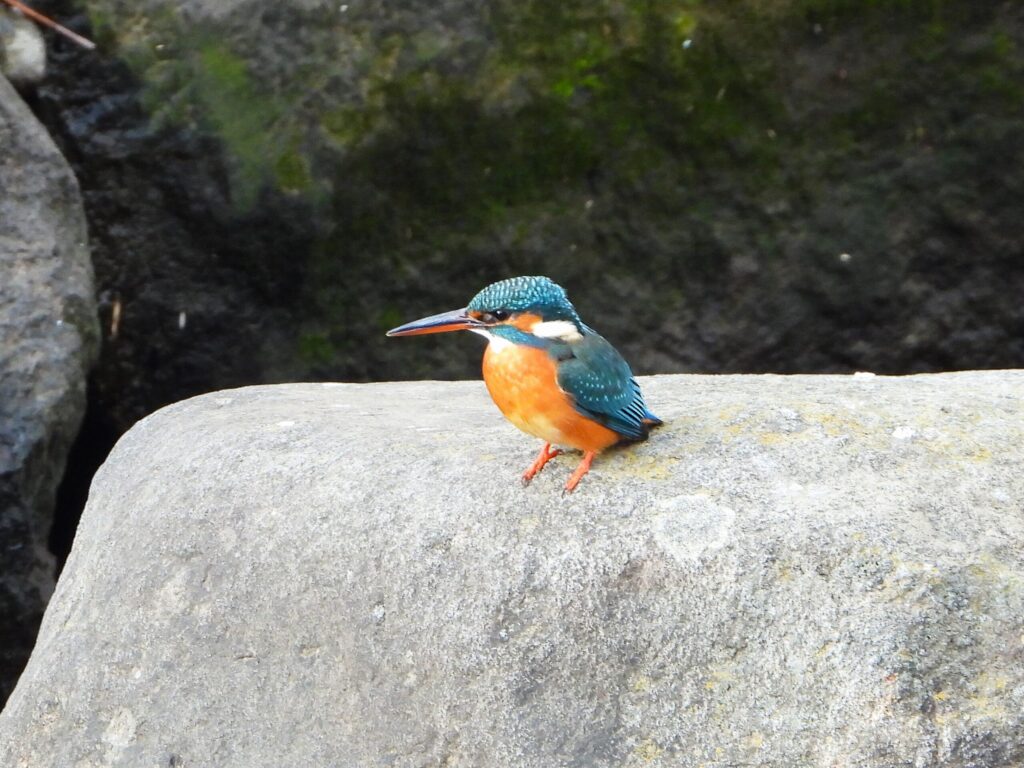
Scientific name: Alcedo atthis
👉 Learn more: Common Kingfisher – Wildlife of Japan
Appearance
It has a bright blue back and an orange belly, and is often called a flying jewel.
Habitat & Distribution
Frequently seen around ponds and rivers such as Inokashira Park and the Tama River.
Behavior
They perch quietly at first. Then, suddenly, they dive into the water to catch fish.
Diet
It feeds on small fish and aquatic insects.
Author’s Impression
That flash of electric blue over the water never gets old. In fact, it’s one of Tokyo’s most exciting wildlife moments.
Japanese Giant Flying Squirrel (Musasabi)
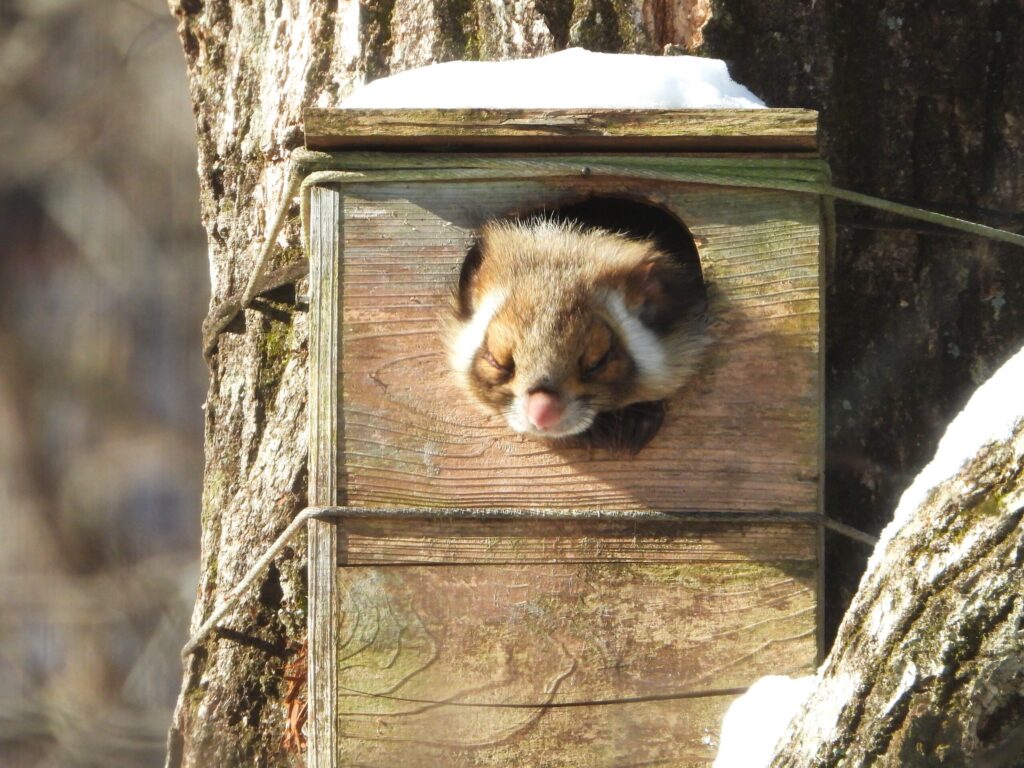
Scientific name: Petaurista leucogenys
👉 Learn more: Japanese Giant Flying Squirrel (Musasabi) – Wildlife of Japan
Habitat & Distribution
Best seen in forested mountains like Mount Takao in western Tokyo.
Behavior
They are nocturnal and glide silently between trees at dusk.
Diet
It feeds on leaves, buds, nuts, and fruits.
Author’s Impression
Watching one glide across the sunset sky is unforgettable. Because of that, many visitors consider it Tokyo’s hidden wildlife highlight.
Best Wildlife Spots in Tokyo (Parks & Nature Areas)
Meiji Shrine forest – tanuki, woodpeckers, forest birds
Yoyogi Park – urban wildlife and insects
Inokashira Park – kingfishers and waterbirds
Tama River – herons, raptors, riverside birds
Mount Takao – flying squirrels and mountain wildlife
Where to See Animals in Tokyo Near Train Stations
Many great wildlife spots are surprisingly close to stations. Therefore, you don’t need a car or special planning.
Harajuku → Meiji Shrine
Yoyogi → Yoyogi Park
Kichijoji → Inokashira Park
River stations → Tama River
Takaosanguchi → Mount Takao
More Tokyo Wildlife Guides
👉 Birdwatching in Tokyo: 10 Best Spots for Travelers
👉 Wild Animals You Can See in Tokyo – Wildlife of Japan
👉 Where to See Wildlife in Tokyo: Mount Takao Guide
Tips for Wildlife Watching
Visit early morning or dusk
Walk slowly and quietly
Watch water edges and forest borders
Bring binoculars or a zoom camera
Avoid busy weekend hours
Final Thoughts
Tokyo isn’t just a megacity.
It’s also a surprisingly rich wildlife habitat.
So even if you don’t see animals every time, stay patient and keep watching. Chances are high that something wild will appear.
Planning to explore more cities across Japan?