Osaka Birdwatching: Urban Birding in One of Japan’s Biggest Cities
Introduction
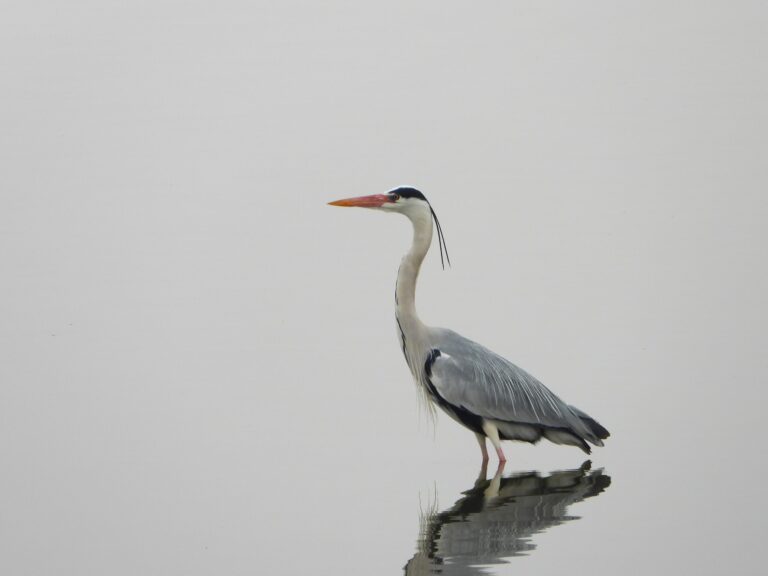
Osaka is widely known as a major urban center, but it also offers accessible opportunities for birdwatching.
Rivers, large public parks, forested hills on the outskirts, and coastal areas along Osaka Bay create a variety of habitats within a relatively compact region.
This guide focuses on well-known public locations and general habitat types where birdwatching is possible.
To avoid misinformation, it does not claim rare species, seasonal guarantees, or specific sightings.
Why Osaka Is Suitable for Birdwatching
Osaka developed alongside waterways, and rivers and canals still shape much of the city’s landscape today.
These water systems, together with large urban parks, nearby wooded hills, and coastal zones, form multiple environments where birds can be observed.
Because these environments are spread across the metropolitan area rather than concentrated in one location, birdwatching can be enjoyed in both central and suburban parts of the city.
Main Birdwatching Areas in Osaka
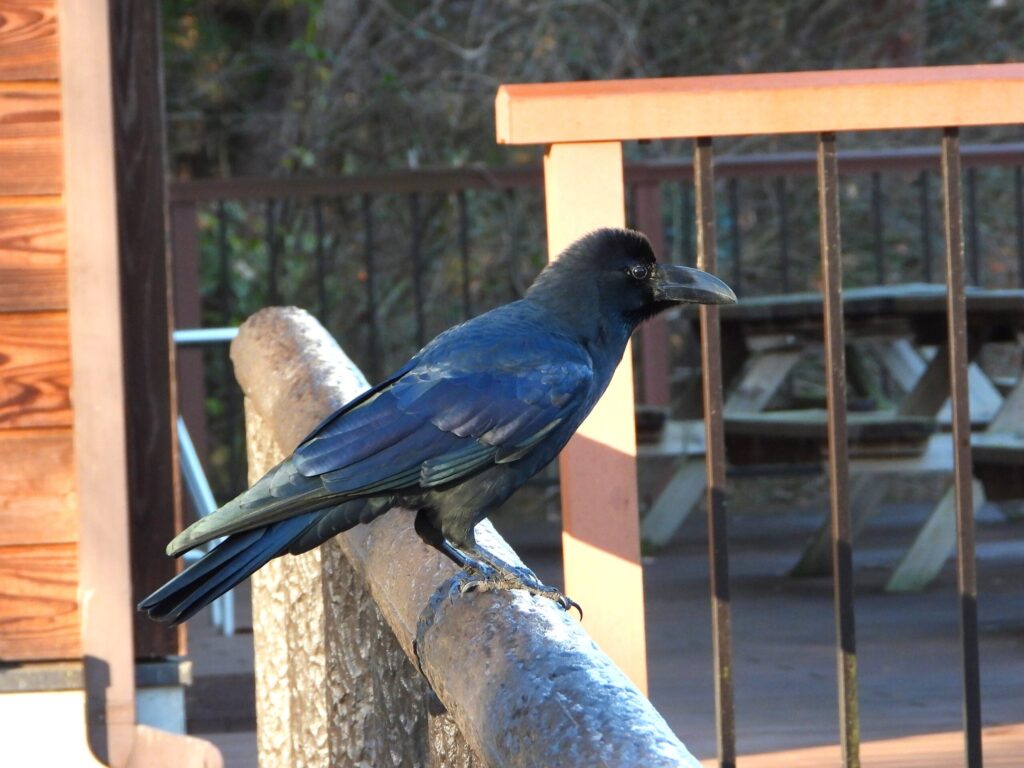
Osaka Castle Park
Osaka Castle Park is a large urban park located near the city center.
Wooded areas, ponds, and open lawns create conditions suitable for birds commonly associated with urban green spaces.
Early morning visits are generally quieter and allow for easier observation.
Despite its popularity with visitors, the park remains a representative example of urban birdwatching in Japan.
Yodo River Area
The Yodo River and its surrounding riverbanks form a broad open environment within the Osaka region.
In several sections, wide water surfaces, grassy areas, and wetland vegetation are present.
Many areas are accessible via walking paths, making casual observation possible during walks along the river.
Expo ’70 Commemorative Park
This park occupies the former site of the 1970 World Exposition.
It includes planted woodland, semi-natural forest, and open green spaces.
Its size and relatively calm atmosphere make it suitable for slow walking and general nature observation throughout the year.
Minoo Park
Minoo Park is a forested valley located on the northern edge of Osaka.
Streams, sloping terrain, and deciduous woodland create a more natural environment than inner-city parks.
Observation here often relies on listening for movement or calls rather than visual searching alone.
Osaka Bay Coastal Areas
Coastal areas along Osaka Bay provide access to marine and shoreline environments.
Observation conditions vary depending on location, season, and tidal state.
Some sections are heavily developed, so access points are limited and advance planning is recommended.
Best Seasons for Birdwatching in Osaka
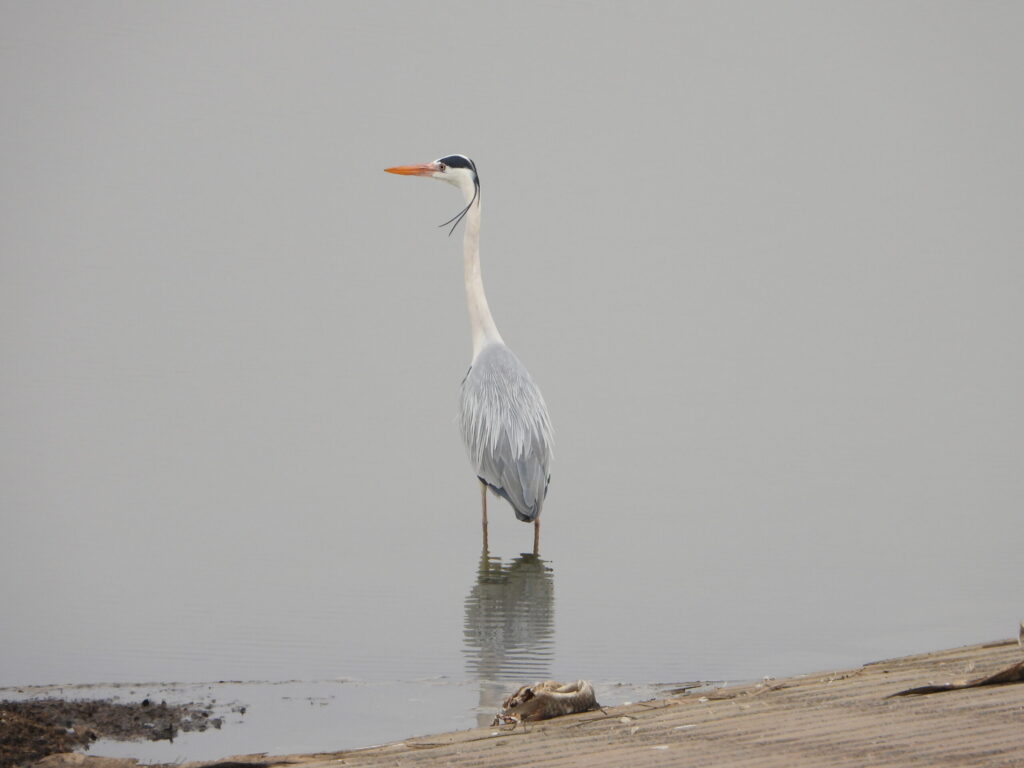
Birdwatching is possible throughout the year, though conditions vary by season.
Spring (March–May) often features increased activity and vocalization.
Autumn (September–November) offers comfortable temperatures and good visibility.
Winter (December–February) may allow easier observation near water and open areas.
During summer, bird activity is often reduced during the daytime, making early mornings preferable.
Tips for Beginner Birdwatchers in Osaka
Visit early in the morning.
Walk slowly and pause frequently.
Wear neutral-colored clothing.
Use binoculars with moderate magnification.
Avoid approaching birds too closely.
In urban settings, observation often involves noticing movement and sound rather than actively searching.
Birdwatching in Osaka for Travelers
Many birdwatching locations in Osaka are accessible by public transportation.
This makes it easy to combine nature observation with sightseeing, even during short stays.
Even brief walks through parks or along rivers can offer opportunities to observe local birdlife.
Conclusion
Osaka shows how birdwatching can exist alongside dense urban development.
Rivers, parks, forested hills, and coastal areas together create a range of environments where birds can be observed.
For beginners and travelers, Osaka provides a practical introduction to urban birdwatching in Japan.
Related Wildlife Guides
For a broader overview of animals you can encounter in this city:
→ Wildlife in Osaka
This article is part of our urban wildlife series. For an overview of wildlife you can realistically see near major Japanese cities:
→ Wildlife You Can See Around Japanese Cities